REVIEW · SIEM REAP
Siem Reap: Angkor Sunrise 1- or 2-Day Guided Temples Tour
Book on GetYourGuide →Operated by Journey Cambodia · Bookable on GetYourGuide
Sunrise at Angkor Wat is a bucket-list moment. What makes this tour work is the small-group feel and the way the guide turns each temple stop into a story you can actually picture. You’ll also get real help finding photo angles and pacing the heat, not just a checkbox route.
I especially like the English narration from guides such as Sak, Pal Saruon, Pi, Bun, and Lucky Nang. Their explanations connect Hindu and Buddhist layers, and they point out details you would normally miss while you’re busy staring at giant stone faces.
One thing to plan for: this is early-morning plus a fair amount of walking on uneven ground and up/down steps. If you hate pre-dawn starts or your knees aren’t happy, the schedule can feel like a lot.
In This Review
- Key highlights that make this tour worth your time
- Sunrise in Angkor Wat: the moment, the mission, the payoff
- Day 1: Pre Rup, Banteay Srei, and the quieter Angkor world
- Pre Rup: layered stone and royal vibes
- Banteay Srei: the showstopper for carvings
- Neak Pean: a calm break on water and faith
- Preah Khan: tree roots and restoration contrast
- Day 2 after sunrise: Angkor Thom, 54 figures, and the 200-face towers
- Southern Gate of Angkor Thom
- City of Angkor Thom and its face towers
- Leper King and Terrace of Elephants
- Ta Prohm: roots, ruins, and why it still feels alive
- Price and value: what you’re really paying for
- Comfort in the Cambodian heat: towels, water, and air-con
- What to bring (and what can’t go in your bag)
- Pace and walking realities: doable, but don’t pretend it’s easy
- Should you book this sunrise 1- or 2-day Angkor tour?
- FAQ
- Do I need the temple pass for this tour?
- What’s included in the price?
- What time do you leave for Angkor Wat sunrise?
- How long is the Angkor Wat sunrise visit?
- What should I wear to the temples?
- Is the group large?
- Is cancellation possible if plans change?
Key highlights that make this tour worth your time
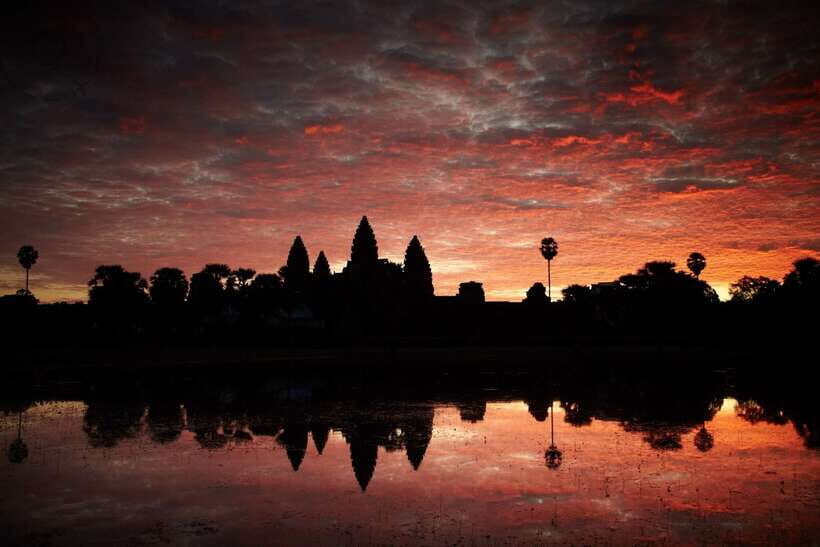
Angkor Wat sunrise, with prime viewing support: you leave your hotel around 4:20–4:35 AM on Day 2 to catch the light early.
Day 1 temple variety outside the main crowds: Pre Rup, Banteay Srei, Neak Pean, and Preah Khan give you a different side of Angkor.
Two hours inside Angkor Wat: you don’t just take a quick lap; you get time to explore corridors, chambers, and upper terraces.
Cold comfort during the hottest hours: bottled water plus cool towels (often mint or eucalyptus-scented) keep you going.
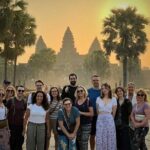
Photo help that goes beyond pointing: guides help with angles, and they’ll even take photos for solo travelers.
Real temple etiquette: you must cover knees and shoulders, and shorts aren’t allowed.
Sunrise in Angkor Wat: the moment, the mission, the payoff
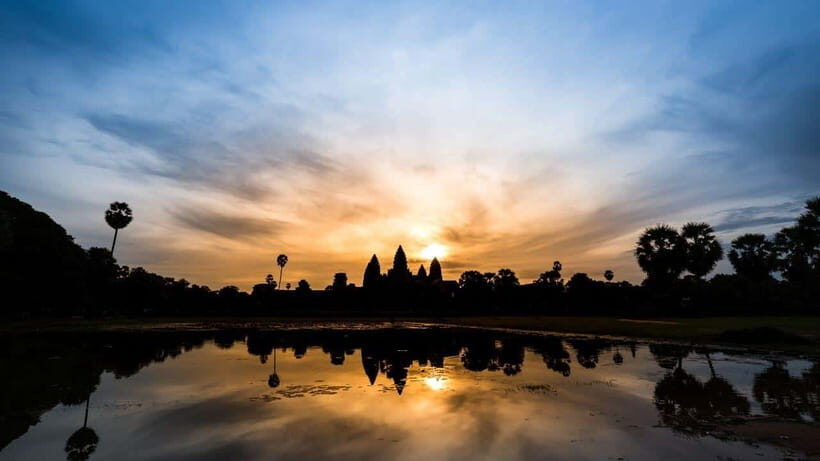
If you only do one Angkor outing, make it this kind of schedule. The payoff isn’t just the sunrise itself; it’s how the timing buys you space to see rather than shuffle.
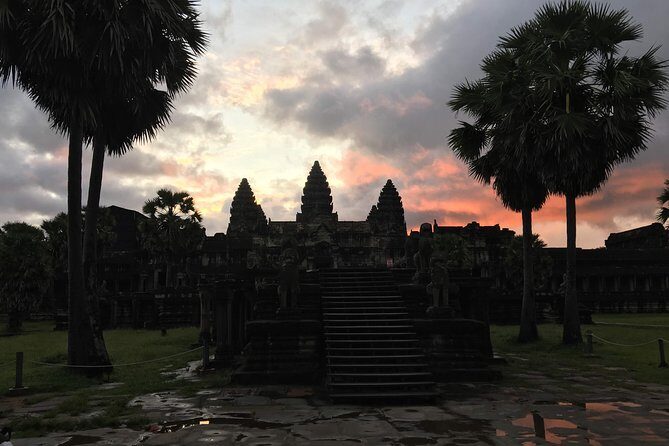
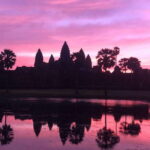
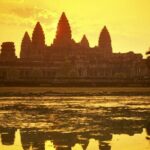
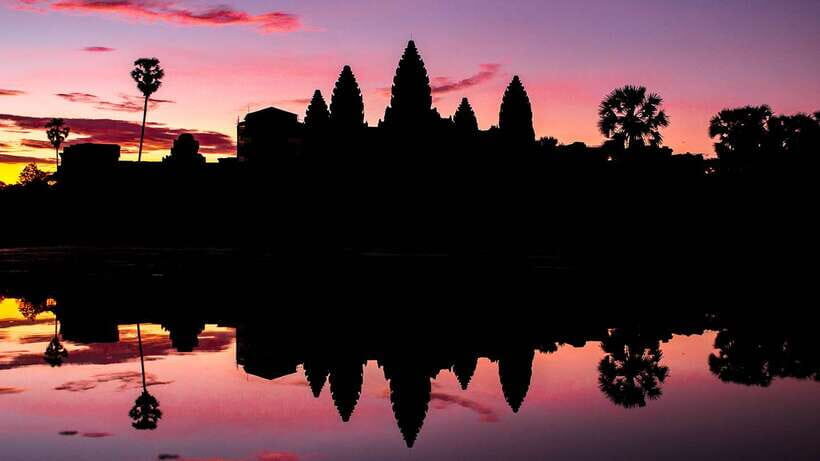
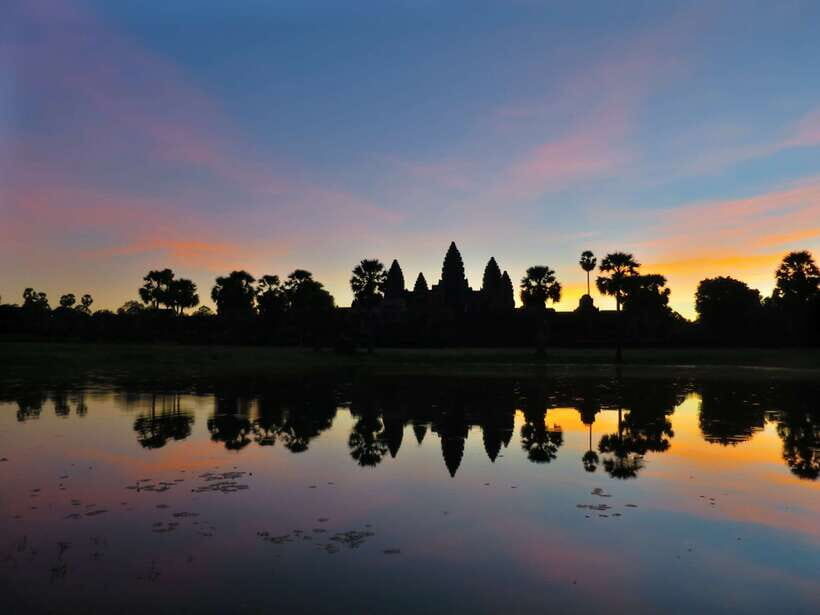
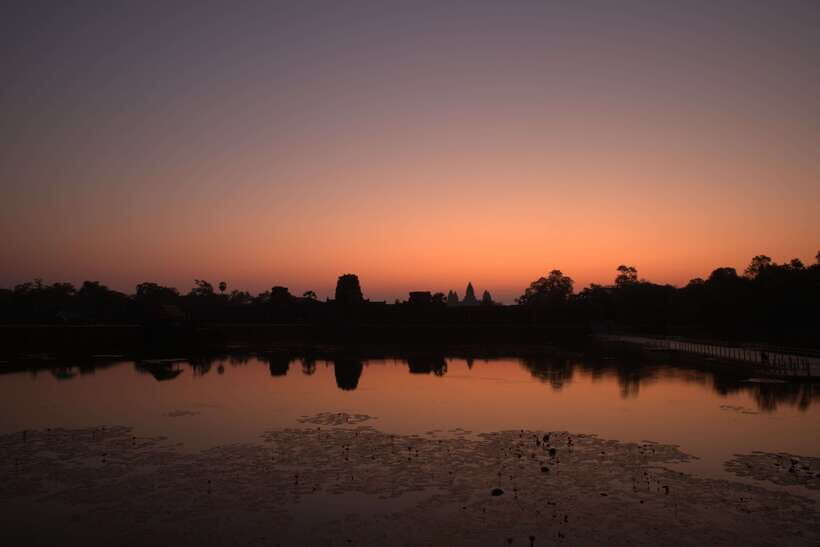
On Day 2, pickup is about 4:20–4:35 AM. You’ll drive out while the air is still cool and the temple grounds are waking up. Then you get to watch the light change on Angkor Wat, the world’s largest sacred building. In the best cases, the guide helps you settle into a viewing spot where you’re not constantly fighting for position—front-row style is often possible with the right strategy.
After sunrise, you don’t rush straight back to the bus. You spend about two hours inside Angkor Wat, which matters. A guided visit changes the experience because you’re reading stone as you move: bas-reliefs and carvings stop looking like decoration and start sounding like legends, royal ideas, and everyday Khmer life. You also get a chance to climb to upper areas, where the geometry and scale click in a different way.
Then there’s breakfast just outside the temple area. That simple stop is practical: you refuel before Angkor Thom and Ta Prohm demand full attention.
You can also read our reviews of more guided tours in Siem Reap
Day 1: Pre Rup, Banteay Srei, and the quieter Angkor world
Day 1 starts later—pickup usually falls around 7:40–8:00 AM. That’s a relief if you’re not built for pre-dawn. The route focuses on temples that feel more intimate than Angkor Wat, while still delivering big visual punch.
Pre Rup: layered stone and royal vibes
Your first stop is Pre Rup, a Hindu temple built in the 10th century (around 961 or 962). It’s an easy entry point because the construction style stands out: laterite mixed with sandstone gives the temple its distinct texture and color. Plus, it’s a temple built for viewing and movement—good for understanding how Angkor designers used terraces and sight lines to shape how you experience the site.
Banteay Srei: the showstopper for carvings
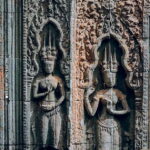
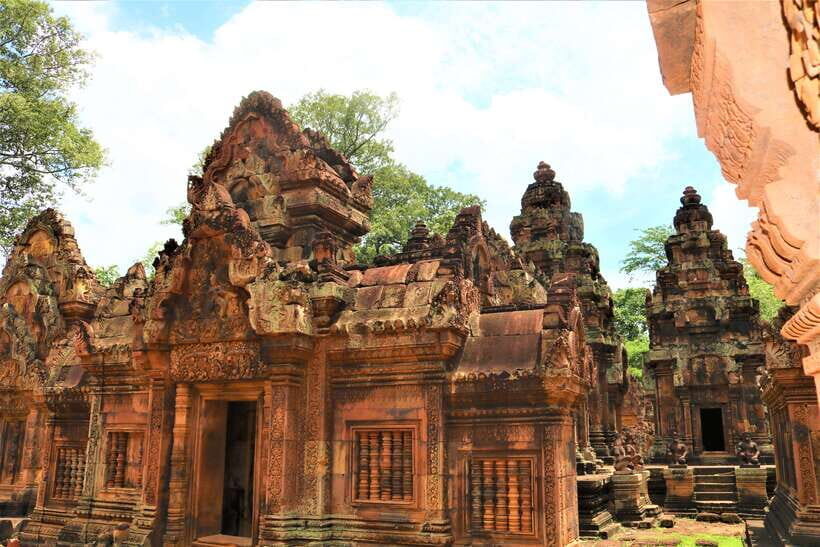
Then comes Banteay Srei, widely loved because it’s smaller than many major sites, but it rewards slow looking. The sandstone reliefs here are regarded as among the finest craft in Cambodia, and you can see how much patience it took to carve so much detail into such small spaces.
This is where I really felt the value of a strong guide. If you just walk past, you miss the symbolism and the scene-by-scene structure. With narration, you start spotting patterns: who is shown doing what, what religious ideas are being referenced, and why certain figures appear repeatedly.
Banteay Srei is also a great reminder that Angkor wasn’t only about scale. Craftsmanship and storytelling are the point, too.
Neak Pean: a calm break on water and faith
On the way back, you stop at Neak Pean, a Buddhist temple set on a circular artificial island within Jayatataka Baray. It’s a different mood from the earlier stops. Instead of towering walls and intense carved surfaces, Neak Pean gives you a more reflective setting tied to water.
This stop helps you avoid what I call temple fatigue: if Day 1 were only heavy, monumental sites, you’d start glazing over. Neak Pean shifts the tempo.
A few more Siem Reap tours and experiences worth a look
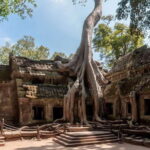
Preah Khan: tree roots and restoration contrast
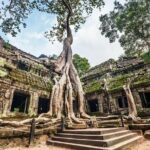
The final Day 1 highlight is Preah Khan, built under Jayavarman VII in honor of his father. The site is ruined, but in a good way: it has that cinematic feel where tree roots and crumbling stone look like they’re negotiating for control. It’s also currently being restored by the World Monument Fund, and some areas are in surprisingly strong condition.
That restoration detail is worth paying attention to. It changes how you interpret the “ruin” look: it’s not just decay; it’s an active effort to preserve what still exists and make the story readable again.
Day 1 ends with a sunset viewpoint, then you head back to Siem Reap. The rhythm is smart: you get a full day of variety and still finish with a softer landing rather than another all-out sprint.
Day 2 after sunrise: Angkor Thom, 54 figures, and the 200-face towers
Day 2 is the big-name Angkor sweep, and it’s structured so the morning hits the key icons while you still have energy.
Southern Gate of Angkor Thom
First up is the Southern Gate of Angkor Thom. You’ll notice two lines of stone figures flanking the entrance: 54 figures on each side. One side is gods, the other demons. It’s a fast visual punch, but the guide’s explanation makes it click—this isn’t random decoration; it’s part of a larger mythic framework used to signal cosmic order and conflict.
City of Angkor Thom and its face towers
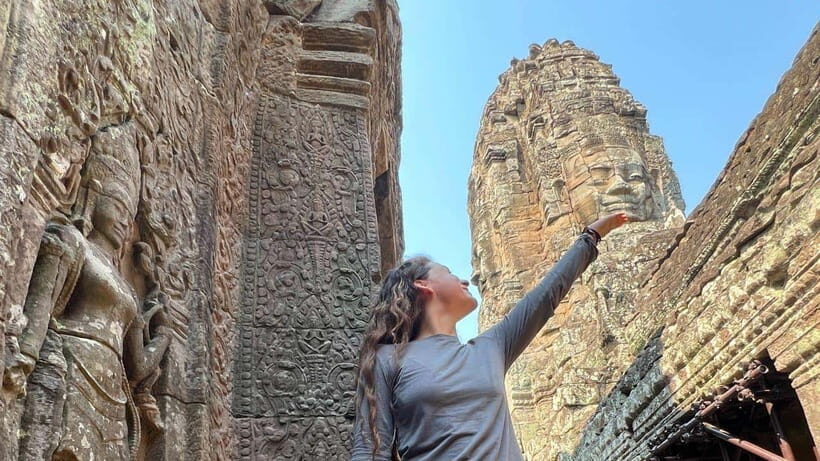
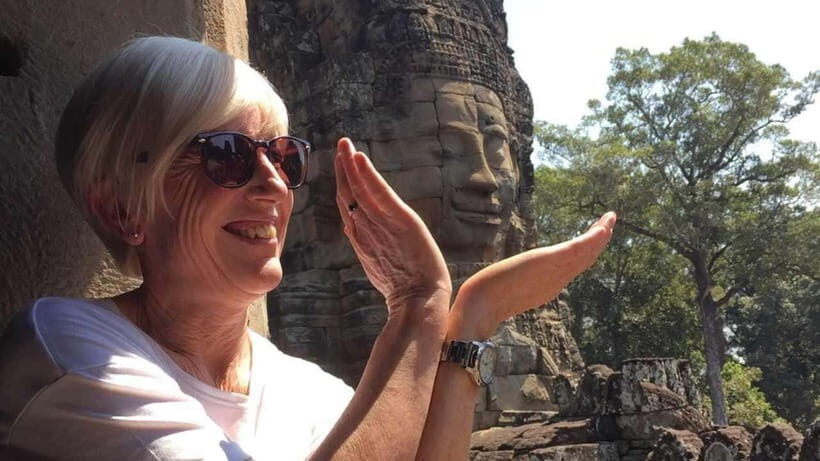
Next, you explore Angkor Thom itself, especially its central towers covered with more than 200 enormous faces. People often photograph the faces; with good guiding, you also learn how to look at the expressions and placement, and how the city’s layout supports movement and power.
It helps to remember: Angkor Thom is a city, not just a temple complex. The scale changes how you understand the empire’s ambitions.
Leper King and Terrace of Elephants
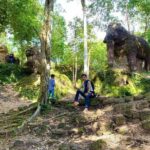
Then you visit the central terrace of the Leper King and the Terrace of Elephants. These terraces can feel like “the nice viewpoint” until you get the story behind the carvings. The guide connects the sculptures to rituals and to the way royalty staged presence through stone.
Even if you’ve seen photos before, being there changes how you interpret it. You start noticing proportions: how figures relate to walkway height, how the terrace frames ceremonies, and how the area directs your movement.
Ta Prohm: roots, ruins, and why it still feels alive
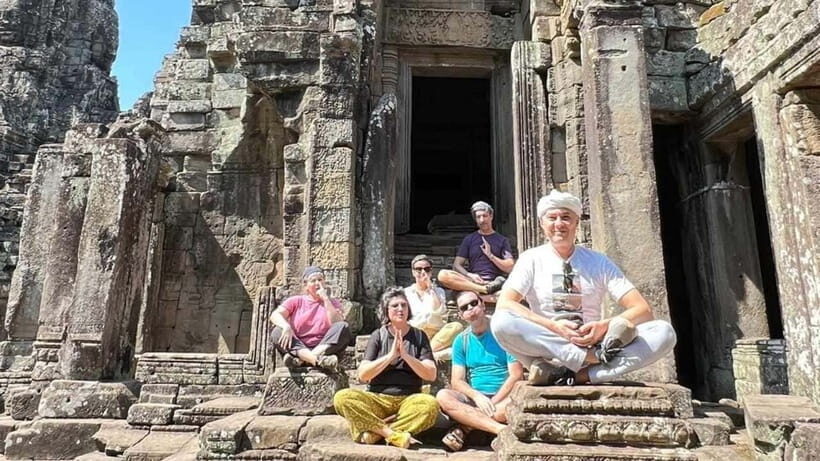
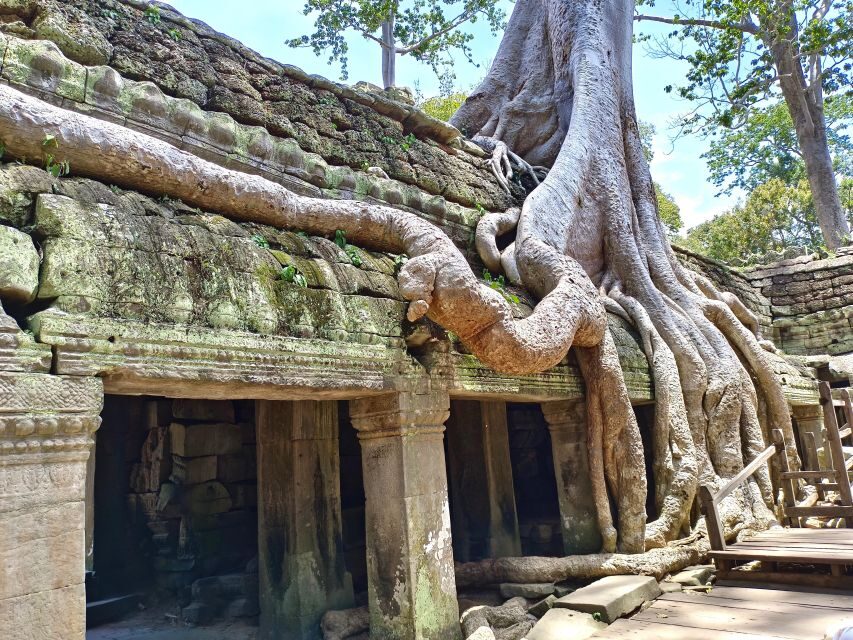
Later in the day, you head to Ta Prohm, once home to almost 3,000 monks. This is the jungle temple that made Angkor famous in pop culture, but the scene still lands in real life: roots gripping stone, a gentle collapse of order, and a sense of time layering over time.
The tour usually keeps you enough time to actually look. And because you’ve already built context earlier—Hindu origins, Buddhist shifts, Jayavarman VII’s influence—you’re not just watching dramatic visuals. You’re also seeing how religious function and architecture can change without erasing the past.
Then you return to Siem Reap around 12:30–1:30 PM. That early finish is useful. It gives you the afternoon for markets, massage, or a proper Cambodian meal without feeling like you got your entire day stolen by stone.
Price and value: what you’re really paying for
This tour is listed around $19 per person, and the temple pass is separate (about $62 per person for all temples). Meals aren’t included either.
So your realistic temple-day cost is closer to $81+ per person for the big ticket items, before snacks and meals. For a two-day plan that includes hotel pickup/drop-off, an air-conditioned vehicle, an English-speaking guide, and the time at the key sites (including the long Angkor Wat interior visit), it’s a value-forward setup—especially because you’re not trying to self-manage sunrise logistics and routing.
Where you feel the value most is the guide support:
- They help you see carvings and architecture as more than wallpaper.
- They steer you toward better photo spots and less painful timing choices.
- They manage pacing so the day stays doable instead of chaotic.
Also, skip the line is listed as part of the experience. You’ll still need the temple pass, but the tour helps you handle the entry process more smoothly once you have your ticket sorted.
Comfort in the Cambodian heat: towels, water, and air-con
Angkor days can be hot and sticky fast. That’s why I pay attention to the comfort details.
This tour includes:
- Bottled water
- Cool towels
- Air-conditioned vehicle
On the best runs, the towel experience is a real highlight. Multiple guides/drivers are described as bringing cooling towels at returns to the van after each temple. Some towels were even described as mint-scented or eucalyptus-scented—details like that tell you they’re trying to make the heat manageable, not just provide “stuff.”
The vehicle matters too. You’re covering a lot of ground across two days. If you’re stuck in a non-air-conditioned car, the day feels longer than it needs to be.
What to bring (and what can’t go in your bag)
You’ll have a smoother time if you pack for comfort and temple etiquette.
Bring:
- Comfortable shoes (you’ll be walking a lot)
- Sunglasses and a sun hat
- Camera
- Insect repellent
Dress rules:
- You need to cover knees and shoulders at temples.
- Shorts aren’t allowed.
Other practical notes:
- You’ll likely buy meals at local restaurants near the temples.
- The itinerary is time-tight enough that grabbing random snacks on your own might be tempting, but planning helps.
Pace and walking realities: doable, but don’t pretend it’s easy
Even on a “guided tour,” Angkor requires stamina. Expect uneven ground, steep steps in places, and plenty of standing.
Your guide plays a big role in making this manageable—especially if they keep the group together, set expectations on uneven surfaces, and keep hydration front and center. That kind of attention shows up in the way the experience is described: guides and drivers consistently push water and towels after temple stops, which is the difference between enjoying the ruins and feeling miserable.
Children under 8 aren’t recommended, and wheelchair access isn’t supported in the provided info. If you fall into either category, you’ll want a different plan.
Should you book this sunrise 1- or 2-day Angkor tour?
I think you should book it if:
- You want two full days and a mix of major icons plus less-visited-feeling temples.
- Sunrise matters to you, and you’d rather let someone else handle the timing.
- You care about meaning, not just photos—this tour is designed around a guide who explains what you’re seeing.
- Heat comfort is important (the water and cool towels are a real plus).
Skip it (or choose carefully) if:
- You hate early wakeups. Day 2 starts around 4:20–4:35 AM.
- You don’t want to walk uneven paths and climb steps.
- You’re trying to keep costs ultra-low. The base price is low, but the temple pass is a big add-on.
If your goal is the best blend of iconic Angkor Wat sunrise plus the contrast of Banteay Srei and Ta Prohm, this is a strong way to do it—especially with a guide-led, small-group approach through Journey Cambodia.
FAQ
Do I need the temple pass for this tour?
The temple pass is not included. You’ll need a separate pass (listed as about $62 per person for all temples).
What’s included in the price?
Hotel pickup and drop-off, an English-speaking guide, bottled water and cool towels, and air-conditioned transport are included.
What time do you leave for Angkor Wat sunrise?
Pickup for the sunrise portion is typically between 4:20 and 4:35 AM, with return to your hotel around 12:30–1:30 PM.
How long is the Angkor Wat sunrise visit?
You’ll spend about 2 hours exploring Angkor Wat, including corridors, central chambers, and upper terraces.
What should I wear to the temples?
You must cover your knees and shoulders. Shorts aren’t allowed.
Is the group large?
This is a small group tour with a limit of 15 participants.
Is cancellation possible if plans change?
Free cancellation is available up to 24 hours in advance for a full refund.