REVIEW · BATTAMBANG
Local Livelihood Half Day Bike Tour in Battambang
Book on Viator →Operated by Soksabike · Bookable on Viator
A morning bike ride can be more than exercise, and this one is a look at real rural life around Battambang, run by Soksabike. I like the hands-on family visits—rice paper, sticky rice, and more—and I really liked having a friendly local student guide like Savith who explained daily rhythms in plain, human terms. The one thing to consider is the ride is around 22 km, so if your bike saddle is sensitive, you’ll want to hold your expectations steady.
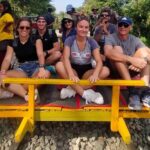
This is a traffic-light way to see the countryside: you’re not searching for parking or getting stuck in jams. And because the group is small, you can actually talk with Khmer families instead of just speed-watching from the roadside. Dress matter too—cover your knees and shoulders—and that can feel like a lot in the morning heat.
In This Review
- Key things I’d watch for before you go
- From Psar Nath to Rural Roads: How the Start Really Works
- 22km on a Mountain Bike: The Pace, Timing, and Comfort Reality
- Stop-by-Stop: What You’ll Actually Do Out There
- Starting at Soksabike and getting your bearings
- Visiting families who make traditional products
- Tasting seasonal fruit and local drinks
- Rural Living Through Small Conversations, Not Big Tourism
- Food, Fruit, and Coconut Water: Why the Tastings Matter
- Price and Logistics: When $30 Feels Worth It
- What to Wear (and What to Bring) for a Comfortable Ride
- Is This Tour Right for You? Best Fit Scenarios
- Should You Book the Local Livelihood Half Day Bike Tour with Soksabike?
- FAQ
- How long is the Local Livelihood Half Day Bike Tour?
- What time does the tour start?
- Where do I meet the guide?
- Does the price include hotel pickup and drop-off?
- What’s included in the tour?
- What should I wear?
- Is the tour suitable for different fitness levels?
- Is bike insurance included?
- Is there free cancellation?
Key things I’d watch for before you go
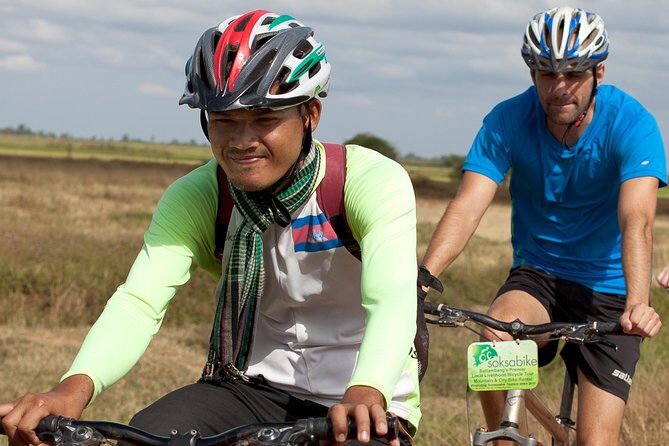
- Small group feel: capped at 10 travelers, so questions actually land.
- Built-in comfort: mountain bikes, helmets, and support like snacks and water.
- Family-made products: you’ll see traditional processes and learn how they’ve been passed down.
- Food and drink sampling: seasonal fruit, coconut water, banana snacks, and more.
- Real livelihood focus: you’re not just sightseeing; you’re seeing income in action.
- Half-day timing: plan on a morning start around 7:30 am and being back around noon.
From Psar Nath to Rural Roads: How the Start Really Works
Your tour kicks off near Psar Nath, the central market area in Battambang. The meeting point is Soksabike near Psar Nath (Street 1.5, Krong Battambang), and you’ll start at 7:30 am. That early start matters. The countryside roads are less chaotic, the heat is easier to handle, and you’re more likely to catch families working during the best parts of the day.
Pickup and drop-off are part of the package, with hotel pickup and drop-off included and the ride ending back at the meeting point area. So you can show up, check in, get your bike, and just go. You’ll also use a mobile ticket, which is handy if you’re juggling apps and maps during your trip.
There’s also a simple cultural note that makes the whole experience smoother: cover knees and shoulders. It’s not about being fancy; it’s about respect, and it helps you blend in when you’re interacting with families.
One more practical detail: this tour is described as suitable for most people, but it is a bike experience. Even if your fitness is average, you’ll still be moving for a few hours, and you’ll want to feel comfortable on a bicycle seat for that length of time.
You can also read our reviews of more cycling tours in Battambang
22km on a Mountain Bike: The Pace, Timing, and Comfort Reality
The ride length is about 22 km, usually in the half-day window. Depending on pace and how long you pause for conversations and tastings, the overall duration can run about 2 to 4 hours (and the main departure/return timing is around 7:30 am to around 12 pm).
You’ll ride a mountain bike with a safety helmet provided. That’s a big plus if you don’t travel with gear. Battambang’s roads around the countryside can be uneven in places, and a mountain bike is a safer bet than a road bike for this kind of morning ride.
Now for the only real comfort caveat I’d flag: at least one person noted that the saddle can be painful. That’s not a deal-breaker, but it’s worth planning around. If you’re the type who feels every bump after an hour, consider padding clothing under your shorts if the weather allows, and take the pauses seriously. The tour includes multiple stops, so you’ll have chances to reset.
Also, you don’t have to worry about traffic jams or finding parking. Biking is the point here. You’re trading car logistics for slower, human-scale movement through the countryside.
Stop-by-Stop: What You’ll Actually Do Out There
The experience centers on rural livelihood visits and conversations with Khmer families. Even though the day is structured around a morning ride, it feels less like a checklist and more like a series of small introductions—people, their work, their materials, and what daily life looks like outside town.
Starting at Soksabike and getting your bearings
At the start, you’ll connect with your local guide and get oriented with the bike. This is when you’ll learn the basics: how the ride will flow, how stops work, and what to expect from the family visits. The tour is run by Soksabike, with a focus on pairing you with a local student guide for context.
If you get a guide like Savith, you’ll likely hear the day explained in a way that feels personal rather than scripted. Expect plain talk about farming seasons, local production, and what families are doing right now—not just what used to happen.
Visiting families who make traditional products
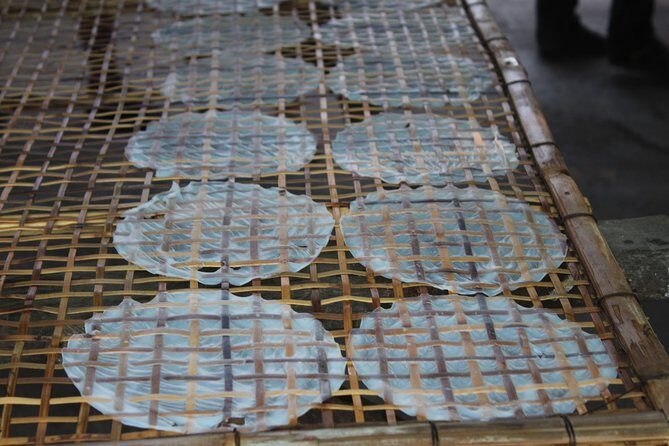
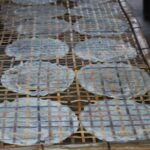
A key part of the experience is meeting Cambodian families involved in traditional production—things made in the same general way for generations. You’ll visit people who produce items like:
- rice paper
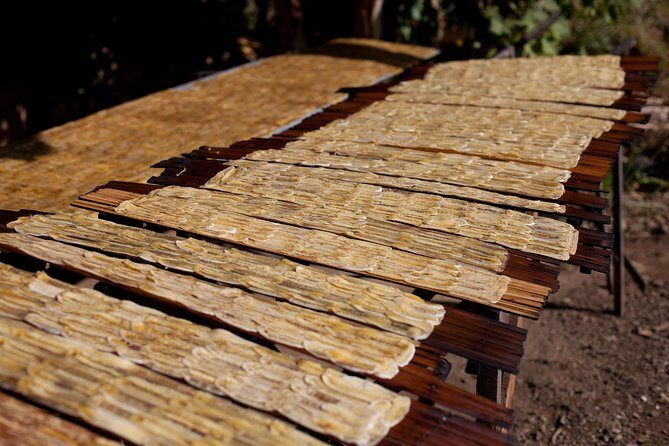
- dried bananas
- bamboo sticky rice
You’re not just watching a demo from the sidewalk. The idea is to learn first-hand about everyday life in rural communities—communities that make up a huge portion of Cambodia’s population. That context changes how you see everything you pass: it’s not random scenery. It’s someone’s workplace, supply chain, and daily routine.

Tasting seasonal fruit and local drinks
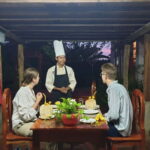
You’ll also sample seasonal foods along the way, including seasonal fruits and coconut water. On the food side, you should expect more than a single snack stop. The ride is designed around small tastings that help you understand what families produce and how they use local ingredients.
In one standout description from a guide-led day, the tastings included:
- rice paper snacks
- banana snacks
- bamboo sticky rice
- rice wine
- coconut water and local treat sampling
Not every product will be the same every single day—seasonality and what families have ready can affect it—but the overall pattern is consistent: you eat what you learn about, and you ask questions while it’s happening.
Rural Living Through Small Conversations, Not Big Tourism
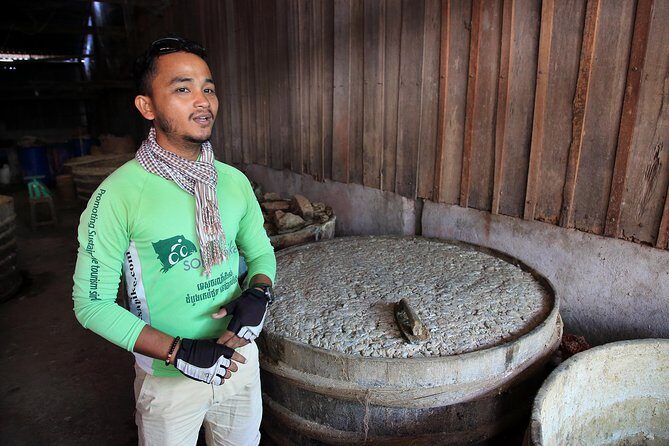
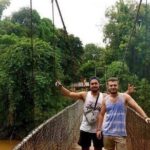
The strongest value of this tour is how it reframes what you see. Instead of treating Battambang’s countryside like a photo backdrop, you’re walking the edges of livelihood—production, food prep, and how families structure their day.
Here’s what that means for you in practical terms:
- You’ll interact with Khmer families and learn about their routine, not just their products.
- The guide helps translate cultural meaning into everyday language, so you can connect dots instead of guessing.
- You’ll learn how these communities fit into Cambodia’s broader picture—where most people actually live and work.
There’s also a fairness piece worth noting: the tour includes compensation to families the tour visits. It’s not just “nice to meet you.” It’s tied to livelihood. That makes conversations feel more grounded and respectful.
And because the group is capped at 10 travelers, you’ll have more time for questions. On busier tours, you often get swept along. Here, biking slows the pace down naturally, and that gives you space to connect with people.
Food, Fruit, and Coconut Water: Why the Tastings Matter
Tastings are often an afterthought on tours, a quick sugar hit before you move on. This one treats food as part of the story.
You’ll likely taste seasonal fruits and coconut water, and you’ll also encounter products linked to the families you visit, like dried bananas and bamboo sticky rice. If you’re the type who loves understanding how ingredients turn into meals and snacks, this part will click quickly.
Also, keep your expectations flexible on what you’ll try. You might get different variations depending on what’s in season and what families have ready. But the through-line is consistent: you’ll be sampling items that connect directly to the work happening around you.
One more thing I like: the tastings aren’t hidden behind a formal restaurant. They happen in the same spaces where people do the work. That’s when the food stops being just delicious and starts being informative.
Price and Logistics: When $30 Feels Worth It
At $30 per person for a half-day bike tour, the value comes down to what’s included and how much you get from the experience.
You get:
- a local guide
- snacks and water
- hotel pickup and drop-off
- a mountain bike and safety helmet
- compensation to the families you visit
That’s not just a bike rental. It’s local guidance plus the food component plus the transportation help to and from your hotel. For many people, that bundled structure is what makes the tour feel fair.
It’s also a smaller-group format, and the ride is timed for a morning window. The fact that it’s commonly booked about 21 days in advance on average suggests demand is steady. If you’re in Battambang during a busier travel period, don’t wait forever to lock it in.
You should also know what’s not included: insurance isn’t included. The tour provides the helmet and safety gear for biking, but you’d still want your own travel insurance arranged separately.
What to Wear (and What to Bring) for a Comfortable Ride
The tour asks for respectful clothing: cover knees and shoulders. That’s especially important because you’re interacting with Khmer families during the morning, not just riding past viewpoints.
Beyond that, bring practical basics:
- light layers (morning can be cooler, then warm up fast)
- closed shoes you’re comfortable cycling in
- water and snacks are provided, but having a small personal item (like tissues) can still help
- if you’re saddle-sensitive, plan for comfort and take breaks when offered
Also, because the ride goes out into the countryside, treat this as a bike day with real movement—not a slow stroll. You’ll want to be mentally ready for that.
Is This Tour Right for You? Best Fit Scenarios
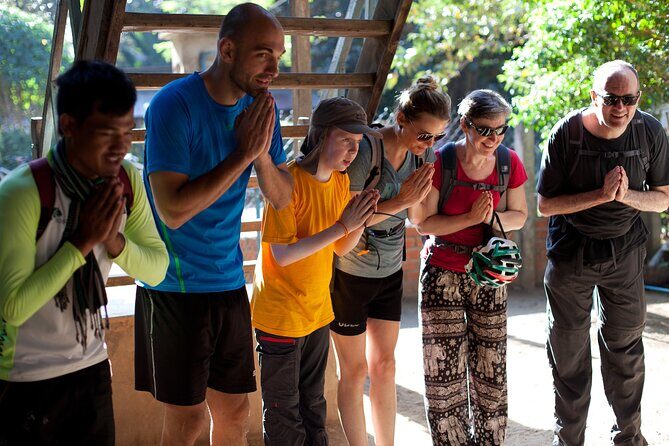
This tour is a strong match if you want:
- an authentic rural feel around Battambang
- conversations with Khmer families rather than just photo stops
- a simple half-day plan that doesn’t require complicated logistics
- a biking experience that fits a range of fitness levels
It’s also a good option if you prefer fewer group numbers and more personal guidance. The cap of 10 travelers matters here. You won’t spend the whole time stuck behind other people.
If you hate early starts or you get cranky after long bike seats, you might find the experience less relaxing than you hoped. But if you’re game for a morning ride and curious about how livelihoods work, you’ll probably love the structure.
Should You Book the Local Livelihood Half Day Bike Tour with Soksabike?
I’d book it if you want a half-day that feels meaningful, not just busy. The combination of small group size, family-made product visits, and a friendly student guide (like Savith) makes it an experience with real texture. Plus, the inclusion of hotel pickup, bike and helmet, and snacks and water means you’re not scrambling to make the day work.
I’d think twice only if you know your body doesn’t handle bike saddles well. The ride is around 22 km, and one report flagged saddle discomfort. If that’s you, consider how you’ll manage comfort before you go.
If your goal is to understand rural Battambang through the people who live there and make their daily income, this tour is one of the most straightforward ways to do it without a full-day commitment.
FAQ
How long is the Local Livelihood Half Day Bike Tour?
It runs about 2 to 4 hours, and the typical schedule goes from 7:30 am to around 12 pm.
What time does the tour start?
The start time is 7:30 am.
Where do I meet the guide?
You’ll meet at Soksabike near Psar Nath (central market, Street 1.5, Krong Battambang).
Does the price include hotel pickup and drop-off?
Yes. Hotel pickup and drop-off are included, and the tour ends back at the meeting point.
What’s included in the tour?
The tour includes a local guide, snacks, water, mountain bike and safety helmet, and compensation to the families you visit.
What should I wear?
Dress with knees and shoulders covered as a sign of respect for local culture.
Is the tour suitable for different fitness levels?
Yes. The ride is described as suitable for all fitness levels.
Is bike insurance included?
No. Insurance is not included.
Is there free cancellation?
Yes. You can cancel for a full refund up to 24 hours before the experience’s start time.