REVIEW · BATTAMBANG
Local Livelihood Full Day Bike Tour in Battambang
Book on Viator →Operated by Soksabike · Bookable on Viator
A bike day with real village life. You pedal from Battambang into countryside communities, with stops that connect culture, food, and history, guided by locals like Pich and Savith. The day ends with Battambang’s famous bamboo train ride, plus a home-style lunch that feels like you’re borrowing someone’s kitchen for the afternoon.
I especially love the hands-on rhythm of the day: safety brief, small-road cycling, tastings of rice paper and dried banana, then serious stops like a Khmer Rouge memorial. The other big win is the mix of everyday village work and major historical context—so you leave with more than photos. One thing to consider: this is a full-day ride on a mountain bike, and you’ll want covered knees and shoulders for temple visits.
In This Review
- Key things I’d write on your napkin before booking
- Why This Battambang Bike Day Feels Like Local Life (Not a Checklist)
- 7:20 Pickup, Kinyei Cafe Drink, and a Fast Safety Setup
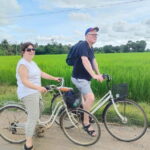
- Mountain Bikes, Real Roads, and How the Cycling Actually Works
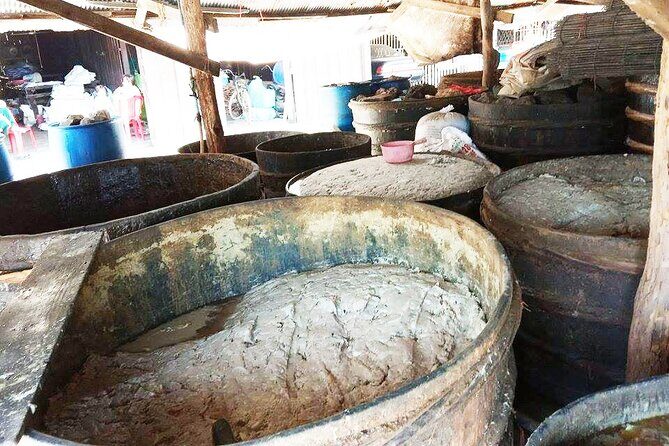
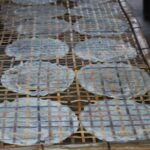
- Rice Paper, Dried Banana, and the Hands-On Side of Village Production
- Snack Breaks, Fruit, Coconuts, and Cooling Off the Right Way
- Temples, Monk-Hood, and Staying Respectful Without Feeling Awkward
- The Khmer Rouge Memorial Stop: A Necessary, Heavy Moment
- French Colonial Sites: History You Can See, Not Just Hear
- Homecooked Lunch at a Family Home: What Makes It Special
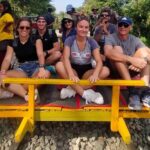
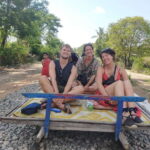
- Bamboo Train Time: The Famous Ride You Earn After the Countryside
- Pace, Comfort, and What to Bring for a Better Day
- Price and Value: How $50 Adds Up (and Where It’s Actually Worth It)
- Sustainable Tourism: Your Fee Returns to the Community
- Who This Tour Fits Best (and Who Might Want Something Different)
- Should You Book This Local Livelihood Bike Tour?
- FAQ
- What time does the tour start, and when will I be picked up?
- How long is the Local Livelihood Full Day Bike Tour?
- What’s included in the price?
- Will I be dropped back at my hotel?
- Do I need dietary information in advance?
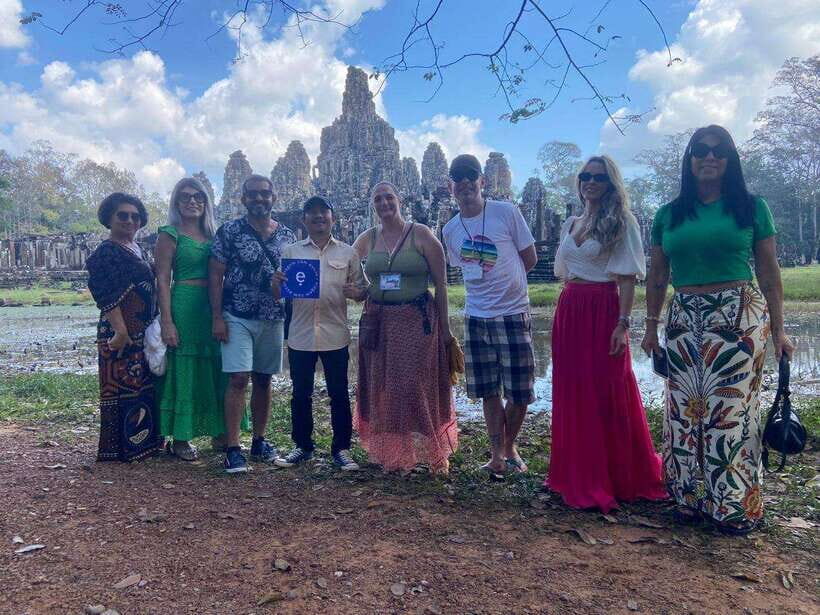
- How big is the group?
Key things I’d write on your napkin before booking
- Small-group cycling with a max of 10 people
- Tastings at working family sites like rice paper, dried bananas, fish paste, and rice wine
- A family-prepared lunch in a traditional Khmer house
- Temple + Khmer Rouge memorial stops that add real weight to the day
- Bamboo train ride after a countryside bike loop
- Guides in local university training with strong English and personal insights
Why This Battambang Bike Day Feels Like Local Life (Not a Checklist)
Battambang can look calm and easy from town. This tour fixes that. You leave the city and spend your morning and afternoon moving through rice-field country and village lanes, where daily work still drives the schedule.
What I like is the way the day connects small things to bigger meaning. You’ll taste traditional products, learn why they matter, and then you’ll hit cultural and historical stops—like Buddhism at a local temple and a memorial tied to the Khmer Rouge. It’s not just sightseeing.
The best part for most people: the pacing stays friendly. Reviews and the tour’s setup point to a gentle ride with plenty of stops, so you’re not sprinting between highlights.
You can also read our reviews of more cycling tours in Battambang
7:20 Pickup, Kinyei Cafe Drink, and a Fast Safety Setup
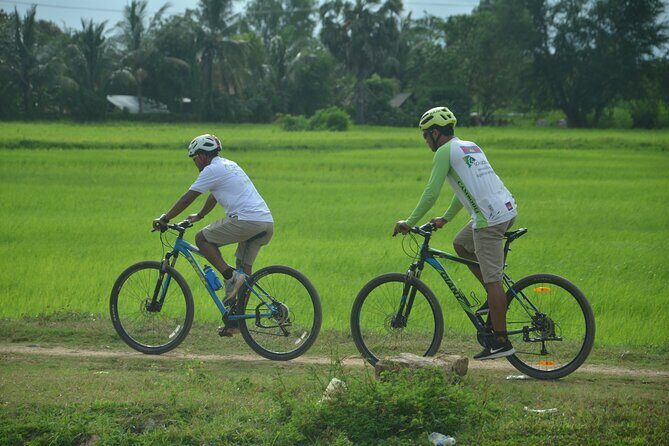
Your day starts early, with hotel pickup around 7:20am. The start time is listed as 8:00am, so don’t assume you’ll be dragging your feet after pickup—you’ll be rolling soon after.
Once you’re picked up, you can choose a quick welcome drink at Kinyei cafe or jump straight onto the road. Either way, you’ll get a short bike safety tutorial first. They also teach you some basic Khmer, which is handy for simple greetings and helps you feel less like a walking outsider in a village setting.
Practical note: you’ll want to show up ready to ride. That means closed-toe shoes that grip, and light layers for the morning air.
Mountain Bikes, Real Roads, and How the Cycling Actually Works
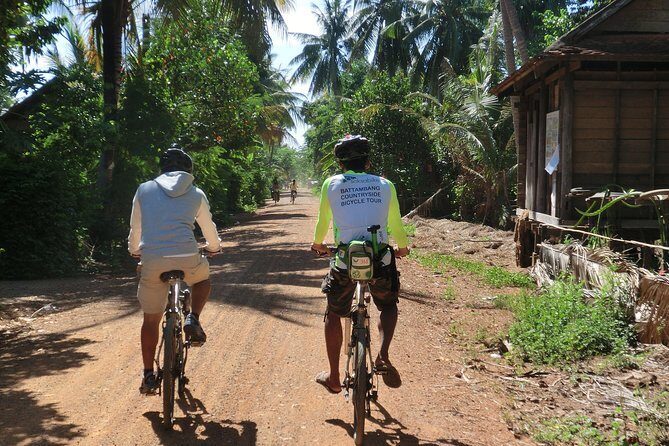
This is a mountain bike tour with a safety helmet included. You also get water, plus snacks along the way. That matters because most of the day is outdoors, and the stops are built into the route rather than tacked on at the end.
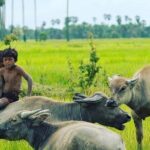
The cycling is designed for most travelers. You’ll still pedal, but it’s not a “sporty only” situation. Expect mostly smaller roads and village paths. You’ll ride past working houses and the kind of everyday details that don’t show up on a short city stroll.
If you’re worried about comfort, bring this up during booking. The tour asks you to advise guest heights, which suggests they’ll aim for a bike setup that fits you. That reduces stress and makes the day feel smoother.
Rice Paper, Dried Banana, and the Hands-On Side of Village Production
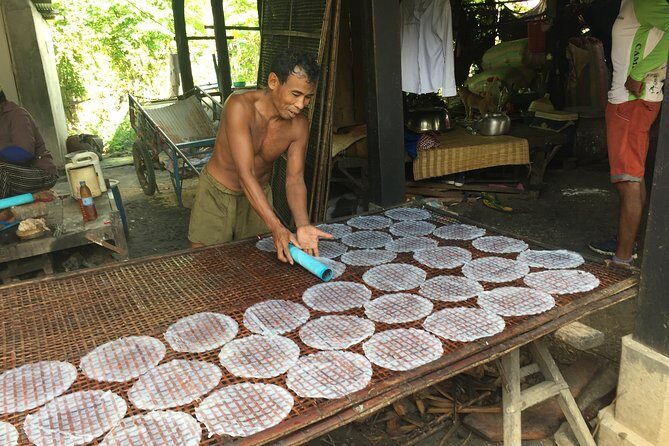
A big reason people love this tour is how much of it is about traditional products you can actually see being made. You’ll meet families who produce items like rice paper, dried bananas, bamboo sticky rice, fish paste, and rice wine.
At these stops, you’re not just looking from a doorway. You get snacks and tastings, and the day is structured so you can ask questions. In practice, that often turns into a small hands-on moment—like trying a simple step—because the families are demonstrating their process.
Why this works so well: production in Cambodia is often seasonal, skill-based, and passed along through family routines. When you taste the result, it’s easier to understand the effort behind it. Rice paper and dried fruit don’t seem complicated until you see the stages that go into them.
Snack Breaks, Fruit, Coconuts, and Cooling Off the Right Way
Midday isn’t the only time you’ll eat. There are snack breaks built into the route. You’ll stop in traditional houses for a refresh break with fresh fruit and coconuts.
These little pauses are more than comfort. They let you reset your legs and also give you time to talk. In villages, conversations often take longer than you expect, and this tour respects that by giving you space to slow down.
A few more Battambang tours and experiences worth a look

Temples, Monk-Hood, and Staying Respectful Without Feeling Awkward
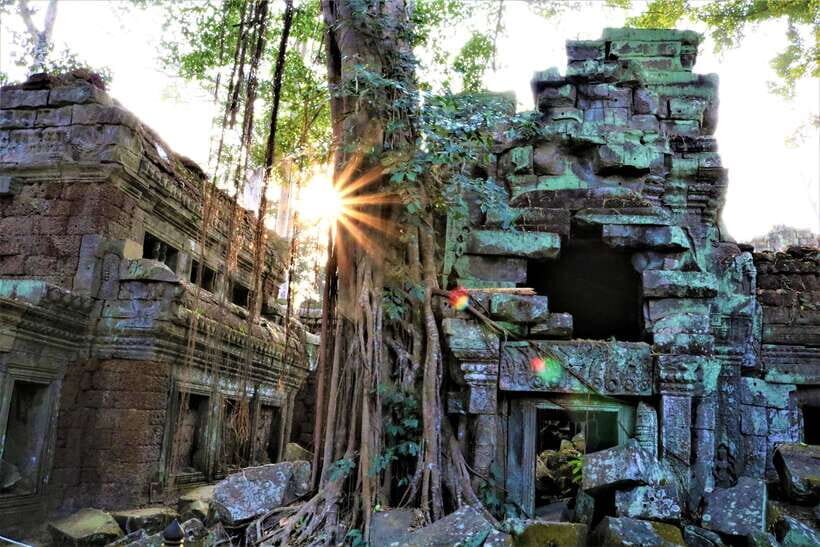
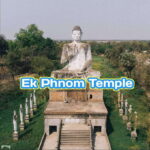
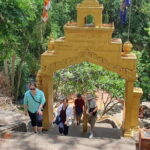
One scheduled stop centers on Buddhism and monk-hood at a local temple. This is where your earlier bike day turns into something quieter and more reflective.
The tour clearly asks you to dress appropriately, with knees and shoulders covered out of respect for local culture. That’s easy to do if you pack light long pants or a breathable wrap/shawl. It also prevents those stressful last-minute adjustments when you arrive at a place where you’re expected to behave differently than in the street.
If you’re the type who loves explanations, this stop tends to be a strong one. Guides can connect what you see—ritual life, roles, daily practice—to the bigger picture of Cambodian culture.
The Khmer Rouge Memorial Stop: A Necessary, Heavy Moment
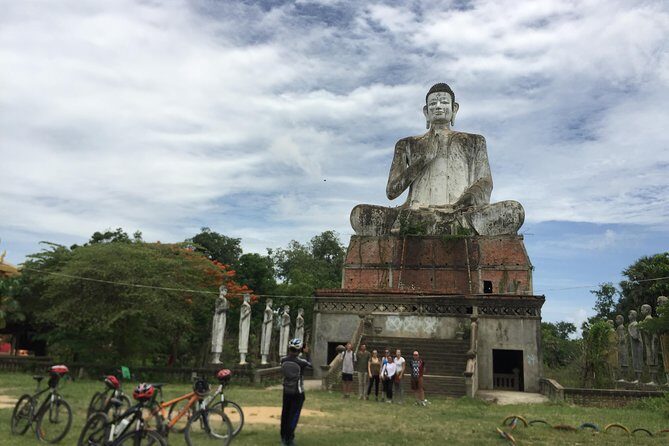
The day includes a visit to a memorial for victims of the Khmer Rouge. This is not a casual photo stop. It’s a solemn moment that adds real context to what you’re learning about the country beyond food and scenery.
I appreciate that it’s integrated into a full day rather than isolated as a separate, rushed visit. You’ve already spent hours with families and village life, so the memorial doesn’t feel abstract. It lands as part of the same world you were cycling through.
Bring a slower mindset here. Walk carefully, listen to the guide’s explanations, and give the moment your full attention.
French Colonial Sites: History You Can See, Not Just Hear
Another part of the itinerary includes visits to French colonial sites. This is useful in Battambang because colonial influence shows up in architecture and street character, even when the city feels relaxed today.
The value here is perspective. After you’ve spent time in rural villages, colonial history becomes more than a timeline. You start seeing how different eras shaped daily life, city growth, and cultural layers.
You won’t need to be a history buff to enjoy this—your guide’s job is to make the connections clear without turning it into a lecture.
Homecooked Lunch at a Family Home: What Makes It Special
Lunch is made by a local family in a traditional Khmer house. This is one of the most meaningful parts of the day because it shifts the relationship: you’re not just observing a community—you’re sharing a meal that reflects local tastes and cooking methods.
The tour includes lunch, plus water and snacks throughout. That’s a real advantage because you don’t have to scramble for food between stops. It also helps you stay focused on the route rather than constantly checking what’s next.
I’d treat lunch as part of the cultural exchange. Ask simple questions, follow the family’s pace, and enjoy that moment of calm in the middle of cycling.
Bamboo Train Time: The Famous Ride You Earn After the Countryside
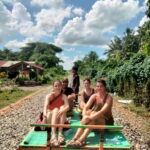
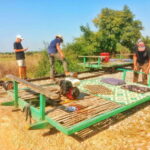
By late day, you’ll ride Battambang’s bamboo train. This is the fun payoff—an experience that looks playful, but it’s also tied to local ingenuity and the region’s transport story.
Doing it after a full day of village cycling makes it feel more complete. You’re not just ticking off a famous activity; you’re finishing a loop that taught you how people live, work, and build their days.
Expect this part to feel lively compared to the memorial and temple stops. It’s a shift from quiet learning to something that feels like a celebration of local life.
Pace, Comfort, and What to Bring for a Better Day
The tour is built to keep the cycling enjoyable: small group size (max 10), mountain bike with a helmet, water, snacks, and multiple stops. Most travelers can participate, and the route is set up for gentle riding with breaks.
Still, you should plan for a full day. That means:
- Wear breathable clothing that dries fast
- Bring sunscreen and something for sun protection
- Use closed-toe shoes you can bike in comfortably
- If you’re sensitive to heat, carry a little extra water in your mind even though the tour provides water
Also remember the dress request for temples: cover knees and shoulders. Plan your outfit so you don’t have to awkwardly improvise when you reach the temple.
Price and Value: How $50 Adds Up (and Where It’s Actually Worth It)
At $50 per person, this tour can look like a lot until you match it to what’s included. You’re getting hotel pickup, a local guide, mountain bike and helmet, water, snacks, one drink at Kinyei cafe, and a homecooked lunch.
That package matters because you’d otherwise pay separately for transport, bike rental, guide time, and meals across a day. The tour also limits the group size, which usually improves the quality of the interaction at family stops and temples.
Add the bamboo train ride at the end and the day feels like more than a bike rental with a few stops. It’s a planned full experience with multiple layers: work, food, culture, and history.
Sustainable Tourism: Your Fee Returns to the Community
This tour is tied to sustainable tourism efforts. A portion of your revenue is given back to the community you visit through the Soksabike model.
That’s not just marketing language. Your fee supports the families and the people running the visits, and guides work as local university students receiving vocational training and support. It’s a model that keeps tourism connected to real livelihoods rather than extracting value and leaving.
If you care about where your money goes, this is one of the clearest ways in Battambang to align your day with local benefit.
Who This Tour Fits Best (and Who Might Want Something Different)
This is a great fit if you want:
- Village life and food production, not just city monuments
- A friendly day on a bike with lots of pauses
- Local guides who can translate culture into something you understand
You might choose something else if you’re looking for a short, low-effort outing or a strictly athletic ride. It’s a full-day bike tour and includes serious stops like the Khmer Rouge memorial, so it’s less about pure adrenaline and more about meaning plus movement.
Should You Book This Local Livelihood Bike Tour?
Yes—if you want the kind of Battambang day that builds understanding through contact, not distance. The combination of rural cycling, product tastings, a family lunch, temple culture, and the bamboo train makes it feel like a complete local experience.
Book it with confidence if you like learning by doing: tasting rice paper, seeing how dried bananas and rice wine are made, and asking questions in village settings. Just plan ahead for the full-day pace and the temple dress request, and you’ll get a day that’s both fun and grounded.
FAQ
What time does the tour start, and when will I be picked up?
Pickup is from your hotel at about 7:20am, and the tour start time is listed as 8:00am.
How long is the Local Livelihood Full Day Bike Tour?
It runs approximately 7 hours 30 minutes to 9 hours.
What’s included in the price?
The tour includes a local guide, snacks, water, hotel pickup, a mountain bike and safety helmet, one drink at Kinyei cafe, and lunch (plus bottled water).
Will I be dropped back at my hotel?
Hotel drop-off is not included. You return through the countryside to the Soksabike office.
Do I need dietary information in advance?
Yes. You should advise dietary restrictions at the time of booking.
How big is the group?
The tour has a maximum group size of 10 travelers.