REVIEW · BATTAMBANG
Full-day: Wat Banan. Old bamboo train. Bat Cave. Killing cave
Book on Viator →Operated by Battambang Tour: Mr Lychee · Bookable on Viator
Bamboo trains and temple stairs in one full day. This Battambang day pairs the Battambang Bamboo Train with village cycling, then climbs up to Wat Banan and Sampov Mountain. Two things I really like: it feels personal with a small-group size, and the day is packed with real local stops instead of just quick photo breaks.
I also like the practical side. You get a quality mountain bike and a helmet, plus cold towels and mineral water during the long stretch, which matters when the day runs about 16 hours. One heads-up: you should be ready for stairs and rougher cave terrain, and one of the cave stops is emotionally heavy.
In This Review
- Key highlights worth planning around
- Battambang’s bamboo train ride: the part you’ll remember
- Cycling Battambang: flat roads, real villages, and a bike that helps
- The full-day flow: how the tuk-tuk, bikes, and stops fit together
- First sights in Battambang: statues, river photos, and pagoda learning
- Bamboo train etiquette and comfort: what to expect before you ride
- Wat Banan: the ancient stairs and why this temple stop matters
- Phnom Sampov: rice fields, bats, and the turn to heavy history
- Battambang Bat Caves
- Killing Cave at Sampov Mountain
- Food along the way: snacks, lunch, and why it’s more than fuel
- Guides, group size, and the difference between a drive-by and a day out
- Price and value: is $15 (plus fees) a smart deal?
- What to bring, and what to watch out for
- Should you book this Battambang full-day bamboo train + caves tour?
- FAQ
- How long is the full-day experience in Battambang?
- Does the tour include hotel pickup and drop-off?
- What bike setup do I get?
- Is the bamboo train ticket included?
- Are the temple and cave admissions included?
- How big is the group?
- Can I cancel for a full refund?
Key highlights worth planning around
- Old bamboo train ride, plus a longer run after repositioning
- Mountain bike rental with helmet included, with a slow, manageable pace
- Wat Banan’s climb on ancient stairs to reach the temple views
- Battambang Bat Caves and Phnom Sampov Mountain in the same day
- Killing Cave on Sampov Mountain, with visible remains and a sobering lesson
- Village culture stops built around food like bamboo sticky rice and local snacks
Battambang’s bamboo train ride: the part you’ll remember
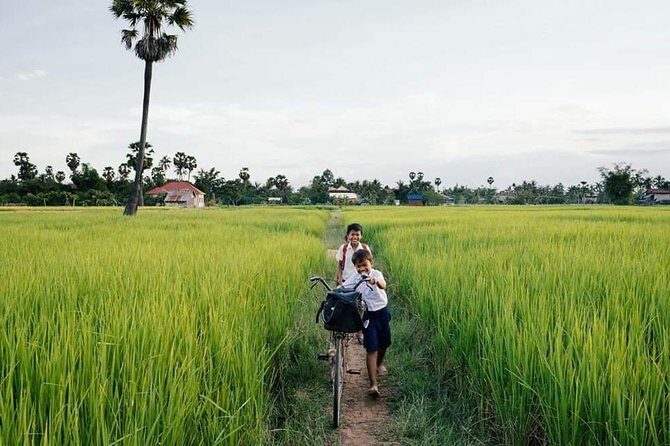
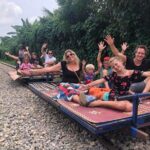
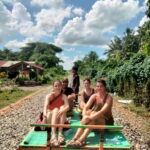
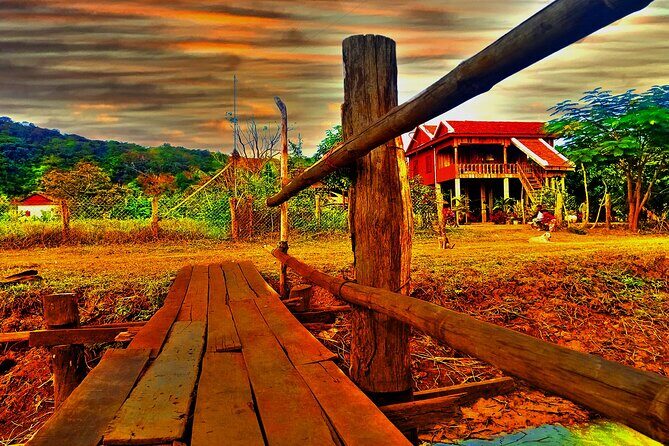
The day starts with the kind of Battambang classic that makes you understand why people keep returning: the old bamboo train experience. You’ll ride from a bamboo train spot linked to Ou Srauo Laou, and you’re not rushed—there’s time to get that slow, rickety feeling and watch how the train actually moves.
What I like here is the way the ride is built. It’s not just one short loop. After your first bamboo train ride, the plan includes being driven to another village area so you can ride it farther and closer to what makes the bamboo trains famous in the first place. That extra distance helps it feel like a genuine journey, not a quick ticketed demo.
A few more Battambang tours and experiences worth a look

Cycling Battambang: flat roads, real villages, and a bike that helps
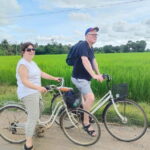
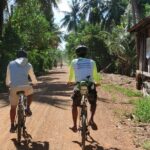
Cycling in Battambang can feel intimidating if you assume it’ll be hilly like everywhere else. The good news is that much of this outing is paced for normal people, and the terrain is mainly about getting between villages and countryside rather than battling steep grades.
The bike setup is also practical: you get a quality mountain bike and a helmet. That alone lowers the stress level because you’re not hunting for a rental at the last minute, and you know your gear is meant for the ride. One review even called out that 45 km can sound like a lot—then explained that the pace and the flatness make it feel surprisingly doable.
Still, plan around the reality that you’ll be on a bike for a while. If you’re expecting a gentle stroll-on-a-promenade day, this isn’t that. You don’t need to be a cyclist, but you do want decent stamina and shoes that can handle dust.
The full-day flow: how the tuk-tuk, bikes, and stops fit together

This tour doesn’t force everything to happen on foot. You’ll move between key sights using traditional tuk-tuk transport, which is a smart match for Battambang’s mix of city points, river spots, temple areas, and mountain caves.
That tuk-tuk rhythm matters because it keeps the day from turning into a sweaty endurance test. It also lets you make the most of the time you do spend biking and walking. And because the group stays small—maximum 10 people—the guide can keep an eye on pace and regroup when needed.
If you value flexibility, you’ll likely appreciate it. Some groups have described the route as flexible during the day, which usually means the guide is paying attention to timing and energy, not just counting minutes.
First sights in Battambang: statues, river photos, and pagoda learning
Before the big outdoor stuff, you get oriented around Battambang itself. The early stops can include taking in colonial-era architecture or a provincial building style setting, plus cultural landmarks like the Tadam Bong Kro Aung statue and a bit of strolling time along the way.
Then you’ll cross into a more scenic, local-feeling section. There’s a stop at a suspension bridge over the Sangke River, where photo time actually makes sense because you’re up above the water. It’s not just standing somewhere scenic—it’s a chance to slow down, look across, and feel the river geography that shapes village life.
You’ll also learn on the way with a Buddhist stop at Kampon Pile Pagoda, and then walk through Cham and Javanese ethnicity villages to understand daily culture and religion. This is one of those parts that works best if you like questions—because the guide’s explanations turn simple walking into something you’ll remember later.
Bamboo train etiquette and comfort: what to expect before you ride
Bamboo train rides are simple, but not sterile. You’ll be on a moving platform, and it’s part of the charm. The best mindset is to treat it like an old local craft: enjoy the ride, sit steady, and don’t worry about it being like a modern rollercoaster.
I’d also plan for basic comfort. The tour includes unlimited mineral water and a cold towel, which is helpful when the day stretches late. Still, bring your own sunscreen and a hat if you use them—your comfort will depend on how much sun you hit between stops.



Wat Banan: the ancient stairs and why this temple stop matters
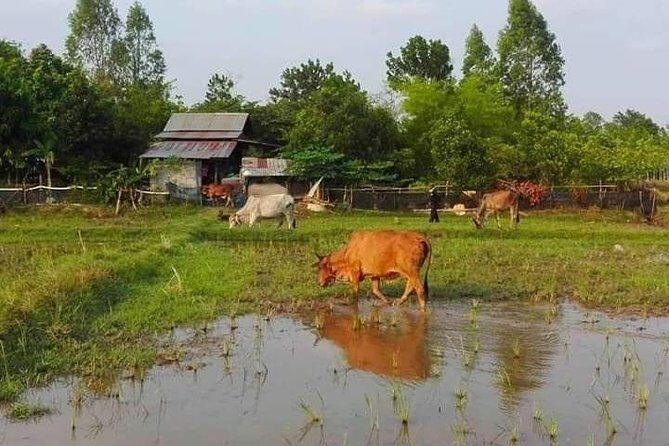
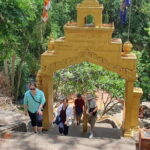
In the afternoon you move to Wat Banan, and this is where the day adds a bit of mountain effort. To reach the temple, you climb up the mountain on ancient stairs. That means you should expect uneven steps and a slower pace as you go.
Once there, the value is in the setting. This isn’t a temple you race through from one angle. You’re higher up, closer to the view line of the countryside, and the atmosphere tends to feel more connected to daily life than to tour-bus predictability.
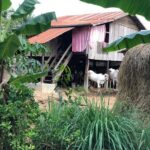
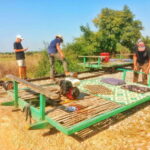
There’s also culture on the way to and around Wat Banan. The tour description includes a chance to visit locals who bake bamboo sticky rice, and you may hear about Khmer rice whiskey—how it’s made and why it matters in the local food scene. If you like tasting culture through food, this is a strong section because it’s hands-on and grounded.
Phnom Sampov: rice fields, bats, and the turn to heavy history
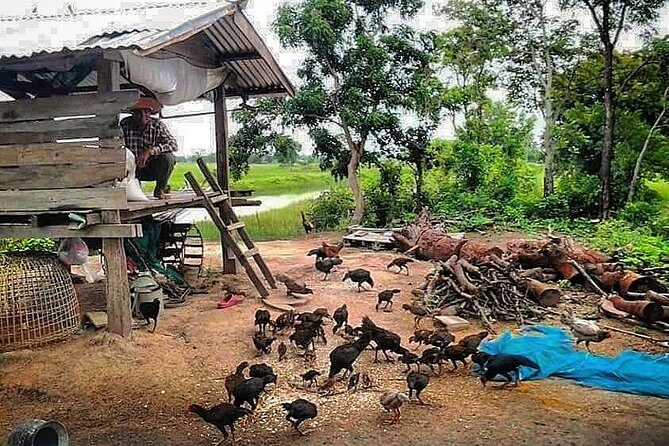
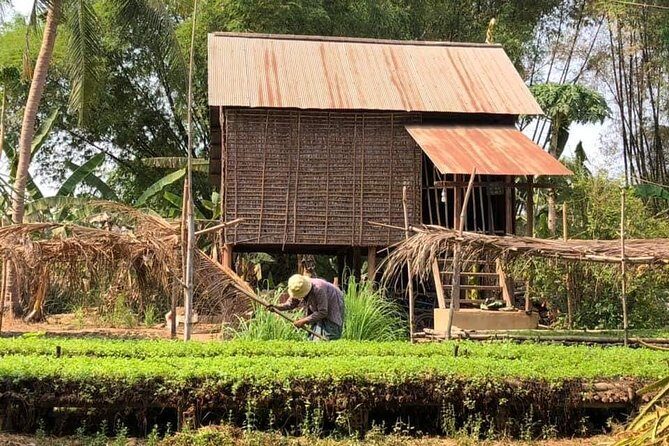
After Wat Banan, the route heads toward Phnom Sampov Mountain. You’ll see countryside with rice fields and farmers working in them. This is one of the reasons the whole day works: the tour links temple and caves back to the agricultural life that keeps Battambang functioning.
Then come the two cave experiences, and they’re very different.
Battambang Bat Caves
At Battambang Bat Caves, you’re dealing with nature first. The focus is on the mountain setting and the cave area connected to bat activity. Even if you’re not sure what you’re seeing, the mountain-and-cave atmosphere is the point: it feels distinctly Battambang.
Killing Cave at Sampov Mountain
The day then moves to the Killing Cave (Sampov Mountain). This stop is included and described as a place where you’ll see victims’ skulls and learn more about what happened there.
I’ll be blunt: if you’re the type who needs a light-and-funny itinerary, this part can hit hard. But if you travel with respect and you want to understand Cambodia beyond the postcard layer, it’s a necessary stop. Come prepared for that emotional weight, keep your reactions quiet, and let the guide set the tone for the discussion.
Food along the way: snacks, lunch, and why it’s more than fuel
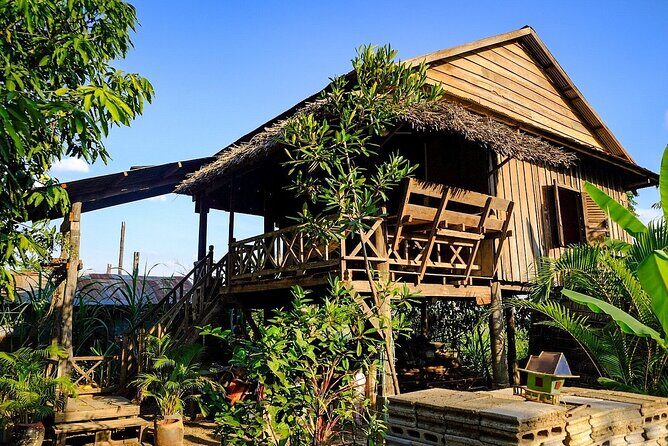
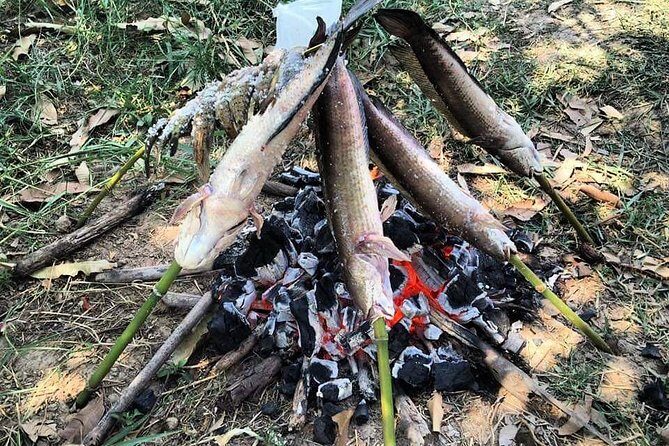
The day doesn’t treat food as an afterthought. There’s a delicious lunch at a typical Cambodian restaurant, and you’ll likely snack along the route with items like dried banana and fried spring rolls. These are simple, affordable foods that match the pace of cycling and walking—easy to eat without slowing the whole group.
What I like most is that the food ties into the cultural stops. Bamboo sticky rice appears again as part of the local experience near Wat Banan, and rice whiskey is mentioned as part of the day’s learning. That means you’re not only eating; you’re also getting context for why certain foods and drinks show up again and again in Khmer daily life.
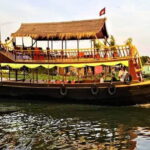
If the day includes time near Tonle Sap Lake for fishing with locals, that also fits the food-and-life theme. It’s another reminder that Battambang isn’t just temples and trains—it’s livelihoods.
Guides, group size, and the difference between a drive-by and a day out
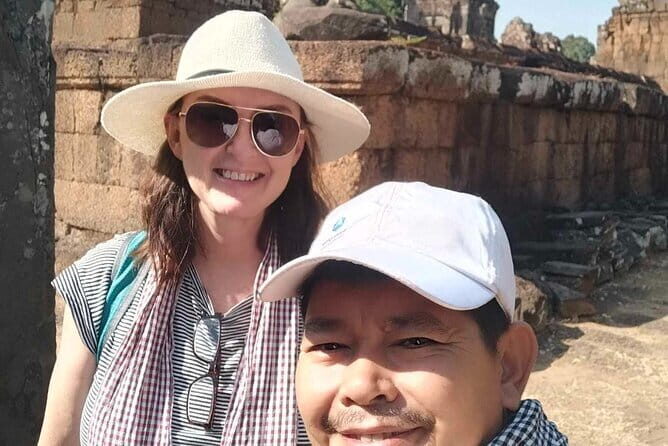
The operator is Battambang Tour: Mr Lychee, and the tour is built around a friendly English-speaking local guide. Several groups mention guides like Mr Lychee or Sambath, and both show up with the same kind of pattern: lots of explanation, pride in local knowledge, and a relaxed attitude.
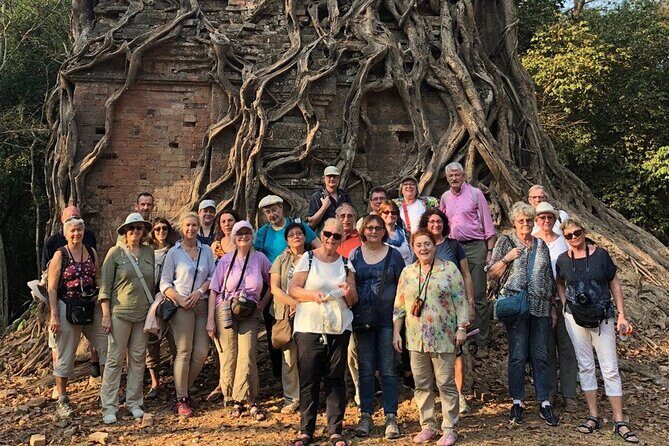
Group size caps at 10 people, which makes a difference. In a smaller group, you get more time for questions and you don’t feel like you’re being dragged from spot to spot on a conveyor belt. You also get personal pacing support—especially useful when someone in your group isn’t a confident cyclist.
A nice bonus from some experiences: guides have organized photos through a friend (Ly Sambo is mentioned in one case). That’s not the reason to book, but it can help you leave with better-than-average pictures without having to awkwardly ask strangers to shoot everything.
Price and value: is $15 (plus fees) a smart deal?
The headline price is listed at $15, and the day is described as full-day at roughly 16 hours. On top of that, the information you get may include an additional $5 per person for all fees and taxes, depending on what your confirmation shows.
Even with that extra amount, I see the value. You’re getting:
- hotel pickup and drop-off
- a friendly English-speaking guide
- traditional tuk-tuk transportation between stops
- a mountain bike rental and helmet
- unlimited mineral water and cold towels
- admission for some major parts (Wat Banan and the caves)
One item that may cost extra is the bamboo train ride admission, which is specifically marked as not included. So the real cost of the day is slightly higher than the base tour price, but you still get a lot bundled in.
If you compare this to piecing together bikes, multiple taxis, and separate admission tickets, the math usually favors booking the full experience.
What to bring, and what to watch out for
You can make this day easier on yourself with a small checklist:
- Comfortable closed-toe shoes for stairs and cave surfaces
- A light layer (mornings and cave areas can feel cooler than you expect)
- Sun protection and water habits that match long hours
The biggest “watch out” is physical and emotional:
- Wat Banan requires climbing ancient stairs.
- The Killing Cave stop is heavy, and you’ll want to handle it respectfully, not casually.
If you’re sensitive to emotionally intense sites, consider that this tour intentionally includes them.
Should you book this Battambang full-day bamboo train + caves tour?
I’d book it if you want a single day that blends Battambang’s best-known experiences with genuine village life: bamboo train, biking between villages, Buddhist and cultural stops, and then Sampov Mountain’s caves. It’s also a good choice if you appreciate a strong English-speaking local guide and a small group cap.
I wouldn’t pick it if you want a light, low-walking day or if the idea of the Killing Cave’s remains and history feels too intense for you right now. Also, plan for the day running long, since it’s described as about 16 hours from start to finish.
If you can handle stairs and you’re ready for one sobering stop, this tour is one of the best ways to understand Battambang as more than just a few famous photo spots.
FAQ
How long is the full-day experience in Battambang?
It’s listed as approximately 1 day 16 hours.
Does the tour include hotel pickup and drop-off?
Yes, hotel pickup and drop-off are included.
What bike setup do I get?
You get a quality mountain bike rental and a helmet included.
Is the bamboo train ticket included?
The bamboo train admission ticket is marked as not included.
Are the temple and cave admissions included?
Wat Banan temple admission is included, and admission for Battambang Bat Caves and Killing Cave is also included.
How big is the group?
The tour is small-group with a maximum of 10 people, and it’s private for your group only.
Can I cancel for a full refund?
Yes. You can cancel up to 24 hours in advance for a full refund.