REVIEW · BATTAMBANG
Afternoon tour through Battambang, Local area and landmarks
Book on GetYourGuide →Operated by Battambang First Choi Tours · Bookable on GetYourGuide
Bamboo train to sunset: a Battambang afternoon loop. I love the ride on the bamboo train and the way the route mixes real daily life with farm stops like fruit tasting and rice field time. It’s the kind of tour where you can see the countryside, then climb into the hills, all without a complicated plan.
My favorite part is the guide-led storytelling. When I look at the best experiences tied to this itinerary, guides like Pao (and also Sam, in some versions) show the history and the place with calm, clear English. The one drawback to plan for is that there’s real walking and climbing, including mountain cave steps, so it’s not the right fit if you have back issues or limited mobility.
In This Review
- Key Things I’d Plan Around
- Battambang by Tuk-Tuk: Why This Afternoon Route Works
- The Battambang City Start: Temples, Bridges, and Colonial-Era Clues
- Into the Country: Lotus Farms, Fishing Work, and Rice Fields
- Bamboo Train in Pao’s Village: The Ride and the Real-Time View
- Fruit Farm Time: Testing Flavors and Learning the Local Food Chain
- The Mountain Climb: Killing Cave and Bat Cave
- Reaching the Top at Sunset: Monastery Views and Monkeys
- Included Versus Extra Costs: What You’ll Actually Pay
- Who This Tour Fits Best (And Who Should Skip It)
- A Few Practical Tips So Your Day Goes Smoothly
- Should You Book This Battambang Afternoon Tour?
- FAQ
- How long is the afternoon tour?
- What is the price for this experience?
- What extra costs should I expect?
- What’s included in the tour price?
- Do I need to pay for bamboo train tickets separately?
- Is lunch provided?
- What should I bring and wear?
- Is the tour suitable for older travelers or people with mobility issues?
Key Things I’d Plan Around
- City landmarks first, then countryside so you get the full Battambang picture instead of only farms
- Bamboo train included on your schedule (your ticket is an extra cost, but the timing is built in)
- Lotus and rice farm stops where you learn what people actually do during the day
- Killing Cave and Bat Cave hike with a structured climb and time to reach the viewpoint
- Sunset timing at the top, with mountains, monastery views, and monkeys
- Fruit tasting plus rat barbecue tasting as part of the local-food experience
Battambang by Tuk-Tuk: Why This Afternoon Route Works
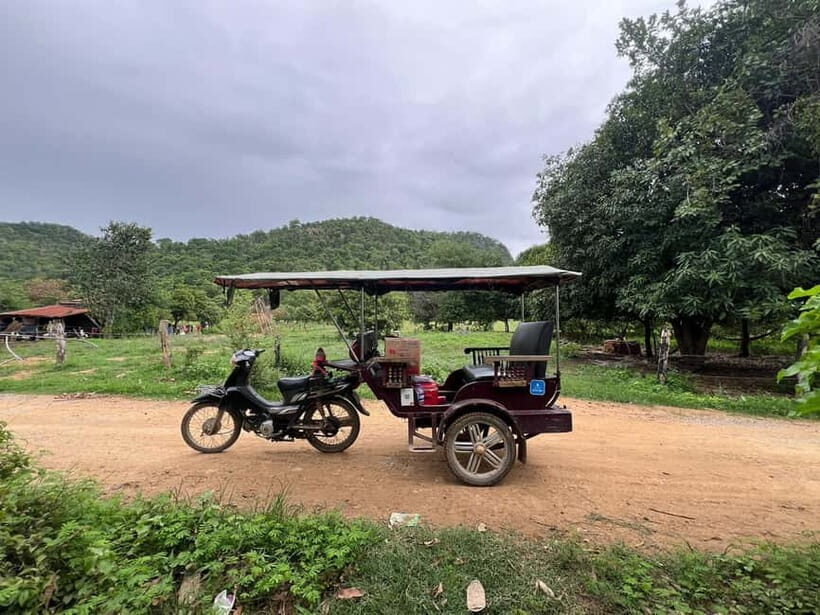
This is a full-afternoon, countryside-heavy tour that starts in Battambang city around 1 p.m. You’re picked up in Battambang city (the pickup/drop-off is limited to the city area), then you move by tuk-tuk between a long list of stops. The big value here is pacing: you’re not stuck doing one “big attraction,” then waiting around.
What I like is the balance between “easy-to-see” landmarks and “hands-on” farm life. You’ll spend time looking at city-era sites like old bridges and colonial-era buildings, then you’ll switch to paddy fields, lotus-growing areas, and fruit farms. If you want Battambang beyond the obvious postcard spots, this format helps.
One practical point: the day is active. You’ll be on your feet for a while, and the cave section means up-and-down walking, stairs, and uneven ground. If your knees or back don’t love hills, this is the part you should think about first.
You can also read our reviews of more tours and experiences in Battambang.
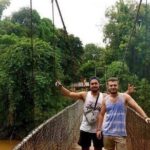
The Battambang City Start: Temples, Bridges, and Colonial-Era Clues
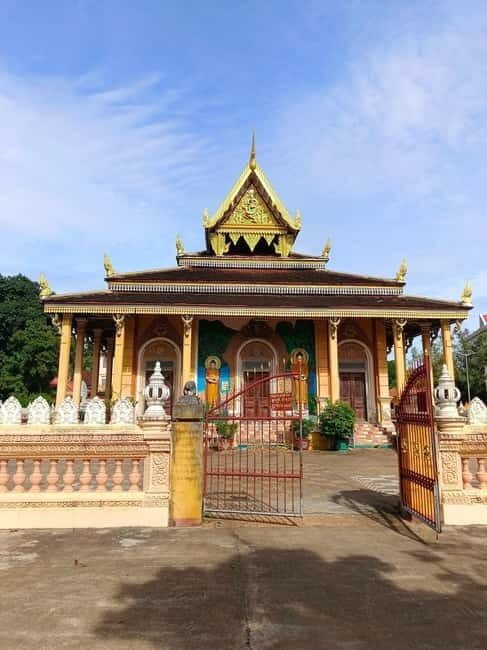
The itinerary begins close to the city center, then gradually stretches outward. Along the way, you visit a mix of old pagoda and museum-style stops, plus places that reflect Battambang’s past—like the Colonial House and the symbol of the Battambang black man. You also stop at the old bridge, then move toward the river area.
In plain terms, this first phase is about getting your bearings. Battambang can feel spread out, and without some context it’s easy to miss why certain buildings and bridges matter. With a live guide, you get a thread that connects the town layout, the river, and the later countryside stops.
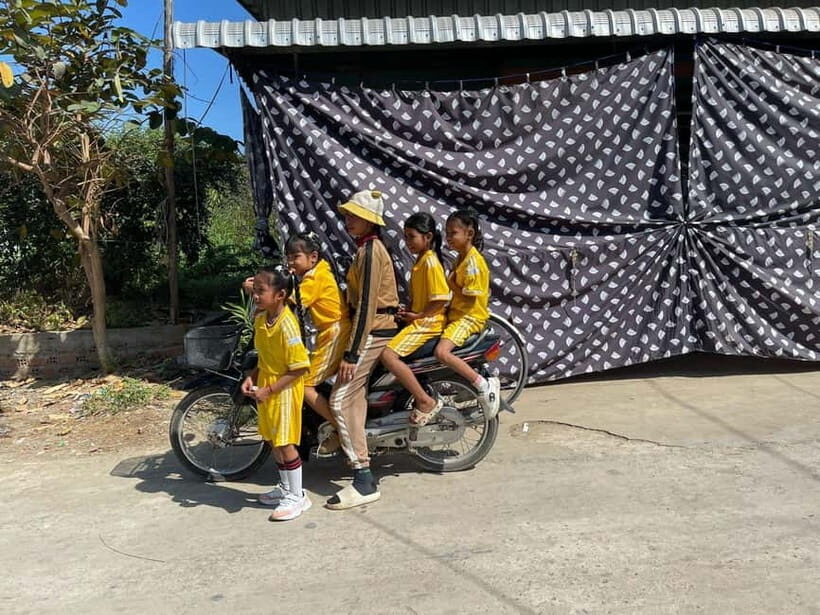
You’ll also pass through smaller village stretches, including a primary school stop and areas where you can observe daily routines. The school visit isn’t framed as a box-checking moment—it’s part of the human scale of the route. For me, that’s one of the reasons this tour feels more like a day with a local guide than a basic circuit.
Into the Country: Lotus Farms, Fishing Work, and Rice Fields
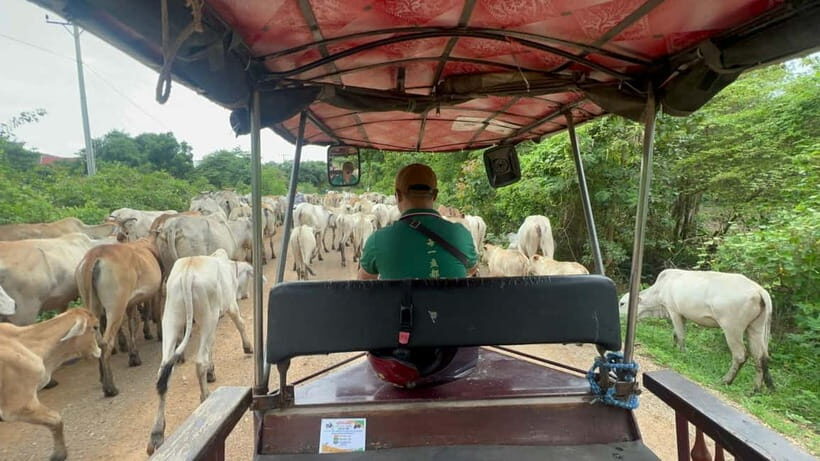
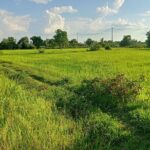
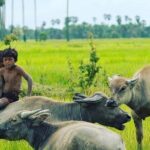
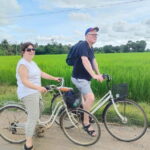
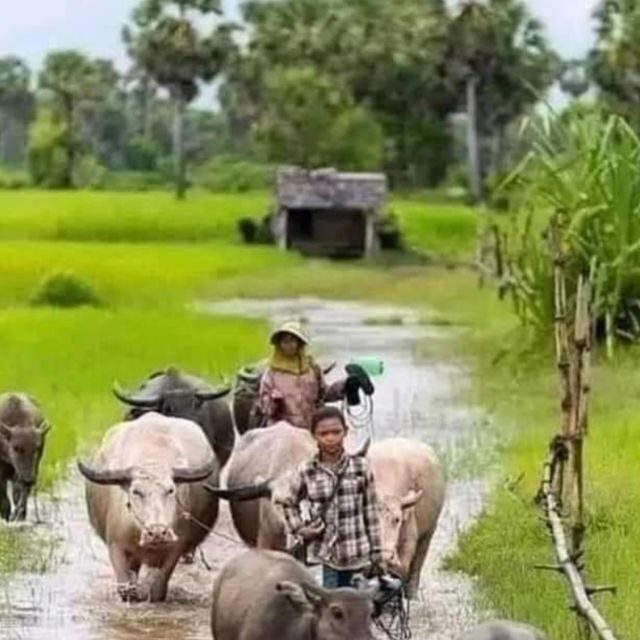
After the city landmarks, the route turns toward the countryside—think lotus farms, fishing life, and fields that look like they belong in a documentary. You’ll see lotus-growing areas and paddy rice fields, including a stop that’s explicitly about learning how rice planning works.
This part matters because it changes what you’re photographing. In the city, you’ll mostly take images of structures and streets. Here, you start taking photos of labor: tools, water, field routines, and the way farms fit into the landscape of the day.
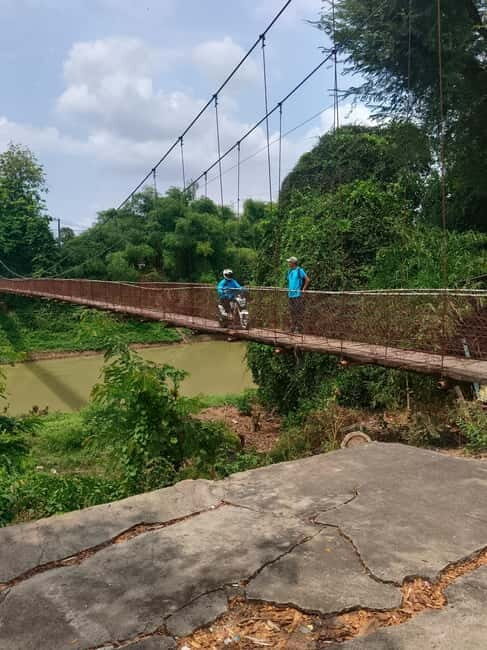
You may also visit bridges again in the countryside—there’s a suspension bridge included in the plan. That gives you a nice change of perspective, especially when the guide explains how rivers and access points shape village life.
Bamboo Train in Pao’s Village: The Ride and the Real-Time View
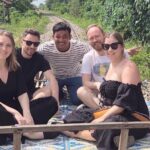
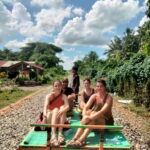
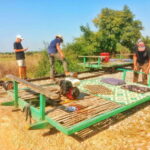
The highlight that many people come for is the bamboo train ride. It happens after you’ve already spent time seeing the city and farm stops, so it lands with more context. You’re not just doing a famous activity—you’re arriving at it from the surrounding village setting.
The bamboo train ticket is not included in the base tour price, so budget extra. You’ll pay $5 per person for the tickets, while the tour itself handles the timing and your movement to the bamboo train area.
What makes this stop special is the timing and the view. You’re carried along by a simple, local-built system while rice fields and lotus zones sit nearby. Even if you’ve seen bamboo trains online, the on-the-ground experience feels more grounded when you’ve been watching farm life for hours beforehand.
Fruit Farm Time: Testing Flavors and Learning the Local Food Chain
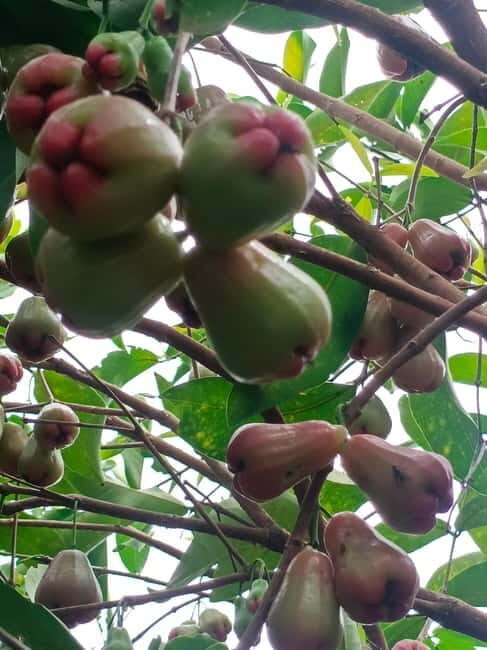
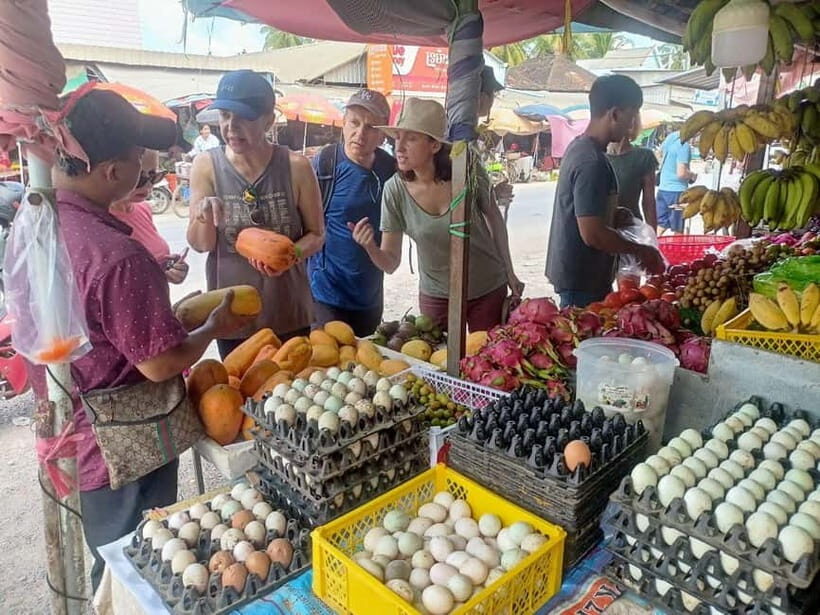
A big chunk of the “rural life” part of the day is the fruit segment. You’ll be shown local fruits in the farming area and get time for tasting local fruits. This isn’t just about eating snacks—it’s tied to how farms work and why certain fruits are grown where they are.
You’ll also get rat barbecue tasting as part of the included local food experience. This is the one stop that feels most personal, because people have different comfort levels with trying new foods. If you’re curious about how local food shows up in everyday meals and roadside sharing, this fits that goal. If you’re not, plan to at least observe how it’s prepared and explained.
Either way, this is one of the places where a strong English guide really helps. You can ask questions, and you understand what you’re eating instead of just collecting a “we tried it” moment.

The Mountain Climb: Killing Cave and Bat Cave
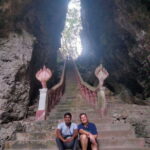
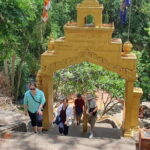
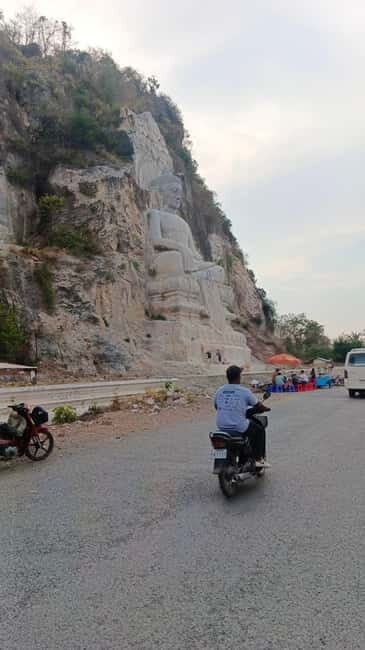
Next comes the harder physical section: hiking up and down to the Killing Cave and Bat Cave. The tour frames this through the history of the Khmer Rouge, and the guide’s job is to give you context while you move through the site.
It’s not just a viewpoint stop. The caves are part of a serious historical story, and you’ll be walking through terrain that matches the feel of the location. Expect uneven ground, stairs, and a climb that asks more of your legs than a typical sightseeing day.
There’s also an optional add-on if the climb feels too much for you: a scooter or jeep option is available for an extra $5 per adult to go up (when offered for the cave portion). This detail matters because the base price assumes you’ll do the hike.
Reaching the Top at Sunset: Monastery Views and Monkeys
After the cave segment, the day shifts again into a calmer mode. You’ll reach the top for a sunset viewpoint over surrounding mountains, with a monastery in sight and monkeys around the area. Then you take photos and get your final “Battambang from above” moment before heading back.
Sunset here is not just pretty—it’s a way to change gears after a heavy historical visit. You’re also seeing how the hills sit above the farms and city, which helps everything connect in your mind. If you enjoy photography, this is when your camera will work hardest.
Included Versus Extra Costs: What You’ll Actually Pay
This tour is priced at $15 per person, but a couple of items sit outside the base amount. The bamboo train ticket is $5 per person (adults). If you choose the optional scooter/jeep help up during the cave portion, that’s another $5 per adult.
Lunch is not included, so plan for that. The tour does provide cold bottle waters, which helps a lot during the walking and late-afternoon heat.
Once you add bamboo train tickets, your realistic day cost is closer to $20 per person, before optional extras. For a half-day-plus-afternoon route that includes tuk-tuk transport, a live guide in English and Thai, farm stops, cave sites, and the hiking portion, that’s usually good value—especially compared with paying separate guides for just one or two attractions.
Who This Tour Fits Best (And Who Should Skip It)
This is a strong pick if you want an afternoon that mixes history, daily farm life, and a signature local experience like the bamboo train. It’s also ideal if you like meeting a guide who stays with you for the whole arc of the day, not just dropping you at locations.
It’s not a good match if you need wheelchair access or if you have medical concerns that make climbing risky. The tour data lists that it’s not suitable for wheelchair users, people with back problems, people with diabetes, and people over 70 years. Even for able walkers, the cave climb should be taken seriously.
Dress code matters too. You’ll want comfortable shoes because the day includes hiking and mountain uneven ground. Avoid sleeveless shirts, since that’s listed as not allowed.
A Few Practical Tips So Your Day Goes Smoothly
Bring cash for the extra parts you’ll likely pay on the day, like the bamboo train ticket. Wear sunscreen and plan for possible rain by packing rain gear—the afternoon timing means weather can shift. A camera helps because the sunset viewpoint and farm scenes are made for photos.
Also, don’t under-pack on footwear. This is not a “flip-flops and go” tour. Even when the route looks straightforward on a map, the cave and mountain section is where your shoes get tested.
Should You Book This Battambang Afternoon Tour?
I’d book it if you want a real Battambang day that goes beyond city photos. The combination of city landmarks, paddy rice and lotus farm time, fruit tasting, and the Killing Cave and Bat Cave hike gives you a full slice of the province in one afternoon.
I’d skip it if you’re sensitive to walking on uneven ground or if a serious climb is a stress point for you. If you’re comfortable with hiking and you’re interested in both the human story and the farming rhythm of Battambang, this tour offers strong value for the money and a very memorable arc from 1 p.m. to sunset.
FAQ
How long is the afternoon tour?
The tour duration is listed as 4 to 7 hours, and the suggested seven-hour agenda runs from around 1 p.m. to about 7:30 p.m.
What is the price for this experience?
The price is $15 per person. You’ll also need to pay extra for the bamboo train ticket.
What extra costs should I expect?
Bamboo train tickets cost $5 per person (not included). There’s also an optional scooter or jeep to go up during the cave portion for $5 per adult.
What’s included in the tour price?
Included: hotel pickup and drop-off in Battambang city, transport by tuk-tuk, a live guide, cold bottled water, local fruit tasting, rat barbecue tasting, killing cave/bat cave, and mountain/hiking.
Do I need to pay for bamboo train tickets separately?
Yes. Bamboo train tickets are not included, and the ticket price is $5 per person (for adults).
Is lunch provided?
No, lunch is not included.
What should I bring and wear?
Bring comfortable shoes, a camera, sunscreen, rain gear, and cash. Sleeveless shirts are not allowed.
Is the tour suitable for older travelers or people with mobility issues?
The tour is not suitable for wheelchair users, people with back problems, people with diabetes, and people over 70 years.