REVIEW · BATTAMBANG
Morning Tuk tuk: City, Handicrafts, Killing field, Temples
Book on GetYourGuide →Operated by Battambag full day city and countryside Tuk Tuk tour · Bookable on GetYourGuide
Rice-making stops and big temple stories in one morning. On a Battambang tuk-tuk with Samol leading the day, you bounce between city landmarks and working villages, with plenty of time to ask questions about daily life. The English guide keeps the history moving, without turning it into a lecture.
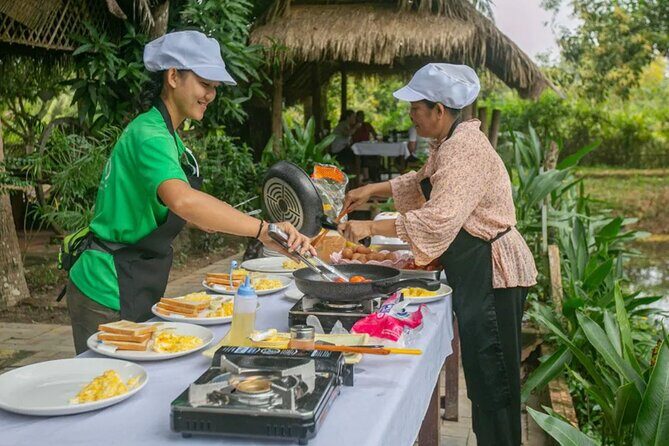
I especially like the food-focused rhythm. You watch how Khmer rice noodles, bamboo sticky rice, and rice paper get made, and you get to taste what you just saw. It’s hands-on Cambodia, not a showroom.
One heads-up: the tour includes Wat Samrong Knong, which features a killing field and a torture house. It’s important, but it’s heavy—if you prefer a lighter day, go in knowing the mood will shift.
In This Review
- Key Highlights Worth Blocking Time For
- Morning Tuk-Tuk Pickup, Battambang City Landmarks, and Local Stories
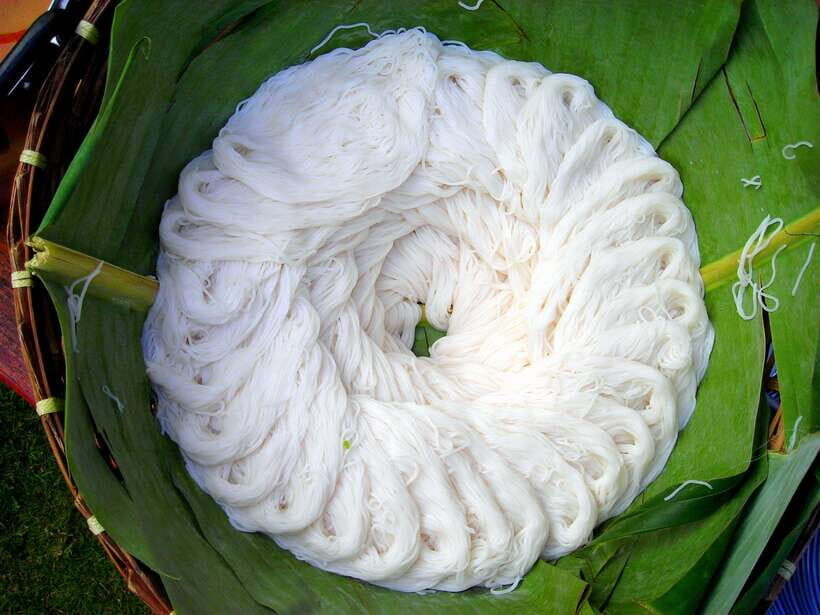
- Khmer Rice Noodle Factory: Watching Breakfast Start Before It Hits Your Bowl
- Bamboo Sticky Rice: A Dessert Snack Made in Village Kitchens
- Wat Samrong Knong: Old Temple, Brick Stupa, and the Khmer Rouge Site
- Rice Paper Production: How Spring Rolls Get Their Bite
- Rice Wine Production Plant (Since the 1980s) and the Stories Behind It
- Ek Phnom Temples: A 25m Giant Buddha, Standing Statues, and 11th-Century Ruins
- Price and Logistics: Is $20 for 5 Hours Good Value?
- Should You Book This Battambang Morning City and Countryside Tuk-Tuk Tour?
- FAQ
- What’s the total duration of the Battambang morning tuk-tuk tour?
- What time does the pickup start?
- How much does the tour cost?
- What’s included in the price?
- Is the guide available in English?
- Where does pickup and drop-off happen?
- Are there any dress rules?
- Is this tour suitable for everyone?
- Can I cancel for a refund, and can I pay later?
Key Highlights Worth Blocking Time For
- A 7:20 AM tuk-tuk start with pickup near Battambang town so you beat the late-day heat
- Watching rice crafts up close, then tasting snacks like spring rolls made from fresh rice paper
- Wat Samrong Knong (1707) and its brick stupa (1887), plus the sobering Khmer Rouge site nearby
- Rice wine production still running since the 1980s, with sampling included
- Ek Phnom’s 25m giant Buddha plus a temple built in 1991 and ruins tied to King Suryavarman I
Morning Tuk-Tuk Pickup, Battambang City Landmarks, and Local Stories
This is a short day—about 5 hours—but it feels full. The pickup starts at 7:20 AM from your accommodation or a restaurant, and you’ll meet your guide right away. Expect a friendly run-through of how Cambodia works through religion, agriculture, folk tales, and local history, explained in plain language as you ride.
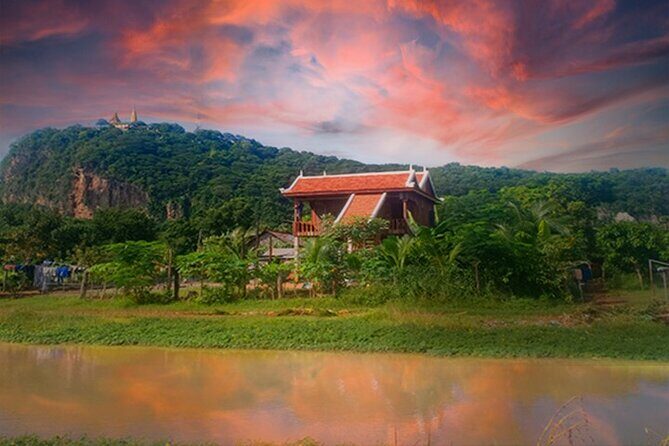
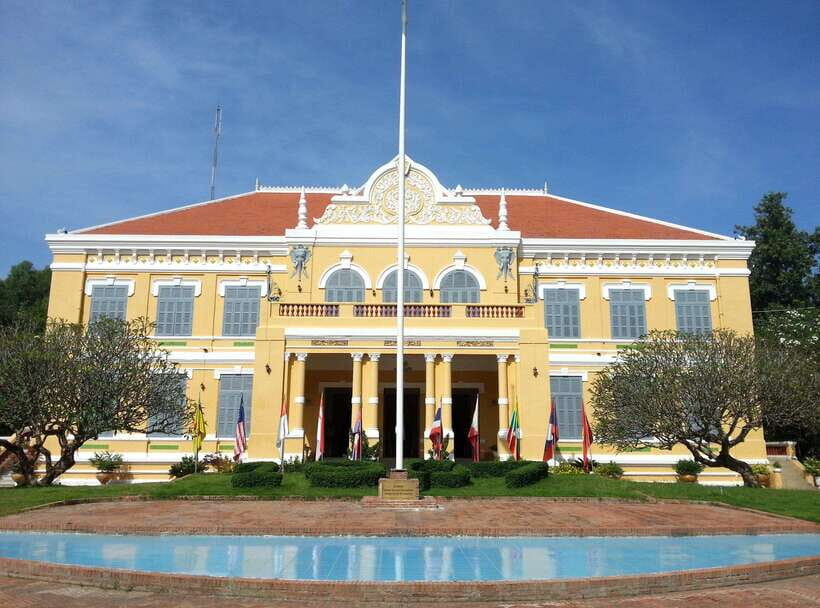
Before the countryside, you get city context. You’ll pass by or visit places like the central market, the provincial hall, and Battambang’s symbol statue, Ta Dambong Kranhoung. You also see historical buildings and the area’s general “shape,” which helps a lot once you start seeing rice work and temple architecture later in the day.
A practical note: your drop-off happens within about 5 km of Battambang town. That means you’re not left on the edge of nowhere, but you may still want to have a plan for the last short leg back to your room. I also like that cold bottled water and wet wipes are included—small comfort, big difference when you’re moving fast and sweating a bit.
You can also read our reviews of more city tours in Battambang

Khmer Rice Noodle Factory: Watching Breakfast Start Before It Hits Your Bowl
If you love food tours where you actually see the process, this stop is a strong one. You’ll visit a place where locals make Khmer rice noodles, a daily staple eaten for breakfast, lunch, and dinner—not just a tourist snack.
The cool part here is the cause-and-effect. You see the raw-to-ready steps and learn how rice becomes the chew you expect in noodle dishes. Even if you don’t care about the exact technique, the explanation gives you a better sense of why Khmer noodles taste the way they do, and how ingredients and timing matter.
Then you get to taste. That matters because Battambang is not all about looking; it’s about understanding flavors. This is where the tour’s pacing pays off: you’ve been listening to culture and agriculture, and now you see one of the results of that way of life.
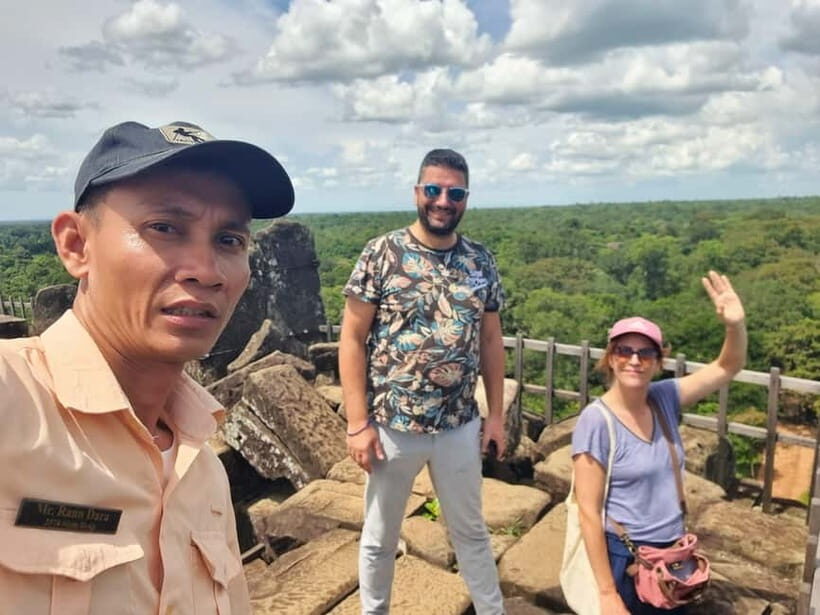
Also, the guide experience is a real value add. In English, Samol’s style is about clear, lively explanation—plus safe, steady driving in the tuk-tuk. If you like taking photos, photo stops are built in, so you’re not constantly asking.
Bamboo Sticky Rice: A Dessert Snack Made in Village Kitchens
Next comes bamboo sticky rice, a sweet snack that locals cook as a treat. This is one of those foods that’s easy to try and hard to stop thinking about once you’ve tasted it. You watch how the bamboo is used as part of the cooking process, and you get a sense of why this method matters for flavor and texture.
The most interesting thing isn’t just the final sweetness—it’s the “small-scale” feel. You’re seeing how people prepare something for eating now, not something packaged for export. You learn how the dish fits local life: it’s dessert, it’s comfort, and it’s something people know by daily routine.
You also get a gentle lesson in Cambodia’s food logic: many ingredients that look simple—rice, bamboo, natural flavors—support a whole food culture. By the time you reach the spring roll stop later, you’ll already understand why rice-based foods are everywhere here.
Wat Samrong Knong: Old Temple, Brick Stupa, and the Khmer Rouge Site
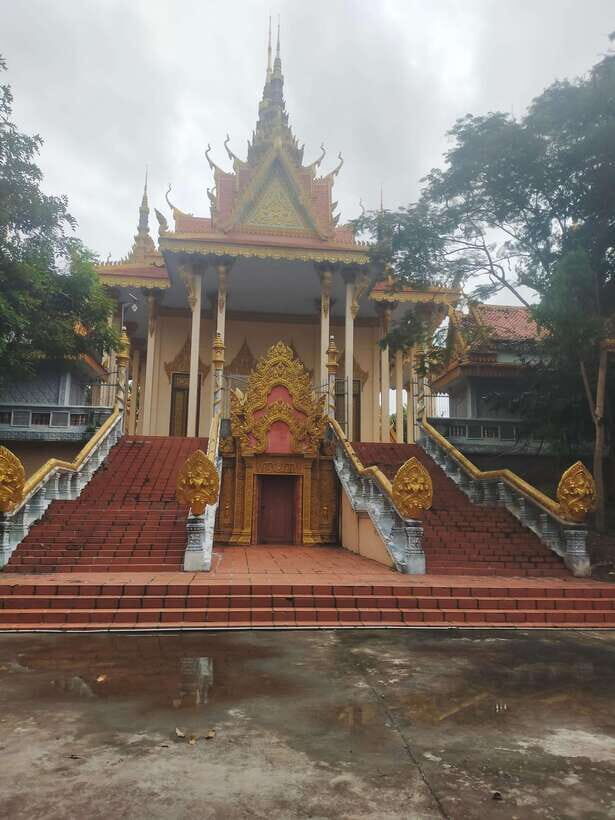
Then the tour turns serious, and it doesn’t feel like a detour. You’ll visit Wat Samrong Knong, described as the oldest Buddhist temple in this area, built in 1707. You’ll also see a brick stupa built in 1887—temple details like this give you a sense of how old religion and architecture can be here.
What makes this stop especially important is what happened later. The pagoda was used to house Khmer Rouge soldiers, and it also served as a detention area for victims. The site includes a torture house and a killing field where approximately 10,008 people were killed.
I think the right mindset is quiet respect. Wear something that fits temple rules (more on clothing below) and let the guide set the tone with clear context. Don’t rush photos. This is a place where your time should be slow.
If you’re sensitive to heavy history, you can still do this tour, but you’ll want to know it will change the mood for the rest of the day. One of the best things I’ve found on tours like this is that the explanation comes from your guide’s knowledge of culture and belief—not just facts. It helps the story land in a meaningful way.
Rice Paper Production: How Spring Rolls Get Their Bite
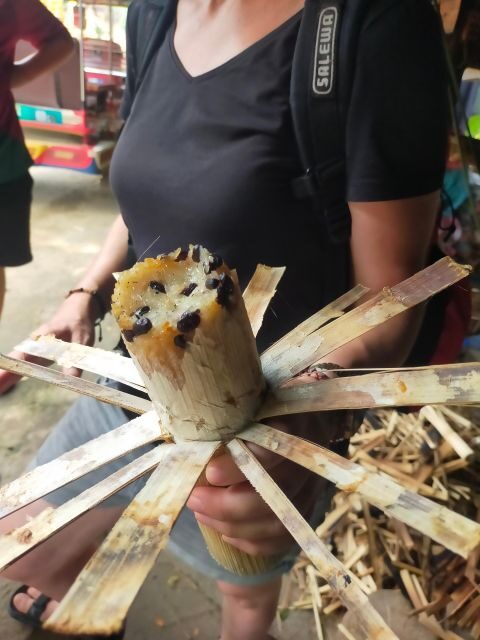
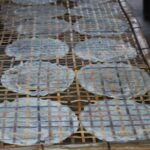
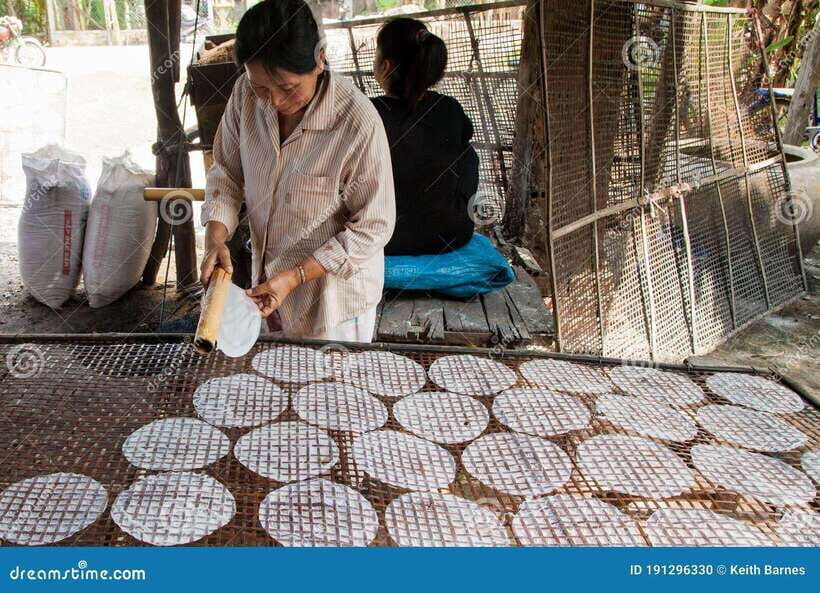
After the history stop, you get back to something hands-on and delicious: rice paper production. You’ll learn how rice paper is made and how it connects to one of Cambodia’s best-known foods—spring rolls.
What I like about this stop is how practical it feels. You watch the work process and understand how rice becomes sheets that can be handled, filled, rolled, and cooked. It’s also a living craft. The local producers can make at least 1,500 rice paper items per day, which signals this isn’t a hobby—it’s a trade.
Then you’ll taste things linked to the process. If spring rolls are on your radar, this is where you’ll get the real appreciation: the flavor and texture make more sense because you saw the material come to life.
Also, this stop tends to be where people start to connect with the tour emotionally. You’re surrounded by local labor, not a staged display. And because the guide is explaining while you watch, you’re not just consuming food—you’re learning.
A few more Battambang tours and experiences worth a look


Rice Wine Production Plant (Since the 1980s) and the Stories Behind It
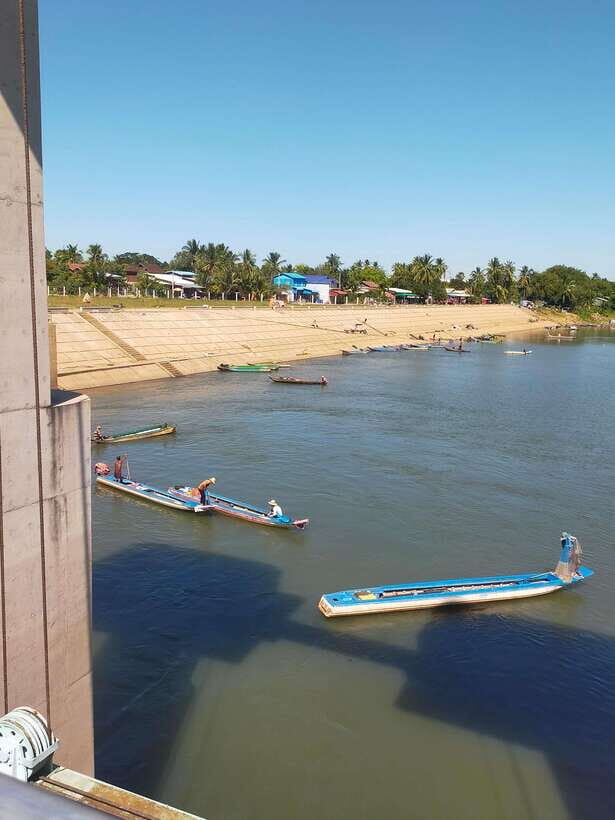
Now for the stop that surprises people: rice wine. You’ll ride to a rice wine production plant that has been in use since the 1980s, and you’ll see how it’s made.
Sampling is included, so you get direct experience instead of secondhand description. The guide also shares how rice wine was used beyond drinking—used for medication, for soaking plants and fruits, and even described uses involving poisonous animals like cobras and tarantulas.
That last part can sound strange at first, but the point here is cultural context: food and drink are often tied to traditional beliefs and practical remedies. Even if you don’t agree with every practice, learning the local logic gives you a clearer picture of how people think about the natural world.
If you don’t plan to sample much, you can still learn plenty from the process explanations. Just keep it in mind if you’re sensitive to alcohol or prefer not to taste.
Ek Phnom Temples: A 25m Giant Buddha, Standing Statues, and 11th-Century Ruins
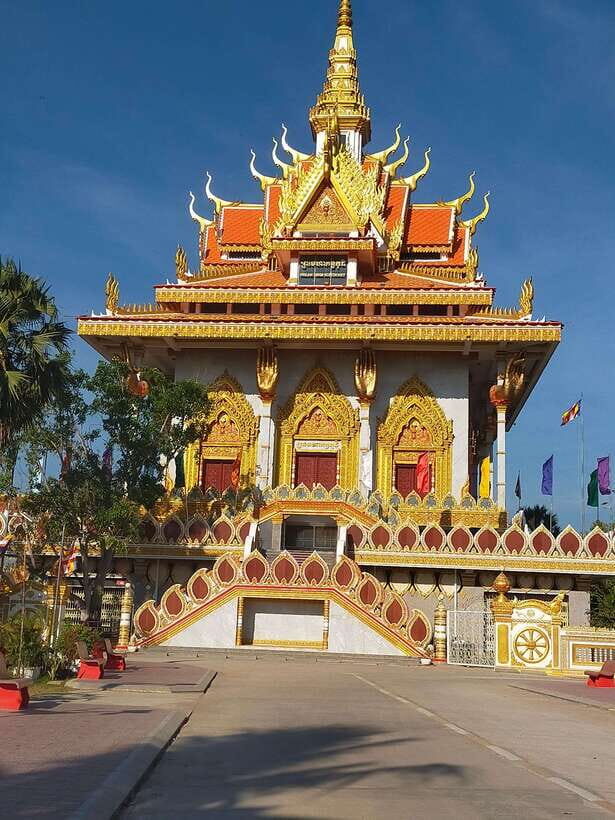
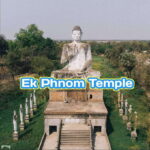
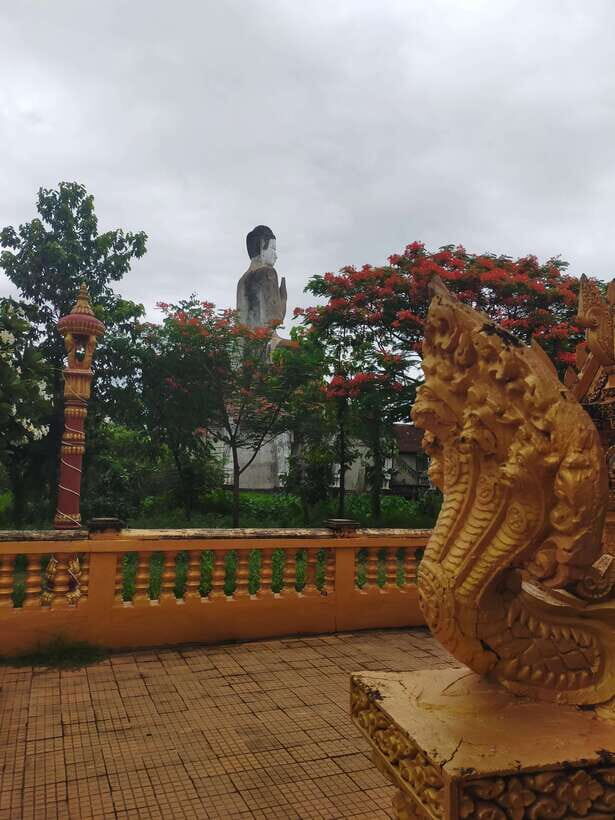
To finish, you head to Ek Phnom for its temple mix—Buddhist and older Hindu layers. The standout is a 25m-high giant Buddha, with standing Buddha statues placed on either side.
You’ll also walk to a Buddhist temple built in 1991. Going inside lets you see a Buddha story depicted on the wall, which helps you connect the religious symbolism to something visual and specific.
Then there are ruins of an Angkorian Hindu temple built in the 11th century during the reign of King Suryavarman I. That combination—Buddhist worship today layered over earlier Hindu architecture—captures what Battambang feels like at its best: a place where time keeps stacking, rather than switching abruptly.
I like ending the day here because it brings everything together: history, religion, local craftsmanship, and the working countryside all funnel into one final “big view” moment. After the kneeling quiet of Wat Samrong Knong, the giant Buddha feels like a shift in scale—still spiritual, but less heavy in tone.
Price and Logistics: Is $20 for 5 Hours Good Value?
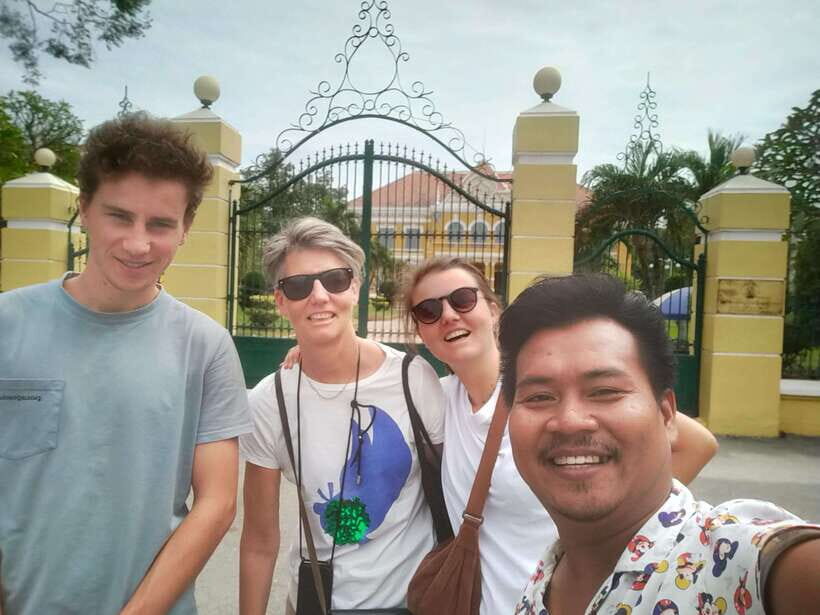
At $20 per person for a 5-hour tour, this is strong value when you compare what you get. It includes hotel pickup and drop-off, an English live guide, cold bottled water, wet wipes, and snacks tasting. You also get all admissions plus donations covered, so you’re not constantly pulling out cash for entry fees along the way.
What makes the price feel fair is the mix of experiences:
- City context (markets, provincial hall, symbol statue)
- Craft production you can watch up close (noodles, bamboo sticky rice, rice paper)
- A culturally meaningful but heavy historical stop (Wat Samrong Knong)
- Food sampling that matches what you saw
The main logistics point is pace and fit. It’s not described as an easy, slow walking tour, and it isn’t suitable for people with high blood pressure or people over 70. If either applies, you should skip or choose something gentler. Also, you can’t wear sleeveless shirts, so plan for covered shoulders out of respect for temple sites.
Finally, the tour isn’t built for baby logistics: baby strollers aren’t allowed. If that affects you, you’ll want to choose another option.
Should You Book This Battambang Morning City and Countryside Tuk-Tuk Tour?
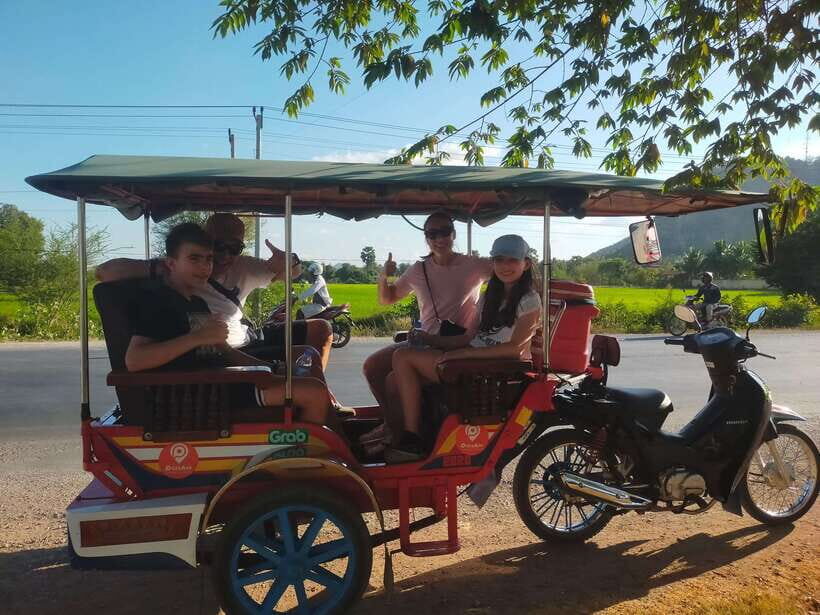
Book it if you want a day that’s practical and local. You’ll likely enjoy the food-craft stops the most—because you don’t just eat rice-based snacks, you see how they’re made. The guide storytelling also matters here. In the best moments, you’ll be able to connect temple details, agriculture, and everyday life into one coherent picture.
Skip it (or consider a different day) if you’re not ready for the emotional weight of Wat Samrong Knong. You don’t need to be fearless for this trip, but you do need to accept that the killing field and torture house are part of the route.
If you have one morning to spend in Battambang and you want maximum meaning per hour, this is a solid choice—especially for people who like their tours equal parts history and real food.
FAQ
What’s the total duration of the Battambang morning tuk-tuk tour?
The tour lasts about 5 hours.
What time does the pickup start?
Pickup starts at 7:20 AM.
How much does the tour cost?
The price is $20 per person.
What’s included in the price?
It includes hotel pickup and drop-off, a live English guide, cold bottled water, wet wipes, photo opportunities, snacks tasting, all admissions, and donations.
Is the guide available in English?
Yes, the tour includes a live guide in English.
Where does pickup and drop-off happen?
Pickup and drop-off are arranged within 5 km of Battambang town.
Are there any dress rules?
Yes. Sleeveless shirts are not allowed.
Is this tour suitable for everyone?
It’s not suitable for people with high blood pressure or people over 70.
Can I cancel for a refund, and can I pay later?
You can cancel up to 24 hours in advance for a full refund, and you can reserve now & pay later.