REVIEW · BATTAMBANG
Full/Half Day Tuk TuK: Handicrafts Bambootrain Killing&Bat Caves
Book on Viator →Operated by Discover Battambang with Samol Tuk-Tuk & Motorbike Tours · Bookable on Viator
Bamboo trains and caves in one ride. This full-day Battambang loop mixes local farm life with major historical sites, plus sunset views at the bat caves. I especially loved the guide-style teaching that turns roadside stops into real context for daily life, and the food moments like bamboo sticky rice and rice wine. One heads-up: it’s a long day starting early, and the Killing Cave story is heavy.
The value is strong for the price, because you get hotel pickup and drop-off, tuk-tuk transport, cold water and a cold towel, and entrance fees for key sites included. Still, you’ll want to budget extra for the bamboo train and plan to skip a relaxed lunch break.
In This Review
- Key things to know before you go
- The tuk-tuk style that makes Battambang click
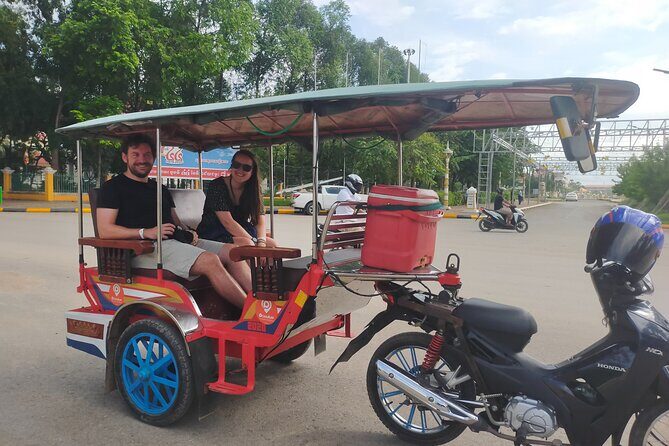
- Morning kickoff in Battambang: French structures and local lessons
- Wat Samrong Knong: bamboo sticky rice and a sweet local stop
- Ek Phnom: rice wine since the 1980s, plus what people do with it
- Back to town, then out to villages: suspension bridge and real farm rhythms
- Bamboo Train Ou Srauo Laou: the fun part (with extra cost)
- Phnom Sampeau: rat barbecue and the Killing Cave reality check
- Battambang Bat Caves: millions of bats in a long evening show
- Price and logistics: how $16 turns into a full day
- Who this tour is best for
- Should you book this Battambang tuk-tuk day?
- FAQ
- What time does the tour start, and how early should I be ready?
- Is hotel pickup and drop-off included?
- What entrance fees are included in the price?
- How much does the bamboo train cost?
- Is lunch included?
- Do I have to try the rat barbecue?
- How long does the bat cave flight last?
- Can I cancel for free?
Key things to know before you go

- A 7:30am start means you should be ready at your place about 10 minutes early
- Handicrafts and food stops connect agriculture to what you taste
- Bamboo train costs extra (and it’s timed inside the day)
- Phnom Sampeau includes a serious history stop alongside rat barbecue
- Bat cave viewing runs close to 50 minutes in the evening
The tuk-tuk style that makes Battambang click
Battambang is a city where slow travel pays off, and this tour is built for that. You move past fruit plantations, rice fields, and the French-era structures in town, then bounce out to villages where the scenery is real and the work is visible. Instead of staring out a bus window, you’re stopping often enough to actually ask questions and see how things get made.
You also get a live guide who covers history, culture, religion, agriculture, and some Cambodian language basics. That matters here, because the day isn’t just checkpoints. You’ll get the why behind what you see—how rice supports daily life, why certain foods show up at local homes, and how tragic events still shape places like Phnom Sampeau.
The group size is kept small (up to 15), so the pace feels manageable. It still isn’t a gentle stroll—your legs and patience will be tested—but it feels organized, not rushed.
You can also read our reviews of more tours and experiences in Battambang.
Morning kickoff in Battambang: French structures and local lessons
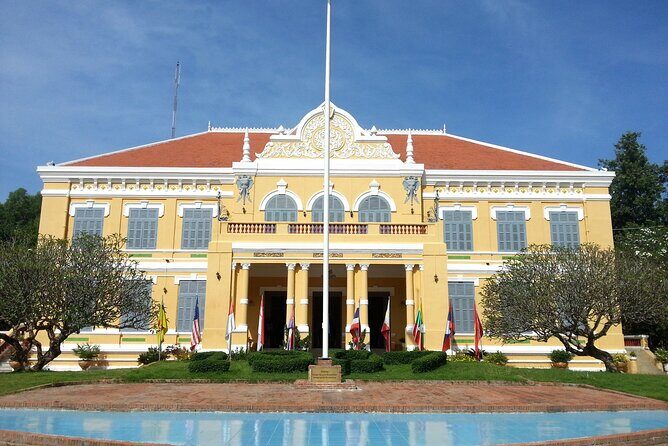
The day starts early: a tuk-tuk pickup around 7:30am, with you ideally ready about 10 minutes before. Stop by stop, you get a guided walk-and-ride feel for what Battambang looks like from different angles, including the main French structures in the city.
What I like about the first stretch is how it sets the tone. The guide doesn’t treat history like trivia. You learn how religion and culture show up in daily rhythms, and you get a feel for what people grow and how they farm. Even if your Cambodian language is basic, hearing a few phrases makes roadside conversations less awkward.
You’ll also get photo opportunities, plus a cold towel and cold water to reset after the morning heat starts. Some parts are technically ticket-free (at least at this point), which helps keep the day smooth.
Practical tip: bring a hat and something light to cover your shoulders. You’ll spend enough time outdoors that comfort turns into energy later.
Wat Samrong Knong: bamboo sticky rice and a sweet local stop
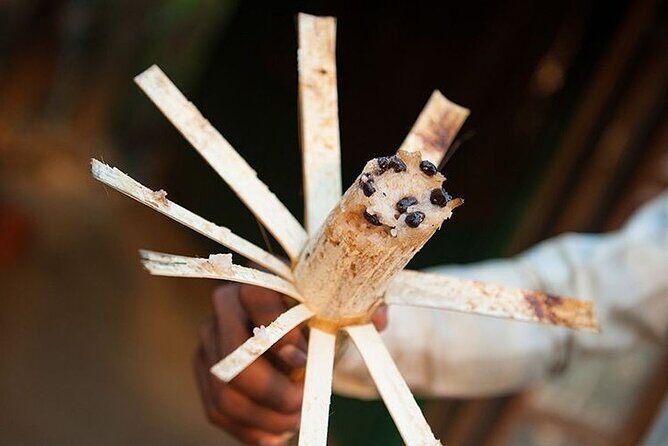
After getting your bearings, the tour turns toward food you can’t really understand without tasting it. At Wat Samrong Knong, the focus is bamboo sticky rice—cooked like a dessert or sweet snack.
This stop works because it’s not staged as a performance. You see locals cooking, and you learn why this kind of rice preparation has stayed popular. Bamboo sticky rice has a reputation for quality, and that reputation is tied to method as much as taste.
The session runs about 1 hour 30 minutes, and the entrance is included. You’re not just looking at food—you’re seeing it made in a way that reflects local life.
Possible drawback: this is a food-centered stop, so if you don’t want to snack much during the day, you may find your appetite schedule shifts. It’s still worth it, because later stops connect back to how rice is produced and used.
Ek Phnom: rice wine since the 1980s, plus what people do with it
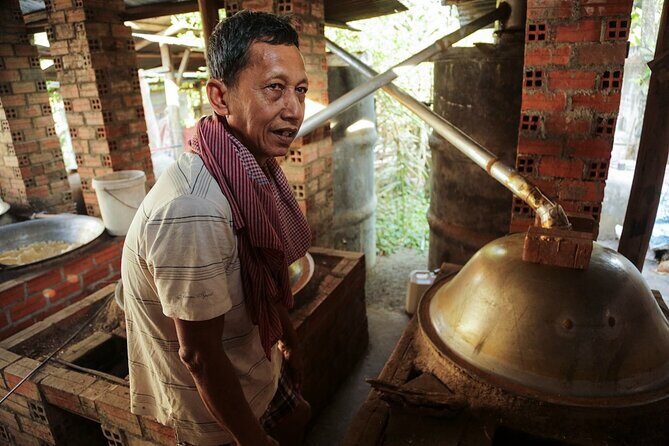
Next you head to Ek Phnom, where you’ll see rice wine production. The process has been running since the 1980s, which gives the stop a grounded, local feel instead of a quick tourist demonstration.
Expect a guided explanation of how rice wine is made, then a chance to try it. The tour also describes how rice wine is used for medication and to soak plants and fruits—information that frames alcohol here less as nightlife and more as part of a wider traditional approach.
The session is about 1 hour 30 minutes, with entrance included. This stop is a good pairing with the bamboo sticky rice earlier, because both tie back to rice—how it’s processed, how it becomes food, and how it can become a household remedy.
What to do if you’re not into tasting: tasting is offered, but you can pace yourself. If rice wine isn’t your thing, you can still learn a lot from the production story and what the people explain about everyday use.
Back to town, then out to villages: suspension bridge and real farm rhythms
After covering northern points, you loop back toward the city for a shorter 30-minute break. This isn’t a full reset, but it helps break the day into sections so you don’t feel like you’ve been in motion nonstop.
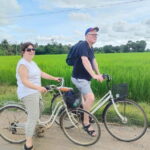
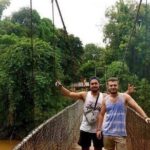
Then the tour heads toward the big signature experience: the bamboo train area at Ou Srauo Laou. Here, you’ll ride past villages, fruit plantations, and rice fields. You’ll also spot a suspension bridge, and you’ll stop to talk with farmers. These conversations are where the tour stops feeling like a list and starts feeling like understanding.
You’ll also get a sense of how daily work fits into the landscape—where people live, how fields connect to homes, and why some crops matter more season to season. It’s the kind of learning that sticks because it’s tied to what you can actually see.

Bamboo Train Ou Srauo Laou: the fun part (with extra cost)
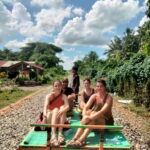
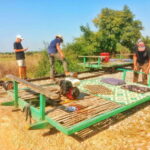
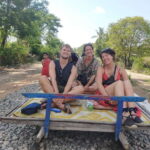
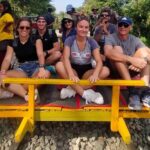
This is the stop people often remember most. At Ou Srauo Laou, you buy your bamboo train ticket (about $5 per person) and board for the ride. The bamboo train itself is the main event, and the ride comes with a built-in bit of comic relief: the movement gives you what the tour describes as a free butt massage.
That sounds silly, but it hints at the real experience. This ride isn’t about comfort. It’s about rhythm—wobbly, physical, and oddly satisfying once you’re on it.
The tour block is around 2 hours, and the bamboo train admission is not included in the base price. You’ll want cash or card-ready payment in the moment, since the tour says you’ll purchase your ticket before boarding.
Practical tip: wear shoes you don’t mind getting dusty. And if you’re prone to motion sickness, sit in a way that feels stable to you before you start rolling.
Phnom Sampeau: rat barbecue and the Killing Cave reality check
Phnom Sampeau is where the day turns serious. Before reaching the caves, you may get a chance to taste K F R, the tour calls it rat barbecue. It’s presented as something you can watch and try, and rat tasting is also listed as optional.
Even if you skip the food, the point of this stop is cultural: you see how people prepare food locally, and how that food fits into life around the mountain. Just know you’re choosing to be there when the day shifts from lighter roadside life to the Khmer Rouge era.
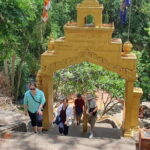
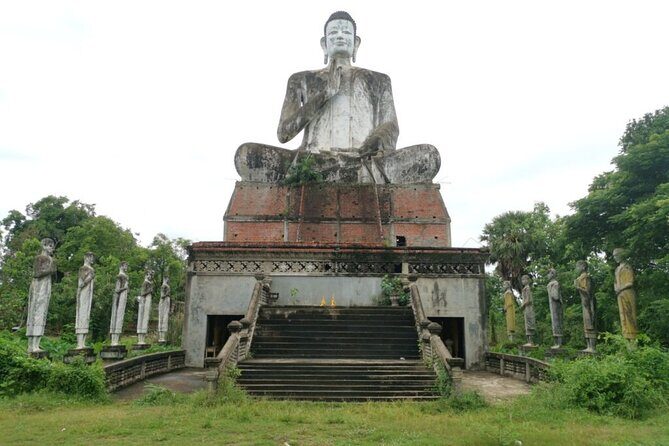
Then you’ll ride up the mountain by motorbike or pick-up truck to reach the area connected to the Killing Cave. The guide explains the Khmer Rouge period (1975–1979) and states that over 10,000 victims were killed there. This isn’t a place for jokes, even if the guide’s personality stays warm in other moments.
The tour includes entrance for the Killing Cave stop, and it also includes a mountain shuttle or motor taxi service for the return, which helps avoid logistics stress.
How to handle the emotional weight: I’d treat this as a moment to go slow. If you’re sensitive to war history, you’ll probably want to mentally brace yourself ahead of time. A good guide will pace the explanation, but the facts are still hard.
Battambang Bat Caves: millions of bats in a long evening show
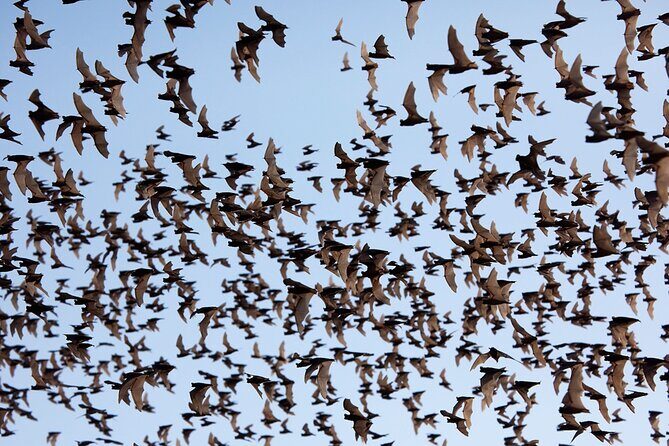
After the day’s heavy moment, the bat caves offer a different kind of intensity. You’ll visit Battambang Bat Caves and move through viewpoints, then wait for the main spectacle.
At evening, millions of bats fly out from the cave, and the flight takes about 50 minutes. That long duration matters: you’re not watching a quick burst and leaving. You’ll stand, look, and feel the scale as the sky fills and the rhythm becomes its own event.
Entrance is included here too. The tour portion runs about 1 hour, but in practice the “waiting” is part of the experience—bring a light layer for early evening air and be ready to stand still for a while.
You’ll end by returning to your hotel, or you may be dropped closer to places in town like Pomme Bar.
Practical tip: arrive on time for the final stop. The bat flight depends on evening timing, and being late can shrink the experience.
Price and logistics: how $16 turns into a full day
Let’s talk value in real terms. The tour is priced around $16, and it includes hotel pickup and drop-off, tuk-tuk transport, a live guide, cold water and cold towels, entrance fees for Ek Phnom, the Killing Cave, and the Bat Caves, plus all donations and several tastings and snacks.
Two things are not included. Lunch isn’t included, and the bamboo train ticket costs about $5 per person. So your real spending depends on your appetite and whether you take the bamboo train ride as planned—which you should, because it’s one of the main reasons to choose this tour.
For a full day around Battambang—covering city sights, multiple food stops, a major history site, and a night-time cave show—$16 is a reasonable base. The extra bamboo train cost is clearly separated, so you’re not hit with surprise fees mid-day.
The included snacks tasting also helps. It keeps your energy up between stops where eating opportunities may be limited. If you know you’ll get hungry around mid-afternoon, plan to grab something small near your pickup point or during the short return-to-town window.
Who this tour is best for
This is a great match if you want hands-on local life without renting a car. You’ll get a practical mix of culture, agriculture, food, and key sights in one loop—good for a first visit to Battambang or for a day when you want more than temples.
It also works well if you like conversation. You’ll talk with farmers and see people working, and the guide’s explanations are meant to connect the dots between what you see and what it means.
If you’re traveling with kids, this tour may suit you because it includes multiple stops and built-in interaction points, like talking with farmers and children. Just remember the day starts early and includes a serious history site.
Should you book this Battambang tuk-tuk day?
If you want a full, organized day that mixes rice culture, city sights, and one of Battambang’s most memorable natural shows, I think you’ll be happy with this tour. The price feels fair because key entrance fees are included, tastings are built in, and the guide adds context instead of just transporting you.
I’d only hesitate if you hate long days or you really don’t want to face the Khmer Rouge history at Phnom Sampeau. But if you can handle that part with care, the rest of the day becomes stronger because you understand what you’re seeing.
Book it if you like guided learning, practical stops, and a tour that doesn’t just point at Cambodia—it explains it.
FAQ
What time does the tour start, and how early should I be ready?
It departs around 7:30am, and you should be ready about 10 minutes before pickup time at your accommodation or restaurant.
Is hotel pickup and drop-off included?
Yes. The tour includes hotel pickup and dropped off at the end of the day.
What entrance fees are included in the price?
Entrance fees are included for Ek Phnom, Killing Cave, and Battambang Bat Caves.
How much does the bamboo train cost?
The bamboo train costs about $5 per person and is not included in the base tour price.
Is lunch included?
No. Lunch is not included.
Do I have to try the rat barbecue?
No. Rat tasting is optional, though the tour does include the chance to watch and taste K F R (rat barbecue).
How long does the bat cave flight last?
The bats fly out for about 50 minutes.
Can I cancel for free?
Yes. You can cancel for a full refund up to 24 hours before the experience starts. If you cancel less than 24 hours in advance, the amount is not refunded.