REVIEW · BATTAMBANG
Grand Tour-Ek Phnom. Baset. Bamboo Train. Wat Banan. Phnom Sampov
Book on Viator →Operated by Battambang Tour: Mr Lychee · Bookable on Viator
Biking Battambang with locals feels different. You get a full, low-impact day that mixes countryside pedal power with temple stops, hands-on food time, and two big wow moments: the bamboo train and bats at dusk.
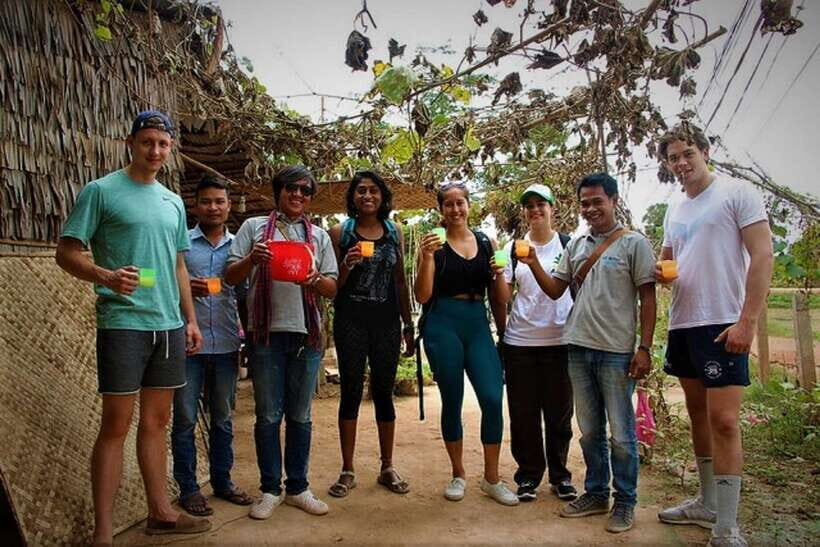
What I like most is the way you’re treated as part of the day, not just a ticket number. I especially loved the local guide angle—Mr Lychee and other English-speaking guides like Reed keep the story clear—and I enjoyed the food moments, from noodle-making to sweet rice flour cakes and rice paper. You’re also on proper kit: helmets and a high-quality Giant mountain bike make this feel safe and comfortable, even when the road turns bumpy.
One thing to consider: it’s an active day. If you don’t do steps well, the climb at Wat Banan is 358 steps, and you’ll feel it.
In This Review
- Key things that make this tour click
- Why biking Battambang’s countryside feels better than a bus tour
- Getting around: helmets, Giant bikes, and tuk-tuk support
- Stop-by-stop: statues, Baset temple, and memorials you should not rush
- Noodle factory and Khmer snacks: the part you’ll remember after the temples
- Bamboo train: plan for the extra fee and the one-hour ride
- Wat Banan’s 358 steps and the five-tower payoff
- Evening at Phnom Sampov: sunset views and the Killing Caves context
- Battambang Bat Caves at dusk: the Bat Army finale
- Price and value: what $45 gets you, and what costs extra
- Who should book (and who might want a different day)
- Should you book this Grand Tour day?
- FAQ
- FAQ
- What is included in the $45 tour price?
- What isn’t included?
- How long is the tour?
- Do I get pickup from my hotel?
- Is this a private tour or a shared group?
- Do I need to pay temple admission fees?
- How many steps are at Wat Banan?
- When is Phnom Sampov best to visit?
- Where does the bamboo train ride take place?
- Can most people participate?
Key things that make this tour click
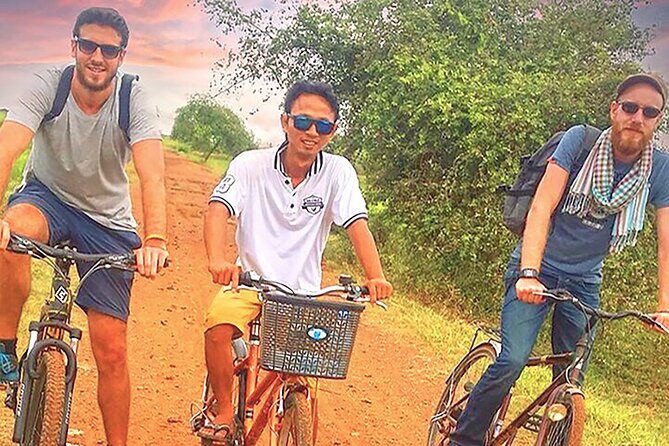
- Small-group feel (capped at 10) with a friendly English-speaking guide
- Helmet + Giant mountain bike for a smoother, safer countryside ride
- Hands-on Khmer food time, including items like sticky rice dumplings and spring rolls
- Bamboo train ride out to Ou Srolao village (an extra fee, but worth planning for)
- Sunset timing at Phnom Sampov followed by the Bat Army at dusk
Why biking Battambang’s countryside feels better than a bus tour

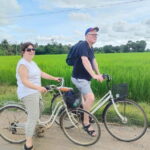
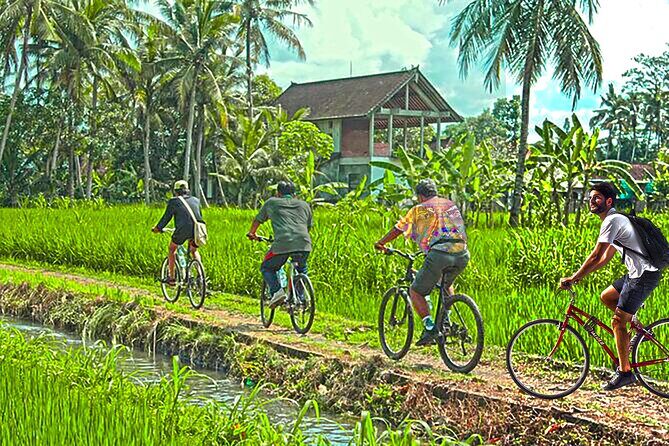
This tour is built around a simple idea: see Battambang in motion. Instead of sitting in a vehicle all day, you pedal through farmland, little communities, and rice-field roads around town. That changes everything. You notice the small stuff—how locals live, what people are doing, where the paths actually go—and you move at a pace that makes conversations and snack stops feel natural.
I also like that it’s designed as a lower-impact day. You’re using bikes for a big chunk of the outing, which means less time stuck in traffic and more time outdoors. It’s also just plain fun. There’s a real payoff when a quiet stretch of countryside suddenly ends in a temple stop or a village meal.
And yes, you still get the comfort perks that matter on a long day: cold bottled water is available, and you’re not left to figure everything out alone.
You can also read our reviews of more tours and experiences in Battambang.
Getting around: helmets, Giant bikes, and tuk-tuk support
Your ride base is solid: you get a helmet and a high-quality Giant mountain bike. That matters more than people think. Mountain bikes handle the day’s mix of surfaces better, and the helmet turns a “scenic ride” into a genuinely confidence-building activity.
The tour also uses a private tuk-tuk for parts of the day. That’s a smart way to balance effort with logistics—especially when you’re shifting between city sites, the bamboo train area west of Battambang, and the mountain viewpoints later. It keeps the day from turning into one long grind.
For your planning, the big practical point is to dress like you’re biking and climbing. Even if you’re not a sports person, you’ll be doing hours of riding plus temple walking. I’d also bring sun protection you trust (hat, sunscreen). Water helps, but sun still wins if you ignore it.
Stop-by-stop: statues, Baset temple, and memorials you should not rush
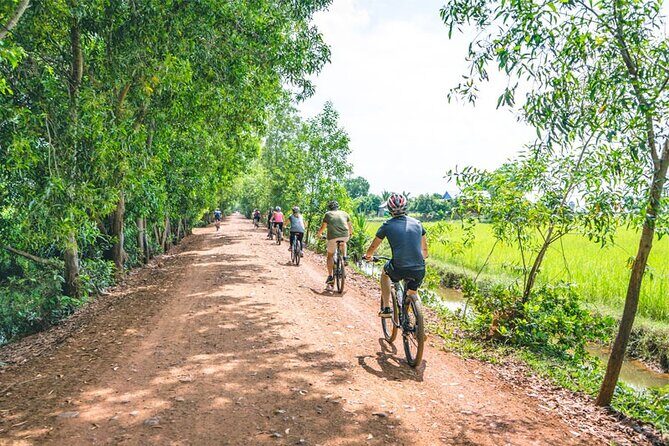
The day kicks off near Battambang’s city center with a look at something classic—like a colonial building or provincial hall—then you head to the Ta Dumbong Kro Aung statue. The focus here isn’t just photos. You get a history lesson about what you’re seeing, which helps the day feel connected instead of random stops.
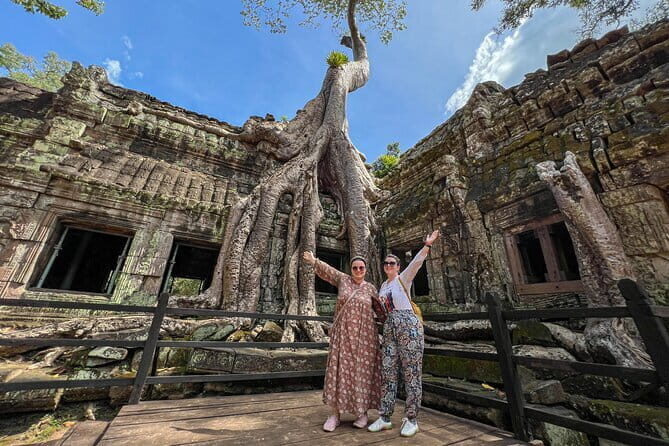
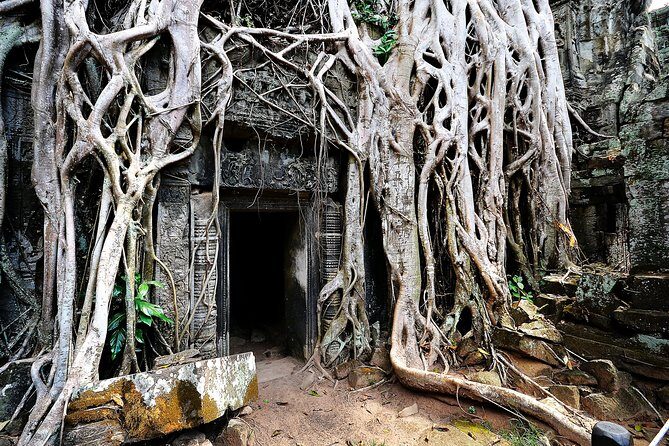
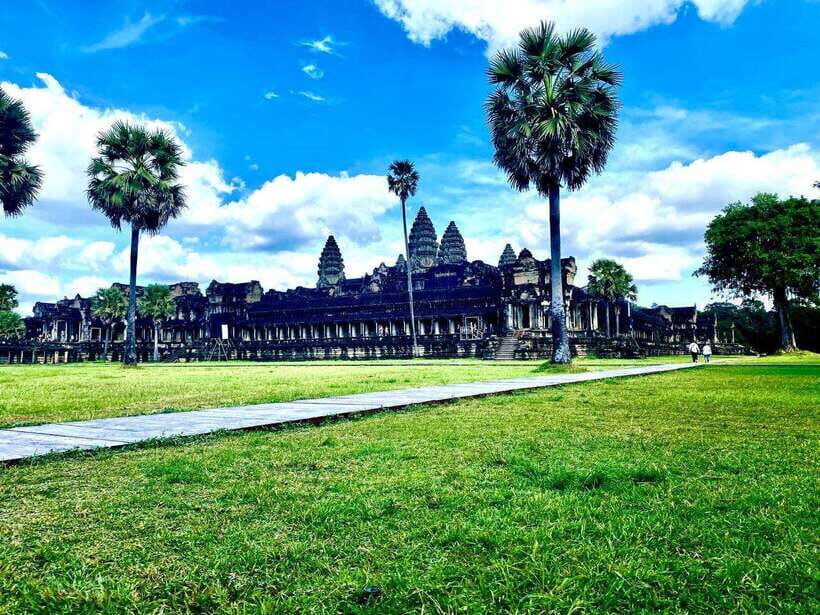
Next comes Prasat Baset, a temple you reach by driving out along the countryside road. This is one of the “travel with context” moments. You pass through small communities and farmland, which makes the temple feel like part of the region rather than a standalone monument. Admission is included here, so you’re not juggling money or tickets mid-ride.
Then you move to Wat Samrong Knong, a memorial tied to Khmer Rouge victims. This stop is serious. It’s also important. The guide’s explanation helps you understand why this place exists and what it represents, and the time is long enough that you can actually take it in rather than rush through.
After that, you head to the north side of the city for Wat Ek Phnom, an old temple with a large Buddha. The setting is a big part of the appeal. Take a moment in the shade when you can, because this day stacks. You’ll appreciate the pause—especially after earlier walking and driving.
Practical tip: pace your photos. I often see people burn their energy early with nonstop picture-taking. For this kind of day, a few well-timed photos beat 200 quick snaps, especially at memorial sites where you’ll want to actually pay attention.
Noodle factory and Khmer snacks: the part you’ll remember after the temples
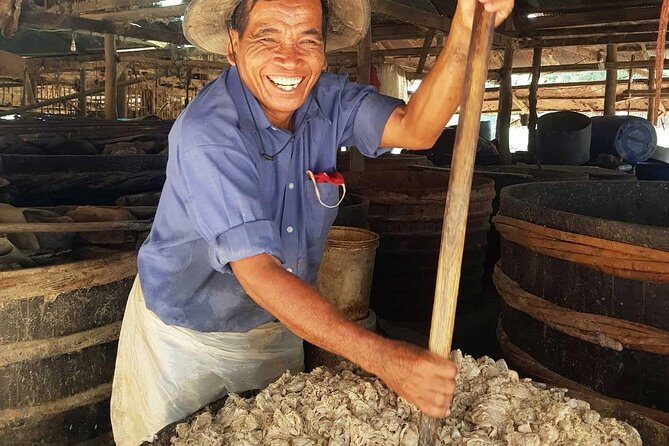
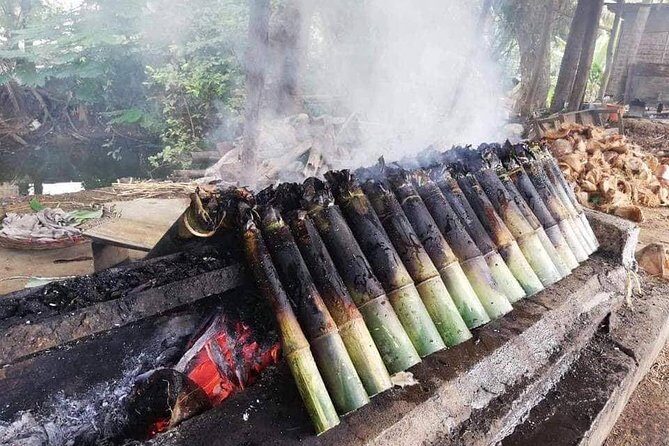
This tour is not only about sights—it’s also about food skills. At some point during the village time, you visit a noodle factory, then learn how to make several Khmer items. You’ll get a chance to taste along the way, and that tasting is part of what makes it feel authentic.
From what you’ll experience, expect hands-on Khmer cooking and tasting like:
- Khmer sweet rice flour cakes
- Sticky rice dumplings
- Spring rolls
- Dried bananas
- Rice wine
- Rice paper
Why this matters: food in Cambodia is practical. It’s built on what people actually eat and sell. When you see how rice products are made and how the dough and wrappers work, you understand the culture faster than you will from any museum label.
The tour also includes local snacks (with an option). That’s a nice touch because it keeps the day from turning into snack starvation between temple stops.
If you have dietary concerns, this is one of those days where you should ask ahead. The tour description clearly includes foods like rice wine and specific rice-based items, so being proactive will save you awkward moments later.
Bamboo train: plan for the extra fee and the one-hour ride
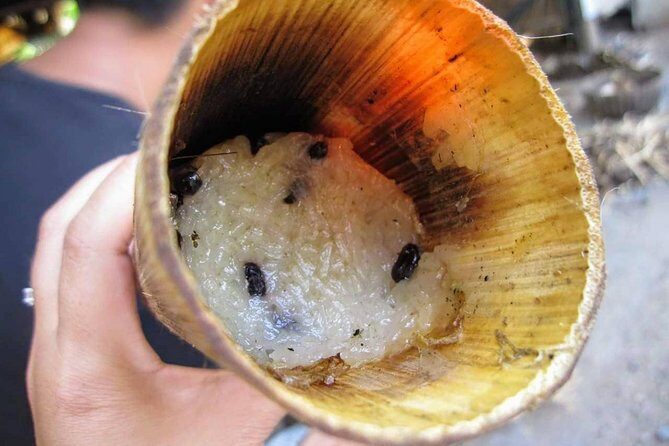
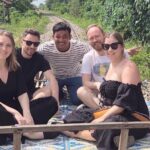
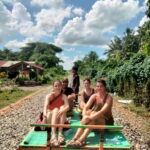
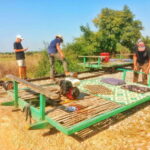
One of the day’s standout moments is the bamboo train. You go west of Battambang, and then you’re driven to Ou Srolao village. When you arrive, you enjoy about one hour on the ride.
Here’s the one cost detail that matters: the bamboo train ride is not included. You pay $5 per person. Everything else is priced as part of the $45 tour.
Is it worth budgeting the extra $5? In most cases, yes, because the bamboo train is one of the most distinctive things to do around Battambang. The ride also gives you a break from temples and stairs—plus it feels like a real local tradition tied to the region’s everyday life.
Practical advice: bring cash for that $5 fee if that’s how you’ll pay, and keep some energy for the ride itself. You’ll likely be warm and hungry by then, so it helps if you ate earlier snacks.
Wat Banan’s 358 steps and the five-tower payoff
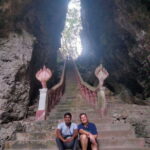
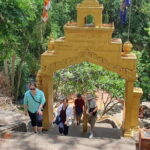
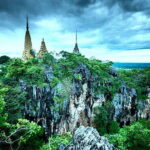
After the bamboo train, you head to Wat Banan, a temple on top of the mountain. This is the tour’s physical “checkpoint.” You climb 358 steps to see five towers and enjoy the views from higher up.
This stop is included, and the climb is what makes it memorable. You don’t just look at a temple—you work for the vantage point. That said, it’s also the part of the day most likely to slow you down if you’re not used to stairs.
My take: if your legs are okay with gradual effort, this is a great payoff stop. If steps are hard for you, you’ll need to think carefully. You can probably take breaks, but the climb is still a big chunk of the day’s exertion.
What to bring: something you can grip comfortably for steps (shoes you trust). And if you’re sensitive to sun, start the climb with a plan for shade breaks—because you may not get much.
Evening at Phnom Sampov: sunset views and the Killing Caves context
As the day shifts into evening, you head south toward Phnom Sampov—the area also described through Killing Caves. This is not a casual sunset stop. It carries heavy meaning, so give yourself time to absorb what you’re there for.
Timing is a big deal here: Phnom Sampov is best visited in the evening when the sun is setting. You’ll see why once you’re up there. The light changes fast, and the views are timed to match that natural show.
This stop runs about two hours, which is enough for both the viewpoint and the more reflective parts of the visit. I’d treat it as a “stay present” moment, not a photo sprint.
Because the day already includes temples and a mountain climb, evening can feel like a second wind or a second fatigue. Either way, it’s smart to keep your pace steady. The goal is to end the day with your energy still usable, not drained.
Battambang Bat Caves at dusk: the Bat Army finale
To end before sunset, you visit the Battambang Bat Caves, often called the Bat Army. This is the payoff for making it through the long day.
At dusk, thousands of bats fly out of the caves in the mountainside. It’s one of those sights that’s hard to describe and easy to remember. The sound, the movement, the sudden lift in the air—your brain just clocks it as an event.
Admission is included here, and the timing matters. If you arrive late, you miss the moment. So listen to your guide and keep your schedule tight.
Practical tip: bring a light layer if you run cold in the evening. The day is active, so you might feel fine earlier, then chill a bit near dusk.
Price and value: what $45 gets you, and what costs extra
At $45, this tour is a strong value for an 11.5-hour day with multiple stops, a guide, and transportation. You’re not just paying for entry fees. You’re paying for:
- pickup and drop-off
- local snack time
- cold bottled water
- a private tuk-tuk for key segments
- a friendly English-speaking local guide
- helmet + a real bike
- multiple temple visits, with several admission fees included in the itinerary
The one extra that’s clearly listed is the bamboo train ride ($5 per person). Tips are not included.
So the value question comes down to this: do you want a day that mixes active biking, cultural stops, and food experiences? If yes, $45 is reasonable. If you want a simple sit-and-see itinerary with zero physical effort, the price won’t feel like a bargain because the day asks you to move.
Also, the group size is capped at 10 and it’s private for your group. That usually means you get more attention and fewer “lost in the crowd” moments.
Who should book (and who might want a different day)
This tour suits you if you want:
- a bicycle-based way to see Battambang and nearby areas
- hands-on Khmer food time, not just watching from the sidewalk
- a mix of lighter sightseeing and deeper historical context
- a day that ends with a real spectacle (bats)
It’s also a good fit if you like guides who can explain what you’re seeing and keep the day organized. The tour is designed with English-speaking help, and I’d take that seriously—this kind of itinerary works best when the stories connect the stops.
Consider skipping or switching plans if you:
- really hate stairs (Wat Banan includes 358 steps)
- want a fully relaxed day with minimal walking or climbing
- can’t manage a long day in warm weather and you hate cycling effort
It’s listed as most travelers can participate, which is encouraging—but participation doesn’t mean zero effort.
Should you book this Grand Tour day?
I’d book it if you want the kind of Battambang day that feels like a real local route: bike out through farmland, eat what you learn to make, and then end with sunset and bats. The $45 price makes sense because you’re getting guide time, transport, snacks, water, and included admissions across multiple stops.
The main decision point is the physical side—especially the 358-step climb at Wat Banan. If you can handle stairs with breaks, this tour is a very satisfying mix of culture, craft, and memorable nature.
FAQ
FAQ
What is included in the $45 tour price?
You get a friendly English-speaking local guide, pickup and drop-off, cold bottled water, local snacks (option), a private tuk-tuk for transport, and a helmet with a high-quality Giant mountain bike.
What isn’t included?
The bamboo train ride costs $5.00 per person, plus personal expenses and tips.
How long is the tour?
It runs about 11 hours 30 minutes.
Do I get pickup from my hotel?
Yes, pickup and drop-off are offered.
Is this a private tour or a shared group?
It’s private, meaning only your group participates, and the group is capped at 10.
Do I need to pay temple admission fees?
Many stops include admission as part of the plan. The bamboo train ride is the clearly listed extra cost.
How many steps are at Wat Banan?
Wat Banan involves climbing 358 steps.
When is Phnom Sampov best to visit?
It’s best in the evening when the sun is setting.
Where does the bamboo train ride take place?
You’re driven to Ou Srolao village for the one-hour bamboo train ride.
Can most people participate?
The tour notes that most travelers can participate.