REVIEW · SIEM REAP
Private Tour Angkor Wat
Book on Viator →Operated by Private Angkor Wat Tour · Bookable on Viator
Angkor feels like a movie set only until you’re standing in it. This private Angkor Wat tour strings together the big hits with an English-speaking guide, air-conditioned rides, and enough flexibility to match your pace.
What I like most is the human side of it: you get a real guide who can explain what you’re seeing while you’re seeing it. I also like the practical comfort touches—cold towels and bottled water—because temple days can feel like a full-contact sport in the heat.
One possible drawback: the temple pass and lunch aren’t included, so you’ll need to budget extra and plan for an extra stop or two for food.
In This Review
- Key highlights you’ll feel on the day
- Private guide plus air-conditioned comfort in Siem Reap
- Timing: sunrise at Angkor Wat and avoiding the mid-day heat
- Stop-by-stop: Angkor Wat, Angkor Thom South Gate, and Bayon faces
- Angkor Wat: the sunrise silhouette you’ll remember
- Angkor Thom South Gate: gods, demons, and Naga lines
- Bayon Temple: the smiling faces moment
- Baphuon and Ta Prohm: big Buddha changes and jungle-root drama
- Baphuon: the original temple with a giant Buddha behind it
- Lunch support: a local restaurant near the route
- Ta Prohm: giant tree roots over ancient ruins
- Pre Rup: pyramid temple views to close the loop
- Value and price: does $49 really work for a private temple day?
- Who this private Angkor Wat tour suits best
- Should you book this Private Angkor Wat tour?
- FAQ
- What’s included in the private Angkor Wat tour?
- Are the temple passes included?
- How long is the tour?
- Where does the tour start and end?
- Can I customize the itinerary?
- What should I wear or bring?
Key highlights you’ll feel on the day
- Private guiding so you’re not stuck with a one-size-fits-all script
- Air-conditioned vehicle, plus water and cold towels after stops
- Sunrise time at Angkor Wat is part of the plan, so expect an early start feel
- Bayon Temple: all-seeing face towers at Angkor Thom South Gate level
- Ta Prohm: giant tree roots tangled with stone in that jungle-ruin mood
- Pre Rup: a pyramid temple stop with real viewpoint payoff
Private guide plus air-conditioned comfort in Siem Reap
First, the setup matters. This is a private tour starting in Krong Siem Reap and ending back at your meeting point, usually with a 6 to 8 hour day on the ground. The big practical win is the air-conditioned vehicle—and not just “somewhere there is AC,” but the kind that helps you recover between temples. Cambodia heat can drain you fast, and temple time is better when you can actually stay sharp.
You’ll also get an English-speaking guide and small but meaningful comfort items: water and cold towels. That combo sounds minor until you’re taking photos with sweat in your eyes and suddenly you have something cold in your hands.
And because it’s private, you can move at your tempo. The tour is designed to cover multiple famous sites, but you’re not locked into a rigid group rhythm. You can shape the day around what you care about most, from face carvings to big viewpoints to the more dramatic jungle vibe.
You can also read our reviews of more private tours in Siem Reap
Timing: sunrise at Angkor Wat and avoiding the mid-day heat
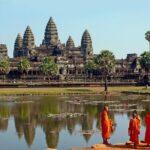
The itinerary includes time for sunrise at Angkor Wat. If you’re the type who hates rushing in the dark, you’ll still be glad you did it—sunrise light turns Angkor Wat into something calmer and more photogenic than the “everyone is here” daytime crush. It also means you’re seeing the temple in that soft, quiet phase before the loud waves of crowds hit.
That said, timing can vary. Your start time is listed as 8:00 am, while at least one guide experience shared an early wake-up (around 4:00 am) to make sunrise happen. So plan for an early-morning reality, even if the exact pickup time feels flexible.
Here’s the real strategy for you: if you want photos with fewer crowds and better light, you’ll tolerate the early start. If you’d rather sleep and prioritize a relaxed day, you might choose a later format—but with this particular route, sunrise is part of the promise.
Either way, the route helps manage the day’s energy. It moves through major temple zones efficiently, and the included cold towels/water give you a way to keep going instead of just powering through.
Stop-by-stop: Angkor Wat, Angkor Thom South Gate, and Bayon faces
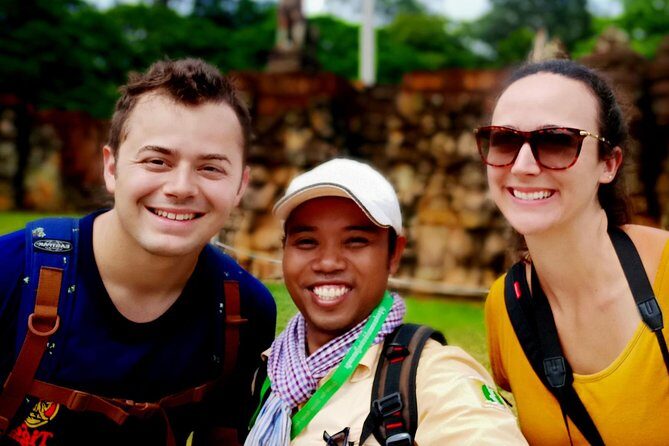
This day is built around three temple “clusters”: Angkor Wat itself, the Angkor Thom core (South Gate and Bayon), and then a spread through Baphuon, Ta Prohm, and Pre Rup.
Angkor Wat: the sunrise silhouette you’ll remember
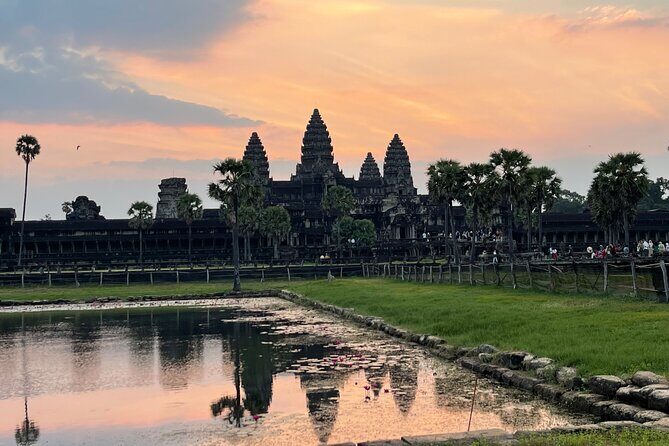
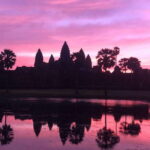
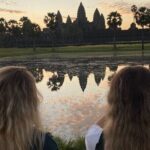
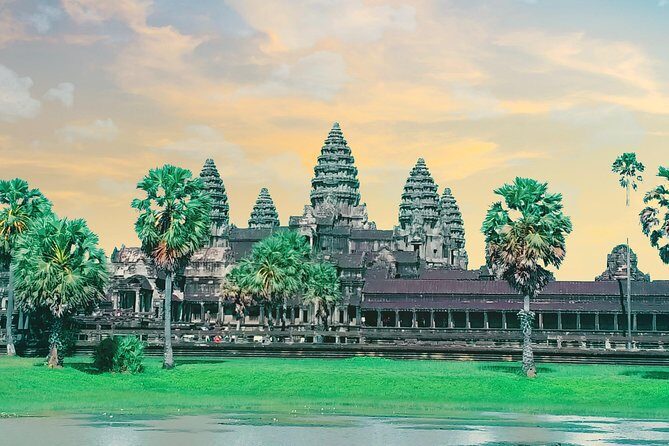
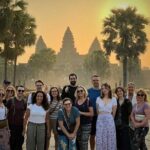
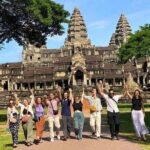
You start with Angkor Wat—and specifically, the chance to watch sunrise as the temple silhouettes reflect on the lotus ponds. Even if you’ve seen photos before, this is one of those places where scale and symmetry hit you at full volume. The morning light makes carvings and stone textures look deeper and cleaner, and the whole scene feels less frantic.
Admission ticket is not included, so you’ll need to buy your temple pass separately.
Practical note: wear shoes you trust. This is a walking day with lots of uneven stone and long stretches between viewpoints. Bring sunscreen, too. The day’s heat ramps up quickly after sunrise.
Angkor Thom South Gate: gods, demons, and Naga lines
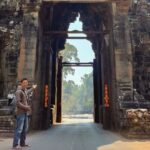
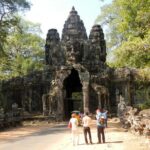
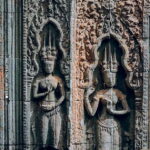
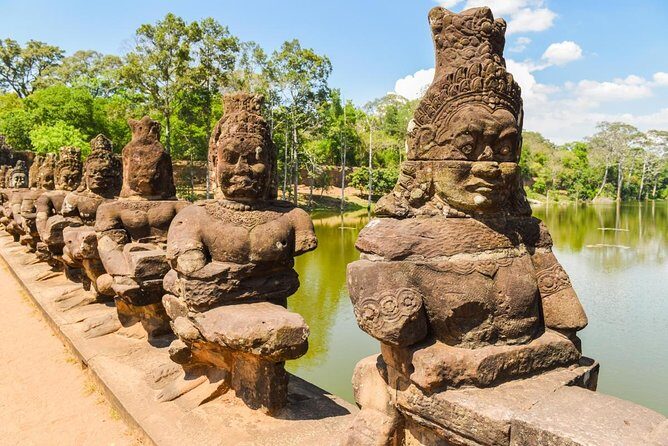
Next up is Angkor Thom South Gate, a grand stone entrance lined with carved figures—gods and demons—holding a Naga. This is more than a dramatic entrance shot. It’s a quick orientation moment: you’re crossing into the Angkor Thom world, where the temple story is told through stone symbolism and repeated motifs.
Stop time is listed around 30 minutes, so don’t expect a slow museum pace. Use your guide time well: ask what the carvings are trying to communicate, and you’ll suddenly see details you’d otherwise miss.
Bayon Temple: the smiling faces moment
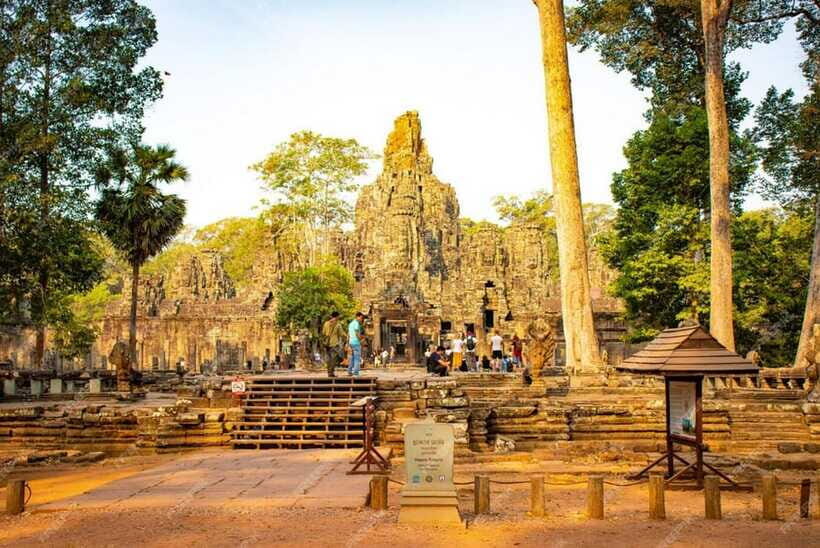
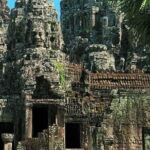
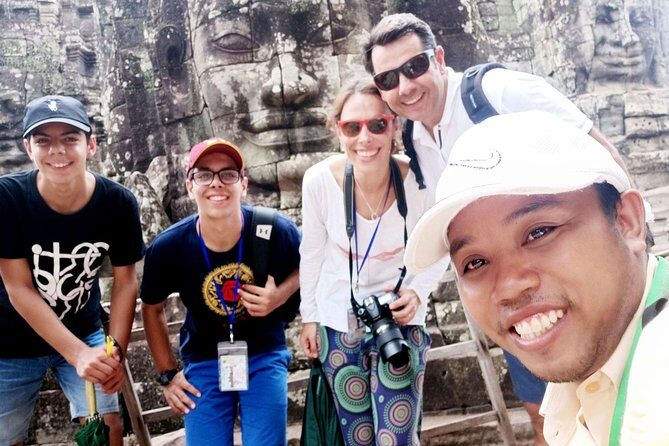
Then comes Bayon Temple, known for its many stone towers carved with mysterious smiling faces. This is usually the “wow” stop of the day, and it earns it. Up close, you see how expressions shift with angle and shadow—one tower looks serene, another looks more intense. It’s not just pretty; it’s mesmerizing in a way that makes you stop talking and just stare.
Bayon stop time is about 1 hour. That’s enough time to walk key areas, get photos from different angles, and still have your eyes adjust to the density of carvings. If you’re photo-focused, this is where you’ll thank yourself for coming early.
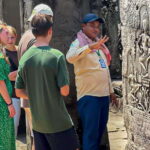
One more thing: your guide can help you find the best paths and viewpoints. In feedback shared with the tour operator, people highlighted that guides know ways to reduce crowd pressure while still hitting the important sightlines. That matters because these sites are popular, and the “best photo” is often just five steps away.
Baphuon and Ta Prohm: big Buddha changes and jungle-root drama
After Bayon, the route shifts from face towers and gates into two very different moods: one more architectural/religious transition, and the other pure jungle atmosphere.
Baphuon: the original temple with a giant Buddha behind it
Baphuon Temple is described as the original temple that was converted into a Buddhist temple, including the carving of a big Buddha behind. This kind of stop is valuable because it reminds you that Angkor isn’t just a frozen ruin. It evolved. Empires changed, beliefs shifted, and the stone absorbed those changes.
Stop time is listed around 1 hour, and that’s realistic: you can walk, read the carvings with a guide, and grasp the bigger “how did this place change” picture without rushing.
Also, you’ll get help with learning the story. The tour notes mention a guide’s perspective that connects temples to local people and the ground-level reality of what it meant. If you like history that makes physical sense—not just dates—this is the point where it clicks.
Lunch support: a local restaurant near the route
Lunch isn’t included. Still, the day includes time built for it, and the itinerary specifically mentions lunch at a local restaurant nearby. People also described the food stop as a quiet, pleasant place to eat during the day.
So think of it like this: you won’t have to hunt down lunch in a temple zone. Your guide can help you find a practical option that fits the schedule and keeps you from losing an hour to decision fatigue.
Ta Prohm: giant tree roots over ancient ruins
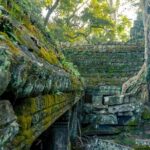
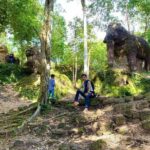
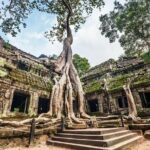
Then you hit Ta Prohm Temple, the one people picture when they imagine a jungle ruin—giant tree roots entwined with ancient ruins, creating that dramatic, overgrown mood.
Ta Prohm stop time is about 1 hour. It moves fast because there’s a lot to see, but it’s the kind of place where you can’t help wandering. The roots frame carvings and doorways like natural scaffolding. You’ll spot different patterns depending on whether you look up, look sideways, or track the root lines back toward the stone.
One drawback consideration here: Ta Prohm is visually busy. If you’re exhausted or the sun is beating down, it can be a lot. The cold towel and water timing helps, but pacing matters. If you want fewer photo stops and more calm looking, tell your guide early and you’ll get a better balance.
Pre Rup: pyramid temple views to close the loop
Your last major temple stop is Pre Rup, described as a pyramid temple with really nice views. This is a strong end-of-day selection because it gives you a sense of the temple landscape—how the structures relate to each other and how the area opens up from higher ground.
Stop time is about 1 hour. That feels right: enough time for photos and viewpoint viewing, not so much that you’re melting. If you’re the type who needs a final payoff moment after a long walking day, this is it.
Value and price: does $49 really work for a private temple day?
Let’s talk money the way you should: what you pay is for the guide, the car, and the time management. $49 sounds like a bargain for a private experience lasting 6 to 8 hours, and the comfort inclusions help it feel even more reasonable.
Included highlights:
- English-speaking tour guide
- Air-conditioned vehicle
- Water and cold towels
What you pay separately:
- Temple pass
- Lunch
- Tips to guide and driver (not included)
Also worth noting: the listing mentions group discounts and a mobile ticket. The mobile ticket part can simplify things on arrival, depending on how the operator handles entry.
So here’s the real value equation for you:
- If you’re traveling with someone you want to explore beside (instead of in a crowd), you’re likely getting good value.
- If you want early-day light and photo-friendly temple timing, the private guiding and route planning help a lot.
- If you already plan to self-tour with minimal guiding, then you’ll feel the extra cost—but you’d also miss the explanation and the crowd-aware walking tips.
One more “value” point: several guide/driver names came up in the shared experiences around this tour, including Rain as a host/guide figure, Jaek and Chek as guides, and Ran Seyha as well. Drivers like Sopheak were mentioned too. Even if you don’t get the exact same team, it’s a clue that the operator puts effort into matching people who can explain what you’re looking at.
Who this private Angkor Wat tour suits best
This tour is a strong fit if you:
- Have one day and want the big temple hits without spending your trip figuring out logistics
- Want an English-speaking guide so the carvings and layout make sense
- Care about photos, including the “face tower” angles at Bayon
- Want the heat managed with air-conditioned transport and frequent cooling breaks
It’s also a good option for families. One shared experience described the team as welcoming for small children, keeping pace reasonable, and providing water and cool clothes after each stop. If your group includes kids or anyone who needs breaks, private guiding is your friend.
If you’re the type who hates early mornings, keep the sunrise component in mind. You might still enjoy the day, but the best light and atmosphere are tied to starting early.
Should you book this Private Angkor Wat tour?
I’d book it if you want a guided, private Angkor day with smart route flow and comfort upgrades that help you actually enjoy what you’re seeing. Bayon and Ta Prohm alone can justify the itinerary, and having a guide to translate symbolism into real meaning makes the day feel less like sightseeing and more like understanding.
I would hesitate if you:
- Want everything included (temple pass and lunch are extra)
- Can’t handle an early start vibe (sunrise is part of the plan, and some schedules run very early)
- Prefer to wander totally on your own without any guidance
If you do book, plan for the temple pass and bring sunscreen and good shoes. Then let the day be what it’s designed to be: a structured, photo-friendly way to see Angkor without burning out.
FAQ
What’s included in the private Angkor Wat tour?
The tour includes an English-speaking tour guide, an air-conditioned vehicle, and water plus cold towels during the day.
Are the temple passes included?
No. The temple pass is not included, and you’ll need to purchase it separately.
How long is the tour?
It runs about 6 to 8 hours.
Where does the tour start and end?
It starts in Krong Siem Reap, Cambodia and ends back at the same meeting point.
Can I customize the itinerary?
Yes. You can opt to customize the itinerary to match your interests.
What should I wear or bring?
Comfortable shoes are highly recommended, and sunscreen is recommended as well.