REVIEW · SIEM REAP
From Siem Reap: Elephant Sanctuary Experience with Transfers
Book on GetYourGuide →Operated by Angkor Local Guide · Bookable on GetYourGuide
Elephants choose the pace here. The Cambodia Elephant Sanctuary experience from Siem Reap is built around hands-on feeding and small-group time, with a guide briefing before you step into the elephants’ world. One consideration: you should expect mud and water, and some moments can be skipped if an elephant doesn’t want to participate.
After about an hour in a minivan from your hotel, you’ll get an introduction on how the sanctuary works and how to behave around big, strong animals. Guides such as Anne have a knack for explaining elephant personalities, and you’ll spend the rest of the visit making food, watching gentle routines, and learning what the elephants actually choose to do.
In This Review
- Key highlights worth your attention
- Siem Reap to the Sanctuary: The transfer part that sets the tone
- The elephants’ home: meeting the three rescued residents
- Hands-on snack prep: what feeding feels like (and why it’s valuable)
- Forest trekking between elephant moments
- Mud bath and river bathing: the fun part with real-world rules
- Watching, learning, and noticing elephant personalities
- Refreshments and downtime: getting your bearings after the mud
- What you’re really paying for: value of this $69 price
- Who this sanctuary experience suits best (and who should think twice)
- Tips to get the most out of your day
- Should you book this Siem Reap elephant sanctuary with transfers?
- FAQ
- How long is the Elephant Sanctuary Experience with Transfers?
- Where does the tour start from?
- Does the price include transportation and refreshments?
- Is the tour guide available in English?
- Is this a small-group tour?
- Are pets allowed at the sanctuary?
- Is the experience wheelchair accessible?
- What activities are included during the sanctuary visit?
- Are the elephants forced to participate in bathing or mud baths?
- What’s the cancellation and payment flexibility?
Key highlights worth your attention
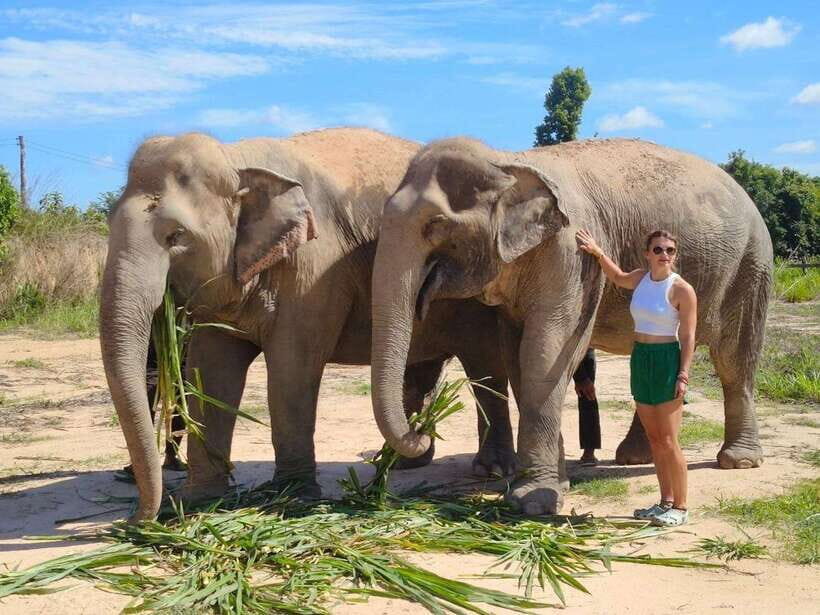
- Hotel transfers included: round-trip pickup and drop-off from your Siem Reap hotel
- Feed them with handmade snacks: you’ll help prepare and serve healthy treats
- Mud bath and river bathing, on the elephants’ terms: no forcing, and plans can flex
- Forest time for plant-life watching: a trek through Cambodia trees and greenery
- Small group feel: calmer, more personal time with the sanctuary team and elephants
- Included refreshments: water, coffee, and fruit at the end
Siem Reap to the Sanctuary: The transfer part that sets the tone
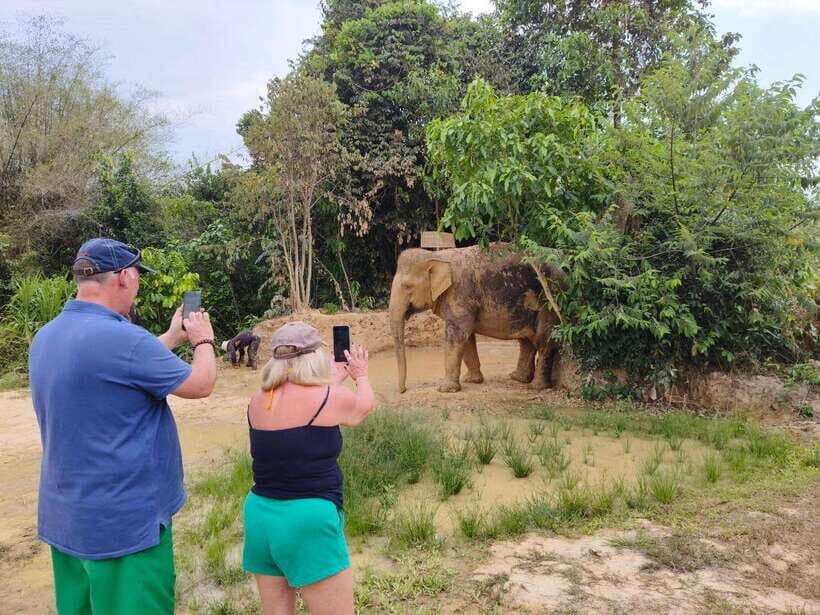
This starts the moment you leave your Siem Reap hotel. You’ll climb into a minivan for about an hour to reach the sanctuary. That ride matters more than it sounds. It gives you time to shift from temple-hopping mode into animal-respect mode.
The sanctuary visit is designed to feel grounded and unhurried. You’re not being rushed through a checklist. You’ll get a briefing with clear do’s and don’ts before you go anywhere near the elephants, and that sets expectations that you’re there to observe and participate in safe, respectful ways—not to push an animal into a performance.
Also, the “small group available” setup helps. Even at the best elephant experience, large crowds can make every moment feel like a traffic jam. Here, the format is meant to keep your time with the elephants from turning into a line.
You can also read our reviews of more tours and experiences in Siem Reap.



The elephants’ home: meeting the three rescued residents
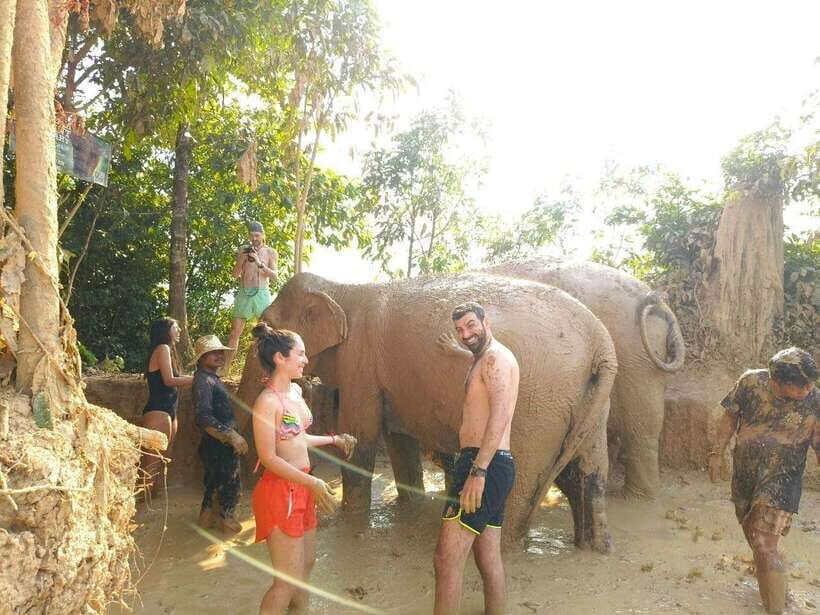
At the sanctuary, the big idea is simple: these are rescued elephants living in a place built around their welfare. You’ll typically spend your time with three elephants, and you’ll learn about their individual characters—some names that come up in past visits include Gigi, Krakpum, and Pu, as well as PomPom, JiJi, and Homie. The exact trio can vary day to day, but the focus stays the same: learning them as individuals, not as a single attraction.
Before you start feeding, you’ll get guidance on elephant behavior and handling rules. In the reviews, people praised the way staff explain how the elephants are treated and the reason for strict safety rules. I like this approach because it’s not only for safety—it also trains you to read the elephant’s mood and signals.
It also helps you understand something important you’ll feel in real time: elephants do what they want. If an elephant isn’t interested in a specific activity, the team won’t force it. That can mean your itinerary feels flexible rather than scripted.
Hands-on snack prep: what feeding feels like (and why it’s valuable)
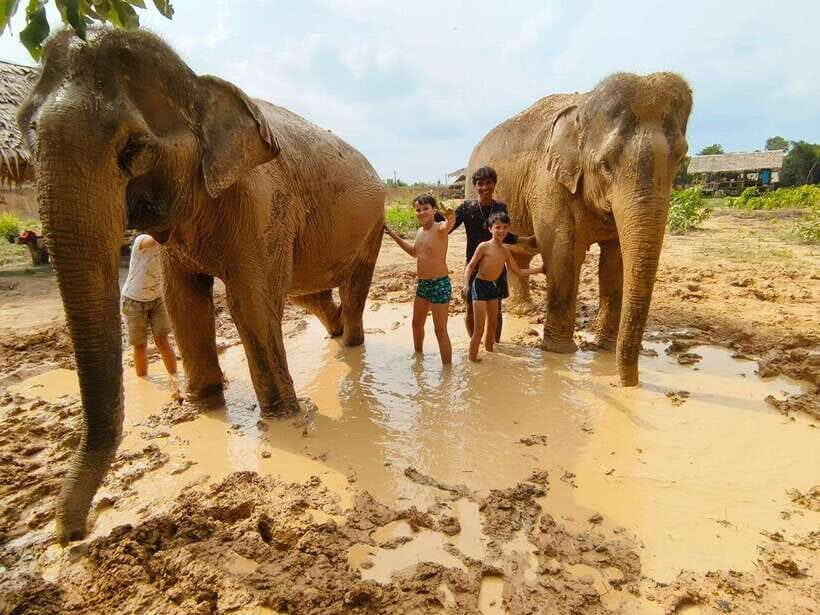
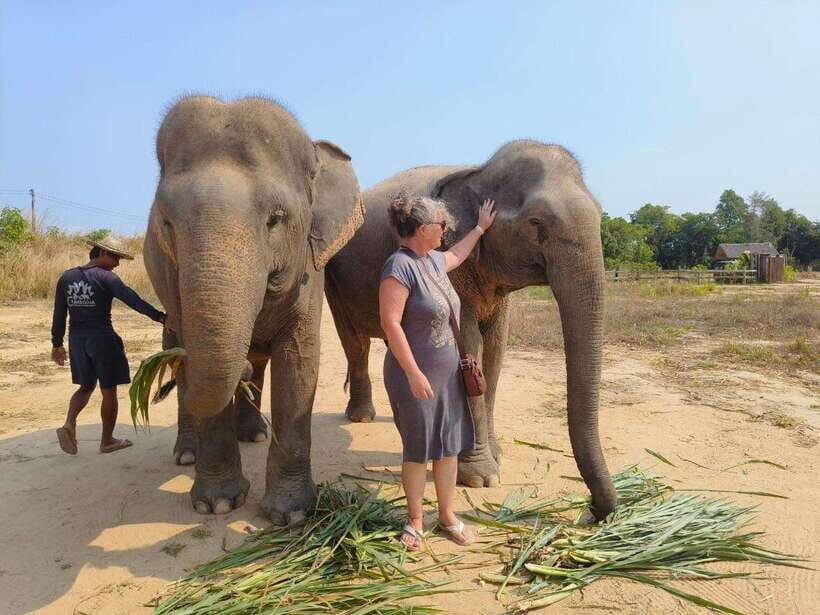
You won’t just stand there holding treats. One of the best parts of this experience is that you help prepare meals for the elephants. You’ll get handmade healthy snacks, and many visitors describe making rice balls yourself. That small hands-on step changes the whole vibe. You’re not consuming an animal moment like a product. You’re participating in a feeding routine that belongs to the sanctuary’s daily life.
You’ll also help prepare a special food described as supporting elephants’ digestive health. Even if you don’t memorize the science, you’ll notice how the sanctuary explains that feeding isn’t random. There are reasons behind what gets prepared and how it gets served.
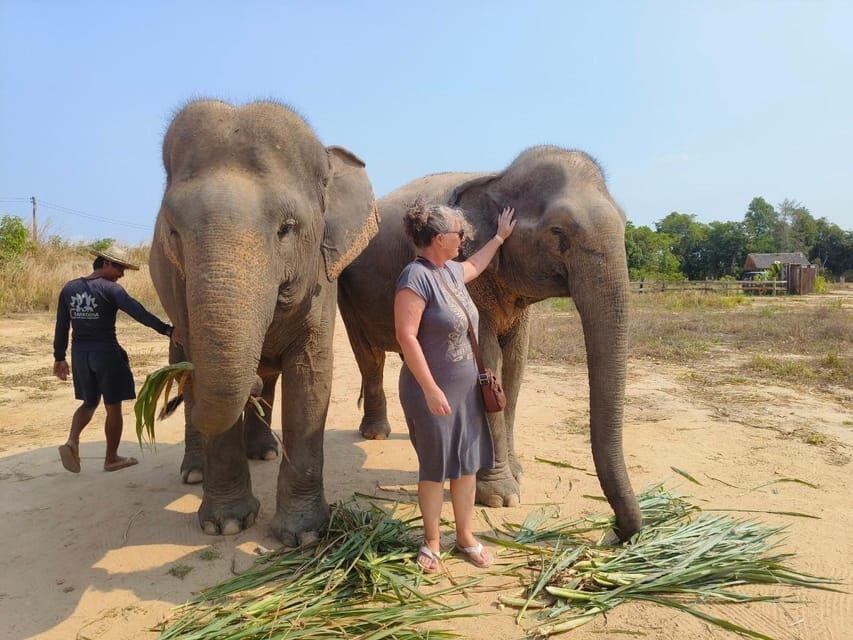
Then you move into up-close feeding. The elephants come into your space in a calm way. And because this is a sanctuary—where elephants aren’t used for rides or tricks—the interaction feels more like sharing a moment than participating in a staged act.
A practical note: you’re feeding near a large animal, so stay focused on the instructions. The team sets rules for safety, and past visitors noted special attention to children’s behavior and to people who don’t follow directions. It’s not about being uptight. It’s about keeping the elephants comfortable.
Forest trekking between elephant moments
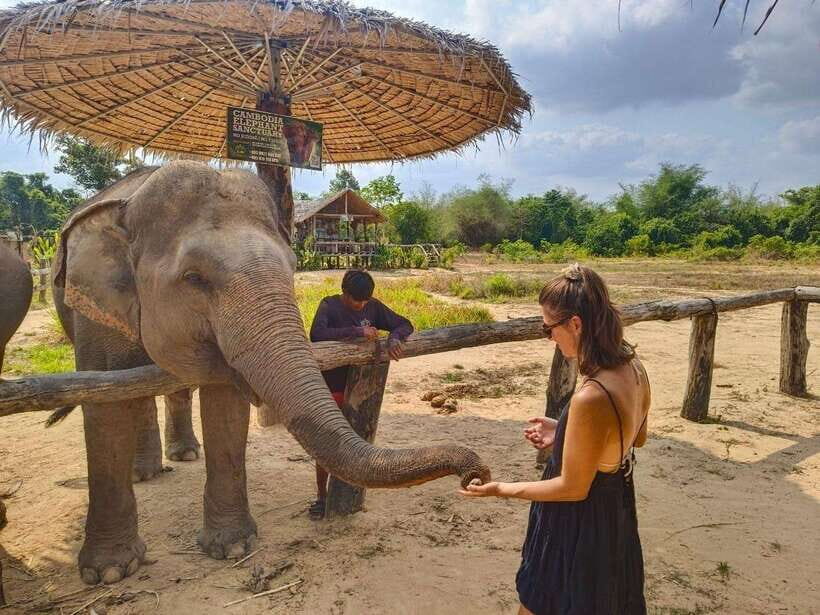
This isn’t just one block of elephant time. You’ll also trek through the Cambodian forest and take in plant life along the way. That matters because it gives your brain a break from animal-staring mode.
It also adds a layer of authenticity. Elephant sanctuaries can sometimes feel like isolated yard visits. Here, the forest walking brings you back into the ecosystem context—trees, greenery, and the sense that the elephants belong outdoors, not in a tiny viewing pen.
Don’t expect a long hike or big “adventure day.” This is more of a gentle trek tied to the sanctuary flow. Still, it’s a nice contrast if you’ve been doing temples all morning and want something that feels more alive in a different way.
Mud bath and river bathing: the fun part with real-world rules
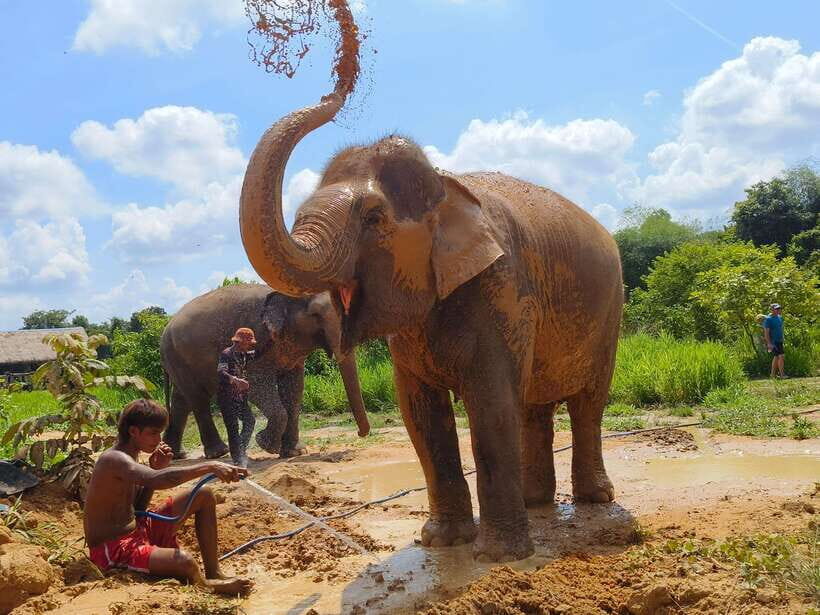
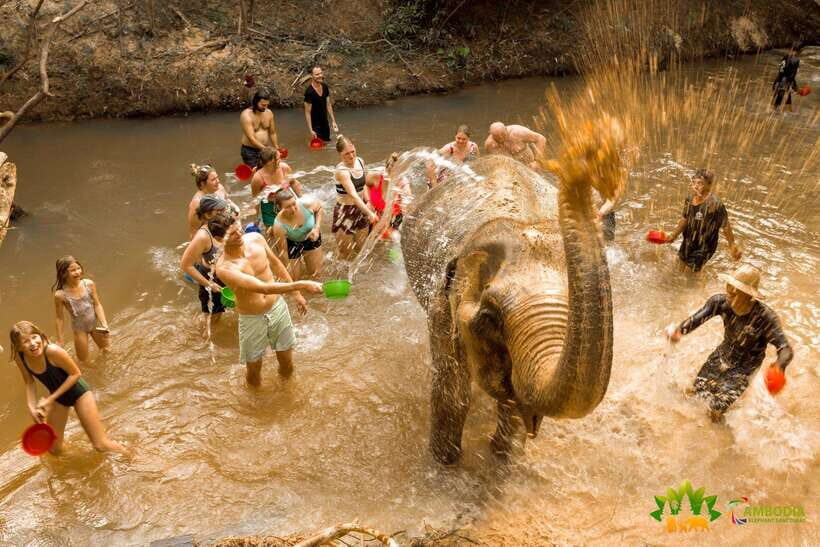
This is the signature section: mud baths, then (for those who join in) bathing in the creek or river area. Reviews consistently mention a muddy area for mud baths, plus a nearby creek where elephants wash themselves.
Here’s what I’d tell you to expect in plain terms:
- You’ll likely get messy. Mud bath time is muddy by design.
- The elephants control the pacing. If an elephant doesn’t want to participate, the sanctuary may skip that segment.
- Your role is to follow guidance and keep a safe distance and attitude.
That last point is key. In reviews, people noted strict instructions from the sanctuary coordinator or coordinator-team member, including how to behave during bathing. You’ll usually get a briefing on what to do and what not to do, plus assistance as needed.
The bathing moment gets described as memorable in a very specific way: visitors often talk about scrubbing brushes and getting up close as elephants splash and play. And yes, the elephants sometimes look like they’re enjoying it. But don’t treat it like you’re controlling a set piece. You’re sharing their choice to play.
Also, don’t assume every element happens every time. Some elephants might choose mud but skip river, or vice versa. The flexibility is part of why this experience feels more ethical to many people. It’s not forcing participation.




Watching, learning, and noticing elephant personalities
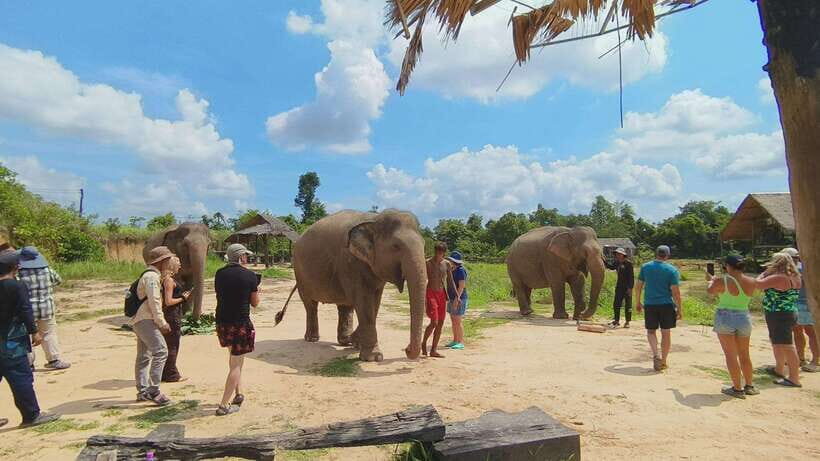
One reason this sanctuary visit scores so highly is that it isn’t only about feeding or bathing. You’ll spend time observing elephants as they interact and enjoy their surroundings.
Elephants communicate constantly—through movement, ear positions, body angles, and simply where they choose to stand. When the guide gives background on their characteristics and (for some elephants) mentions past injuries, you start seeing why certain behavior matters.
I also like that this experience isn’t framed as a quick photo-stop sprint. People who value learning and connection often describe it as educational and relaxing. The best moments tend to be the quiet ones: watching a gentle giant settle near the pond, or noticing how the elephants react when you’re close but not crowding them.
Refreshments and downtime: getting your bearings after the mud
After the main activities, you’ll have a relaxing break with seasonal fruits and water. Coffee is included too, which is a small comfort when you’re wet, muddy, and busy for several hours.
This is one of those travel details that matters more than you’d think. Elephant time can be physical in an unexpected way—standing still for long moments, moving around gently, and then splashing through mud and water. Having fruit and water waiting for you helps you avoid the late-afternoon crash.
If you like to plan ahead: dress for getting wet, but also consider that you’ll want to feel human again once the tour winds down.
What you’re really paying for: value of this $69 price
At $69 per person, the headline price can look reasonable or high depending on what you compare it to. The value here is in what’s included and what’s emphasized.
You get:
- Hotel pickup and drop-off
- A guide
- Water, coffee, and fruit
- The structured sanctuary experience with feeding, mud, and bathing segments
More importantly, you’re paying for the way the experience is run: safety briefing, clear rules, small-group time, and a sanctuary approach where elephants aren’t forced into things they don’t want to do.
If your priority is a quick photo and a short interaction, this might feel longer than you want. But if you want a real sanctuary visit where you can feed, watch, and learn—this price lines up with an animal-focused experience that includes transportation and refreshments.
One more value point: flexibility. The total duration is listed as 3.5 to 6 hours depending on starting times and how the day flows. That range can feel vague, but it can also mean you’re not fighting a strict clock while the elephants decide what they want to do.
Who this sanctuary experience suits best (and who should think twice)
This is a great match if you:
- Want an elephant day that focuses on care, not rides or tricks
- Prefer small-group settings with instructions and learning
- Enjoy hands-on experiences like making snacks and feeding
It’s also a good fit for people who are curious about elephant behavior. The guide explanations and the way you’re taught to observe give the day structure beyond just splashing in water.
Not a fit if you:
- Use a wheelchair. It’s listed as not suitable for wheelchair users.
- Bring pets. Pets aren’t allowed.
If you’re bringing kids, it helps to know that staff pay attention to behavior and rules for safety and respect. That can actually make the visit better for everyone.
Tips to get the most out of your day
Based on what happens during mud bath and river bathing, the biggest practical tip is to plan for getting dirty. Wear clothes and footwear you don’t mind if they come back smudged or wet. If you can, bring a way to change once you’re done so you’re not stuck in damp clothes during the return to Siem Reap.
Second: listen carefully during the safety briefing. If the guide says slow down or step back, that matters. It’s not about politeness. It’s about elephant comfort and your safety.
Third: don’t treat every moment as a performance. The best memories here often come from watching what elephants choose—walking, resting, interacting with each other, or simply ignoring the chaos of humans holding snacks.
Finally: bring a mindset shift. You’re not buying elephant entertainment. You’re supporting a sanctuary that relies on paying visitors to keep its work going.
Should you book this Siem Reap elephant sanctuary with transfers?
Yes, if your idea of a great elephant day includes feeding with handmade snacks, time to observe, and a sanctuary approach where elephants are treated like living beings, not props. The combination of transfers, guide support, included drinks, and hands-on moments makes it a solid value at $69.
I’d skip it only if you’re looking for guaranteed mud-and-river action at all costs, or if getting muddy is a dealbreaker. Here, the elephants set the tone. That’s part of the point—and it’s also why the experience tends to feel honest.
If you want a meaningful day in Siem Reap that feels less like a show and more like a respectful visit to an animal’s home, this is one of the best options to consider.
FAQ
How long is the Elephant Sanctuary Experience with Transfers?
The duration is listed as 3.5 to 6 hours, depending on the starting time you select.
Where does the tour start from?
Pickup starts from your hotel in Siem Reap. You’ll be asked to wait in the hotel lobby for your guide.
Does the price include transportation and refreshments?
Yes. The experience includes hotel pickup and drop-off, plus water, coffee, and fruit.
Is the tour guide available in English?
Yes. The live tour guide is listed as English.
Is this a small-group tour?
Small group availability is listed, which typically means a calmer experience than large buses and crowds.
Are pets allowed at the sanctuary?
No, pets are not allowed.
Is the experience wheelchair accessible?
No. The activity is not suitable for wheelchair users.
What activities are included during the sanctuary visit?
Highlights include preparing meals and feeding handmade snacks, joining a mud bath, and enjoying a bathing session with the elephants, plus a forest trek.
Are the elephants forced to participate in bathing or mud baths?
The experience is run with strict rules and the elephants are allowed to do what they want, so some activities may be skipped if an elephant doesn’t want to join in.
What’s the cancellation and payment flexibility?
Free cancellation is listed up to 24 hours in advance for a full refund, and reserve now & pay later is available.