REVIEW · SIEM REAP
2 Day Small Group Guided Tour Siem Reap Province
Book on Viator →Operated by Siem Reap Experiences · Bookable on Viator
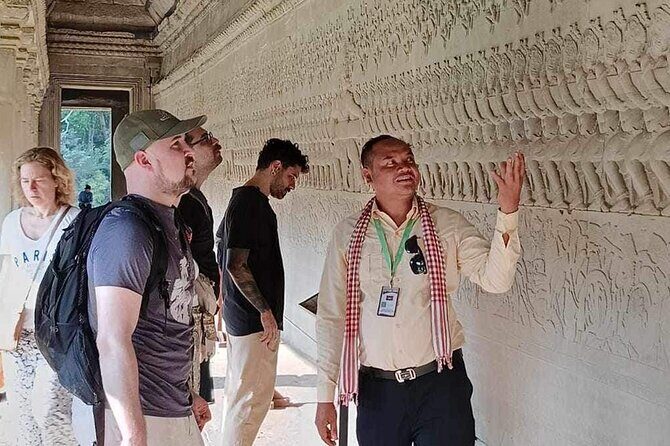
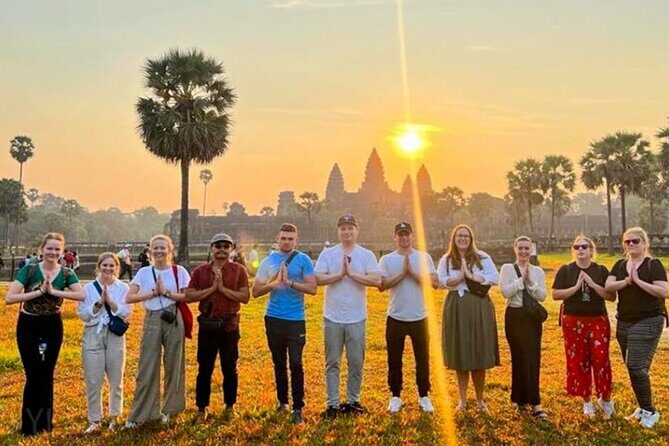
Two days, and Angkor makes sense. This small-group circuit is built around the big emotional moments—sunrise at Angkor Wat on Day 1, and sunset from Bakeng Temple on Day 2—plus a smart mix of famous faces and quieter ruins. You’ll ride in an A/C mini bus, move with a professional English-speaking guide, and hit 11 temples without feeling like you’re stuck in traffic all day.
I like the way the pacing lets you register what you’re seeing, not just tick boxes. I also like the small-group size (max 13) because it keeps the guide’s attention focused; one guide name that’s come up is Sam, and the vibe is informative rather than rushed.
One possible drawback: the early start is real, and sunrise can depend on the weather. If clouds roll in, you may get less light drama than you hoped for—but the guide can still help you understand what you’re looking at.
In This Review
- Key points before you go
- Two days is the sweet spot for Angkor
- Day 1 starts before the city wakes up: Ta Prohm to Angkor Wat
- Ta Prohm and Angkor Thom: why the details matter
- Ta Keo and the midday reality: bring water energy
- The meal stop: one hour, and you pay your own way
- Day 2 shifts to the quieter highlights: Preah Khan, Neak Pean, Ta Som, Pre Rup
- Preah Khan: wide angles, long atmosphere
- Neak Pean: the water-courtyard feeling
- Ta Som: calm carvings and big frames
- Pre Rup: the “viewpoint temple” energy
- Bakeng sunset: the payoff, plus the weather reality
- Comfort, group size, and your guide: why it feels manageable
- Price and value: what $28 gets you in the real world
- Who should book this tour, and who should skip it
- Should you book? My straight answer
- FAQ
- What is included in the tour price?
- Are temple tickets included?
- How long is the tour?
- What time do I get picked up on Day 1?
- What time does the tour end on Day 2?
- Does the tour include meals?
- What is the group size limit?
- Is hotel pickup always available?
Key points before you go
- Early morning sunrise timing that sets your expectations for the whole trip
- Small group size (max 13) for easier movement and a more personal guide
- 11 temples across two days, mixing icons with calmer sights
- Cool water and wipe towel to keep you comfortable in the heat
- Meals aren’t included, so budget for a one-hour restaurant break
- Strong fitness helps, especially with uneven ground and stairs at viewpoints
Two days is the sweet spot for Angkor

Angkor is huge. A one-day visit can feel like sprinting: you see a highlight, snap photos, then your brain is still trying to process it when you’re already off to the next stop. This two-day format helps you connect the dots between temples—where you are, what time of day you’re seeing, and why each site feels different.
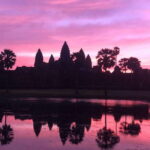
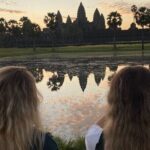
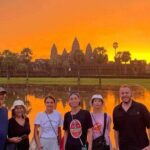
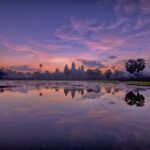
The tour is designed around the light that makes Angkor click. Day 1 leans into the famous sunrise over Angkor Wat. Day 2 leans into the sweeping color you get at Bakeng Temple during sunset. That rhythm matters because temples don’t look the same at noon versus early morning, and your experience will feel more complete when you see both ends of the day.
And yes, it’s a guided plan, not a free-for-all. That means less time figuring things out, and more time learning the main story—plus the details that make each temple stop feel specific.
You can also read our reviews of more guided tours in Siem Reap
Day 1 starts before the city wakes up: Ta Prohm to Angkor Wat
You’ll begin with a very early pickup window—typically between 4:00 and 4:25 AM—and the tour runs until about 1:00 to 1:30 PM. The official start time is listed at 4:30 AM, and the meeting point is Siem Reap Pub Hostel behind Angkor Night Market (if you’re meeting there rather than getting hotel pickup). If your hotel isn’t in the pickup range, you’ll be told to come to the office at the confirmed time sent by the team the day before.
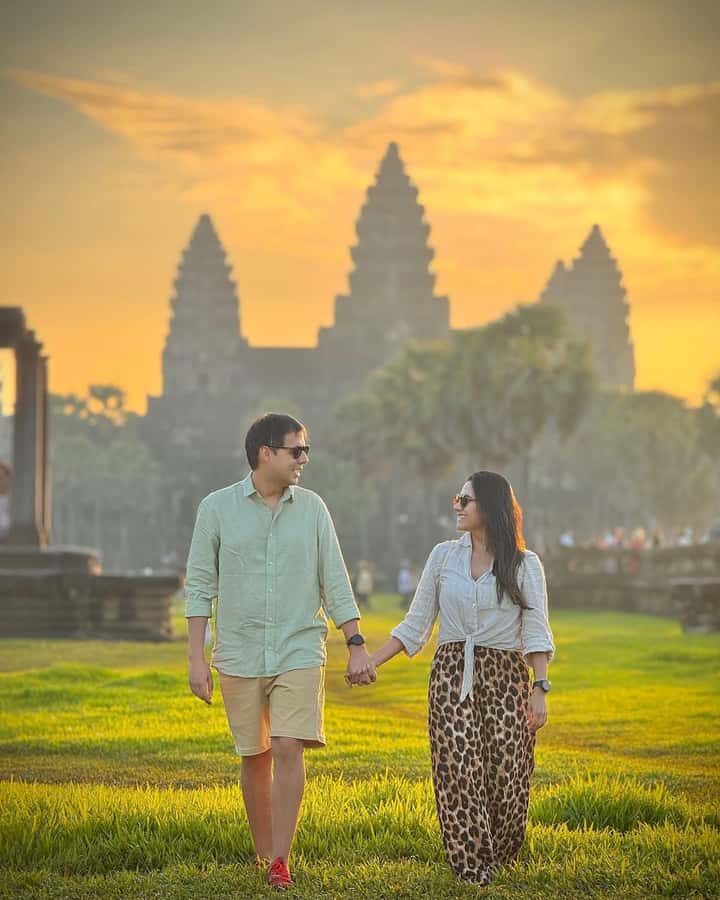
That early start is the price of admission for sunrise. But it’s also where you get the calm. Angkor in early morning light is a completely different experience from midday crowds. You’ll be fresh enough to notice textures and layouts, not just chase the perfect photo.
Day 1 includes the big names:
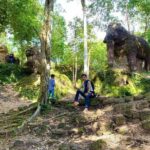
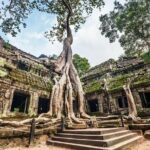
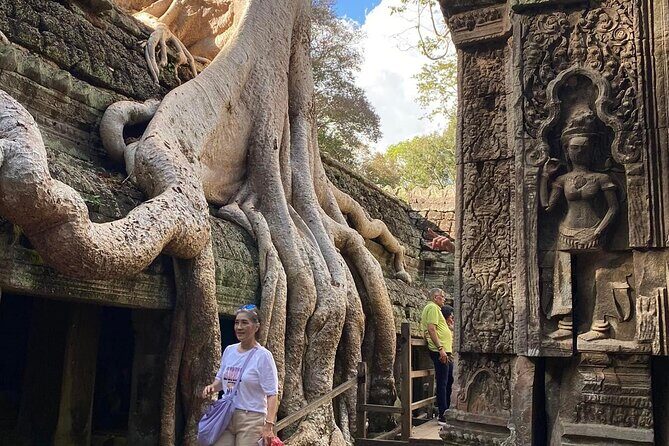
- Ta Prohm, the Tomb Raider–famous temple where trees and stone feel locked in a centuries-long embrace
- Ta Keo, with its steep, striking structure that rewards a slow walk and careful looking
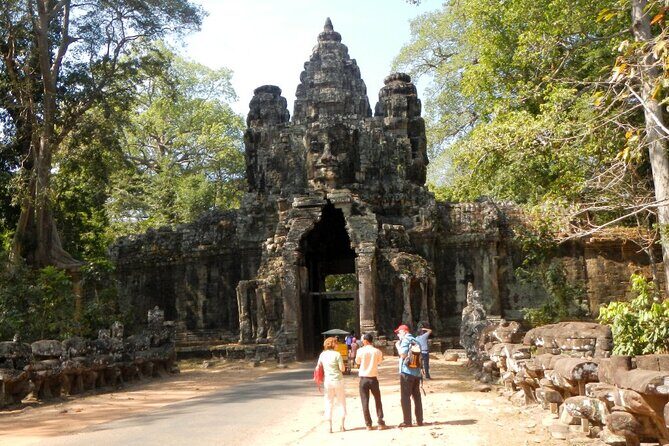
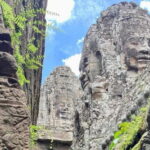
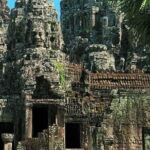
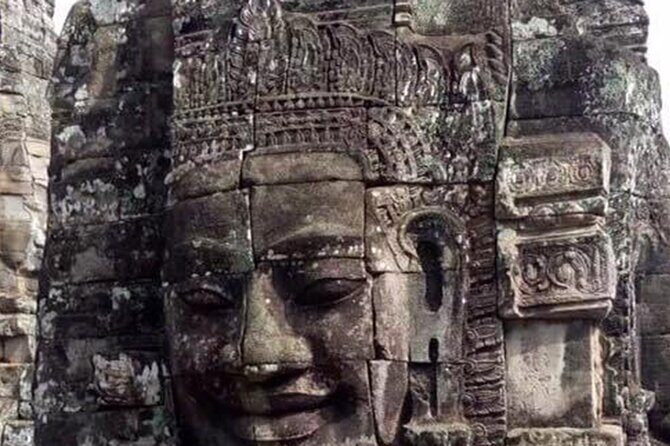
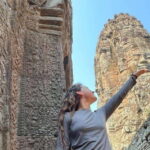
- Angkor Thom, specifically the Bayon South Gate, where faces and stone carvings pull you from one viewpoint to the next
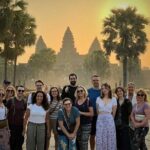
- Then the centerpiece moment: sunrise over Angkor Wat
What I like about starting here is how the guide can frame each stop. You’re not only walking through ruins—you’re learning what makes them “readable,” like spotting repeated motifs, understanding the temple layout, and noticing how restoration style changes what you see.
Practical note: sunrise means you may still feel cold early on, then sweat quickly once the sun climbs. Wear breathable clothes you don’t mind getting dusty.
Ta Prohm and Angkor Thom: why the details matter
It’s easy to treat Ta Prohm as the famous photo temple. But once you slow down, it’s more than that. The way the roots and branches wrap around stone creates a sense of movement—even when you’re standing still. It’s the kind of place where a guide helps you stop “looking for the shot” and start seeing why the scene feels alive.
Then you shift to Angkor Thom and the Bayon South Gate area. This is where faces and stone structure become a map. Even if you don’t know Khmer history, the geometry does part of the teaching for you. You’ll walk and turn, and the carvings help explain the temple’s purpose and design.
The key benefit of including these two contrasting sites in one morning is mental reset. Ta Prohm feels wild and tangled. Bayon feels formal and monumental. Together, they help you understand that Angkor isn’t one single style—it’s a whole world of temple design choices.
If you’re the kind of traveler who likes taking breaks, this day can still be manageable because you’ll have a rhythm: short rides, guided stops, and a planned meal break later.
Ta Keo and the midday reality: bring water energy
After the early temple highlights, you’ll head through more of the main area until the Day 1 end time around early afternoon. Ta Keo is one of those temples where the structure pulls your eyes upward. Even without getting lost in the details, you’ll feel the vertical focus and the way stairs and platforms guide your movement.
Also, don’t underestimate the heat factor. Even with an A/C mini bus, you’ll spend hours in sun and shade shifts. That’s why the tour includes cool water and a wipe towel. Those small touches are not luxury; they help you keep walking instead of slowing down to a crawl.
You’ll likely want:
- breathable layers you can remove as the day warms
- sturdy shoes for uneven stone
- a hat and sunscreen you trust
No one wants to be thinking about blisters while they’re trying to enjoy sunrise-and-faces day two. This tour gives you the comfort basics, but you still need to show up prepared.
The meal stop: one hour, and you pay your own way
Each day includes a restaurant stop with about one hour break. Meals are not included, so you’ll pay out of pocket. This is pretty standard for temple tours around Angkor, and it’s actually useful for you: you can choose what suits your stomach and budget without being locked into a set meal.
Because the break is timed, don’t plan a long detour or expect to roam far from the restaurant area. If you want a snack between stops, buy it during the break rather than trying to carry a full meal through the day.
For me, this lunch setup hits a good balance: enough time to eat and reset, not enough time to lose the tour momentum.
A few more Siem Reap tours and experiences worth a look

Day 2 shifts to the quieter highlights: Preah Khan, Neak Pean, Ta Som, Pre Rup
Day 2 starts later. Pickup is usually between 10:00 and 10:20 AM, and the tour runs until about 6:30 to 7:00 PM. That later start is smart if you don’t bounce back easily from a 4 AM morning. You still get the full day, but your body gets to catch up.
This is the day for the “other” temples—the ones that make Angkor feel bigger than the handful everyone posts online. You’ll visit:
- Preah Khan
- Neak Pean
- Ta Som
- Pre Rup
These sites create variety. Some feel more open and spacious. Others are tucked in a way that makes them feel slower. That’s the point of the two-day approach: you’ll see the famous moments, then you’ll get the temples that often feel less rushed.
Preah Khan: wide angles, long atmosphere
Preah Khan has a big, temple-complex feel. You get room to walk and observe. A guide helps you understand how to read the layout as you move, instead of treating it as a stop you quickly pass through.
Neak Pean: the water-courtyard feeling
Neak Pean has a distinctive setting with a water-focused layout. It’s a great place to slow down, look for symmetry, and appreciate how design and environment work together. This is also a temple that can feel cooler in the right light, which is handy on a warm day.
Ta Som: calm carvings and big frames
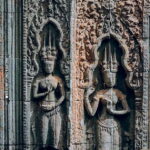
Ta Som offers a different vibe—more measured and less chaotic than some of the headline sites. The carvings and framing help you understand how much of the “wow” is in the details, not only the scale. It’s also a nice contrast before the sunset push.
Pre Rup: the “viewpoint temple” energy
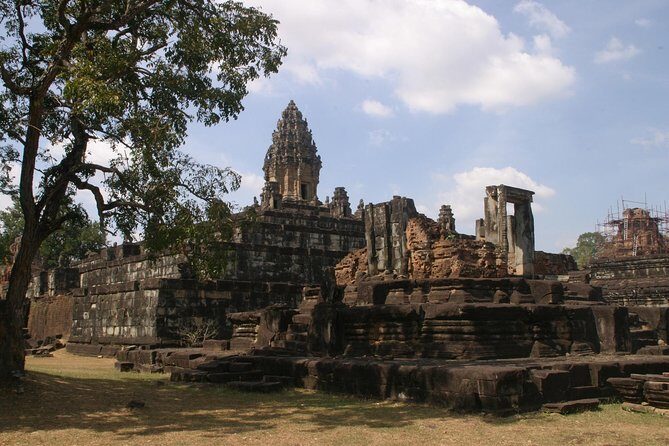
Pre Rup is a natural lead-in to your sunset mindset. Even before Bakeng, it gives you the feeling of height and perspective. You’ll be reminded that part of Angkor’s magic comes from moving up—seeing the temple as a structure in a landscape.
Bakeng sunset: the payoff, plus the weather reality
The star finish is sunset from the hilltop of Bakeng Temple. This is the part many people remember when they think back on Angkor. The light changes quickly, colors shift, and you get that elevated sense of place—temples spread out like layers.
Timing matters. The tour runs until around 6:30 to 7:00 PM, so you’re set up to reach Bakeng before the best light hits. You’ll also be in the right window to watch the sky shift, not just arrive for the last ten minutes.
Now, one honest consideration: weather can affect sunrise and sunset drama. If clouds show up, you may not get the full color you hoped for. Still, even under gray skies you’ll benefit from the viewpoint lesson—the way Angkor looks from above and the way the temple shapes your horizon.
If you’re the kind of person who brings patience, you’ll enjoy this ending more. Sit, watch the light move, and let your brain connect the sites you saw earlier that day.
Comfort, group size, and your guide: why it feels manageable
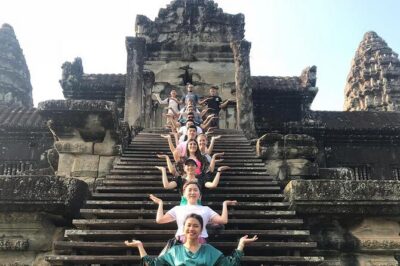
This tour caps at 13 travelers, and that size makes a real difference. You get enough people for energy, but not so many that the guide can’t adjust or explain. Smaller groups also make it easier to move through temple entrances without feeling like you’re being herded.
Transportation is in a mini bus with A/C, which is helpful in Siem Reap heat. Plus you get pickup and drop-off, and cool water and a wipe towel, which signals the operator knows you’ll be out in sun for long blocks.
About guides: the experience includes a professional English-speaking guide, and the name Sam has come up as an example of the kind of guide people remember for being clear and informative. The practical value isn’t “facts for facts’ sake.” It’s how the guide helps you understand what you’re seeing—so your photos mean something after the trip, not just while you’re taking them.
Price and value: what $28 gets you in the real world
At $28 per person for two days, this is priced for value rather than comfort-only sightseeing. You’re paying for:
- hotel pickup and drop-off
- an A/C mini bus
- a professional English-speaking guide
- cool water and wipe towel
- access to the planned 11 temples
- the timing for sunrise and sunset experiences
What’s not included is important: temple tickets are not included, and meals are at your own expense. That means your total trip cost will be a bit higher once you add the required park/temple entry and food during the break.
Still, the $28 price makes sense if you want a structured two-day plan with transport and guidance, without paying for a private driver. If you’re comfortable paying extra for tickets and lunch, the math can work well—especially because Angkor is one of those places where good timing and interpretation save you money later. You’re less likely to waste a day trying to figure things out alone.
Also, you get a mobile ticket and confirmation at booking. That lowers friction and helps you keep your schedule straight.
Who should book this tour, and who should skip it
I’d point you to this tour if you:
- want a first solid Angkor foundation in two days
- like sunrise/sunset experiences enough to handle early starts
- prefer small-group pacing over big-bus crowd chaos
- feel comfortable walking on uneven ancient surfaces
I’d think twice if you:
- struggle with stairs or long walking days (the tour asks for a strong physical fitness level)
- need sunrise to be guaranteed—because weather can dim the dramatic light
- hate early mornings. Day 1 pickup is in the pre-dawn window
This is ideal for motivated couples, friends, and solo travelers who want to learn, take photos, and actually enjoy the temples instead of rushing.
Should you book? My straight answer
Book it if you want a guided, small-group Angkor plan that balances the big iconic moments with temples that feel calmer and more personal. The sunrise-to-sunset structure is the big win, and the 11-temple coverage over two days gives you enough variety to feel like you understood more than just the postcard sites.
Skip or shop around if you’re very weather-sensitive or you don’t want the early morning logistics. Sunrise is never 100% guaranteed in any destination, and the tour’s value depends on you showing up ready for that start.
FAQ
What is included in the tour price?
Hotel pickup and drop-off, an A/C mini bus, cool water and wipe towel, a professional English-speaking guide, and visits to 11 temples across the two days. Day 1 focuses on sunrise and Day 2 focuses on sunset.
Are temple tickets included?
No. Temple ticket costs are not included, so you’ll need to arrange them separately.
How long is the tour?
It’s a two-day tour, approximately 2 days total.
What time do I get picked up on Day 1?
Pickup is offered between 4:00 and 4:25 AM for Day 1, and the start time is listed at 4:30 AM.
What time does the tour end on Day 2?
Day 2 typically ends between 6:30 and 7:00 PM.
Does the tour include meals?
Meals are not included. There is a one-hour meal break each day at a restaurant around the temples, and you pay for your own food.
What is the group size limit?
The maximum group size is 13 travelers.
Is hotel pickup always available?
Pickup is offered from participating hotels (limited service). If your location doesn’t match pickup offerings, you’ll be asked to meet at the office at the time confirmed by the team one day before the tour.
If you want, tell me your travel dates and where you’re staying in Siem Reap. I can suggest what time buffer to keep for the early pickup and help you plan what to bring for the sunrise and the Bakeng sunset.