REVIEW · SIEM REAP
Private Tours Angkor Wat For 2 Days
Book on Viator →Operated by Private Angkor Wat Tour · Bookable on Viator
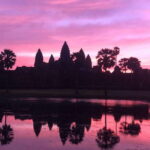
Mornings and sunsets at Angkor change everything. This private two-day plan is built around the moments you came for—sunrise at Angkor Wat and sunset from Phnom Bakheng—plus a smart mix of standout temples beyond the usual headline stops.
I really like having a guide who keeps the stories tied to what you’re actually looking at: the pink sandstone details at Banteay Srei, the myth-and-stone layout at Angkor Thom, and the mood of “ruined but still magical” Preah Khan. I also like the value of private transport between sites and the simple day-by-day rhythm, with pickup and drop-off back at your hotel each evening.
One thing to consider: temple passes aren’t included, so you’ll want to budget for that up front and plan your entry timing around your day. Also, food and drinks aren’t part of the package, so you’ll need to sort lunch and dinner on your own.
In This Review
- Key points to know before you go
- Why this private 2-day Angkor Wat schedule actually works
- Day 1: Banteay Srei, Preah Khan, Neak Pean, Pre Rup, and Phnom Bakheng sunset
- Stop 1: Banteay Srei (1 hour)
- Stop 2: Preah Khan (1 hour)
- Stop 3: Neak Pean (40 minutes)
- Stop 4: Pre Rup (40 minutes)
- Stop 5: Phnom Bakheng (2 hours)
- Day 2: Angkor Wat sunrise, Bayon at Angkor Thom, and Ta Prohm
- Stop 1: Angkor Wat (3 hours)
- Stop 2: Bayon Temple plus the South Gate causeway (3 hours)
- Stop 3: Ta Prohm (1 hour)
- The guide and driver touch: where the “private” part shows up
- Price and value: what $240 buys (and what it doesn’t)
- Tickets, timing, and how the mobile ticket helps
- What to pack and how to survive Angkor comfort-wise
- Who this tour is best for (and who should consider alternatives)
- Should you book this Private Tours Angkor Wat For 2 Days tour?
- FAQ
- What is the duration of the tour?
- What time does the tour start?
- Where does the tour start and end?
- Is this a private tour?
- Is accommodation included?
- What’s included in the price?
- Are temple passes included?
- Is food included?
- What should I bring for the tour?
- What is the cancellation policy if weather affects the plan?
Key points to know before you go
- Private group days with hotel pickup and evening drop-off so you don’t waste time juggling transport
- Sunrise and sunset planning gives you the best light and the most memorable views
- Banteay Srei’s carvings and pink sandstone make Day 1 feel special right away
- Preah Khan, Neak Pean, and Pre Rup add variety beyond the most famous names
- Ta Prohm’s atmosphere with its past monastic scale (2,740 monks) makes the ruins feel human
- Bottled water and an English-speaking guide keep the day manageable in the heat
Why this private 2-day Angkor Wat schedule actually works
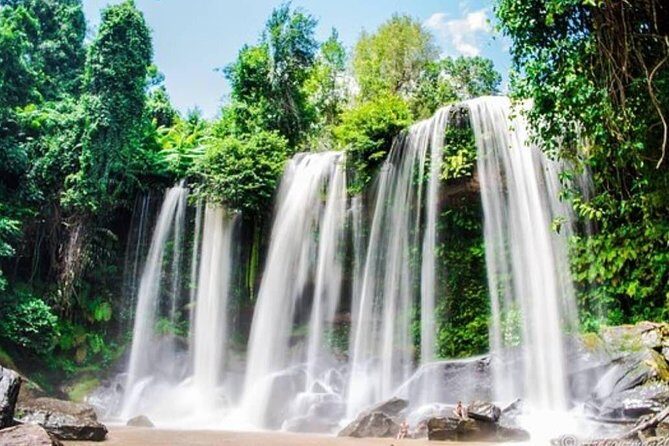
This is the kind of Angkor tour that respects your time. You get a private guide, private transportation between temples each day, and hotel pickup with an evening return back to where you’re staying, which means you can plan your meals and downtime without stress.
The big win is timing. Angkor temples are at their best early and late, and this itinerary puts sunrise and sunset front and center. That matters because crowds and heat can flatten your experience fast, and early starts help you see the stones with calmer energy.
You’ll also notice the route isn’t just “Angkor Wat plus two extras.” You start with Banteay Srei and make your way through different temple styles—Hindu and Buddhist—before closing Day 1 on a mountain view. Then Day 2 hits Angkor Wat sunrise, loops through Angkor Thom (including Bayon), and ends with Ta Prohm’s movie-famous atmosphere.
You can also read our reviews of more private tours in Siem Reap
Day 1: Banteay Srei, Preah Khan, Neak Pean, Pre Rup, and Phnom Bakheng sunset
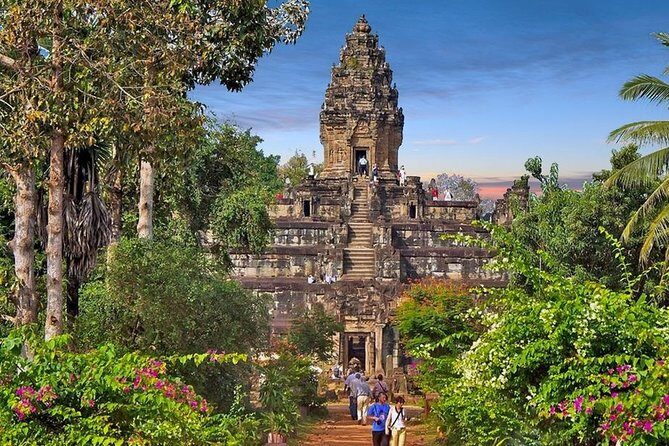
Day 1 is built like a tour of moods. You go from delicate carvings to heavy ruin, from spiritual geometry to mountain views, then you finish with the classic “watch the sky change over the temple” payoff.
Stop 1: Banteay Srei (1 hour)
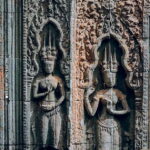
Banteay Srei is often described as a masterpiece of classical Khmer art, and the reputation fits what you’ll see. It’s smaller than many Angkor temples, so the carvings feel close up instead of distant.
What I like here for first-timers is the way the artistry teaches you how to look. The pink sandstone and finely detailed work reward slow scanning—faces, patterns, and repeating motifs—so don’t rush this stop if you want photos that feel more than postcard snapshots.
Practical tip: Plan for walking on uneven ground and bring sunscreen. Even if the morning feels comfortable, you can still feel the sun once you’re focused and moving.
Stop 2: Preah Khan (1 hour)
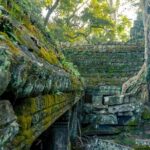
Then you shift to Preah Khan, which feels ruined in the best way: atmospheric, textured, and lived-in by time. Instead of pristine symmetry, you get layered stone structures that look like they’re still holding their breath.
This stop is valuable because it adds variety. If Angkor Wat feels structured and grand, Preah Khan feels more chaotic and real, and that difference makes the overall trip more satisfying.
Stop 3: Neak Pean (40 minutes)
Neak Pean is a man-made island and a Buddhist temple, and it has a quieter vibe than the other stops on Day 1. It’s the kind of place where the setting starts to matter—water, reflections, and that calmer rhythm after the bigger temple compounds.
You don’t need long here, but you do want intentional time. Even 40 minutes can feel like more when you slow down and let the space reset your brain.
A few more Siem Reap tours and experiences worth a look

Stop 4: Pre Rup (40 minutes)
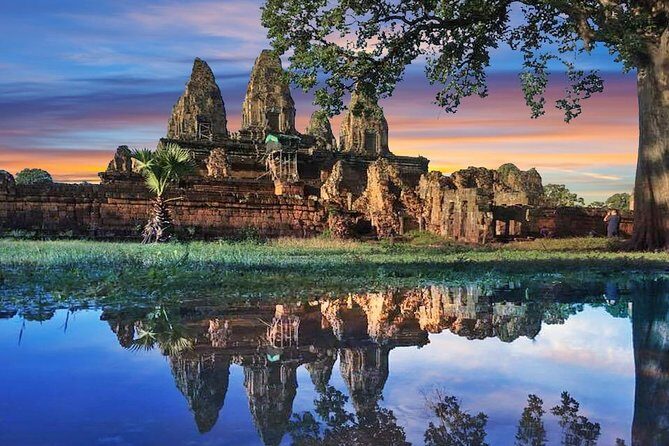
Pre Rup is a Hindu temple also known as a pyramid, and it’s great for understanding Angkor’s religious architecture at a glance. The shape and layout make it easier to connect what you’re seeing to what people believed, even without reading a textbook.
This is also a useful “rest-and-look” stop before Phnom Bakheng. It’s not just another temple; it’s a step toward the sunset viewpoint, and it helps you shift from sightseeing mode into “watching the light” mode.
Stop 5: Phnom Bakheng (2 hours)
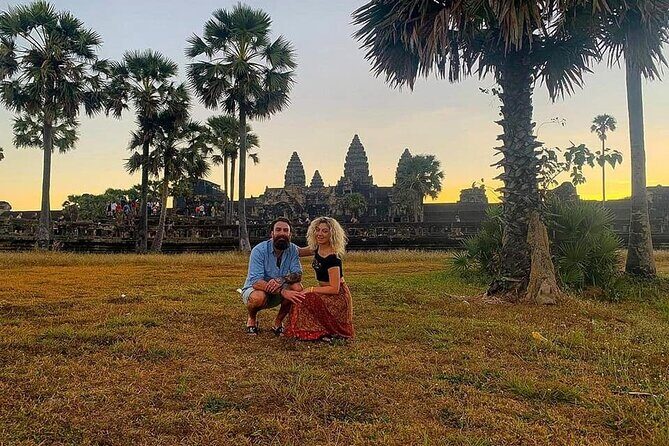
Phnom Bakheng is the final stop for Day 1, and it’s specifically your sunset mountain play. This is where you’ll want your camera ready and your legs warmed up, because the viewpoint and viewing process are part of the experience.
Two hours is enough time to settle, find a decent spot, and still enjoy the temple area without panic. Sunsets at Angkor don’t last forever, and if you’re late you’ll feel it—so treat this as your “get there, breathe, then shoot” moment.
Day 2: Angkor Wat sunrise, Bayon at Angkor Thom, and Ta Prohm
Day 2 starts with Angkor Wat, and it’s designed for a full sunrise-plus-exploration experience. After that, you’ll work through Angkor Thom’s big storytelling zone, then finish with Ta Prohm’s dramatic ruins.
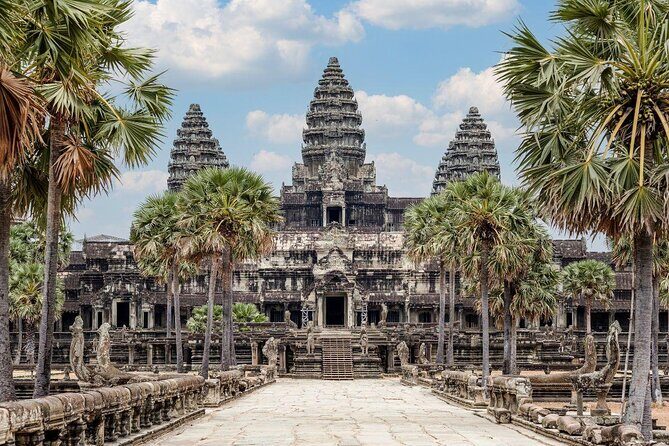
Stop 1: Angkor Wat (3 hours)
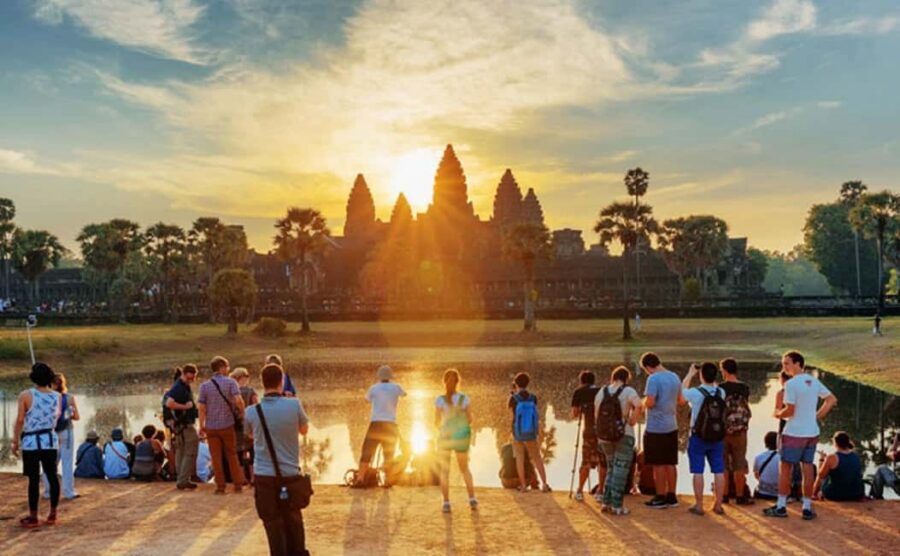
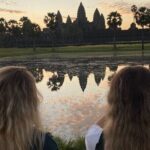
Angkor Wat is the headline, but the way this tour approaches it is what makes it feel worthwhile. You get time to see the sunrise and then explore while the temple still feels fresh and bright.
Angkor Wat is known as the best-preserved temple and also one of the most religiously significant, so it tends to hit harder than you expect. The sheer size is impressive, but the proportions and the layout are what stick with you after you’ve walked the paths.
Practical tip: Sunrise temples are mostly about timing. Once you’re there, don’t stand in one spot all morning—use the guide’s direction to choose where to look next.
Stop 2: Bayon Temple plus the South Gate causeway (3 hours)
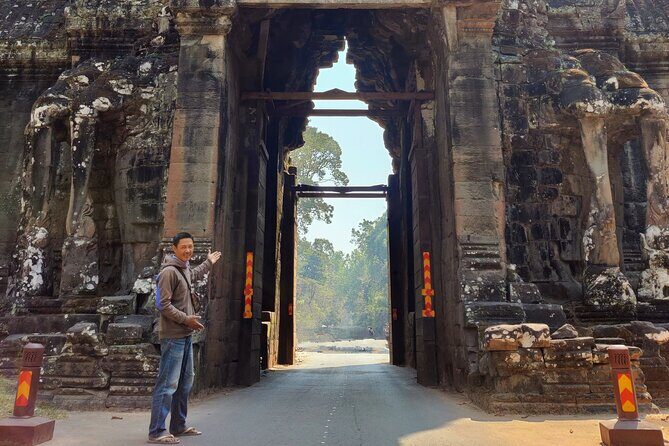
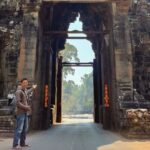
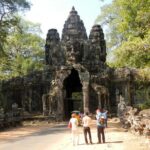
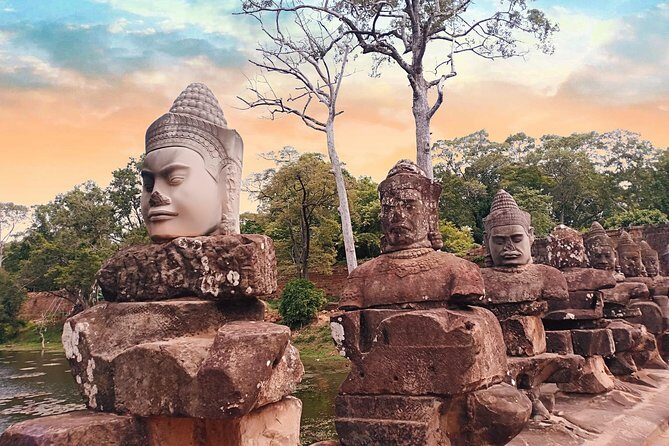
After Angkor Wat, you move into Angkor Thom, starting at the South Gate. You cross a causeway lined with statues of gods and demons holding a giant Naga, and it’s a cinematic way to enter the complex.
Then you reach Bayon Temple, famous for its mysterious smiling stone faces. What makes Bayon so good is that the faces keep changing as you move around, like the temple has different moods depending on your angle.
You also continue to Baphuon after Bayon. This helps balance the day, because it keeps you moving through different interpretations of temple design rather than repeating the same visual type twice.
Stop 3: Ta Prohm (1 hour)
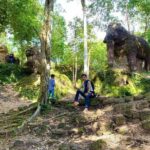
You end at Ta Prohm, one of Angkor’s most atmospheric temples. This stop is famous because the ruins and the trees tangle together so naturally it looks like the site is growing instead of decaying.
Ta Prohm was once home to 2,740 monks, and that detail makes the place feel more than a photo-op. Suddenly the cracked walls and fallen stone don’t just look cinematic; they feel like a home that time interrupted.
One hour is enough if you’re purposeful. Walk slowly enough to notice how the stone framing and roots create corridors, then step back for the wide temple-and-forest views.
The guide and driver touch: where the “private” part shows up
A private tour should do more than just cut down waiting time. In this case, the guide’s approach matters because Angkor can feel overwhelming if you don’t know what to notice.
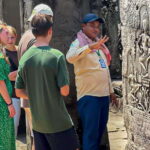
English-speaking guides keep the day understandable without turning it into a lecture. And in past tours with Rain, the guiding style included quick, smart routing to get around temple crowds and clear explanations tied to the art and architecture you’re seeing.
The driver also affects your comfort. A driver named Kann has been praised for safe driving, plus small things that change your day in the heat—cool towels and water ready when you need them.
That combination—good pacing from the guide and calm comfort from the driver—helps you focus on what you’re paying for: the temples, the light, and the stories behind the stones.
Price and value: what $240 buys (and what it doesn’t)
At $240 for a two-day private Angkor Wat experience, the value depends on your group size and how you prefer to travel. If you’re splitting the cost with a friend or partner, private transport plus an English-speaking guide for two full days can start to look like a good deal compared with piecing everything together on your own.
What’s included is important:
- English-speaking tour guide
- bottled water
- private transportation
What’s not included is equally important:
- temple pass
- lunch and dinner
- accommodation
That last item is the big one for planning. Accommodation is not included, so you’ll want to choose a hotel in Siem Reap that keeps mornings easy. When your tour ends back at your hotel each evening, being close to the action becomes more than convenience—it keeps Day 2 energy from draining.
If you hate surprises, treat temple passes as your main extra cost, and keep some cash or card ready for meals. This tour is set up to be flexible around your preferences once you handle entry and food.
Tickets, timing, and how the mobile ticket helps
The tour uses a mobile ticket, and confirmation is received at booking time. That’s helpful if you want fewer last-minute tasks on arrival.
Temple pass details matter because admission ticket info is not included in the itinerary notes. Plan for this so you don’t lose momentum at the gates while the group waits.
Also, the experience requires good weather. If conditions aren’t right, you’ll be offered a different date or a full refund, which is a sensible safety net for an itinerary that depends on sunrise and sunset.
What to pack and how to survive Angkor comfort-wise
Even with private transport, this is still temple walking. Comfortable shoes are a must because you’ll be on uneven surfaces and moving between compounds.
Sun screen is strongly recommended, and I agree. Heat in Siem Reap can build fast, and once you start taking photos you forget to drink water unless you’re paying attention.
Bring a camera plan too. This itinerary is built around light—sunrise at Angkor Wat and sunset at Phnom Bakheng—so have your settings ready before you reach your viewpoint. You’ll get better results if you’re not scrambling with gear at the exact moment the sky changes.
For clothing, the tour notes suggest proper uniform, but since you won’t know the specifics until you book, the safest strategy is to wear modest, comfortable clothes you can move in. Think breathable fabric and shoulders covered enough for temple etiquette.
Who this tour is best for (and who should consider alternatives)
This fits best if you want the Angkor classics with less hassle. You’ll like it if you’re traveling as a couple or a small private group and you want a guide who can explain what you’re seeing without turning the day into chaos.
It’s also a strong option if you only have two days. The mix of Banteay Srei, Preah Khan, Neak Pean, Pre Rup, Phnom Bakheng, Angkor Wat, Bayon, and Ta Prohm covers a wide range of temple moods in a tight window.
If you prefer total freedom, you might feel boxed in because the stops are scheduled in a set order with specific time estimates. But if you’re okay with a plan and want the photos and timing to land well, the structure is part of the appeal.
Should you book this Private Tours Angkor Wat For 2 Days tour?
If you want a two-day Angkor experience that’s focused on the key moments and feels low-stress, I’d book it. The private setup—hotel pickup and drop-off, private transport, English-speaking guide, and bottled water—means you can concentrate on the temples instead of logistics.
I’d especially recommend it if sunrise and sunset matter to you and you want someone to help you navigate crowds and keep the day flowing. The best-praised part of this tour style is that you get expert guidance with practical crowd routing, plus comfort extras like water and cool towels during hot hours.
The one reason to pause is simple: you’ll need to budget for the temple pass and you’ll handle your own food. If you’re good with that, this is a very solid way to see a lot of Angkor without feeling rushed in the wrong places.
If your goal is a memorable two days of Khmer temples with good pacing and thoughtful explanations, this is a strong match.
FAQ
What is the duration of the tour?
It’s listed as approximately 2 days, with an itinerary split into Day 1 and Day 2. Day 1 includes five temple stops, and Day 2 includes Angkor Wat, Bayon (with Angkor Thom’s South Gate causeway), and Ta Prohm.
What time does the tour start?
The start time is 8:00 am.
Where does the tour start and end?
It starts in Krong Siem Reap, Cambodia, and ends back at the meeting point. You’re also dropped off at your hotel each evening during the tour.
Is this a private tour?
Yes. It’s a private tour/activity, and only your group participates.
Is accommodation included?
No. Accommodation is not included, so you’ll choose your own place to stay.
What’s included in the price?
Included items are an English-speaking tour guide, bottled water, and private transportation.
Are temple passes included?
No. Temple passes (admission tickets) are not included, so you should plan for that additional cost.
Is food included?
No. Lunch and dinner are not included.
What should I bring for the tour?
The tour info recommends sunscreen and comfortable shoes. Since sunrise and sunset are part of the plan, having your camera ready is also a good idea.
What is the cancellation policy if weather affects the plan?
There is free cancellation up to 24 hours in advance for a full refund. The experience requires good weather, and if it’s canceled due to poor weather you’ll be offered a different date or a full refund.