REVIEW · SIEM REAP
Angkor Wat Sunrise Tour
Book on Viator →Operated by Asia Voyage Travel · Bookable on Viator
First light at Angkor is magic, and this tour is built for it. Angkor Wat sunrise happens early, and you also get a professional English-speaking guide who helps you make sense of what you’re seeing. I love that it’s structured enough to get you to the best moments, but still flexible in how you experience the temples.
One thing to plan around is the cost of entry: Angkor Park entrance tickets are not included (USD 37 for a 1-day ticket). Also, this is a morning with a lot of walking, so you’ll want comfy shoes and a bit of patience with the start time.
In This Review
- Key Highlights You’ll Actually Feel
- Why the 5:00 am Angkor Wat Sunrise Matters
- Pickup, Cold Towels, and the Early-Morning Rhythm
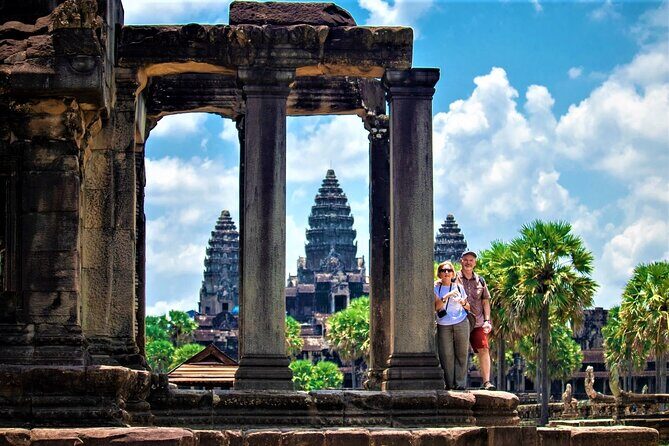
- Angkor Wat at First Light: Views, Timing, and What to Notice
- Angkor Thom South Gate: The Moment Before the Faces
- Bayon Temple’s Smiling Faces: Where the Details Pay Off
- Ta Prohm’s Tree Roots and the Tomb Raider Feeling
- Tickets and Total Value: Is It Worth $48.50?
- Who This Sunrise Tour Suits Best
- Tips to Get More Out of It (Without Overthinking)
- Should You Book This Angkor Wat Sunrise Tour?
- FAQ
- What time does the Angkor Wat sunrise tour start?
- How long is the tour?
- Is hotel pickup included?
- Are Angkor Park entrance tickets included in the price?
- What language will the guide speak?
- Which places will we visit during the tour?
- Do you provide a mobile ticket?
- What is the cancellation policy?
Key Highlights You’ll Actually Feel

- Early sunrise timing at Angkor Wat so you can enjoy the first light before the day gets too busy.
- A guide who steers you to strong viewing spots (names like Mr. Nary, Boreye, and Nuth Borey come up often).
- Angkor Thom South Gate as your visual warm-up before the bigger temple stops.
- Bayon Temple’s smiling faces close-up time, with a full block of time to take it in.
- Ta Prohm’s tree-root effect and that famous Tomb Raider vibe, without rushing.
- Bottled water and cold towels that help you stay comfortable while you’re out early.
Why the 5:00 am Angkor Wat Sunrise Matters
If you want Angkor at its best, you chase the light, not the crowds. Starting no later than 5:00am means you’re there while the temple is still waking up, and your first impressions come with atmosphere instead of a slow, sweaty wait in the daytime push.
This is also where the tour earns its value. The sunrise plan is not just a blanket promise of first light. You’re guided toward good spots at Angkor Wat and then kept moving through the larger circuit while the day is still manageable. That pacing matters at Angkor because your time can disappear fast if you wander.
The best part is that you’re not just taking photos. A strong sunrise guide helps you notice details you’d otherwise gloss over: temple angles, how the light hits stone, and why certain viewpoints feel more dramatic than others. If you can, ask whether your guide is someone like Nuth Borey or Boreye, since those names have stood out for English and temple expertise.
A few more Siem Reap tours and experiences worth a look

Pickup, Cold Towels, and the Early-Morning Rhythm
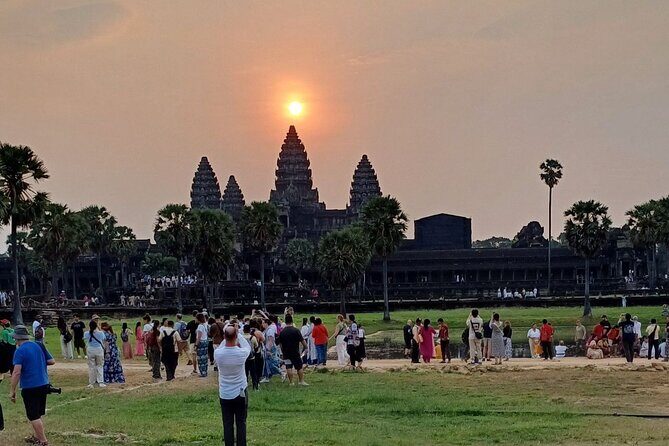
This tour is set up to be practical from the jump. You’re picked up from your hotel if you request it, and you’re handled by transport chosen for your group. You’ll also have bottled water and cold towels, which sounds small until you’re standing in the cool-dark hours and then stepping into the warmer morning quickly.
The whole experience runs about 6 to 7 hours, which is a sweet spot. Long enough to hit the big highlights, but not so long that you feel cooked by late afternoon. You’ll likely feel the early start more than anything else, so keep your expectations simple: you’re trading sleep for timing, and timing at Angkor is everything.
And yes, you’re not mixing with random strangers in a way that would make the day feel chaotic. It’s described as private, with only your group participating. That matters because it lets your guide set a calm pace and adjust to your group’s comfort without turning it into a conveyor belt.
Angkor Wat at First Light: Views, Timing, and What to Notice
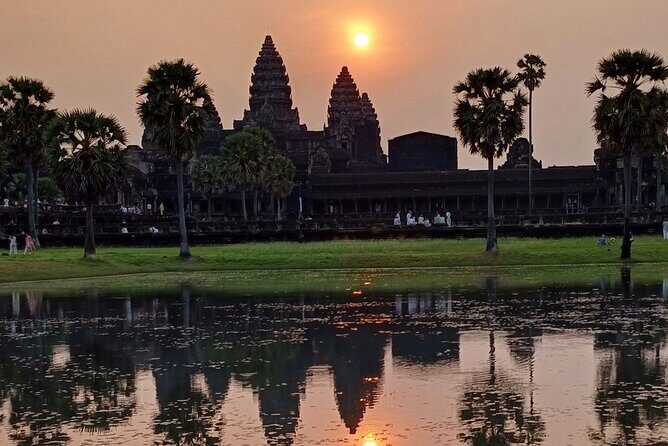
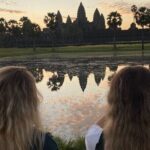
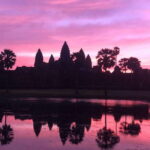
Angkor Wat is the headline for a reason, but sunrise is what changes the whole mood. You start with Angkor Wat temple and head up to catch that first light. Your guide gives you context as you arrive, and you spend about an hour there, which is just enough time to see it from a few angles without feeling lost.
Here’s what I think is smartest about this kind of sunrise tour: you’re not trying to figure out the temple layout before the day begins. You get there with a plan. That means you spend your energy on looking and learning, not on hunting for the next viewpoint in the dark.
A good guide also helps you avoid the common mistake of staring at one perfect angle and forgetting to look around. The stonework and symmetry become more obvious when the lighting is shifting. You start to notice how the temple’s design channels attention toward the center, and how the atmosphere feels different than during midday crowds.
Drawback to keep in mind: because the main attraction is the sunrise window, you need to be ready to move quickly. If you’re the type who wants slow coffee photos and lingering goodbyes to your bed, this early start can feel abrupt. But if you can handle a fast start, this is when Angkor rewards you most.
Angkor Thom South Gate: The Moment Before the Faces
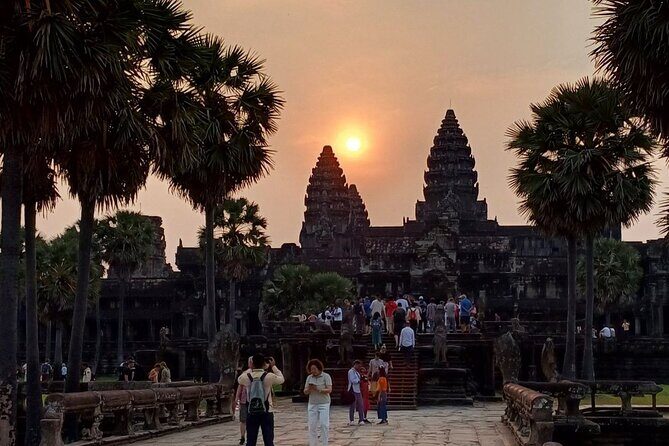
After sunrise, you head toward Angkor Thom South Gate, the entry point into the capital city of the Khmer Empire. You spend about 30 minutes here, so this is not the deep, slow stop. Think of it like a gateway scene that sets the tone for what comes next.
Why is this short stop useful? Because it gives you context. Without it, Bayon can feel like a random dramatic temple encounter. With it, you understand you’re entering the heart of the ancient city, not just visiting another ruin. The timing also helps: you’re breaking up the day into manageable pieces instead of stacking too much temple time back-to-back.
This is also a good moment to regroup. The morning is moving fast, and you’ll probably feel the switch from cool dawn to warmer light. Use the short gate stop to reset your focus: what you want to look for next at Bayon.
If you hate rushing, you might wish you had longer here. But the tour’s structure makes sense: the real heavy attention belongs at Bayon and Ta Prohm, and that’s where the bulk of the time goes.
Bayon Temple’s Smiling Faces: Where the Details Pay Off
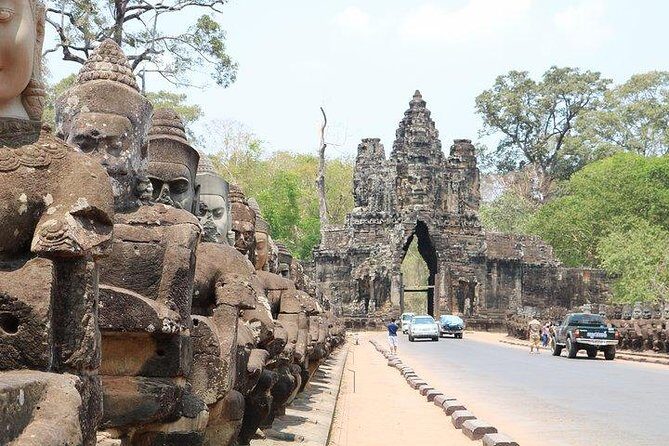
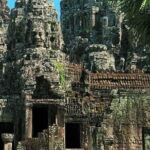
Bayon Temple is the part people remember, and for good reason. It’s the state temple of Angkor Thom, and the signature feature is the mass carving of smiling faces. You get about 3 hours at Bayon, which is a gift compared to tours that treat Bayon like a photo stop between snacks.
This is where a knowledgeable guide makes a huge difference. Not because you need a lecture, but because Bayon is visually overwhelming in the best way. Your guide helps you sort what’s important—how the faces repeat, how the structure frames your path, and why different angles make the expressions feel different.
I also like that Bayon has enough time for you to move at your own pace. With three hours, you can do the basics (wide views, face close-ups, main platforms) and still come back for a second look when the light shifts. Sunrise tours can feel like a blur, but this one slows down just enough to let Bayon settle in.
Potential consideration: you’ll be walking on uneven stone surfaces, and you’re going from dawn energy into full-day temple energy. If you’re prone to getting sore, plan on taking short pauses when you can. Your guide is there to keep you moving, but you still control your comfort.

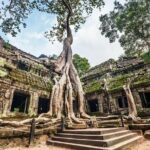


Ta Prohm’s Tree Roots and the Tomb Raider Feeling
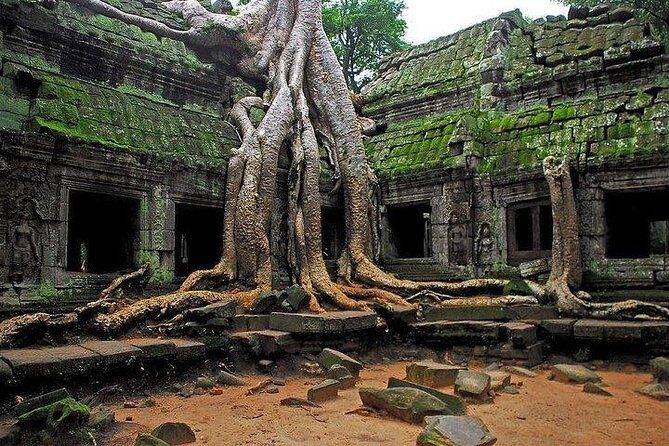
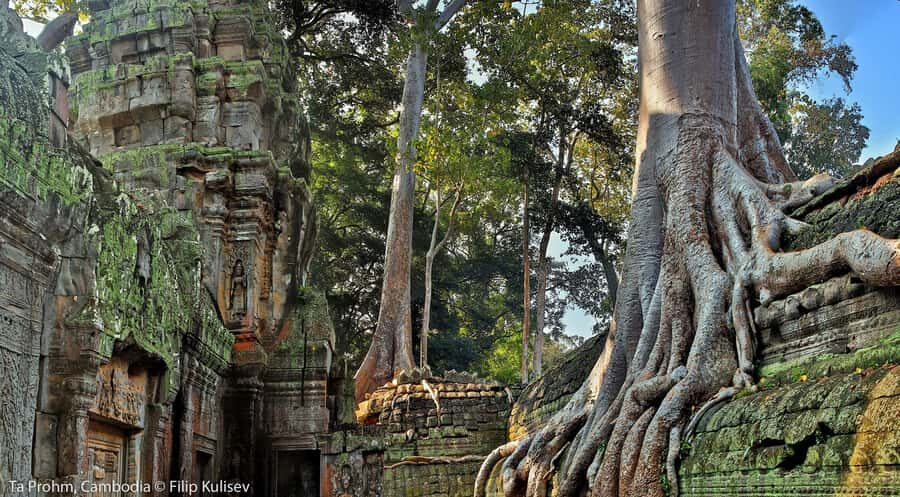
Then comes Ta Prohm, often called the Tomb Raider temple because the movie was shot there. You’ll spend about 2 hours here, and that time matters because Ta Prohm is a temple built around a visual contrast: stone architecture and living roots tangled together.
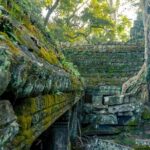
The famous effect is exactly what you’d hope for—masonry intertwined by old tree roots, creating that eerie, half-lost feeling. It looks almost staged until you realize it’s the result of nature reclaiming a once-fully-contained structure. That’s why Ta Prohm photographs so well and why it hits emotionally too. It feels like discovery, like you arrived to something half-hidden.
Two hours is also enough to notice patterns. You can walk a loop, catch the most recognizable viewpoints, and still step back and observe how the roots frame doorways and columns. You don’t need to be a film fan to enjoy the look; the movie connection is fun, but the real star is the visual weirdness of the temple’s survival.
Only drawback: Ta Prohm can feel physically more demanding than it looks. You may find yourself navigating tighter spaces and dealing with uneven ground. If you go in with expectations of a leisurely stroll, you’ll be surprised. If you go in expecting an active, photo-worthy exploration, it’s a great fit.
Tickets and Total Value: Is It Worth $48.50?
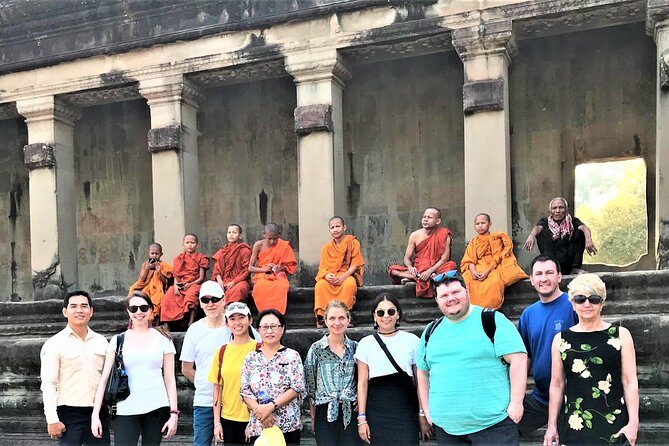
The price is $48.50 per person, and you’ll want to think about value in a practical way, not just the headline number.
Here’s what’s included:
- Hotel pickup and drop-off if requested
- Professional English-speaking guide
- Bottled water and cold towels
- Transport by your chosen vehicle
- A tour experience that covers Angkor Wat and nearby temples
What’s not included:
- Angkor Park entrance ticket (listed as USD 37 for a 1-day ticket)
- Soft drinks and alcohol
- Gratuities (recommended)
So your true per-person planning cost is the tour price plus the entrance ticket. That’s not a complaint; it’s normal at Angkor. What matters is that the tour price buys you the early timing, the guide, and the smooth movement between key temple areas.
For me, the best value signals are:
1) You’re not spending time figuring out logistics early in the morning.
2) You’re getting an organized visit that covers several top sights without turning into a long scramble.
3) The guide factor seems to be consistently strong, with names like Mr. Nary and Boreye / Nuth Borey showing up in high praise for English and temple guidance.
If you’re traveling solo and you can book private for just your group, this starts to feel like a good deal rather than an expensive sunrise splurge. If you’re going with a larger group, the group discounts can also improve the math.
Who This Sunrise Tour Suits Best
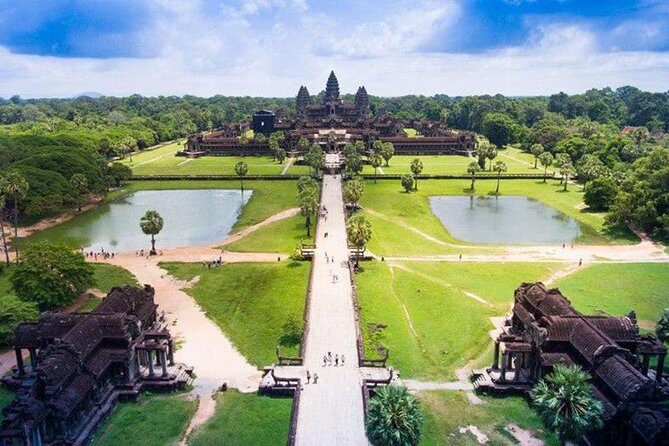
This tour fits best if you want the classic Angkor highlights in one day but don’t want to DIY your way into early-morning confusion.
You’ll love it if:
- You’re the type who likes being early to get better experiences.
- You want a guide to help you understand the temples, not just photograph them.
- You’re okay with a morning that moves fast and includes lots of walking.
It might be less ideal if:
- You strongly prefer late starts and can’t handle being awake at dawn.
- You hate uneven ground and long temple circuits.
- You’re on a tight budget and the entrance ticket cost feels like too much on top of the tour fee.
One smart strategy: treat this as an Angkor sampler with depth where it counts. Angkor Wat sunrise sets your mood. Bayon gives you the storytelling power. Ta Prohm delivers the cinematic atmosphere. It’s a very reasonable way to spend a first day (or your only full day).
Tips to Get More Out of It (Without Overthinking)
A few small choices can make the day feel smoother.
First: plan your energy. You’re starting around 5:00am, so eat and hydrate before you go if your schedule allows. Once you’re out, lean on the bottled water and cold towels.
Second: wear shoes you trust. Temple stone is not always forgiving. Even when you’re moving for photos, you’ll keep stepping over and around uneven surfaces.
Third: if your goal is the best sunrise view, let your guide do the work. The people praising this tour mention being taken to strong sunrise spots. That’s the point of a sunrise guide—don’t fight the process.
Finally: don’t treat Bayon and Ta Prohm like brief photo stops. You have longer time blocks there, so give yourself permission to look slowly and then look again after the light changes.
Should You Book This Angkor Wat Sunrise Tour?
I’d book it if you want a well-paced Angkor day that actually starts when Angkor is at its most magical. The combination of sunrise timing, an English-speaking guide, and time at Bayon and Ta Prohm makes this feel like more than a basic sightseeing bundle.
Be sure you’re comfortable with two realities:
- You’ll pay for the Angkor Park entrance ticket separately.
- You’re choosing an early start and lots of walking for the reward of fewer headaches and better timing.
If those fit your style, this tour is an efficient, high-value way to experience the most memorable parts of Angkor in one go.
FAQ
What time does the Angkor Wat sunrise tour start?
The tour starts at 5:00 am. It will begin no later than 5:00am.
How long is the tour?
The duration is about 6 to 7 hours.
Is hotel pickup included?
Hotel pickup and drop-off are included if requested.
Are Angkor Park entrance tickets included in the price?
No. Angkor Park entrance tickets are not included. The price listed is USD 37 for a 1-day ticket.
What language will the guide speak?
You’ll have a professional English-speaking guide.
Which places will we visit during the tour?
You’ll visit Angkor Wat for sunrise, then Angkor Thom South Gate, Bayon Temple, and Ta Prohm Temple.
Do you provide a mobile ticket?
Yes. The experience includes mobile ticket as a listed feature.
What is the cancellation policy?
You can cancel for free up to 24 hours before the experience start time for a full refund.