REVIEW · SIEM REAP
Kulen Mountain with Beng Mealea and Tonle Sap Small Group Tour
Book on Viator →Operated by Asean Angkor Guide · Bookable on Viator
Kulen Mountain is where Cambodia’s past meets the present fast. This full-day small-group trip strings together waterfalls, rock-carved temples, jungle ruin walking, and a boat visit to a stilt-house floating community near Siem Reap. I like that the day moves beyond the obvious Angkor circuit without feeling rushed.
Two things I especially value here are the small group size (kept to about 14) and the very practical comfort extras: air-conditioned transport, cool water and towels, plus a picnic lunch included. One drawback to think about up front: this is a long, packed day with some climbing/trekking segments, so you’ll want decent shoes and a realistic pace.
In This Review
- Key highlights I’d plan around
- Why this day trip beats the standard Angkor-only rhythm
- Price and value: what $54 includes (and why it matters)
- Getting started: 7:30 am pickup and the comfort you’ll notice later
- Morning sights before the big climb: Srah Srang and the “real Cambodia” feeling
- Poeng Ta Kho on Kulen Mountain: the birthplace story and the reclining Buddha carved in rock
- Preah Ang Thom and the 1000 Lingas: sacred climbs and sacred water
- Phnom Kulen Waterfall: the best break in the whole schedule
- Beng Mealea after lunch: when nature takes over
- Kompong Phluk on Tonle Sap: stilt villages, boat time, and seasonal reality
- Dress code and physical expectations (so you don’t waste energy worrying)
- Food, water, and the small-group difference
- Who should book this, and who should consider something else
- Final call: should you book Kulen, Beng Mealea, and Tonle Sap?
- FAQ
- What time does the tour start?
- How long is the tour?
- Is hotel pickup and drop-off included?
- What’s included in the tour price?
- Is lunch included, and are there dietary options?
- Do I need to pay for admission tickets separately?
- What should I wear?
- Is there swimming at the waterfall?
- How large is the group?
- Can I cancel for a refund?
Key highlights I’d plan around
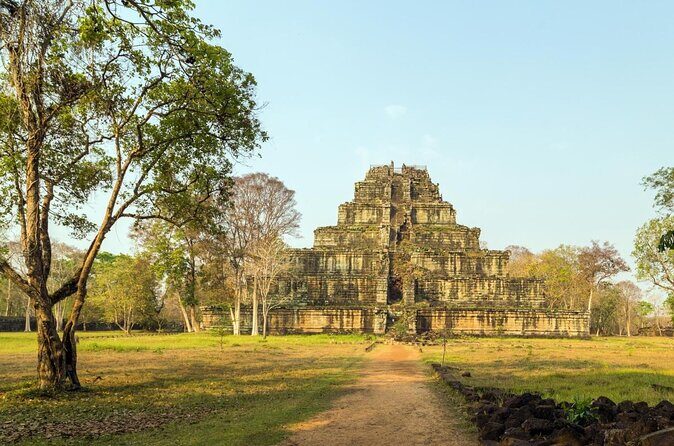
- Kulen Mountain climb + rock carvings: cliff views paired with a reclining Buddha carved into stone
- Phnom Kulen waterfall time: a picnic break with a real chance to cool off in the pools
- Beng Mealea after lunch: temple ruins where nature feels like it has a vote
- Kompong Phluk floating village by boat: stilt houses, mangroves, and daily life on the water
- Photo-friendly stops: guides are used to helping you find good angles, not just “next, next, next”
Why this day trip beats the standard Angkor-only rhythm

If you’re basing yourself in Siem Reap, it’s easy to fall into a pattern: early mornings, ticket lines, big temple names, repeat. This tour offers a different kind of payoff. You still get Khmer religious sites, but you also get Cambodia’s nature side—limestone-filtered waterfall pools on Kulen—and the living-water world of Tonle Sap at Kompong Phluk.
It’s also a strong match for first-timers who want context. Instead of treating each stop like a separate postcard, the day connects themes: sacred water, stone sanctuaries, and communities shaped by rivers and seasons.
You can also read our reviews of more tours and experiences in Siem Reap.
Price and value: what $54 includes (and why it matters)
At $54 per person, the main value is that you’re not just buying transport. The price covers:
- hotel pickup and drop-off
- an English-speaking guide
- air-conditioned minivan/minibus
- bottled water and cool towels
- a picnic lunch (grilled chicken with jasmine rice)
- admission tickets for the listed sights
In Siem Reap, a full-day combo of tickets + guide + vehicle can add up quickly if you piece it together yourself. Here, the math is helped by the fact that you’re getting a full route with multiple temple/water stops and the admissions bundled in.
The other value is how the day is packaged. Because it’s limited to a small group, you’re not stuck with a “herding cats” feeling. That’s real money saved in patience.
Getting started: 7:30 am pickup and the comfort you’ll notice later
Your morning starts early—pickup from your hotel is typically between 7:30 and 8:00 am, and you’ll want to be ready in the lobby by 7:30 sharp. That sounds strict, but it’s what makes a packed day like this actually work. You’ll beat the worst heat and you’ll have better timing at the outdoor stops.
Once you’re moving, you’re in an air-conditioned vehicle, and you’ll get bottled water and cool towels. Those little comfort items end up mattering because you’ll spend the day outdoors: rock steps, riverbed paths, waterfall pools, and walking around Beng Mealea’s uneven ground.
Morning sights before the big climb: Srah Srang and the “real Cambodia” feeling
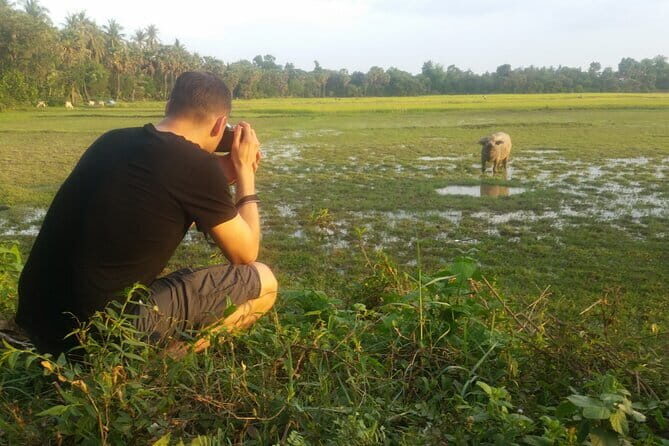
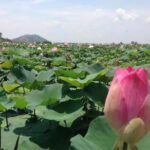
One of the earliest stops is Srah Srang. This isn’t a massive crowd magnet like some famous temple complexes, which makes it a good place to get oriented. You get a first look at everyday Cambodia beyond the main Angkor zone: morning routines, wide rice paddies, and classic stilt houses you’ll recognize from around Siem Reap.
It’s a smart start because it resets your expectations. You’re not just chasing big monuments; you’re learning how Khmer landscapes connect to daily life and water systems.
What to watch for: You’ll likely do this portion seated, then get ready to walk more as the day progresses. Bring sunscreen early. Waiting until you feel hot is too late.
Poeng Ta Kho on Kulen Mountain: the birthplace story and the reclining Buddha carved in rock
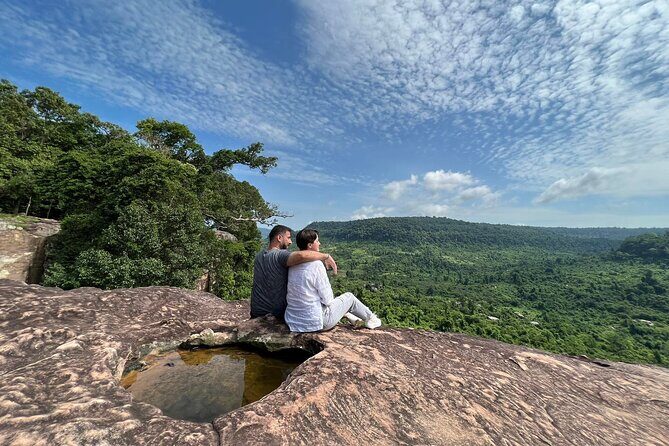
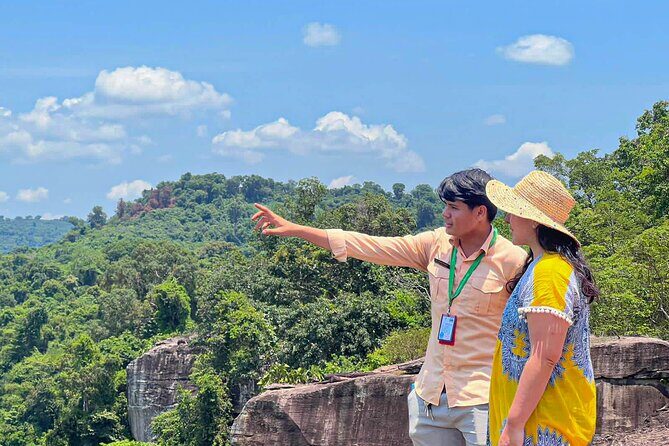
Next comes Poeng Ta Kho, also described as an amazing cliff viewpoint. This is where the day starts leaning into the “climb for the payoff” mode. You’ll climb toward the summit area for the views, and then you’ll see the massive reclining Buddha carved right into the rock.
A key detail here is that the site is treated as an origin point for the Angkor Empire, so your guide has a lot of history and meaning to work with. That’s often what makes Kulen feel more than scenic. You’re seeing geography tied to belief.
Practical tip: Wear shoes with grip. The footing around cliffs and temple steps can be uneven, especially when you’re trying to get photos and keep your balance.
Preah Ang Thom and the 1000 Lingas: sacred climbs and sacred water
After the summit stop, the itinerary shifts to Preah Ang Thom pagoda. This is highlighted for an 8-meter reclining Buddha carved into the mountainside. Local families light incense and people are there for prayer, so the mood is quieter and more reverent than a pure sightseeing stop.
Then you move to 1000 Lingas, where thousands of sacred fertility symbols are carved into the riverbed. The concept is simple but powerful: water isn’t just scenery—it’s part of a sacred process, turned into holy water for the wider kingdom.
What I like about these stops: they’re both specific. You’re not just looking at a structure; you’re looking at a place where ritual and geography meet.
Possible drawback: the day is “temple + steps” back-to-back. If you’re carrying a lot of energy, great. If you’re not, you might feel like you’re always halfway between walking and standing in heat.
Phnom Kulen Waterfall: the best break in the whole schedule
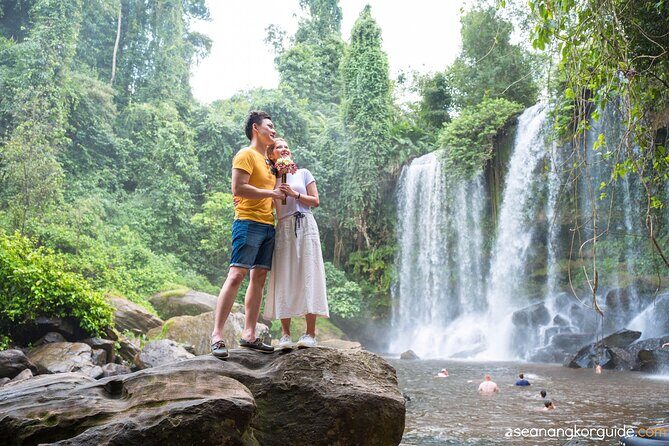
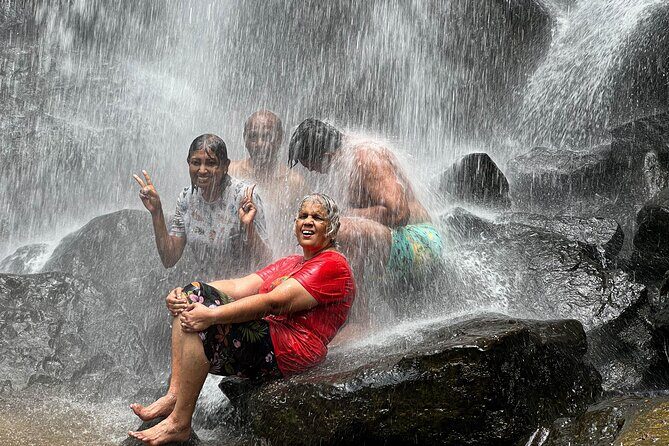
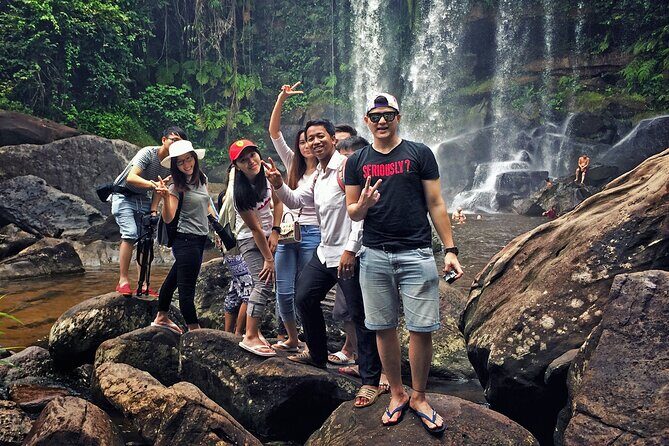
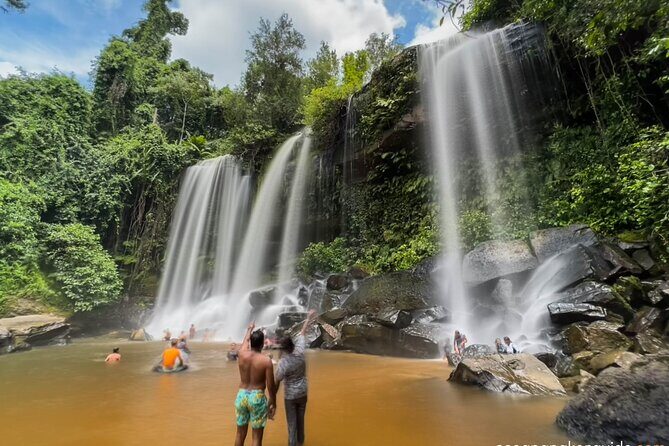
This is usually where the tone shifts from stone and stairs to something more physical and refreshing. At Phnom Kulen Waterfall, you’ll have time around crystal-clear pools fed by mountain water that filters through limestone. The itinerary also includes a picnic lunch here on smooth rocks, and the waterfall serves as your background noise.
Then comes the fun part: there’s time for a swim (the water is described as cold). If you like “earn the refreshment” experiences, you’ll get it here. It’s not a fancy resort pool. It’s a real-water moment.
Bring: insect repellent and sunscreen. You’re going to be outside long enough for bugs and sun to do their thing.
Beng Mealea after lunch: when nature takes over
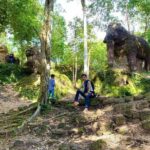
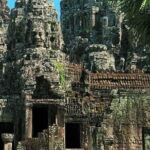
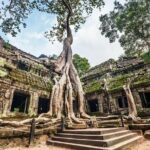
After the waterfall, you head to Prasat Beng Mealea. This is the temple where people often say the photos can’t do it justice, because it feels less like a cleaned-up ruin and more like a living jungle circuit. Built in the 12th century, it’s famous for being wrapped in greenery—a temple reclaimed by roots and vines.
This is a great counterbalance to the tighter, more polished-feeling sites you might see elsewhere in the area. Beng Mealea lets you wander and explore at a slower, more “lost in the place” pace.
What to expect: uneven ground. You’ll be walking around stones and paths that aren’t designed for easy mobility. If you have knee issues, go steady and take your time.
Kompong Phluk on Tonle Sap: stilt villages, boat time, and seasonal reality
The final major stop is Kompong Phluk, a floating village on Tonle Sap. You’ll get a look at stilt houses and mangrove surroundings, and you’ll also have a boat ride experience that’s part of what makes this village different from a normal “land” viewpoint.
Here’s the most important timing note for planning: from end of March to end of June, water levels in the floating villages start to recede. That can change the experience in two ways:
- the scenery may lose some of its postcard look
- some boats may be stuck and smaller canoes may not travel through jungle areas
But the upside is that you can see a different slice of daily life during the dry season, which can feel more grounded and less staged. If you’re the kind of traveler who prefers lived-in moments over perfect angles, that seasonal shift can be a feature.
Golden advice: don’t wait for the sunniest conditions if your goal is understanding life on the water. The village is the point, not just the lighting.
Dress code and physical expectations (so you don’t waste energy worrying)
This tour has a clear dress code: no shorts. You’ll want knees and shoulders covered for temple visits and village areas. That’s one of those rules that can feel annoying until you realize it prevents you from getting turned away at key moments.
You should also treat the day as physical. It includes climbing/trekking segments on Kulen Mountain and walking around Beng Mealea’s terrain. One mid-pack experience described the day as longer and more “on the move” than a totally gentle sightseeing outing. If you’re someone who likes slow pacing, you’ll want to plan your expectations—and maybe ask the guide how much climbing is coming at you.
Food, water, and the small-group difference
The lunch is a picnic with local food, listed as grilled chicken with jasmine rice. There is also a vegetarian option (fried rice with vegetables with eggs, plus fried spring rolls). There’s no vegan option.
Beyond the food, what keeps showing up as a strong point is the logistics feel easy:
- unlimited cold water
- moist towels for refresh during the day
- a guide who keeps track of timing so you’re not constantly sprinting
Small-group size also changes how the day feels. With limited participants (around 14), your guide can pause for your questions, help you get better photo spots, and keep attention on people who aren’t the loudest in the group.
From the guide names people shared—like Mony, Sam, Dara, Seila, Jan, and Selia—the common theme is clear English and active engagement. The guides tend to explain what you’re looking at in a way that keeps it from feeling like a nonstop lecture.
Who should book this, and who should consider something else
I’d steer you toward this tour if:
- you want more than Angkor Wat in one day
- you like a mix of temples, nature, and real local life
- you prefer a smaller group and a guided route with admissions included
- you’re okay with a long day that includes walking and some climbing
I’d think twice (or be extra prepared) if:
- you need a very gentle pace
- your knees or stamina aren’t great for uneven ruin ground and stairs
- you’re sensitive to cold water swims (the waterfall swim is part of the experience)
Final call: should you book Kulen, Beng Mealea, and Tonle Sap?
If your Siem Reap trip is asking for a “one big day” outside the main temple circuit, this is a strong choice. The blend is smart: sacred stone on Kulen, a jungle-temple ruin in Beng Mealea, and Tonle Sap village life in Kompong Phluk. The value also holds up because lunch, admissions, and the guide are included, not tacked on later.
Book it if you want that feeling of seeing Cambodia in layers—belief, water, and everyday living—without turning it into a DIY headache. Skip it only if you’re chasing a low-walking, low-stress day.
FAQ
What time does the tour start?
Pickup is typically arranged between 7:30 and 8:00 am, and you should be ready in the hotel lobby by 7:30 sharp.
How long is the tour?
The duration is about 10 hours.
Is hotel pickup and drop-off included?
Yes. Hotel pickup and drop-off are included, with an option to end at the Old Market in Siem Reap.
What’s included in the tour price?
Included are transportation (minivan/minibus with air-conditioning), an English-speaking guide, cool bottled water and cool towels, picnic lunch, and admission tickets.
Is lunch included, and are there dietary options?
Yes, lunch is included. It’s listed as grilled chicken with jasmine rice, and there is a vegetarian option. There is no vegan option.
Do I need to pay for admission tickets separately?
No. Admission tickets for the listed stops are included.
What should I wear?
You must cover your knees and shoulders. Shorts are not allowed.
Is there swimming at the waterfall?
The itinerary includes a swim at Phnom Kulen Waterfall.
How large is the group?
This is a small-group tour limited to about 14 participants to keep it more personal.
Can I cancel for a refund?
Yes. Free cancellation is available up to 24 hours in advance for a full refund.