REVIEW · SIEM REAP
Floating Village-Mangrove Forest Private Tonle Sap Lake Boat Tour
Book on Viator →Operated by About Cambodia Travel & Tours · Bookable on Viator
Tonle Sap makes Siem Reap feel small. On this private boat day you’ll see the floating village life of Kampong Phluk up close, then follow the water out toward the lake’s quieter edges. I especially like the mix of boat time plus gentle mangrove exploration, because it turns the usual sightseeing loop into something you can actually feel.
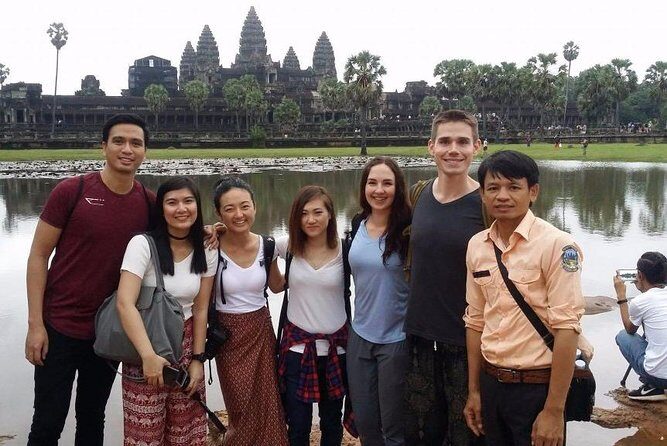
You’ll also get an English-speaking, license tour guide who can connect what you’re seeing to the bigger story—Khmer civilization, what changed after the Khmer Rouge era, and the real challenges of life on Tonle Sap. The day also stays practical: hotel pickup and drop-off are included, and entrance fees and guide service fees are covered.
One thing to consider: this is a long 7–9 hour day with multiple stops. The pacing is efficient, so if you prefer slow wandering and lots of sitting down, plan to keep expectations realistic.
In This Review
- Key highlights worth planning for
- Entering Kampong Phluk: where “home” floats
- Tonle Sap Lake cruise: the scale hits after the village
- Mangrove forest exploration depends on water level (and that’s the point)
- Ro Lous Market: quick steps into old Angkor-era life
- Wat Bo Temple: 19th-century wall paintings, not just a quick stop
- Artisans Angkor: crafts with real variety
- Royal Residence gardens and the Preah Ang Chek / Preah Ang Chorm shrine
- Angkor Botanical Garden: walking paths with eco-minded rules
- Price and value: what $71.25 gets you, and what it doesn’t
- Getting the most out of your guide: names you might hear
- A long day plan: how to stay comfortable (without losing the magic)
- Who this private tour is best for
- Should you book Floating Village–Mangrove Forest private Tonle Sap tour?
- FAQ
- How long is the Floating Village–Mangrove Forest Tonle Sap Lake boat tour?
- What’s included in the price?
- Is lunch included?
- Is this a private tour?
- Where does pickup happen?
- What is the cancellation policy?
Key highlights worth planning for
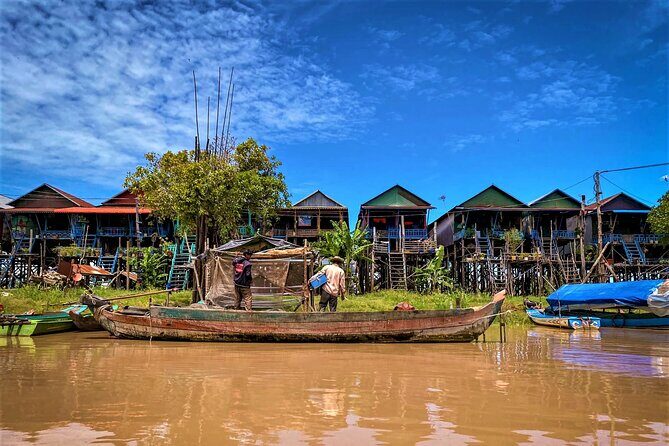
- Kampong Phluk floating village (about 3 hours): Daily life on water, including fishing routines and community buildings.
- Tonle Sap Lake cruise (about 1 hour): Big-lake scale with time to take in the shoreline and water views.
- Mangroves by traditional paddle boat: Water level decides what you can explore, but the pace stays calm.
- Ro Lous Market stop (about 30 minutes): A quick walk through the oldest market of the ancient Angkor city area.
- Temple + garden rhythm later in the day: Wat Bo wall paintings, craft time at Artisans Angkor, then Royal Residence gardens and Angkor Botanical Garden.
- Private group, all entrance fees handled: You don’t have to chase tickets or count small charges all day.
Entering Kampong Phluk: where “home” floats
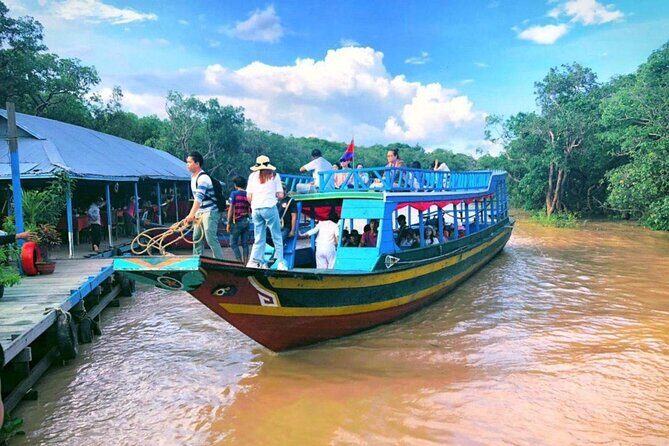
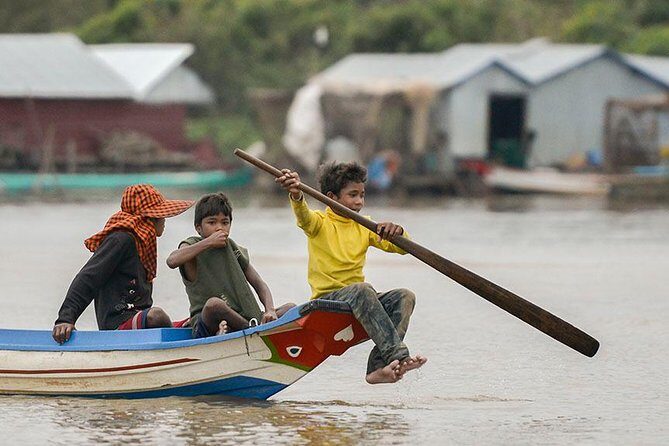
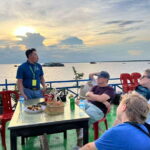
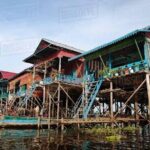
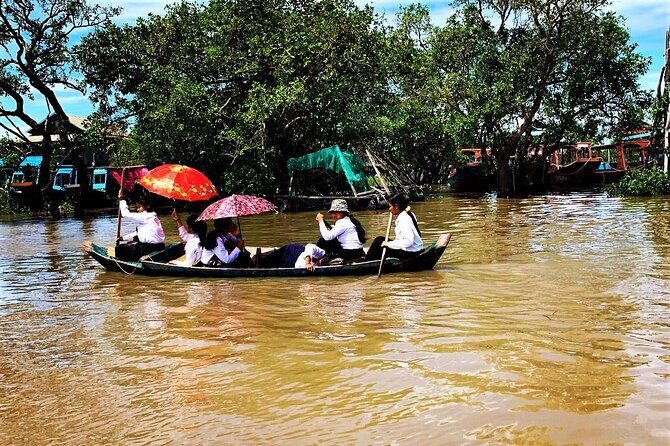
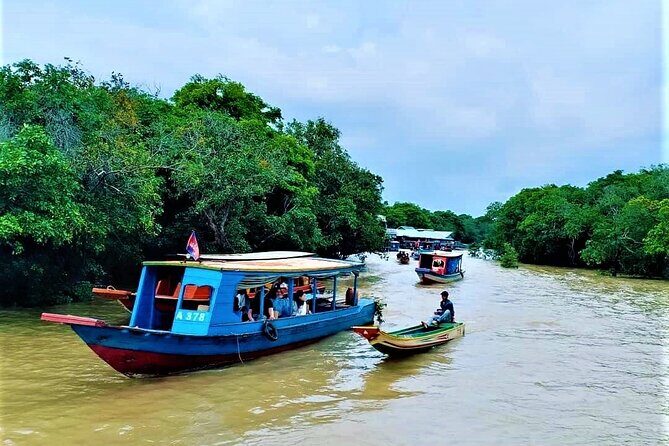
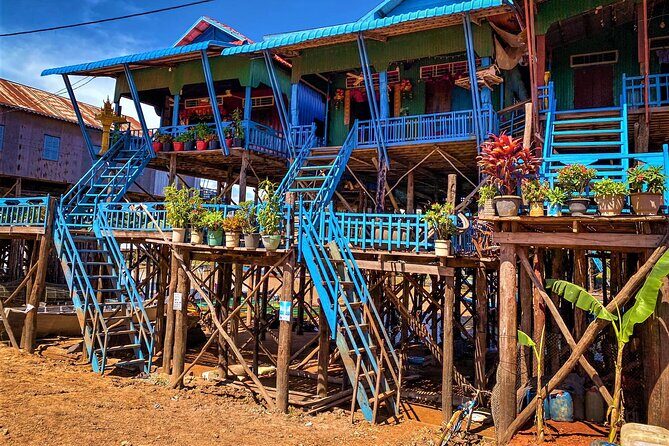
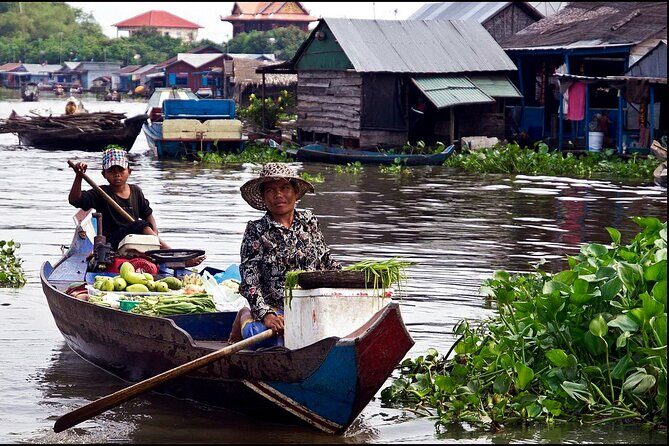
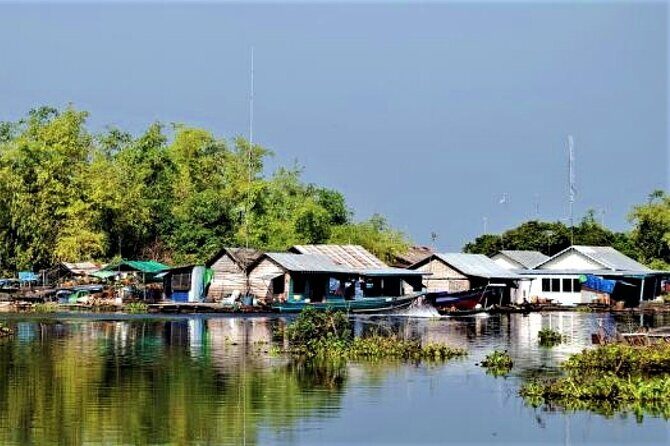
Kampong Phluk is the kind of place that quietly knocks the wind out of you—in a good way. You’ll cruise to the floating community and spend about three hours there, enough time to see how daily life works on the water rather than just taking a few photos and leaving.
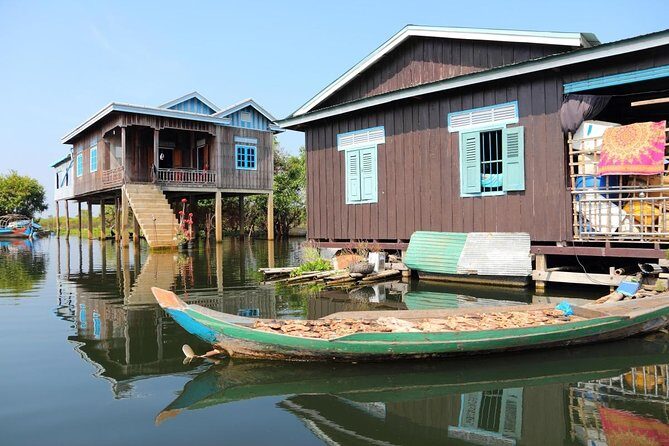
What I like most is how the visit can feel both ordinary and extraordinary. Houses, schools, and everyday routines are tied to the lake. In this area, many residents are fishermen, and you’ll see how families build their lives around the rhythm of the water. A good guide helps you read what you’re looking at: what you’re seeing is not just scenery; it’s a living system that has adapted for generations.
Practical note: this part of the day involves boat movement and time close to the village edge, so bring patience. The goal is understanding, not speed-running the experience.
You can also read our reviews of more boat tours in Siem Reap
Tonle Sap Lake cruise: the scale hits after the village
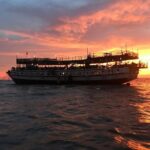
After Kampong Phluk, you’ll spend about an hour on Tonle Sap Lake itself. This matters because the floating villages make sense faster when you can see the lake’s breadth. Tonle Sap is the largest lake in Southeast Asia, and even a short cruise helps you grasp why the water shapes everything around it.
You’ll likely get a mix of open water views and shoreline perspective. The lake doesn’t feel like one static postcard—conditions shift, and the light changes quickly over water. It’s also the part of the tour where it’s easiest to just slow down and watch: boats moving, water texture, and the general sense of a community in motion.
If you’re sensitive to long stretches on the water, choose your comfort settings early—hat, sunscreen, and water are your best friends on a bright day.
Mangrove forest exploration depends on water level (and that’s the point)
One of the most appealing parts of this tour is that the mangrove section isn’t forced. The plan is to explore the mangrove forests by traditional paddle boat, and what you can reach depends on water levels.
That detail is important. Mangroves are living, watery, and changeable. When the water is higher, you often get more access to channels and quiet areas. When it’s lower, the route and angles can look different. Either way, the experience tends to feel calmer than a big motorized boat ride, and you’re in a better position for wildlife spotting if the conditions cooperate.
I’d treat the mangroves like a bonus you earn through flexibility. You’re not just buying a checklist item—you’re showing up for what the lake allows that day.
Ro Lous Market: quick steps into old Angkor-era life
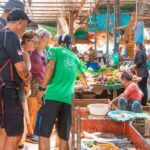
Later in the day, the tour shifts from water to land stops. You’ll visit Ro Lous Market for about 30 minutes, described as the oldest market of the ancient Angkor city area.
This is a good breather after the boat portion. You’ll walk through lively stalls and get a feel for everyday trade, food, and local shopping rhythms. It’s also a helpful cultural reset: it reminds you the region’s story isn’t only temple stones and lake views—people have always organized their daily needs in markets.
Time is limited here, so come with a simple mindset. Browse, notice, ask a question or two with your guide, and don’t expect a full market day.
Wat Bo Temple: 19th-century wall paintings, not just a quick stop
Wat Bo is a temple stop of about 30 minutes. It’s one of the older pagodas in Siem Reap, and the draw is its well-preserved wall paintings from the 19th century.
This part can be more rewarding than it sounds, as long as you let it be more than a photo pause. The paintings offer a window into how religious and cultural stories were expressed in later periods. With a guide, you can often connect the visual themes to what you’ve already heard about Khmer cultural continuity and change.
If you want to make the most of this stop, take a moment to slow down inside the main areas. Even short temple visits can feel hurried if you stand too far back the whole time.
You can also read our reviews of more private tours in Siem Reap
Artisans Angkor: crafts with real variety
Next up is Artisans Angkor for about 40 minutes, focused on traditional Cambodian arts and crafts. The tour highlights several categories, including textiles, non-textile weaving, silversmithing, stone carving, lacquerware, ceramics, wat murals, and kite-making.
Why this stop works: it turns culture into something you can point at. Instead of only learning abstract facts, you see the range of skills that support daily life and the arts. It’s also where you might pick up souvenirs that feel tied to local work, not mass-produced tourist kits.
If shopping is your goal, this is your time budget. If you just want to watch and learn, you’ll still get a solid education on what kinds of crafts exist and how varied Cambodian maker traditions can be.
Royal Residence gardens and the Preah Ang Chek / Preah Ang Chorm shrine
After crafts, you’ll head to the Royal Resident Garden (about 30 minutes). This park complex is also described as the Royal Independence Gardens and the Royal Residence, with lush gardens and a pagoda and shrines in the compound area.
Then you’ll spend about another 30 minutes at the Preah Ang Chek Preah Ang Chorm shrine, located within the Royal Residence compound. The tour notes that two statues are referred to as Preah Ang Chek and Preah Ang Chorm, and the shrine is tied to those figures.
This pair of stops is a nice contrast to the market and temple earlier. It’s more open, more garden-like, and often calmer to move through. It’s also a good moment to mentally organize your day: you’ve seen water community life, lake nature, marketplace energy, temple paintings, and then you end up in a quieter, ceremonial space.
Angkor Botanical Garden: walking paths with eco-minded rules
Your final major stop is the Angkor Botanical Garden for about an hour. The key themes here are that it’s eco-friendly, includes dedication to zero plastic use, and is set up as a peaceful walking area with greenery and friendly wildlife.
This is a great endcap because your brain has already taken in a lot of Khmer and Tonle Sap context. In the garden, the focus shifts to strolling at an easy pace—less explanation required, more time to breathe and reflect.
If you hate being rushed, this is the time to slow down. Take your time on the paths and let the day settle.
Price and value: what $71.25 gets you, and what it doesn’t
At $71.25 per person, this tour can feel like a bargain or a splurge depending on what you compare it to. What makes it good value is that major costs are handled for you: hotel pickup and drop-off, a professional English-speaking license tour guide, all fees and taxes, sightseeing fees on the itinerary, and the private boat tours to Tonle Sap and the floating village.
You’re also not stuck organizing transport between far-apart experiences. It’s built as one connected day, which is part of why you can move through floating village life, lake scenery, market streets, and garden time without constantly resetting.
What’s not included is lunch. Meals are at your own expense, with local restaurant prices listed around $3–$10 per dish. That range is useful to plan around. Also remember tips for your guide and driver aren’t included, so set aside a little cash if you want to show appreciation.
Getting the most out of your guide: names you might hear
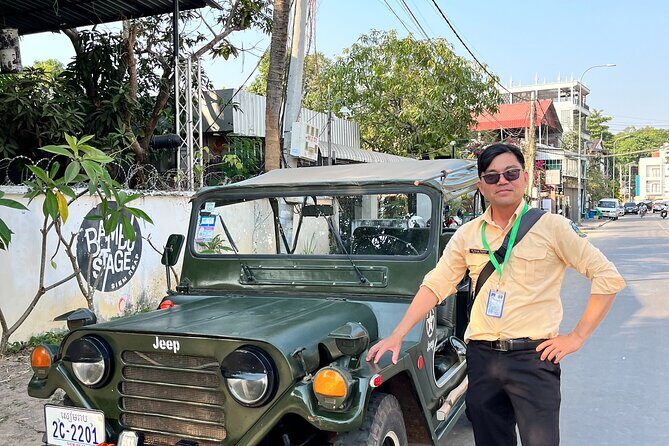
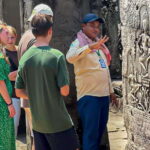
The day hinges on your guide’s ability to connect what you’re seeing to what it means. In past experiences, guides like Leap have been described as super knowledgeable and friendly, with market stops especially strong. Other examples include Sara and Art—noted for being on time and professional with a welcoming tone.
Even if your guide isn’t one of those names, you’ll still want the same thing from whoever is with you: ask questions, especially during the floating village and mangrove parts. That’s where the context turns a boat ride into a story you can understand.
A long day plan: how to stay comfortable (without losing the magic)
This tour runs about 7 to 9 hours. That’s not just “a little long”—it’s long enough that your comfort choices matter.
Here’s how I’d set yourself up:
- Dress for sun and water exposure since you’ll be on boats and likely outdoors for multiple hours.
- Bring a water bottle and think about snacks if you’re easily hungry before lunch.
- Plan for changeable comfort: shaded temple/garden time breaks up open daylight, but you still spend real time moving.
Also, don’t fight the structure. The itinerary stacks a lot in one day, so the win is going with the flow and focusing on the moments you care about most—floating village and mangroves first, then the culture stops.
Who this private tour is best for
This tour is ideal if you want a private group experience (only your group participates) but also want a full day that covers both nature and culture. It’s especially good if you’re the type who likes context—how and why people live the way they do—rather than only taking snapshots.
It also makes sense for families or mixed-age groups who can handle boat rides and moderate walking, since it’s designed for most travelers to participate and includes pickup near public transportation areas.
If you hate long days or already know you only want one type of experience (all temples or all nature), you might feel stretched. But if you want variety with meaning, this format works.
Should you book Floating Village–Mangrove Forest private Tonle Sap tour?
I’d book it if you want one day that truly connects community life on Tonle Sap with Cambodia’s broader cultural rhythm. You get hotel pickup, private boat time, covered entrance fees, and a guide who explains what you’re seeing—not just where to stand for a picture.
Skip it if your top priority is a slow, unhurried schedule. This is efficient, and some stops are shorter by design, so the floating village and mangroves deserve your attention first. If you can accept that trade-off, you’ll likely feel like you got a lot of real Cambodia in one go.
FAQ
How long is the Floating Village–Mangrove Forest Tonle Sap Lake boat tour?
The tour lasts about 7 to 9 hours.
What’s included in the price?
The price includes hotel pickup and drop-off, a professional English-speaking license tour guide, all fees and taxes, sightseeing fees listed in the itinerary, and private boat tours to Tonle Sap and the floating village.
Is lunch included?
Lunch is not included. Lunches are available at local restaurants, and menu prices are listed around $3–$10 per dish. Vegetarian and non-vegetarian options are available.
Is this a private tour?
Yes. It’s a private tour/activity, and only your group will participate.
Where does pickup happen?
Pickup and drop-off are offered at your hotel. You’ll need to provide your hotel name and hotel address.
What is the cancellation policy?
Free cancellation is available. You can cancel up to 24 hours in advance for a full refund. If you cancel less than 24 hours before the start time, the amount paid is not refunded.