REVIEW · SIEM REAP
Siem Reap: Tonle Sap Sunset Boat Cruise with Transfers
Book on GetYourGuide →Operated by ASEAN ANGKOR GUIDE · Bookable on GetYourGuide
Sunset on Tonle Sap is surprisingly moving. This half-day outing mixes a hands-on cultural stop with real-time lake living, especially when you reach Kampong Phluk and cruise toward the light change of the Tonle Sap sunset. I like that you get more than a photo stop, with time on the floating village and a boat ride that actually puts you out on the lake. I also like the SATCHA stop, where you see Cambodian making processes rather than only watching from a distance. One thing to plan for: you’re outdoors for a chunk of the day, so bring bug spray and expect some heat and walking on uneven paths.
The timing is a smart match for this area. The pickup at 2:30 pm keeps you away from the harshest midday sun and sets you up for the golden-hour sail, when Tonle Sap looks wide and calm instead of busy. And because you get A/C transport plus guide-led pacing, you can focus on what you came for: how families live and work around the water.
As a value play in Siem Reap, it’s hard to beat. For $23 you’re getting transfers, a live English-speaking guide, entrance and boat ride, and a bottle of water—so you’re not piecing together tickets and logistics on your own. The only “watch out” is seasonality: from late March to late July, water levels change and the floating-village experience can shift in ways that may affect walking routes and photo vibes.
In This Review
- Key highlights you’ll care about
- Tonle Sap at sunset: why this tour hits differently
- The SATCHA craft stop: more than souvenir browsing
- Transfers from Siem Reap: the easy way to reach Kampong Phluk
- Arriving at the lake port: switching from road to water
- Walking Kampong Phluk: stilt homes and everyday fishing life
- Mangroves, macaques, and the living shoreline
- Buddhist monastery on an artificial island
- Sunset on Tonle Sap Lake: timing, mood, and weather reality
- Price and value: why $23 can make sense
- Who this tour suits best
- Quick booking checklist before you go
- Should you book Tonle Sap Sunset Boat Cruise with transfers?
- FAQ
- What time is pickup in Siem Reap?
- How long is the tour?
- What happens at the first stop in the afternoon?
- How much of the experience is on water?
- Is the tour guide available in English?
- Is dinner included?
- What should I bring for the tour?
Key highlights you’ll care about
- SATCHA handicrafts stop with workshop time so you see how local makers work, not just products
- Kampong Phluk floating village walk with a look at stilt homes and fishing routines
- Boat cruise on Tonle Sap toward sunset on Southeast Asia’s largest lake
- Mangrove forest viewing where you may spot crab-eating macaques around the area
- Monastery on an artificial island adds a quiet, spiritual pause before the sky changes
- Comfortable transfers with A/C, plus water included for the ride
Tonle Sap at sunset: why this tour hits differently
Tonle Sap isn’t just scenery—it’s an entire way of living. The lake swells and shrinks with the seasons, which means communities around Kampong Phluk adjust how they move, build, and earn a living. That’s why a sunset cruise feels more meaningful than a random boat trip: the light softens the water, and you get a slower pace to notice details like fishing houses along the shore and the routines that repeat day after day.
The tour is also well paced for people who already spent time around Siem Reap temples. You’re not committing to a long full-day hike or a complicated day of changing boats and schedules. Instead, you do a steady run: van out from town, one guided cultural stop, then lake time, then back before late evening.
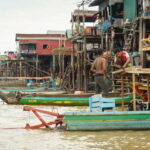
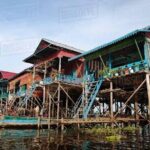
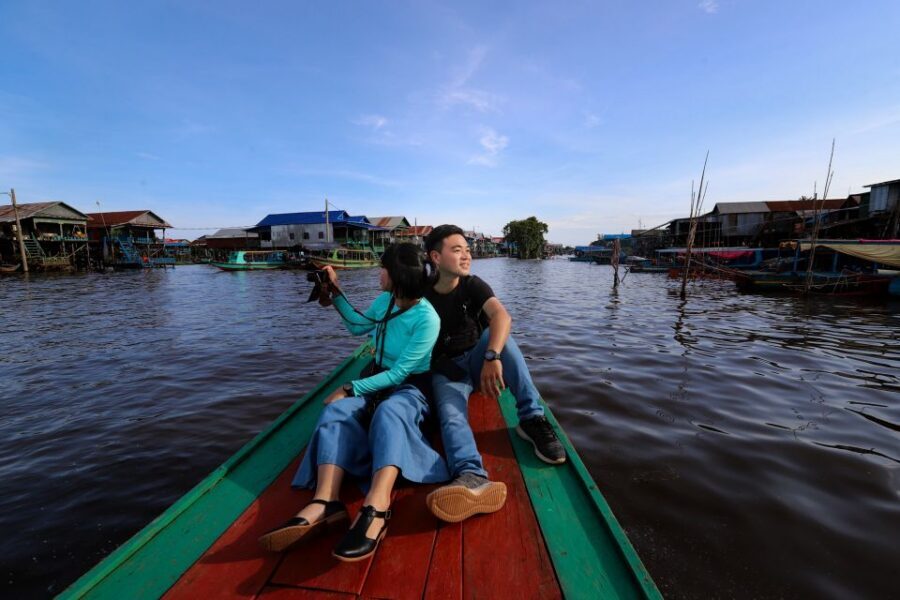
The vibe is “real-life scale,” not theme-park neatness. You’ll see brightly colored stilt houses and everyday life tied to fishing, and you’ll also notice how the environment shapes everything—from the long poles to the way boats connect homes to the outside world.
You can also read our reviews of more boat tours in Siem Reap
The SATCHA craft stop: more than souvenir browsing
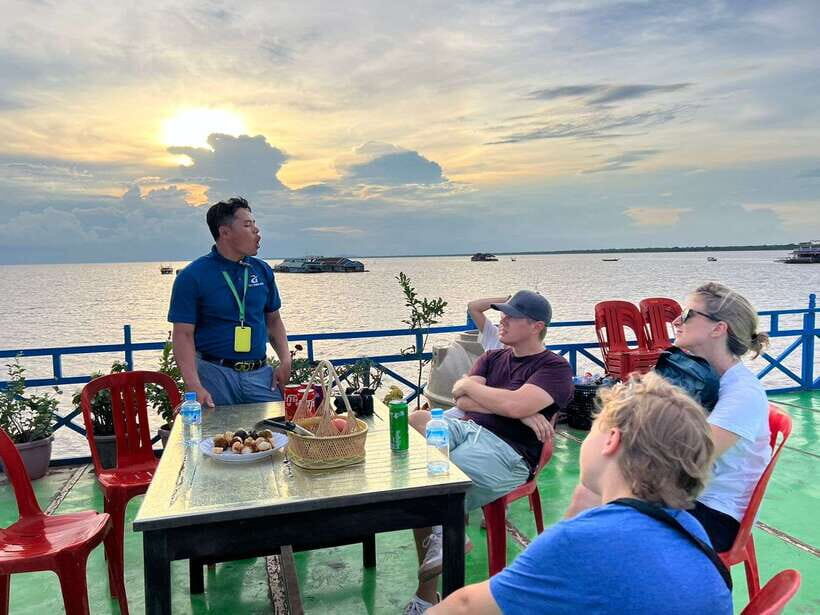
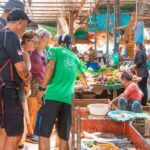
SATCHA (listed as សច្ចៈ – Satcha Café on the plan) is the first stop, and it’s there for a reason. You’ll spend about 45 minutes getting a guided visit to an arts and crafts market area and workshop time that shows how Cambodian artisans work. The center is described as the first Cambodian handicraft center that incubates local artisans, pairing traditional knowledge with contemporary design.
Why I like this stop for your trip: it sets context before you go out to Kampong Phluk. When you understand how livelihoods and skills are passed along, you’re more likely to notice the human side of what you’re seeing on the lake. It also helps break up the ride so the afternoon doesn’t feel like nonstop driving.
Practical note: even if you’re not buying anything, it’s still worth going through carefully. This is where you get to see processes like carving and woodworking-style handiwork described in guest feedback, and where your guide can explain what you’re looking at without rushing you.
If you’re the type who prefers skipping shopping stops, this one still tends to work because the focus is on making and craft learning—not high-pressure selling.
Transfers from Siem Reap: the easy way to reach Kampong Phluk

Pickup is 2:30 pm from your hotel in Krong Siem Reap area, and you’ll drive around 30 minutes to the SATCHA stop. After that, there’s about an hour of van travel toward the lake port area near Kampong Phluk (the plan notes it’s just 21 kilometers from Siem Reap town).
You’re in an A/C minivan or minibus, and the tour includes water. In practice, that comfort matters here. The roads between town and the lake areas can be dusty and uneven once you get out of the city core, and you’ll feel it more if you’re on an open shared transport.
Also: drop-off is flexible. You’ll return you to your hotel or you can request a drop near the Old Market area. That’s useful if you want to keep your evening plans simple—grab dinner and keep it local.
Arriving at the lake port: switching from road to water

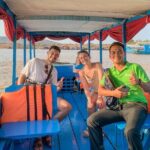
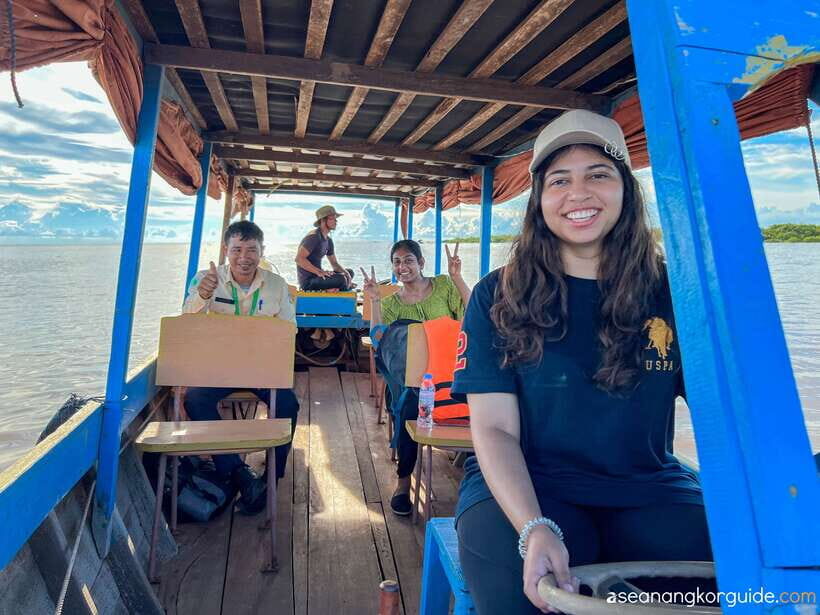
Once you reach the Kampong Phluk lake port, you transfer to a local boat that takes you into the floating village area and out toward Tonle Sap Lake. This is one of those transitions you’ll appreciate once you’re there. On land, everything moves at a vehicle pace. On the lake, you’re watching water pace—slow, steady, and shaped by wind.
The plan includes entrance fees plus the boat ride, which is a big part of why this tour feels like a good deal. If you try to build this day on your own, you usually end up paying for multiple pieces: transport, docking/entry, and boat operations. Bundling it keeps your day less stressful.
What’s cool about the boat time: it’s not just a ride through the scenery. It’s where you get a sense of how the lake community connects—boats, shorelines, and stilt homes all interact like one system.
Walking Kampong Phluk: stilt homes and everyday fishing life
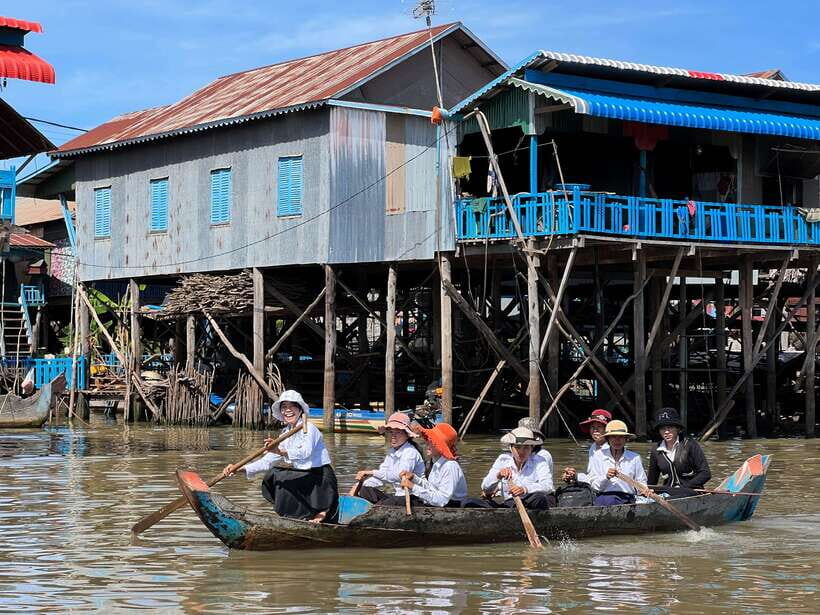
Kampong Phluk is a flooded and fishing village area, and the way it works changes by season. During higher water, homes sit on long poles so households aren’t trapped by flood levels. In the rainy cycle, the village spreads into the water environment; in the dry cycle, you may see more of the shoreline and mangrove edge.
The tour includes exploring the floating village area by boat and then time on the village itself. You’ll get firsthand perspective on daily life for families whose main livelihood is fishing. You can also see how the community is arranged, with houses built and lived around water access rather than roads.
A balanced expectation to set: this is a working home environment. You’ll see the reality of life on the lake, including economic challenges that can feel heavy if you’re expecting a postcard-only destination. If you do this, I suggest you go with respect and patience, and focus on questions your guide can answer about how the systems work.
In dry season (late March through late July), the plan specifically notes that water levels start to recede. That can mean some boats may become stuck, and smaller canoes may have trouble navigating the jungle forest routes. The trade-off is that you see a different version of village daily life—less visually “floating,” but potentially more grounded in how people adjust.
You can also read our reviews of more evening experiences in Siem Reap

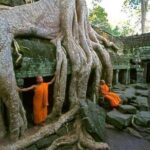
Mangroves, macaques, and the living shoreline
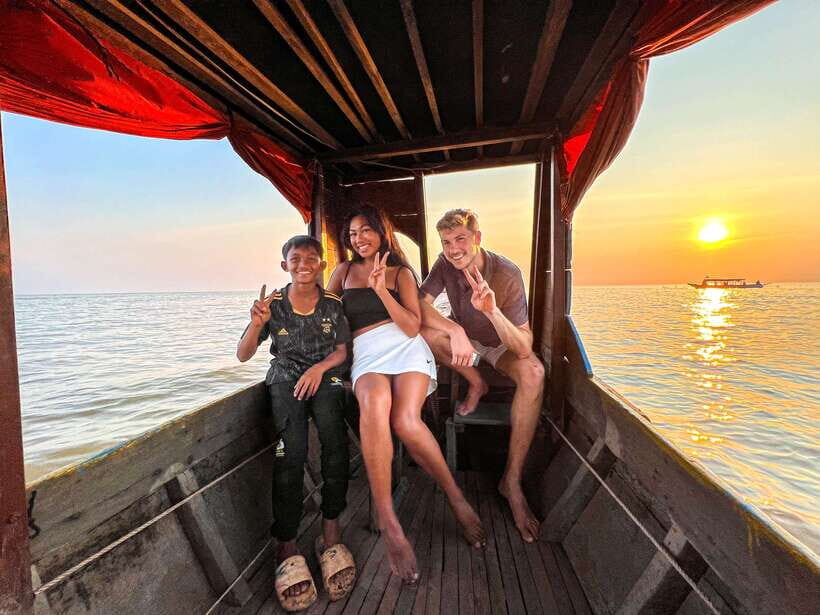
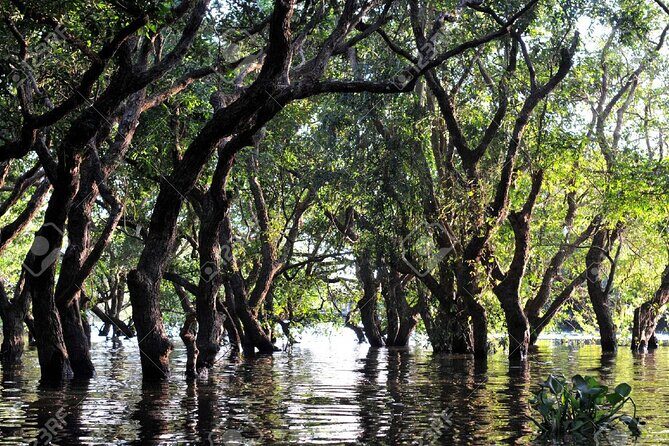
One of the nicest surprises built into this experience is the mangrove forest environment around the area. The plan calls out that the mangroves can be home to different species, including crab-eating macaques, and notes the village area has thousands of inhabitants.
This is a reminder that Tonle Sap isn’t only people and houses. It’s an ecosystem. When the water covers and recedes, it changes what’s available for fishing, what routes are easy, and how nature sits alongside daily work.
If you’re going camera-first, keep your lens handy but don’t freeze in place. Look for the patterns: water edges, boat access points, and how the mangrove areas define where people can travel.
And since you’re outdoors during part of the day, insect repellent is not optional if you’re insect-sensitive. Sunglasses and sunscreen matter too.
Buddhist monastery on an artificial island
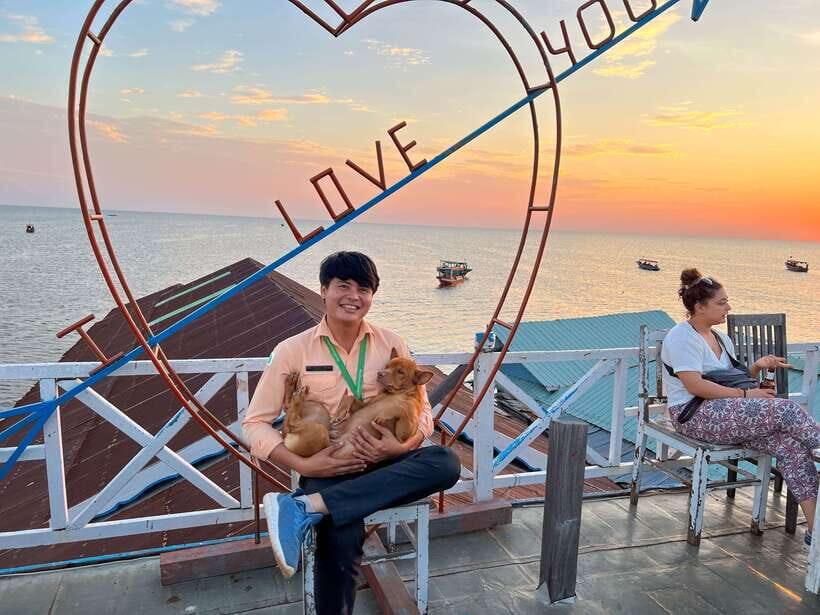
After the village area time, the tour includes a visit to a Buddhist monastery built on an artificial island. This makes the day feel less one-note. The village teaches you about livelihood; the monastery gives you a change of rhythm, a calmer visual, and an opportunity to reflect on how faith and daily life intertwine in Cambodian communities.
You’re not getting a long temple lecture here. It’s a structured stop that fits into the flow so you don’t miss the main lake highlight: the sunset.
If you’re someone who likes to understand symbols, ask your guide what you’re seeing and why this type of island build matters in a flood-and-lake environment. The monastery’s setting is part of the story.
Sunset on Tonle Sap Lake: timing, mood, and weather reality
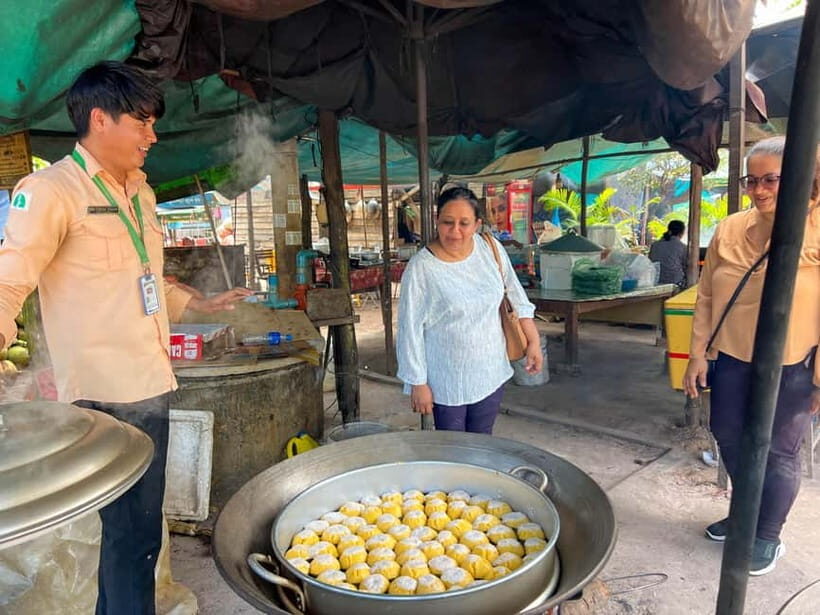
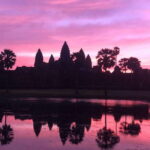
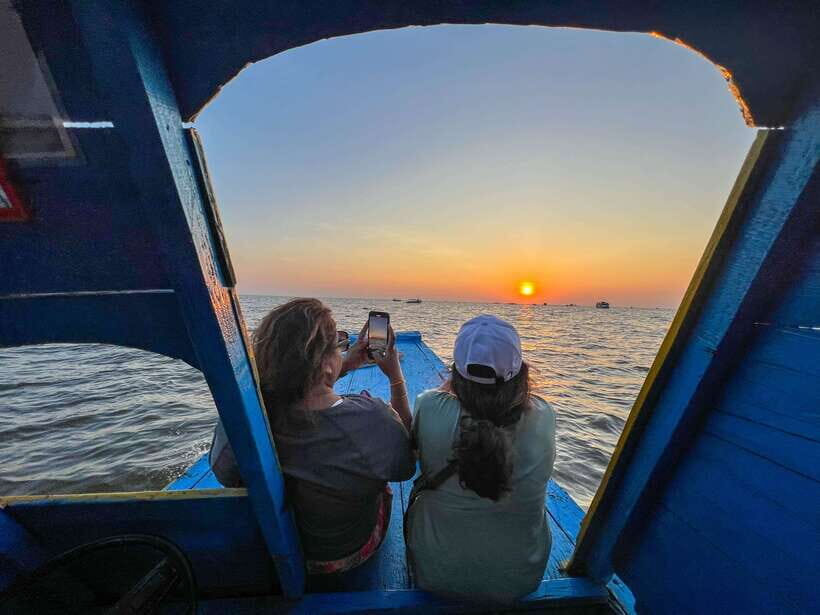
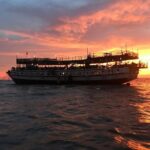
The main payoff is sunset on Tonle Sap Lake from a local boat. The lake is described as the largest in Southeast Asia, and the feeling changes fast as the sun drops—light turns gold, reflections sharpen, and the water looks wider than you expected.
In good conditions, you’ll get those classic sunset colors over open water. In less ideal conditions, don’t automatically cancel your mood. The sky can cloud over, and the guide may pivot to keep your experience meaningful. The idea is to treat the day as weather-aware rather than weather-dependent.
Plan for comfort: you’ll likely be outside and on a boat. Bring sunglasses, and wear clothes that you don’t mind getting a little dusty if the return drive gets bumpy. The tour provides bottled water, and several guides/drivers are known for keeping people refreshed during stops (cold water and fresh towels have shown up in feedback).
Photography tip that doesn’t require gear: take photos, then stop taking photos for a few minutes. Watch instead. The lake at sunset is one of those sights that gets better when you let the moment run without framing it.
Price and value: why $23 can make sense
At $23 per person for roughly a 5-hour experience, this tour stacks up well because most of the expensive parts are included. You’re paying for:
- transfers in an A/C vehicle from your hotel area
- a live English-speaking guide
- entrance fees plus a boat ride
- a bottle of water
What that means for you: you don’t have to figure out transportation timing or buy separate boat tickets that can cost more once you add coordination. Even if you don’t count entrance and boat as cash on hand, the savings come from reduced hassle and better pacing.
Is it the absolute cheapest option in Siem Reap? Probably not. But the value is less about being the cheapest and more about being straightforward: you know when you’re picked up, where you’re going, and what parts of the day matter most.
If you’re choosing between skipping the craft stop and doing only lake time, I’d still lean toward keeping SATCHA. It costs time, but it also adds context so the lake village feels like part of a bigger Cambodia story, not a standalone scene.
Who this tour suits best
This is a strong fit if:
- you have an afternoon free and want a break from temples
- you like local culture stops that include real making, not only shopping
- you want lake time that includes sunset rather than a short boat ride
- you prefer guided explanations in English
It may not be ideal if:
- you hate insects and aren’t willing to bring repellent
- you want minimal walking and zero outdoors time
- you need guaranteed postcard-perfect floating-village photos year-round (season affects what you’ll see)
Private group option is available too, which can be a good way to adjust pacing if you’re traveling as a family or small group.
Quick booking checklist before you go
You already have the tour plan, so here’s what will make your day smoother:
- Bring insect repellent and sunscreen (this is an outdoor-heavy afternoon)
- Wear comfortable clothes for walking and a little dust
- Pack sunglasses
- If you’re sensitive to weather, be ready for overcast skies and keep a flexible attitude
And when you get picked up, look for your guide and driver holding a sign with your last name. That detail saves time and avoids the usual start-of-tour scramble.
Should you book Tonle Sap Sunset Boat Cruise with transfers?
I’d book it if you want a Siem Reap experience that’s easy to run logistically and still feels grounded in real life. The combination of SATCHA craft time plus Kampong Phluk village exploration plus a Tonle Sap sunset cruise is exactly the kind of “structured but not rigid” outing that works well when you’re juggling multiple priorities in one trip.
Skip it only if you’re looking for a purely luxury, low-contact experience with no outdoor rough edges. This tour is about the lake, the people, and the environment around them. You’ll get sunset, yes—but you’ll also get daily life, water-level reality, and a sense of how communities adapt.
FAQ
What time is pickup in Siem Reap?
Pickup is at 2:30 pm from your hotel in Siem Reap Province (Krong Siem Reap area).
How long is the tour?
The total duration is 5 hours, though exact starting times can vary by availability.
What happens at the first stop in the afternoon?
You visit សច្ចៈ – Satcha Café for about 45 minutes, including an arts and crafts market visit and workshop time.
How much of the experience is on water?
You’ll take a local boat from the lake port to explore the Kampong Phluk area, and you’ll also enjoy a boat ride on Tonle Sap Lake for the sunset (1.5 hours for the boat cruise/sunset portion).
Is the tour guide available in English?
Yes, the live tour guide provides the tour in English.
Is dinner included?
No, dinner or drinks are not included.
What should I bring for the tour?
Bring comfortable clothes, insect repellent, sunscreen, and sunglasses.