REVIEW · SIEM REAP
3 day private tour: Angkor,waterfall,Beng Mealea,floating village,Banteay srei.
Book on Viator →Operated by Angkor Special Tours · Bookable on Viator
Angkor feels different when the light is early. This 3-day private tour is built around sunrise timing, plus a tight mix of famous and off-the-main-circuit temples. I love how the day plans put you in position to see the major stone faces of Angkor without feeling stuck watching crowds first.
What I liked most: the tour is truly private, and the guides (like Pin Vannak, Thean, and Han Hiek) are the reason it feels personal instead of rushed. One drawback to plan for: Angkor entrance tickets are not included, and Kulen Mountain has its own $20 per person ticket you pay yourself, on top of the early starts (including a 4:45 AM pickup for sunrise).
In This Review
- Key highlights I’d circle on your Siem Reap map
- Private 3 Days Around Angkor: What You Really Get (and Why It Works)
- Day 1: Angkor Wat and Angkor Thom Gate to Bayon Faces
- Angkor Thom Gate and Bayon Temple
- Baphoun, Piminakas, and the Royal-Palace layout feel
- Ta Keo and the “hard lines” of Hindu stone
- The jungle-temple note (Ta Prohm-style roots)
- Day 2: Sunrise, Jungle Sanctuaries, and Banteay Srei’s Pink-Carving Detail
- Preah Khan and Neak Pean: sacred spaces in the green
- Ta Som: the Buddha face meets tree roots
- East Mebon and Pre Rup: older brick tones and viewpoint energy
- Banteay Srei, the Pink Lady center of gravity
- Day 3: Kulen Mountain’s Holy River Stops, Waterfall Swim, and Tonle Sap Floating Life
- Kulen Mountain: sacred mountain and the Tomb Raider connection
- Holy River and the 1000 Lingas
- The reclining Buddha
- Waterfall swim: refreshing, but bring your own judgment
- Off-the-main-circuit jungle temple: Beng Mealea
- Tonle Sap floating village: learn a new rhythm of Cambodia
- Guides Matter Here: What I’d Ask for from Pin Vannak, Thean, or Han Hiek
- Price and Value: $385 Per Group with Tickets Not Included
- What to Pack and Expect for Heat, Walking, and Swimming
- Who This Tour Fits Best (and Who Should Rethink It)
- Should You Book This 3-Day Angkor + Tonle Sap Private Tour?
- FAQ
- What is the price for this private 3-day tour?
- Is the Angkor ticket included?
- How much is the Kulen Mountain ticket?
- What time does the tour start on day one?
- What time does sunrise at Angkor Wat happen?
- Are meals included?
- What is included in the tour cost?
- Is pickup from your hotel included?
- Does the tour include floating village experiences on Tonle Sap?
- How physically demanding is the tour?
Key highlights I’d circle on your Siem Reap map
- Angkor sunrise logistics handled for you with hotel pickup and timed temple routes
- Banteay Srei (Pink Lady) carvings are the centerpiece of day two
- Jungle-temple textures like Ta Som tree-root details and Ta Prohm-style visuals
- Kulen Mountain full experience including holy river 1000 Lingas and a reclining Buddha viewpoint
- Tonle Sap by boat for floating village life, students rowing, monks worshiping, and markets on water
- Cool drinks/water and towels included, which matters in Siem Reap heat
Private 3 Days Around Angkor: What You Really Get (and Why It Works)
This tour is priced as a private group experience (up to 6 people) in a single A/C vehicle with an English-speaking guide. That combination matters in Angkor and beyond, where the distance between sites is only half the problem. The other half is timing: you want the right light, the right order, and enough flexibility to see without sprinting.
I also like that you’re not just checking boxes. The itinerary includes temple types that feel different from each other—city gates and major Hindu-Buddhist sites, smaller brick temples, and then the jungle and mountain world. On top of that, the tour adds Tonle Sap by boat, which gives your trip a “Cambodia beyond Angkor” ending instead of a stone-only story.
The practical tradeoff is early mornings. You’ll start at 8:00 AM on day one, but day two begins very early (a 4:45 AM pickup) for sunrise at Angkor Wat. Day three is also a full day, with a mountain ticket you pay separately and a swim at the waterfall if you’re game.
You can also read our reviews of more private tours in Siem Reap
Day 1: Angkor Wat and Angkor Thom Gate to Bayon Faces
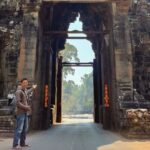
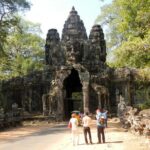
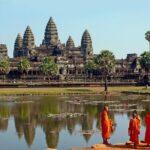
Day one starts with hotel pickup at 8:00 AM, and it’s all about transitioning from the big, iconic Angkor Wat area into the heart of Angkor Thom. The first jaw-drop moment is the Angkor Thom Gate—huge carved stonework featuring Buddha and Asura figures on the way in. It sets the tone fast: this place wasn’t designed for casual wandering.
Angkor Thom Gate and Bayon Temple
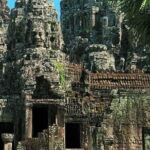
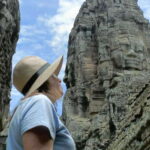
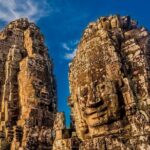
Bayon Temple is the emotional center of the Angkor Thom circuit. This is where you’ll see the many carved Buddha faces—massive, expression-filled stone heads that make you feel like the temple is watching you back. I like this stop because you can keep changing angles while the faces stay central; it never feels flat.
If you’re paying attention to details, Bayon isn’t just a photo stop. The size and repetition of the faces are the message: Buddhist royal power shown through stone, not speeches. Your guide can help you connect what you’re seeing to what the temple meant.
Baphoun, Piminakas, and the Royal-Palace layout feel
After Bayon, you move into the inner temple cluster. Stops include:
- Baphoun Temple (a Hindu temple built earlier than Bayon, connected to the Khmer era timeline)
- Piminakas Temple in the former royal palace area
- Terrace of the Elephants, plus Suprat Temple view
- Terrace of the Leper King
These are the kinds of stops where a guide earns their keep. Without context, they can blur together. With context, you start noticing how the royal architecture and religious symbolism are layered across the terraces and viewpoints.
Ta Keo and the “hard lines” of Hindu stone
Ta Keo is a huge Hindu temple. It feels more severe than the smiling faces of Bayon—more geometric, more focused on structure and verticality. This is a good balance after the dense carved gateways and terraces, and it helps break up the day into different “moods.”
A few more Siem Reap tours and experiences worth a look
The jungle-temple note (Ta Prohm-style roots)
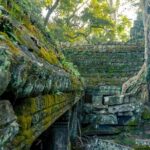
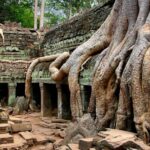
Your broader tour scope includes a jungle temple experience like Ta Prohm, known for giant roots climbing through the stone. Even if your exact route is adjusted, this is one of those Angkor moments where the visual tells you something: nature is not a background here; it’s part of the story.
Day 2: Sunrise, Jungle Sanctuaries, and Banteay Srei’s Pink-Carving Detail
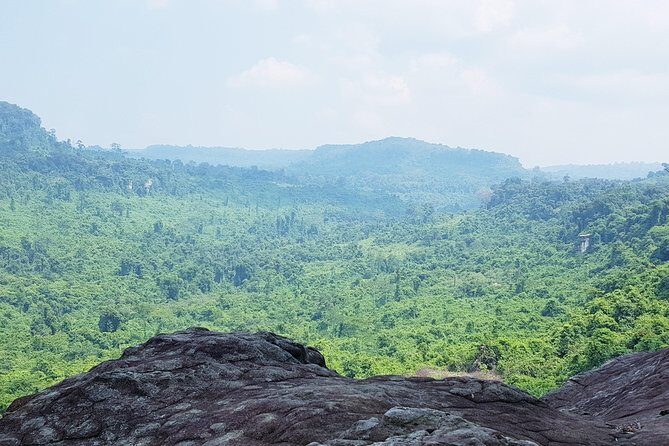
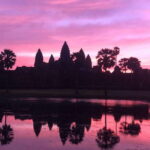
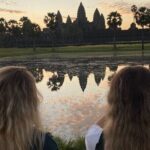
Day two is where the trip sharpens into “artwork” mode. You’ll meet your guide very early at 4:45 AM to catch sunrise at Angkor Wat, and you’ll get a packed breakfast. This start is not subtle. If you hate mornings, plan to treat the rest of the day as recovery time instead of a second adrenaline run.
Preah Khan and Neak Pean: sacred spaces in the green
After sunrise, the route moves into temple sanctuaries with a jungle feel:
- Preah Khan Temple, described as a sacred sanctuary hidden deep in the jungle
- Neak Pean Temple, built in the middle of a man-made lake, surrounded by huge freshwater
These stops work well on a private tour because you can slow down. You’re not only looking at stone; you’re noticing how the temple sits in a specific setting—stone and water, carvings and greenery.
Ta Som: the Buddha face meets tree roots
Then comes Ta Som, famous for giant tree roots growing on a Buddha face. This is exactly the kind of detail that makes your photos better. Instead of aiming at the entire temple, you start framing around the root pattern and the face it’s gripping. It’s both eerie and beautiful in a very grounded, real way.
East Mebon and Pre Rup: older brick tones and viewpoint energy
You’ll also visit:
- East Mebon, a pre-Angkor Wat temple built from brick in the middle of a dry man-made lake
- Pre Rup, another major viewpoint-style temple stop
East Mebon’s “dry lake” idea is a strong contrast to Neak Pean’s water setting. That switch helps your brain reset: you’re not seeing the same waterlogged vibe again and again—you’re seeing how Khmer engineering shaped religious space.
Banteay Srei, the Pink Lady center of gravity
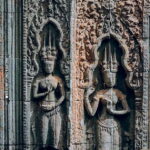
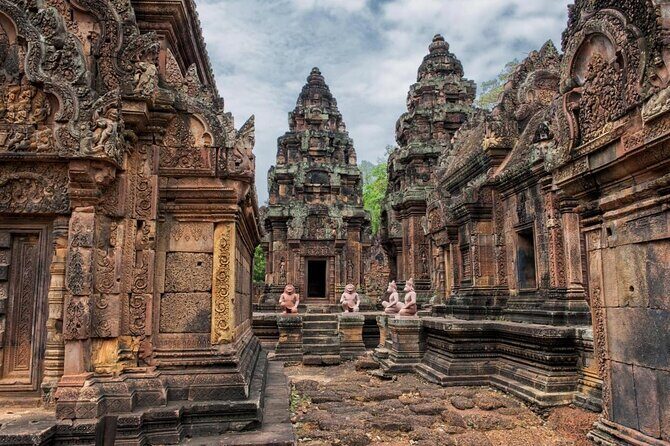
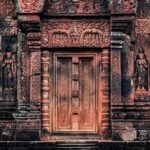
Day two ends with Banteay Srei (often called the Pink Lady). The tour is clear about what makes it special: it’s older than Angkor Wat and renowned for some of the best temple carvings in the world, and among the best in Cambodia.
Here’s the practical takeaway: Banteay Srei rewards close attention. Carvings are intricate, and the temple doesn’t feel like a “walk in and out” site. You’ll want time for slow looking. On a private tour, you’re not forced to follow a herd pace, so you can actually appreciate the stonework.
Day 3: Kulen Mountain’s Holy River Stops, Waterfall Swim, and Tonle Sap Floating Life
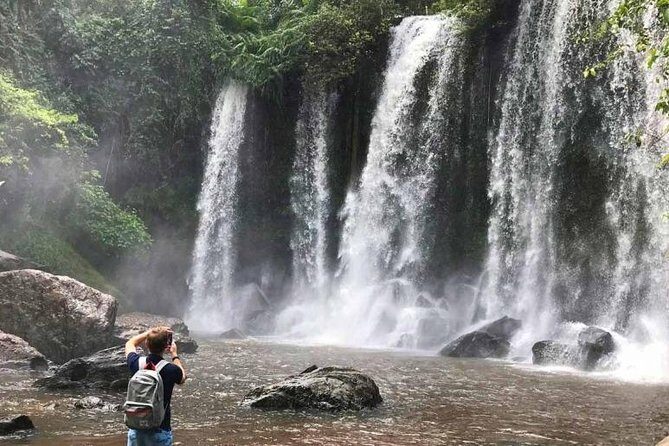
Day three begins at 8:00 AM pickup. The first big component is Kulen Mountain National Park. Your guide will assist you in buying tickets for Kulen Mountain (you pay $20 per person). This ticket detail matters because it’s separate from Angkor-related admissions.
Kulen Mountain: sacred mountain and the Tomb Raider connection
Kulen Mountain is described as one of Cambodia’s most sacred mountains. It also connects to Khmer history as a former capital area, and it has a pop-culture hook: it’s one of the places where Tomb Raider was filmed.
If you enjoy mixing film locations with real archaeology, this stop is a smart way to keep your interest level up. You’re not just walking stone paths—you’re connecting media stories to a place that has its own spiritual importance.
Holy River and the 1000 Lingas
On Kulen, you’ll see the 1000 Lingas on the Holy River. This is one of those scenes where the scale is hard to grasp until you’re actually there. It’s also a good moment to understand how Hindu symbolism appears in Khmer religious space, even when Buddhism is also everywhere in the Angkor world.
The reclining Buddha
You’ll also visit the big reclining Buddha on top of the mountain. Viewpoints like this tend to give you the “big picture” feeling, but I like them even more when the guide tells you what the posture and placement mean in context. It turns a photo moment into a meaning moment.
Waterfall swim: refreshing, but bring your own judgment
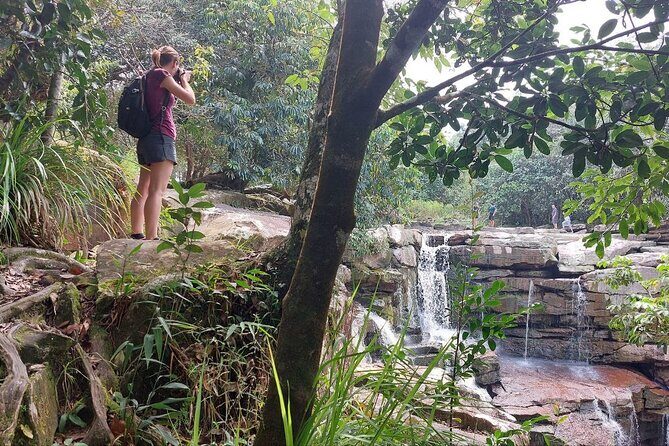
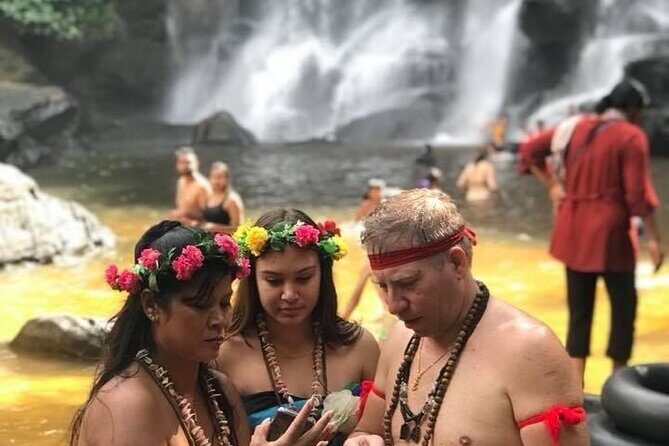
Part of the experience includes swimming in a cool waterfall. Since you’ll be in a natural setting, you’ll want to use common sense: swim only if you feel comfortable, watch footing, and treat it as a fun break, not a stunt.
Off-the-main-circuit jungle temple: Beng Mealea
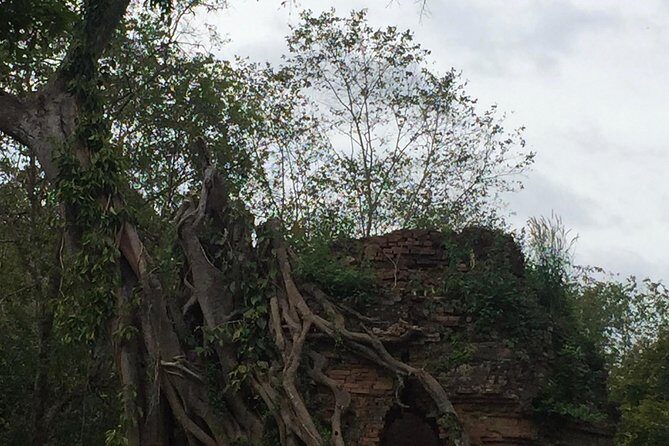
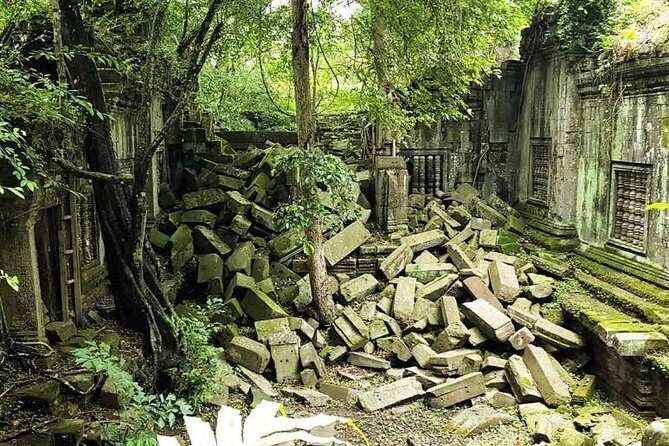
Your tour scope also includes Beng Mealea, a temple nestled in the jungle. This is a nice counterbalance to the heavily restored and highly managed Angkor complex. Beng Mealea tends to feel more raw and broken-in, which can make the atmosphere feel more intimate.
Tonle Sap floating village: learn a new rhythm of Cambodia
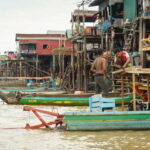
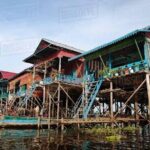
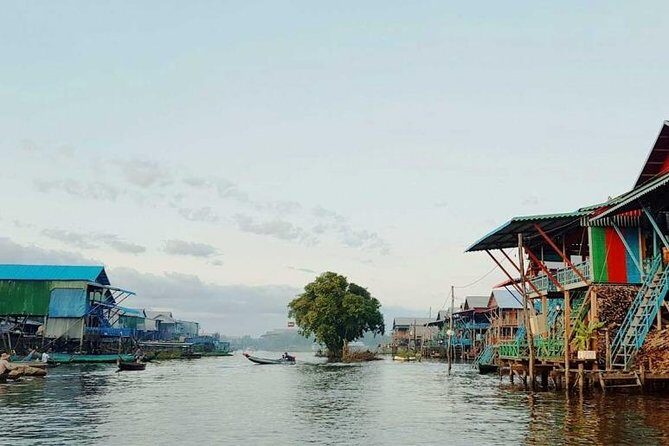
The tour then shifts toward Tonle Sap for the floating village experience. Expect multiple parts of the water-world life, including:
- floating houses and daily routines on the water
- floating market activity
- students rowing boats to school
- monks worshiping in a temple
- vendors selling wares by boat
- flooded forest experience
I like Tonle Sap because it changes your understanding of “Cambodia” in a single afternoon. Instead of temples as the whole storyline, you see how people live with the water’s movement—housing on stilts, learning by boat, and community built around the river itself.
The practical win is that this isn’t just a scenic stop. It’s a cultural snapshot with moving parts, so it feels like you’re watching real life, not standing still for a single landmark.
Guides Matter Here: What I’d Ask for from Pin Vannak, Thean, or Han Hiek
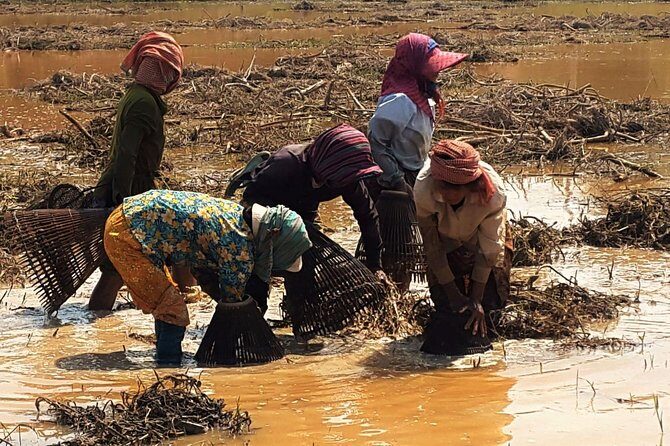
The guides named in your tour history—Pin Vannak, Thean, and Han Hiek (also listed simply as Hiek)—show up again and again for a reason. People emphasize not just facts, but how the guide shapes the experience.
One pattern I see from their typical style is adjustment. The tour can be tailored to energy level, which is huge in a place where you can burn out fast. It also helps with pacing around sunrise and the “long walk between highlights” problem.
Another practical element: guides help with timing for photos. Some guides are known for guiding you to take trickier pictures that use temple angles and light directions. Even if you’re not chasing perfect shots, that kind of guidance helps you walk away with better memories instead of only general snapshots.
If you’re picky about temple details—what’s Hindu, what’s Buddhist, why a terrace matters—this is where having a strong guide really pays off.
Price and Value: $385 Per Group with Tickets Not Included
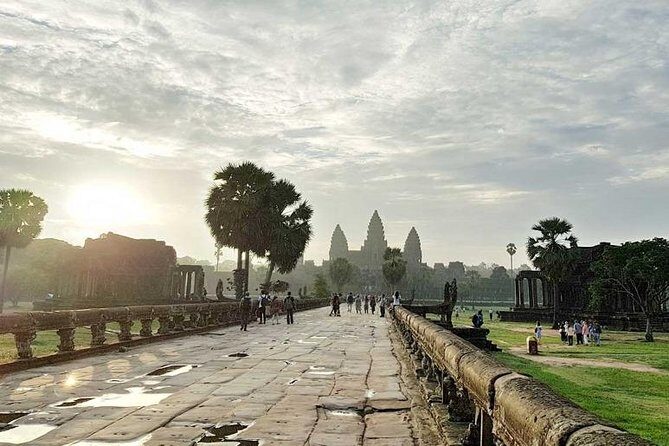
At $385 per group (up to 6 people) for 3 days, this is a fair price when you’re comparing it to the cost of separate guides, separate vehicles, and the time cost of DIY logistics. You’re paying for a private car, an A/C vehicle, parking fees, gas, water and towels, and an English-speaking guide.
But here’s the key value equation: your biggest extra costs are not covered.
- Meals are not included
- Angkor tickets are not included, and you’ll need to cover the Angkor admission cost based on the working itinerary
- Kulen Mountain ticket is $20 per person (you pay this separately)
So the real question is how you’ll manage admissions and whether you want to spend your limited time in Cambodia organizing tickets at the right moment. If you hate planning and want everything coordinated early, the package makes sense.
If you travel light and already plan to buy your own tickets and hire day guides only when needed, you might spend less overall. Still, you may pay for that savings with stress and less precise timing.
What to Pack and Expect for Heat, Walking, and Swimming
Even with a private car and A/C breaks, this is temple touring. You’ll spend a lot of hours on your feet, plus there’s a day with a waterfall swim.
I’d plan for:
- comfortable walking shoes with grip
- breathable clothing that works for temples
- sun protection
- a swim-ready option if you want to use the waterfall time
Since cool drinks/water and towels are included, you don’t need to solve hydration. You just need to survive the sun and the walking without making the day about pain.
Who This Tour Fits Best (and Who Should Rethink It)
This is a great fit if you want:
- a private guide who can explain what you’re seeing
- strong temple variety in 3 days (including jungle settings and detailed carving stops)
- a finale that includes Tonle Sap floating village life, not only Angkor
It’s also a strong choice for couples and small families who’d rather control the pace. If your group has different energy levels, the ability to adjust pacing is a real advantage.
The main “rethink” situation is if you’re not okay with early mornings. Day two’s 4:45 AM start for sunrise at Angkor Wat is the kind of thing that can ruin a trip if you’re not prepared.
Also, the tour notes call for moderate physical fitness. Most of it is walking, but you’ll still be glad you can handle long days.
Should You Book This 3-Day Angkor + Tonle Sap Private Tour?
I’d book it if your goal is to see Angkor without turning your days into logistics puzzles. The private setup, A/C transport, and guide names tied to strong ratings suggest you’ll get a more thoughtful experience than a basic car-and-driver rental.
I’d hesitate only if you’re trying to keep total costs ultra-low, because Angkor admissions and the Kulen $20 per person ticket will add on. I’d also hesitate if you know you’ll feel miserable with a very early sunrise wake-up call.
If you can handle that, this trip gives you a rare mix: major Angkor architecture, detailed carving focus at Banteay Srei, jungle-temple atmospheres, and then Tonle Sap floating village life that changes how you understand the region.
FAQ
What is the price for this private 3-day tour?
The tour is priced at $385 per group, for up to 6 people.
Is the Angkor ticket included?
No. Angkor tickets are not included. The tour notes say to check the Angkor ticket price as part of the itinerary.
How much is the Kulen Mountain ticket?
Kulen Mountain tickets cost $20 per person, and you pay this cost yourself. Your guide helps you buy the ticket.
What time does the tour start on day one?
Your guide meets you at your hotel lobby at 8:00 AM on day one.
What time does sunrise at Angkor Wat happen?
You’re picked up very early at 4:45 AM on day two to see the Angkor Wat sunrise.
Are meals included?
No. Meals are not included. Day two includes a packed breakfast before sunrise activities.
What is included in the tour cost?
Included items are an English-speaking tour guide, A/C vehicle, car parking fees, gasoline, cool drinks/water, and towels.
Is pickup from your hotel included?
Yes. Pickup is offered, and the guide meets you in your hotel lobby.
Does the tour include floating village experiences on Tonle Sap?
Yes. The tour includes a floating village experience in Tonle Sap, plus related flooded forest, floating houses, and a floating market.
How physically demanding is the tour?
The tour suggests a moderate physical fitness level. It also includes a waterfall swim option on Kulen Mountain, which may not suit everyone.