REVIEW · SIEM REAP
Angkor Wat 1 Day with Sunrise Combined tour with (Tuk Tuk)
Book on GetYourGuide →Operated by Angkor Wat Private Tour · Bookable on GetYourGuide
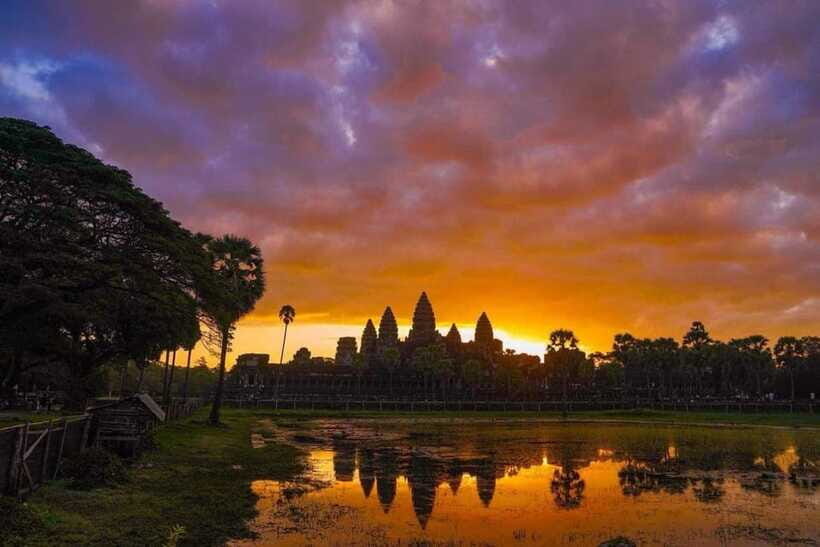
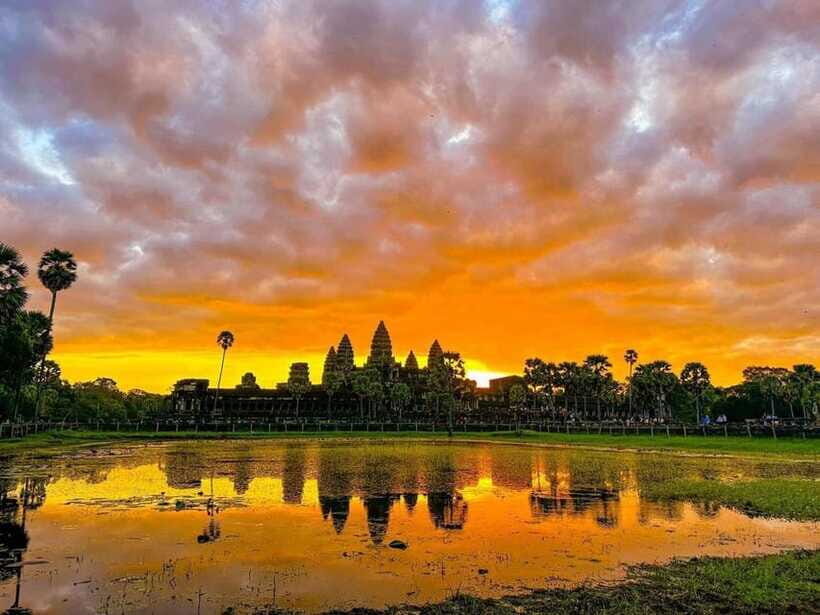
You start in the dark, then the temples glow. This Angkor Wat sunrise day turns a super-early morning into real sightseeing time, with an English-speaking tuk tuk driver and a calm window to see the monuments before the crowds swell.
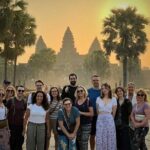
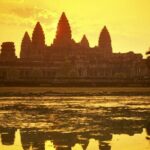
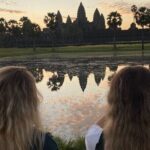
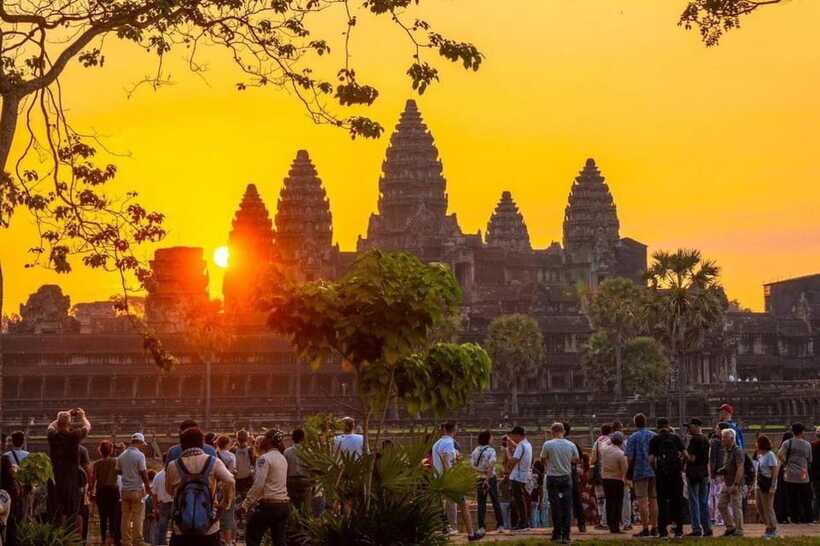
I especially like the sunrise over Angkor Wat, because it’s the kind of moment that makes the whole Angkor complex feel personal, not just photographed.
The other thing I really like is the pace: you’re not dumped into a sprint. With an English-speaking driver (often people like Indra or Makara), you get temple context, photo guidance, and cold water after each stop, plus time to wander. One consideration: the start is very early and the temple ticket fee and meals are not included, so your real day budget is more than the base tour price.
In This Review
- Key highlights to know before you go
- Why this 1-day sunrise tuk tuk plan works
- The 4:45 AM pickup and what you should do with breakfast boxes
- Angkor Wat sunrise: how to get the most out of that early light
- After sunrise: exploring at your own pace until late morning
- Angkor Thom via South Gate (Tonle Om Gate): the entry you don’t want to skip
- Bayon, Baphuon, Phimeanakas: what each stop is really about
- Bayon
- Baphuon
- Phimeanakas
- Terrace of the Elephants and Terrace of the Leper King
- Thommanon, Chau Say Tevoda, Ta Keo: keep the day moving without losing the plot
- Thommanon
- Chau Say Tevoda
- Ta Keo
- Lunch near the temples: timing, cost, and what to expect
- Ta Prohm and Banteay Kdei: the last stretch that feels like bonus time
- Ta Prohm
- Banteay Kdei
- The English-speaking tuk tuk driver: where the value is
- Price and value: what $12 covers and what you should budget
- What to bring so the day feels easy
- Should you book this Angkor Wat sunrise tuk tuk day?
- FAQ
- What time does the Angkor Wat sunrise tour start?
- Is the Angkor Wat temple pass included?
- Does the tour include meals and how much should I expect to pay for lunch?
- How long will I spend at each main temple area?
- What transportation do I use during the day?
- What should I bring for comfort in the heat?
- Are drones allowed?
Key highlights to know before you go
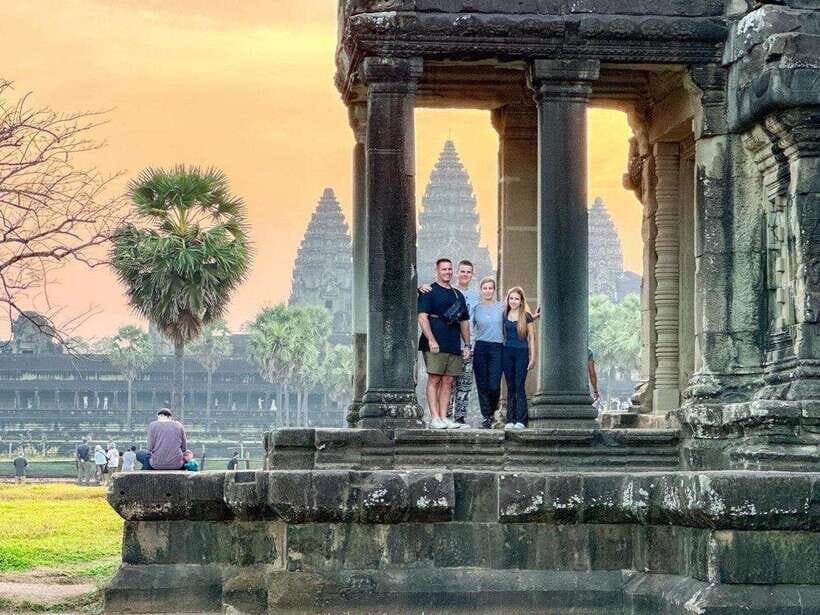
- Sunrise timing that beats the biggest rush at Angkor Wat
- An English-speaking tuk tuk driver who explains what you’re seeing
- Flexibility on the day if you want more time, different temples, or to shorten the route
- Cold drinking water at stops to make the heat more manageable
- A well-shaped itinerary that mixes big icons with smaller, calmer temples
Why this 1-day sunrise tuk tuk plan works
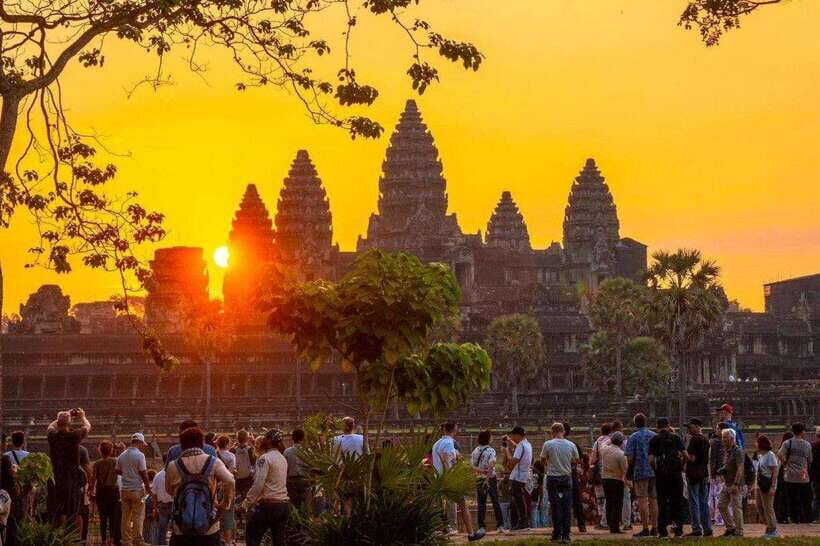
Angkor Wat at sunrise isn’t just a box to tick. You’re walking through one of the world’s most recognizable temple silhouettes when the light is soft and the heat hasn’t arrived yet. And because the day starts early, you get a real chance to look up, step back, and notice details that you miss when you arrive mid-morning.
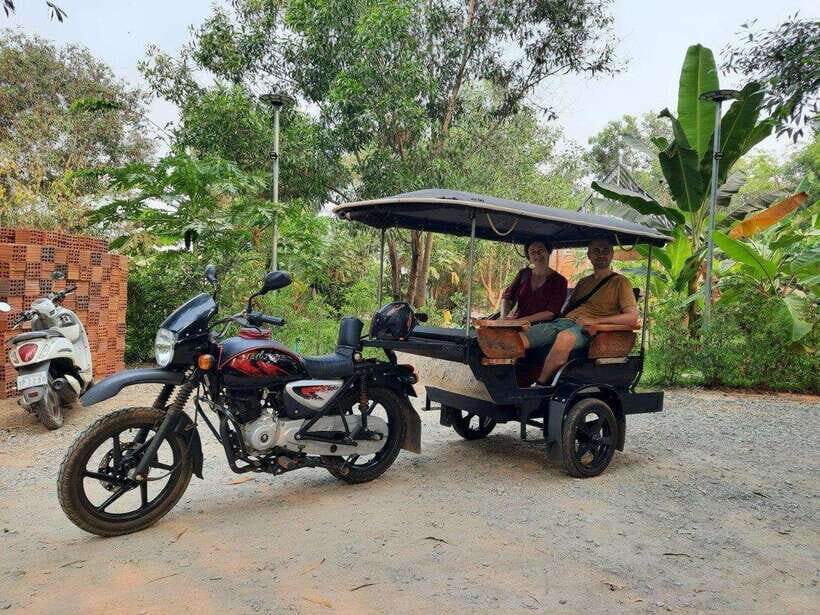
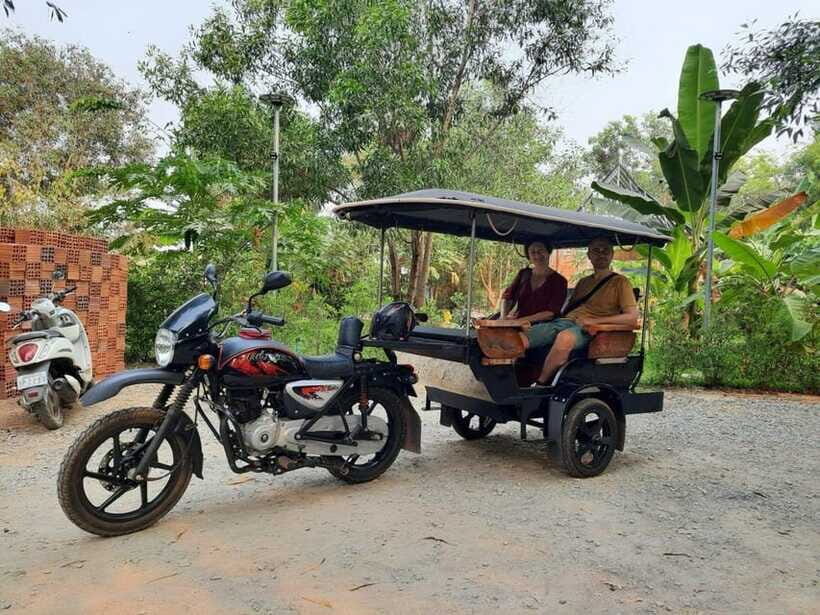
What makes this tour feel practical is the format. You’re riding a tuk tuk with a driver who communicates in English and stays close to your group’s needs, from picking you up on time to waiting for you between temple stops. Then you drop back into the temple circuits again after the initial sunrise crowd thins out.
A few more Siem Reap tours and experiences worth a look
The 4:45 AM pickup and what you should do with breakfast boxes
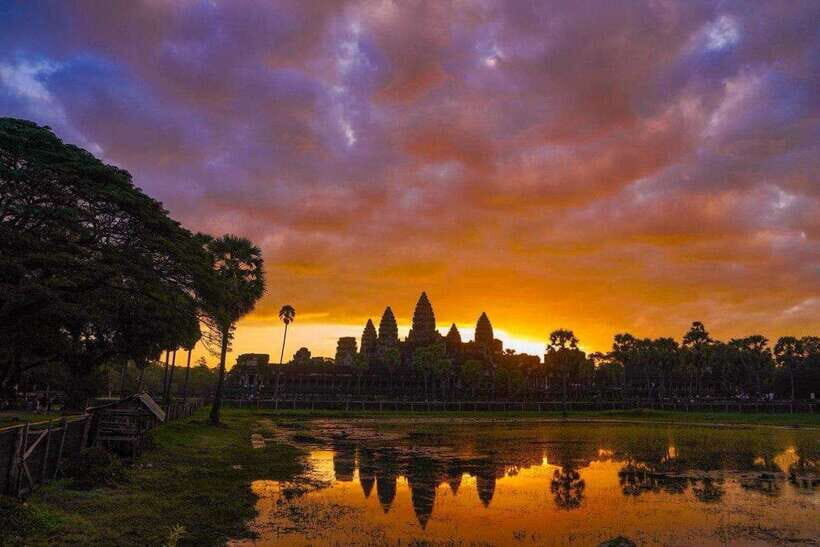
Plan for an early alarm: the tour suggests starting around 04:45 AM. Your English-speaking tuk tuk driver picks you up from your hotel, then you’ll head toward getting your temple pass before you settle into the sunrise viewing.
One smart tip: many hotels offer breakfast boxes, and the plan works well if you request yours in advance. If you can grab the box, you can eat during or right after the sunrise visit, when it’s still cool enough to enjoy food instead of chugging it in desperation later.
After sunrise, you follow the flow of the day—enjoy the views while crowds are still manageable, then keep exploring once the biggest rush moves on. The schedule described here expects you to be back around 08:00 AM at the parking area.
Angkor Wat sunrise: how to get the most out of that early light
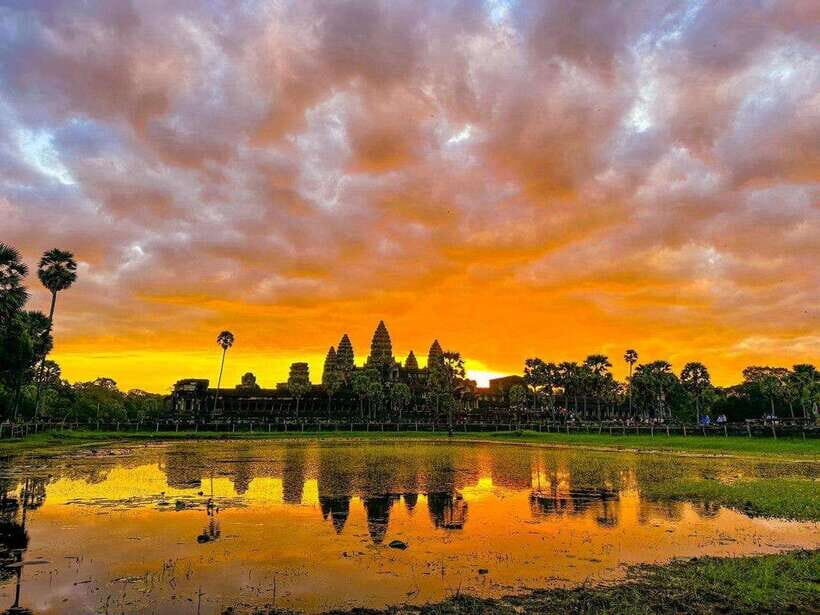
Angkor Wat sunrise is the headline, but you’ll get more from it if you know what you’re trying to see. The early hours are ideal for:
- Watching the tower and central structure change as the sky brightens
- Taking photos without shoulder-to-shoulder pressure
- Getting your bearings fast before foot traffic intensifies
You’ll also want to expect small surprises like monkeys. They’re part of the atmosphere around Angkor, so don’t be shocked if you see them near pathways.
If you care about photos, this is where the driver’s help can matter. Several drivers in this setup are known for pointing out where to stand for pictures and helping you avoid time-wasting backtracking. Even if you already know Angkor Wat well, that kind of “where to look from” guidance saves stress.
After sunrise: exploring at your own pace until late morning
Here’s a nice rhythm in this plan. Once the sunrise part finishes, the itinerary is designed so you can continue exploring instead of immediately jumping into another rushed checklist.
By around 08:00 AM, you return to the parking area and the driver waits. Then you move to a nearby local restaurant for breakfast. This is a good moment to slow down, drink water, and plan your energy for the heat that usually builds later.
Angkor Thom via South Gate (Tonle Om Gate): the entry you don’t want to skip
After breakfast, your personal driver takes you toward South Gate of Angkor Thom, also called Tonle Om Gate. Expect about 15 to 20 minutes here, which is enough time to take in the approach and set the tone for the bigger Angkor Thom circuit.
This entrance matters because it’s your transition point from one famous icon to a whole neighborhood of temple architecture and royal symbolism. The gate area is also a useful time to recalibrate: check water, check your shoes, and decide which carvings you want to study closer once you’re inside the main area.
A few more Siem Reap tours and experiences worth a look
Bayon, Baphuon, Phimeanakas: what each stop is really about
Once you’re in the central Angkor Thom area, the plan includes several key temples. The schedule aims to cover major structures while still giving time to look rather than just pass through.
Bayon
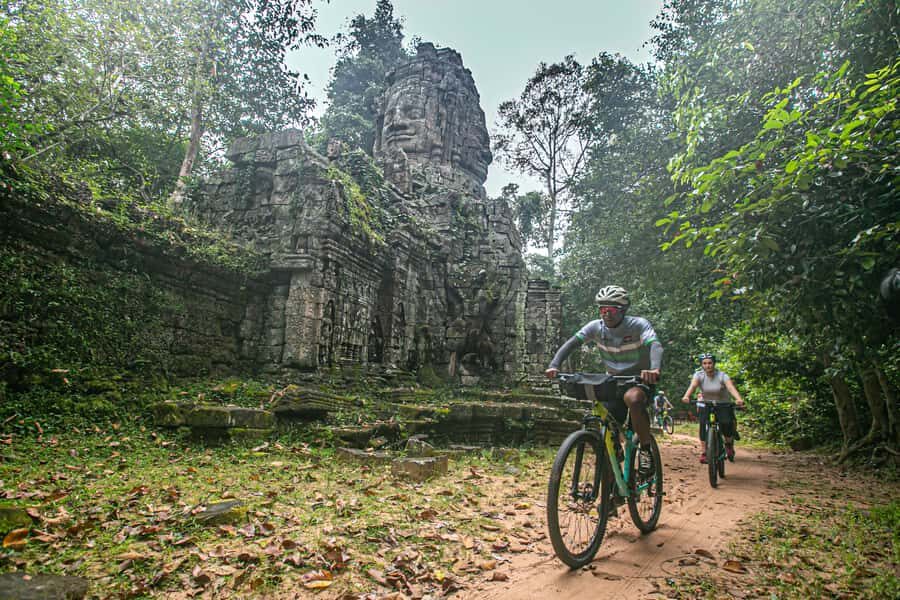
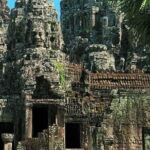
Bayon is the standout for many people because it was built as a state temple by King Jayavarman VII. It’s known for Buddhist worship focus during the late 12th to early 13th century, so when you look around, try to connect what you see with that shift in spiritual focus.
Baphuon
Baphuon is dedicated to the Hindu god Shiva and is linked to King Udayadityavarman II in the mid-11th century. It helps you see how Angkor’s religious design changed across time, even within the same larger complex.
Phimeanakas
Phimeanakas comes from the late 10th century under Rajendravarman, also tied to Shiva worship. It’s one of those places where a short explanation from your driver helps you notice symbols faster, instead of just admiring the stone.
Terrace of the Elephants and Terrace of the Leper King
These are described as part of the same central block. The Terrace of the Elephants was used by Jayavarman VII as a platform to view a victorious army returning. The Terrace of the Leper King is built in the Bayon style and is associated with Jayavarman VII’s era.
If you enjoy architecture details, these terraces are great because you can slow down and look. The trick is not to rush them—take a few minutes per spot to scan carvings, not just snap a single wide photo.
Thommanon, Chau Say Tevoda, Ta Keo: keep the day moving without losing the plot
After the central Angkor Thom area, the tour continues toward more temples that keep the story moving.
Thommanon
Thommanon includes Hindu temples built during the reign of Suryavarman II. This helps you connect the dots between different reigns and how temple styles and purposes shift.
Chau Say Tevoda
Chau Say Tevoda sits south of Thommanon across the Victory Way, built in the mid-12th century. The key here is to treat it as a follow-on chapter, not just another stop. If you listen for the driver’s context, the group structure of the city becomes clearer.
Ta Keo
Ta Keo is a temple-mountain and is described as possibly the first in the Khmer Empire built entirely of sandstone. It was the state temple of Jayavarman V in the 10th century and connected to Shiva.
This part of the itinerary can feel like a “power walk” in heat, so keep your pace honest. If you need a break, take it. You’re in control of your walking comfort, and your driver can usually adjust based on how you feel.
Lunch near the temples: timing, cost, and what to expect
Lunch is planned after these mid-day temple blocks, around the early afternoon window. The driver brings you to a local restaurant near the temples, and you can choose outdoor seating or an air-conditioned room.
The stated meal price range is about $6 to $8 per plate, which is reasonable for Cambodia. Still, one practical note: some drivers may choose restaurants that feel a bit higher than this range depending on availability and your exact stop location. Either way, it’s a good time to refill water and slow your pace before the final temple stretch.
Ta Prohm and Banteay Kdei: the last stretch that feels like bonus time
In the late part of the day, you’ll hit two big end pieces: Ta Prohm and Banteay Kdei.
Ta Prohm
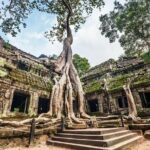
Ta Prohm is often called the Tomb Raider Temple or Angelina Jolie Temple because of its film connection. But even if that’s your first association, this is still very much about the architecture and the way nature and stone share the space.
It’s also a great place to test your camera settings. In many light conditions, this temple can look totally different than at Angkor Wat sunrise—so don’t assume you already “got the look.”
Banteay Kdei
Banteay Kdei is described as a “Citadel of Chambers,” built from the mid-12th to early 13th centuries during Jayavarman VII’s reign. It’s a strong choice for the final portion because it often feels calmer than the most iconic photo magnets, giving you room to breathe.
The itinerary is generally set to finish around 02:30 PM to 03:00 PM, then you’ll return to your hotel. If you want, you can request a drop-off in the city instead.
The English-speaking tuk tuk driver: where the value is
A tour like this lives or dies on the driver. Here, the best reviews and experience notes point to a few consistent strengths.
First, the English level is a big deal. Your driver isn’t just transporting you; they’re explaining what you’re seeing at each stop and connecting it to Khmer civilization and lost-kingdom context. That makes the carvings, towers, and layout stop feeling random.
Second, there’s real attention to comfort details. Cold water is provided repeatedly, and toilet breaks are handled as part of the flow, not treated like an emergency. If your phone battery is low or you lose connectivity, the driver staying reachable is also part of the experience pattern.
Third, the day can be adjusted. If you’re hungry, want fewer stops, or need to shorten the schedule due to heat, you can typically coordinate without feeling like you’ll be punished for changing plans. That flexibility is worth real money because Angkor days can turn fast from fun to exhausting.
Price and value: what $12 covers and what you should budget
The tour price is listed as $12 per person, and what you get for that is the entire transportation setup: hotel pickup and drop-off, a personal English-speaking tuk tuk driver, the tuk tuk vehicle, gasoline, parking, and cold pure drinking water.
What’s not included is key: temple ticket fee and meals (plus personal expenses). In other words, your total spending will mostly come from the pass and the lunch you choose.
In value terms, this setup is a good match if you want:
- a private, English-speaking driver rather than a big group guide
- flexibility to linger at one temple or shift priorities
- sunrise without having to coordinate transport on your own
If you don’t care about explanations and just want quick access, you may be able to do it cheaper with DIY transport. But if you want less stress and more context in one day, the private tuk tuk model here is hard to beat for the money.
What to bring so the day feels easy
This kind of day starts early and ends hot. Pack for comfort:
- Comfortable shoes (temple paths add up)
- Camera and a charged smartphone
- Sunscreen and a long-sleeved shirt
- Cash (for tickets and small purchases)
- Biodegradable insect repellent
Also note the practical rules: drones are not allowed. And if you have back problems, this setup may not suit you, since you’ll be walking and spending time on uneven temple ground.
Should you book this Angkor Wat sunrise tuk tuk day?
Book it if you want sunrise done right, plus a structured day that still leaves room to breathe. This is a strong option for couples, solo travelers, and small groups who want an English-speaking driver who stays organized and helpful, not just a driver who drops you at gates.
Skip it or think carefully if you dislike extremely early mornings or you know walking will be difficult for you. And budget for the parts that are not included—especially the temple pass and lunch—so you don’t get surprised on the day.
If your idea of a great Angkor day includes photo spots, temple context, and a calm pace after the sunrise crowd, this is a smart choice.
FAQ
What time does the Angkor Wat sunrise tour start?
The recommended start time is 04:45 AM, with hotel pickup arranged for that early departure.
Is the Angkor Wat temple pass included?
No. The tour does not include the temple ticket fee, so you’ll need to budget for the temple pass (the driver helps with the process during the morning).
Does the tour include meals and how much should I expect to pay for lunch?
Meals are not included. Lunch is planned at a local restaurant near the temples, and the price is described as about $6 to $8 per plate, with both outdoor and air-conditioned options available.
How long will I spend at each main temple area?
The day is structured for sunrise, then Angkor Wat time, then Angkor Thom central temples, followed by additional temple stops, lunch, and a final pair of temples. In practice, the central Angkor Thom temples listed are suggested to take about 1.5 to 2 hours, and the full schedule generally ends around 02:30 PM to 03:00 PM.
What transportation do I use during the day?
You travel by tuk tuk with a personal English-speaking driver, including gasoline and parking.
What should I bring for comfort in the heat?
Bring comfortable shoes, sunscreen, a long-sleeved shirt, charged smartphone, camera, cash, and biodegradable insect repellent.
Are drones allowed?
No. Drones are not allowed during this activity.