REVIEW · SIEM REAP
Full-Day private Tour in Lost City & Angkor Wat from Siem Reap
Book on Viator →Operated by Journey2 Angkor · Bookable on Viator
Angkor never gets quiet, but your guide can. This private day trip is built around smart routing through less-visited temple angles and fewer-crowd moments, plus an English-speaking guide who helps you understand what you’re seeing as you move. I especially like that the tour keeps momentum without feeling rushed, with stops like Angkor Wat’s eastern entry, Bayon’s face towers, and the tree-wrapped Ta Prohm look that people travel across the world to see.
The main drawback to plan for is the Angkor Wat admission—the ticket is not included, and you’ll need to buy an e-ticket link sent by your guide days ahead. You’ll also be in hot, humid Cambodia for hours, so even with built-in “escape the heat” efforts, you’ll want flat shoes and clothing that follows the temple dress rules.
In This Review
- Key Things You’ll Notice Right Away
- Why This Private Angkor Day Feels Easier Than It Looks
- Price and What You Pay for: Angkor Wat Ticket Matters
- The Morning Plan: Picking Up From Siem Reap and Getting Set
- Entering Angkor Wat from the Eastern Side
- Angkor Thom South Gate: The 54 Stone Figures Entrance
- Bayon Temple: 200+ Faces and Two Layers of Story
- Baphuon and the Golden-and-Bronze Comparison
- Quick Breaks: The “Hidden/Secret” Stops That Change the Mood
- Phimeanakas: Celestial Temple Inside the Royal Palace Enclosure
- Terrace of the Elephants: The Stadium for Ceremonies
- Terrace of the Leper King: Yama in Stone
- Ta Prohm: Jungle-Wrapped Temple and a Lunch Reset
- Pacing, Heat, and Weather: Why Flexibility Matters at Angkor
- Who This Tour Fits Best (and Who Might Want a Different Plan)
- Should You Book This Private Lost City and Angkor Wat Tour?
- FAQ
- What does the tour price include?
- Is Angkor Wat admission included?
- Do I need to buy a ticket ahead of time?
- How long is the tour?
- Is this a private tour?
- What should I wear to enter temples?
- Does the tour include lunch?
- Can I cancel for free?
Key Things You’ll Notice Right Away
- Private pacing that you control: one group, your schedule stays flexible.
- Angkor Wat from the eastern side: different entrance, different experience, often a calmer start.
- History explained while you walk: bas-relief stories and Khmer context, not just dates.
- A full Angkor Thom circuit: South Gate, Bayon, Baphuon, and more royal-palace terraces.
- Ta Prohm’s original ruin mood: trees growing through stone, UNESCO-listed atmosphere.
- Bottled water plus a lunch near the temples: practical breaks in the middle of the day.
Why This Private Angkor Day Feels Easier Than It Looks
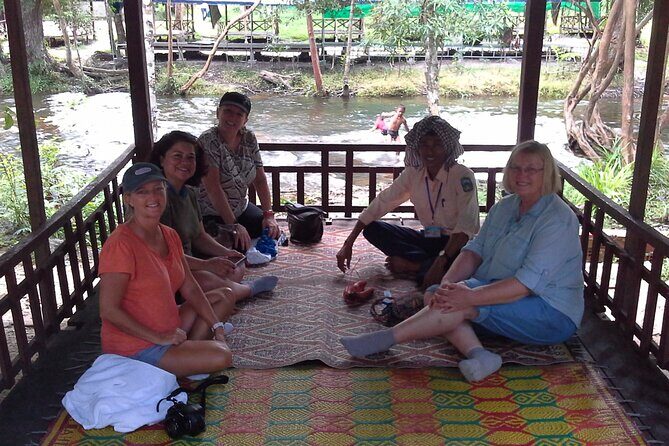
An Angkor day can be a blur. This one is structured to keep the temple “story” moving—without forcing you into that cattle-train feeling. Because it’s private (your group only), you’re not stuck matching someone else’s pace, and that matters when you’re walking in the sun and trying to take photos without fighting crowds.
I like how the tour is built around specific sightlines. Angkor Wat is approached from a less-trafficked eastern side, then you’re guided through a jungle path to key interior spaces. In Angkor Thom, you get the classic highlights—South Gate, Bayon, Baphuon—but you also get short stops designed to shift the mood and help you rest your eyes before the next big wall of carvings.
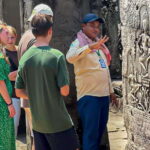
One more detail worth appreciating: your guide’s explanations aren’t limited to big talking points. They’re aimed at helping you read bas-reliefs and understand what scenes represent, including the way the stone carvings connect myths, everyday life, and royal messaging. It turns “wow, old stones” into “okay, I get what they were trying to say.”
You can also read our reviews of more city tours in Siem Reap

Price and What You Pay for: Angkor Wat Ticket Matters
The tour is priced at $30 per person, and that’s the headline number you’ll see up front. Here’s the catch that affects real value: the Angkor Wat admission ticket is not included, while several other stops list admission as free.
So the math depends on how you handle tickets:
- If you’re already planning to visit Angkor Wat anyway (most people are), this tour is a strong deal because you’re bundling the rest of Angkor Thom and Ta Prohm into a private day with transport and a guide.
- If you’re trying to keep costs extremely tight, you’ll need to budget for Angkor Wat separately.
Also, the tour includes bottled water, hotel pickup/drop-off, and an English-speaking guide. Even if the temple ticket cost makes your total higher than the $30 sticker price, you’re still paying for a full guided circuit across multiple temples, not just “someone dropping you at a gate.”
The Morning Plan: Picking Up From Siem Reap and Getting Set
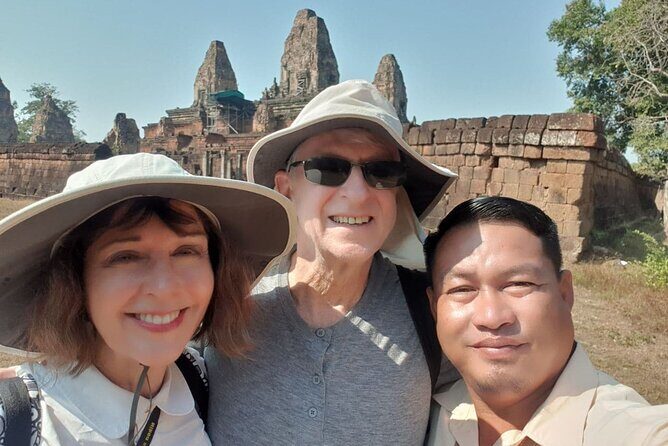
The day starts with hotel pickup and drop-off in a private, comfortable vehicle. That saves you time and hassle, especially when you’re trying to beat heat and crowds the sensible way. The tour runs about 8 hours, which gives enough time to do the main stops while still having a few moments to pause, take photos, and catch your breath.
Your guide will also help with the e-ticket process. You’ll get a link to purchase the temple entrance e-ticket days in advance. That’s useful because it reduces last-minute stress when you arrive at the temple complex.
Before you go, pack for walking:
- Flat shoes for uneven temple paths.
- Clothes that cover knees and shoulders for sacred areas. Casual clothing is fine as long as it follows the rule.
- Sun and heat basics you already know you’ll need (water, hat/sunglasses). The tour provides bottled water, but you’ll still feel better if you carry what you like.
Entering Angkor Wat from the Eastern Side
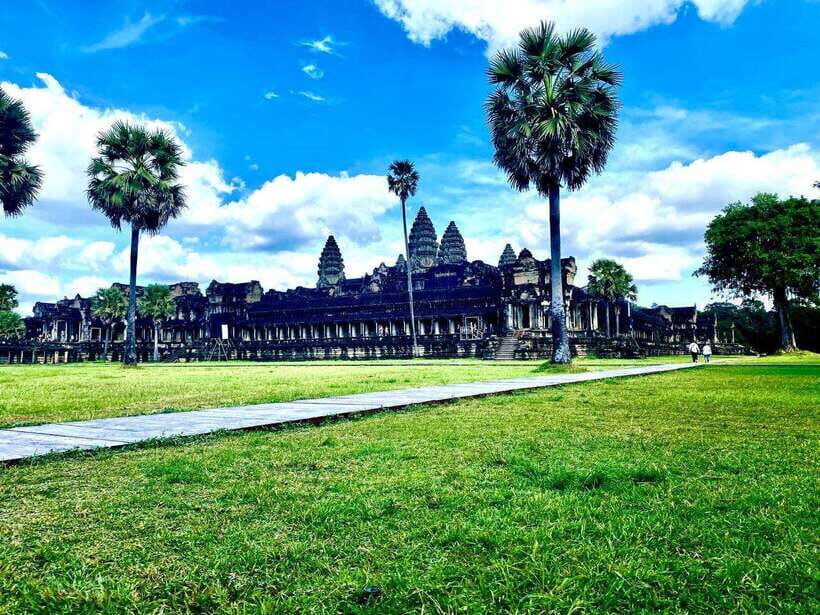
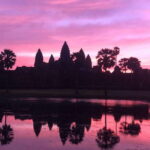
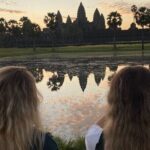
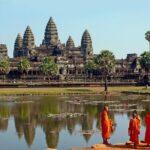
Angkor Wat is the big one. It’s described as the largest religious monument in the world, built in the early 12th century, and it’s considered the best-preserved temple at the site. The key difference in this tour is the entrance strategy: you enter from the eastern side, which changes your route, your first views, and often the feel of the early walk.
Once inside, the guided flow matters:
- You move on foot and follow a jungle path toward the North ancient library pool.
- Your guide explains what you’re seeing, including the meaning of stone scenes.
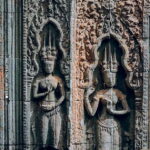
- You spend time in the central chambers where bas-reliefs tell stories—highlighted here as the longest stretch of bas-relief carvings in the world.
- Then you venture toward the upper terraces, where you’ll get a better sense of scale.
What I like about this approach is how it builds understanding before you get overwhelmed. If you jump straight into the most famous photo angle, it’s easy to miss how the carvings connect themes. Here, you get the context while you’re still fresh, before the heat makes your brain switch to survival mode.
Potential drawback: because you’re entering from a different side and walking through interior spaces, you’ll want to be ready for active time on your feet early in the day. This is not a “stand and look” tour for most people.
Angkor Thom South Gate: The 54 Stone Figures Entrance
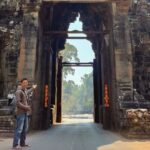
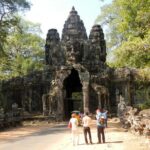
After Angkor Wat, you transition to Angkor Thom—the ancient capital of the Khmer Empire. The South Gate is a specific, high-impact stop because it’s still a real sense-of-arrival moment, not just another ruin.
The details are part of the experience:
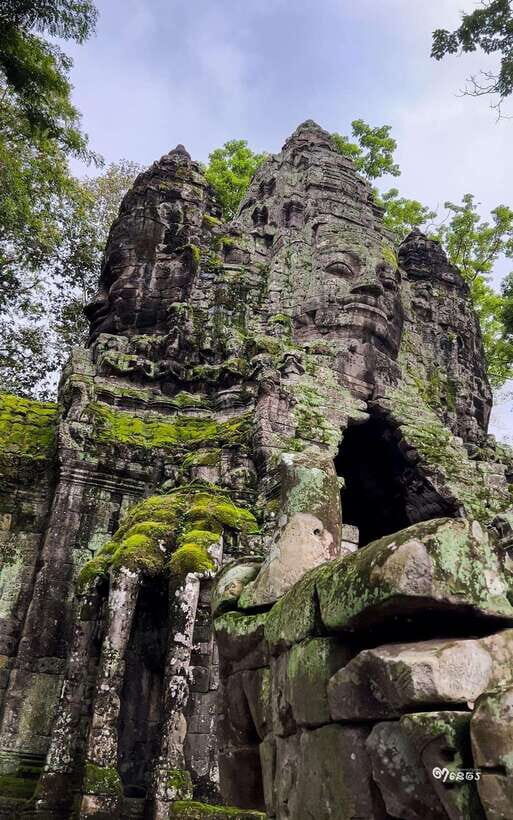
- The gate is flanked by stone figures—54 on each side—that frame the entrance.
- It’s one of five gates into the fortified city.
- At the height of its power, Angkor Thom was massive, with a population said to exceed one million people.
This is a shorter stop, about 20 minutes, and that works well. The South Gate gives you a visual reset. You also get a nice chance to orient yourself for what comes next—Bayon and the surrounding temple zones.
You can also read our reviews of more private tours in Siem Reap
Bayon Temple: 200+ Faces and Two Layers of Story
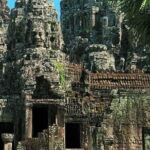
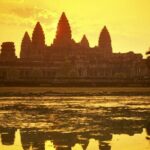
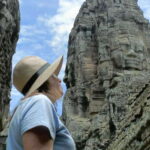
Bayon is built around a single idea you can’t stop looking at: towers covered in stone faces. This temple dates to the 13th century, linked to King Jayavarman VII. The towers cluster around a central peak, with more than 200 enormous faces watching the crowd.
You’ll also get the bas-reliefs in two “levels” of theme:
- The outer gallery bas-reliefs lean toward historical events and scenes from everyday life.
- The inner gallery bas-reliefs shift toward mythological events.
That’s a smart pairing, because it helps you notice how Khmer temple art can do different jobs: record the world as it was, and also describe how they thought the universe worked. If you enjoy figuring out visual storytelling, this stop rewards you.
Timing here is about 1 hour, so you’re not stuck too long in one spot. You can see the faces, then move along the galleries while your brain still has energy to read the scenes instead of just taking snapshots.
Baphuon and the Golden-and-Bronze Comparison
Baphuon sits in Angkor Thom, northwest of Bayon. It’s a three-tiered temple mountain, and it dates to the mid-11th century. It’s also described as the state temple, tied to the royal-religious power structure of its time.
One reason this stop feels different: the text includes a historical note about outside observers. It mentions an envoy Chou Ta-kuan from a Mongol mission (around 1296–1297) who compared the temples as gold and bronze, with Bayon described as the Tower of Gold and Baphuon as the Tower of Bronze. That kind of commentary helps you understand how impressive these structures must have looked to outsiders—especially when you imagine the color and materials they might have had at the time.
You’ll spend about 1 hour here. Like many Angkor Thom stops, it can feel like a lot of stone in one day—but Baphuon’s structure gives you a different shape and texture than Bayon’s face towers.
Quick Breaks: The “Hidden/Secret” Stops That Change the Mood
There are two short “secret destination” moments in the Angkor Thom area, each around 10 minutes. They’re not explained in detail, but the point is clear: your guide takes you to places that most visitors don’t spend time on.
I love this kind of design because it prevents your day from becoming a repeating pattern: big temple, big crowd, repeat. A quick change in location resets your eyes. It also gives you mini-photo pauses that aren’t just the same poster angle you see everywhere.
Phimeanakas: Celestial Temple Inside the Royal Palace Enclosure
Next you head to Phimeanakas (also spelled as Vimeanakas in some references). It’s tied to royal space—located inside the walled enclosure of the Royal Palace of Angkor Thom.
Key dates and structure help you picture it:
- It was built at the end of the 10th century, associated with Rajendravarman.
- It was completed later by Suryavarman I.
- The design is a three-tier pyramidal Hindu temple.
- There was a tower on top, and galleries at the edge of the top platform.
This is a 1-hour stop, and it’s the kind of temple you appreciate more when you’re not rushing. The best value here is the guide’s explanation of how it fits into royal ritual and palace layout, rather than treating it as just another viewpoint.
Terrace of the Elephants: The Stadium for Ceremonies
The Terrace of the Elephants stretches about 350 meters. Under King Jayavarman VII, it functioned as a giant reviewing stand for ceremonies and also as a base for the king’s public audience.
A fun detail from the tour notes: local Khmer residents sometimes call it the Ancient Khmer Stadium. That nickname works because it reminds you this wasn’t a passive landscape. People gathered here for events with stakes, speeches, and spectacle.
You’ll have about 40 minutes. It’s a good middle-day stop because the terrace is long, and you can walk along sections of it at your own speed, taking in how the terrace line shapes the space.
Terrace of the Leper King: Yama in Stone
This stop is famous for its modern name and the story behind it. The Terrace of the Leper King is a U-shaped structure, thought by some to have been used as a royal cremation site. It dates to the 13th century under Jayavarman VII.
The naming comes from a later discovery: the modern name traces to a 15th-century sculpture found at the site, depicting Yama, the Hindu god of death. Even if you don’t remember all the details, the guide can help you connect the sculpture story to the larger theme: death, ceremony, and royal religious authority.
Plan about 40 minutes here. It’s long enough to see the structure and understand why it became memorable, without feeling like you’re stuck reading one spot until your feet quit.
Ta Prohm: Jungle-Wrapped Temple and a Lunch Reset
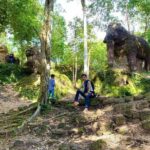
Then comes Ta Prohm—the temple that shows up in your phone photos long before you even get to Cambodia. It’s described as the jungle-enveloped Tomb Raider temple, built in the 13th century. One big difference from many Angkor sites: Ta Prohm is in much the same condition it was found in, with trees growing through and around the ruins.
This place is also part of the UNESCO World Heritage listing in 1992, and it remains one of the most visited complexes in the Angkor region. That tells you two things at once:
- The setting is genuinely special.
- You should expect crowds in peak moments.
Your tour time here is about 1 hour, which is the right length to enjoy the atmosphere without exhausting yourself. The guide’s job is to help you see where to look—how the roots and trunks frame doorways and walls—and how to balance that iconic look with calmer viewing spots.
Lunch happens with cold drinks in a restaurant near the temple. That’s not a luxury detail. It’s survival. In this region, a mid-day break can decide whether you keep your energy for the upper terraces and stone carvings afterward.
Pacing, Heat, and Weather: Why Flexibility Matters at Angkor
Angkor is famous for humidity and heat. Even with route choices aimed at avoiding crowds and escaping the worst sun, you’ll still feel the weather. This tour helps because it’s private and because guides can adjust when needed.
In particular, the pacing style gets praised: people like Rith and Sim are credited with history explanations delivered clearly and with a pace that lets you move at your own rhythm. One review noted an order adjustment after a downpour, with time to rest and regroup, including a possible coffee stop near Angkor Wat. That’s the kind of flexibility you want—especially if you have temple fatigue, sore feet, or you simply need a moment to cool off.
Practical tip: treat this as a walking day. Plan for breaks, not constant motion. You’ll enjoy the temples more when you stop trying to “beat” the weather.
Who This Tour Fits Best (and Who Might Want a Different Plan)
This private circuit is a strong match if you want:
- A guided day across Angkor Wat, Angkor Thom, and Ta Prohm.
- More meaning than just photos, with explanations tied to bas-reliefs and Khmer context.
- A flexible pace for your group, with hotel pickup and a private vehicle doing the hard work.
It may be less perfect if you:
- Want a fully unguided, free-roam temple day and don’t care about explanations.
- Have trouble walking for extended stretches (even if the tour is paced, it’s still temple walking).
- Are extremely budget-focused, since Angkor Wat admission is separate.
If you’re visiting for the first time and you’d rather get the story from a real person than from guesswork, this tour makes a lot of sense.
Should You Book This Private Lost City and Angkor Wat Tour?
Yes—if your priority is a guided, well-paced Angkor day that hits the big monuments and still tries to reduce the worst crowd crush. The price is attractive at $30 per person, and the value improves because most other stops in the circuit list free admission, with bottled water, hotel pickup, and a private vehicle included.
Book it with the right expectations: you’ll buy the Angkor Wat ticket separately, you’ll follow the dress code, and you’ll walk. But if you show up prepared with flat shoes and a calm attitude toward heat, you’ll end the day feeling like you actually understood more than you just saw.
If you want an Angkor day that doesn’t feel like a checklist, this one has the right shape.
FAQ
What does the tour price include?
The tour includes an English-speaking guide, a private comfortable vehicle, hotel pickup and drop-off, and bottled water.
Is Angkor Wat admission included?
No. The Angkor Wat admission fee is not included. The other listed temple stops show free admission.
Do I need to buy a ticket ahead of time?
Yes. Your tour guide will send you a link to purchase the temple entrance e-ticket days in advance.
How long is the tour?
The tour runs about 8 hours (approx.).
Is this a private tour?
Yes. It’s private, meaning only your group participates.
What should I wear to enter temples?
For some sacred places, you need clothes that cover your knees and shoulders. Casual clothing is fine. Wear flat shoes that are comfortable for walking.
Does the tour include lunch?
Yes. You’ll enjoy lunch with cold drinks at a restaurant near the temple.
Can I cancel for free?
Free cancellation is available. You can cancel up to 24 hours in advance for a full refund.