REVIEW · SIEM REAP
1-Day private Angkor Temple Tour from Siem Reap
Book on GetYourGuide →Operated by Sokoan · Bookable on GetYourGuide
Angkor in one day feels intense. This private tour from Siem Reap keeps the day organized and the focus on what you’re actually seeing, with an English-speaking guide who explains the temple stories as you walk. I especially like that it’s flexible—you can slow down for shade, speed up when you’re ready, and keep the route feeling personal.
Two things I love: you get a real guided visit through the main temple areas, not just wandering, and you’re treated to the small comforts that matter in Cambodia heat—bottle water and refreshment stops at the right moments. The main downside is simple: it’s a long day of walking and climbing, and temperatures can be brutal.
In This Review
- Key highlights to look forward to
- Private 7-hour pacing with pickup from Krong Siem Reap
- Angkor Wat: the bas-relief story you’ll actually understand
- South Gate into Angkor Thom and Bayon’s face towers
- Baphuon, Phimeanakas, and that extra stop you’ll appreciate later
- Terrace of the Elephants and Leper King: ceremonies and stone drama
- Ta Prohm: the jungle temple with time to soak it in
- Price and what you’re really paying for
- Who should book this 1-day private Angkor tour
- Should you book this day trip?
- FAQ
- FAQ
- What temples are included in this 1-day private Angkor tour?
- How long is the tour?
- Is the Angkor Wat temple entry ticket included in the price?
- Do I get skip-the-line entry?
- What is included with the tour besides the guide?
- What clothing rules should I follow?
- Is pickup from my hotel included?
Key highlights to look forward to
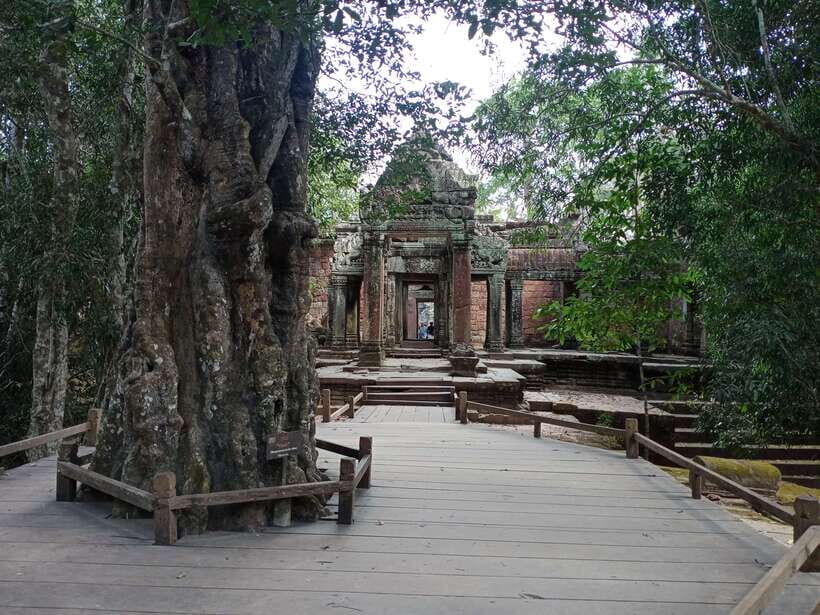
- Skip-the-line entry using a separate entrance, so you lose less time at the gates.
- Angkor Wat plus the key “read-this-first” viewpoints: central chambers, bas-reliefs, and South Gate timing.
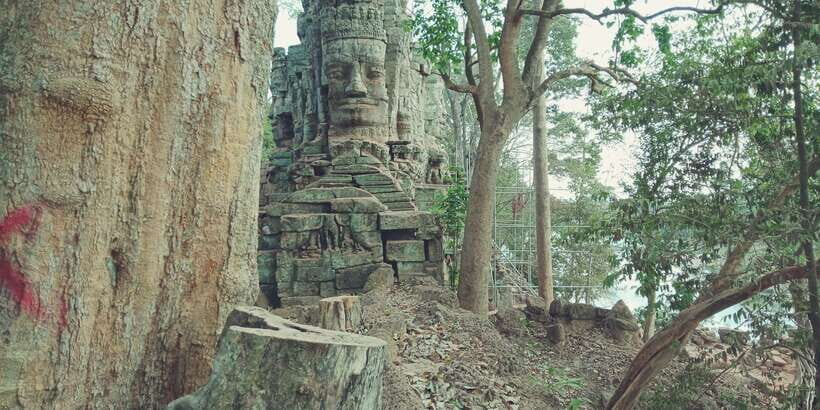
- Bayon’s face towers (200+ faces) made clearer with on-the-spot guide explanations.
- Small built-in flexibility, including photo stops and time to rest, rather than a strict conveyor belt.
- Cooling details like cold water and refreshing towels provided during the day by the driver team.
Private 7-hour pacing with pickup from Krong Siem Reap
This is built as a full morning-to-afternoon temple circuit, typically lasting about 7 hours. You’re picked up from your hotel lobby, and you stay with the same guide and driver the whole time, which makes the day calmer and easier to manage. The private setup matters because Angkor isn’t one big sightseeing line—it’s a puzzle of gates, levels, courtyards, and timing. When you don’t have to match a group schedule, you can actually see.
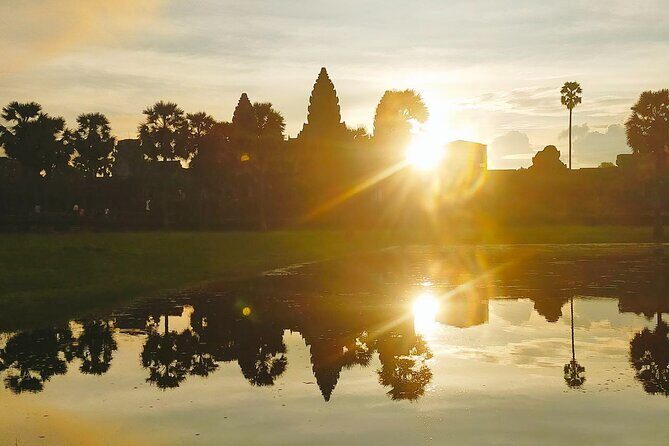
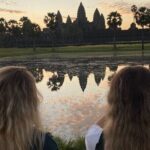
The driver keeps things moving between temple zones, and your guide sets the order so the experience feels like a story. Many days like this run into long crowds and harsh sun. Here, the plan is to keep you away from the worst bottlenecks and use photo stops when light and crowd flow are better. Even better, the guide can adjust when you have a preference. One guide (Som) reportedly adapted timing to fit a sunset request at Angkor Wat, which is a nice reminder that private can mean truly personal.
Value check: you’re not paying for extra “stuff.” You’re paying for time saved (skip-line entrance) and meaning added (explanations at each stop), plus the comfort of being taken care of end-to-end.
You can also read our reviews of more private tours in Siem Reap
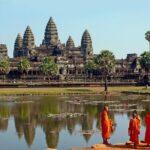
Angkor Wat: the bas-relief story you’ll actually understand
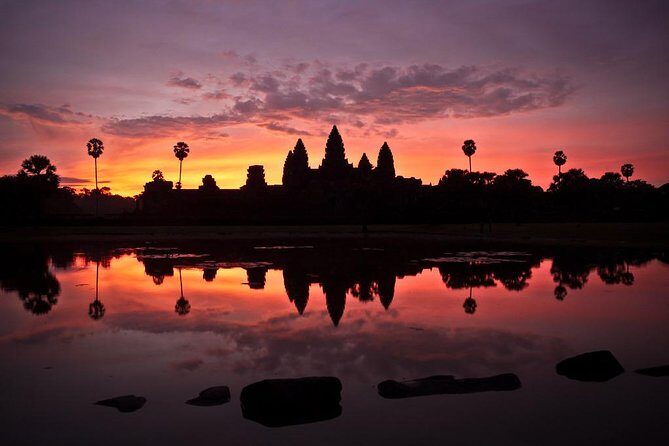
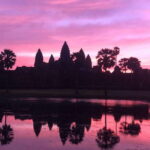
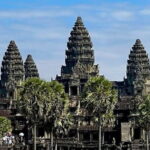
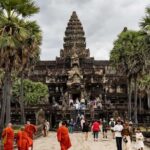
Angkor Wat is the big headline for a reason. It’s the largest religious monument in the world, and even when you’ve seen photos, the scale surprises you. Your visit starts with a guided walk inside the complex, with time to stop for photos and take in the views before you go deeper.
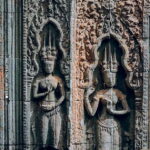
The standout here is the guided moment in the central chambers, where the guide explains the history and the myths carved into the stone. One of the most impressive details is the bas-relief carving work—called the longest stretch of bas-relief carvings in the world—so you get more than “pretty stone.” You start learning what you’re looking at: scenes, symbolism, and why the imagery was placed the way it was.
Plan for this being the most intense part of the day. You’ll walk more than you think you will, and there are levels and stairs. It’s also the place where crowd pressure can build fast, so having skip-line entry and an expert-led route is a genuine advantage, not a marketing line.
Then comes a break. The day includes breakfast time before you move on. That’s smart. Angkor hits you all at once—light, steps, heat, and stone. If you’re feeling it, you want fuel before you climb into the next temple zone.
South Gate into Angkor Thom and Bayon’s face towers
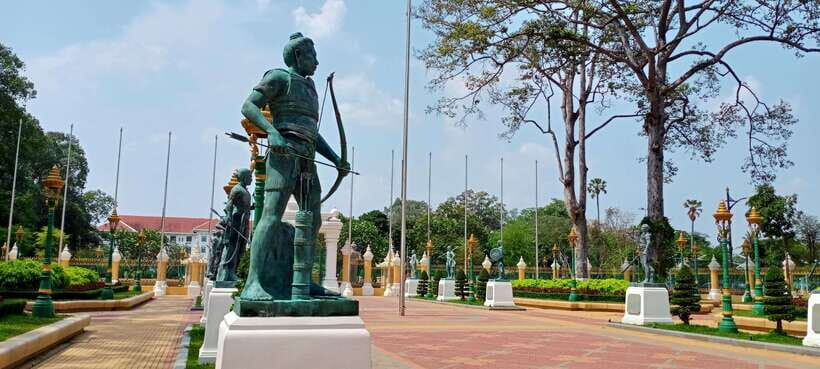
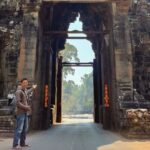
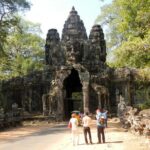
After Angkor Wat, you shift to Angkor Thom, the ancient capital area. You’ll visit the Tonle Om Gate (South Gate), which is one of the five gates. Even if you’re not a history nerd, gates help you orient the whole city layout. It’s a fast stop, but the photos can be great because the architecture frames the movement of the complex.
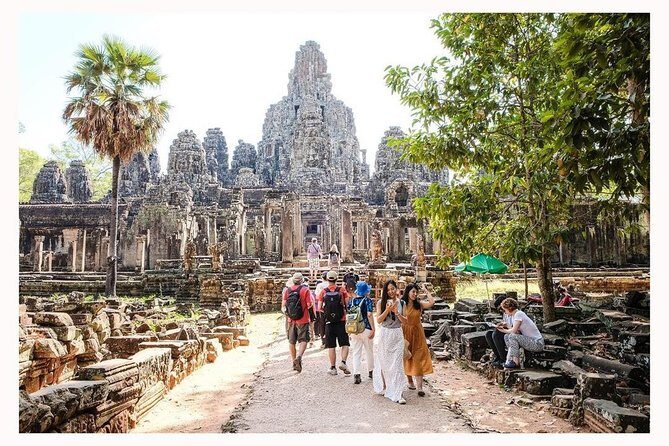
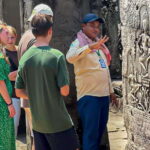
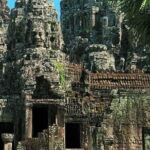
Next is Bayon. This is where the tour earns its emotional punch. Bayon is famous for its many smiling stone faces on the tower tops, and you’ll see well over 200 enormous faces. The guide points out how to look at the faces and the bas-reliefs that wrap around the temple. There are two sets of bas-reliefs, mixing mythological, historical, and day-to-day scenes.
Here’s why this stop feels so good on a private day: Bayon is confusing if you just wander. With a guide, you learn what the scenes likely refer to and how the imagery fits the Khmer worldview. It turns “I saw a tower with faces” into “I understand what this place was doing.”
You’ll also get photo time built in, and guides often adjust where you stand for the best angles. Several guides in recent bookings—like Sim and Som—were praised for spotting strong camera positions and keeping the day comfortable, including shade planning when the sun hits hard.
Baphuon, Phimeanakas, and that extra stop you’ll appreciate later
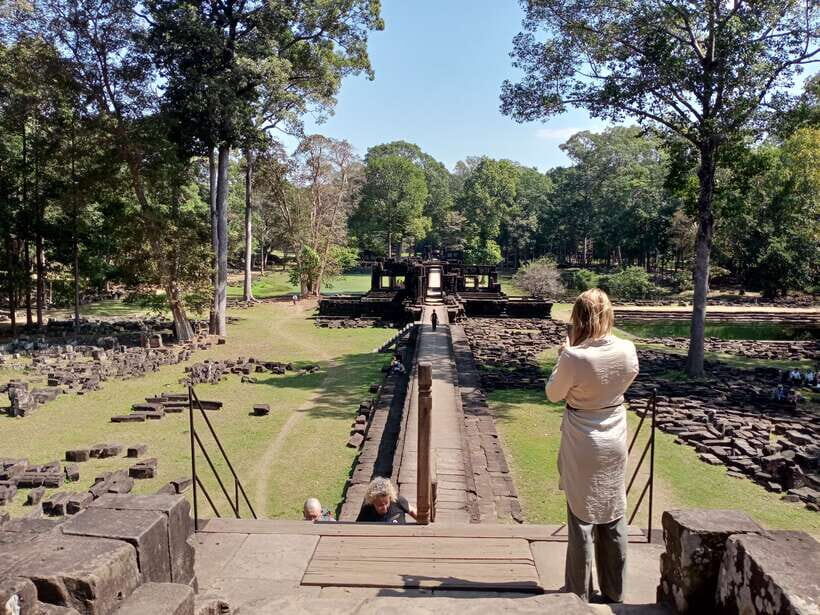
After Bayon, the tour keeps you moving through the less “instant-famous” temples that still carry the heart of Angkor’s story.
First is Baphuon, a multi-tier mountain temple from the 11th century. It has that classic layered look, and your guide explains the temple’s role as a state temple—so it doesn’t feel like random ruins. The walking time here is moderate, but the view points can be worth the effort, especially if you get a little time to step back and take everything in.
Then you head to Phimeanakas (also referred to as Vimeanakas in your route description). It’s an end-of-the-10th-century temple shaped like a three-tier pyramid. This stop is shorter, but it’s useful because it shows how Khmer temple design shifts while still following the same big spiritual ideas.
You’ll also see a secret stop and a hidden section of the route. These are the parts that are easy to miss if you’re doing DIY. They tend to be short—around 10 minutes—and they work like quick side chapters. In a private tour, these mini detours make the day feel less repetitive and more “you got the inside version.”
The guide and driver timing matters here. You want those moments that aren’t packed, where you can actually look at stone details without constantly fighting people for space.
Terrace of the Elephants and Leper King: ceremonies and stone drama
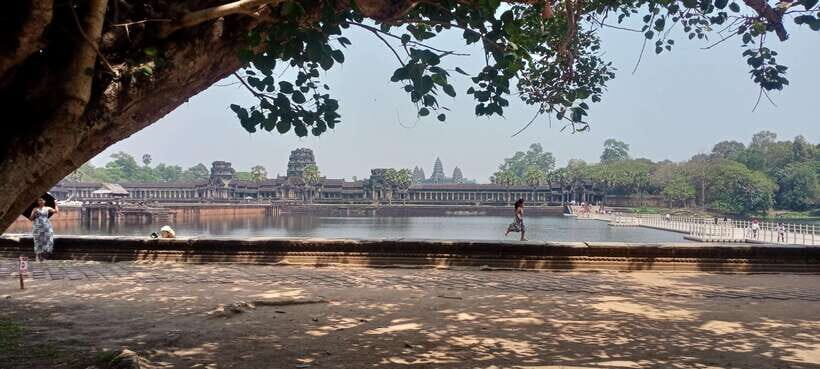
Now for a two-part stop that’s both weird and fascinating.
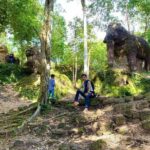
The Terrace of the Elephants is long—about 350 meters—and it was used like a giant reviewing stand for public ceremonies. With a guide, you can picture people gathering, leaders appearing, and the architecture doing its job as a stage. This is also a great place to slow down for photos and to look at how the terrace structure channels movement.
Then you go to the Terrace of the Leper King, also described as Preah Ponlea Sdach Komlong. The name sounds dramatic, but what matters is the structure: a U-shaped area that some think was used as a royal cremation site. Again, the guide makes the carvings and layout easier to understand. Without explanation, it’s easy to treat it as just another platform. With explanation, it feels like a memory of power, ritual, and belief.
These are also the points where the body needs a moment. The tour includes guidance and photo stops, but you’ll likely appreciate the water breaks and the way the day is paced so you can stay upright and keep enjoying things.
A few more Siem Reap tours and experiences worth a look

Ta Prohm: the jungle temple with time to soak it in
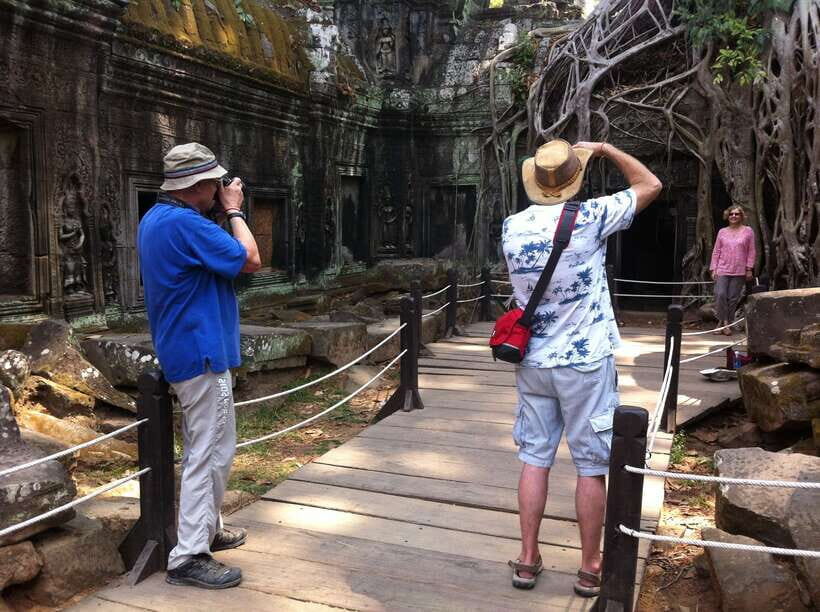
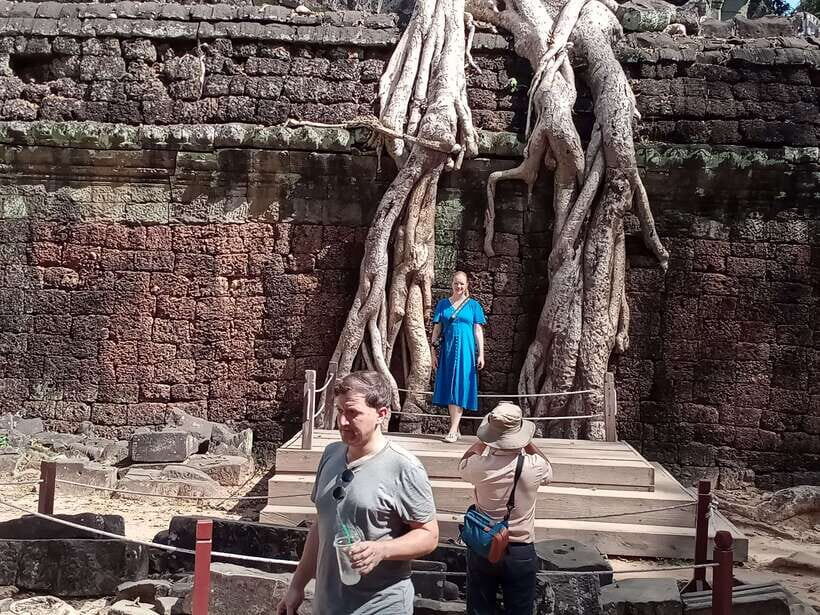
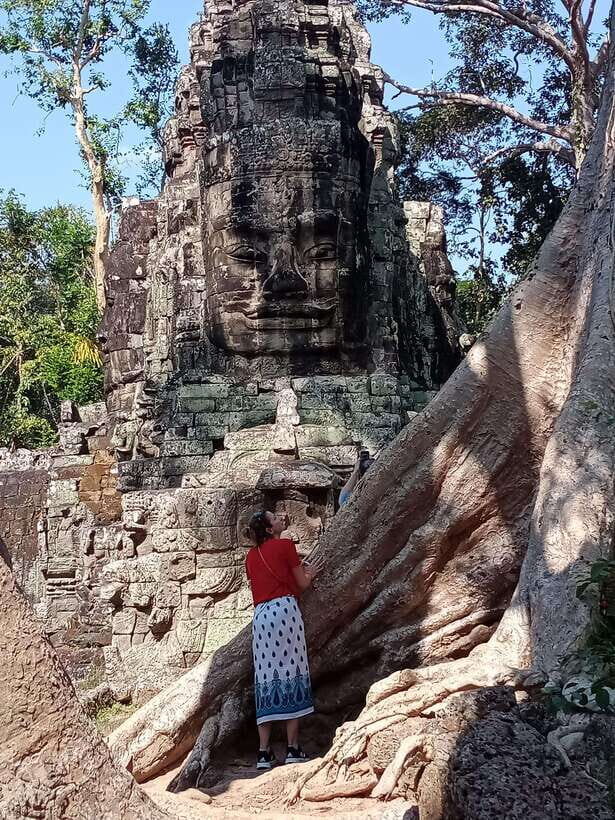
Ta Prohm is the temple that people call the Tomb Raider temple. It’s famous because it looks like the jungle is winning. You’ll visit Ta Prohm in the late morning / early afternoon part of the circuit, with time for guided explanation and free time (around 1 hour).
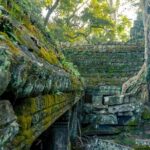
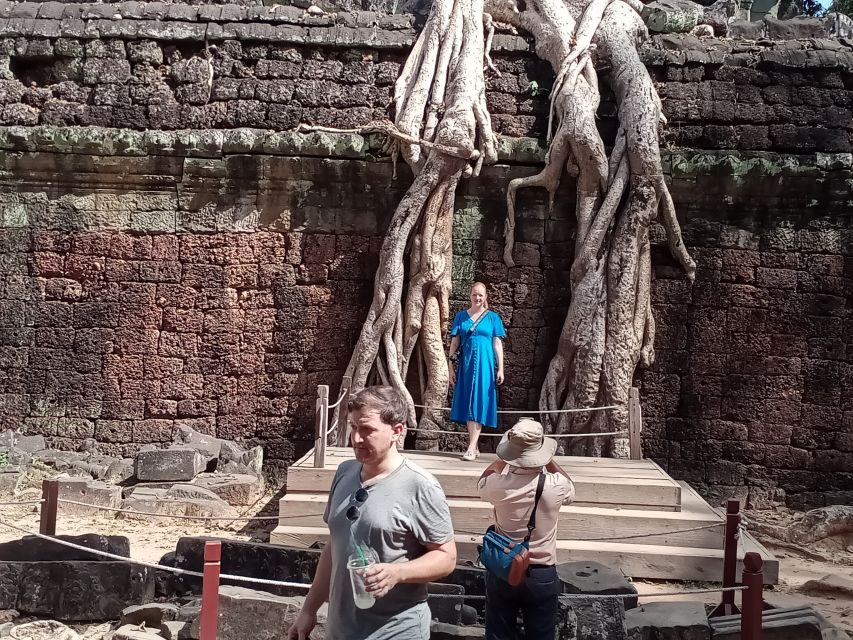
Built in the 13th century, Ta Prohm is especially atmospheric because it remains in much the same condition as when it was found. You get trees growing through and out of the ruins, and the surrounding jungle makes it feel less like a museum and more like a living set of stone and roots.
This is one of the best places in the day to use your camera—but also to just stand still. Crowds can be heavy here on many schedules, so the timing and guide routing matter. A guide who’s good with photos will help you choose angles that capture the roots without turning your images into a crowd scene.
It’s also where you’ll notice the benefit of private pacing. If you want to linger, you can. If you need to catch your breath, the driver and guide handle it. One driver even brought umbrellas when it started pouring in at least one booking, which is the kind of practical response that can make a wet Angkor day feel manageable.
Price and what you’re really paying for
The tour price is $34 per person, and Angkor entry tickets are not included. The ticket for Angkor Wat covers all temples and costs $37 per person, paid onsite. That brings the typical total to about $71 per person for the day.
Is it worth it? For most people, yes—if you care about more than selfies.
Here’s what you’re getting for the extra money over DIY:
- Skip-line entry via a separate entrance (less standing around).
- An English-speaking guide who explains bas-reliefs, symbolism, and the temple roles.
- Return transport and water, plus refreshment-style comfort at the stops.
Also, kids under 12 get free entry to any temple, and your clothing rules matter for entry. Shorts are restricted, but shorts on the knees are allowed. That means you should plan on covering your legs appropriately—long pants or shorts that don’t creep up when you walk.
Bring your camera and wear comfortable clothes. This is also a day where you’ll feel every step. Bring sturdy shoes and plan for sun and heat even if your guide is trying to route you toward shade.
Who should book this 1-day private Angkor tour
I think this tour fits best if you want:
- A guided, story-based visit where the carvings and layout make sense.
- A private pace that helps you avoid the worst crowd crush.
- Better photo timing, since guides like Sim, Som, San, Rith, and Arun were praised for strong picture spots and photo tips.
- Comfort supports for heat—bottle water and cool towels were repeatedly highlighted, including at nearly every stop.
This may be tough if you have limited mobility. The day includes multiple temples, lots of walking, and climbing up and down. Even without any official distance stated by the operator, people have noted the day is long and active, so go in with realistic expectations and don’t underestimate the heat.
Also, if you’re the type who wants total control to build your own route without any structure, DIY might feel cheaper. But if you’re paying for one shot at Angkor, paying for a guide is usually the difference between seeing stones and understanding them.
Should you book this day trip?
If you have only one day for Angkor (or you want your one day to be the best use of it), I’d book it. The biggest win is the combo of skip-line entry, a private guide-led route, and the temperature support that helps you keep going. You’ll visit the major temples—Angkor Wat, Bayon, Baphuon, Phimeanakas, Terrace of the Elephants, Leper King, and Ta Prohm—without feeling like you’re guessing your way through.
If you’re trying to decide between this and a cheaper option, think about what you’ll regret later. If you’ll regret missing the explanations and bas-relief context, go private. If you’ll regret getting cooked in the heat or losing time in lines, also go private. Either way, the day is intense. This version just makes it easier to handle and far more meaningful to look back on.
FAQ
FAQ
What temples are included in this 1-day private Angkor tour?
You’ll visit Angkor Wat, the Tonle Om Gate (Southern Gate), Bayon, Baphuon, Vimeanakas (Phimeanakas), the Terrace of the Elephants, the Terrace of the Leper King, and Ta Prohm, plus additional short stops along the way.
How long is the tour?
The duration is listed as 7 hours, including pickup and return transfers.
Is the Angkor Wat temple entry ticket included in the price?
No. Entry tickets are not included. The Angkor Wat temple ticket is $37 per person and can be paid onsite, and it covers all the temples.
Do I get skip-the-line entry?
Yes. The tour includes skip-the-line entry through a separate entrance.
What is included with the tour besides the guide?
Included are an English-speaking tour guide, return transfers, and bottle water.
What clothing rules should I follow?
Shorts are not allowed. Shorts that reach the knees are allowed. Comfortable clothes are recommended.
Is pickup from my hotel included?
Yes. The guide and driver pick you up from your hotel lobby in Krong Siem Reap, and they hold a card with the traveler leader’s name.