REVIEW · BATTAMBANG
Full Day-Tour: Handicraft, Bamboo train, Killing cave. Bat cave
Book on Viator →Operated by Battambang Tour: Mr Lychee · Bookable on Viator
Cambodia’s bats fly first, stories follow. In Battambang, this full-day private tuk-tuk tour strings together hands-on village crafts, key pagodas, and the famous caves—ending at dusk when the Bat Army lifts off from the mountainside. I like that it feels structured enough to cover the big sights, but still relaxed, with time built in for real conversations with farmers and artisans.
I especially love the rice paper and local-food workshops—sticky rice, bamboo, and fish paste production isn’t just a photo stop. And I really appreciate having an English-speaking guide who explains what you’re seeing in plain terms (some groups get guides like Mr Lychee; others may be supported by his team, such as Mr Polo).
One thing to consider: the schedule runs long, and the bamboo train ride costs extra ($5 per person) while timing for it can affect how flexible the rest of the day feels.
In This Review
- Key things to know before you go
- A Full-Day Tuk-Tuk Mix of Crafts, Temples, and Caves
- Rice Paper Villages: Sticky Rice, Bamboo, and Fish Paste
- Temples and Khmer Rouge Memory at Wat Samrong Knong and Wat Ek Phnom
- Wat Samrong Knong and the Well of Shadows
- Wat Ek Phnom: views plus a north-side landmark feel
- Colonial Corners, Pagoda Bridges, and Local Snacks Along the Way
- Battambang provincial heritage stop and a statue visit
- Kampong Pil Pagoda and suspension bridges on the Sangke River
- The Bamboo Train Ride and Why Timing Matters
- Ou Srauo Laou / Osrolao village ride
- Why timing is important
- Killing Caves of Phnom Sampeau and the Bat Army at Dusk
- Phnom Sampeau Killing Caves (about 2 hours)
- Battambang Bat Caves: the dusk payoff (about 1.5 hours)
- Who This Tour Fits Best (and Who Should Skip It)
- Should You Book This Battambang Handicraft and Bat Caves Tour?
- FAQ
- Is this tour private?
- What’s included in the $18 price?
- Do I have to pay extra for the bamboo train?
- Which stops include admission tickets?
- What’s the tour duration?
- What age limits apply?
- When do you visit the Bat Caves?
- Can I cancel for a full refund?
Key things to know before you go
- Private tuk-tuk for your group: you’re not shuffled into a loud crowd.
- Rice paper and fish paste workshops: watch how everyday Cambodian foods get made.
- Wat Samrong Knong’s Well of Shadows: a Khmer Rouge memorial stop, handled respectfully.
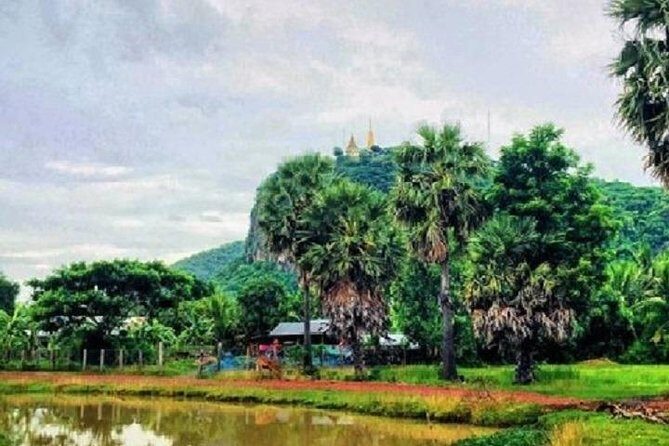
- Phnom Sampeau Killing Caves: history on a mountain with shrines and caves.
- Battambang Bat Caves at dusk: the big moment is timing your arrival before the bats fly out.
- Optional bamboo train: great fun, but budget the extra $5 per person.
A Full-Day Tuk-Tuk Mix of Crafts, Temples, and Caves

This is a long, single-day tour that’s designed around variety. You’ll start with village production (foods and crafts), move into pagodas and heritage sites, then shift to two cave experiences—one sobering, one spectacular.
The value here is the way the day connects everyday life to bigger historic and cultural themes. You don’t only “see” Battambang. You watch how local products get made, learn the meaning behind specific temple spaces, and then end with one of Cambodia’s most dramatic nature shows.
Practical note: it’s listed as 10 to 12 hours, so you’ll want to travel smart. Wear comfortable shoes. You’ll do some walking, including upright terrain at certain sites, and you’ll be shifting between countryside roads and viewpoints. The tour includes pickup and drop-off, plus cold water all day, which helps a lot in Battambang’s heat.
The ride style also matters. Based on the experience reports, the driving tends to be smooth and the pace usually avoids the feeling of being rushed. That makes the long day feel more manageable.
Who this tour is best for: people who like a mix of culture and craft, and who want a guided day without the stress of figuring out transport between scattered stops. If you only want one or two “major sights” and hate long days, you’ll probably feel stretched.
A few more Battambang tours and experiences worth a look

Rice Paper Villages: Sticky Rice, Bamboo, and Fish Paste
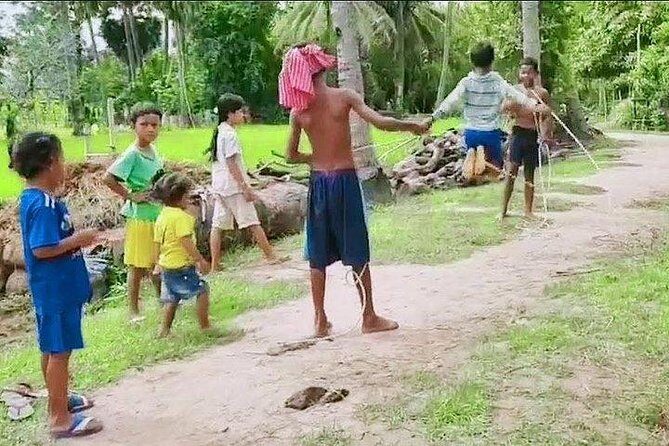
Your morning anchor is the rice paper and spring roll food stop, where you spend about three hours in the production area and nearby markets. This is the part of the day that feels most hands-on, and it’s also the easiest to remember later when you’re eating Cambodian food.
What you can expect to see and learn:
- Sticky rice preparation tied to local staple foods.
- Bamboo-related processing that connects to how ingredients get shaped and used.
- Fish paste production, often discussed in the context of local flavors and how ingredients move from farm to table.
- A market segment where you can find rice papers, dried banana, and rice wine.
This stop is also where you’ll likely notice the small, practical details of daily life. The goal isn’t just tasting. It’s understanding why certain foods are common here and how local producers keep the process going—day after day—without relying on big industrial methods.
If you’re sensitive to strong smells, this is the place to plan ahead. One tip that comes up often: bring a nose clip or a small peg for the fish paste or fish-food market area. Even if you’re not bothered easily, having something ready makes the experience more comfortable.
How to enjoy it more:
- Go slow. Ask questions about ingredients and how people work the fields or catch fish.
- Don’t rush the tastings. If the guide offers local snacks (listed as an option), treat it like part of the learning, not a side quest.
The main drawback of this stop is also the main reason it works: it takes time. Three hours can feel like a lot if you’re not into food production. But if you like food culture, you’ll likely feel like you’ve gained a real skill—knowing what rice paper is and how it connects to the region.
Temples and Khmer Rouge Memory at Wat Samrong Knong and Wat Ek Phnom
After the village stop, the day turns more reflective.
Wat Samrong Knong and the Well of Shadows
At Wat Samrong Knong, your visit is shorter (around 40 minutes). The standout here is the Well of Shadows, a location tied to the Khmer Rouge era.
This pagoda functions as a monument honoring people killed during the war, so the atmosphere is not “touristy fun.” The value is in the context: it connects a difficult chapter of Cambodian history to a specific site you can physically stand in and understand.
You’ll want to take your time here. This isn’t a place to speed through for photos. Give the guide a chance to explain the meaning and you’ll likely walk away with a more grounded understanding of what happened and why the memorial matters.
Wat Ek Phnom: views plus a north-side landmark feel
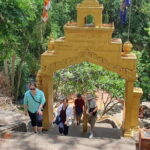
Then you move to Wat Ek Phnom, about an hour. This is described as the final landmark on Battambang’s north side, and that positioning matters: it helps you feel the geography of where temples sit relative to the countryside.
This stop is where the tour balances learning with calm. You’re not only getting facts—you’re also getting a sense of the terrain and the way temples anchor the surrounding area.
If you like quieter temple moments, Wat Ek Phnom tends to deliver that more than busy city stops. You’ll have enough time to look around and absorb the views without feeling trapped in a tight schedule.


Colonial Corners, Pagoda Bridges, and Local Snacks Along the Way
Midday is where the tour adds variety beyond the big-temple and cave anchors.
Battambang provincial heritage stop and a statue visit
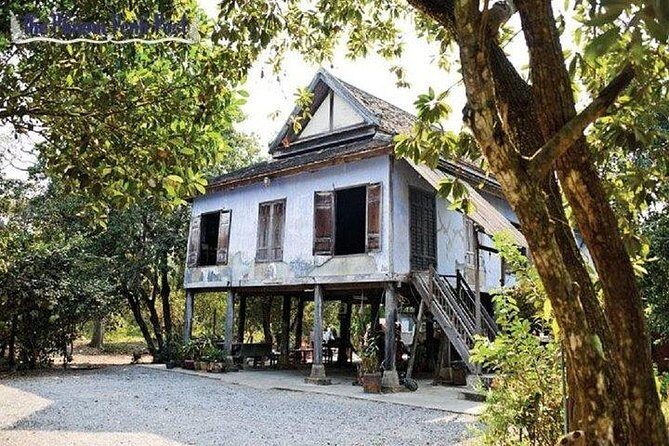
You spend about an hour covering colonial structures of the Battambang provincial hall and then a stop at the Ta Dambong Kro Aung statue. This isn’t the most dramatic part of the day, but it helps you connect what you’re seeing to the city’s layout and historical layering.
Even if colonial architecture isn’t your top interest, it’s useful context. It shows that Battambang wasn’t only shaped by rice fields and temples—there are also periods of administrative and urban planning that left marks you can still spot.
Kampong Pil Pagoda and suspension bridges on the Sangke River
Next is a village-style pagoda stop around Kampong Pil Pagoda (about an hour). Here, the tone shifts back to everyday life.
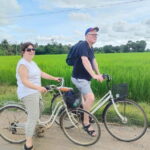
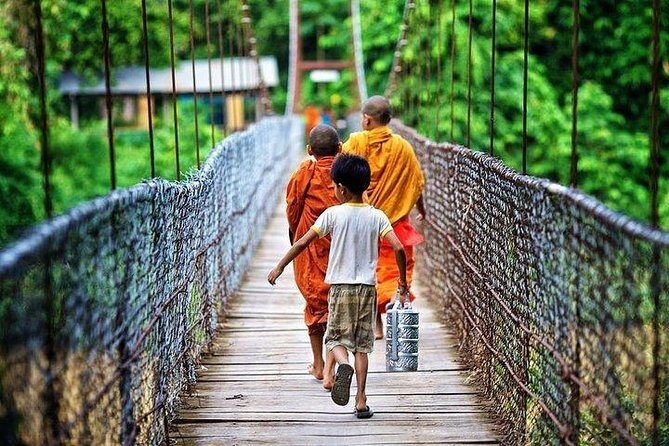
You’ll head out to the Sangke River area, where you can experience suspension bridges and spend time with farmers. Then you visit pagodas and learn about the religion as it shows up in local life.
What makes this stop valuable is that it’s not only about a single building. It’s the connection between the people, the river, and the sacred spaces nearby. Even if you don’t speak the language, you’ll usually pick up enough through your guide’s explanations and simple conversation.
Food note: the tour includes tasting local delicacies and says there’s an option for snacks. This is a good time to pay attention to what you’re offered. If the guide has built snacks into the day, it usually means they’ll steer you toward items that fit the stops you’re seeing.
The Bamboo Train Ride and Why Timing Matters
The bamboo train segment is one of the day’s most playful moments, but it also comes with the most obvious “heads up.”
Ou Srauo Laou / Osrolao village ride
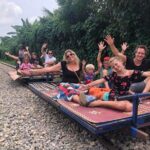
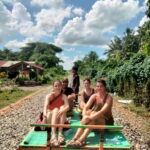
You’ll visit the Bamboo Train Ou Srauo Laou, taking around 1.5 hours for the whole experience. This ride is described as the original bamboo train, and it’s framed as the last chance to ride it at Osrolao village (about 7 km for riders).
Tickets for this ride are not included. The price listed is $5 per person.
Why timing is important
Because the bamboo train depends on scheduling, the ride can influence the rest of your day flow. If you’re the type who hates uncertainty, you’ll want to keep your expectations flexible for this segment.
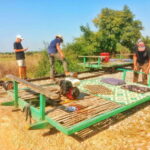
That said, the bamboo train isn’t just about the novelty. It’s also a snapshot of how transportation and recreation blend in rural Battambang. When you’re riding through countryside along a route connected to how the village life runs, you feel why locals care about keeping this tradition going.
If you want to make it your most comfortable, arrive ready for a practical ride: wear clothes and shoes you don’t mind getting a bit dusty. Also, bring patience. This is not a theme park ride; it’s a working, old-school form of travel.
Killing Caves of Phnom Sampeau and the Bat Army at Dusk
The afternoon turns serious, then spectacular.
Phnom Sampeau Killing Caves (about 2 hours)
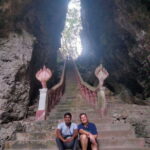
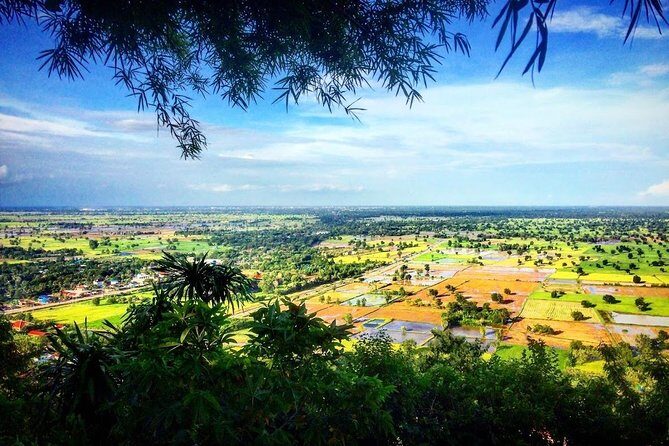
You’ll go to Phnom Sampeau, stopping in small villages, orchards, and vegetable farms, plus seeing rice fields along the way. Then you reach the mountain, which includes shrines and the killing caves used during the Khmer Rouge period.
This part of the tour is heavy. The value is in how the day sets it up after you’ve seen ordinary agricultural life. When you come from rice fields and countryside village rhythms, the contrast hits harder—and that can help you understand why memorial spaces matter.
Expect a reflective pace. You’ll be learning in a place tied to real violence, not just a story in a book. Use the guide’s explanations as a map for what you’re looking at, so your questions have answers grounded in the site.
Battambang Bat Caves: the dusk payoff (about 1.5 hours)
Finally, you reach the Battambang Bat Caves. This segment is timed for late day, with the highlight described as the Bat Army: thousands of bats flying out at dusk.
This is the “wow” ending you’ll likely remember longest. The best part is that it’s not something you can replicate elsewhere. The timing matters, so you’ll want to show up when the tour plan expects you to.
Even if you’re not a wildlife person, bats have a way of grabbing attention fast. It becomes a shared moment of watching, waiting, and then seeing something big happen right on the mountainside.
What to do with the moment:
- Bring your attention. Put your phone away for a few minutes and actually watch.
- Stay calm and don’t run around trying to change viewpoints right at dusk. Wait for the bats to do their thing.
Who This Tour Fits Best (and Who Should Skip It)
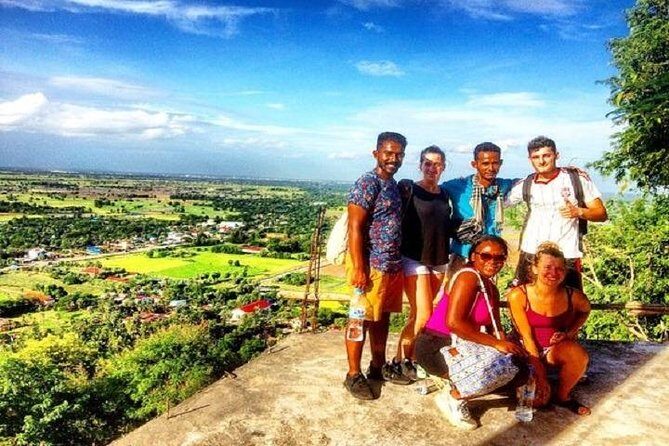
This tour works best for people who want a guided full-day that balances culture, craft, and nature with two cave experiences in one itinerary. It also suits you if you like asking questions and talking to people in villages rather than only watching from the edge.
You’ll probably enjoy it if:
- Food and craft production interests you (rice paper, fish paste, local markets).
- You want temple context, including a memorial connection to the Khmer Rouge at Wat Samrong Knong.
- You’re willing to do a long day and want a single booking to cover the major points.
You might skip it if:
- You dislike long drives and want a shorter, two-stop plan.
- You’re very sensitive to strong smells during food-market moments (you can plan for this, but it’s still part of the day).
- You want a purely light, entertainment-only route. This itinerary includes memorial and tragedy sites, and they deserve your focus.
One more practical note: because it’s private transportation and a private group setup, the day can feel smoother than a busier shared tour. Still, it’s not a sprint. The best experience comes when you let the schedule unfold.
Should You Book This Battambang Handicraft and Bat Caves Tour?
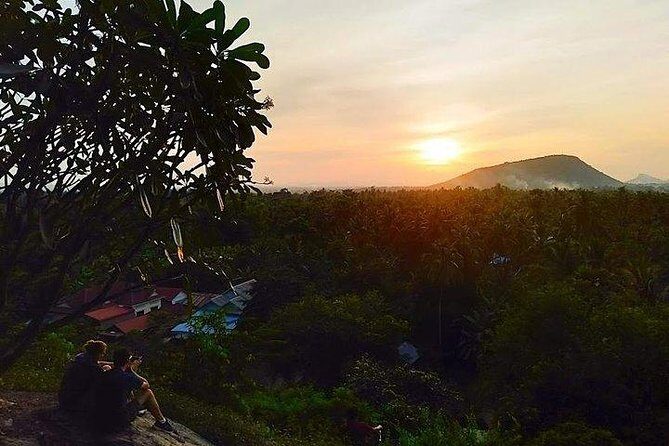
Yes, if you want real Battambang—not just a checklist. The strongest reasons to book are the rice paper and food production stop, the guided context at Wat Samrong Knong, and the fact that the day ends with the Bat Caves at dusk, which is the kind of moment you can’t easily recreate on your own.
I’d book this particularly if you value:
- A guide who helps the day make sense (English support and a calm pace are key here).
- A private, pickup-and-drop-off day that saves you planning time.
- A mix of hands-on learning and a nature payoff.
If your group can handle a long day and you’re respectful about the memorial spaces, this tour looks like strong value at $18, especially since key tickets are included at several stops and the tour provides cold water and food tastings.
FAQ
Is this tour private?
Yes. It’s a private tour/activity, so it’s for your group only, with private transportation and pickup and drop-off.
What’s included in the $18 price?
The tour includes a friendly English-speaking guide, private transportation, pickup and drop-off, cold water, and local snack tasting (option). Admission is included for some stops, while others are free.
Do I have to pay extra for the bamboo train?
Yes. The bamboo train ride costs $5 per person and is not included in the base price.
Which stops include admission tickets?
Admission is listed as included for the rice paper and spring roll restaurant stop, Wat Ek Phnom, the Killing Caves of Phnom Sampeau, and Battambang Bat Caves.
What’s the tour duration?
It’s listed as approximately 10 to 12 hours.
What age limits apply?
The minimum age is 5 years. Children 12 years old must be accompanied by an adult.
When do you visit the Bat Caves?
You end the journey before sunset by visiting the Battambang Bat Caves, where thousands of bats fly out at dusk.
Can I cancel for a full refund?
Yes. Free cancellation is available if you cancel up to 24 hours in advance for a full refund.