REVIEW · SIEM REAP
Half-Day: Silk Farm, Senteur Angkor, and Satcha Workshop
Book on GetYourGuide →Operated by Tour Guide Team Phnom Penh · Bookable on GetYourGuide
A few hours here feels like a whole craft education. You’ll watch silk production start with mulberry trees and end at the weaving stage, then bounce through bamboo workshops and local handicraft hubs. I especially like the clear, step-by-step look at how silk garments are made, and the chance to see multiple craft styles in one tight loop. One small drawback: it’s a walking-and-viewing tour with shop time, so if you hate browsing or crowds at sales counters, plan to shop with patience.
For me, the best part is how practical it all is. You’re not just looking at finished souvenirs; you’re seeing the process, and that helps you buy better gifts (and ask smarter questions). The tour runs about 4 hours and isn’t a great fit if you need wheelchair access.
In This Review
- Key Highlights You’ll Remember
- Silk Farm to Workshop: The Craft Loop That Makes Sense in Siem Reap
- How the 4-Hour Schedule Works (and Where Time Goes)
- Angkor Silk Farm: From Mulberry Trees to the Weaving Step
- Satcha Handicraft Center: Six Bamboo Workshops and 15 Know-Hows
- Senteurs d’Angkor: Sustainable Cambodian Treasures You Can Actually Choose
- Artisan d’Angkor: Seeing Local Handicrafts Made
- Price and Value: What $25 Really Buys You
- What to Bring (So You Don’t Regret It by Stop Two)
- Who This Tour Fits Best (and Who Should Skip It)
- Should You Book This Half-Day Silk, Bamboo, and Craft Tour?
- FAQ
- How long is the Half-Day Silk Farm, Senteur Angkor, and Satcha Workshop tour?
- What is included in the tour price?
- Is the tour suitable for wheelchair users?
- What should I bring for this tour?
- Are meals included?
- Is smoking allowed during the tour?
Key Highlights You’ll Remember
- Mulberry-to-silk workflow: Follow the silkworm lifecycle and how threads become fabric.
- Satcha’s bamboo-built workshops: Six workshop spaces made with Cambodian bamboo from Kampong Cham.
- 15+ know-hows under one roof: From carving and weaving to silver plating and jewelry.
- Senteurs d’Angkor’s sustainability angle: A craft market focused on Cambodian treasures.
- Artisan d’Angkor craft-making watch: See local handicrafts being produced, not just displayed.
- Separate entrance for quicker entry: Skip long lines at busy stops when available.
Silk Farm to Workshop: The Craft Loop That Makes Sense in Siem Reap
Siem Reap has plenty of big-ticket sights. This half-day tour is different. It trades temples for hands-on industry: mulberry trees, silk production, bamboo craftsmanship, and the everyday systems behind Cambodian souvenir-making. It’s the kind of outing that makes you slow down and look at what you normally pass by in gift shops.
The format is also smart. You start with hotel pickup in Krong Siem Reap, then you move by van between stops with short travel legs. That keeps your energy for actual viewing and shopping, which is exactly what you want on a half-day schedule.
And yes, you’ll spend time in markets and craft centers. But the key is that the tour is structured so you understand what you’re seeing first. Once you’ve watched silk being made, a silk scarf purchase stops feeling random.
A few more Siem Reap tours and experiences worth a look



How the 4-Hour Schedule Works (and Where Time Goes)
This is a half-day experience at 4 hours, with hotel pickup and drop-off included. The drive between sites is short—about 15 minutes for the earlier hops and around 5 minutes near the later stops—so you don’t lose the whole morning sitting in traffic.
The itinerary is built around “see, listen, then shop.” You’ll have guided time at the silk farm (plus photo time and a market stop), then you’ll move through the next craft hub with time for viewing, learning, and purchasing. The overall pace is busy but not frantic. It’s the kind of tour where you should bring a hat and plan to wear comfortable shoes, because you’ll be on your feet during the stops.
If you prefer very quiet sightseeing with no sales energy at all, you might feel a little pressure at the craft centers. If you’re okay with that—especially if you set yourself a shopping budget—you’ll get a lot out of it.
Angkor Silk Farm: From Mulberry Trees to the Weaving Step
Your day starts at the Angkor Silk Farm, and it’s the most “wow” stop on the itinerary. The tour doesn’t just point at finished silk products. It walks you through the production chain, starting with the carefully cultivated mulberry trees—because those trees are the food source for the silkworms.
You’ll then see the silkworm lifecycle, which is the part most people find surprisingly fascinating. Even if you don’t love insects, it helps to understand the sequence: feed, lifecycle, then the transition toward threads. That context is what makes later weaving and finished-garment displays feel meaningful instead of random.
Finally, the silk farm includes time connected to the weaving process. That’s where you start to connect the dots between what you watched and what you’ll likely buy. And because you’ll have time for photo stops and a market visit, you can take pictures of the stages you want to remember.
What to watch for: look for the materials and the transitions between stages. The guide’s explanations help, but even if your attention wanders, the physical setup usually does the teaching.
Satcha Handicraft Center: Six Bamboo Workshops and 15 Know-Hows
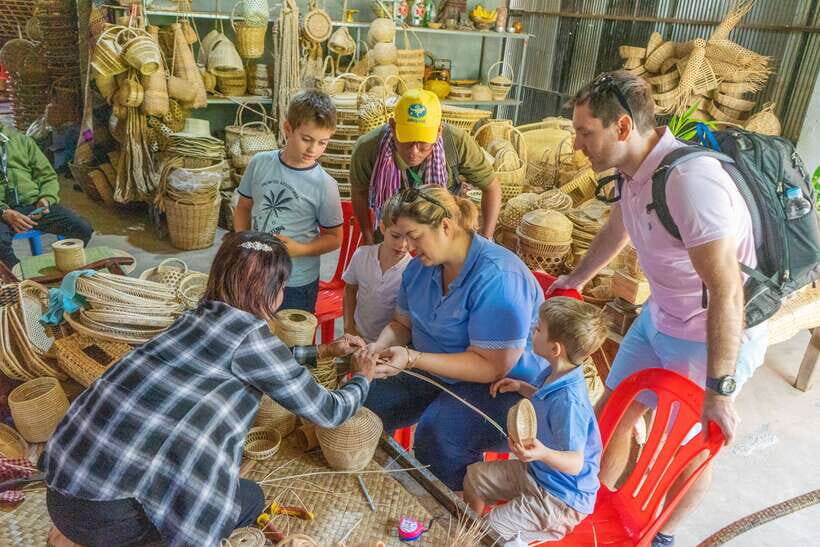
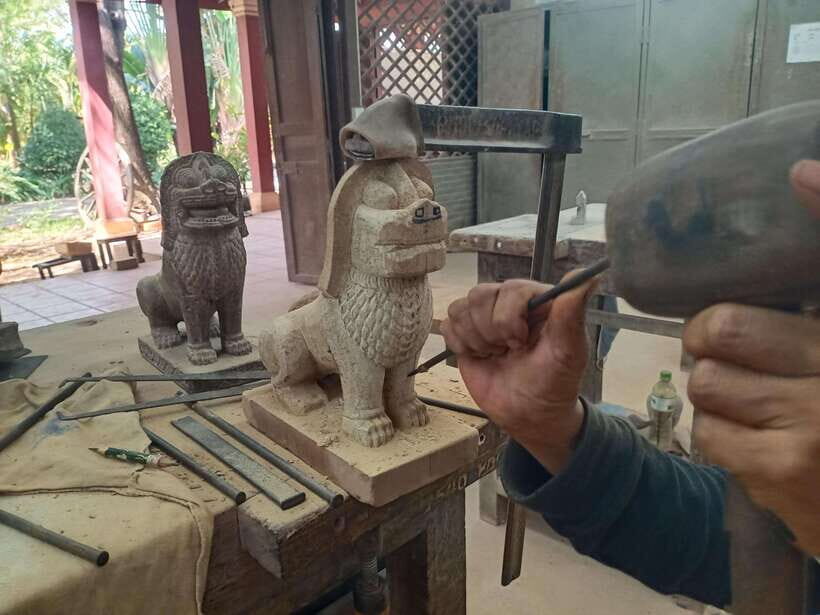
Next up is the Satcha Handicraft Center, one of the most structured craft experiences in the tour. This center is designed with six workshops built exclusively with Cambodian bamboo from Kampong Cham. That detail matters because bamboo isn’t just a theme here—it’s part of the workshop identity.
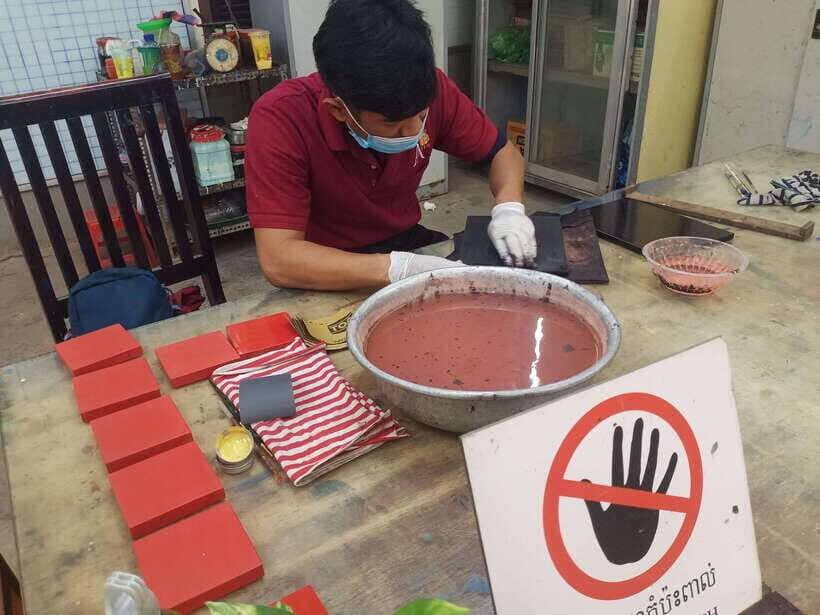
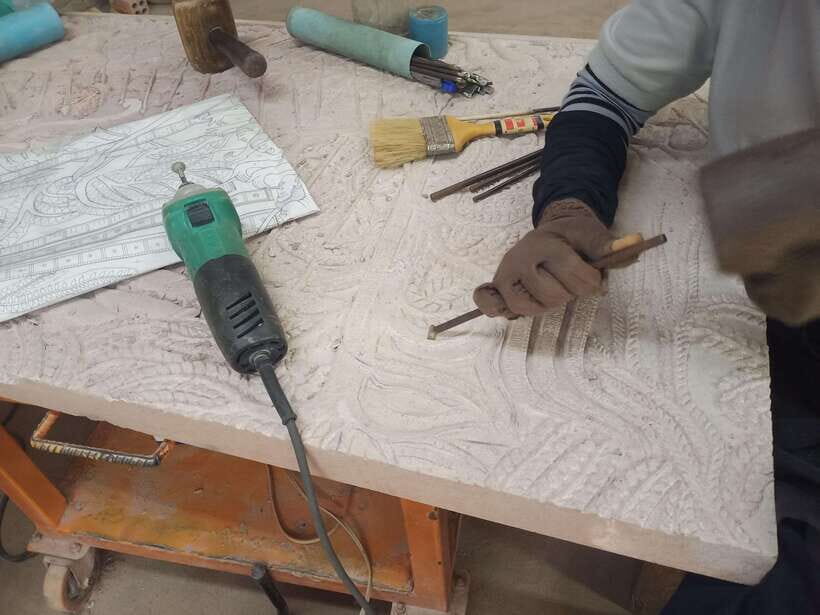
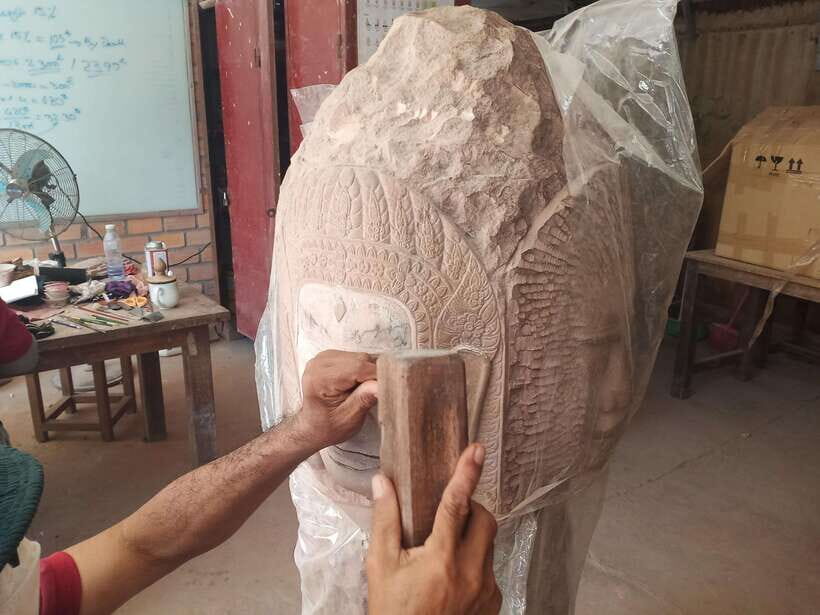
Satcha also operates like a mini craft school. It hosts 50+ artisans working across 15 different know-hows. The range is broad: carving, stone, wood, bamboo, leather, weaving, rattan, seagrass, water hyacinth, silk, cotton, painting and lacquer, jewelry, and silver plating.
That’s a lot to fit into a half-day tour, so don’t expect to become an expert in everything. What you’re really getting is a strong overview of how different artisan skills connect. One workshop might show you how a material is shaped. Another might show the finishing steps. By the end, you’ll understand why Cambodian handicrafts can vary so much, even when they’re aimed at the same souvenir buyer.
Why this stop feels valuable: you’re seeing contemporary design choices inspired by Khmer ornament ideas, not only traditional crafts in a museum setting. It’s a reminder that artisan work in Cambodia isn’t stuck in the past—it’s adapting while keeping roots.
Possible drawback: the center’s variety can make the experience feel a bit like sprinting from station to station. If you have one craft interest (like weaving or jewelry), you’ll probably enjoy the time more if you set a focus before you arrive—so you don’t spread your attention too thin.
Senteurs d’Angkor: Sustainable Cambodian Treasures You Can Actually Choose
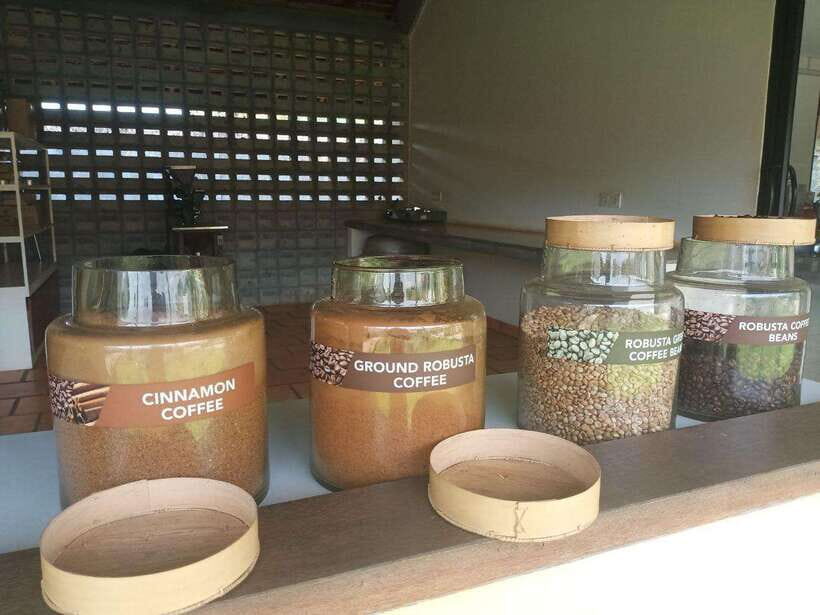
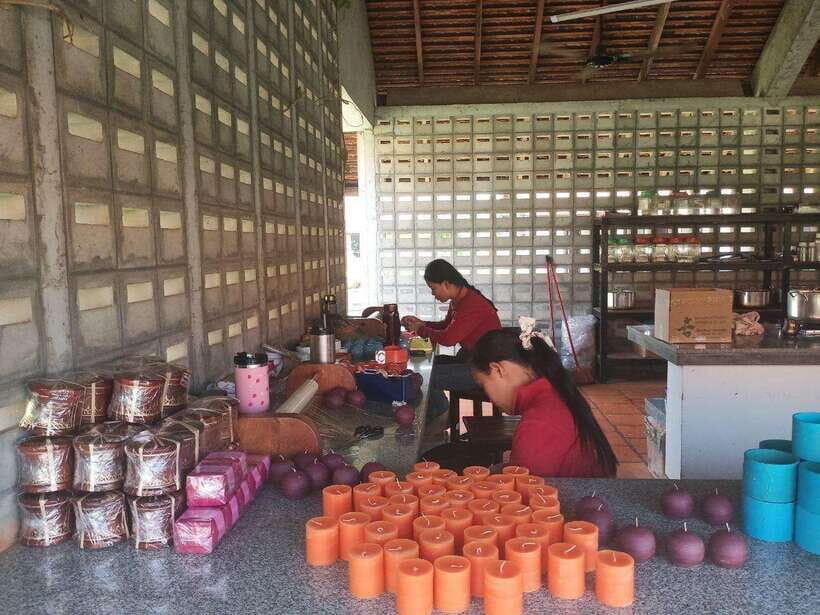
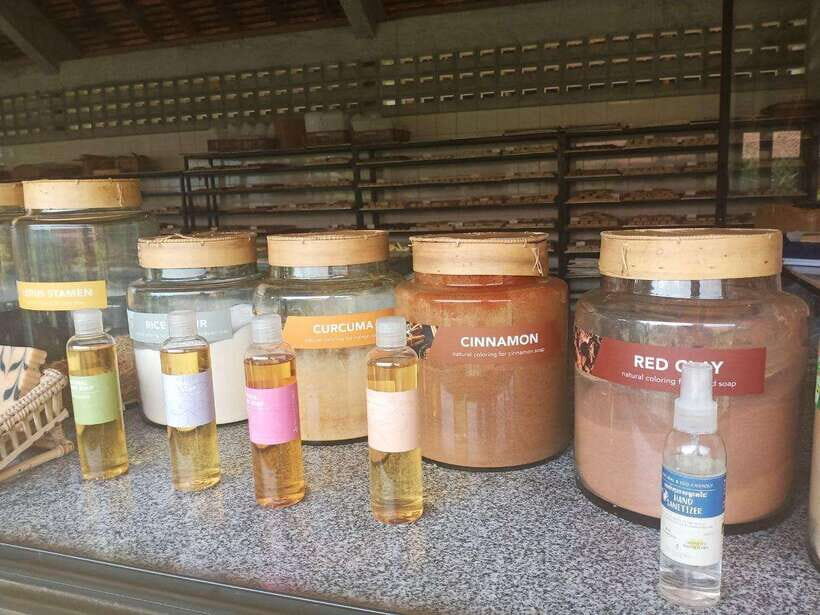
Then you head to Senteurs d’Angkor, described as a hub for sustainable Cambodian treasures. This is less about one production line and more about what those production systems turn into: artisanal products you can browse and compare in a local setting.
In plain terms, this stop is helpful because it lets you translate what you learned earlier into buying decisions. After you’ve seen silk creation and workshop craftsmanship, you’ll recognize quality cues more easily. You’ll also be in a better position to choose gifts that match your interests—textiles, crafted goods, and other local handiwork rather than generic items that could be found anywhere.
The location and setup also encourage a relaxed browse. If you go in thinking you’ll buy something, you can use the guide’s knowledge to compare options. If you go in undecided, you can treat it like a sampling stop to learn what you like.
One thing to keep in mind: “sustainable” can mean different things depending on the seller’s story. You don’t need to interrogate anyone—but it’s worth asking how the product is made and what materials are used, especially after seeing the silk and craft workshops earlier.
A few more Siem Reap tours and experiences worth a look





Artisan d’Angkor: Seeing Local Handicrafts Made
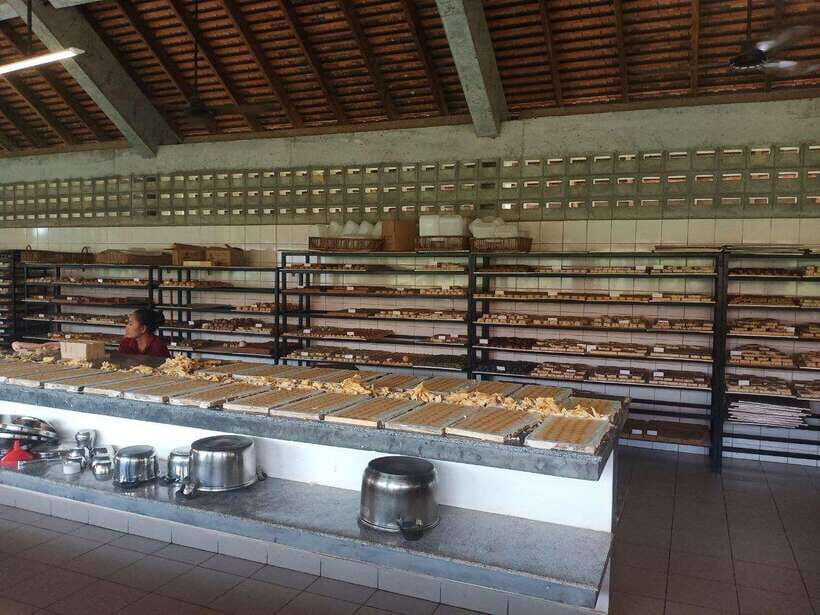
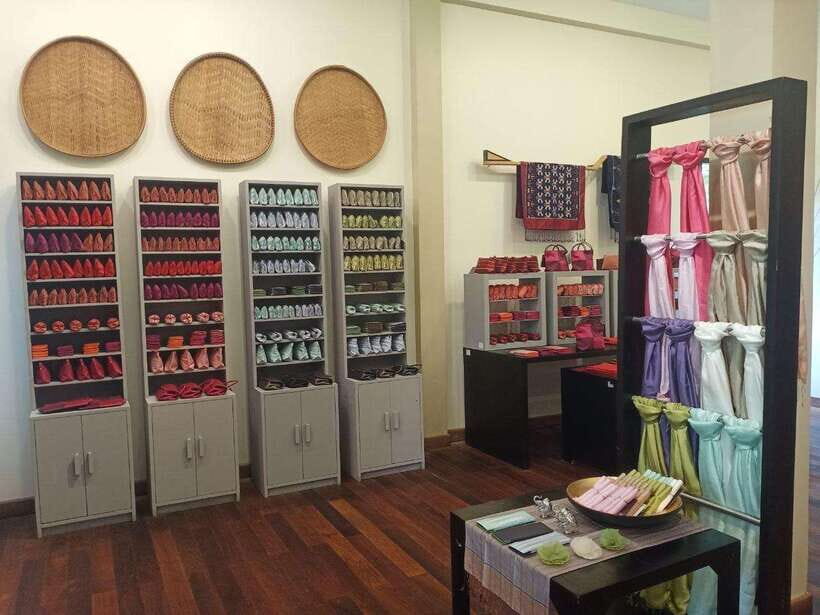
The last craft hub is Artisan d’Angkor, where local handicrafts are made. This is the “watch the making” finale. Earlier stops teach you production concepts; this one brings you closer to the hands-on reality of craft production.
Even without getting stuck on technical details, this is a satisfying endpoint because it matches the tour’s main promise: you’re not only seeing finished goods. You’re seeing the work that creates them.
You’ll likely have a photo stop and guided visit time here too, plus shopping opportunity. If you’re the type of person who likes to buy thoughtfully—rather than grabbing something you like at first glance—this is a good place to slow down and choose your final pieces.
Price and Value: What $25 Really Buys You
The listed price is $25 per group up to 2, and the tour includes hotel pickup and drop-off plus guided visits to the silk farm, Satcha Handicraft Center, Senteurs d’Angkor, and Artisan d’Angkor. For a half-day, that can be good value, especially in a place like Siem Reap where private craft experiences can add up quickly.
Here’s how I judge value for this kind of tour:
- You get multiple craft environments in one outing, not just a single workshop.
- You learn the production chain behind silk (the silk farm stop is a real differentiator).
- You have time to shop in multiple places, which lets you compare quality and pricing.
If you mainly want to buy a couple souvenirs and nothing else, you might not need a guided tour. But if you care about craftsmanship—how materials become products—this format makes your money go further because you’re buying with context.
And one more practical point: the tour includes skip-the-line entry via a separate entrance. That can save time, which is part of the value when your day is short.
What to Bring (So You Don’t Regret It by Stop Two)
This tour is outdoors in parts, and you’ll walk through craft spaces. Bring:
- Comfortable shoes
- Hat
- Camera
- Sunscreen
I also recommend you bring a charged phone/camera battery and keep an eye on shade breaks. The silk farm experience will reward good light for photos, but you’ll still want to avoid overheating.
Also note the rules: no smoking and you won’t be allowed to consume food and drinks during the tour. So eat before you go, and plan to grab your snack or meal after you’re dropped back at your hotel.
Who This Tour Fits Best (and Who Should Skip It)
This tour is a great match if:
- You like craft processes and want to understand what you’re buying.
- You enjoy textiles, weaving, and the step-by-step logic of production.
- You want a half-day plan that isn’t centered on temple circuits.
It’s less ideal if:
- You need wheelchair access (the tour is not suitable for wheelchair users).
- You hate any shop stops or feel uncomfortable in sales-oriented environments.
- You’re looking for a quiet, sit-down museum style experience only.
If you’re traveling with kids who like animals and nature, the silkworm and silk-making explanation can be a win—though the tour is also focused on workshops and crafts, so it won’t be a pure nature walk.
Should You Book This Half-Day Silk, Bamboo, and Craft Tour?
If you want one practical craft-focused morning in Siem Reap, I’d say yes. This tour has a clear structure: start with the silk production chain, then broaden into bamboo workshop craft and local handmade goods. That sequencing turns shopping into something smarter, because you understand how the items are made.
Book it if:
- You value guided context more than just browsing.
- You want multiple craft stops in one tight 4-hour window.
- You’re shopping for gifts and want to buy with better judgment.
Skip it if:
- You only want to buy cheap souvenirs quickly.
- You need full accessibility accommodations.
- You’d rather spend your time at temples or in quieter neighborhoods.
One final note: if you’re the type who likes to keep options open, the tour offers free cancellation up to 24 hours in advance and a reserve-and-pay-later option. That flexibility makes it easier to fit into a Siem Reap schedule.
FAQ
How long is the Half-Day Silk Farm, Senteur Angkor, and Satcha Workshop tour?
The tour lasts 4 hours.
What is included in the tour price?
It includes hotel pickup and drop-off, plus visits to the Silk Farm, Satcha Handicraft Center, Senteurs d’Angkor, and Artisan d’Angkor.
Is the tour suitable for wheelchair users?
No. The tour is not suitable for wheelchair users.
What should I bring for this tour?
Bring comfortable shoes, a hat, a camera, and sunscreen.
Are meals included?
No. Meals are not included.
Is smoking allowed during the tour?
No. Smoking is not allowed during the tour.