REVIEW · SIEM REAP
Lotus Silk Farm: Discover Learn and Experiment the Lotus Flower
Book on Viator →Operated by LOTUS SILK FARM · Bookable on Viator
Lotus tea and craft stations are oddly soothing. I love the hands-on lotus flower workshops and the calm boat ride through the lotus field. One consideration: this experience needs good weather, so plan some flexibility if rain shows up.
You’ll spend about three hours learning how lotus parts become practical things people use every day—textiles, paper, jewelry, tea, even incense. It’s also small-group by design (max 15), so questions don’t get lost in the crowd.
If you want a quick stop that looks nice on photos but gives you nothing to do, this may feel too hands-on. But if you like making, tasting, and asking questions, it’s a smart use of your morning in Siem Reap.
In This Review
- Key things I’d plan for
- Why Lotus Silk Farm Feels Like a Living Classroom
- Meeting at Lotus Silk Farm and Starting with Lotus Tea
- Six Lotus Craft Workshops You’ll Actually Use at Home
- 1) Lotus seed pods and bead-like jewelry pieces
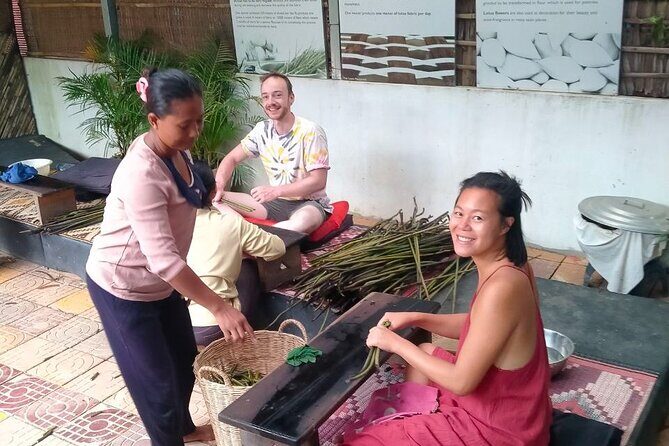
- 2) Extracting or working with lotus stalk fibers (for textiles-style making)
- 3) Yarn-style crafting from lotus fibers
- 4) Lotus paper making
- 5) Incense sticks and botanical scent crafts
- 6) Floral crafts and lotus-themed finishing touches
- What You’ll Learn About Local Lives (Without Getting Lectured)
- Your Handmade Souvenirs: Value Beyond the Price
- The Peaceful Boat Ride Through Lotus Fields
- Price and Value: Is $47 Worth 3 Hours?
- Who This Experience Fits Best (and Who Might Skip It)
- Weather Matters More Than You Think
- Should You Book Lotus Silk Farm?
- FAQ
- FAQ
- How long is the Lotus Silk Farm experience?
- What is the price for this tour?
- How many people are in a group?
- What’s included in the experience?
- What are some examples of what you can make?
- What happens if the weather is poor?
Key things I’d plan for
- Six hands-on lotus craft workshops that rotate through different lotus uses
- Lotus tea to start, setting a calm tone before you get creative
- Small group size (max 15) for a more relaxed pace
- Real materials from the plant: stalk fibers, seed pods, petals, and more
- Make-and-take souvenirs you can keep or gift
- A serene boat ride that turns the workshop into an actual nature break
Why Lotus Silk Farm Feels Like a Living Classroom
Most Siem Reap mornings are all temples, tuk-tuks, and trying to beat the heat. This one flips the script. Lotus Silk Farm is built around a simple idea: the lotus flower isn’t just pretty. It’s a source of fibers, paper, jewelry elements, tea, and more—so you don’t just hear about it. You work with it.
What I like most is how practical it all feels. You’re not watching a demo from behind glass. You’re making things—bracelets, yarn and paper—while understanding why the plant works the way it does. That hands-on link between plant and product is what turns a short visit into a memorable one.
The other win is the pacing. The experience mixes studio-style craft time with an outdoor boat ride. That matters. Your hands get busy, then your eyes get to rest on water lilies and lotus plants. It’s a good rhythm for a place that’s warm and bright most of the year.
A few more Siem Reap tours and experiences worth a look
Meeting at Lotus Silk Farm and Starting with Lotus Tea
You’ll meet at Lotus Silk Farm, on Road 63 in Phum Kroum (17250), Siem Reap. The address is straightforward, and it’s near public transportation, which is handy if you’re not using a private car.
Right after you arrive, the experience begins with lotus tea. That’s not just a cute welcome drink. It’s a quick way to connect the whole farm theme—plant to product—to something you can taste. Tea also helps you slow down, especially if you came from a busy day of sightseeing or an early hotel pickup elsewhere in town.
From there, you’ll move into the craft stations. Because the group is capped at 15, it doesn’t feel frantic. You can ask questions while your hands are working, which is where the learning sticks.
Six Lotus Craft Workshops You’ll Actually Use at Home
The core of the experience is six handicraft workshops, all using parts of the lotus flower. The exact items can vary a bit, but the stations you’ll practice around include lotus-related making like bracelet crafting, yarn or fiber work, and lotus paper.
Here’s how the day typically feels, station by station:
1) Lotus seed pods and bead-like jewelry pieces
One of the most fun parts is working with seed pods. You’ll make items like seed pod bracelets. When you handle the pods, you start to understand why they’re used for jewelry—shape, texture, and how people turn natural parts into wearable items.
Practical tip: go slow with the fiddly parts. Natural materials can be a little uneven, so if you rush, it’s easier to end up with something less neat than you hoped.
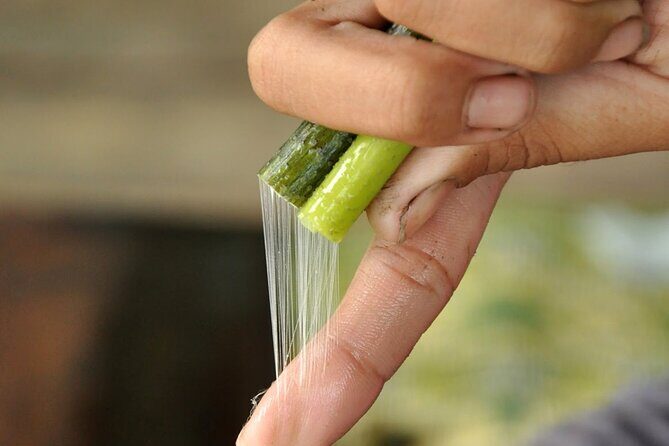
2) Extracting or working with lotus stalk fibers (for textiles-style making)
You’ll get hands-on with lotus stalk material and fiber strands. Some stations focus on extracting or preparing fibers—so you can see how a plant becomes thread-like material. Even if you’ve never worked with fibers before, the step-by-step style makes it feel doable.
This is also where the sustainable fashion angle makes sense. It’s not a slogan. You’re literally turning plant stalk matter into usable strands.





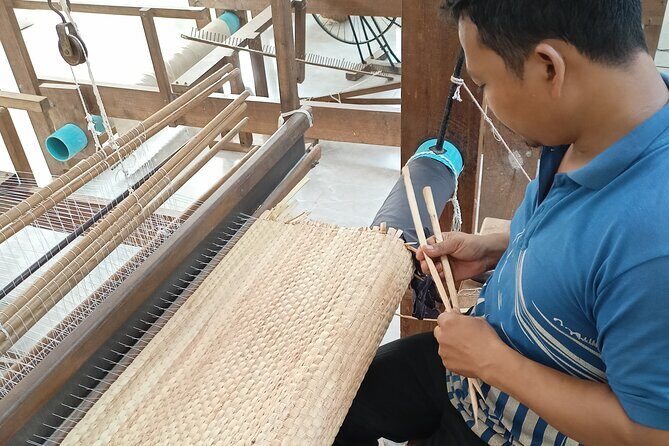
3) Yarn-style crafting from lotus fibers
After you get the fiber part figured out, the workshop style often moves into making something that resembles yarn or thread for your next product. This is great for visitors who like taking something home that feels more “made” than just assembled.
If you’re the kind of person who enjoys tactile crafts—tying, twisting, combining materials—this station will be a highlight.
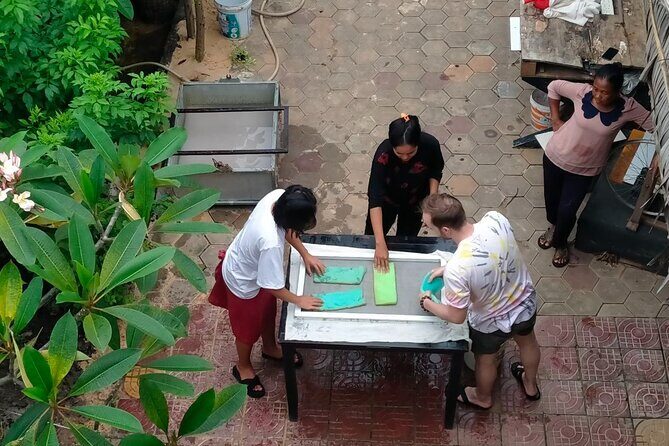
4) Lotus paper making
Paper doesn’t sound like a lotus product until you see the process. Lotus paper workshops teach you how lotus material can be transformed into sheets or paper products. You’ll leave with at least some paper-making souvenir value—either a sheet, a card, or a small crafted item depending on what your group produces.
Practical note: paper-making is often slightly messy. Wear clothes you don’t mind getting a bit dusty.
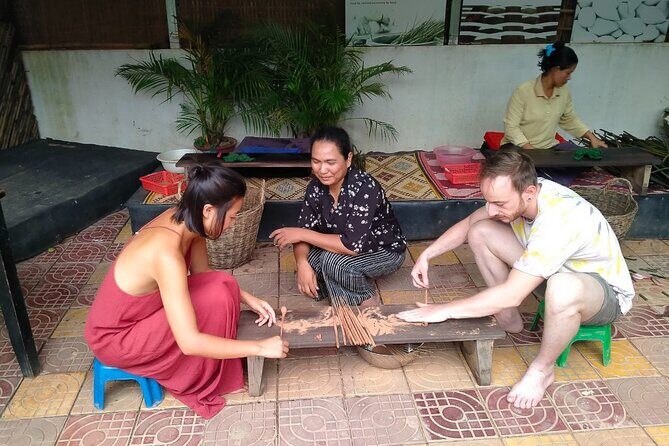
5) Incense sticks and botanical scent crafts
You can expect a workshop that involves lotus and botanical fragrance craft—like making incense sticks. This adds a sensory layer that complements the visual beauty of the field and the hands-on texture work from earlier.
If you like gifts that smell good, this is an easy win. It’s also more distinctive than the usual tourist souvenirs.
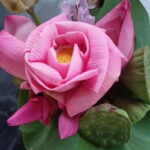
6) Floral crafts and lotus-themed finishing touches
Finally, there are additional workshop elements that focus on lotus flower forms—like folding the flower and making a necklace. The goal here is often to take what you learned and turn it into a final, wearable or display-worthy souvenir.
This last station tends to be where people relax and focus on their own style. If you’re unsure what to choose for gifting, a finished piece like a necklace can feel more “special” than a single-use craft.
What You’ll Learn About Local Lives (Without Getting Lectured)
The farm isn’t just selling products. It’s showing how artisans fit lotus harvesting and crafting into real work. You’ll get insight into how artisans use different parts of the plant and why that’s valuable locally.
A detail I appreciate: the explanation connects multiple uses back to the same plant. Seed pods become beads; petals support tea; stalks become fibers; plant material becomes paper; botanical elements become incense. When you see that full set of transformations, the lesson becomes more than a novelty. It’s systems thinking—how one source becomes many livelihoods and products.
Also, because you’re doing the making yourself, you’re more likely to remember the reason behind each step. You’re not just hearing about lotus. You’re practicing with it.
Your Handmade Souvenirs: Value Beyond the Price
Your ticket includes the workshops, and the payoff is that you leave with handmade souvenirs. People often focus on what they can photograph. I focus on what you can keep for longer than a fridge magnet.
Here’s what’s typically included or produced during the day:
- Seed pod bracelets (small, giftable, and very lotus-specific)
- Paper made from lotus material (a calmer, craft-forward souvenir)
- Incense sticks scented with botanical ingredients
- Fiber strands from lotus stalks, used as part of the craft stations
- Items like a necklace and lotus flower forms (depending on the station flow)
The value isn’t only that souvenirs are included. It’s that you can explain how you made them. That personal story matters, especially if you buy gifts for people who don’t care about Cambodian tourist shopping.
Pro tip for gifting: if you’re bringing something fragile like paper items, pack them flat. If you’re carrying seed pod jewelry, keep it in a small pouch so the pieces don’t rub and chip.
The Peaceful Boat Ride Through Lotus Fields
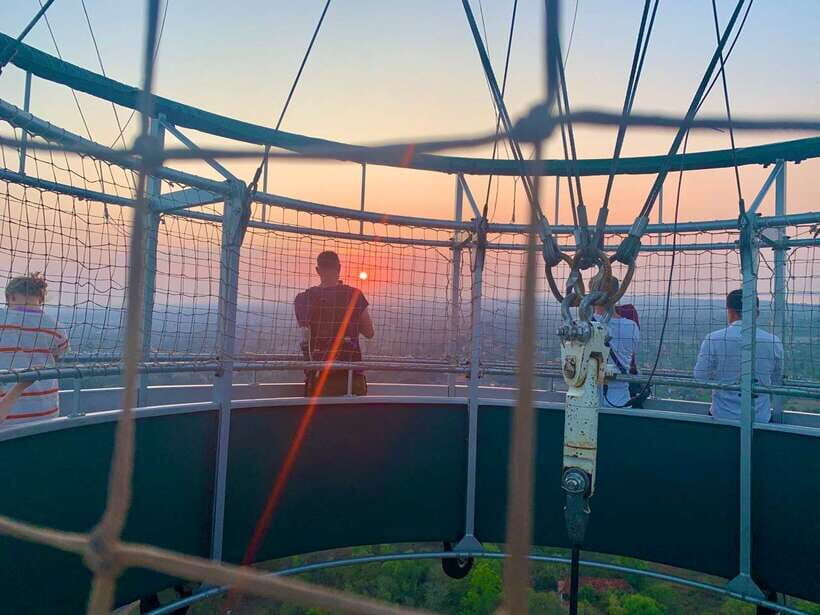
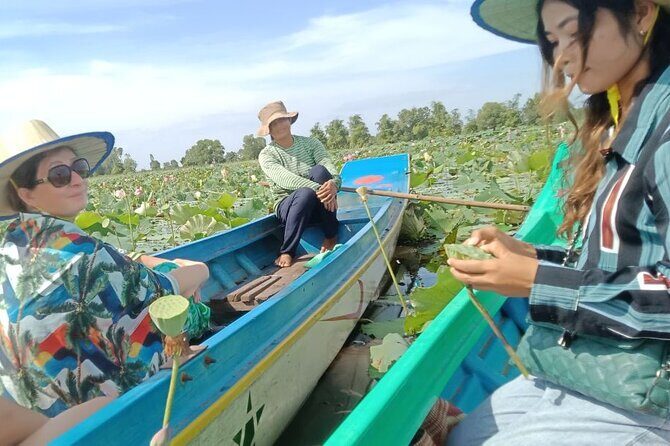
After the craft stations, you’ll end with a serene boat ride to the lotus field. This is the “reset” part of the morning—your body is tired from handwork, and your brain gets to switch to slower observation.
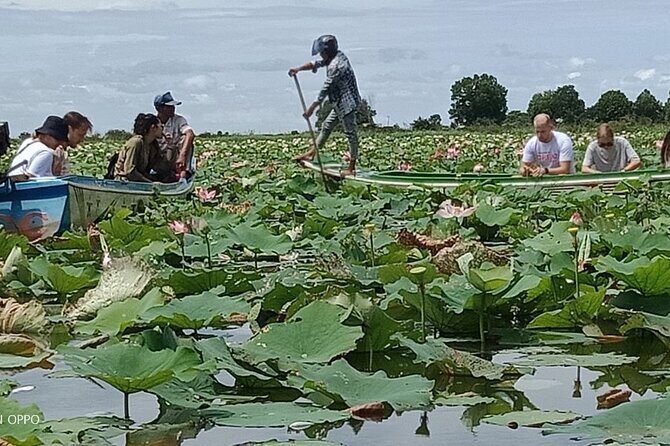
The boat ride is described as beautiful, with water lilies and lotus plants around you. Even if you’ve seen lotus photos before, it’s different from being on a boat at water level. You notice the details: how the plants sit in shallow water, how the light changes across leaves, and how quiet the field can feel.
What I like about this structure is that it makes the farm feel like a place, not a workshop. You’re not just buying craft time. You’re also getting a nature experience that matches the lotus theme.
Price and Value: Is $47 Worth 3 Hours?
At $47 for about 3 hours, this sits in the mid-range for Siem Reap activities. The real question is what you’re paying for besides entry.
You’re paying for:
- Six separate hands-on craft sessions (not just one demo)
- A lotus tea start
- Take-home items made during the workshop
- A boat ride included in the same experience
- A small group limit (max 15), which changes the quality of the interaction
If you prefer activities where you actively create something, $47 starts to feel like a fair deal. You’re not just consuming a show—you’re producing multiple items with guidance.
If you want zero effort and minimal mess, you might feel the price is steep for the time you spend crafting. But the workshop format is the point here, and the value depends on whether that style fits you.
Who This Experience Fits Best (and Who Might Skip It)
This tour makes the most sense if you:
- enjoy hands-on crafts and want to try something new
- like nature stops that aren’t only about temples
- want practical souvenirs you can actually use or gift
- appreciate small-group formats (max 15) that don’t feel rushed
You might skip it if you:
- are extremely short on time in Siem Reap and need a faster single-stop activity
- dislike crafts, or you’d rather spend your morning sightseeing with minimal participation
- don’t tolerate heat well (outdoor field elements depend on weather)
Good fit types: couples, solo travelers who like guided creation, and families who can handle a bit of craft time.
Weather Matters More Than You Think
This experience requires good weather. That’s not a tiny note. Your boat ride and outdoor field time depend on conditions, so build this into a day where you can accept a reschedule if needed.
If poor weather cancels it, you’ll be offered a different date or a full refund. In other words, the organizers aren’t expecting you to show up in miserable conditions and “push through.” Still, it’s smart to plan this earlier in your trip window so you have options.
Should You Book Lotus Silk Farm?
I’d book it if you want a morning in Siem Reap that feels different from the usual temple circuit. The combination of six lotus workshops, take-home handmade items, and a calm boat ride gives you variety in a short time. It also has a small-group feel that makes the learning practical instead of one-size-fits-all.
I’d think twice if your travel style is strictly sightseeing-only, or if you hate getting hands-on with crafts. But if you like making, tasting, and learning how one plant becomes many products, this is a strong choice.
FAQ
FAQ
How long is the Lotus Silk Farm experience?
It lasts about 3 hours.
What is the price for this tour?
The price is $47.
How many people are in a group?
The experience has a maximum of 15 travelers.
What’s included in the experience?
You’ll do lotus-themed handicraft workshops (six in total), start with lotus tea, and finish with a boat ride to the lotus field. You’ll also make souvenirs during the workshops.
What are some examples of what you can make?
You can make items such as a bracelet, yarn, paper, and other lotus-based crafts like seed pod bracelets, paper, incense sticks, and a necklace.
What happens if the weather is poor?
If it’s canceled due to poor weather, you’ll be offered a different date or a full refund.