REVIEW · SIEM REAP
Angkor Silk Farm & Lotus Silk Farm: Siem Reap Discovery Tour
Book on GetYourGuide →Operated by Savin Lotus Shop · Bookable on GetYourGuide
Silk starts on a leaf, not a loom. This tour links Angkor Silk Farm and Lotus Silk Farm so you can compare two very different Cambodian textile stories in one smooth half-day. I love the chance to watch the full silk process with live demonstrations, then switch gears to see lotus fiber extracted from plant stems.
The other thing I like: you’re not just looking at finished scarves. The lotus farm part is tied to an ethical social enterprise that supports local women, so the craft feels connected to real livelihoods. One possible drawback: the whole schedule is tight, and the countryside drive between farms can feel long (and hot) on some days.
In This Review
- Key things you’ll notice right away
- Meeting at Biolab Café and setting the pace
- Angkor Silk Farm: a classic silk journey you can actually see
- The countryside drive: comfortable transport, with heat to plan for
- Lotus Silk Farm by Samatoa: lotus fiber and social impact
- Optional add-ons you might hear about on-site
- A note on the tea stop
- Shopping at both farms: support the craft, but plan your budget
- Who this 4-hour textile tour suits best
- Value check: is $25 really fair for what you get?
- Small logistics that can make or break your comfort
- Should you book the Angkor Silk Farm & Lotus Silk Farm tour?
- FAQ
- How long is the Siem Reap Discovery Tour to Angkor Silk Farm and Lotus Silk Farm?
- Where is the meeting point?
- Is hotel pickup included?
- What does the tour include?
- Is food included besides tea and biscuits?
- Are purchases at the boutiques included in the price?
- What languages are the guides?
- Can I take photos during the tour?
- What time do morning tours depart?
- Does the tour run in bad weather?
Key things you’ll notice right away
- Two farms, two methods: classic mulberry-silkworm silk alongside innovative lotus fiber textiles
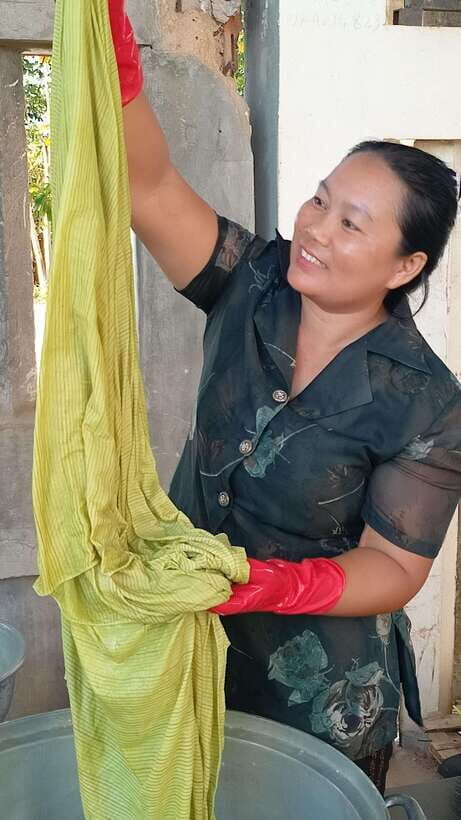
- Live, hands-on-style viewing: silkworm life cycle scenes, lotus fiber extraction, and weaving demonstrations
- Real-world social impact: lotus textiles tied to empowering local women
- Boutique time built in: shopping slots at both stops (with your purchases directly supporting the farms)
- Simple meeting point: downtown pickup at Biolab Café, with a comfortable wait area
Meeting at Biolab Café and setting the pace
You’ll start in downtown Siem Reap at Biolab Café. It’s a garden-style café that makes the waiting part easy: comfortable seating, restrooms, and even free Wi‑Fi on-site. You’ll also spot the pickup setup by looking for the lotus-colored flag marked PICKUP – Lotus Silk Farm, with a grey van/vehicle and the driver waiting outside.
Departures run in the morning, with two start times (8:30 AM and 10:00 AM). Plan to arrive about 10 minutes early so you don’t feel rushed before the tour starts.
This is a 4-hour experience that includes guided time at each farm plus a bit of shopping time at both stops, with transportation between locations. That timing matters, because you’ll want to focus on learning and watching closely—not trying to do everything slowly.
A few more Siem Reap tours and experiences worth a look


Angkor Silk Farm: a classic silk journey you can actually see
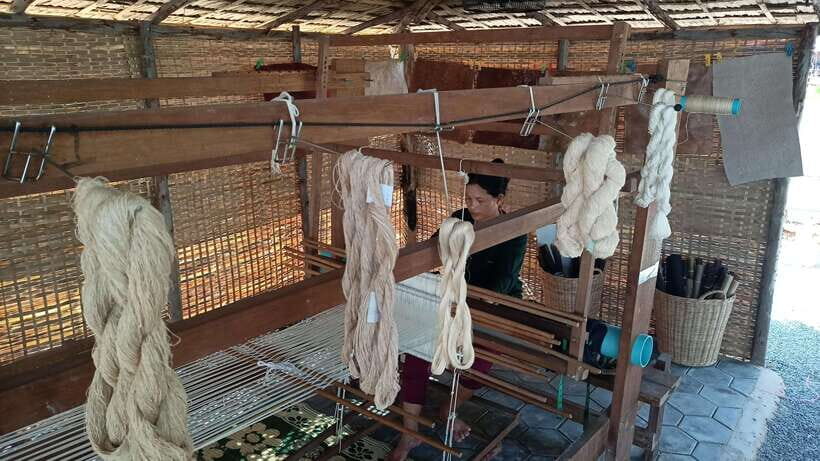
Your first farm stop is Angkor Silk Farm, where you’ll get a guided visit of about 45 minutes. This is the part of the tour that feels most traditional in a good, straightforward way. Instead of only seeing silk products behind glass, you walk through how silk begins, how it’s handled, and how it becomes thread.
What you’ll pay attention to here:
- The silkworm life cycle presentation (from active stages to the cocoons)
- How raw materials turn into silk threads through careful handling
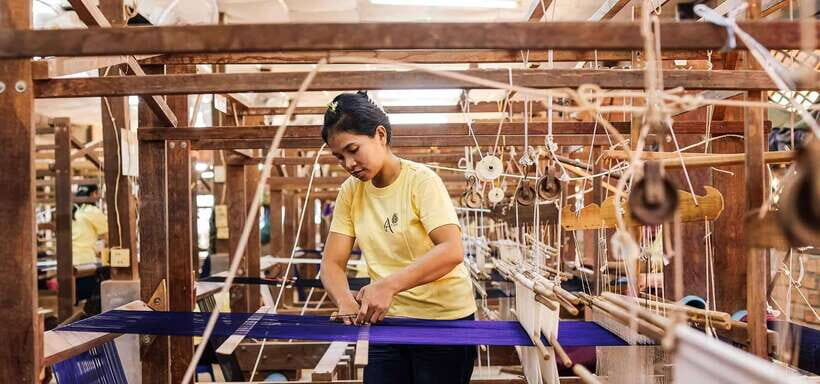
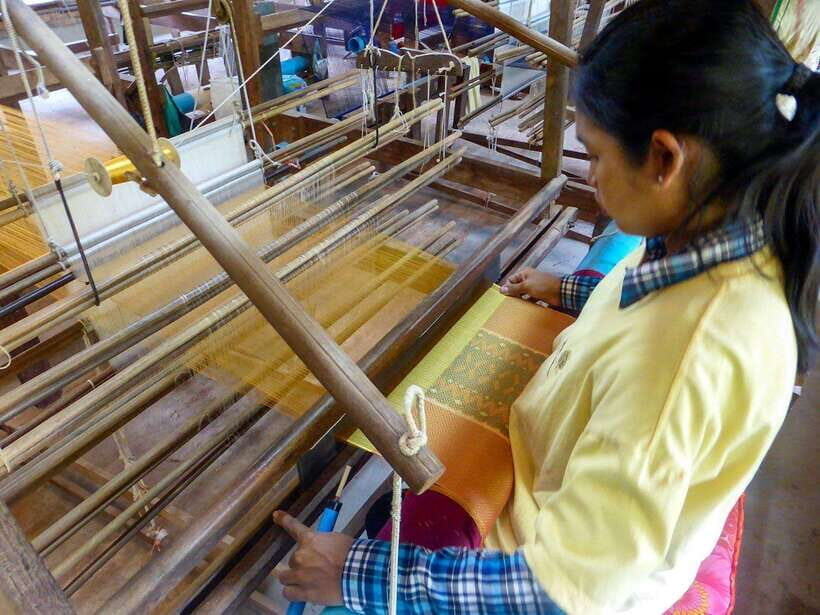
- Weavers showing off ancient-style techniques on traditional wooden looms
- Lots of photo opportunities, because you’ll want reference shots of processes—not just finished scarves
The wooden loom segment is a highlight for anyone who likes “how it’s made” details. You get that satisfying moment when your brain connects the labor you see with the patterns you recognize on the products later. Even if you’re not a textile person, the loom demonstrations help you understand why these fabrics cost more than machine-made equivalents.
Shopping here also isn’t an afterthought. You get around 15 minutes to browse the Angkor farm boutique. Keep it practical: use this time to compare materials and patterns, and don’t feel pressure to buy immediately.
The countryside drive: comfortable transport, with heat to plan for
Between the two farms, you’re taken on a scenic countryside route. You’re not left to figure out logistics, and the tour includes transport as part of the package, so you can relax and focus on the ride and the next stop.
That said, the countryside stretch can test your patience if it runs hot or feels slow. One review mentioned an especially hot tuk‑tuk-style ride between farms, and the lesson here is simple: dress for warm weather, bring sunscreen, and carry water if you run thirsty (water isn’t listed as included beyond tea).
If you’re taking photos, remember that bright sun can wash out shots. Try to shoot early during the drive or adjust angles when you stop.
Lotus Silk Farm by Samatoa: lotus fiber and social impact
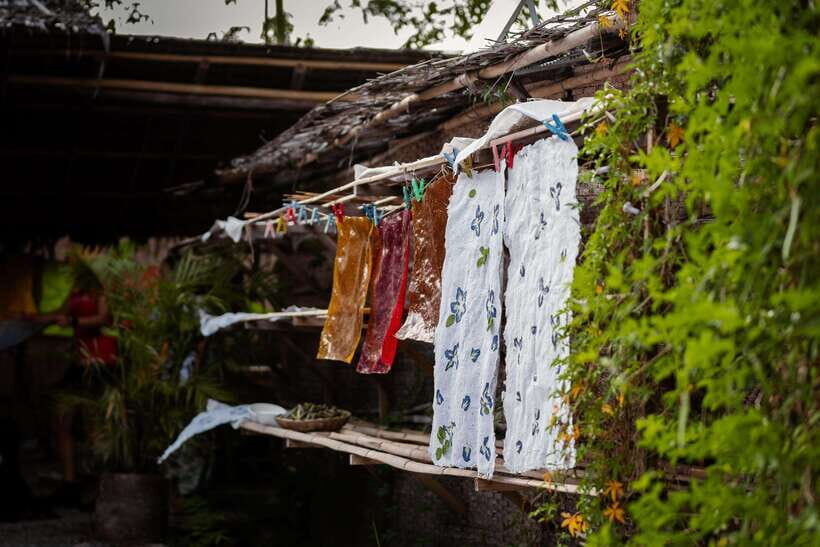
Next up is Lotus Silk Farm (by Samatoa). You’ll have a guided visit of about 30 minutes, then a 15-minute lotus tea pause, followed by shopping time. This section often lands as the most surprising part of the tour, especially if you’ve only heard of silk as silkworm-made.
Here’s what makes the lotus farm distinct:
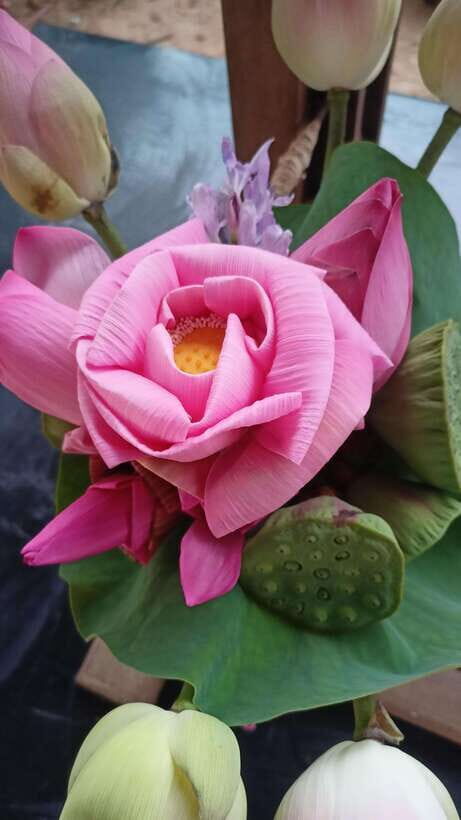
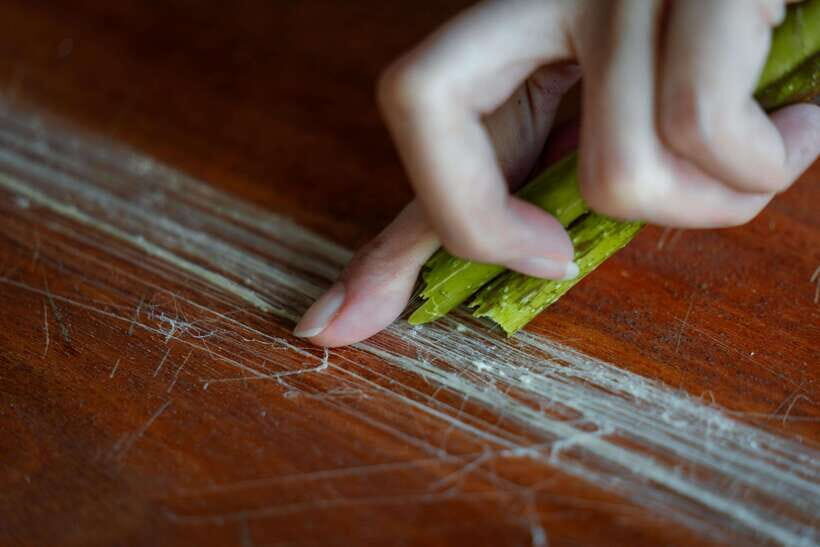
- You’ll watch lotus fiber extraction from lotus stems
- You’ll see how the farm connects innovation with Khmer craft traditions
- You’ll learn how the social enterprise side supports women in the local community
- You’ll get lotus tea and biscuits in a garden setting before you shop
That combination—process plus people—changes the way you interpret the finished textiles. At lotus farm, you’re not just learning a technique; you’re seeing how sustainable materials and careful work can be built into a local economy.
Optional add-ons you might hear about on-site
The basic tour includes viewing and demonstrations, not extra activities. Still, some people report being offered optional hands-on experiences at the lotus farm (like small craft activities) for an additional cost. If you’re the type who likes making something with your own hands, ask your guide what’s available during your visit and decide on the spot.





A note on the tea stop
The included lotus tea and biscuits are brief but useful. It’s a built-in reset button after the fiber demonstrations, and it also lets you pace yourself before the shopping portion.
Shopping at both farms: support the craft, but plan your budget
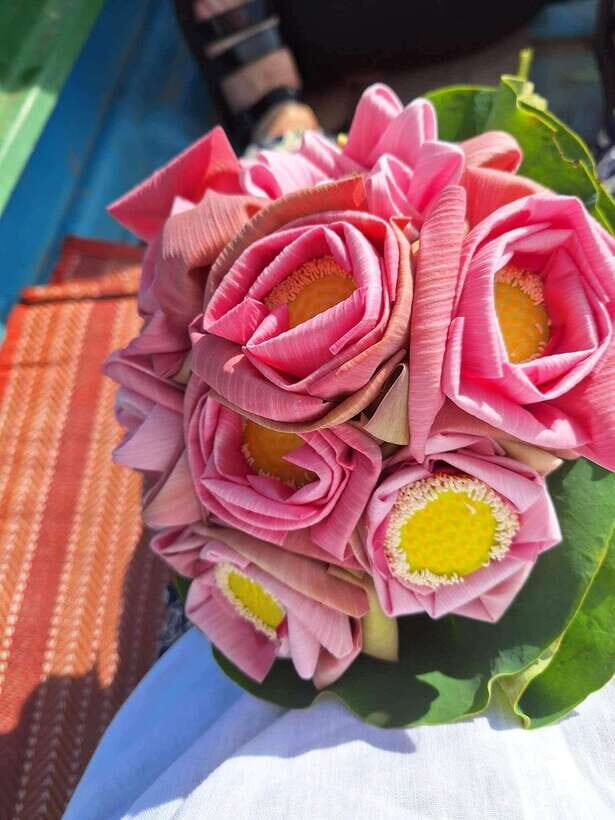
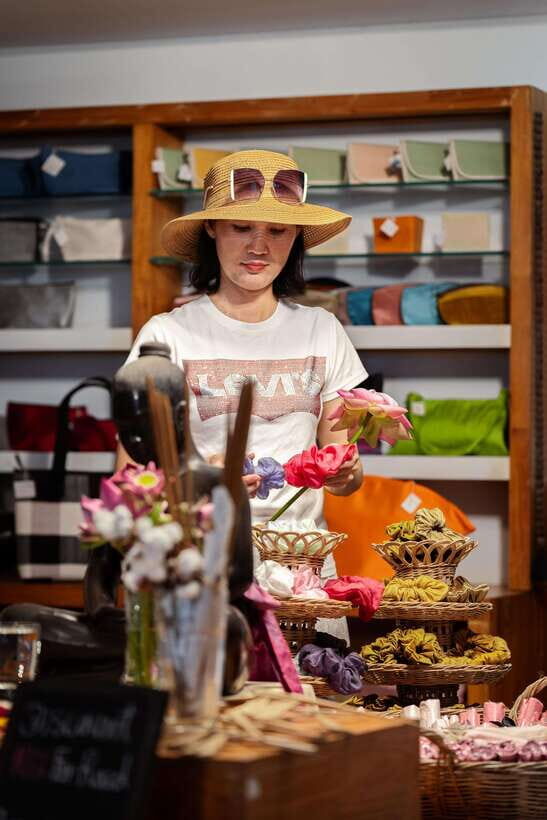
Both farms have boutiques, and you get guided time to visit them. Purchases are not included in the tour price, so you’ll want to walk in expecting to browse with an open budget—or with a firm limit.
Here’s how I’d shop smart:
- Use the Angkor boutique slot to compare classic silk options and weaving patterns.
- Use the Lotus boutique slot to focus on lotus-fiber items and anything that highlights the sustainability story.
- If you’re buying gifts, take photos of tags/labels while you’re there so you can remember what you liked later.
Why this matters: buying directly supports the farms’ work and the social enterprise model at the lotus site. It’s not charity shopping—it’s trade that keeps skills alive.
Also keep your practical travel habits. Bring cash (USD is accepted), and remember that the tour is designed for learning first, shopping second.
Who this 4-hour textile tour suits best
This tour is a good match if you fall into any of these categories:
- You want an easy, half-day “how it’s made” experience in Siem Reap
- You like hands-on viewing—silkworm stages, fiber extraction, and weaving demonstrations
- You care about ethical production and want your souvenir story to come with a real explanation
- You’re traveling with teens, parents, or mixed interests, because both farms offer something visual and simple to follow
It’s less ideal if you hate structured schedules. With a total of about 4 hours including transport, you won’t have unlimited time to linger deeply at one farm.
Value check: is $25 really fair for what you get?

At $25 per person for a 4-hour tour, the value comes from what’s included, not just the sightseeing. You’re paying for:
- Guided visits at both farms
- Live demonstrations for silk production and lotus fiber extraction
- Transportation between the two locations from the central meeting point
- Included refreshments at the lotus farm (lotus tea and biscuits)
If you’ve ever paid for “look at a factory” style tours, this is closer to the helpful end of that spectrum because the schedule is built around the full process. You’re not only seeing end products—you’re seeing steps, tools, and the work behind the scenes.
One more reason it feels fair: you’re supporting two local enterprises that keep craft skills active. That doesn’t replace buying a product you love, but it does explain why this isn’t a cheap, mass-market experience.
Small logistics that can make or break your comfort
A few practical things can help you enjoy the day more:
- Wear comfortable walking shoes. You’ll move around inside farm areas.
- Bring a camera. Photography is allowed at both farms, and you’ll want process shots.
- Use sun protection. You’re out in the countryside between stops.
- Plan for limited food during the tour. The lotus tea and biscuits are included; extra meals aren’t part of the standard inclusions.
- Be ready for a shared group format. The tour may be shared with other guests depending on the day.
Restrooms are available at both farms, and free Wi‑Fi is available at Lotus Silk Farm.
Should you book the Angkor Silk Farm & Lotus Silk Farm tour?
I’d book this if you want a compact, high-impact cultural activity that teaches you something real. The “two farms, two textile methods” comparison is the main draw, and the lotus side adds an ethical angle that makes the craft story feel grounded.
Skip it only if you’re expecting a long, hands-on workshop day. This tour is built for guided viewing and short stops, not deep training in weaving or fiber processing.
If you’re in Siem Reap with one half-day to spare and you like crafts with a clear process, this is one of the better bets.
FAQ
How long is the Siem Reap Discovery Tour to Angkor Silk Farm and Lotus Silk Farm?
The total duration is 4 hours, including transportation time.
Where is the meeting point?
You meet at Biolab Café in downtown Siem Reap.
Is hotel pickup included?
No. Transportation is only provided from and to the Biolab Café meeting point.
What does the tour include?
It includes guided farm tours at both Angkor Silk Farm and Lotus Silk Farm, live demonstrations, access to farm areas and exhibitions, and transportation between the farms, plus lotus tea and biscuits at the lotus farm.
Is food included besides tea and biscuits?
Besides complimentary lotus tea and biscuits, meals or additional beverages are not listed as included.
Are purchases at the boutiques included in the price?
No. Shopping time is included, but purchases are not included in the tour price.
What languages are the guides?
Guides provide explanations in English or French.
Can I take photos during the tour?
Yes, photography is allowed at both farms.
What time do morning tours depart?
Morning departures are at 8:30 AM and 10:00 AM. Arrive about 10 minutes early.
Does the tour run in bad weather?
The tour operates in all weather conditions.