REVIEW · SIEM REAP
Half Day Trip: Silk Farm, Satcha, and Senteur d’Angkor Tour
Book on GetYourGuide →Operated by Tour Guide Team Cambodia · Bookable on GetYourGuide
Silk starts with leaves, not just thread. This half-day route turns traditional silk making into a simple story you can follow from mulberry trees to the finished fabric, then links it to Cambodia’s broader craft world at Satcha and two more handmade-goods centers. I also like the pace: guided stops, short walking, and plenty of chances to shop without feeling rushed. The main drawback is that it’s craft-focused, so if you’re chasing big scenic wow moments, this won’t scratch that itch.
You’ll get picked up in Krong Siem Reap, ride around by tuk tuk, and return to your hotel in about four hours. Along the way, you’ll see multiple workshop areas and even a couple of photo breaks, which helps when Siem Reap is hot and your legs want a breather. Wear comfortable shoes and bring a camera, because the best parts are the small process details.
In This Review
- Key things to look forward to
- Silk Farm in Angkor Region: how silk becomes something you can actually picture
- Satcha Handicraft Center: six bamboo workshops, Khmer details, and a modern layout
- Senteurs d’Angkor: sustainable Cambodian treasures you can shop with purpose
- Artisan d’Angkor: the production mindset behind local handicrafts
- How the tuk tuk route shapes a 4-hour half day
- What you’ll likely buy (and how to avoid regret)
- Who this tour fits best (and who might want to skip it)
- Quick practical notes before you go
- Should you book this silk, bamboo, and artisanal tour?
- FAQ
- How long is the Half Day Trip: Silk Farm, Satcha, and Senteur d’Angkor?
- What is the price?
- Does the tour include hotel pickup and drop-off?
- What places are visited during the tour?
- Is food included?
- Do I need to bring anything?
Key things to look forward to
- A clear silk lifecycle at Angkor Silk Farm, from mulberry trees to silkworm stages and the weaving process
- Satcha’s bamboo workshops: six workshops in buildings made with Cambodian bamboo from Kampong Cham
- Khmer ornament design meets modern craft at Satcha, so you get traditional patterns in contemporary form
- Senteurs d’Angkor sustainable shopping focused on Cambodian artisanal treasures
- Artisan d’Angkor as a production hub where local handicrafts are made
- Skip-the-line entry via a separate entrance, plus an English-speaking driver for the route
Silk Farm in Angkor Region: how silk becomes something you can actually picture
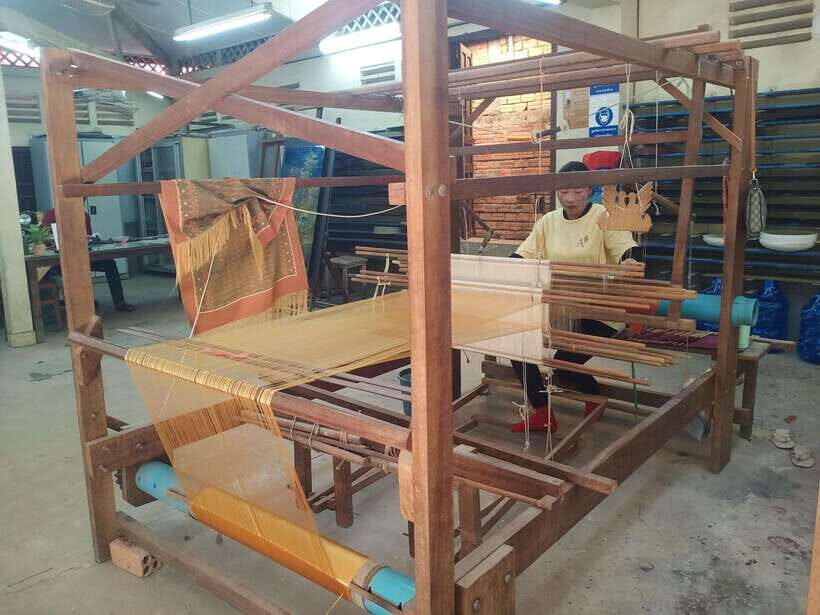
Angkor Silk Farm is the kind of stop that’s easy to underestimate until you’re standing inside it. The setup is about process, not just presentation. You’ll start with the basics—mulberry trees and the lifecycle of the silkworms—and the guide connects those early steps to the end result: silk fabric you can see and shop for afterward.
What I like most is that the farm helps you understand why silk is slow and deliberate. Silk doesn’t happen because someone is good at spinning yarn. It happens because nature is involved, the timing matters, and the weaving stage is its own craft skill. Even if you’re not a textiles person, you’ll likely walk away with a sharper sense of what you’re buying.
The guided portion is paired with time for walking and looking around, plus shopping if you want to compare products. That’s useful here because silk varies—by look, by weave, and by what feels like it would work in your everyday life. A scarf is one thing. Fabric you can turn into a gift or a memory piece is another.
Practical note: Bring a camera. The farm includes visual steps (trees, lifecycle explanations, weaving), and photos help you remember what you saw once you’re back in town. And while you’re moving through the farm area, comfortable walking shoes matter more than you’d expect for a “half-day” plan.
A few more Siem Reap tours and experiences worth a look


Satcha Handicraft Center: six bamboo workshops, Khmer details, and a modern layout
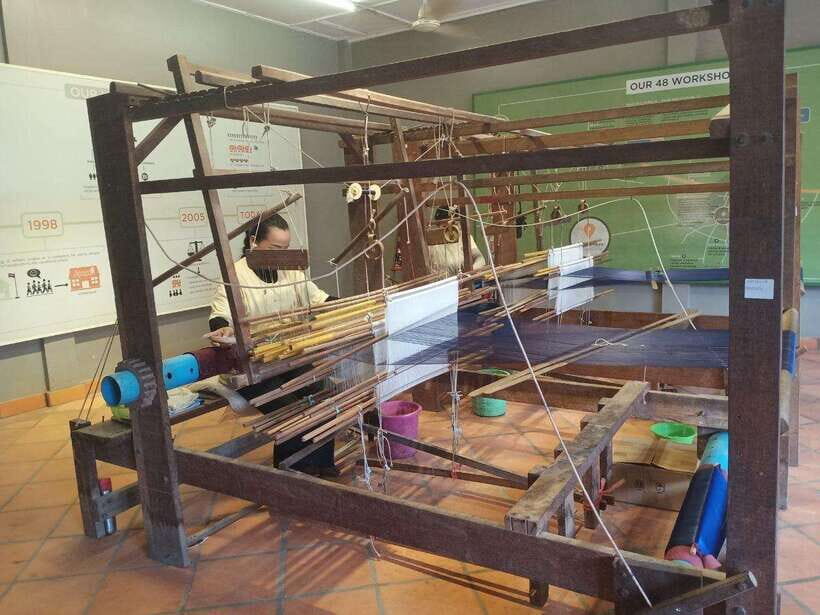
After the farm, the tour shifts from silk to broader craft design. Satcha Handicraft Center is built around workshops—six different workshop areas—and the buildings are made exclusively with Cambodian bamboo from Kampong Cham. That detail matters because it changes how the site feels: airy, light, and designed for work rather than just display.
You’ll also see how traditional know-how is translated into contemporary design inspired by Khmer ornaments. That’s a big deal if you usually find “souvenir shops” repetitive. Here, the point seems to be that Cambodian patterns aren’t stuck in the past. They can show up on modern items too, with the bamboo architecture acting like a bridge between old materials and newer product ideas.
At Satcha, the time block includes a guided visit, shopping, and workshop time. In practice, that usually means you can watch the process style, then ask questions about materials or finishing. If you enjoy making sense of what something is, this is the stronger of the craft stops—because it offers both the how and the design why.
Possible drawback to consider: This is still a shopping-friendly environment. Even with guidance, you may feel a gentle push to browse and buy. If you’re the type who hates sales pressure, treat shopping as a quick comparison exercise. Set a budget before you arrive and focus on items that match your plans, not the mood.
Senteurs d’Angkor: sustainable Cambodian treasures you can shop with purpose
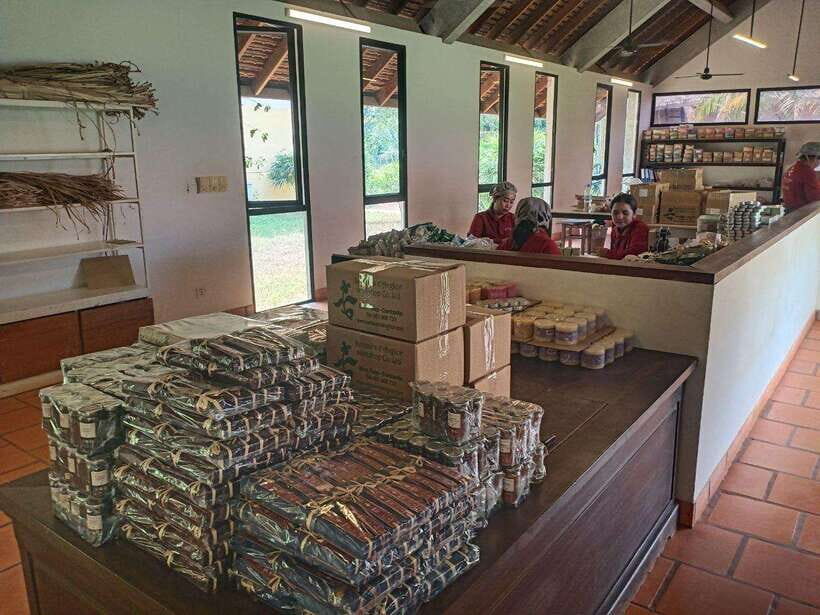
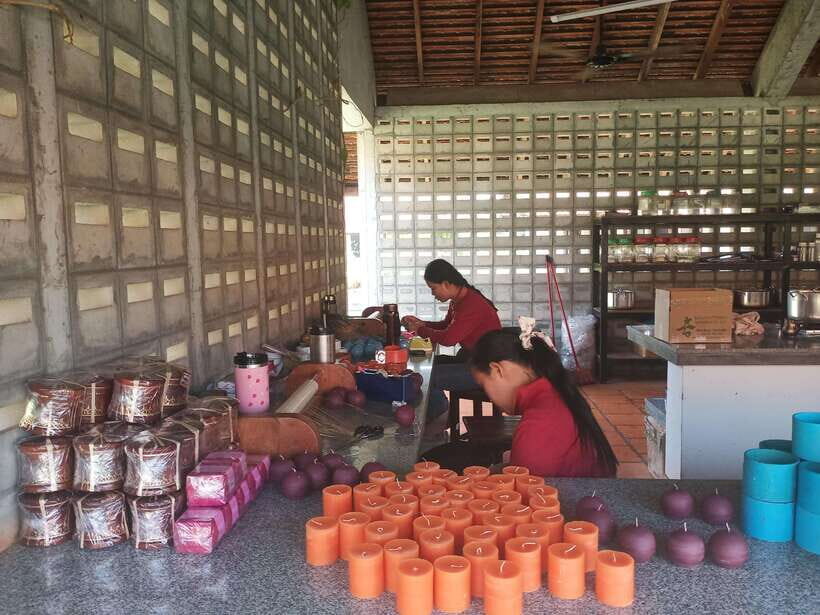
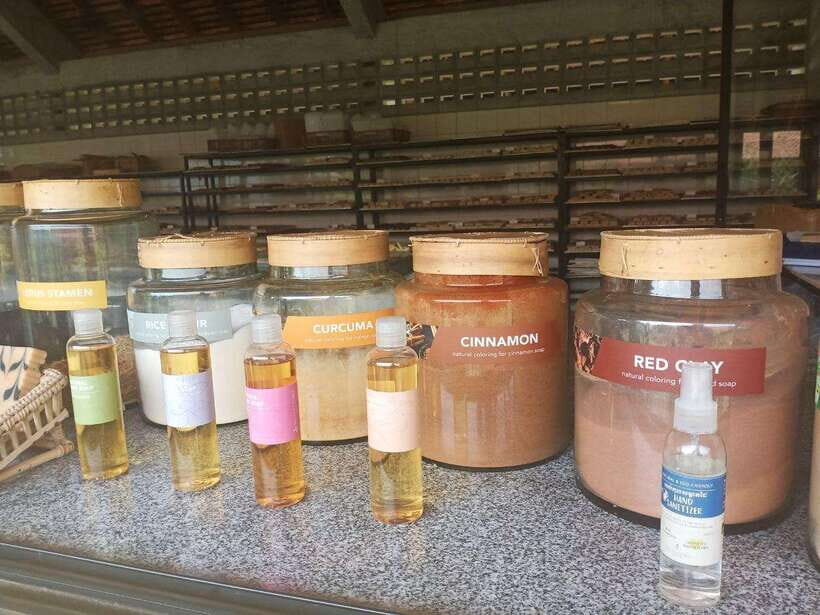
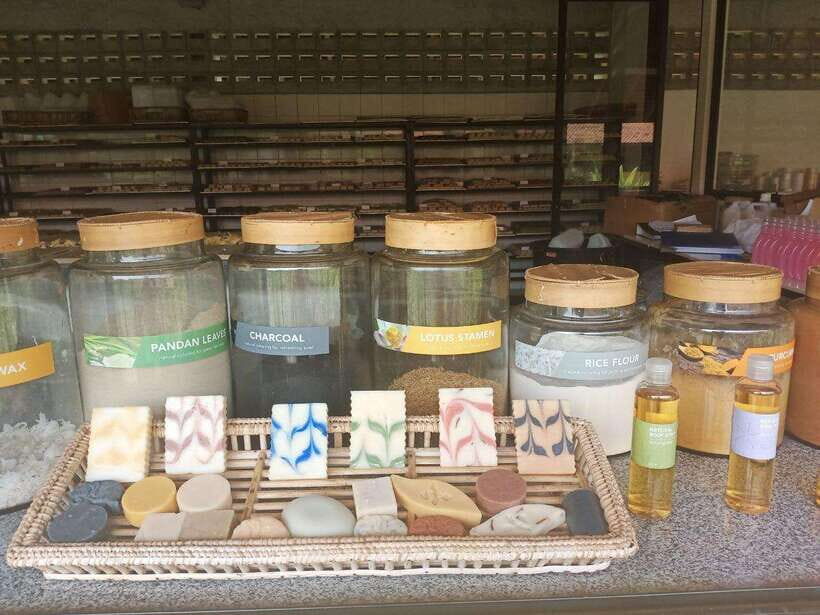
Senteurs d’Angkor is where the tour leans into what it calls sustainable Cambodian treasures. The focus here is on artisanal products tied to local craft traditions, with sustainability as part of the message. You won’t be dealing with a single craft like silk. Instead, it’s more about the overall idea of Cambodian-made goods, presented in a way that’s meant to help you choose thoughtfully.
This stop works well in a half-day itinerary because it adds variety. You get a change in pace from one production style to another, and you can browse without needing deep technical knowledge. If you’re shopping for gifts, this is often where you’ll find more options at different price points.
You’ll have guided time plus walking, sightseeing, and shopping. That means you can slow down when something catches your eye and move on when it doesn’t. It’s also a good spot to compare what you saw earlier at the silk farm. If silk products were the “wow,” then Senteurs d’Angkor can show you the broader ecosystem—crafts that sit alongside textiles.
Tip for your visit: If you plan to buy, keep notes in your phone. Write down what you liked and the price you were quoted. Craft places can blur together quickly when you’re moving between centers in short time windows.
Artisan d’Angkor: the production mindset behind local handicrafts
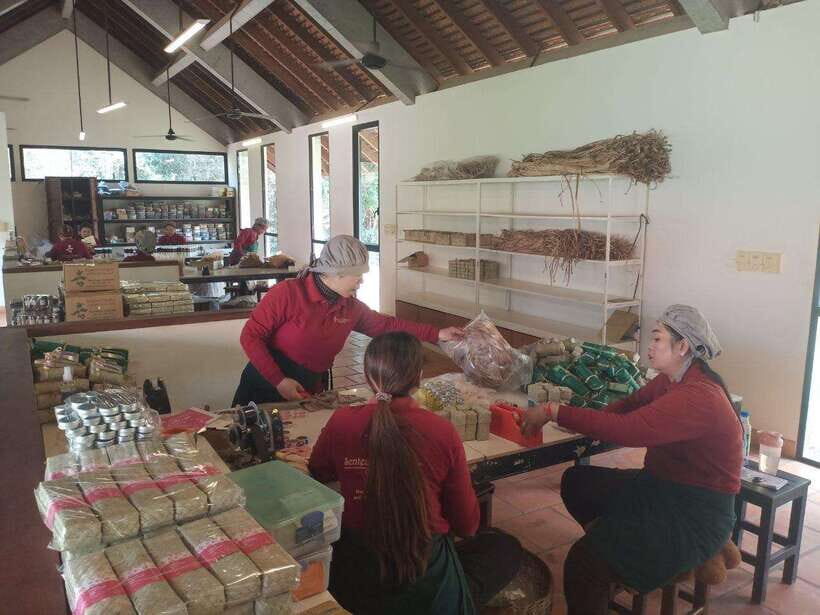
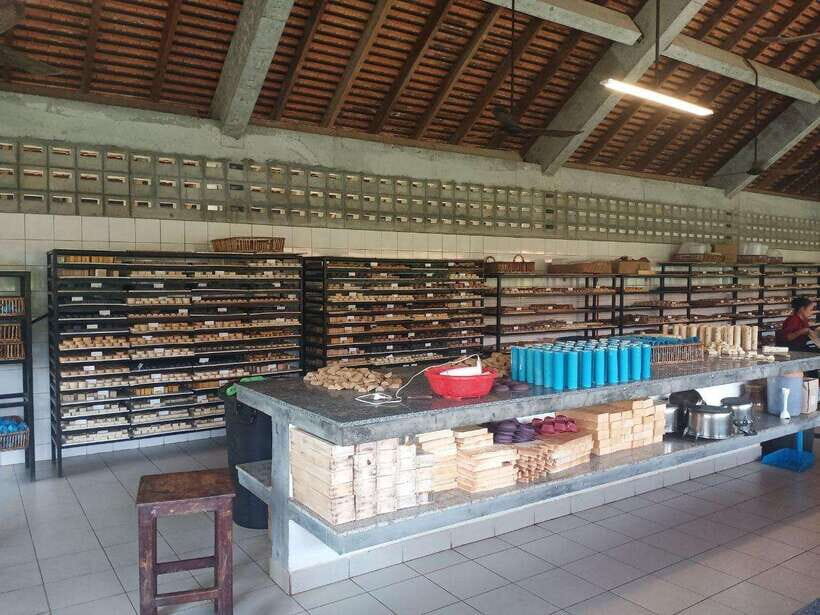
The final craft stop, Artisan d’Angkor, is positioned as the place where local handicrafts are made. That phrasing signals something practical: this isn’t just a curated shop where products appear out of nowhere. The intent is that you can see the making of local items, not just admire the finished pieces.
Even if the guided details are more general than you’d get from a dedicated workshop class, it helps you connect the dots. You’ve watched a farm lifecycle at Angkor Silk Farm. You’ve seen bamboo-based workshop architecture and design influence at Satcha. Now you’re in a center that emphasizes production, which makes your shopping feel less random.
The timing here includes guided touring, walking, shopping, and workshop time again. The repetition sounds simple, but it’s actually useful. By the time you reach Artisan d’Angkor, you’ll have a “pattern recognition” advantage. You’ll notice how materials are handled, how finishing differs, and how design choices carry across product lines.
One consideration: If your goal is to buy only one thing, you may want to hold off until later. The logic is straightforward: the last stop can help you decide which craftsmanship style best matches your taste after you’ve seen multiple centers.
How the tuk tuk route shapes a 4-hour half day
This tour is built around short hops and guided blocks. You leave Krong Siem Reap by tuk tuk, then you shift between stops with travel time that stays manageable. The plan uses multiple segments (including one shorter transfer) and includes photo stops along the way, which helps you reset your brain without breaking the flow.
The overall duration is 4 hours, and the hotel pickup/drop-off is included. That matters because it keeps you from spending your limited time negotiating tuk tuk costs or finding entrances. It also helps if you’re pairing this with Angkor area sightseeing later (or if you’re trying to protect your energy on a hot day).
The tour is a private group, and the driver speaks English. That’s practical for a craft tour. When you have questions about products or processes, clear communication keeps it from turning into silent browsing.
Also, you get skip-the-line entry via a separate entrance. For a half-day, saving even a little waiting time protects your schedule.
A few more Siem Reap tours and experiences worth a look






What you’ll likely buy (and how to avoid regret)
Let’s talk strategy, because craft shopping can feel fun right up until you’re back in your hotel and you’re wondering why you bought something you don’t know how to use.
Here’s what tends to make sense based on the kind of stops on this route:
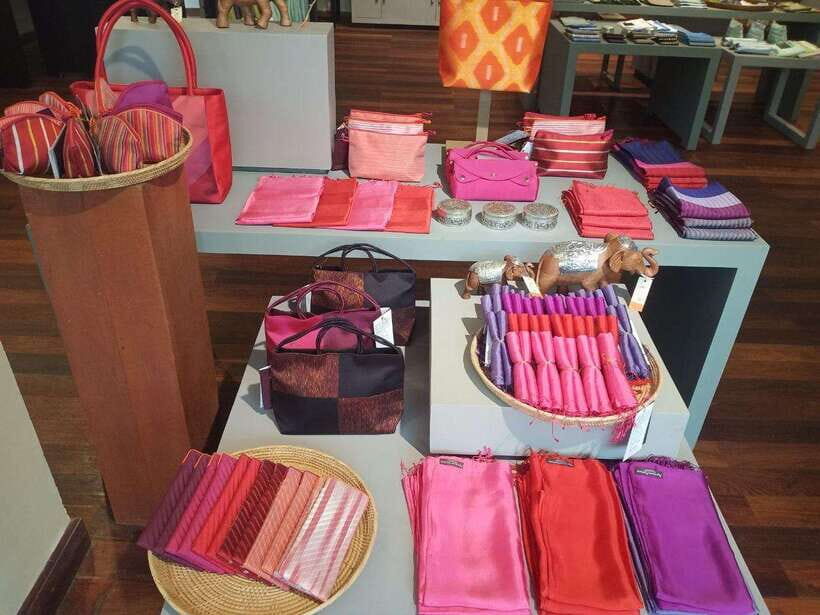
- Silk items from the farm: scarves, fabric pieces, or textile products linked to what you saw in the silk lifecycle and weaving discussion
- Design-led Khmer-inspired pieces from Satcha: items that blend traditional ornament influence with contemporary forms
- Sustainable craft goods from Senteurs d’Angkor: smaller gifts and varied artisanal products, where you can shop by feel
- Handmade production style items from Artisan d’Angkor: items that reinforce the making process you were shown earlier
Before you buy, do two quick checks:
1) Confirm what the item is made from and what you’re responsible for caring for later.
2) Compare styles across stops. If silk was your priority, you don’t want to end up with a second purchase that overlaps too much.
Spending smart tip: Because the tour is only four hours, you’ll be tempted to buy early. If you can, browse first at each stop, then decide during the last one. Your tastes will sharpen after seeing multiple processes.
Who this tour fits best (and who might want to skip it)
This is a strong pick if you like craft process, hands-on explanations, and shopping with context. If you enjoy cultural details you can see and hold—like how materials start their journey—this tour gives you more than a typical shopping stop.
You’ll also enjoy it if you’re traveling with someone who loves practical souvenirs and doesn’t want another day of temples. The farm and workshop centers offer a different kind of travel memory.
On the flip side, it’s not built around monumental sights. It’s more “making and design” than “landmark photography.” If you only have one day in Siem Reap and your heart is set on big attraction stops, this may feel optional rather than essential.
Quick practical notes before you go
A few details will make your experience smoother:
- Bring a camera so you can capture the process moments
- Wear comfortable walking shoes (the walk is not huge, but it adds up across stops)
- No smoking is allowed during the tour
- Meals aren’t included, so plan accordingly
- The driver is English-speaking, which helps with questions
- You’ll have guided time and workshop/shopping time at multiple centers
Should you book this silk, bamboo, and artisanal tour?
Book it if you want a half-day in Siem Reap that feels real and hands-on. You’ll get a story you can follow—silk making at the farm, bamboo workshop design at Satcha, sustainable product browsing at Senteurs d’Angkor, and a production-focused ending at Artisan d’Angkor. At $25 per group up to 2 for a guided, hotel-based round trip, it’s good value when you actually care about what you’re buying.
Skip it if your schedule is temple-heavy and you’d rather spend your limited hours on major sights. Also skip if craft tours tend to make you impatient; this one is built around processes and shops, not sweeping scenery.
If you’re somewhere in the middle—curious, open-minded, and shopping thoughtfully—this tour is a tidy way to get more Cambodian craft into your trip without eating your whole day.
FAQ
How long is the Half Day Trip: Silk Farm, Satcha, and Senteur d’Angkor?
It lasts about 4 hours.
What is the price?
It is $25 per group, up to 2 people.
Does the tour include hotel pickup and drop-off?
Yes, hotel pickup and drop-off are included.
What places are visited during the tour?
You visit Silk Farm (Angkor Silk Farm), Satcha Handicraft Center, Senteurs d’Angkor, and Artisan d’Angkor.
Is food included?
No, meals are not included.
Do I need to bring anything?
Comfortable walking shoes are recommended, and you should bring a camera for photos.