REVIEW · SIEM REAP
Highlight of Angkor Complex 2 Days Private Tour
Book on Viator →Operated by About Cambodia Travel & Tours · Bookable on Viator
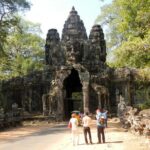
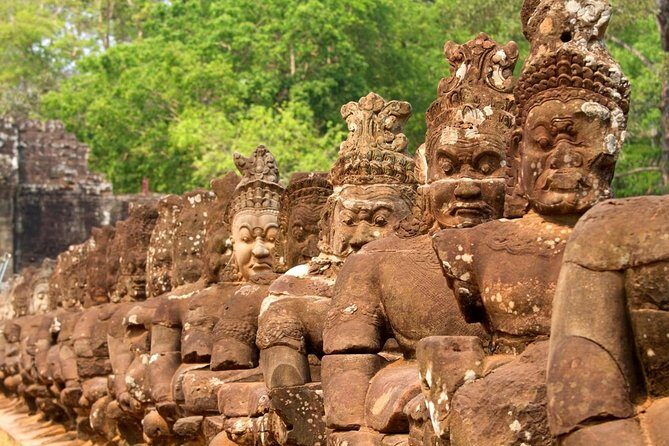
One gate and one giant smile of stone set the tone. This 2-day private Angkor complex route is designed for people who want the big names plus the less-frequent stops, with hotel pickup and a guide who helps you read the carvings without feeling rushed. I especially liked the balance: Angkor Thom and Angkor Wat on Day 1, then the extended circuit temples on Day 2. One thing to plan for: the Angkor Pass and meals are not included, so you’ll want a little cash and patience for ticket time at the entrance.
You’ll see the Angkor story in layers, not just photo stops. You start at Angkor Thom’s South Gate and Bayon, then move through the palace area temples—Terraces of the Elephants and the Leper King, plus Ta Prohm with its famous trees. Then Day 2 continues with Pre Rup, Banteay Srei, and the rest of the longer circuit sites so you get more Khmer architecture variety than the usual short sprint. The main consideration is simple: it’s private and flexible, but with so many sites, your day will still be long—comfortable shoes matter.
In my view, the best value here is how the tour keeps you moving with private transfers and a licensed guide, so you spend less time figuring things out and more time understanding what you’re looking at. The added bonus: in one review, the guide (Mr. Sara) was flexible enough to include a land mine museum stop on request, which can be meaningful if you want context beyond the temples.
In This Review
- Key Highlights That Matter on This 2-Day Route
- Value and Pricing: Is This Private Tour a Good Deal?
- Day 1: Angkor Thom City Temples to Angkor Wat, Plus Ta Prohm
- Angkor Thom South Gate: The Restored Grand Entrance
- Bayon Temple: Faces and Layout
- Angkor Thom: A Big-City Feel
- Baphuon: A Different Temple Profile
- Phimeanakas: Royal Palace Area Temple
- Terraces of the Elephants and the Leper King: Story in Stone
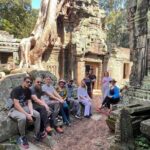
- Ta Prohm: The Kingdom of the Trees
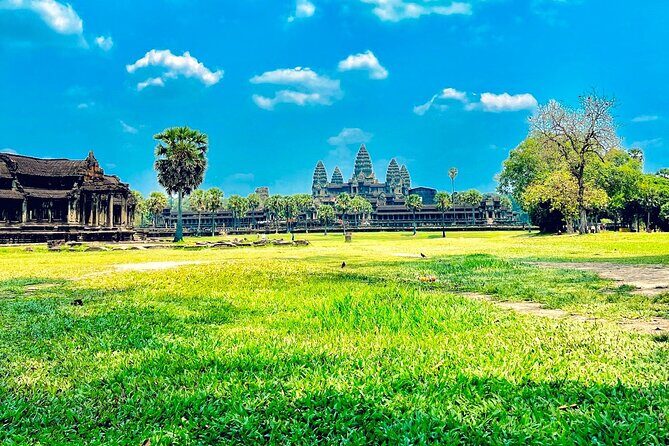
- Angkor Wat: The Best-Preserved Masterpiece
- Ta Nei Temple: A Jungle-Quiet Contrast
- Day 2: Banteay Srei and the Longer Circuit Workouts
- Banteay Srei: A “Precious Gem” Style Temple
- Banteay Samre: Complete Complex with Restoration History
- Pre Rup: Bold Architecture and Strong Balance
- Eastern Mebon: Two-Meter Elephants and Indra Scenes
- Neak Pean: The Dream of Luxury by a Man-Made Pond
- Preah Khan: A 12th-Century Royal Temple
- Banteay Prei: For People Who Want More Than the Basics
- Optional Shopping Stop at Om Pich/Prashdak Village Area
- What’s Included (and What You Should Plan for)
- Tips to Make the Two Days Feel Good Instead of Exhausting
- Who This Tour Fits Best
- Should You Book This 2-Day Private Angkor Tour?
- FAQ
- How long is the Angkor Complex 2 Day Private Tour?
- What’s the price per person?
- Is hotel pickup and drop-off included?
- Is the tour private?
- Do I need to pay temple entrance fees separately?
- Does the tour include meals?
- What’s included for comfort during the day?
- What should I wear?
- Is tipping included in the price?
- What’s the cancellation policy?
Key Highlights That Matter on This 2-Day Route
- Private-group pacing: Only your group rides together, so you can move at a comfortable rhythm instead of matching a crowd.
- Big sites plus a quieter angle: Ta Nei (Day 1) and Banteay Prei (Day 2) are included for variety, not just the headlines.
- A temple-to-temple narrative: Your guide helps connect Buddhist imagery, royal city layout, and later reign styles.
- Hotel pickup and full private transfers: You’re not left chasing tuk-tuks between ruins.
- Hydration and comfort included: Bottled water and cool fresh tissue are provided during the trip.
- Guide flexibility: The experience includes room for add-ons if you request them in advance.
Value and Pricing: Is This Private Tour a Good Deal?
At $149.46 per person for two days in Siem Reap, the value depends on one question: do you want private pacing and a guide, or do you plan to self-drive and navigate temples yourself? If you’re the type who wants explanations as you go, this price can feel fair because you’re buying three things at once: a licensed English-speaking guide, private transfers between sites, and the convenience of pickup and drop-off.
The trade-off is also clear. Entrance costs come separately. You’ll need the Angkor Pass (your guide helps you purchase it at the park entrance before you start). Meals are also on your own expense, with local lunch options typically $3–$10 per dish. When you add those in, budget a bit more than the base tour price. Still, having the pass handled efficiently can save real time, and time is what makes temple days exhausting.
I also like that this is usually booked about 45 days in advance, which suggests demand for the best time slots and smooth planning. If you’re traveling in a busier season, earlier booking gives you more control.
You can also read our reviews of more private tours in Siem Reap
Day 1: Angkor Thom City Temples to Angkor Wat, Plus Ta Prohm
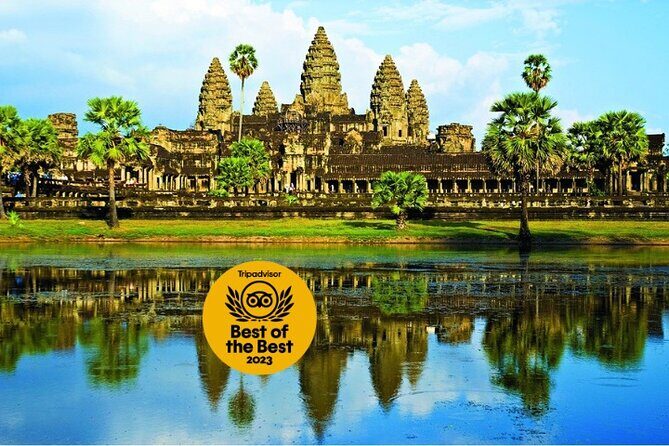
Day 1 is built around the royal heart of Angkor, then closes with Angkor Wat and a quieter jungle-side temple.
Angkor Thom South Gate: The Restored Grand Entrance
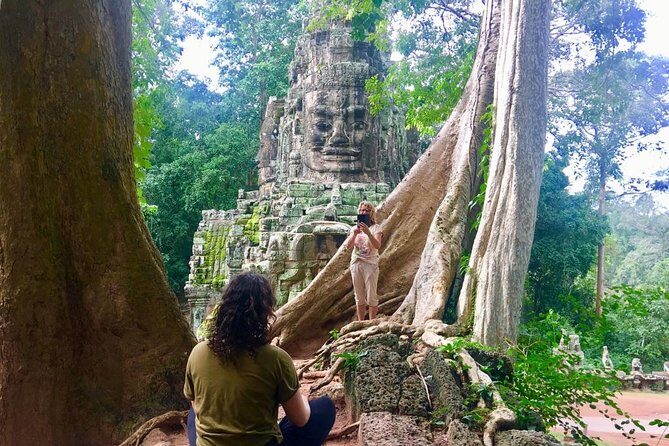
You start at the South Gate of Angkor Thom, known for being fully restored and for keeping many of the stone faces in place. It’s also the main road gateway from Angkor Wat into Angkor Thom, so it works like a transition moment: you’re moving from one major complex to the royal city core.
What to watch for: even before you get inside the complex’s temples, pay attention to how the gate sets up the visual theme—large-scale stone storytelling. It’s a good place to pause and get your bearings.
Bayon Temple: Faces and Layout
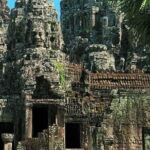
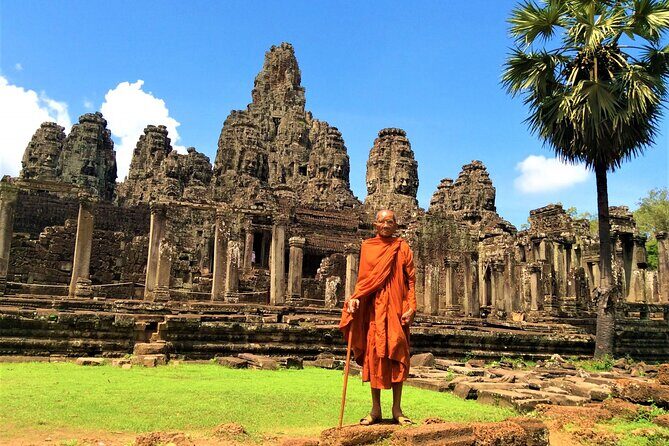
Next comes Bayon Temple, built nearly a century after Angkor Wat. The structure’s earliest details can be harder to pin down from the surface, but standing in the center of the royal city area, it becomes about place and symbolism. Bayon is one of those stops where your guide’s narration really helps, because you’re looking at architecture that’s doing more than being pretty.
Possible drawback: Bayon is popular, so plan for crowd energy even on a private tour. Your guide helps you time it, but it’s still the kind of site where you may want to manage how long you linger.
Angkor Thom: A Big-City Feel
Then you move to Angkor Thom itself, described as an expression of Buddhist cosmology in three dimensions and on a scale meant to feel like a whole world. That sounds grand, but what it means on the ground is that the city layout matters—walls, major axes, and how temples sit in relation to each other.
Tip for your brain: don’t treat each temple like a separate postcard. Try to see the site like a map.
A few more Siem Reap tours and experiences worth a look

Baphuon: A Different Temple Profile
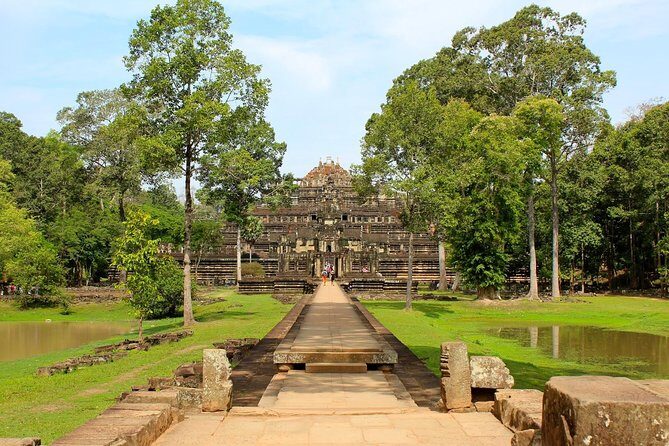
Baphuon Temple is on a rectangular sandstone base with five levels that are roughly the same size rather than narrowing as many other designs do. That makes it visually distinct and easier to remember later when you’re back at your hotel trying to sort out what you saw.
Phimeanakas: Royal Palace Area Temple
At Phimeanakas, you’re near the center of the area enclosed by the royal palace walls. You’ll hear about the missing golden pinnacle idea—Zhou Daguan’s description connects the temple’s shape to the idea of a tall tower feature. Even if the pinnacle is gone, the placement signals why this temple belonged to royalty, not ordinary religious buildings.
Terraces of the Elephants and the Leper King: Story in Stone
You then hit two classic terraces:
- Terrace of the Elephants: described with servants and princes riding, stepping as quietly as if on an elegant promenade. Even the step design being even-length is part of the intended order.
- Terrace of the Leper King: tied to the reign of Jayavarman VII and known for dramatic bas-reliefs inside and outside.
If you only stop at Angkor Wat and Ta Prohm, you miss how Jayavarman VII’s era uses carved scenes as a stage. Here, your guide can connect why those terraces feel like theater—royal movement, ceremony, and belief all in stone.
Ta Prohm: The Kingdom of the Trees
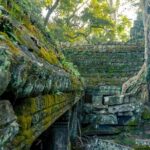
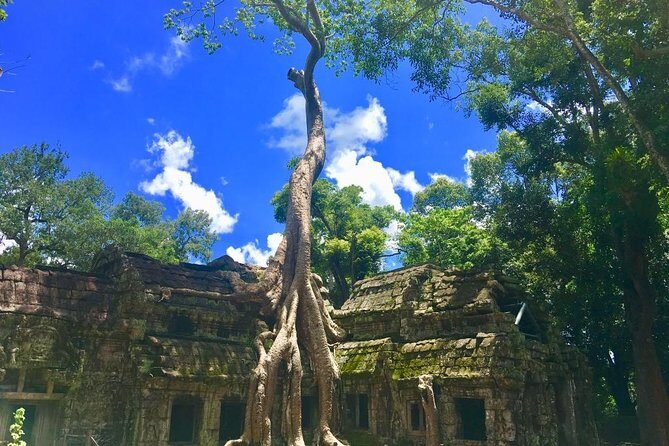
After all that structured city space, you come to Ta Prohm, famously called the kingdom of the trees. What’s important here is the way it was treated by archaeologists: the site was largely left as found, with paths cleared for visitors and structural strengthening to reduce further deterioration.
Why I like this stop: it’s not just about taking photos. It helps you understand how Angkor can look when nature and human-built stone share the frame.
Angkor Wat: The Best-Preserved Masterpiece
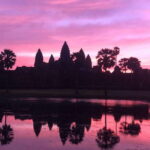
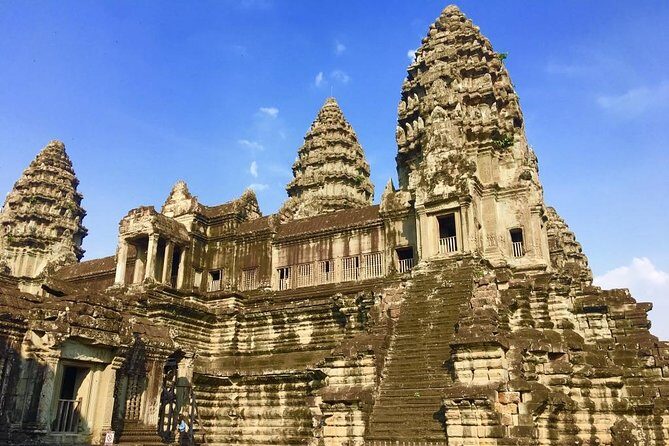
Finally on Day 1, you reach Angkor Wat, described as the largest monument in the Angkor group and one of the best preserved. The emphasis is on composition, balance, proportions, and the depth of relief and sculpture. You’re there for the design discipline and craftsmanship, not just scale.
Practical note: the time allocated is around 3 hours, which is enough to walk multiple areas without feeling like you’re being dragged through a checklist.
Ta Nei Temple: A Jungle-Quiet Contrast
To round out the day, the itinerary includes Ta Nei Temple, about 200 meters west of the East Baray and noted as not a popular tourist destination. The point is contrast: after crowds at the major sites, this is the kind of stop where the setting feels more removed, and your time can feel slower.
Possible drawback: Ta Nei can be difficult to find. That’s exactly why private guided movement is worth it—your guide is doing the navigation work you’d otherwise have to figure out yourself.
Day 2: Banteay Srei and the Longer Circuit Workouts
Day 2 keeps you on a wider spread, hitting some standout “art quality” temples and several that are meaningful for different reasons.
Banteay Srei: A “Precious Gem” Style Temple
Banteay Srei is described as a precious gem and a jewel in Khmer art (French archaeologists’ view). That word choice matters because Banteay Srei is known here for being more than a big monument—it’s valued for artistry. Expect a stop where details matter more than sheer size.
Banteay Samre: Complete Complex with Restoration History
Banteay Samre is included because it’s one of the most complete complexes, with restoration using anastylosis (reassembling sections). The itinerary notes that lack of maintenance in recent decades is evident. That’s useful context: you’ll see how restoration and ongoing upkeep affect what you can understand on-site.
Pre Rup: Bold Architecture and Strong Balance
Pre Rup is singled out for bold architectural design and fine balance, scale, and proportion. It’s also said to be almost identical in style to East Mebon, built a few years later. This is a great stop for comparing styles and seeing how Khmer builders reused and adapted patterns across sites.
Eastern Mebon: Two-Meter Elephants and Indra Scenes
At Eastern Mebon, the itinerary highlights sculpture variety, including two-meter-high free-standing stone elephants at corners of tiers. It also includes religious scenes, like the god Indra atop his throne. Stops like this are why you should keep your camera ready but also keep your guide’s explanations turned on—iconography is the hidden story.
Neak Pean: The Dream of Luxury by a Man-Made Pond
Neak Pean is described as a large square man-made pond bordered by steps and surrounded by four small structures. The vibe described is olden-days luxury and beauty. On the ground, this kind of site works as a mental break: it shifts you from wall-to-wall temple carvings to a more open central feature.
Preah Khan: A 12th-Century Royal Temple
Then you go to Preah Khan, built in the second half of the 12th century around 1191 by King Jaya-varman VII and dedicated to his father Dh… (the record cuts off in your details, but the key point is the dedication and timing). Preah Khan often feels like a city within a complex, and your guide’s job is connecting that impression to why it was built.
Why it’s worth your time: it strengthens the timeline between Jayavarman VII’s major works and the later tone of what you’ve already seen.
Banteay Prei: For People Who Want More Than the Basics
Banteay Prei is described as rarely visited and near Prasat Prei. It’s a minor temple, meaning it’s likely most interesting if you care about deeper Angkor study rather than only the famous monuments.
I love having at least one “extra” stop like this on Day 2. It makes the tour feel like it’s giving you something beyond the standard route.
Optional Shopping Stop at Om Pich/Prashdak Village Area
The itinerary also includes Om Pich steamed toddy palm cake and mentions Prashdak Village / Preah Dak Market as a popular souvenir area. This is a practical end-of-day add-on if you want snacks and small gifts. Just remember: shopping is a time choice, not a temple must-do—your guide can help you keep it quick.
What’s Included (and What You Should Plan for)
Included in the experience:
- Hotel pickup and drop-off (you provide your hotel name)
- Professional English-speaking licensed tour guide
- All private transfers by comfortable vehicle (as per the stops)
- Drink water and cool fresh tissue for the whole trip
Not included:
- Tipping for guide and driver
- Entrance fee via the Angkor Pass, which covers the temples in the itinerary and is purchased with guide assistance at the entrance of Angkor Park
- Meals, which you pay for yourself at local restaurants (vegetarian and non-vegetarian options are available), typically $3–$10 per dish
Dress reminder from the tour guidance is straightforward: cover shoulders, and wear trousers or knee-length pants/skirts.
Tips to Make the Two Days Feel Good Instead of Exhausting
This itinerary is packed, but it’s manageable if you plan for the realities of temple days.
- Wear shoes you can walk in for hours. Khmer stones can be uneven and warm.
- Bring light layers. You want a shirt that covers shoulders for religious sites.
- Eat early, even if lunch is cheap. Temples run on your energy. Your lunch time won’t stretch the day much.
- Use the guide for context. The biggest difference between snapping photos and really seeing Angkor is having someone connect carvings and layouts to specific reign styles—especially around Bayon and the Jayavarman VII era terraces.
And if you have a special interest—historical context beyond temples—ask about add-ons. One review specifically notes the guide’s flexibility to include a land mine museum stop on request.
Who This Tour Fits Best
This private format is especially good if you:
- want a guided story instead of a self-guided scramble
- like seeing major temples and a few lesser-known stops like Ta Nei and Banteay Prei
- prefer predictable pacing with hotel pickup and private vehicle transfers
It’s also a strong fit for first-time Angkor visitors who don’t want to miss the essentials, but still want variety.
Should You Book This 2-Day Private Angkor Tour?
I’d book it if you want a well-structured two-day Angkor route that mixes the headline temples with quieter ones, and you value having a guide do the linking work between what you see and what it meant. The price looks reasonable when you factor in private transfers, a licensed English guide, and the included hydration.
You might skip it or adjust expectations if you’re trying to keep costs extremely tight, because you’ll still pay for the Angkor Pass and your meals. But if you’re already planning to visit Angkor anyway, this tour saves you stress and helps you see more with better context—two things that matter a lot at Angkor.
FAQ
How long is the Angkor Complex 2 Day Private Tour?
It runs for 2 days (approx.).
What’s the price per person?
The price is $149.46 per person.
Is hotel pickup and drop-off included?
Yes. Hotel pickup and drop-off are included, as long as you provide your hotel name for pickup.
Is the tour private?
Yes. It’s a private tour/activity, and only your group participates.
Do I need to pay temple entrance fees separately?
Yes. The Angkor Pass is not included. Your guide assists you in purchasing it at the entrance of Angkor Park before starting the tour.
Does the tour include meals?
Meals are not included. Lunches are available at local restaurants with vegetarian and non-vegetarian options, and meals are at your own expense (menu prices listed as $3–$10 per dish).
What’s included for comfort during the day?
You get drink water and cool fresh tissue for the whole trip, plus private transfers and a licensed English-speaking guide.
What should I wear?
The guidance is to dress appropriately: cover shoulders, and wear trousers or knee-length pants/skirts are permitted.
Is tipping included in the price?
No. Tipping for the tour guide and driver is not included.
What’s the cancellation policy?
It offers free cancellation. You can cancel up to 24 hours in advance for a full refund.