REVIEW · KAMPOT
Kampot: Full-day Countryside Tour with Pepper Farm and Kep
Book on GetYourGuide →Operated by Peppercorn Tuktuk Kampot · Bookable on GetYourGuide
Salt, pepper, and sea air in one long day. This full-day tuk-tuk loop around Kampot mixes salt production history with a climb into Phnom Chhngok cave temple, then ends at Kep’s crab market.
I love the hands-on pepper stop, from learning how Kampot pepper grows to doing peppercorn tastings. I also like the pacing: short drives between sights, room for photos, and an unhurried feel in Kep.
One watch-out: the cave entrance involves 203 steps, and the salt fields won’t always show the same look depending on timing.
Key highlights worth planning for
- Salt factory visit + quick countryside stops before you get into the heavier sites
- Phnom Chhngok cave temple with a big dose of view from the entrance
- Brateak Krola Lake’s Khmer Rouge-era story, handled as a pause in the day
- Pepper plantation tour with tastings and time for shopping and snacks
- Kep crab market + beach time to close out the day on a lighter note
In This Review
- Why This Kampot–Kep Day Feels Like Two Trips in One
- Price and What You Actually Get for $26
- The Tuk-tuk Drive: Why Small Roads Feel Better Than Big Cars
- Salt Fields and the Factory Visit: The Real Story Behind the White Gold
- Phnom Chhngok Cave Temple: 203 Steps, Shiva in Brick, and Big Views
- Brateak Krola Lake: A Tranquil View With a Heavy Background
- La Plantation Pepper Farm: From Plant to Taste Test
- Kep Crab Market, Seafood Lunch, French-Era Ruins, and Beach Time
- Who This Tour Suits Best (And Who Should Rethink It)
- The Small Practicalities That Make the Day Go Smooth
- Should You Book This Kampot Countryside Tour With Pepper Farm and Kep?
- FAQ
- How long is the Kampot countryside tour?
- What does the tour cost?
- Where is the pickup point?
- Does the tour include food?
- What’s included in the price?
- Is the guide available in English?
- What should I bring with me?
- Are there any restrictions during the tour?
- Is the tour refundable if I cancel?
- Is the tour suitable for very elderly visitors?
Why This Kampot–Kep Day Feels Like Two Trips in One
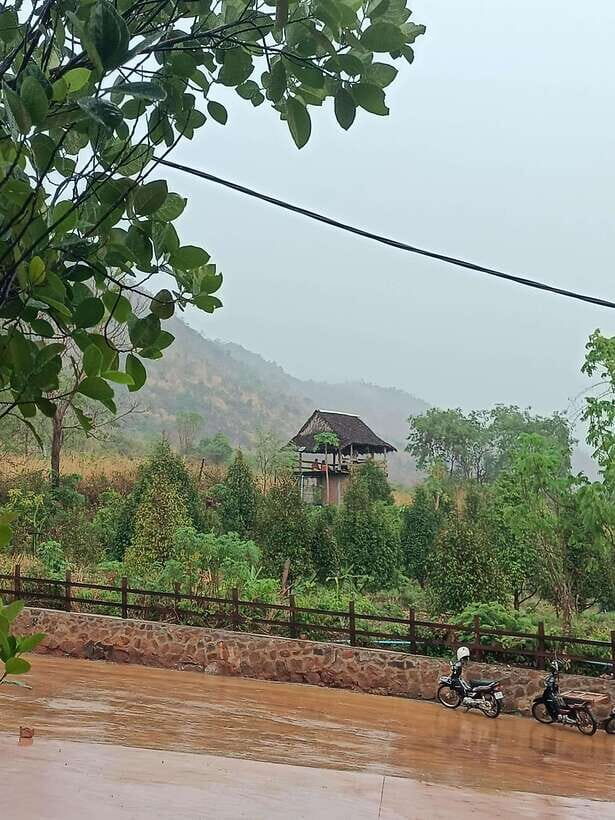
This tour works well if you want more than viewpoints. You get a working-farm Cambodia day (salt and pepper), then you shift into temples and history, and finally you land in Kep with seafood and sea-breeze downtime. The whole point is variety, all in one 8-hour ride by tuk-tuk, so you’re not stuck thinking about logistics all day long.
At $26 per person, the value is mainly in what’s included: entrance fees, a guide, fresh coconut and bottled water, and a pepper farm tasting experience. Food isn’t included, but you’re set up to choose what you want at Kep rather than being forced into a single lunch plan.
I also like that guides tend to keep the day informative without turning it into a lecture. You may be looked after by English-speaking guides such as Mr. Chav, Phealy, Phalla, Voleak, Vandy, Ta, or Pili, and the common thread is clear explanations and a calm driving pace.
Price and What You Actually Get for $26
Let’s break the math down in plain terms. You pay $26 for an 8-hour countryside tour that includes:
- entrance fees
- fresh coconut + bottle of water
- guide tour
- pepper tour and testing
That matters because Cambodia tours often add up fast once you factor in entrances and guided time. Here, you’re buying a full day of guided transport plus the “main events” (salt + cave + pepper + Kep).
What’s not included: food. In practice, that’s a good thing—because Kep crab is a choice-based meal. You can test seafood or do lunch at the crab market area, but you should plan your budget accordingly.
You’ll also want cash with you. The tour notes this clearly, and it’s useful for pepper purchases and Kep browsing.
A few more Kampot tours and experiences worth a look
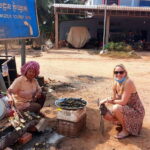
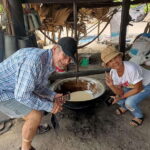
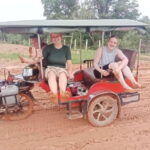
The Tuk-tuk Drive: Why Small Roads Feel Better Than Big Cars
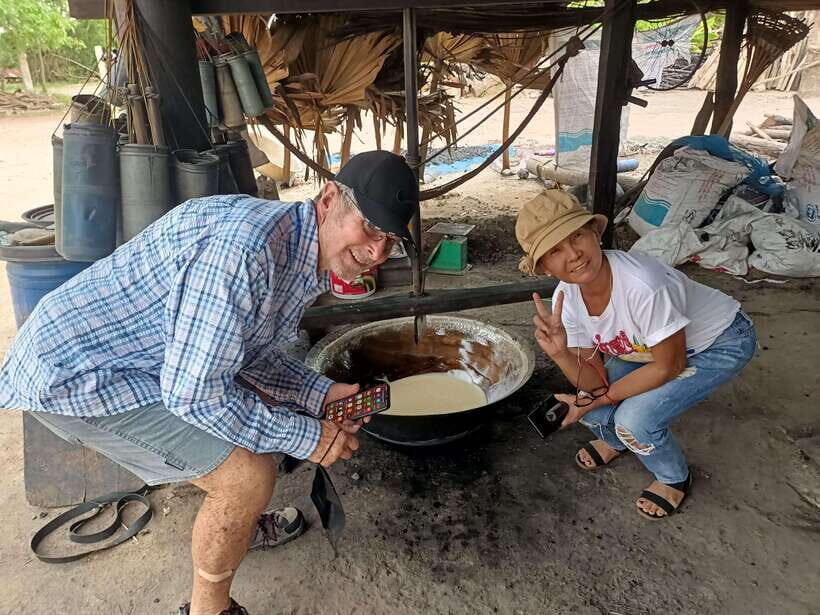
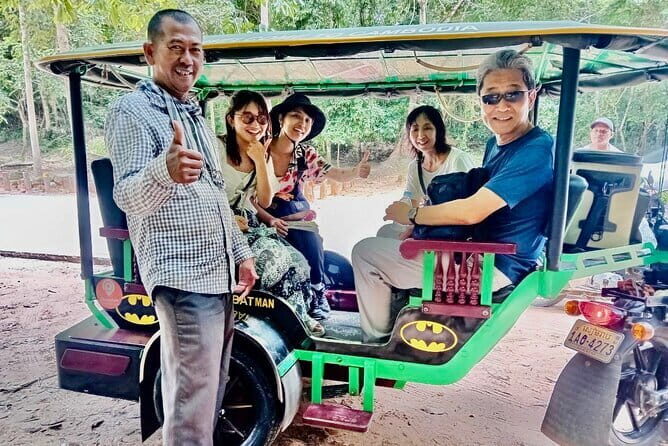
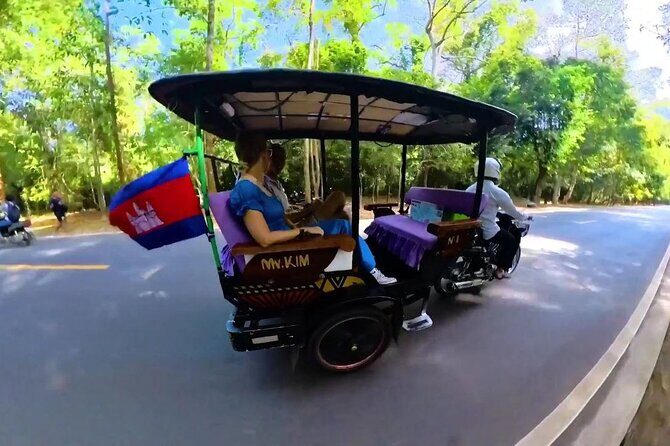
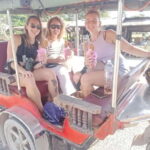
The tuk-tuk is more than cute transportation. It changes how the day feels. Roads outside Kampot are slow, winding, and rural—so being in a smaller vehicle makes the scenery feel closer and the stops feel easier.
I like that the day is structured with multiple short breaks rather than one long, exhausting stretch. You get time for photo stops, guided visits, and short walking moments—enough to see things without turning the day into a nonstop sprint.
Also, the pacing is part of the value. Several guides are praised for timing, comfort, and patience when someone wants extra minutes at a spot. That’s exactly what you want from a countryside tour: flexibility, not a rigid stopwatch.
Salt Fields and the Factory Visit: The Real Story Behind the White Gold
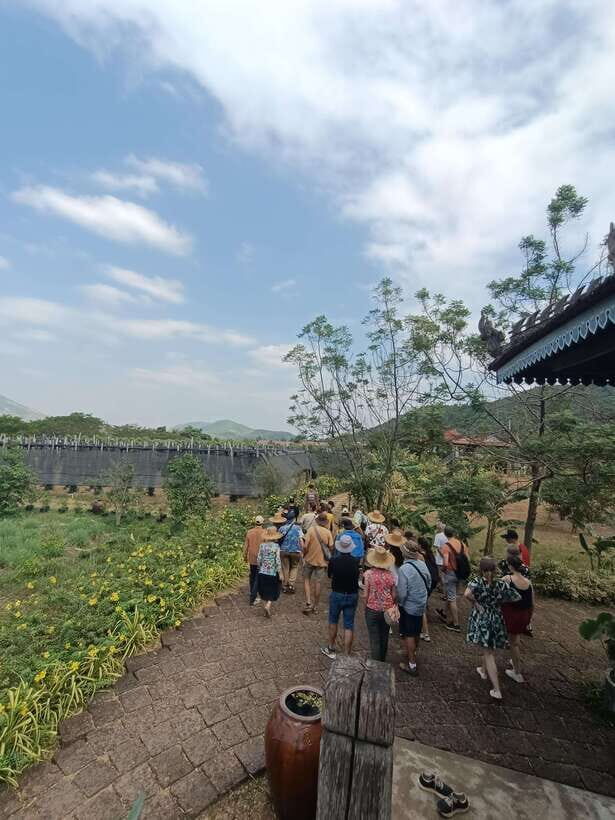
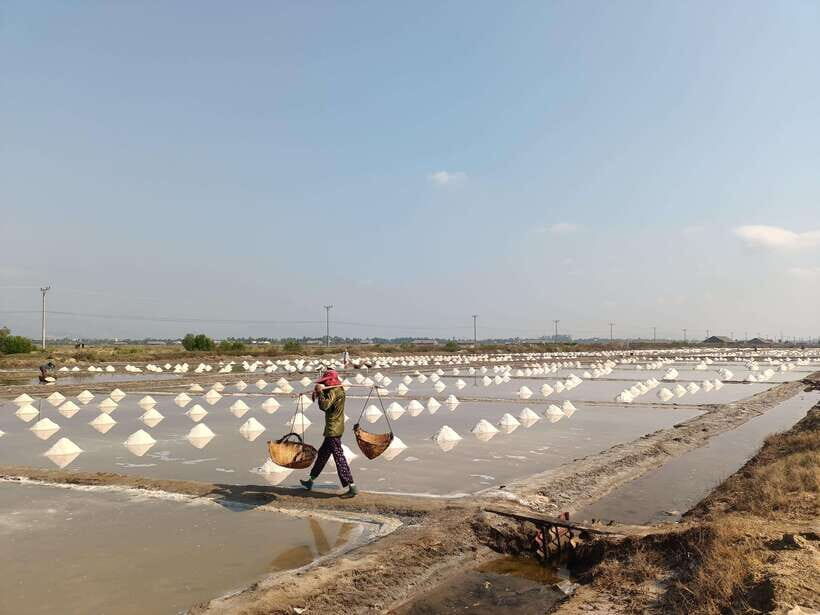
The salt stop is your first reality check that Kampot isn’t just pretty river views. You’ll head from Kampot to a salt-producing area on the outskirts and get a guided visit to a larger salt facility. There’s a brief photo stop too, with a glamping-style photo area mentioned, which is handy if you’re after quick memories early in the day.
What I find interesting here is that salt production is a local economic engine. It’s not a tourist craft. It depends on weather, time, and a whole process that’s visible in steps. You learn how important it is to the region and how the work moves from start to finish.
One practical consideration: salt fields don’t always look dramatic. If you’re traveling when conditions are different, you might not see the exact visual you hoped for. That’s not a “bad tour” problem—it’s just how agriculture works. When salt is less visually obvious, the guided explanation becomes even more important, because you’re there to understand the process, not just photograph white ground.
Phnom Chhngok Cave Temple: 203 Steps, Shiva in Brick, and Big Views
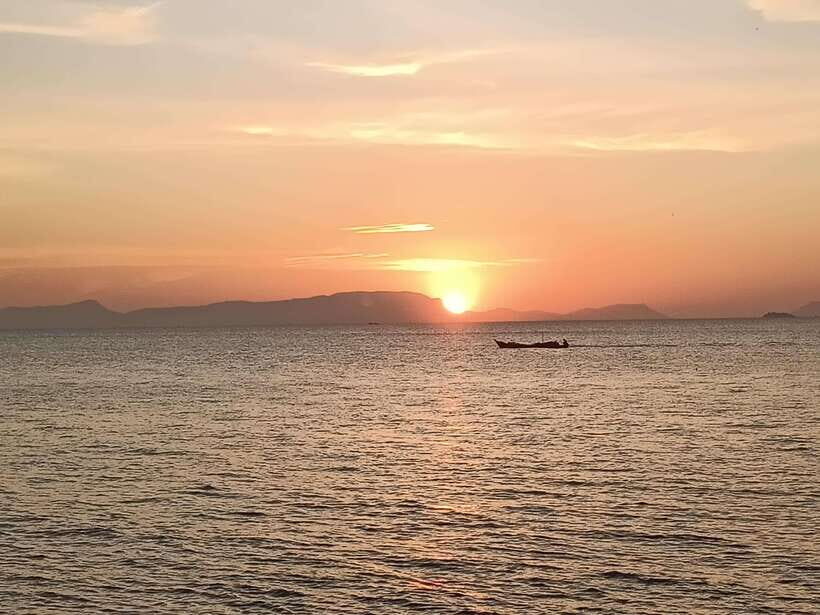
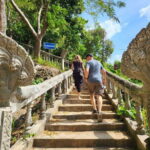
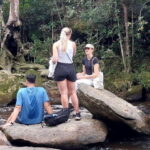
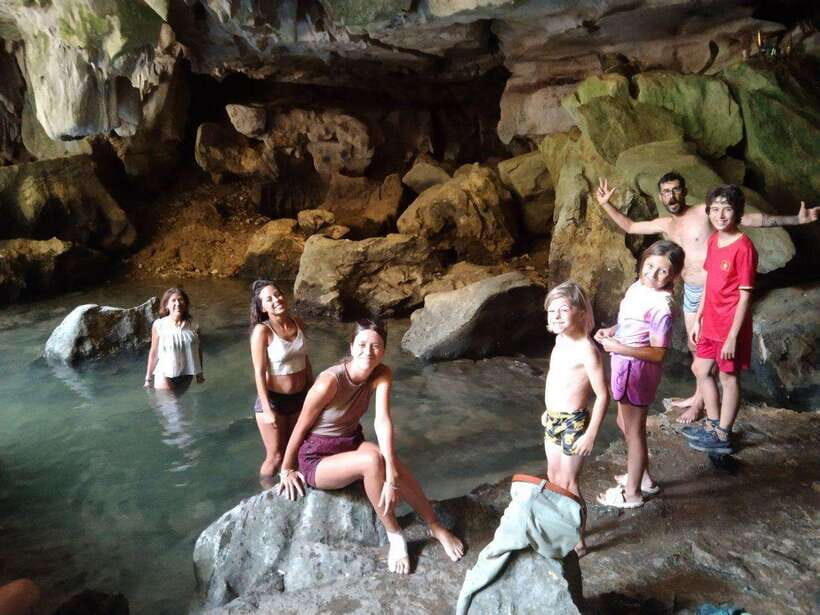
Phnom Chhngok is the kind of place you can’t speed through. You climb 203 steps to reach the entrance, and the payoff starts right away. From the cave entrance area, you get a view that makes the hike feel worth it.
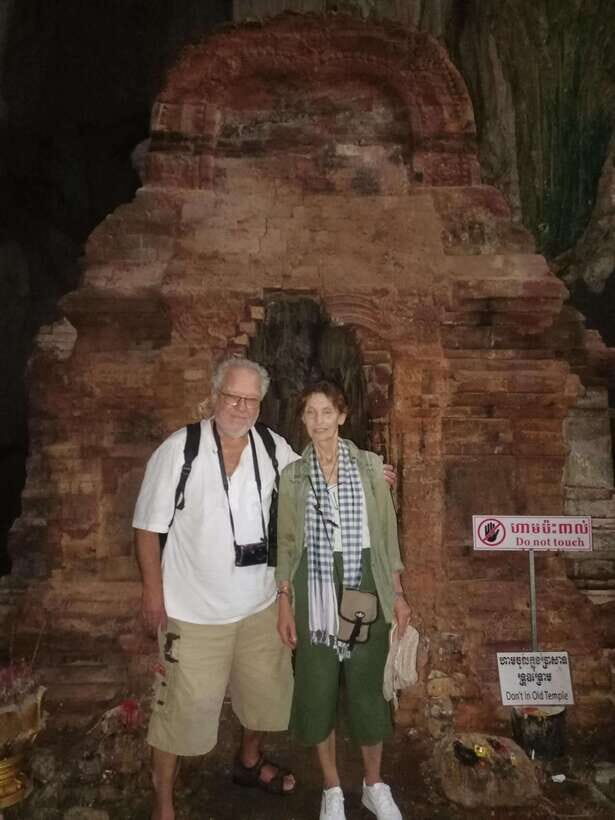
Inside the main chamber, the standout is a 7th-century (Funan-era) brick temple connected to Shiva. That’s the sort of detail that changes how you experience a temple stop: it’s not just a cave with incense. It’s an older religious space with serious historical weight.
A balanced note: cave temples can be physically demanding. If you’re traveling with knee trouble or you just hate stairs, this is the moment to decide whether you want to push through or adjust your expectations. The day includes other easier viewing, but this is still the “effort” portion.
What you’ll appreciate most is the mix of architecture and setting. You’re in a cave, but you still get the exterior panorama. It feels like history layered over geography.
Brateak Krola Lake: A Tranquil View With a Heavy Background
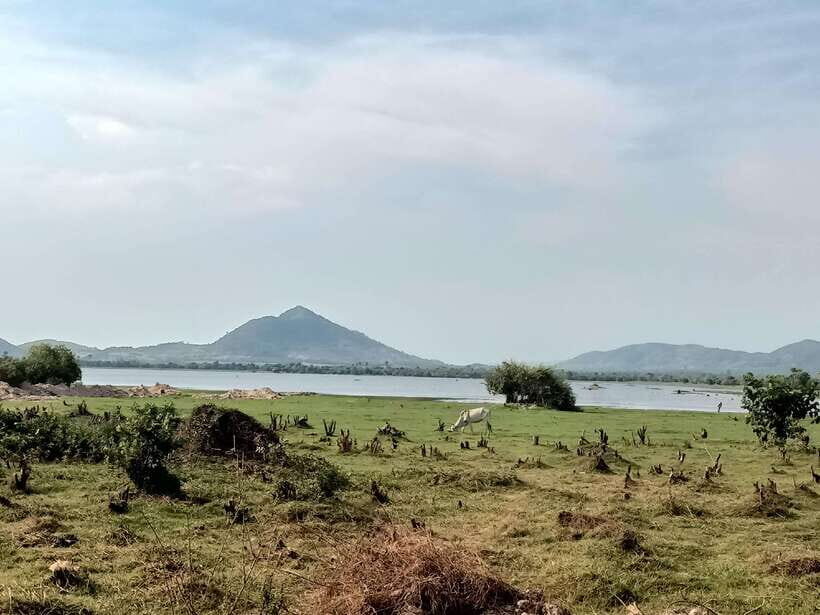
Then the day turns solemn. You visit Brateak Krola Lake, described as an artificial lake built during Khmer Rouge times, including references to slave labor during that period. The stop includes a guided visit from a raised platform area, plus photo opportunities.
Here’s why it’s valuable: it interrupts the usual “pretty countryside” rhythm. The scenery may look calm, but the context matters. When you pair a guided explanation with a quiet pause at the site, you understand that this landscape is tied to human decisions and suffering, not just an empty backdrop.
If you’re the type who likes meaning behind what you see, this is one of the best pauses of the day. If you prefer lighter stops only, you might feel it more than the pepper and beach sections—but it’s also exactly the sort of historical stop that gives your trip depth.
A few more Kampot tours and experiences worth a look
La Plantation Pepper Farm: From Plant to Taste Test
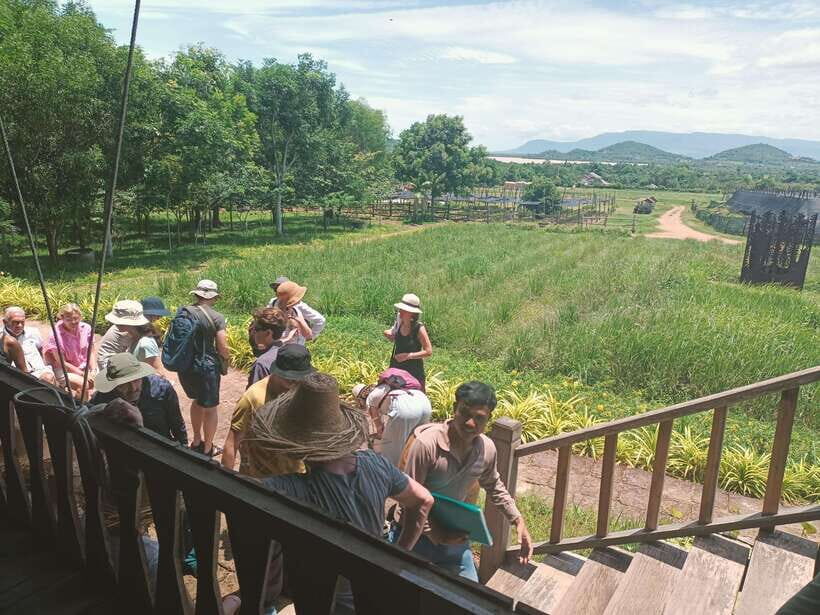
Pepper is Kampot’s other star, and La Plantation is the place where you learn why it’s such a big deal. You’ll spend a couple hours here, with a guided plantation tour plus free time for sightseeing and shopping.
The key part is the “test” experience. You’ll go through the pepper production process and then do peppercorn tastings. That’s the difference between buying a spice in a shop and actually understanding what you’re buying. You can ask questions, learn what affects flavor, and compare varieties if that’s what’s available.
Some people also mention enjoying pepper-flavored treats in the area—like pepper ice cream or pepper coffee—so if those options are offered during your visit, it can be a fun way to make the tasting experience more memorable.
Practical tip: this is your most likely shopping stop for pepper products. Set aside some cash you’re comfortable spending, because it’s easy to get pulled into “just one more bag” thinking once you smell the aromas.
Kep Crab Market, Seafood Lunch, French-Era Ruins, and Beach Time
By the time you roll into Kep, the day has enough energy that you can enjoy the change of pace. Kep is coastal, and the mood shifts fast—less “work in the countryside,” more “seafood town.”
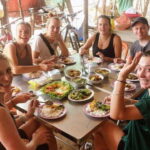
You’ll visit the crab market, with time for a guided look and then a meal choice. The tour notes testing seafood or having lunch in Kep’s crab market area (food is not included, but the experience is part of the plan). If you want the full Kep experience, plan to eat something here rather than just browsing.
You’ll also see an abandoned French-dependent building (a French-era ruin), which adds a different historical layer. It’s not as heavy as Brateak Krola Lake, but it still gives Kep more texture than “just the beach.”
And then you get the payoff: beach relaxing. This is a smart way to end the day. After caves and production stops, a bit of sea air helps reset your brain. You’re not rushing at the end—you’re winding down before heading back to Kampot.
Who This Tour Suits Best (And Who Should Rethink It)
This is a great fit if:
- you want countryside culture beyond Kampot town
- pepper is on your list (and you like tasting real products)
- you’re curious about salt production and how locals make a living
- you want Kep crab market time without hiring separate transport
You may want to rethink it if:
- you’re sensitive to stairs (Phnom Chhngok’s 203 steps is a real commitment)
- you’re traveling with someone who has mobility issues
- you only want “easy scenic stops” and prefer to skip any heavier historical context (Brateak Krola Lake has that background)
It’s also noted as not suitable for people over 95 years, so keep that in mind.
The Small Practicalities That Make the Day Go Smooth
Heat and comfort are the unspoken challenges of a full day like this. You’ll likely spend long stretches in the open air between stops, even with guided breaks. Since the tour includes coconut and water, you’re not left totally dry—but you should still dress for the day and pace yourself.
A few other practical notes:
- Bring cash, especially for pepper purchases and Kep spending.
- Wear clothing you can move in, since the cave stop involves a staircase.
- If you care about salt photos, understand you might not always get the same look year-round. The explanation is still the point.
One more thing I’d encourage: ask your guide questions. Guides are consistently praised for English explanations and patience. In a day packed with very different stops, good Q&A makes the whole tour feel personal, not generic.
Should You Book This Kampot Countryside Tour With Pepper Farm and Kep?
I’d book it if you want a single day that hits the practical and the atmospheric: salt production, a major cave temple with Funan-era brickwork, a Khmer Rouge-era site with context, and a hands-on pepper tasting followed by Kep crab and beach time.
Don’t book it if your top priority is pure relaxation. This is an active day with multiple guided stops and at least one physically challenging moment. Also, if you’re hoping for the most dramatic salt visuals, keep expectations flexible—conditions can change.
If you want a structured, high-value day that still feels local (especially with the pepper plantation and Kep crab market), this tour makes a lot of sense.
FAQ
How long is the Kampot countryside tour?
It’s a full-day experience lasting about 8 hours.
What does the tour cost?
The price is $26 per person.
Where is the pickup point?
The tour normally starts at the meeting point opposite Epic Art Cafe. Pickup and drop-off can also be arranged directly from your hotel or restaurant in Kampot town.
Does the tour include food?
No. Food isn’t included, though the day ends with options related to crab market and seafood/lunch at Kep.
What’s included in the price?
Entrance fees, fresh coconut, bottle of water, guide tour, and pepper tour and testing are included.
Is the guide available in English?
Yes, the live tour guide is in English.
What should I bring with me?
Bring cash.
Are there any restrictions during the tour?
Making fire is not allowed.
Is the tour refundable if I cancel?
Yes. Free cancellation is available up to 24 hours in advance for a full refund.
Is the tour suitable for very elderly visitors?
The activity is stated as not suitable for people over 95 years.