REVIEW · KAMPOT
Kampot: Cultural Bike Experience – Local Life & Countryside
Book on GetYourGuide →Operated by Jason's Tour · Bookable on GetYourGuide
A calm bike ride can turn into real cultural education fast. This Kampot countryside bike experience mixes easy pedaling with village walks, so you see Cambodia up close instead of only from tuk-tuk windows.
I love how gentle and flat the route is, with slow cycling and frequent pauses for photos and explanations. I also love the hands-on stops, from temple visits to farm life, plus a proper homecooked meal with a local family. One thing to consider: you need to feel comfortable riding a bike for about 6.5 hours, because there’s no way around the pedal time.
You’ll start near the Old Market at the Kampot Pepper Shop, then move into low-traffic country roads where daily life keeps going whether tourists show up or not. The guide’s English narration ties it all together, from Buddhist practice at village monasteries to how food and crops shape the rhythm of life around Kampot. If you want a pure relaxation day, this is more “active sightseeing” than “lie on a hammock” (and kids under 12 won’t fit the usual pace).
In This Review
- Key things I’d plan around
- Starting at Kampot Pepper Shop, Then Letting the Countryside Take Over
- The Flat 15 km Bike Route That Makes Daily Life Accessible
- Wat Jung Kreal: One of the Village Pagodas That Feels Like Living Space
- Tuek Chhou Photo Stop: The Countryside Between the Headliners
- Palm Sugar Farm Time: Turning a Sweet Product into Real Work
- Rice Farming Community Visits: Learning What the Fields Actually Do
- Wat Ang Prey Serey Meanchey: Monastery Learning Plus a Key Mealtime Pause
- Wat Prey Tom and the Final Countryside Return
- Price and Value: Is $35 a Good Deal in Kampot?
- Who This Tour Is For, and Who Should Skip It
- Should You Book This Kampot Bike and Culture Tour?
- FAQ
- Where does the tour meet?
- How long is the experience?
- What’s included in the price?
- Is the cycling difficult or hilly?
- Do I need to know how to ride a bike?
- Is there an English-speaking guide?
- Is free cancellation available?
Key things I’d plan around
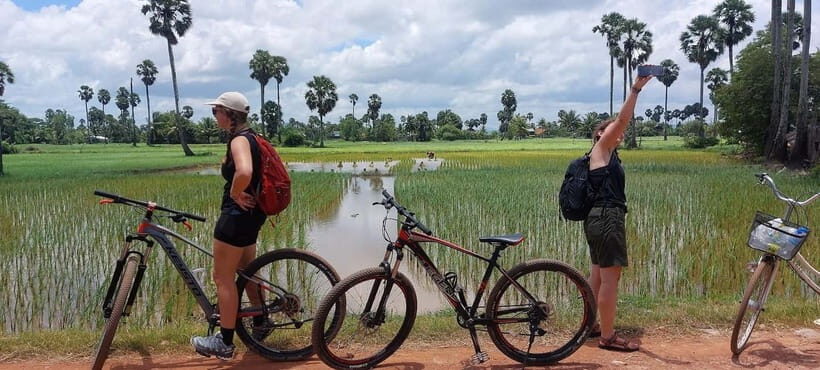
- Easy, flat cycling on quiet country roads, covering about 15 km at a slow pace
- Three monastery walks with real explanations of daily religious practice
- A homecooked Cambodian meal with a local family in a traditional wooden house setting
- Palm sugar farm time, so you can connect a sweet product to actual work and process
- Rice farming community visits, with learning tied directly to what you see in the fields
- English live guide storytelling that links farming, faith, and community history
Starting at Kampot Pepper Shop, Then Letting the Countryside Take Over
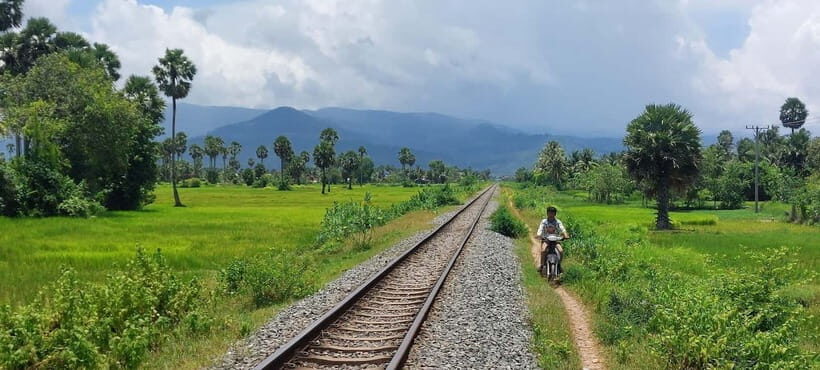
Meeting at the Kampot Pepper Shop near the Old Market is a smart first step. It keeps things simple and central, and it gives you a quick Kampot anchor point before the day turns rural. From there, you roll out on bicycles and quickly get that change of pace: fewer signs aimed at visitors, more sights that look like they belong to locals.
The ride begins gently and stays that way. Expect short cycling segments followed by breaks for walking tours and photo stops. This isn’t a “race to the next viewpoint” kind of day. It’s built so you can ask questions, listen, and actually notice details—like how villages are arranged, where people gather, and how daily life sits right alongside farms.
Also, you’ll have drinks included. In Cambodia heat, that matters more than you might think. You don’t want to spend the day thinking about hydration instead of learning.
You can also read our reviews of more tours and experiences in Kampot.
The Flat 15 km Bike Route That Makes Daily Life Accessible
This tour’s best trick is how it makes countryside travel doable. The route is described as entirely flat with no hills and very little traffic, which is exactly what you want if you’d rather be cruising than white-knuckling. You’ll cover about 15 km total, but it’s not constant pedaling.
A helpful pattern runs through the day: ride slowly for about 30–45 minutes, then stop. Those breaks are not filler. They’re when the tour becomes cultural—walking through pagodas, meeting people, and seeing farming work up close.
Here’s the practical side: bring something you can cycle in comfortably, and plan for stops that involve standing and walking. The tour doesn’t claim it’s wheelchair-friendly, and it’s not aimed at mobility limits. If you can’t ride a bike confidently, you’ll end up stressed instead of engaged. But if biking is your thing, the simplicity of the route is part of the value.
Wat Jung Kreal: One of the Village Pagodas That Feels Like Living Space
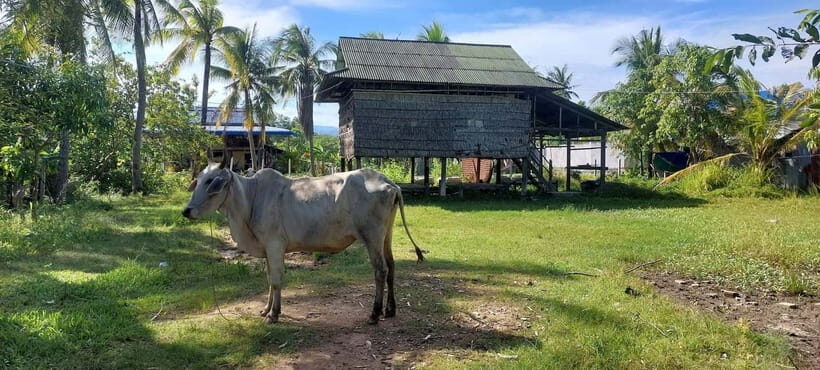
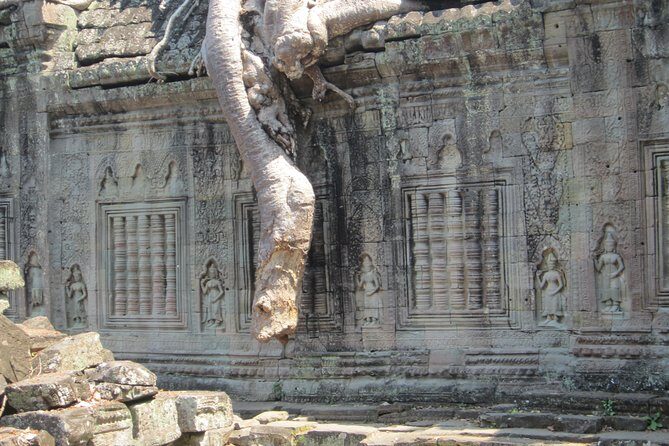
One of your first major stops is Wat Jung Kreal, where you get a guided visit and time to look around. Buddhist monastaries in Cambodia aren’t just postcard buildings. They’re spiritual centers that influence daily routines—what people practice, how they make offerings, and how stories are passed along.
At this kind of stop, I like that the tour doesn’t treat religion like museum content. You get explanations of how Buddhism is practiced locally, which helps you read what you’re seeing instead of guessing. Even basic context changes everything: you start noticing gestures, the way people move through the space, and the difference between casual visitors and worshippers.
A small consideration: temple visits can include quiet moments where you’ll want to be respectful with your posture and your phone. If you’re the type who forgets to lower the volume, set that intention early.
Tuek Chhou Photo Stop: The Countryside Between the Headliners
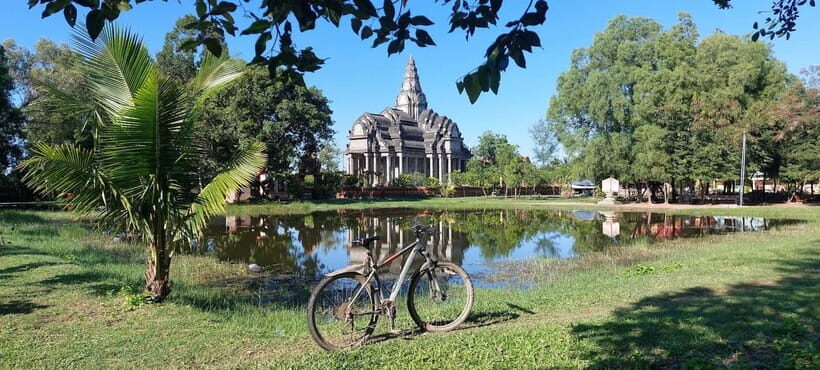
After the first pagoda visit, you’ll have a Tuek Chhou photo stop and sightseeing time. This is the kind of pause that makes bike tours so much more than transportation. It breaks up the day, gives you a chance to reset, and lets you take in what’s around you without feeling rushed.
Photo stops also matter because they offer perspective. You see how villages relate to fields and waterways, and you get a better sense of how far people travel for work or markets. That’s hard to grasp from inside a car, where everything blurs into one long shot.
This portion is also a good moment to check your gear: water, sun protection, and comfort on the bike. Since the day runs long, staying ahead of small issues is the difference between enjoying the middle and counting down the final hour.
Palm Sugar Farm Time: Turning a Sweet Product into Real Work
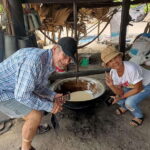
A highlight of this experience is a visit to a local family-run palm sugar farm. This is where the tour becomes satisfyingly practical. You stop thinking of palm sugar as a label on a shop shelf and start understanding it as a process that involves trees, sap, cooking, and labor.
That’s the kind of connection I love on cultural tours: you learn without needing a classroom. When you see the steps, the product makes more sense. It also helps you respect the effort behind everyday goods, which is one of the easiest ways to avoid a touristy, take-and-go attitude.
This farm stop also supports the tour’s larger theme: modern Cambodia is shaped by traditional skills. People aren’t just keeping old practices for show. They’re using them to build livelihoods.
Rice Farming Community Visits: Learning What the Fields Actually Do
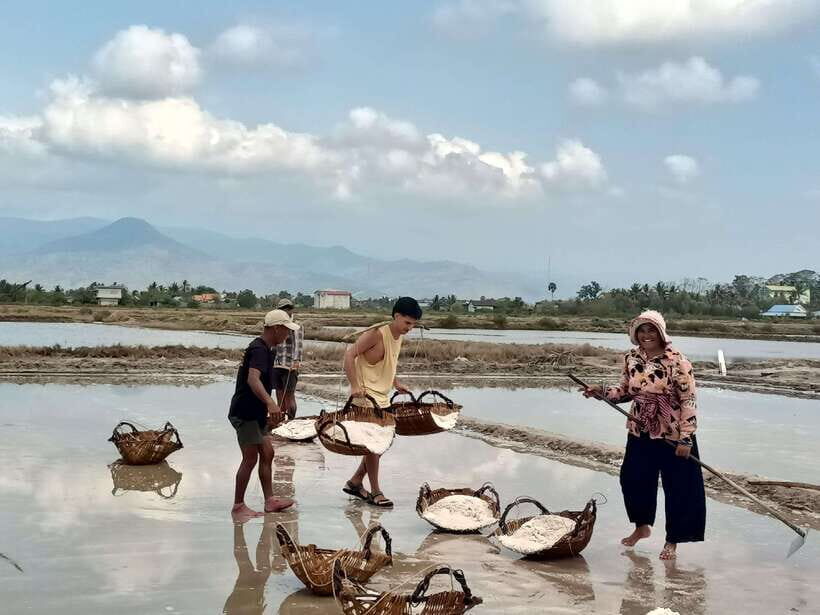
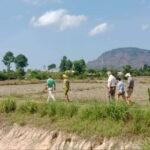
Another major focus is a rice farming community stop where you learn about rice cultivation. Rice is a huge part of Cambodia’s food and economy, but it can feel abstract unless you see how it grows and how communities organize around it.
Here, the value comes from seeing the agricultural cycle as something people work with, not just something that appears on plates. Your guide helps explain what you’re looking at, linking it to daily life and community routines.
If you’ve visited temples before and felt the information stayed at the level of architecture, this is a great counterbalance. You’re still learning culture, just through food production and the rhythms of the land.
Practical tip: be ready for uneven ground around farms and fields. Even if the cycling portion is easy, walking can still be real walking.
Wat Ang Prey Serey Meanchey: Monastery Learning Plus a Key Mealtime Pause
Later in the day, you visit Wat Ang Prey Serey Meanchey, with a guided tour and time to explore. This stop is both spiritual and educational. Again, the tour’s aim is interpretation—how people practice, what the spaces mean, and how belief fits into everyday life.
Then comes a longer break and lunch time here in the day’s flow. Meals on these tours matter because they slow you down at the right moment. Instead of eating quickly and rushing off, you get a proper reset.
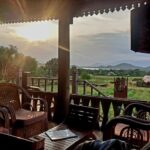
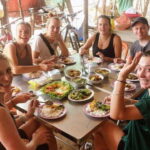
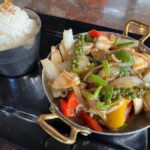
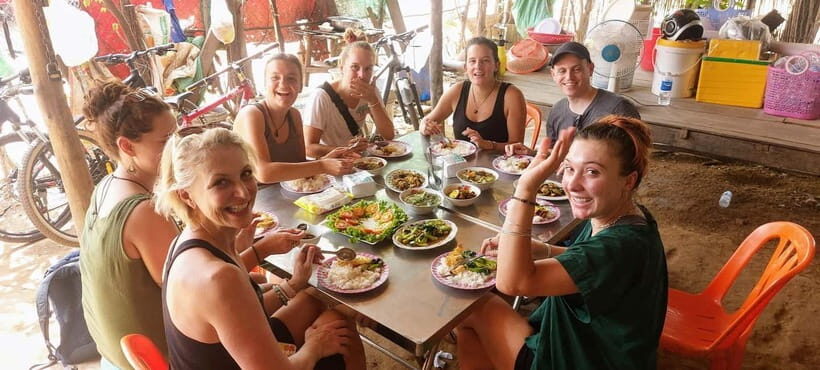
One of the most praised parts is the homecooked meal connection. The experience is designed to include an authentic Cambodian meal with a local family in a traditional wooden house setting. That’s where the tour’s cultural value peaks, because you see hospitality as part of community identity, not just a staged performance.
A quick consideration: if you’re picky about food textures or spice levels, plan for the fact that home meals can be more varied than restaurant versions. If you have dietary needs, it’s smart to mention it ahead of time when you book, since the day centers around that family meal moment.
Wat Prey Tom and the Final Countryside Return
Near the end, you’ll make your way to Wat Prey Tom for another break and guided sightseeing. By the time you reach this final monastery stop, you usually have a better context for what you’re seeing. The first temple visit gives you the introduction; the second and third help you recognize patterns in how practice and community life connect.
This also helps the day feel coherent instead of like a checklist. You’re not just hopping between attractions. You’re building understanding step by step.
Afterward, you cycle back toward the Kampot Pepper Shop near the Old Market. That final stretch is more than getting “back to where you started.” It’s your last chance to notice the countryside at a calmer pace, thinking about the farms, the temples, and the conversations that filled the day.
And because the route is flat, that last return doesn’t feel like punishment. You still have energy to enjoy what you see.
Price and Value: Is $35 a Good Deal in Kampot?
At $35 per person for a 6.5-hour day, this tour prices itself as a strong “time-for-experience” option. You’re not just paying for a bike and a guide. The value comes from the mix of activities that are expensive in time and logistics if you tried to DIY: multiple guided monastery visits, farming community access, and a homecooked meal component.
You also get bicycle rental, drinks, and lunch included. Those add up fast, and they remove the annoying planning questions that can drain energy. Instead, you focus on the learning and the people you meet.
I’d call this good value especially if you want more than the standard Kampot highlights and you’re comfortable biking. If you’re mostly planning to spend the day in paid attractions or restaurants, this type of tour is usually where your money turns into actual lived context.
Who This Tour Is For, and Who Should Skip It
This is a great fit if:
- You can ride a bike comfortably and don’t mind a full half-day outdoors
- You want to understand Cambodia through community life, not just monuments
- You enjoy walking while learning from a guide in English
- You like farm and food stops, not only temple photos
This is less ideal if:
- You can’t ride a bike or don’t want to commit to about 6.5 hours of cycling-plus-walking
- You have mobility constraints, since it’s not built for wheelchairs or limited movement
- You’re traveling with kids under 12 (the tour isn’t suitable for them)
- You’re looking for a very low-effort day
It also helps if you enjoy questions. A big part of the experience is the guide’s history and culture explanations, including economic and everyday-life context. If you prefer silent sightseeing, you might not get as much from the stops.
Should You Book This Kampot Bike and Culture Tour?
If you want Kampot beyond the postcard version, I’d book this. The best reason is the balance: easy biking plus structured time at three Buddhist monasteries, combined with real farming visits and a homecooked meal moment. It’s hard to manufacture that mix on your own without the right local connections.
Book it if you’re curious about how belief and work shape daily life—how rice cultivation and palm sugar production link to community routines, and how people practice Buddhism in a local, lived way.
Skip it if you’re looking for a fully relaxed day or if biking would make you anxious. This tour rewards comfort on a bicycle and respect for quiet moments in temples.
In short: if you want a day that feels practical, human, and not overly staged, this Kampot countryside bike experience is one of the better bets.
FAQ
Where does the tour meet?
It starts at The Kampot Pepper Shop, near the Old Market.
How long is the experience?
The tour lasts 6.5 hours.
What’s included in the price?
The tour includes bicycle rental, all drinks, and lunch.
Is the cycling difficult or hilly?
The route is described as entirely flat with no hills and very little traffic.
Do I need to know how to ride a bike?
Yes. The experience is not suitable for people who can’t ride a bike.
Is there an English-speaking guide?
Yes, the tour includes a live tour guide in English.
Is free cancellation available?
Yes, you can cancel up to 24 hours in advance for a full refund.