REVIEW · KAMPOT
Kampot Countryside: Authentic Khmer Cooking Class
Book on GetYourGuide →Operated by Eco Lotus Kampot · Bookable on GetYourGuide
A Khmer home kitchen with paddy views. I loved the market shopping with guide Samon and the hands-on Khmer cooking with a local family at Eco Lotus Kampot, and I really liked getting to eat with Bokor Mountain views at the end. One thing to consider: if your pickup is delayed for any reason, your whole schedule can feel tight, so keep a little buffer.
This is a 3.5-hour countryside experience in Kampot Province priced at $24 per person, and it’s designed for you to feel like you’re visiting someone’s home, not watching a demo. You’ll cook three Khmer dishes plus a dessert, with vegetarian options available by request, and you can sometimes cool off in a nearby stream if conditions are right. If you have a nut allergy, this one needs caution: it isn’t suitable for people with nut allergies, and peanuts (and other ingredients) can’t be guaranteed safe.
In This Review
- Key takeaways before you go
- Why Eco Lotus Kampot Feels Like a Real Khmer Day
- Getting There: Tuk Tuk Pickup and Countryside Timing
- The Market Run: Choosing Ingredients the Khmer Way
- Garden Herbs, Family Cooking Space, and How the Lesson Works
- The Dishes You’ll Learn: Khmer Classics Plus a Sweet Finish
- Eating the Meal Outdoors: Paddy Fields and Bokor Mountain Views
- Stream Dip (Seasonal): When the Water Is There
- Price and Value: What $24 Buys You (and What to Watch)
- Who Should Book This Khmer Cooking Class
- Should You Book? My Practical Recommendation
- FAQ
- What is the duration of the Kampot cooking class?
- Do I get picked up from my hotel or guest house?
- Do I visit a market before cooking?
- Can I request a vegetarian version?
- Is there a chance to swim in a stream?
- Is this class safe for people with nut allergies?
Key takeaways before you go
- Market-first shopping: you pick ingredients before you cook, not after.
- Family-style lessons: you learn by doing, with a local family and an English-speaking guide.
- Countryside setting: Eco Lotus Kampot’s garden, rice fields, and Bokor Mountain views add a calm backdrop.
- Three dishes plus dessert: expect real technique, not just chopping and plating.
- Stream swim is seasonal: bring swimwear only if the water is actually there.
- Food safety matters: this is home cooking—great for culture, but you should plan for allergy limitations.
Why Eco Lotus Kampot Feels Like a Real Khmer Day
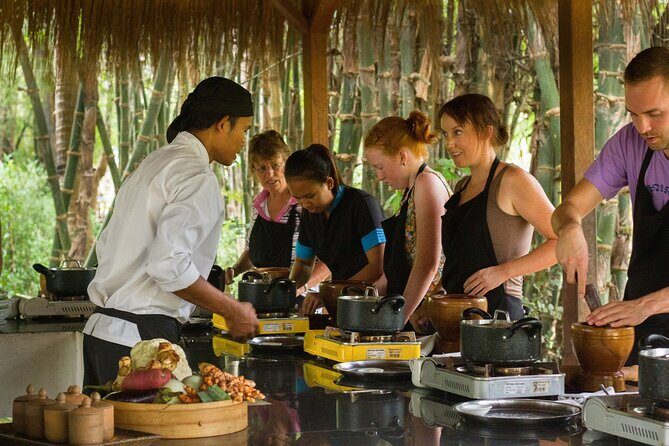
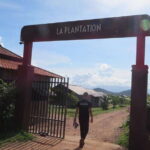
Eco Lotus Kampot is the kind of place that changes your pace right away. You’re in a typical Khmer village setting, surrounded by rice fields and that wide-open countryside feeling. The cooking class happens in a traditional-style home, in the ground-floor area, and it’s set up for a family-style experience rather than a classroom vibe.
What I like most is the rhythm: you don’t just arrive, cook, and leave. You start with ingredients, move into prep with seasonal herbs and vegetables, then sit down to eat what you made. The garden area and nearby stream (when it’s running) make it feel cooler and more relaxed than a typical activity space.
It also helps that you’ll have a guide who can translate and slow things down when needed. In one account, Samon was described as joyful and patient, talking slowly based on English levels. That matters if you’re trying to actually understand spices and steps, not just follow instructions with your hands.
The cultural bonus is real: you’re learning Khmer cooking from people who cook this way at home—so the flavors make sense in context, not as a performance.
You can also read our reviews of more cooking classes in Kampot
Getting There: Tuk Tuk Pickup and Countryside Timing
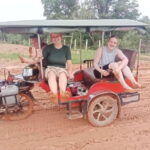
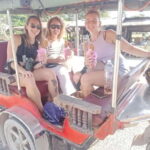
Transport is included, and pickup is set up from your hotel or guest house reception. You’ll meet the driver there, and you’ll head out by tuk tuk or car depending on what’s arranged.
Why this matters: the experience is in Kampot Province countryside, not in the center of town. Without transport included, you’d spend time figuring out rides, waiting, and route logistics. Here, you can focus on the day.
The class itself runs about 3.5 hours, with morning or afternoon options. That’s long enough to include the market, cooking, and a sit-down meal without turning into a full-day trip.
One practical caution: at least one booking reported a very late pickup due to an unexpected issue with the driver’s situation. That’s not something you can plan for, but you can protect yourself by staying flexible and not booking anything immediately after the end time. If your schedule is tight, build in cushion—especially if you’re connecting to another plan in Kampot.
Bring what the activity asks for: hat, sunscreen, insect repellent, camera, and comfortable clothes. You’ll be outside at the market and around the countryside homestay.
The Market Run: Choosing Ingredients the Khmer Way
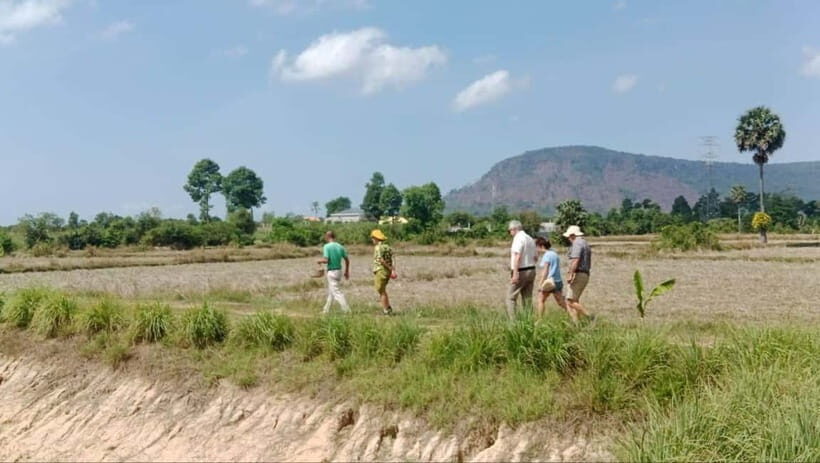
The market stop is a big part of the value. You’re not just grabbing pre-chosen groceries. You’re going to the market with your English-speaking guide, then shopping for the ingredients used in your dishes.
This is where you start to understand what Khmer cooking depends on: seasonal vegetables, herbs, and the basic building blocks of sauces and spice mixes. You’ll see the ingredients up close, and you’ll get a better sense of what’s fresh right now.
You should also expect the market to be active and outdoors. If you’re someone who gets anxious about how ingredients are handled in open-air settings, mentally prepare for that reality. It’s part of the culture—and it’s also why your comfort level matters.
One more useful tip: if you have allergies, this is the time to make sure your guide understands your needs clearly. The activity notes that allergies may be catered for, but they cannot guarantee peanuts or other food stuffs used in the kitchen. So if nuts are in the equation, assume you may not be able to eat safely.
Garden Herbs, Family Cooking Space, and How the Lesson Works
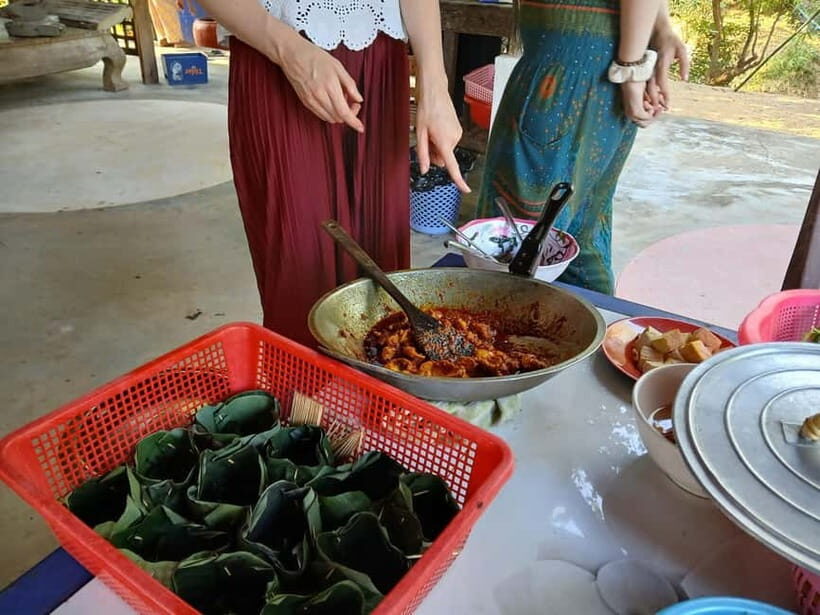
After shopping, you return to Eco Lotus Kampot, where you’ll gather seasonal herbs and vegetables from the garden. That’s one of those small steps that pays off, because it makes the cooking feel tied to the place—not random ingredients trucked in.
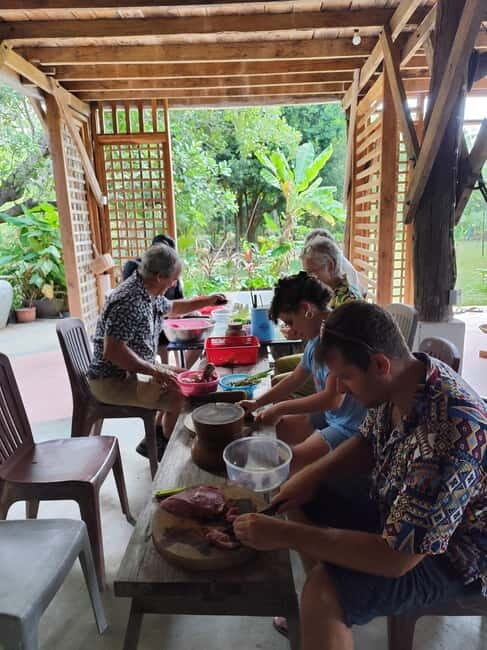
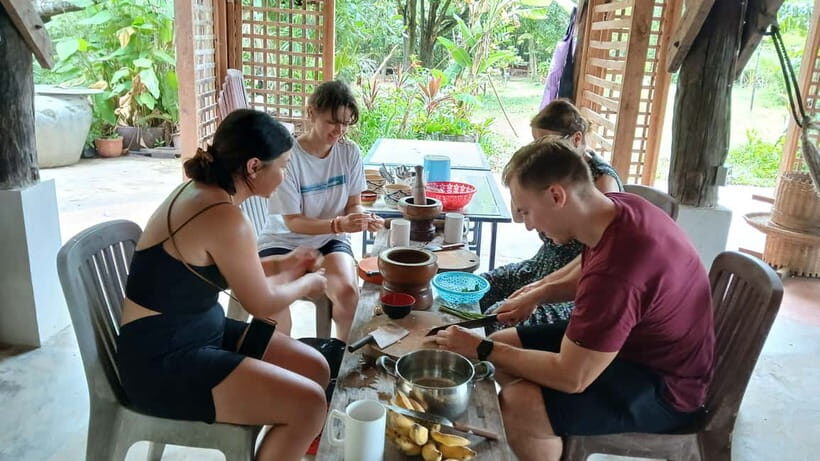
Then you start cooking with the local family. The format is family-style learning, so it’s less about watching one person and more about participating in the prep and cooking steps. In your 3.5 hours, you’ll learn to make three traditional Khmer dishes and a dessert.
A practical note: one account mentioned the class may not be suitable if you can’t sit on the floor. The cooking area is described as part of the traditional home structure, and family-style setups often mean floor seating. If that’s an issue for you, ask ahead how seating will work, and wear comfortable clothes that let you move.
You’ll also have onsite conveniences: bathroom facilities and lounge/bar areas at the property. There’s even a welcome drink, which is a nice reset after the market and before the cooking gets hands-on.
The English guide presence is helpful here, not just for translation. A good guide helps you understand why something is done a certain way—like balancing spice with aromatics, or understanding how textures change as a dish simmers.
The Dishes You’ll Learn: Khmer Classics Plus a Sweet Finish
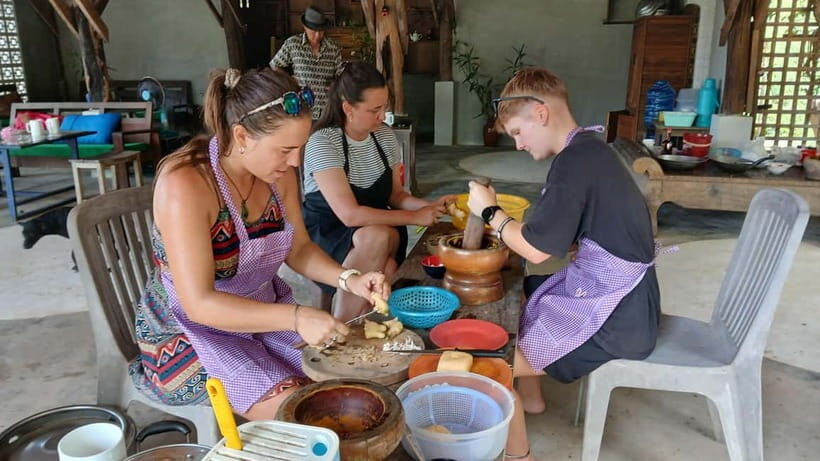
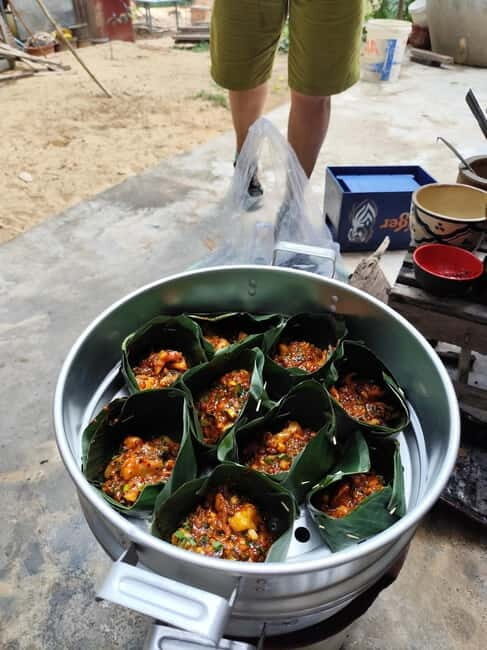
Your class teaches three Khmer dishes plus a dessert. The exact menu can change, but the examples provided include favorites like:
- Fish Amok
- Lok Lak
- Khmer Curry (example listed)
- Palm Sugar Bananas (example listed)
Because the dishes can be adjusted, focus on the learning goals rather than expecting a specific order of dishes every time. Khmer cooking is built on technique—mixing spices correctly, using the right sauces, and controlling heat so flavors develop instead of just tasting like separate ingredients.
What tends to feel most satisfying is that you’re not simply making something “Khmer-ish.” You’re learning the real Khmer dishes people cook at home. That includes the balance of creamy, savory, and fragrant notes that define classics like Fish Amok, plus the hearty, punchy feel of dishes like Lok Lak.
Dessert is part of the package too, and the example includes palm sugar bananas. That matters because Khmer meals often end with sweet flavors that don’t taste like Western desserts.
One more point to manage expectations: the class includes ingredients and you’ll eat what you make. If you’re coming as a small group, portions can feel big. One account mentioned they couldn’t eat half of what was prepared for two people. So if you’re worried about food waste or you don’t have big appetites, you might want to consider the portion realities before you go.
Eating the Meal Outdoors: Paddy Fields and Bokor Mountain Views
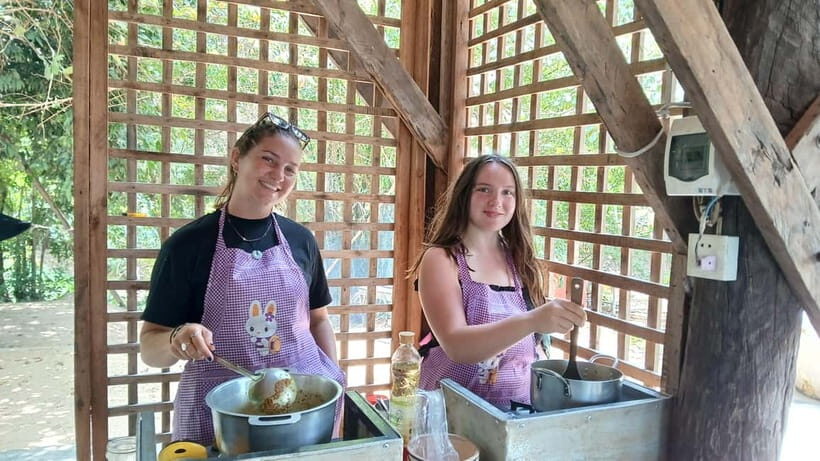
After cooking, you sit down to eat your meal in the countryside setting. This is where the experience becomes more than a cooking class. It turns into a slow meal with the kind of views you don’t usually get from a city activity.
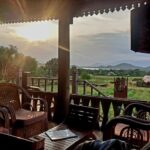
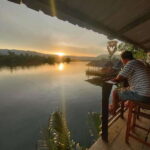
You’ll be looking out over paddy fields and Bokor Mountain, so you get that countryside calm while you eat. Even if you’re only there for 3.5 hours, it feels like you’re spending part of the day living in the area, not just passing through.
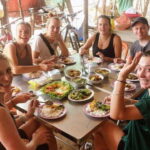
Family-style meals also mean you’re eating alongside the people teaching you. That creates an easy flow for conversation and questions, especially if your guide is translating and staying close to explain what you’re tasting.
If you’re a photo person, bring your camera. The garden setting plus rice fields makes it hard not to take pictures, but don’t forget to eat too.
Stream Dip (Seasonal): When the Water Is There
One included option is a chance to swim in a cool stream, but it’s seasonal and depends on weather conditions. The activity specifically tells you to ask during booking if the stream has water, and to bring your own towel and swimwear if you want to swim.
So here’s the practical version: don’t pack a whole swim outfit expecting it to happen every day. Instead, pack the basics (like a towel you don’t mind getting wet), and confirm water conditions when you book.
This is also a good reminder of how countryside logistics work. The view is consistent, but the stream is nature-dependent.
Price and Value: What $24 Buys You (and What to Watch)
At $24 per person for 3.5 hours, the value comes from the full package:
- Market visit with guide
- Ingredients and cooking supplies
- Garden herb/vegetable gathering
- Three dishes and dessert
- Family-style teaching
- Transport included (tuk tuk or car pickup)
- Welcome drink
- Onsite facilities like bathroom, lounge, and bar
- Optional seasonal stream swim
You’re paying for more than a recipe. You’re paying for translation, guidance, ingredient selection, and a meal you helped make.
That said, there are a few watch-outs that can affect how “worth it” feels:
- Allergies and nuts: it’s not suitable for people with nut allergies, and they can’t guarantee peanuts or other allergens weren’t used in the kitchen.
- Portions: some dishes can result in more food than two people can finish, so plan accordingly.
- Communication on delays: if pickup runs late, your enjoyment can drop fast. If you’re sensitive to time issues, build buffer.
If you want a class that’s more like a gentle family visit with real cooking, this price is reasonable. If you want strict predictability and zero surprises, you’ll still probably be fine, but keep expectations flexible.
Who Should Book This Khmer Cooking Class
This is a great fit if you want:
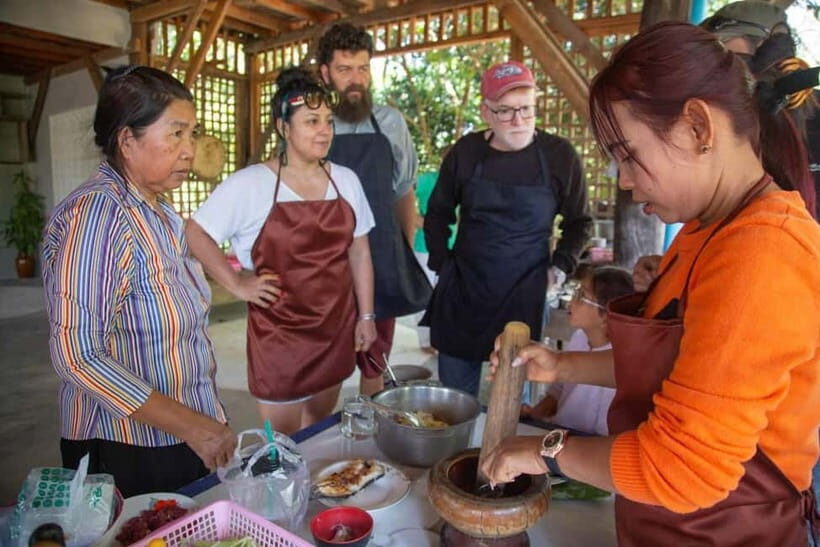
- Hands-on cooking with a local family
- A market experience that connects ingredients to the dishes
- Countryside scenery and a relaxed pace
- Vegetarian options by request
- An English-speaking guide you can ask questions to while cooking
It may be less ideal if:
- You have a nut allergy (not suitable)
- You can’t sit on the floor and haven’t confirmed seating options
- You’re extremely strict about food hygiene comfort in open-air market conditions (the market is part of the deal)
If you’re traveling solo, you’ll still get the same family-style learning and meal. Just remember portion size may be generous, so you may want to plan what you’ll do with leftovers.
Should You Book? My Practical Recommendation
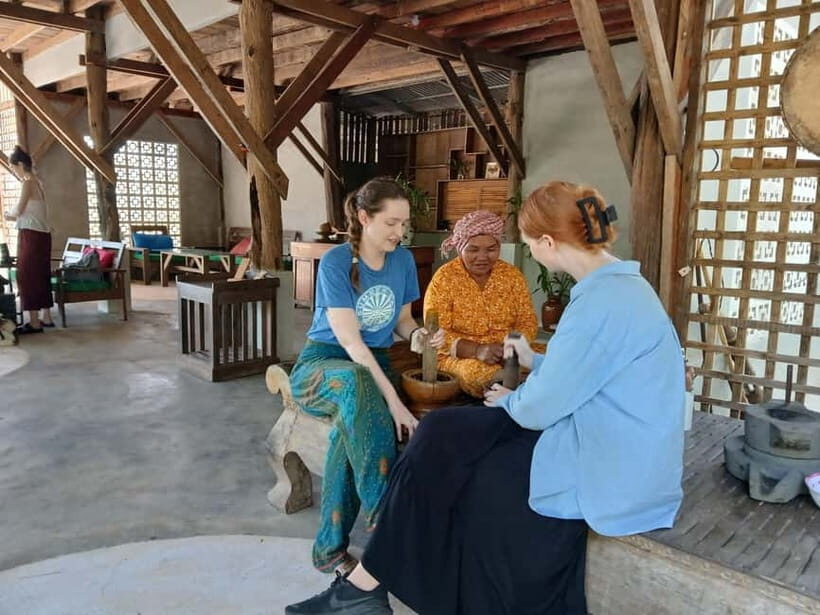
If you’re in Kampot and you want more than a quick photo stop, I think this class is worth booking. The combination of market shopping, garden herbs, and three Khmer dishes plus dessert makes it feel like real participation, not a canned performance. The countryside setting with paddy fields and Bokor Mountain views turns the meal into the part you remember later.
My deciding factors for you:
- If you can handle market-style ingredient shopping and you have no nut allergy, book it.
- If allergies are a concern, ask hard questions before you go—because the kitchen can’t guarantee peanuts or other allergen use.
- If your schedule is tight, don’t stack another activity immediately after pickup and class time.
Go in with comfortable clothes, insect repellent, and a curious attitude. You’ll come away with both techniques and a sense of how Khmer home meals fit into daily life.
FAQ
What is the duration of the Kampot cooking class?
The experience lasts about 3.5 hours.
Do I get picked up from my hotel or guest house?
Yes. Pickup is included from your guest house or hotel reception by tuk tuk or car, and the driver meets you at reception.
Do I visit a market before cooking?
Yes. You’ll visit a local market to buy fresh ingredients for the class.
Can I request a vegetarian version?
Vegetarian options are available upon request, and vegetarian classes can be arranged.
Is there a chance to swim in a stream?
There is an opportunity to swim in a stream, but it’s seasonal and depends on weather conditions. If you want to swim, ask at booking time if water is available, and bring your own towel and swimwear.
Is this class safe for people with nut allergies?
It’s not suitable for people with nut allergies. The activity notes that allergies may be catered for, but they cannot guarantee peanuts or other food stuffs were used in the kitchen.