REVIEW · KAMPOT
Kampot Pepper Farm, Salt Fields, Crab Market from Phnom Penh
Book on GetYourGuide →Operated by Simon Cambodia Trip · Bookable on GetYourGuide
Salt, pepper, and seafood in one long day. I like how this tour strings together Kampot pepper at La Plantation and the salt harvesting life around the Kampot salt fields, so you go home with more than photos. It’s also a smart way to see Kampot’s colonial-era streets and then add a nature stop at Phnom Chhngok Cave, with English support along the way (and guides like Simon and Mr. Vann are repeatedly praised for keeping things organized).
The only real catch is the schedule. You’re looking at an 11-hour day with a moderate amount of walking, plus sun exposure around the salt areas—so comfortable shoes and a hat matter, especially if your back gets cranky.
In This Review
- Key takeaways before you go
- Getting from Phnom Penh to Kampot: the 11-hour plan that actually works
- Kampot town: colonial streets and a riverside breather
- Kampot salt fields: how traditional harvesting shapes the whole landscape
- Phnom Chhngok Cave: limestone formations with historical weight
- La Plantation organic pepper farm: learning Kampot pepper the practical way
- Kep Beach Crab Market lunch: fresh seafood, real choices, easy logistics
- Price and value: why $87 can feel fair for this route
- What to bring, how much you’ll walk, and who should skip it
- The small details that make the day better
- Should you book Kampot Pepper Farm, Salt Fields, and Kep Crab Market?
- FAQ
- What is the duration of the tour?
- Where does the tour start and end?
- How much does the tour cost?
- What transportation is included?
- Is an entrance fee included?
- Is lunch included in the price?
- Do I need to bring anything?
- Is the tour guided?
- Are there any restrictions on the bus?
Key takeaways before you go
- English-speaking driver plus a guide at La Plantation in English or French
- Kampot salt fields with hands-on insight into how traditional salt harvesting works
- Phnom Chhngok Cave for limestone scenery and a stop with historical importance
- La Plantation organic pepper farm focused on how Kampot pepper is grown and handled
- Kep Beach Crab Market lunch stop built around fresh seafood near the coast
- Hotel pickup and drop-off in Phnom Penh with air-conditioned transport and water included
Getting from Phnom Penh to Kampot: the 11-hour plan that actually works
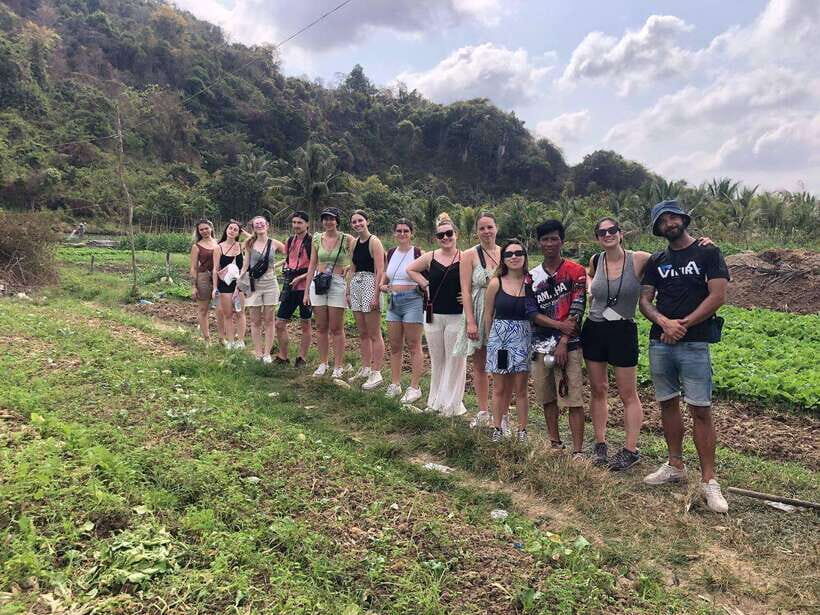
This is one of those Cambodia day trips where the timing matters. Kampot is about 150 kilometers from Phnom Penh, and the drive usually lands around 2.5 to 4 hours depending on traffic. That means you can spend the morning getting out of the city and still have enough time for meaningful stops in Kampot Province before you head back.
The tour runs for about 11 hours, which is long on paper but reasonable if you’re using the day efficiently. You get air-conditioned transportation, and you’ll also have an English-speaking driver, so you’re not stuck doing the figuring-out thing in transit. Water is included, too, which helps when the day turns warm.
The biggest practical benefit is that the day isn’t “watch the window go by.” The route includes multiple specific stops: Kampot town, salt fields plus a cave, then pepper farming, and finally a Kep crab-market lunch. It’s a lot for one day, but it’s also what makes the tour feel full rather than rushed.
You can also read our reviews of more shopping tours in Kampot
Kampot town: colonial streets and a riverside breather
Kampot is famous for its well-preserved colonial architecture, and this tour gives you time to actually notice it. You’ll find a mix of French-era buildings and traditional wooden houses, plus the kind of streets where it’s easy to wander without getting lost. The payoff is that you get to see Kampot as a town, not just a waypoint on the way to the coast.
Along the Kampot River, you can also take a slow walk with mountain views in the background. This isn’t the kind of stop where you’re sprinting through a checklist. It works best if you pause and let your eyes adjust to the details: doorways, balconies, old facades, and the way daily life spills into the streets.
One thing to keep in mind: this is not a sit-down cultural lecture. There’s a moderate amount of walking across the day, and Kampot weather can be bright and hot. If you’re the type who easily gets tired, you’ll want to pace yourself here so the later stops still feel enjoyable.
Kampot salt fields: how traditional harvesting shapes the whole landscape
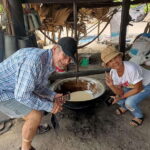
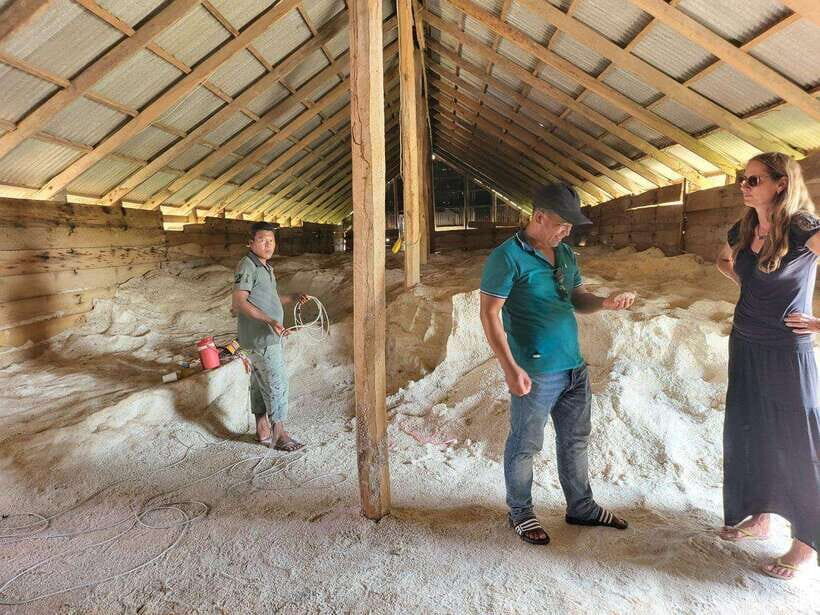
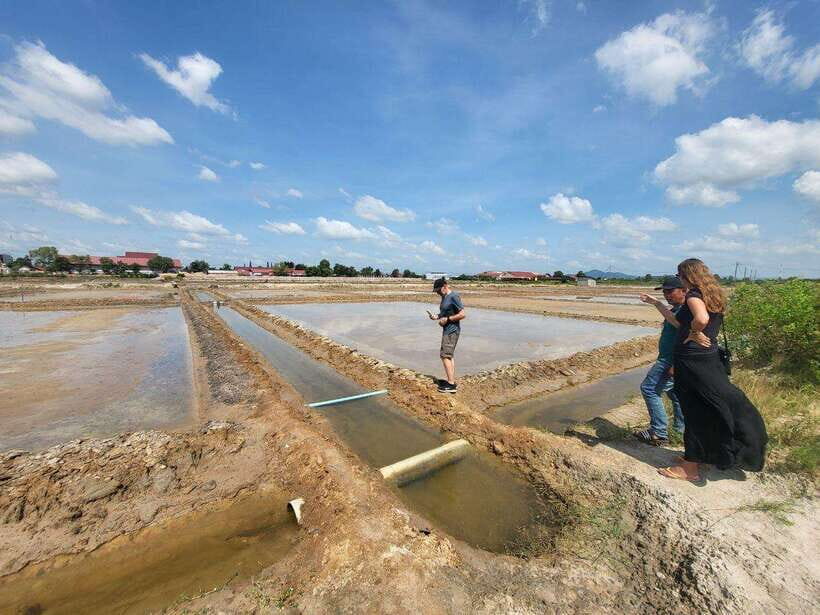
The salt fields are the heart of this route. You’ll visit the Kampot salt area with a guided look at how salt harvesting has been practiced for generations. The core idea is simple but fascinating: farmers handle seawater and move it into shallow ponds, then let the sun and wind do the rest. The work is careful and methodical, and you can see why it’s been a long-term way of life in the region.
What I like about this stop is that it makes the landscape feel purposeful. Salt flats can look like they’re just “there,” but the tour reframes them as a working system. You’re not only taking pictures of flat white ground; you’re watching a process that depends on timing, water control, and weather.
Practical tip: bring comfortable walking shoes and plan for sun. Salt-field areas can be exposed, and you’ll want a hat and sunscreen. Even with water included, you’ll feel better if you drink regularly rather than waiting until you feel thirsty.
Phnom Chhngok Cave: limestone formations with historical weight
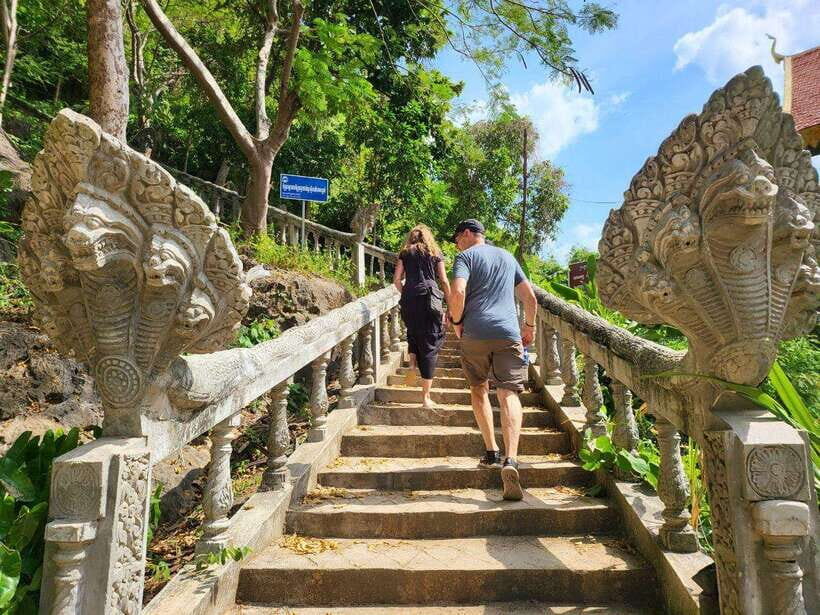
Right by the salt fields is Phnom Chhngok Cave, and the tour includes time to explore it. The cave is known for its limestone formations and it also has historical importance. That mix matters. It’s not just a geology photo stop, and it’s not only a story-based visit either. You get both the physical sights and the context for why people care about the place.
As with any cave visit, you’ll likely deal with uneven ground and some walking. The tour doesn’t position this as extreme trekking, but you should expect enough movement to feel the day in your legs. If you have back issues, this is one of the stops that can feel less comfortable, so be honest with yourself about your limits.
Photography can be rewarding here. Low light inside caves can be tricky, so a phone camera might struggle. If you want good shots, bring a camera you’re comfortable using and keep your expectations realistic.
La Plantation organic pepper farm: learning Kampot pepper the practical way
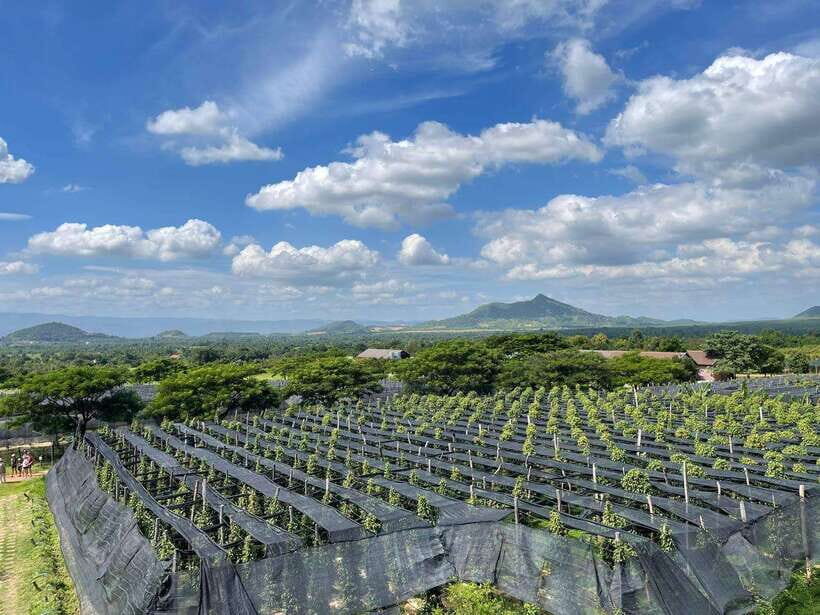
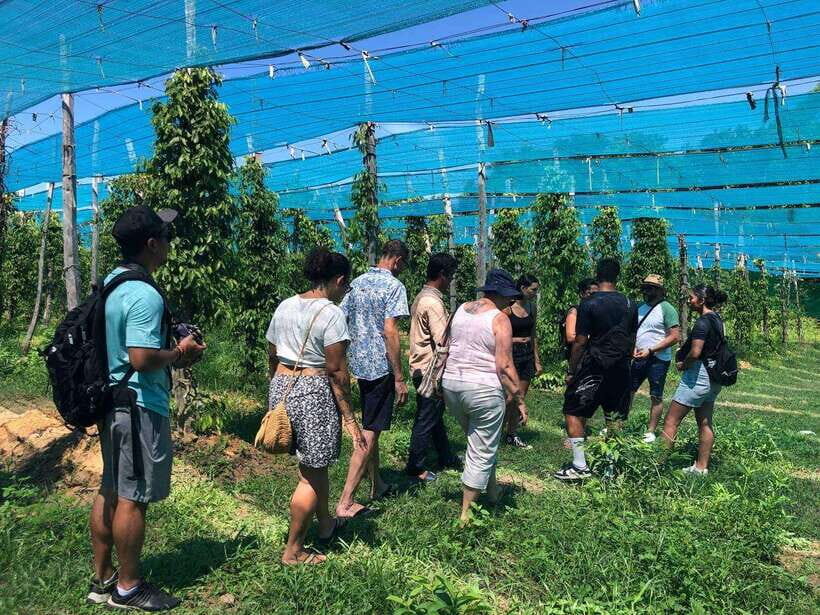
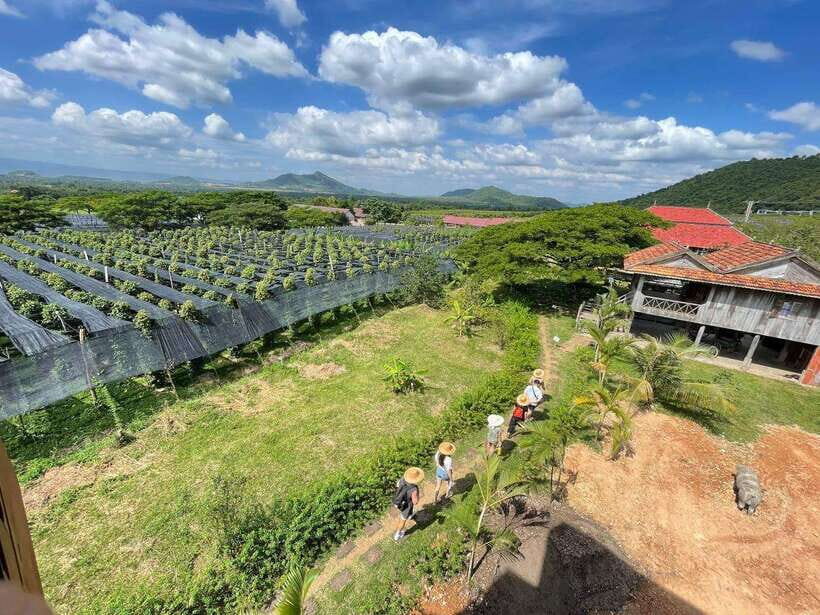
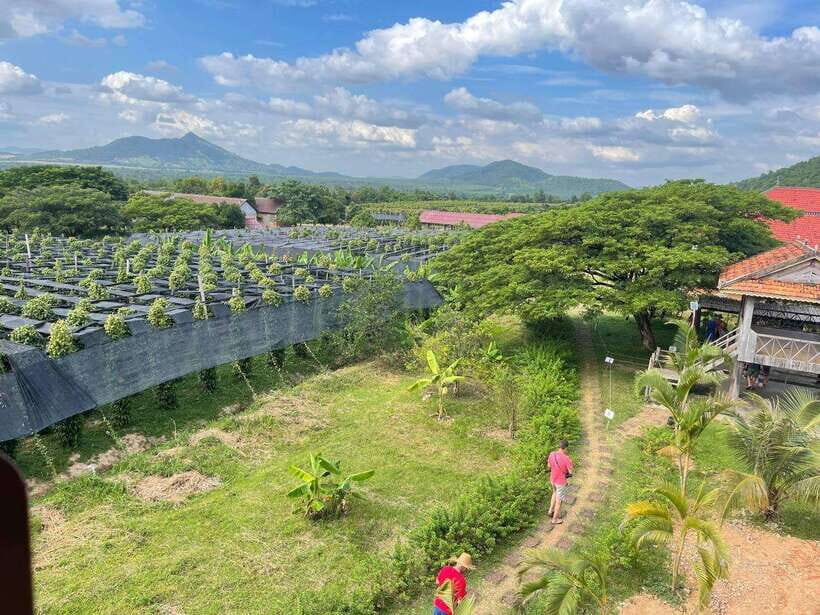
This is the stop where the tour earns its reputation. La Plantation is an organic pepper farm, and you’ll learn how Kampot pepper is grown and handled. The guide support here is specifically noted as English or French at La Plantation, which matters because pepper farming is the kind of topic where small details really count.
You’ll come away understanding why Kampot pepper has a different profile than generic supermarket pepper. It’s not just a product you buy. It’s a crop with growing practices, post-harvest handling, and quality decisions that affect the final taste.
One detail I found especially useful: pepper farming isn’t a “stand and watch” experience. The farm visit is structured around education, so you’re guided through what matters instead of guessing. And based on the feedback around this stop, the pepper farm is often treated as a highlight of the day, with guides such as Simon praised for pacing and clear explanations, not just facts.
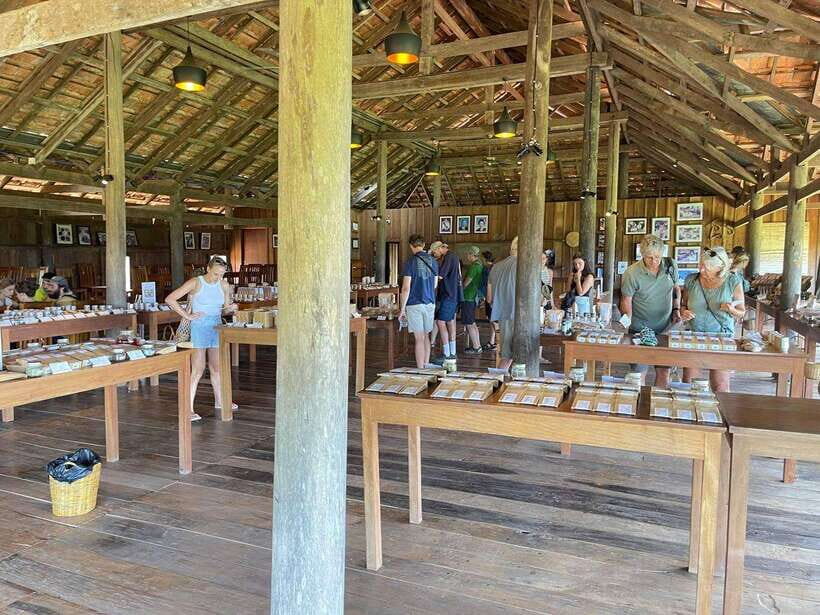
Also, if you’re planning to do any pepper shopping, this is where you’ll know what you’re looking at. Bring curiosity, not just hunger for souvenirs.
Kep Beach Crab Market lunch: fresh seafood, real choices, easy logistics
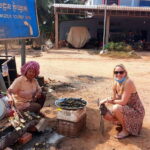
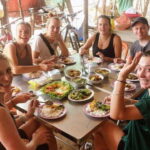
After the salt and cave, the day shifts to the coast with Kep Province and a lunch stop at the Kep Beach Crab Market. This is where you can enjoy fresh seafood, and the market setting is part of the fun. You’re getting a taste of local eating culture without needing to navigate menus you don’t understand.
A fair warning: lunch is listed as not included as part of the package meal coverage. In other words, you can eat there as planned, but you should expect to pay for what you order. That’s typical for market meals, and it’s also why this tour stays flexible.
What I like is the match between stops. Pepper and salt are about flavors with regional identity. Then lunch gives you a straightforward chance to sample seafood that fits the same coastal setting.
If you’re sensitive to heat or strong smells in open markets, sit strategically and drink water. You’ll be grateful you brought it earlier.
Price and value: why $87 can feel fair for this route
At $87 per person, this tour isn’t trying to be the cheapest way to do Kampot and Kep. It’s priced more like a “remove the hassles” day: air-conditioned transport from Phnom Penh, hotel pickup and drop-off, entrance fees, water, and guided support for key parts.
Here’s where the value shows up:
- You’re paying for a full day plan that avoids self-transport math.
- You get guided learning at places that are easier with an explanation (salt harvesting methods and pepper farming).
- You’re getting multiple distinct regions in one run: Kampot town, salt fields, a cave, and then Kep’s seafood area.
If you were to hire separate guides or build the itinerary yourself, you’d likely spend time coordinating, and coordination time is expensive when you only have one day. That’s the core logic behind a price like this.
It’s also worth noting that the guide support is not equally distributed everywhere. The guide is specifically tied to La Plantation (and the rest of the day relies on the driver and tour flow). So if you want expert commentary at every single stop, you’ll need to ask questions at each location, and don’t assume the same level of guided narration everywhere.
What to bring, how much you’ll walk, and who should skip it
The tour is practical about what you should pack. Bring comfortable shoes, a hat, sunscreen, a camera, and a water bottle. Water is included, but having your own bottle makes it easier to sip throughout the day, especially around sun-exposed areas like salt fields.
Walking is described as moderate. That means you’re not doing long hikes, but you are moving enough to feel it by lunchtime. If you have a history of back trouble, this is one of the easier tours to skip because parts of the route involve uneven ground and cave walking conditions.
Wheelchair access isn’t supported, so if mobility is a concern, this likely won’t be the right match.
One more rule: no smoking during the bus ride. It’s a small thing, but it contributes to comfort on a long day.
The small details that make the day better
A few habits can make this trip feel smooth instead of chaotic:
- Wear shoes you can handle on mixed surfaces. Salt areas and cave approaches aren’t the same as city sidewalks.
- Use sunscreen early. Waiting until you feel hot usually means it’s already too late.
- Bring your camera, but keep it simple in darker areas like caves.
- Expect that the bus ride is for commuting, not eating. The rules note no consuming food and drinks on the bus.
If you plan to buy pepper, think about how you’ll carry it back. You’ll be doing a full day in the heat, then still traveling back to Phnom Penh, so bring a plan for keeping items safe.
Should you book Kampot Pepper Farm, Salt Fields, and Kep Crab Market?
You should book if you want a high-structure day trip that combines Kampot town, salt harvesting learning, a cave visit, an organic pepper farm education, and a seafood lunch option in Kep. It’s especially good if you’d rather spend your energy enjoying explanations and scenery than sorting transport.
You might skip it if you hate long days. At 11 hours, you’re committing to a schedule with moderate walking and strong sun exposure. And if you deal with back issues, this one is specifically noted as not suitable for that situation.
If your plans are flexible, this tour offers free cancellation up to 24 hours in advance, and you can reserve without paying immediately. That reduces risk if you’re still deciding between Cambodia options.
FAQ
What is the duration of the tour?
The tour lasts about 11 hours.
Where does the tour start and end?
It includes pickup from your hotel in Phnom Penh and returns you to Phnom Penh.
How much does the tour cost?
The price is $87 per person.
What transportation is included?
You get air-conditioned transportation with an English-speaking driver.
Is an entrance fee included?
Yes, entrance fees are included.
Is lunch included in the price?
Meals are listed as not included, but lunch at Kep Beach Crab Market is part of the day’s plan as a place to eat.
Do I need to bring anything?
Bring comfortable shoes, a hat, sunscreen, a camera, and (for hydration) water or your own water bottle.
Is the tour guided?
You get guided support in the pepper farm visit at La Plantation (English or French). An English-speaking driver is also included for the ride and tour flow.
Are there any restrictions on the bus?
Smoking is not allowed during the bus ride, and the rules say consuming food and drinks is not allowed on the bus.