REVIEW · KAMPOT
Kampot: Pepper Farm Tour, Salt Field, Cave & Secret Lake
Book on GetYourGuide →Operated by Kampot-Kep day tours by locals · Bookable on GetYourGuide
Kampot isn’t just rivers and restaurants—it’s pepper, salt, and caves. I like that this tour strings together real rural work (salt fields, pepper growing, fishing zones nearby) with a guide who explains what you’re seeing in plain language. I also love the Kampot pepper tasting setup, because it turns a local product into something you can actually compare by smell and heat.
The one thing to consider is the day is active. You’ll walk into salt areas, spend time underground in a cave, and you’ll be out for about five hours—so this isn’t ideal if you’re avoiding steps, damp surfaces, or long stretches outside. Also, if it’s been raining, conditions around the salt production areas may be less showy than on a dry day.
In This Review
- Key things I’d circle before you book
- What makes this Kampot day tour feel different
- Getting there: pickup, tuk tuk segments, and what pacing means
- Salt fields and salt farm coffee: where the day gets hands-on
- Limestone cave exploration + temple inside: nature with a side of culture
- Brateak Krola Lake (Secret Lake): stories, shade, and a slow break
- Pepper farm at La Plantation: turning tastings into understanding
- Time on the road: transfers that keep the day from feeling rushed
- What you get for $23: value check that makes sense
- Best fit: who this tour suits
- Practical tips so your day runs smoothly
- Should you book this Kampot tour?
- FAQ
- How long is the Kampot pepper farm, salt field, cave & Secret Lake tour?
- What’s included in the price?
- Are meals included?
- Is the tour guide available in English?
- What should I bring?
- Can I cancel and get a full refund?
Key things I’d circle before you book
- Kampot pepper tasting with guided comparison (not just one sample)
- Salt fields visit during the dry season rhythm so you can see how it works up close
- Limestone cave exploration plus a temple inside for a mix of nature and culture
- Secret Lake time with included soft drinks and stories tied to the region’s past
- La Plantation pepper farm tour and shopping time to bring something home
- Strong driver + guide teamwork that keeps the day smooth and safe, even when weather shifts
What makes this Kampot day tour feel different
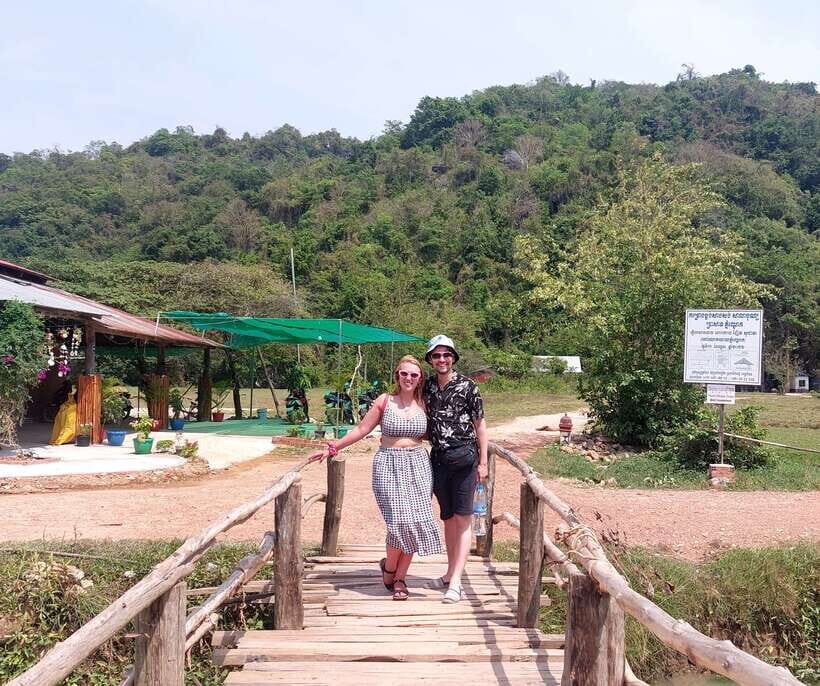
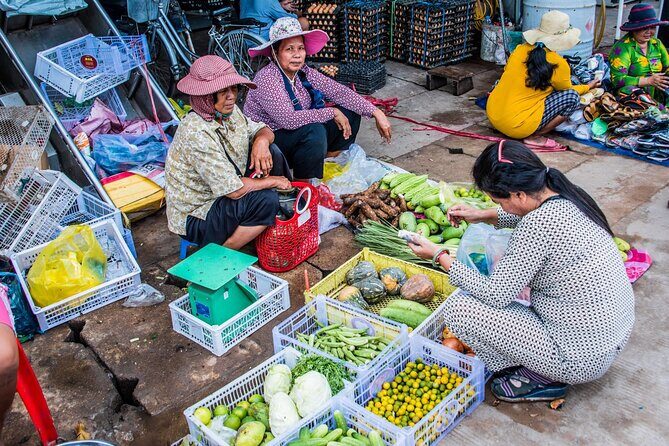
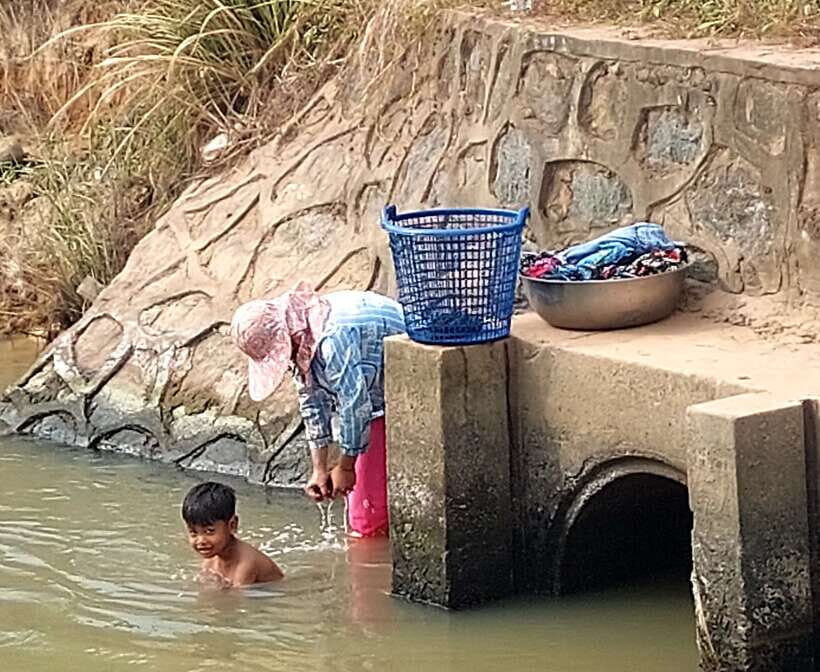
This is the kind of tour that gives you more than photo stops. It’s built around how Kampot food and farming actually happen—pepper plants, salt production, and the rural communities that live next to all that work. You’re not stuck on one viewpoint. You move from place to place and the guide keeps connecting the dots.
The guide role matters here. Several guides running this circuit (like Na(k), Micki, Jason, Vandy, Sath, Chet) are described as local, story-forward, and practical—good at answering questions on the spot and keeping the driving steady. You’ll feel that in the pacing: time at each stop is long enough to look around, ask things, and take photos, without rushing you out the door.
Price-wise, $23 for about five hours is reasonable because you’re paying for more than transportation. You’re also covered for entrance fees, a guide, and soft drinks plus drinking water. Meals aren’t included, but you’ll still get a well-rounded sampler of Kampot countryside instead of spending extra money to fill gaps.
A few more Kampot tours and experiences worth a look
Getting there: pickup, tuk tuk segments, and what pacing means
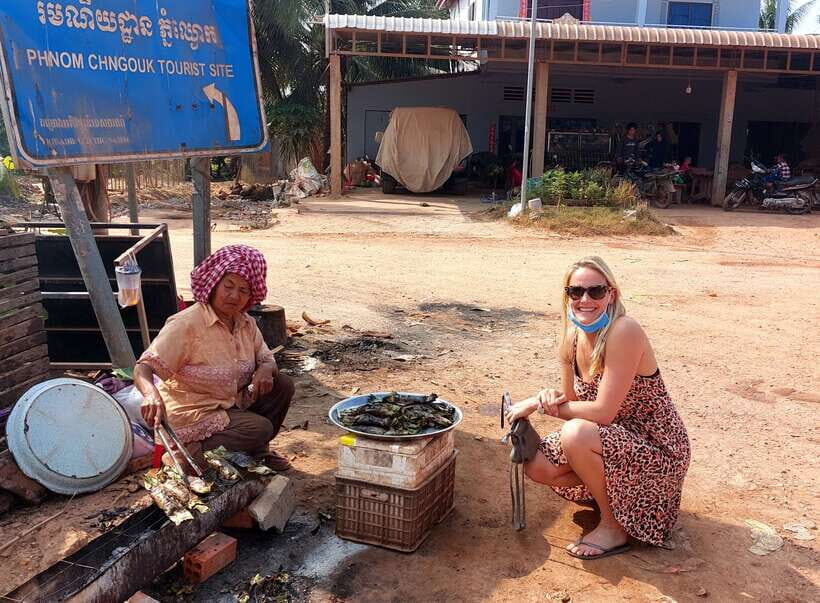
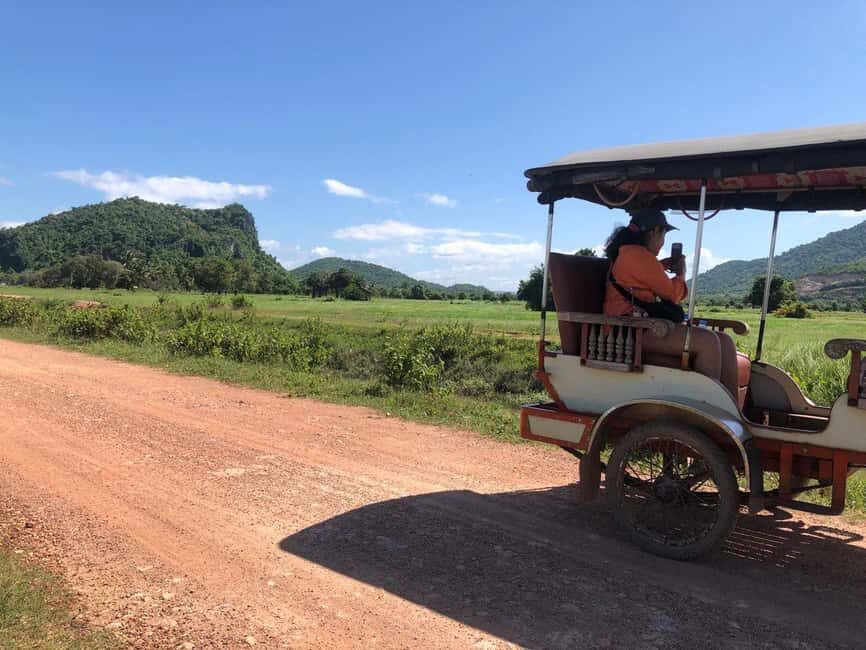
The day starts with hotel pickup in the Krong Kampot area (within about 3 km of the city center). If you’re farther out, there’s an extra charge for pickup/drop-off. Once you’re on the route, you’ll transfer in short segments (including tuk tuk time) rather than one long bus ride.
That “chunked” pacing is a big deal on a 5-hour tour. It means fewer long waits, less boredom, and more frequent chances to stretch your legs. It also keeps you from getting too dehydrated—though you should still bring sunscreen, because the sun can be strong once you’re out walking.
You’ll want to wear practical shoes. The cave area and the salt-related spots involve uneven surfaces and damp patches, depending on recent weather.
Salt fields and salt farm coffee: where the day gets hands-on
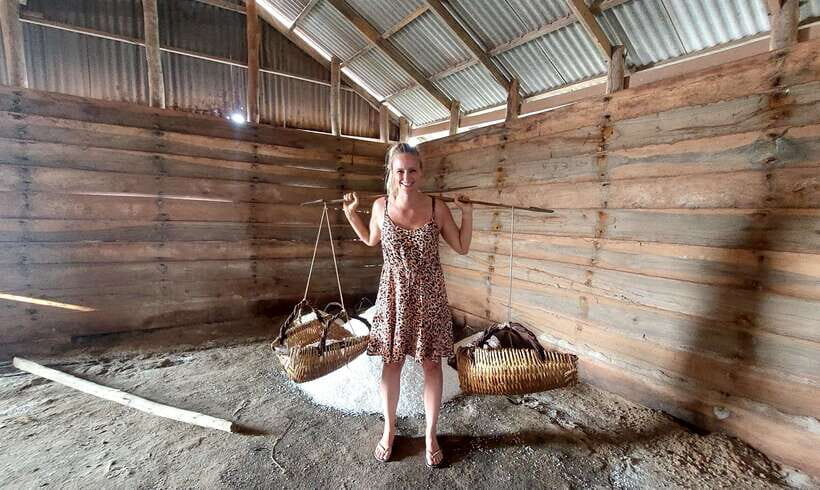
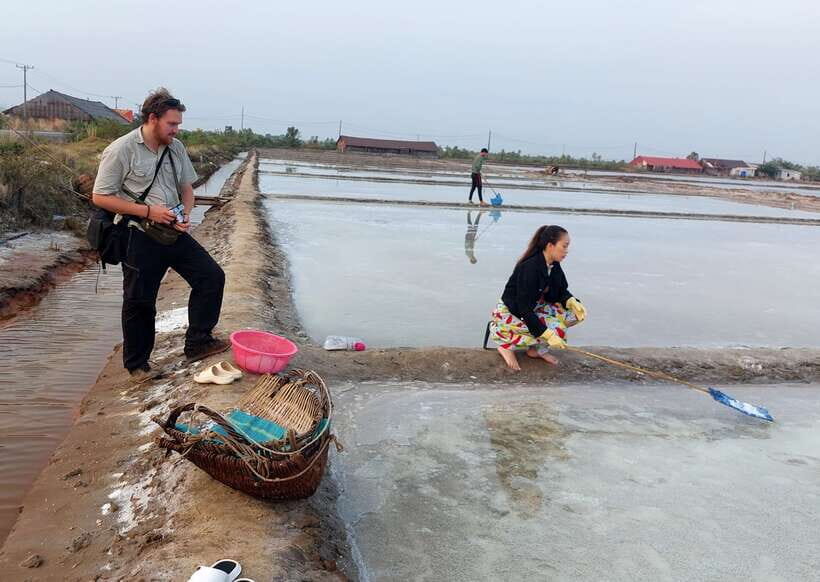
Your first real stop is the salt production area, usually in dry-season conditions. You’ll spend around 30 minutes at this point. The experience is designed to get you close to the process rather than just watching from the edges.
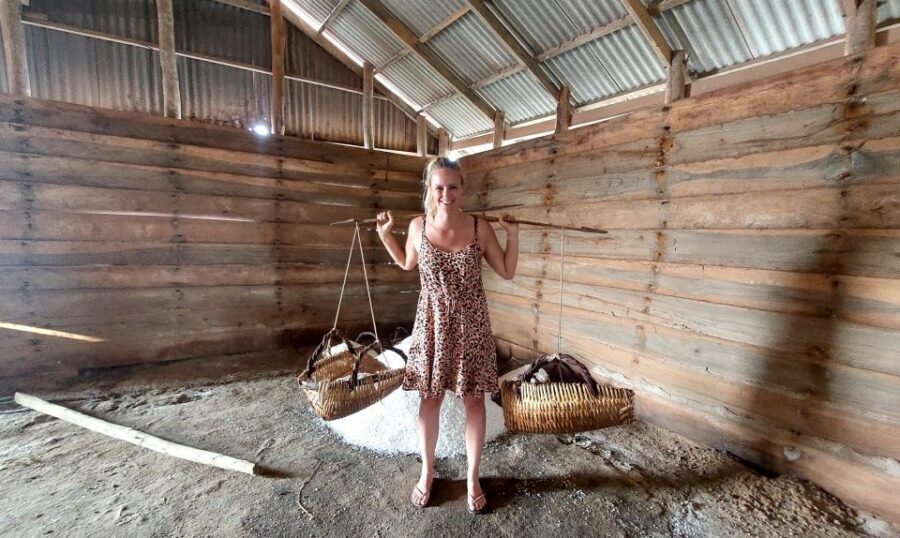
Here’s the practical part: you can walk into the salt area, get close to the workers, and take pictures. Your guide explains sea salt production and what makes it work in the local rhythm. Even if you’re not a “salt person,” you’ll probably be surprised by how technical it feels—channels, drying, timing, and water behavior all matter.
You also get a Salt Farm Coffee break (that’s a set stop name on the tour). Think of it as a palate and energy reset before you head out toward the countryside attractions. It’s also a nice moment to ask questions you might otherwise forget while you’re moving.
One thing to keep in mind: if it has rained recently, you might not get the same dramatic view of active salt work. In heavier wet periods, a guide may rely on information or visuals to explain the process, since the salt fields can be less workable or less scenic.
Limestone cave exploration + temple inside: nature with a side of culture
Next comes the countryside transfer and then the cave block. You’ll get about 45 minutes for the photo and site time here, including the core cave exploration.
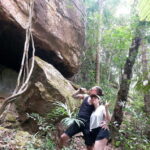
This stop is a favorite for a reason. Limestone caves are cool, humid, and photogenic in a way that feels more real than a single highlight viewpoint. You’ll have time to move through the cave area, look for small details, and take photos with the guide helping you spot good viewpoints. In some days, you may see bats, and the guide can point out photo-friendly spots.
Inside the cave, you’ll also visit a Hindu temple dating to around the 7th century. That combination—limestone geology plus a long-lived sacred space—adds depth without turning the tour into a lecture. It gives you something to look at with your eyes, not just something to hear about.
What to consider: caves can be slippery and darker than you expect. Bring a mindset of slow walking. Let the guide set the pace, and you’ll enjoy it more.
Brateak Krola Lake (Secret Lake): stories, shade, and a slow break
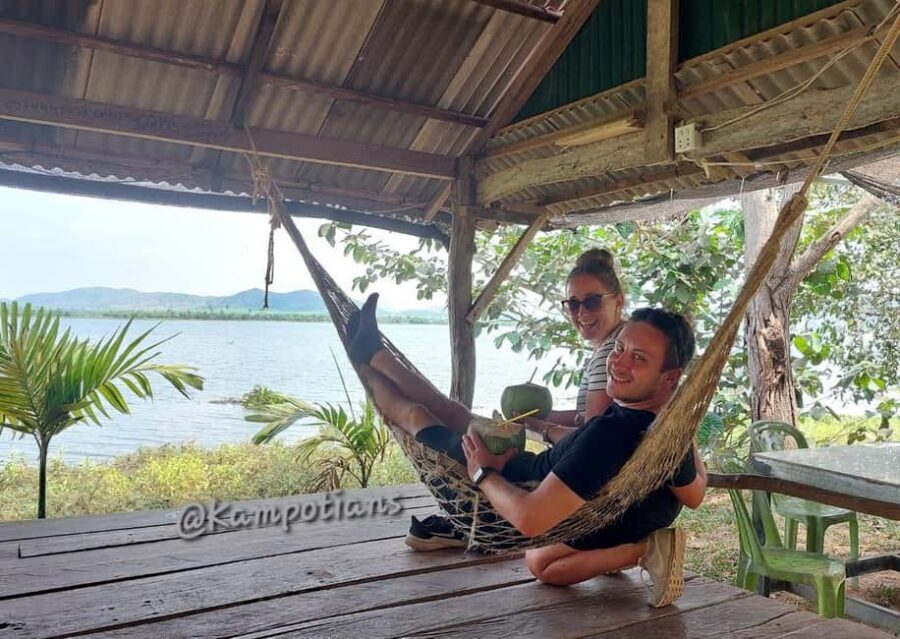
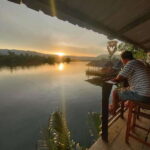
After another transfer segment, you reach Brateak Krola Lake—often called Secret Lake. You’ll have around 105 minutes here, which is a generous chunk of time compared to many Kampot tours.
The best part isn’t just the water view. It’s the combination of stories and time to relax. The guide shares the lake’s background, including how it connects to the Khmer Rouge era, and then you’re given a slower pace: break time, photo time, and guided context.
There’s also a practical comfort angle. People often describe this stop as peaceful. You’ll likely have a place to rest, and there’s soft drinks included. Some days also include coconut water service, but since that isn’t guaranteed in the tour’s core info, treat it as a nice-to-have rather than a promise.
Shopping can pop up here too, depending on how the local vendors are set up that day. The time buffer is useful: you can take photos, listen, and then just sit for a while. If you’ve spent the morning on salt and cave walking, this is where you’ll feel your shoulders relax.
Pepper farm at La Plantation: turning tastings into understanding
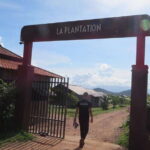
La Plantation is the final “food and farming” anchor of the day. You’ll spend about 1.5 hours here, including a guided tour, free time, and some shopping.
This is where the earlier pepper talk becomes real. You get a pepper-farm walk and then a tasting session where you can learn about different types of Kampot pepper. The value isn’t just that you’ll taste pepper. It’s that your guide helps you connect variety with flavor—so you can tell the difference by aroma and heat.
Some tours at this stop also include pepper-based bites (people often mention ice cream and curry-style tastings). The key is: you get to compare peppers in a guided way, and that makes Kampot pepper feel like a product with character instead of a souvenir.
If you like bringing home food you can actually use, this stop is a strong choice. You can buy pepper after you understand it. And because you’re already guided through the story, you’ll know what you’re paying for.
Potential drawback: this is a farm visit, so plan for sun and light walking. If you’re heat-sensitive, take advantage of any shaded break time the guide offers.
Time on the road: transfers that keep the day from feeling rushed
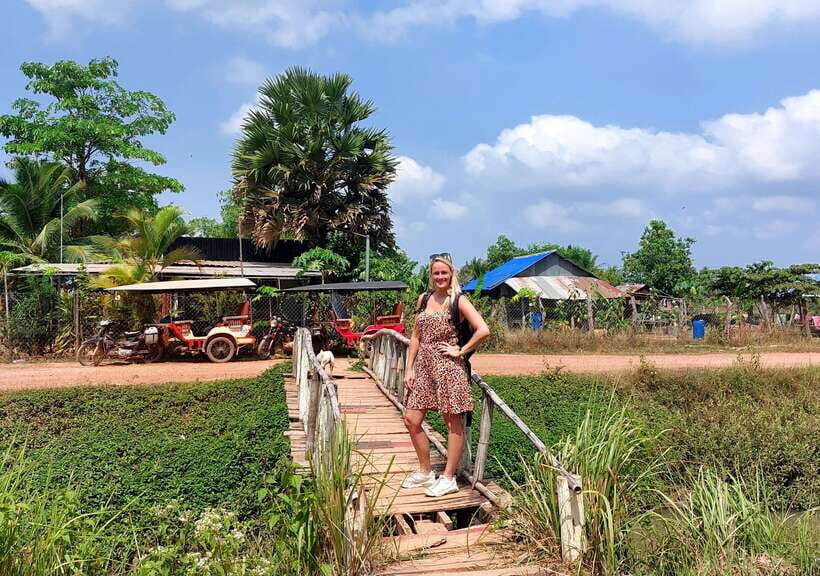
Between stops, you’ll have multiple transfer blocks (for example, a 30-minute transfer early on and another 45-minute block later). The tour is structured so you’re not bouncing nonstop. You also get tuk tuk time between key points, which helps break up the route.
On a day like this, transportation is part of the experience. The standout feedback in this tour circuit is about driver and guide teamwork—drivers described as safe and guides who handle logistics while still telling stories. That’s what makes the day feel organized even when weather changes.
And weather does change things here. A few guides adjust the experience on rainy days to keep the day enjoyable—sometimes using videos or alternate explanations if a specific area isn’t at its best. The goal is that you still see the planned categories of places: salt, cave/temple, Secret Lake, pepper.
What you get for $23: value check that makes sense
Let’s talk value in plain terms.
For $23 per person, you’re paying for:
- a live English guide
- entrance fees
- drinking water and soft drinks
- pickup and drop-off if you’re within roughly 3 km of Kampot city center
- about five hours that includes salt, cave/temple, Secret Lake, and a pepper farm
Meals aren’t included. That’s the one clear trade-off. But because the tour includes multiple stops and snacks/drinks (water and soft drinks are included), you’re less likely to feel stranded mid-day.
If you were to do these stops independently, you’d pay for separate transport legs and separate paid entries. This tour bundles it into one circuit with an on-the-ground explainer, which is what turns “going places” into “understanding places.”
Best fit: who this tour suits
This is a great fit if you want:
- a countryside-focused day in Kampot Province
- pepper tasting and product education, not just shopping
- cave exploration that includes cultural context (the temple inside)
- a balanced day that mixes walking with real breaks
It may be less suitable if:
- you’re over 70 (the tour notes it’s not suitable)
- you have limited mobility or you don’t like damp, uneven cave surfaces
- you prefer a purely relaxed sightseeing day with no walking at salt areas
Practical tips so your day runs smoothly
- Bring sunscreen. Sun can hit hard, especially at the pepper farm and outdoor salt areas.
- Wear closed-toe shoes with grip. Cave floors and wet patches can be slippery.
- Carry a small towel or tissues if you get sweaty. It’s a walking-and-waiting day in humid Cambodia weather.
- If it rains, stay flexible. The structure is built to keep the experience going, but the look of the salt production area may change.
Should you book this Kampot tour?
I’d book this tour if you want an honest Kampot day that goes beyond the usual riverfront routine. The pepper component is genuinely useful—tasting plus explanation. The cave stop adds real wow-factor with the temple inside. And Secret Lake is a nice counterbalance: calmer, story-driven, and long enough to actually breathe.
I’d skip (or at least think hard) if you’re sensitive to uneven walking, damp conditions, or heat, or if you fall into the over-70 suitability note. Also, plan meals separately since they’re not included.
If you like tours that feel local—pepper farmers, salt workers, fishermen-life context, and a guide who was raised here—this one fits.
FAQ
How long is the Kampot pepper farm, salt field, cave & Secret Lake tour?
The tour runs for about 5 hours.
What’s included in the price?
Included are the guide, entrance fees, drinking water, soft drinks, and hotel pickup and drop-off for hotels within 3 km of Kampot city center.
Are meals included?
No. Meals are not included.
Is the tour guide available in English?
Yes, the live tour guide offers English.
What should I bring?
Sunscreen is recommended.
Can I cancel and get a full refund?
Yes, you can cancel up to 24 hours in advance for a full refund.