REVIEW · KAMPOT
Khmer Food Culture Cooking Class in Kampot
Book on GetYourGuide →Operated by Cambo Tours Services · Bookable on GetYourGuide
Kampot flavors start at the market. This Khmer Food Culture Cooking Class in Kampot pairs a guided local market walk with hands-on cooking in a traditional colonial house near the river. I love the pro-chef guidance in English and the chance to cook your own starter, main, and dessert. One heads-up: if you want soft drinks or anything alcoholic, you’ll pay extra since drinks beyond water aren’t included.
You’ll learn Khmer classics tied to Kampot’s ingredient pride, including dishes like larb, papaya salad, and amok (plus options such as lok lak and mango sticky rice). The setup is private-group friendly, and if you end up with a small class, the teaching can feel very personal, with calm, step-by-step attention from your English-speaking instructor (Lyna is one chef name that comes up often in feedback).
In This Review
- Key Things That Make This Class Worth Your Time
- Entering a Colonial-House Kitchen in the Center of Kampot
- How the 4 Hours Typically Unfold (and Why the Timing Works)
- Market Tour: The Ingredient Lesson You’ll Remember
- Picking 3 Dishes: Starter, Main, Dessert (and It’s Not a Random Choice)
- Cooking Khmer Classics: Larb, Papaya Salad, Amok, and More
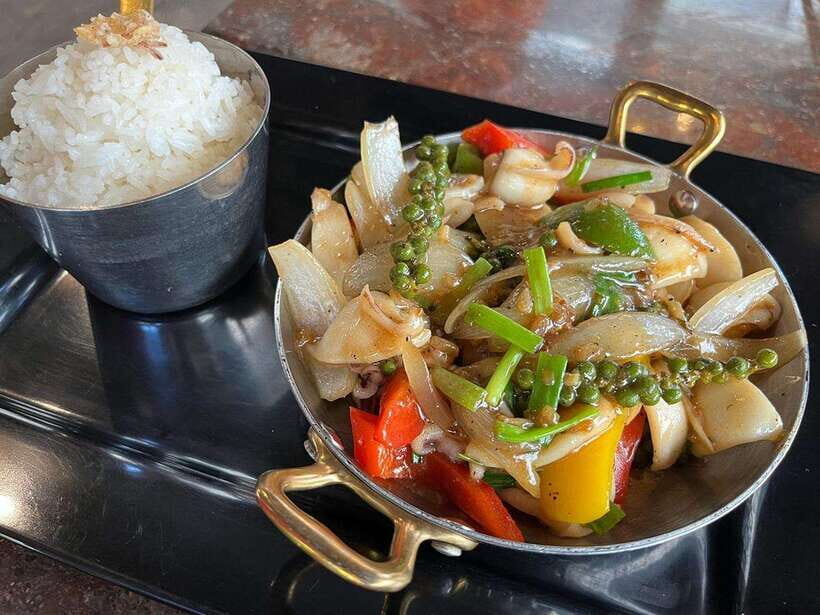
- Kampot Pepper: Using a Famous Ingredient in Real Dishes
- Group Size and Personal Attention: Private Doesn’t Mean Lonely
- What’s Included (and Why That Makes the Price Make Sense)
- Where This Class Fits in Your Kampot Trip
- Who Should Book This Khmer Food Culture Cooking Class in Kampot
- Should You Book It? My Practical Recommendation
- FAQ
- How long is the Khmer Food Culture Cooking Class in Kampot?
- Where does the class take place?
- What is included in the price?
- What dishes will I cook?
- Does the class have an English instructor?
- Is this a private group?
- Are alcoholic drinks included?
- Is pickup included?
- Is it wheelchair accessible?
Key Things That Make This Class Worth Your Time
- Market tour with a professional chef so you learn ingredients, not just recipes.
- Choose your own 3-dish menu (starter, main, dessert), which keeps it fun and personal.
- A traditional colonial house kitchen near the river for a more real Kampot feel than a generic studio.
- Kampot pepper focus and Cambodian flavor logic, so dishes make sense when you cook again at home.
- English instruction with patient pacing, especially in small groups where you may get extra help.
Entering a Colonial-House Kitchen in the Center of Kampot
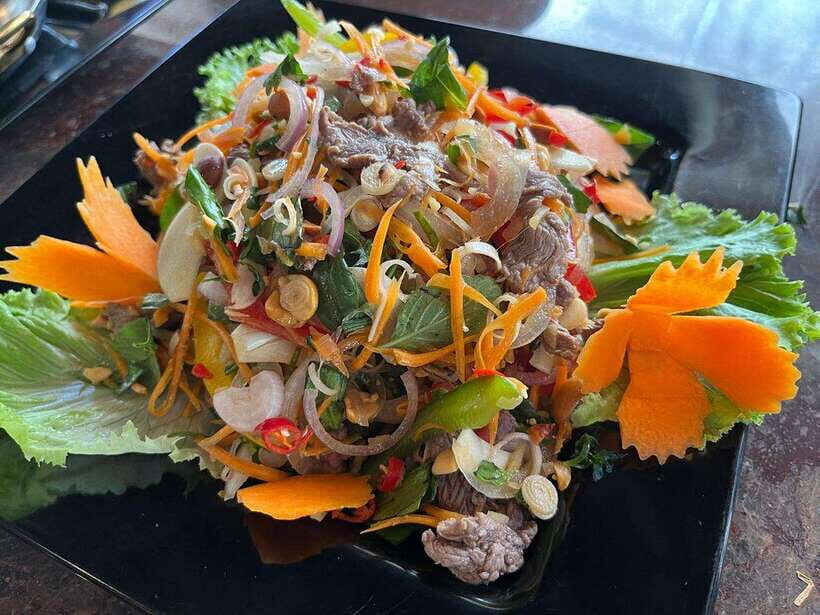
The first thing I like about this experience is the setting. You step into a traditional colonial house in central Kampot, close to the river, which immediately makes it feel less like a tourist performance and more like a real home-style cooking lesson.
The kitchen setup matters. When you’re learning Khmer dishes, you need a space that lets you watch, ask questions, and then cook without rushing. Here, the flow is designed for teaching, with a professional tutor guiding you through what to do, step by step.
Also, the location puts Kampot food culture in context. You’re not just making meals in isolation. You’re in Kampot, and the class leans into local ingredients, especially Kampot pepper.
You can also read our reviews of more tours and experiences in Kampot.
How the 4 Hours Typically Unfold (and Why the Timing Works)
A 4-hour class doesn’t sound like much, until you realize it’s built for learning. The lesson gives you time for the full arc: meet ingredients, cook multiple dishes, and eat what you make.
Here’s the rhythm you can expect:
- You start with a local market tour led by your chef instructor.
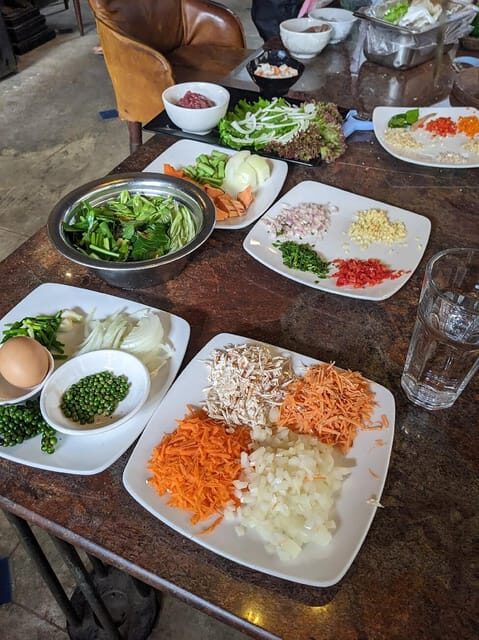
- You then move into cooking, with ingredient prep and guided steps.
- Midway, you keep working until all your chosen dishes are completed.
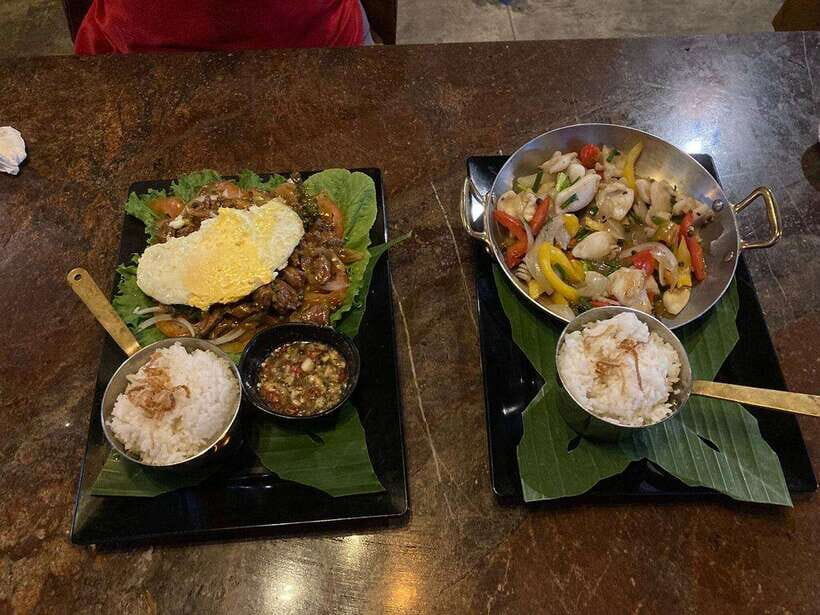
- You finish with a meal you can actually call your own.
Why this timing works: you get enough time to learn the logic behind Khmer cooking without it turning into an all-day food marathon. Four hours is also a friendly length if you’ve got other Kampot plans the same day.
Market Tour: The Ingredient Lesson You’ll Remember
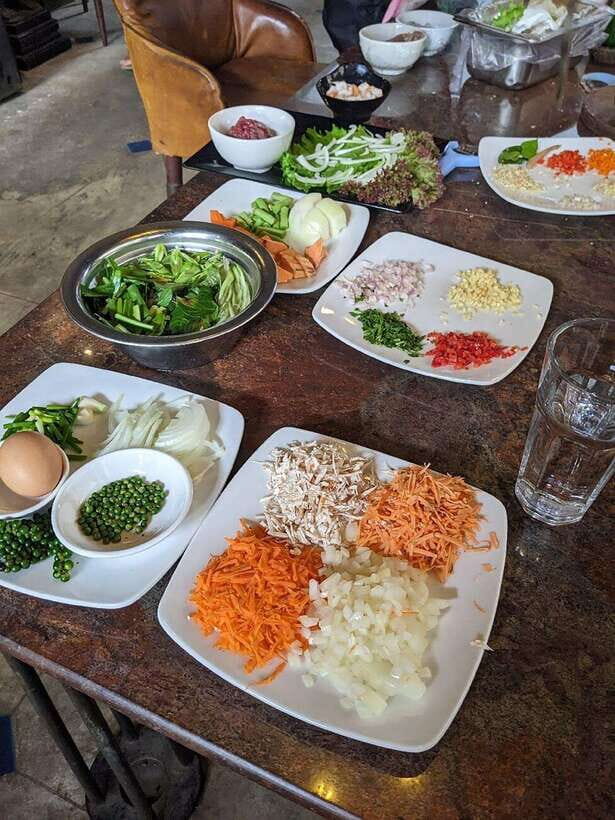
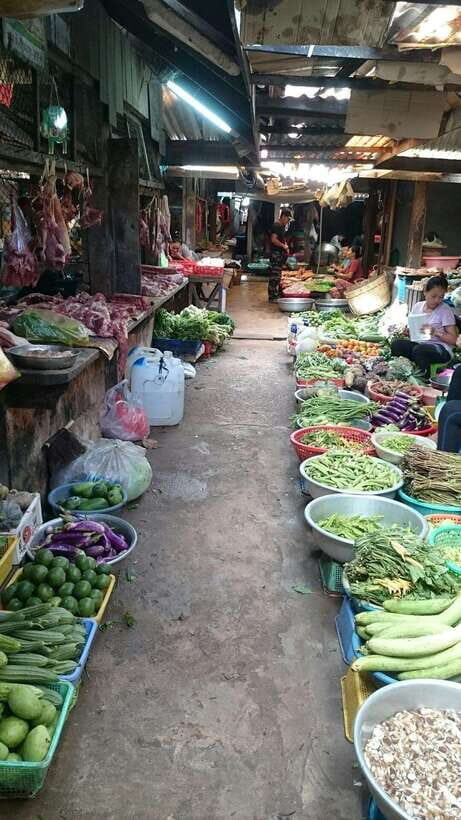
The market walk is one of the most useful parts, because it’s where you learn the “why.” You’ll visit a Khmer local market with your professional chef guide, and you choose ingredients based on the dishes you’ll cook.
This is the difference between memorizing steps and understanding flavor. When you see ingredients in their natural context, it’s easier to recreate them later. If you’ve ever tried to cook a dish at home using a recipe but couldn’t find the same flavor, this kind of market guidance helps you avoid that.
It also keeps the class grounded in Kampot. You’re not just cooking generic Cambodian food. You’re learning how Khmer cooks think about ingredients, and the class specifically highlights dishes built around celebrated local products like Kampot pepper.
Picking 3 Dishes: Starter, Main, Dessert (and It’s Not a Random Choice)
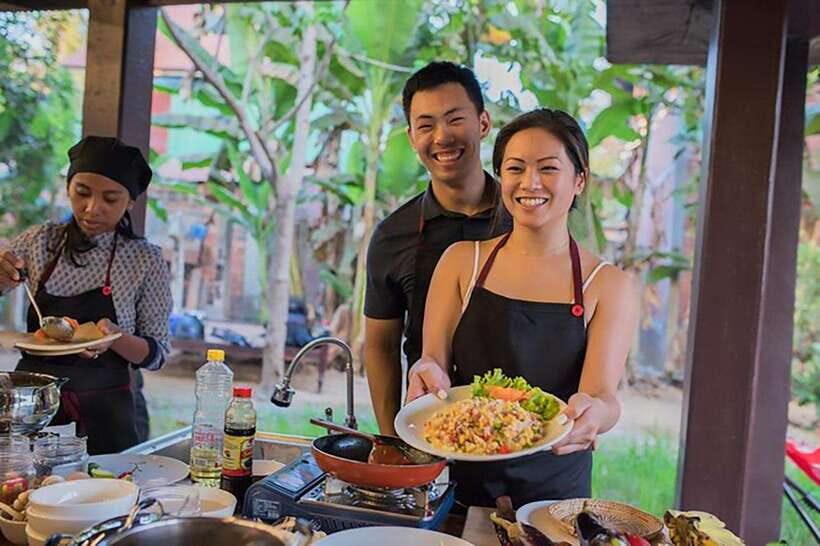
One of the best decisions built into this course is that you don’t just get assigned a menu. You choose three Khmer dishes across the day: one starter, one main, and one dessert.
Common examples you may see during the class include:
- Starter options like papaya salad
- Mains such as larb and lok lak beef (when selected)
- Dessert like mango sticky rice
If you’re going solo, you can end up in a more one-on-one style setup. One past class experience described a situation where the participant ended up as the only student, got a one-on-one lesson, and even got to choose recipes. Even in a small group, this flexibility helps you learn what you actually want to eat.
And if you’re a “spicy person” or a “no, I want it mild” person, choosing your dishes ahead of time lets the class match your taste rather than forcing you to compromise.
Cooking Khmer Classics: Larb, Papaya Salad, Amok, and More
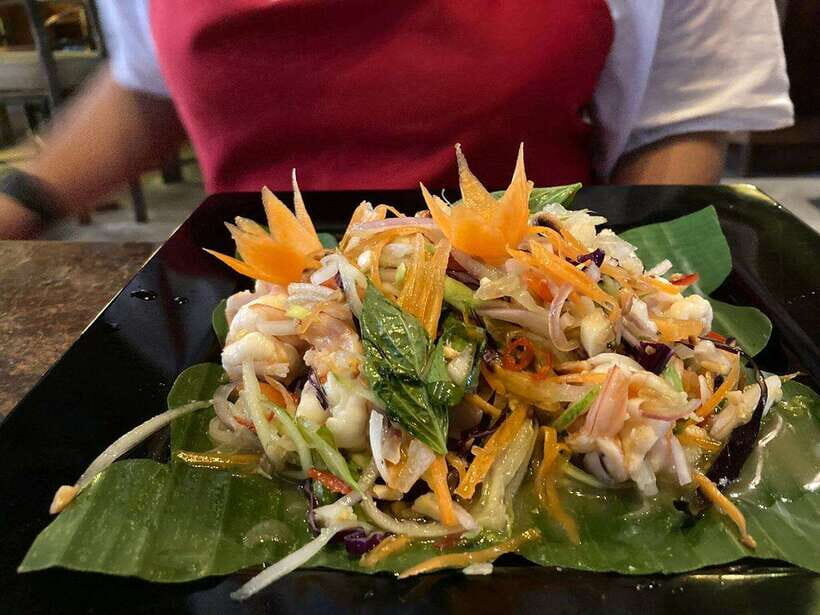
Once you’re back from the market, you shift from ingredient spotting to actual technique. The class teaches you how to create authentic Cambodian dishes, including traditional favorites such as larb, papaya salad, and amok.
Here’s what these dishes represent in the lesson, beyond just being delicious:
- Larb helps you understand Khmer herb-and-sauce balance—how flavors feel fresh and punchy, not heavy.
- Papaya salad teaches the idea of contrast: crunch, tang, and savory depth.
- Amok shows another side of Khmer cooking, where spice and aroma work together with a gentle, satisfying feel.
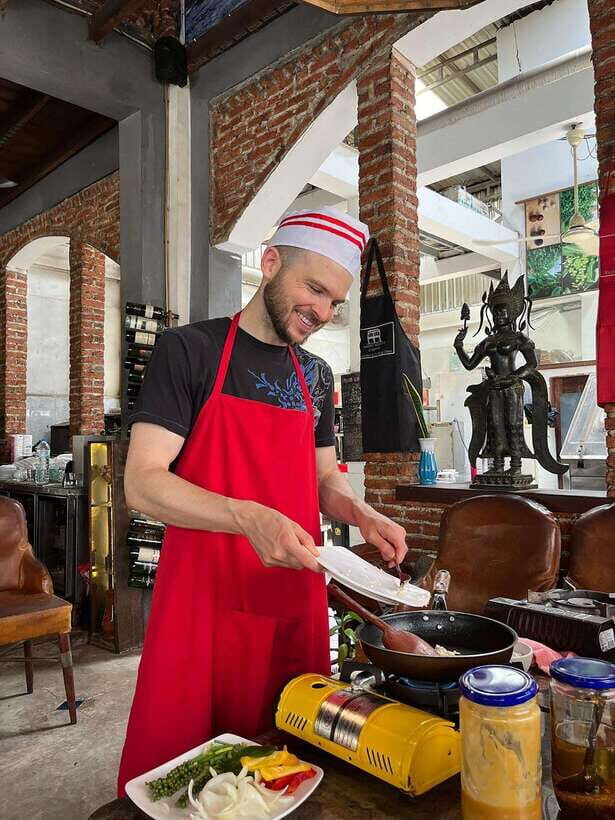
You might also cook other Khmer dishes depending on your choices, and examples from feedback include meals like spicy beef salad and lok lak beef. The core benefit is that you learn the way these dishes are built—how ingredients come together into a plate you can recognize.
In a good class, the chef doesn’t just show you what to do once. They guide you through the steps so you can repeat them later. Past feedback highlights chefs being patient and explaining things calmly, which is exactly what you want when you’re learning unfamiliar cooking rhythms.




Kampot Pepper: Using a Famous Ingredient in Real Dishes
This course doesn’t treat Kampot pepper like a gimmick ingredient. The class is explicitly built around learning to cook Cambodian dishes based on that pepper.
Even if you think you already know pepper, you’ll probably notice how it behaves when it’s part of a whole Khmer dish rather than just an ingredient on the side. The instructor’s job is to help you connect the pepper to the bigger flavor system—what it pairs with, how it shows up in the dish, and how it changes the final taste.
If you’re the type who buys food souvenirs and then forgets what to do with them, this lesson is a smart fix. You’re learning how one local star ingredient fits into the meals you’ll make again.
Group Size and Personal Attention: Private Doesn’t Mean Lonely
This is a private-group setup, which is a big deal for a cooking class. You’re not competing with strangers for attention, and you’re more likely to get your questions answered quickly.
Feedback also points to small group sizes, with one class described as having around six people. And if you end up with just one student, you may get a more one-on-one feel, including recipe choice that matches your preferences.
For you, that means two practical things:
- You can move at a comfortable pace without feeling rushed.
- You’re more likely to get help with the specific dish you’re cooking, not just a generic walkthrough.
What’s Included (and Why That Makes the Price Make Sense)
At $42 per person for a 4-hour class, this is priced like a serious cultural and food experience, not like a quick demo. The value comes from what’s included, not just the number.
Included details to note:
- Round-trip transfers
- Food
- Market tour
- All ingredients
- Free Wi-Fi
- VAT
- Water
When you compare that to typical cooking experiences where ingredients or transport can cost extra, the math gets easier. You’re paying for the full experience arc: market time, chef guidance, ingredients, and the meal.
What’s not included:
- Extra drinks
- Insurance
- Alcoholic drinks (available for purchase)
So if you’re the kind of person who drinks a lot of juice, soda, or beer during activities, factor that in. Otherwise, the base price covers the essentials.
Where This Class Fits in Your Kampot Trip
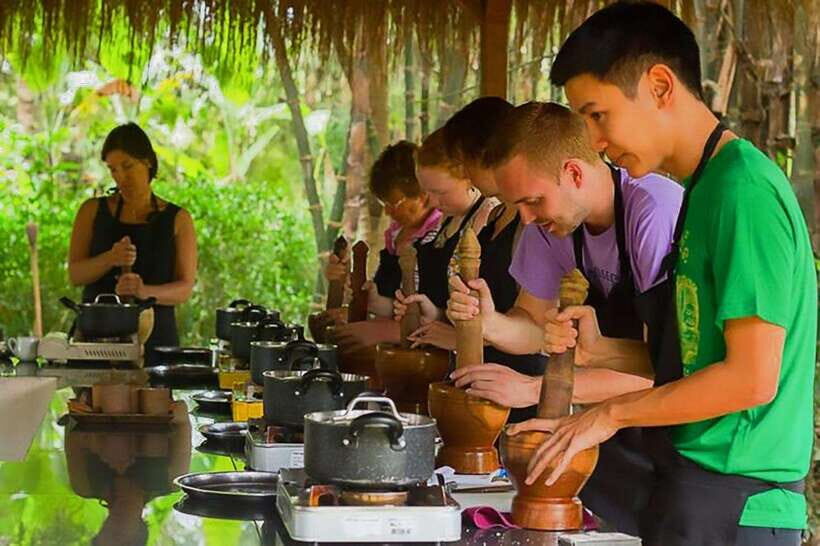
Kampot is one of those places where food and place go together. This class slots nicely into:
- A first-time Kampot visit where you want an authentic food anchor
- A food-focused trip where you want more than street-snack photos
- A rainy-day plan, because the main work happens indoors
It also works well if you’re traveling with a friend or going solo. In both cases, private-group learning helps you avoid the awkward “watch and wait” feeling that happens in bigger classes.
If you’re someone who likes taking home usable skills, this class is the right kind of hands-on. You’ll be able to recreate a small piece of the experience later, because you learned dishes and the ingredient logic behind them, not just a single finished plate.
Who Should Book This Khmer Food Culture Cooking Class in Kampot
This is a strong match if you:
- Want to learn Khmer cooking with a professional English instructor
- Like the idea of a market tour before you cook
- Enjoy spicy food and want to handle Kampot flavors with guidance
- Prefer a small, private-group environment where you can ask questions
It’s also a good option if you’re traveling with someone who loves food but has limited cooking confidence. A chef who explains calmly and patiently can turn nervous cooking into something you actually enjoy.
Should You Book It? My Practical Recommendation
Yes, you should book this class if your goal is to learn Khmer cooking in a way you can repeat. The mix of market tour + recipe choice + chef-guided cooking is what makes the value feel real at $42, especially since transfers and ingredients are part of the package.
Skip it only if you’re looking for a fast, casual meal experience with no real teaching. This is built for learning. Expect to work, taste, and get hands-on with dishes tied to Kampot pepper and classic Khmer flavors.
FAQ
How long is the Khmer Food Culture Cooking Class in Kampot?
The class lasts 4 hours.
Where does the class take place?
It’s in Kampot Province, at a traditional colonial house in the center of Kampot near the river.
What is included in the price?
Round-trip transfers, food, the market tour, all ingredients, free Wi-Fi, VAT, and water are included.
What dishes will I cook?
You choose 3 Khmer dishes: a starter, a main, and a dessert. Dishes mentioned include larb, papaya salad, amok, spicy beef salad, lok lak beef, and mango sticky rice.
Does the class have an English instructor?
Yes, the instructor speaks English.
Is this a private group?
Yes, it’s a private group.
Are alcoholic drinks included?
Alcoholic drinks are not included, but they are available for purchase.
Is pickup included?
Yes. Pickup is included, and you should wait in the hotel lobby about 10 minutes before the scheduled pickup time.
Is it wheelchair accessible?
Yes, the activity is wheelchair accessible.
If you want, tell me your travel dates and whether you prefer spicy or mild dishes, and I’ll suggest how to choose your starter, main, and dessert for the best match.