REVIEW · KAMPOT
Kampot: Tuk Tuk Trip to Pepper Farm, Kep, Crab Market & More
Book on GetYourGuide →Operated by Kampot tours--pepper farm. Cave. Secret lake and Salt field · Bookable on GetYourGuide
One tuk-tuk, four countryside worlds. This Kampot-to-Kep day trip strings together salt fields, a cave-and-lake story stop, a pepper farm with tasting, and the famous Kep Crab Market—then it finishes with Kep’s sea air. It’s a smart way to see a lot of Cambodia without doing the “sit in traffic all day” routine.
Two things I especially like: the hands-on Kampot pepper tasting at La Plantation (you get to taste what you just learned about), and the variety of scenery—from salt harvesting areas to cave viewpoints, then straight into a coastal seafood scene. The pace also tends to feel relaxed, not rushed.
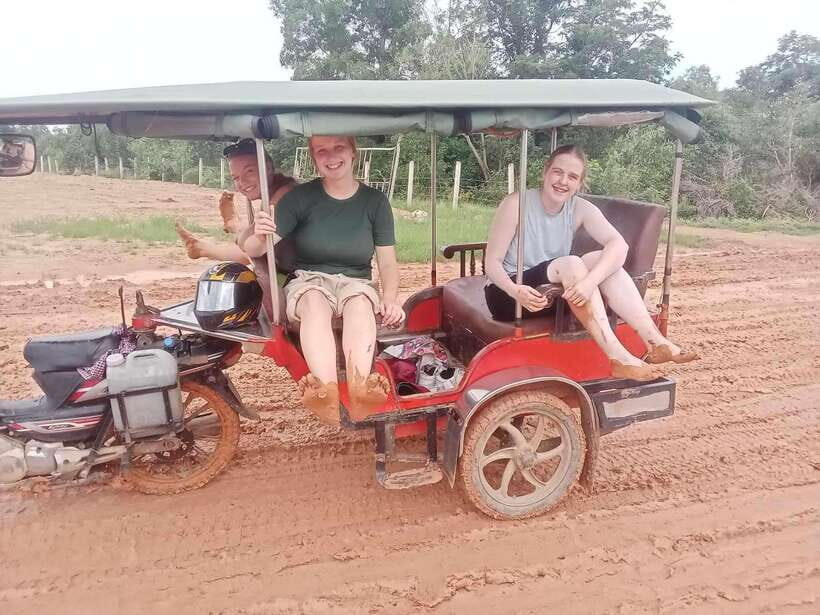
One caution: the tuk-tuk rides can be bumpy. If you have a sensitive back, plan for a bit of jolting, and bring something small for comfort.
In This Review
- Key highlights worth planning for
- Why this Kampot-to-Kep tuk-tuk route feels like a win
- Pickup timing and how the day flows (without feeling hectic)
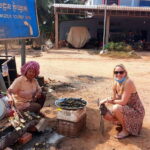
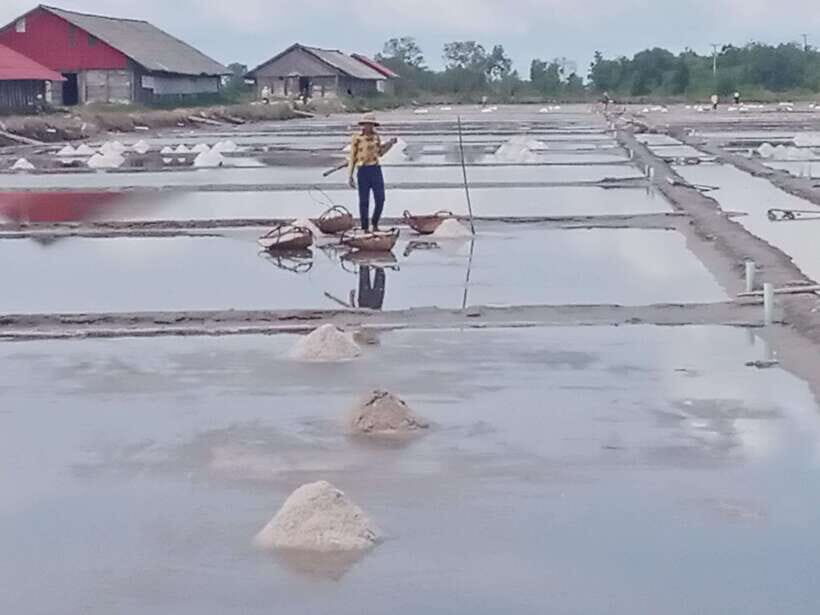
- Salt fields: seeing the work behind a simple seasoning
- Phnom Chhngok Cave and Brateak Krola: views, temple vibes, and photo time
- La Plantation pepper farm: tasting Kampot pepper and understanding what you’re eating
- Secret Lake: a calmer pause with Khmer-era context
- Kep Crab Market: where the flavors come together
- Kep Beach: a short walk that makes the day feel finished
- Price and logistics: is $25 actually good value?
- What I’d do to get the best pepper farm experience
- Should you book this tour or skip it?
- FAQ
- How long is the tuk-tuk tour from Kampot to Kep?
- What is the price per person?
- Where are the pickup and drop-off locations?
- What extra cost might apply outside Kampot town?
- What does the tour include?
- Is there a live guide?
- What are the main stops on the route?
- Is pepper tasting included?
- Is cancellation free?
- Are there other payment options besides paying now?
Key highlights worth planning for
- English-speaking guides by name: Sany, TangGo, Nak, Pheary, Buna, and others are repeatedly praised for clear, friendly guiding.
- Salt fields + cave viewpoints: you get contrast—salt production, then stairs and views at Phnom Chhngok.
- Secret Lake storytelling stop: a calmer pause in the route that adds context beyond just photos.
- La Plantation pepper farm tour and tasting: learn how pepper is grown and processed, then taste it.
- Kep Crab Market food stop: crab and seafood are the star, with kampot pepper showing up in the flavors.
- Short beach time in Kep: a simple end to the day, with walking and sunset vibes.
Why this Kampot-to-Kep tuk-tuk route feels like a win
This is the kind of day trip that makes sense when you’re staying in Kampot and want more than temples and a quick market visit. You’re spending your day moving through working places—pepper farming, salt harvesting—then finishing in Kep where the seafood culture is right in front of you.
The big value is pacing. A 7-hour tour sounds short, but the schedule spreads out meaningful stops: guided time at the cave(s), guided time at the pepper farm, then self-guided roaming at the crab market and walking by the beach. It’s also priced to feel realistic: $25 per person for transport, entry, water, and the pepper tasting.
If you like a day that mixes “learn something” with “eat something great,” this route delivers. It’s also a good fit if you want local guides to help you make sense of Khmer-era stories, cave viewpoints, and how regional products like Kampot pepper actually get made.
You can also read our reviews of more shopping tours in Kampot
Pickup timing and how the day flows (without feeling hectic)
You get pickup options around Kampot—Kampot Province at 7-Eleven or Kampot Spean Chas. Pickup happens about 15 minutes before you leave, and then the tour runs for about 7 hours total.
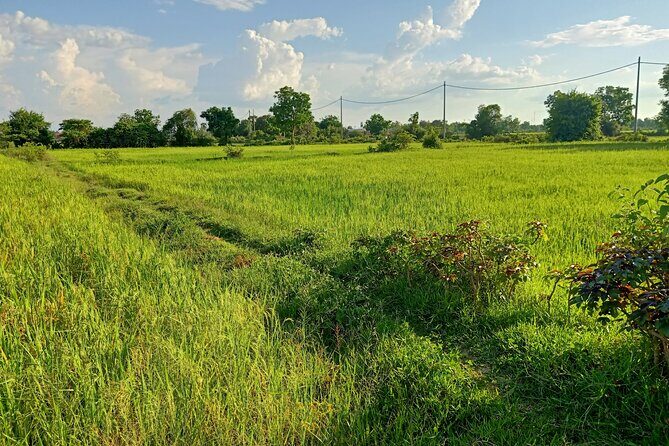
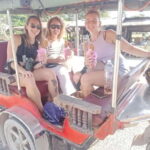
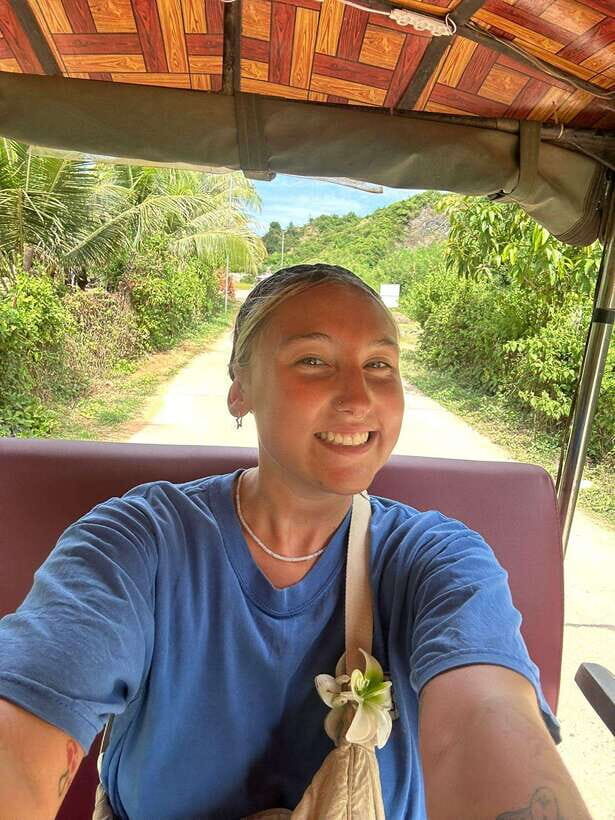
Once you’re on the tuk-tuk, the best part is that you’re not stuck in one place. Between stops, you’re seeing the roads, villages, and the everyday rhythm of the countryside. The route includes short photo stops and a couple of brief walks, which keeps you from feeling like you’re only sitting.
One practical thing: because the pepper farm visit includes a long chunk of time with free time, you don’t feel trapped. Use that window to ask questions, browse what’s available for shopping, and—if you care about seeing active work—timing matters.
And yes, if you’re expecting smooth highway comfort: it’s a tuk-tuk. It’s part of the charm, but it’s also part of the bumpy ride reality.
Salt fields: seeing the work behind a simple seasoning
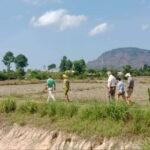
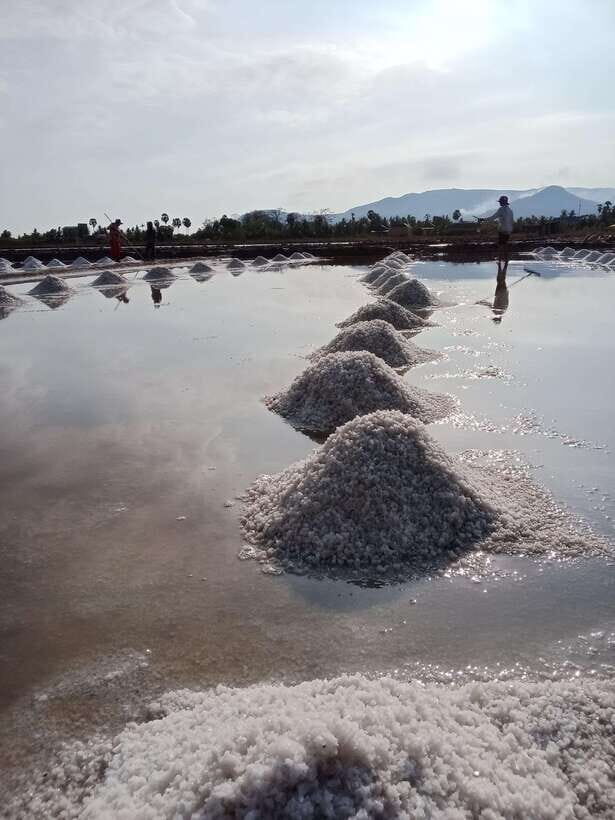
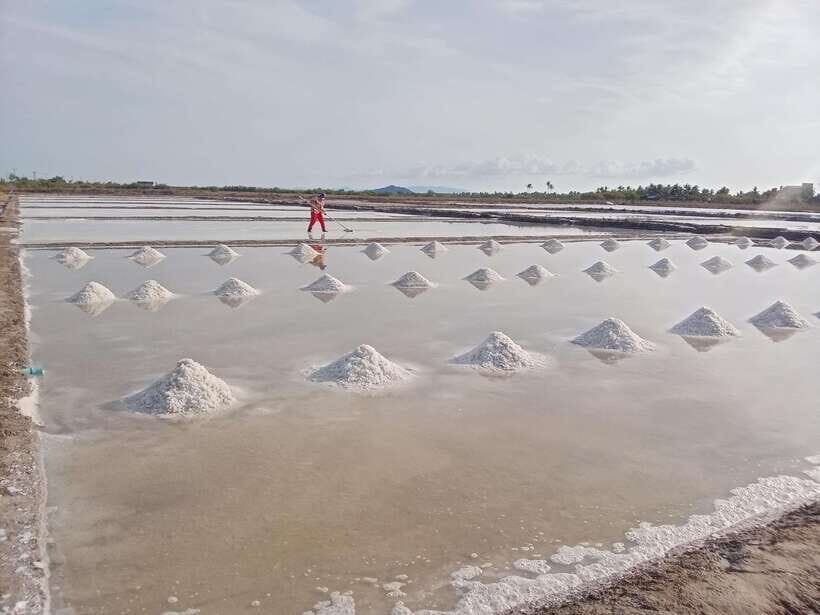
One of the earliest stops is the salt fields, with a short visit and guided tour (about 15 minutes). This is where the day earns its “more than sightseeing” label.
Salt harvesting is one of those processes that looks almost straightforward from afar—but when someone walks you through it, you notice details fast: how it’s produced, why the location and timing matter, and what the landscape does for the salt-making process. It’s also a visual break before the more dramatic stops like caves.
If you’re the type of person who likes understanding everyday production (not just monuments), this is a great place to start. You’ll feel like you’re learning the region’s practical side instead of only chasing views.
Phnom Chhngok Cave and Brateak Krola: views, temple vibes, and photo time
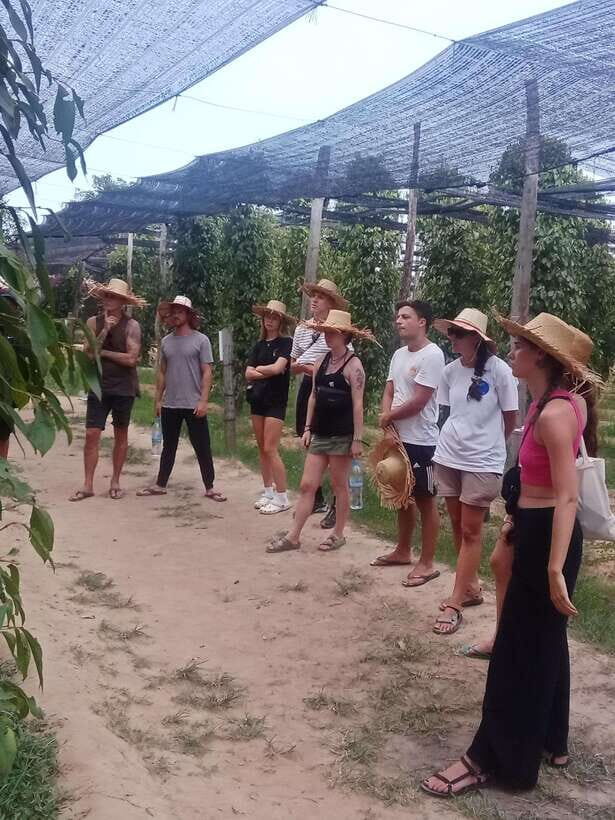
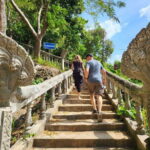
Next up is Phnom Chhngok Cave, with a photo stop and guided visit (about 45 minutes). Expect a mix of quiet spots and short movement. Some guides frame the cave as having a Hindu temple presence, and the viewpoint at the top (reached via a short climb) is a common reason people remember this stop.
Then the tour adds Brateak Krola as another photo stop with guided time and a short walk (about 15 minutes). The value here is quick: you’re getting a change of angle, a different kind of viewpoint, and more context about how these natural features shape daily life nearby.
Heads up on expectations: this isn’t the kind of place where you sit for hours. It’s more like a guided route through the highlights, then you get moments for your photos and to take it in.
La Plantation pepper farm: tasting Kampot pepper and understanding what you’re eating
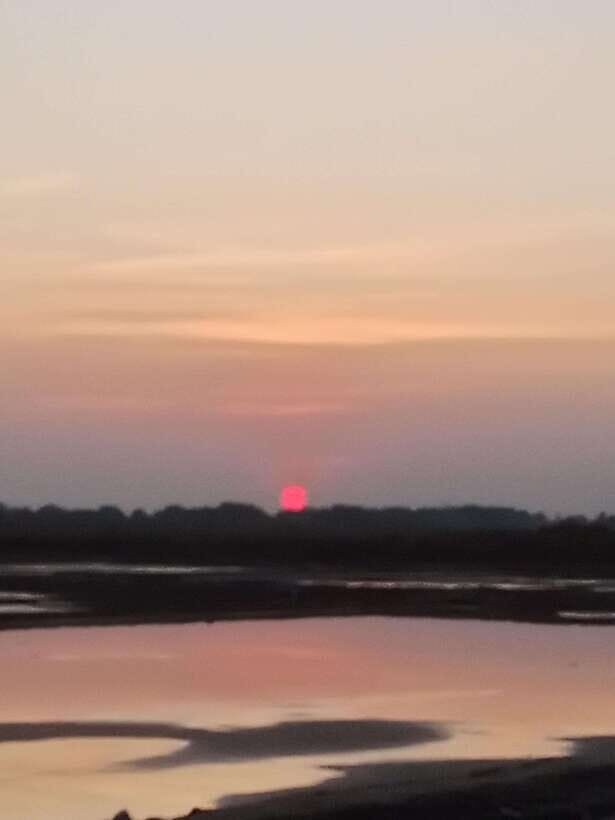
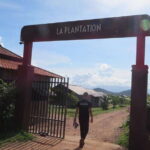
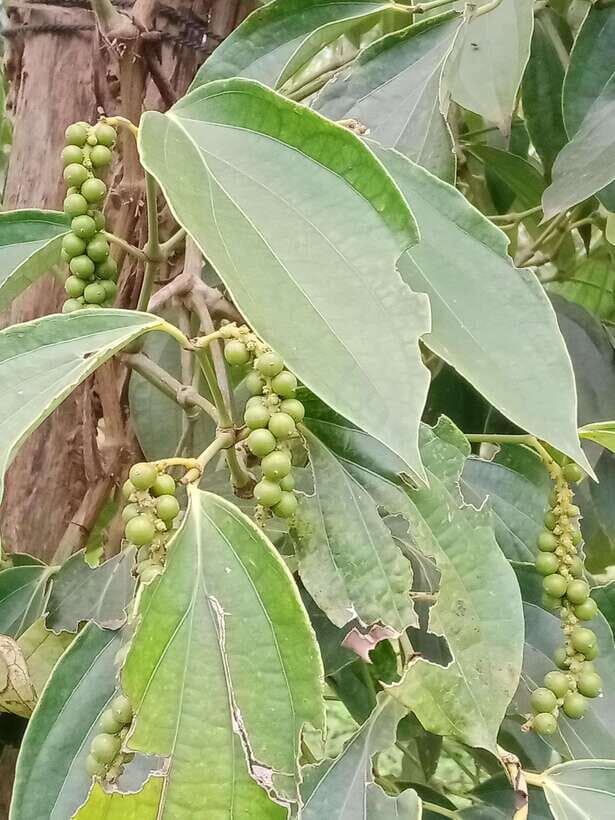
This is the day’s main flavor stop: La Plantation, with guided tour time plus free time for shopping and wandering (about 105 minutes total). The pepper farm experience has two parts that work well together:
- a tour where you learn how Kampot pepper is grown/processed
- pepper tasting, so you can connect the learning to actual flavors
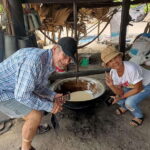
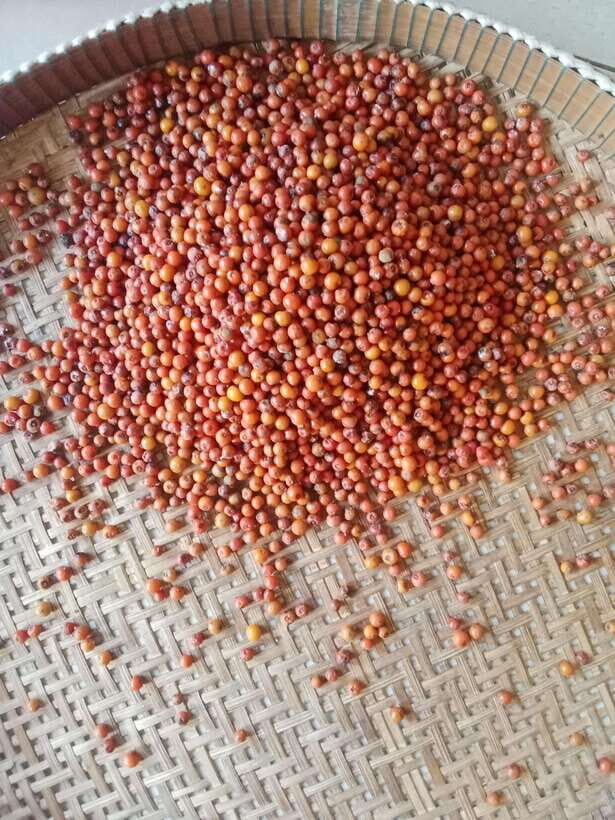
Tasting is not just fun here—it’s the shortcut to understanding why Kampot pepper has a reputation. You’re not guessing. You’re tasting, comparing, and learning what differences feel like on your tongue.
There’s also a community angle tied to the farm. One guide-style description includes eco-farming practices and community support, including projects like building a school for local children. That matters because it turns a product into a human story, not a souvenir.
One important planning tip from real-world experience: at La Plantation-style pepper tours, there can be different options (including a free tour and a longer paid tour). If you specifically want to see more detailed processing or to catch the farm at its most active, book ahead and check which tour slot you’re joining. Also, if your timing lands near lunch, you might notice fewer staff working than you expect.
Secret Lake: a calmer pause with Khmer-era context
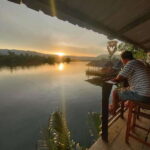
The tour includes a Secret Lake stop, described as being connected to Khmer-era history. Even if you’re mostly there for photos, the value is the story angle—this is not just a pretty water break. The guide helps you interpret how the feature came to be and why it sits in the route as a meaningful pause.
In a day packed with salt, caves, and pepper, the lake works because it slows you down. You get a quiet moment away from intense walking and guided crowds, and you can just look, breathe, and reset.
I like this stop because it makes the day feel less like a checklist. It adds a human-time connection—why this place exists, not just what it looks like on your camera roll.
Kep Crab Market: where the flavors come together
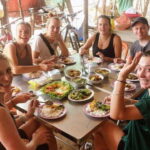
After the countryside stops, the tour lands you in Kep for the famous Crab Market. You get time to stop, sightsee, and walk around on your own (about 1 hour), which is ideal because this kind of food scene changes quickly and you’ll want freedom to roam.
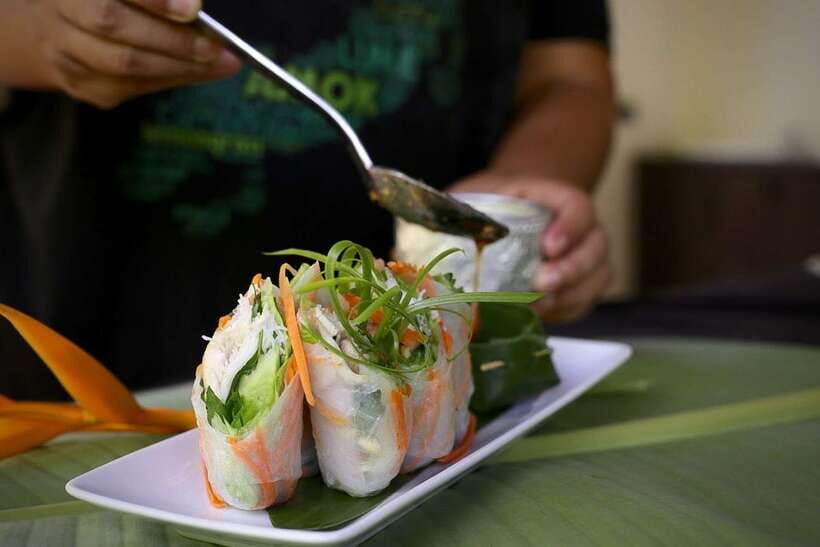
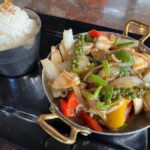
The big theme here is crab and seafood cooked with kampot pepper. In practice, that means the region’s signature spice shows up again—so pepper isn’t just something you tasted earlier. It becomes part of your lunch-style experience.
A nice detail: the tour sets this as a photo stop plus time to look and take your time. That’s better than forcing you to sit through a lecture while the real show—the market and cooking aromas—is happening around you.
One practical note: bring cash and an appetite. Seafood spots can be flexible, but you don’t want to be caught surprised if you decide to upgrade your order.
Kep Beach: a short walk that makes the day feel finished
The last portion includes Kep Beach, with a photo stop and a short walking window (about 20 minutes), followed by the return ride. This is a simple ending on purpose.
Beach time after a long tuk-tuk day does two things:
- it cools you down
- it resets the senses so you remember the day as an experience, not just a sequence of stops
Even with limited time, the sea air and the Kep vibe make the whole route feel complete—countryside to coastline, salt to seafood, cave stories to sunset-style wandering.
Price and logistics: is $25 actually good value?
Let’s talk value. At $25 per person, you’re getting:
- tuk-tuk transport
- hotel/guest house/resort pickup
- water
- entry fees
- pepper tasting
- coconut
That’s a lot included for one day, especially since the route covers multiple regions and not just one attraction. The cave and pepper farm stops alone would normally cost you money and transport separately if you DIY it.
The one cost to factor in: an extra $5 for pickup/drop-off outside Kampot town (5 km from Durian roundabout). If you’re staying in the Kampot area, you likely won’t deal with that. If you’re farther out, plan for it so you don’t feel a surprise bill later.
Also, remember the day is about movement. If you’re the type who hates travel time, you might think it’s too much. If you like seeing more than one “world” in a day, the price feels fair.
What I’d do to get the best pepper farm experience
Pepper is the anchor of this tour, so do a little prep before you go.
Here’s what helps most:
- Check which La Plantation pepper tour option you’re booked into (there can be a free tour and a longer paid option). If you care about more detailed farm processing, aim for the longer one.
- If you want to see farm activity, think about timing. Some visits may land near lunch hours, when fewer workers are visible.
- Plan for browsing: the pepper farm includes free time and shopping, so you’ll likely want small notes about what you want to compare (different pepper types or products).
And for comfort: bring a hat and water-friendly mindset. You get water included, but the day still involves walking, short climbs, and heat exposure.
Should you book this tour or skip it?
Book it if you want a single-day route that mixes real production (salt fields, pepper farm) with famous Kep food culture. This is a smart choice for couples, solo travelers, and anyone who likes practical learning and a relaxed pace with a guide guiding you from stop to stop.
Skip it if you’re extremely sensitive to bumpy rides and hate even short walks. Also skip if pepper farming and local food markets don’t interest you; this day is built around those themes.
If you do book: try to match your pepper farm goals (free vs longer tour) before you arrive, and arrive ready to eat. The crab-and-kampot-pepper theme is not just a marketing line—it’s the payoff at the end of a day that teaches you why the spice matters.
FAQ
How long is the tuk-tuk tour from Kampot to Kep?
The tour lasts about 7 hours.
What is the price per person?
The price is $25 per person.
Where are the pickup and drop-off locations?
Pickup options are Kampot Province at 7-Eleven or Kampot Spean Chas. Drop-off is the same two locations.
What extra cost might apply outside Kampot town?
There is an extra $5 for pickup and drop-off outside Kampot town, described as outside a 5 km area from Durian roundabout.
What does the tour include?
It includes tuk-tuk transport, pickup, water, entry fees, pepper tasting, and coconut.
Is there a live guide?
Yes, you’ll have a live tour guide in English.
What are the main stops on the route?
The day includes salt fields, Phnom Chhngok Cave, Brateak Krola, La Plantation pepper farm, Secret Lake, Kep Crab Market, and Kep Beach.
Is pepper tasting included?
Yes, pepper tasting is included.
Is cancellation free?
Free cancellation is available up to 24 hours in advance for a full refund.
Are there other payment options besides paying now?
Yes, you can reserve now and pay later.