Sunrise at Angkor feels like a reset. This tour is interesting because you’re at Angkor Wat before the sun fires up the crowds, and you’ll get English commentary that makes the carvings and layouts easier to spot and understand. The rhythm is built for real viewing time, not just photo stops, plus you’ll have help finding strong photo angles as you go.
The main drawback is timing: the 4:45 am start can feel brutal if you’re not used to early mornings, and a cloudy sunrise can reduce the wow factor. If that kind of uncertainty bothers you, plan for a long day where the temples still carry the payoff.
In This Review
- Quick take on this Angkor Wat sunrise small-group tour
- Sunrise timing at Angkor Wat: why the early start matters
- Price and what you actually pay: $39 tour plus the $37 Angkor pass
- Small group promise (up to 10, maybe a touch more): what that means on the ground
- Your guide in real life: what the best English commentary feels like
- Getting started at 4:45 am: meeting, pass purchase, and early momentum
- Angkor Wat at sunrise: what you’ll actually do there
- Breakfast around 8:00 am: a smart break before the bigger circuit
- Angkor Thom South Gate and the Bayon-Baphuon cluster: where the details start paying off
- The timing around 1:00 pm: why the later temples feel different
- Transport, comfort, and water: the small details that make a day trip work
- What to wear at Angkor: the dress code you can’t ignore
- Photography tips you can use even if the sunrise is cloudy
- Who should book this sunrise Angkor Wat small-group tour
- Should you book? My practical take
- FAQ
- How long is the Angkor Wat sunrise tour?
- What time does the tour start and when should I be ready?
- Is hotel pickup and drop-off included?
- Is the temple admission fee included in the $39 price?
- Is an English-speaking guide included?
- What transportation do you use?
- Do you provide breakfast or lunch?
- What should I wear for the temples?
- Is free cancellation available?
Quick take on this Angkor Wat sunrise small-group tour
- Angkor Wat at sunrise timing: You’re there early enough to catch the light before the busiest waves arrive
- English-speaking guide with strong on-site context: Guides like Mr Boy and Youk Makara are highlighted for archaeology-focused explanations and helpful photo guidance
- Air-conditioned transport plus cold water and towels: You’re not just walking temple-to-temple in the heat
- Breakfast break around 8:00 am: You get a scheduled chance to eat before the bigger circuit
- Big-name temples packed into one day: South Gate of Angkor Thom, Bayon, Baphuon, Ta Prohm, Banteay Kdei, and more
Sunrise timing at Angkor Wat: why the early start matters
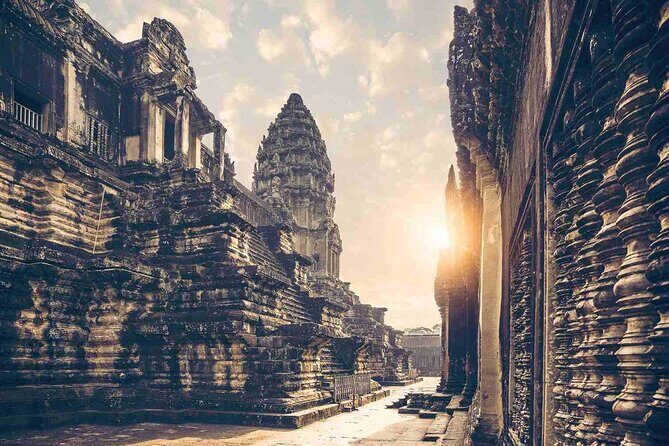
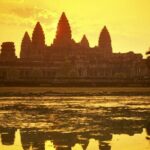
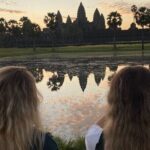
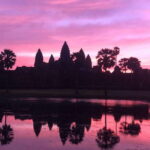
This is one of those tours where the schedule is the product. Leaving at 4:45 am is what gives you a real shot at seeing Angkor Wat with softer light and calmer movement around the temple. Even if you’ve seen photos before, the view changes when the sky is still shifting and the first visitors are thin.
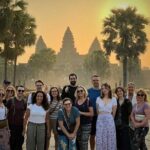
You’ll pause at Angkor Wat long enough to watch for the sunrise moment, which is when people talk about that classic view—sunlight lining up behind the temple. If you’re the type who likes structure and clear sightlines, you’ll appreciate that the tour isn’t just a quick drive-by.
Here’s the practical reality: sunrise weather is never guaranteed. If it’s cloudy, you may not get dramatic backlighting, so treat sunrise as a chance, not a promise. The upside is that the temple itself is still worth the early wake-up.
A few more Siem Reap tours and experiences worth a look

Price and what you actually pay: $39 tour plus the $37 Angkor pass
The tour price is $39, and the big additional cost is the one-day Angkor pass (temple ticket) at $37 per person. That total matters because it changes the value math. In other words, you’re not paying only for a guide and transport—you’re also paying for access to the archaeological park.
What I like about this setup is that the day pass is clearly spelled out as a requirement. You start your morning with the plan to buy the pass, so you’re not scrambling later. Also, the tour includes transport and guide time for a full circuit, not just sunrise.
If you’re budgeting, consider this rule of thumb: the difference between a low-cost day trip and a good day trip often comes down to whether the transport and guide time are included alongside the admission. Here, you do get both, plus bottled water and towels during the temple portion.
Small group promise (up to 10, maybe a touch more): what that means on the ground
This outing is built to stay small—maximum group size is listed as 10 travelers, and the overall tour description also notes it can accommodate up to 12. Either way, you should expect a manageable group size where the guide can keep track of the pace and your questions.
A smaller group also helps at temples. Angkor sites are busy, and the most annoying thing is losing your group at a fork in the paths. With fewer people, you spend more time watching what matters and less time searching.
You also get more flexibility in how you move through the day. If someone needs a bathroom stop or a quick water break, the schedule has built-in pauses rather than a constant rush.
Your guide in real life: what the best English commentary feels like
The guide is a major part of why this tour feels worthwhile. One of the strong signals from past experiences is the way guides can answer off-the-cuff questions and explain what you’re seeing in plain language.
Two names come up: Mr Boy and Youk Makara. They’re described as passionate and well-prepared, with a knack for pointing out what to look for and even where to take better photos. That matters because Angkor Wat and Angkor Thom can look similar if you’re just staring at stone.
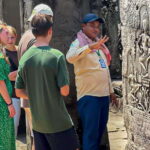
I like that the commentary isn’t just lectures. It’s meant to guide your eyes: where to stand, what details to notice, and how different temple areas connect. If you’ve ever visited ruins and thought, okay… what am I looking at? this is the kind of tour that helps you stop guessing.
Getting started at 4:45 am: meeting, pass purchase, and early momentum
Your day begins at 4:45 am in Siem Reap, and you’re expected to be ready around 4:50 am in the hotel lobby. The first stop is Peacock Asia Tours, where you’ll handle the required one-day pass.
This matters because it turns a stressful morning into a controlled one. Instead of waiting in a line right when everyone wakes up, you start the day with a plan. After the pass, you continue toward the first major viewing point—Angkor Wat.
Transport is handled in a couple of ways. You’ll ride tuk tuk, and the overall day includes air-conditioned transportation. That combination is useful: tuk tuk works for short temple-area transfers, while air-conditioning helps when the day warms up.
You’ll also get cold pure drinking water and a cold towel during the temple trip. It’s a small detail, but it makes a big difference once you’re out in the midday humidity.
Angkor Wat at sunrise: what you’ll actually do there
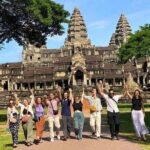
Angkor Wat is the anchor of the tour, and the morning is designed around one main goal: seeing the sunrise from the right vantage point. You’ll marvel at the temple, then wait for sunrise light behind it. That “wait” is built in, not forced.
This is also the moment when a good guide changes everything. A guide can help you recognize which parts of the temple façade matter most at sunrise, and where standing locations can improve the look of the scene. If you care about photos, this is where those photo-angle tips pay off.
Even beyond sunrise photos, Angkor Wat is a visual puzzle. The walls, corridors, and courtyards have different layers of meaning, and the commentary helps you connect them. If you’re the kind of person who wants to understand before you wander, you’ll like how the tour structures this.
Breakfast around 8:00 am: a smart break before the bigger circuit
After the sunrise segment, you’ll have a break at about 8:00 am for breakfast. The tour gives you options: you can bring your own food, or you can purchase breakfast nearby. That’s handy because food preferences vary, and you’re not locked into one menu.
This is also a practical temperature decision point. Early mornings feel cool, but Angkor days turn fast. Eating and taking a real pause helps you keep energy for the rest of the circuit, especially since you’ll be walking and viewing in open spaces.
One caution: even if breakfast is easy, don’t ignore hydration. Water is included during the temple portion, but you’ll still want to drink regularly as the day heats up.
Angkor Thom South Gate and the Bayon-Baphuon cluster: where the details start paying off
After breakfast, the tour moves from the main icon to the inner city-style temples of Angkor Thom and the surrounding zone. You’ll visit the South Gate of Angkor Thom, then continue to:
- Bayon
- Baphuon
- Phimeanakas
- Elephant and Leper King Terraces
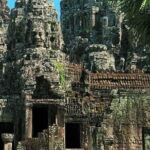
This is the stretch where a guide’s explanation becomes more than “nice to have.” Bayon is famous for faces, but without context it’s easy to miss what you’re actually looking at. The commentary helps you see how the temple’s style and placement fit the bigger city plan.
Baphuon and Phimeanakas add a different flavor. These aren’t just pretty stones; they’re markers of how the site evolved and how different royal and ceremonial spaces were arranged. The tour pace through these spots is helpful: it keeps you moving, but it doesn’t feel like you’re sprinting to the next photo.
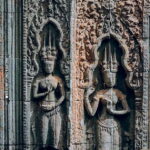
The Elephant and Leper King Terraces are where you start noticing carvings and story-like details. If you enjoy interpretive details—patterns, motifs, and layout—you’ll get more from this part of the day. If you prefer quiet, you’ll still find good moments, but this is more of a “look closely” zone.
The timing around 1:00 pm: why the later temples feel different
In the afternoon, around 1:00 pm, you head to Ta Prohm (Tomb Raider Temple) and then Banteay Kdei. That’s an important shift. The light and air feel different after midday, and the tour switches from early-morning viewing to a more stamina-based style of sightseeing.
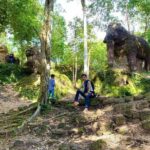
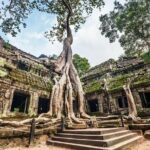
Ta Prohm stands out because it’s the temple most people recognize from films and photos. But the value here isn’t the name—it’s the chance to see how the temple interacts with vegetation and the way stone frames create that dramatic look. With guide commentary, you can read what you’re seeing instead of just admiring the effect.
Banteay Kdei offers a change of pace. It’s still part of the same UNESCO park world, but it feels more about structure, layout, and carved stone work than the movie-style spectacle of Ta Prohm. If you’re getting temple fatigue, this is a good “reset” stop.
The tour ends back in Siem Reap in the afternoon, and the full duration is about 8 to 9 hours. Expect the later part of the day to feel warmer and more tiring, even if the transport helps.
Transport, comfort, and water: the small details that make a day trip work
This isn’t a foot-only experience. You’ll have tuk tuk transportation and air-conditioned transport. That combination matters because Angkor sightseeing includes both short hops and longer travel between temple clusters.
You’ll also have cold pure drinking water and a cold towel during the temple trip. Those are the kind of practical inclusions that prevent your day from turning into a dehydration scramble. They won’t make the heat disappear, but they reduce stress.
The tour also includes scheduled breaks for purchasing breakfast and lunch. Even when your exact lunch time isn’t guaranteed to match your plan perfectly, having built-in time for food is what keeps a day trip enjoyable instead of miserable.
What to wear at Angkor: the dress code you can’t ignore
Temple rules at Angkor aren’t vague, and this tour spells out the expectations. Wear clothes that are proper for visiting temples. If you wear shorts and T-shirts, make sure they’re long enough to reach knee length and shoulder covered. No scarf or shawl and no tank top is allowed.
The guide suggests light cotton clothes for hot and humid conditions. That’s a solid advice point because cotton dries faster and feels cooler than many synthetic materials in humidity.
If you’re tempted to dress for comfort only, don’t. A quick outfit adjustment can save you from awkward moments at security and temple entrances.
Photography tips you can use even if the sunrise is cloudy
Clouds can dim the classic sunrise look, but you can still get great photos if you plan for it. Ask the guide for where to stand and when to move. The best help here is usually on-the-ground, because a guide can react to what light is doing right now.
Also, arrive early enough to settle your eyes. Sunrise viewing is about patience, not clicking nonstop. If you’re trying to frame the temple, you’ll do better if you let your eyes adjust first.
Finally, don’t forget the temple textures. The midday light can wash out long-distance shots, but stone carvings and terrace details often look better when the sun is higher. This tour gives you both: softer early light near Angkor Wat and stronger later light at the afternoon stops.
Who should book this sunrise Angkor Wat small-group tour
Book this if you want an efficient day with a guide and you like structure. The early pickup and planned stops are perfect for people who don’t want to wrestle with logistics in the dark.
It also suits you if you care about explanation. This isn’t just a bus tour where you get dropped off and left to interpret on your own. The guide-led commentary is a standout, and it can help you connect the different temple areas as one story.
If you’re traveling solo or want a smaller vibe, it’s a good fit. One guide experience highlighted Mr Boy being booked for a single traveler and still delivering strong knowledge plus photo guidance.
The only group I’d hesitate for is someone who hates early starts or gets grumpy when weather isn’t perfect. Cloudy sunrise can happen, and the day still runs even if the sky doesn’t cooperate.
Should you book? My practical take
If your goal is the Angkor Wat sunrise moment plus a full temple circuit in one day, this is a strong value. You’re paying for more than entry: you’re paying for early timing, English commentary, air-conditioned comfort, and a tight route that covers both big icons and detailed temple stops.
I’d book it if you’re ready for a long day and you want a guided understanding of what you’re seeing. I’d rethink it only if you’re extremely sensitive to sunrise weather and you’re hoping for a guaranteed cinematic sky.
FAQ
How long is the Angkor Wat sunrise tour?
The tour runs about 8 to 9 hours.
What time does the tour start and when should I be ready?
The start time is 4:45 am, and you should be ready in your hotel lobby at about 4:50 am.
Is hotel pickup and drop-off included?
Yes. Hotel pickup and drop-off are provided.
Is the temple admission fee included in the $39 price?
No. The Angkor pass (temple ticket) is $37 per person and is required.
Is an English-speaking guide included?
Yes. You get an English-speaking tour guide.
What transportation do you use?
You’ll travel by tuk tuk, and the day also includes air-conditioned transportation.
Do you provide breakfast or lunch?
Breakfast and lunch are available during scheduled breaks so you can purchase them or bring your own.
What should I wear for the temples?
Wear proper clothing with shoulders covered and shorts long enough to be knee length. Tank tops are not allowed, and no scarf or shawl is allowed. Light cotton is suggested for the heat.
Is free cancellation available?
Yes. You can cancel for free up to 24 hours before the experience starts for a full refund.