REVIEW · SIEM REAP
2-Day Angkor Wat, Banteay Srei & Floating Village Kampong Pluk
Book on Viator →Operated by Happy Angkor Tour · Bookable on Viator
Angkor looks best twice a day. This 2-day route strings together the big hits—Angkor Wat sunrise and Kampong Pluk floating village—plus a lot of the temples most people skip. I like that you’re not just marching from one photo spot to the next; you get time in the sites to slow down and actually notice details (like the tree-covered drama at Ta Prohm). I also like the pacing of day 1: Angkor Thom and its platforms get their own rhythm, so the crowd chaos doesn’t swallow your whole afternoon.
The one real consideration is that it’s a long, full-on schedule. You’re starting early (day 1 at 8:00am, day 2 at 5:00am) and you end with a climb at Phnom Bakheng, so if you hate stairs or hate being outdoors at peak heat, plan accordingly.
In This Review
- Key things I’d clock before you go
- Sunrise, roots, and river life: how this 2-day plan works
- Day 1 at Angkor: Angkor Wat first, then Ta Prohm’s tree roots
- Ta Nei and the lesser-crowded detour
- Angkor Thom’s core loop: Victory Gate, Bayon, and the faces that follow you
- Phnom Bakheng at sunset: a climb you can choose to sweat through
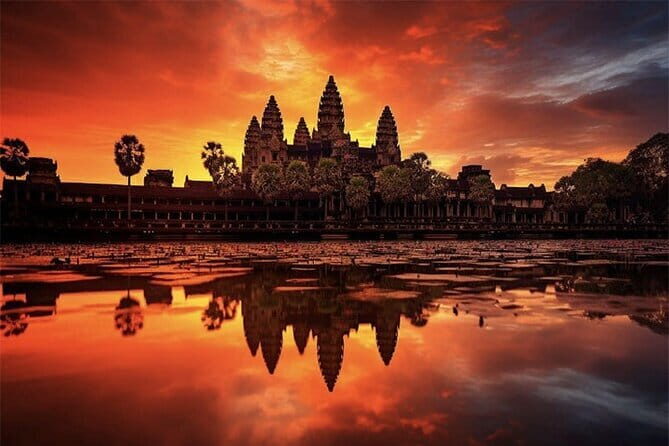
- Day 2 begins at 5:00am: Angkor Wat in morning quiet
- Kampong Pluk on Tonle Sap: what the private boat actually changes
- Pink sandstone payoff: Banteay Srei and the “smaller but sharper” temples
- Price and value: the math you should do before you commit
- Guide and driver quality: why the names you see matter
- Who this tour suits best (and who should be cautious)
- Should you book this two-day Angkor and floating village tour?
- FAQ
- What time does pickup happen on day 1?
- What time does the sunrise start on day 2?
- Is Angkor + All Temples pass included in the price?
- How much does the Kampong Pluk floating village boat ride cost?
- Are meals included?
- What’s included besides the guide and transport?
- Is this a private tour?
Key things I’d clock before you go
- Sunrise on Angkor Wat and sunset from Phnom Bakheng give you two different lighting moods for the same monumental complex.
- Angkor Thom in one focused day: Victory Gate, Bayon’s face towers, Baphuon, the terraces, and more.
- Ta Prohm and Ta Nei add jungle texture, from huge roots to a smaller, quieter feel.
- Private boat at Kampong Pluk is the practical way to see stilt-house life on Tonle Sap Lake.
- Pink sandstone Banteay Srei is a smart day 2 contrast after the heavier Angkor crowds.
- A/C transport plus water and towels keep the long hours from feeling like pure punishment.
Sunrise, roots, and river life: how this 2-day plan works
This tour is built around timing. Day 2 begins before most of Siem Reap wakes up, so you can see Angkor Wat in that softer morning light. Then day 1 sets you up with the jungle drama at Ta Prohm and the carved-face focus of Bayon in Angkor Thom.
What makes the plan feel good is that you get variety. You move from massive religious architecture to shaded forest ruins, then to a lake village on Tonle Sap. And you’re not stuck only in the “most famous” zone—you also hit temples like Ta Nei, Preah Palilay, and Banteay Srei, which help you avoid feeling like you’re only collecting checkmarks.
There’s also a practical bonus: hotel pickup and drop-off, plus an A/C car. Angkor days can fry you if you’re bouncing between sites by tuk-tuk. Having a driver who keeps things smooth helps you spend your energy on seeing, not surviving logistics.
A few more Siem Reap tours and experiences worth a look

Day 1 at Angkor: Angkor Wat first, then Ta Prohm’s tree roots
Day 1 starts at 8:00am with pickup from your accommodation in the lobby. You also stop to buy the temples pass along the way, which is handy because the pass is required for Angkor sites anyway. From there, the tour moves into Angkor Wat for about two hours.
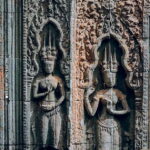
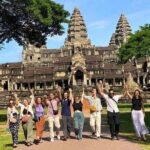
Angkor Wat works best when you’re not rushing. Even within a fixed visit time, you can take moments for the details: bas-reliefs, the symmetry lines, and the way the courtyards funnel your eye. You also get to experience it in daytime brightness, which can be great for color and visibility (especially when you want photos that don’t look washed out).
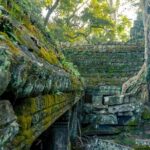
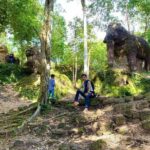
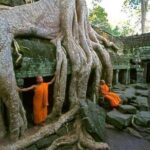
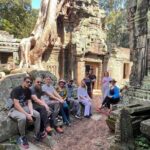
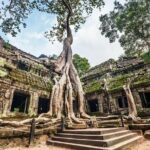
Next comes Ta Prohm, the famous one with the giant tree roots. Expect the kind of ruin that looks like it’s halfway reclaimed by the jungle. The tour gives you around two hours here, which matters. If you’re only there 20 minutes, you’ll miss the best angles. With the extra time, you can notice how the roots wrap columns and how the light filters through.
Ta Nei and the lesser-crowded detour
After Ta Prohm, you head to Ta Nei for about 45 minutes. This is the stop that helps the day feel less like a conveyor belt. Ta Nei is described as smaller and with less restoration, and it’s also set amid big trees—so you get a calmer, more nature-forward feel.
Why this matters: Ta Prohm and Angkor Wat can draw huge numbers. Having one of the quieter temples built into the schedule helps you reset your brain. You can breathe a bit, look at textures, and take photos without constantly dodging crowds.
Angkor Thom’s core loop: Victory Gate, Bayon, and the faces that follow you
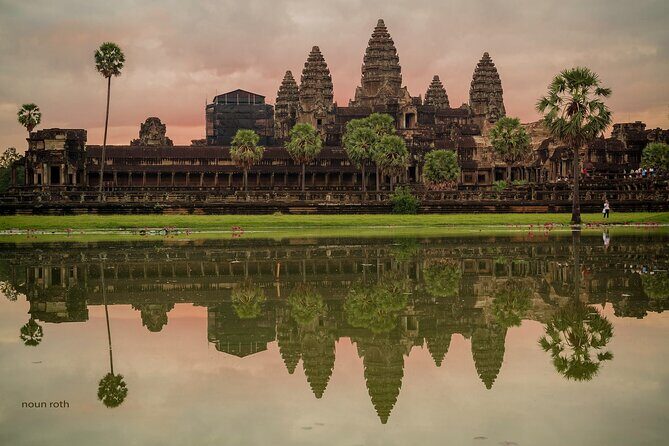
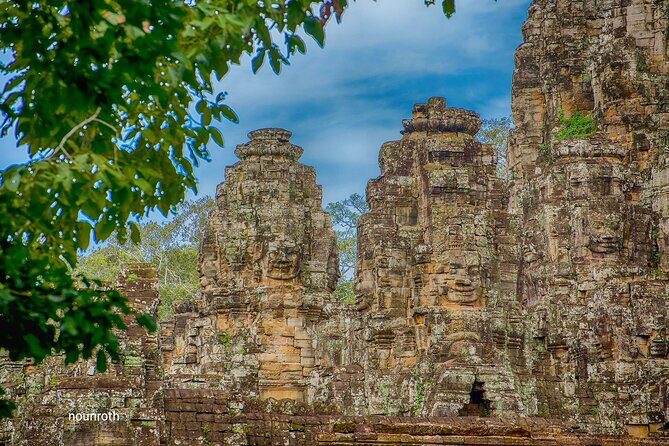
Now you shift into Angkor Thom, and the order is smart. You start with the Victory Gate, then continue to Bayon, located at the center of Angkor Thom.
Victory Gate is a quick photo stop (about 15 minutes). It’s on the east side, and it’s a great way to orient yourself before you walk into the main set pieces.
Then Bayon takes the spotlight. You get around 45 minutes here, and the key detail is the structure itself: 49 towers with 4 faces each. That means the smiling faces (Avalokiteshvara is referenced in the tour info) look in every direction, so you feel like the temple is watching you back.
After Bayon, the tour keeps moving through Angkor Thom’s highlights:
- Baphuon (about 45 minutes): a Hindu temple built before Angkor Wat (11th century) and known for the reclining Buddha added later (16th century).
- Phimeanakas (about 20 minutes): a pyramid Hindu temple from the 10th century inside the older royal palace area.
- Terrace of the Elephants (about 15 minutes): a platform used by kings to view victorious returning armies, with elephant carvings.
- Terrace of the Leper King (about 15 minutes): another nearby platform with its own distinctive carvings.
- Preah Palilay (about 10 minutes): a small Buddhist sanctuary in the wooded area north of the royal palace.
Each of these stops is not huge on its own. But together, they add up to a strong sense of how Angkor Thom worked as a royal and religious city, not just a pile of temples.
One drawback to expect here: you’ll be walking a lot between short stops. The good news is that the route keeps detours brief. The better news is that when the route is guided, you spend less time wondering what you’re looking at.
Phnom Bakheng at sunset: a climb you can choose to sweat through
Day 1 ends with Phnom Bakheng for sunset viewing. This is a roughly two-hour block, including the climb and the time spent on the hill.
You’ll hear the practical tip in the tour description: if you don’t want to wait around for sunset, you can skip the waiting part. That’s a great option if you’re tired, sensitive to heat, or traveling with kids.
Still, if sunset is your goal, Phnom Bakheng is the kind of spot that rewards your effort. It’s elevated, it gives you a wide view back over Angkor’s temple shapes, and the light changes fast enough that it feels worth being there.
What you should plan for:
- It’s outdoors and it can get hot.
- There’s a climb.
- Waiting for sunset can mean standing around with limited shade.
If you pace yourself and take breaks, you’ll likely feel like day 1 closes in a satisfying way, not a grind.
Day 2 begins at 5:00am: Angkor Wat in morning quiet
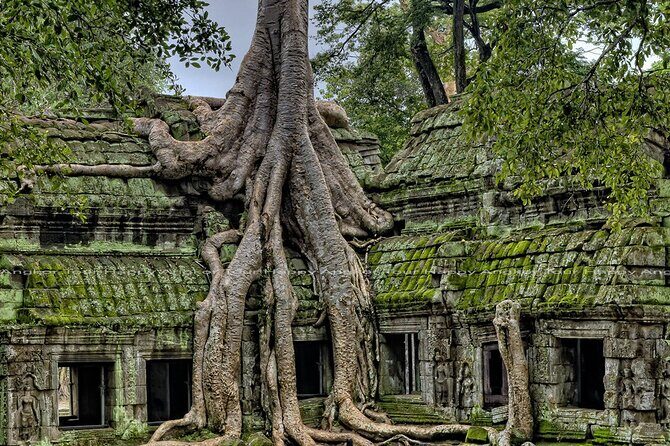
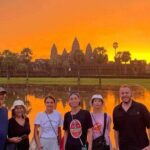
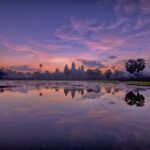
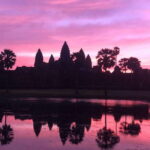
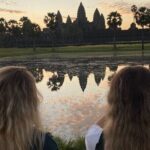
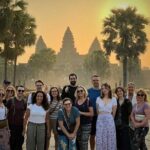
Day 2 pickup is 5:00am, and you head straight for a sunrise viewing at Angkor Wat. The visit is about 1 hour 45 minutes.
Morning Angkor is a different experience from the daytime route on day 1. In early light, stone looks softer, shadows make carvings pop, and the whole place feels more spacious. Also, the early start means you get out before the day gets too intense.
This is also the reason the tour feels like good value for time. You’re hitting a sunrise window without having to figure out transportation on your own.
After sunrise, you return (as the tour info states), then you have breakfast and head to the lake.
Kampong Pluk on Tonle Sap: what the private boat actually changes
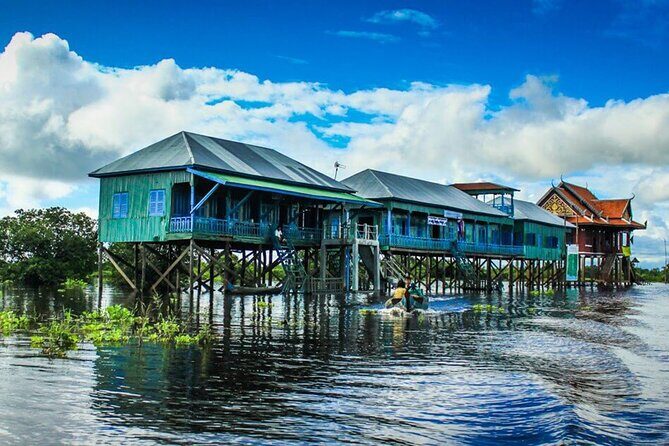
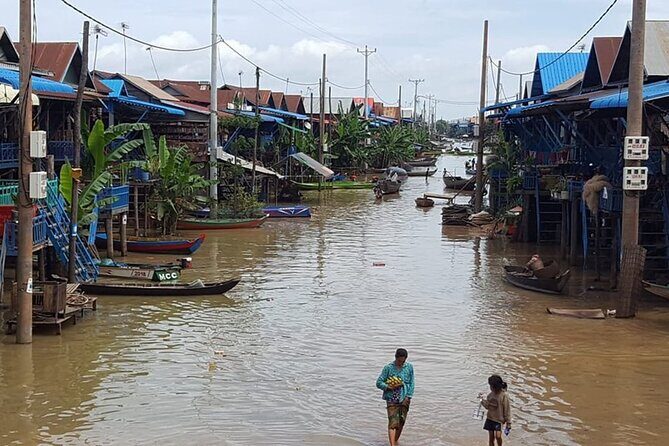
Kampong Pluk is on Tonle Sap Lake, and you visit it after breakfast. This part of the day is longer, about four hours.
The key detail is the private boat ride. The tour info lists the floating village ticket with private boat ride as $20 per person, not included in the base price. That extra cost is worth it because it gets you close to the stilt-house structure without you doing the whole “wander around and hope” thing.
What you’ll do here is cruise through the fishing village stilt houses on the lake. You’re seeing a living environment, not just ruins. It also gives your eyes a break from stone.
Practical note: lake conditions can affect how bumpy it feels. The tour includes water and towels, which helps with comfort when you’re out there a while.
Pink sandstone payoff: Banteay Srei and the “smaller but sharper” temples
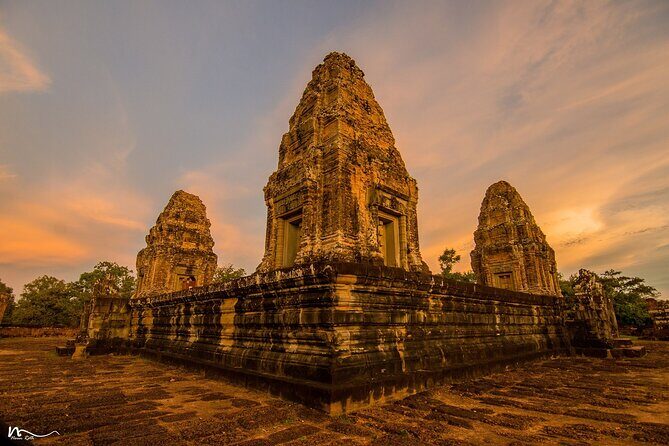
After lunch, day 2 turns back toward temples, starting with Banteay Srei, also called the Ladies Temple. You get about one hour here.
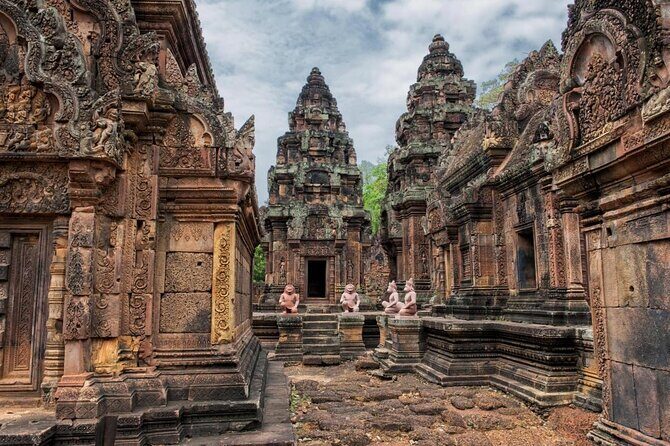
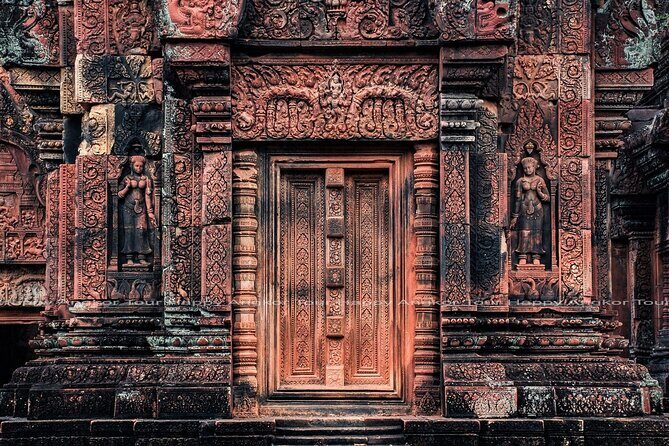
Banteay Srei is built from rare pink sandstone and dates to the half of the 10th century, attributed in the tour info to Hindu King Rajendravarman II, dedicated to the trinity gods. This temple tends to feel more intimate than Angkor Wat, and the material makes carvings look crisp rather than flat.
Then the schedule keeps rolling through:
- Banteay Samre (about 45 minutes): a Hindu temple from the 12th century, described as having an architecture model similar to Angkor Wat (even if it’s not easily seen at first glance).
- Pre Rup (about 30 minutes): constructed in the late 10th century, dedicated to Hindu gods, with a description that links it to funerary practices held at the most distant temple setting.
- Banteay Kdei (about 45 minutes): Buddhist temple from the 12th century with structures similar to Ta Prohm and Bayon.
Day 2 is where you feel the contrast between the “big monuments” and the “smaller, specific experiences.” If you’re the type who likes carvings, architectural style differences, and temple mood shifts, this is a strong ending.
Price and value: the math you should do before you commit
The tour price is $166 per person, with hotel pickup and an English license guide, plus A/C vehicle, parking fees, and road tolls. You also get cool drinking water and towels, which is genuinely useful for long temple days.
Then you add the items that aren’t included:
- Angkor + All Temples pass: $62 per person
- Tonle Sap floating village ticket with private boat ride: $20 per person
- Lunch: $5 per person (not included; listed as dependent on the menu)
So a realistic total estimate based on what’s provided is about $253 per person, plus any personal spending beyond lunch.
Is that good value? For most people, yes, if you want two things at once:
1) A guided route that hits major highlights without you constantly re-planning, and
2) Sunrise plus a lake village by private boat on the same trip.
Where it might feel less like a bargain is if you plan to skip certain optional time blocks or if you already have your own transportation and a clear temple game plan. But for families and first-timers, having the structure usually saves time and reduces stress.
Also, this is set up as a private tour/activity for your group, so you’re not dealing with a random mix of different walking speeds.
Guide and driver quality: why the names you see matter
One of the most praised elements in the provided feedback is the guide experience and how the day runs. Names that show up include Bun, Vanna, and Chhay, with drivers like Sreang, Dat, Path, and Lis.
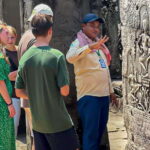
Beyond “telling history,” the standout theme is that guides handle timing and photo moments well. Chhay, for example, is specifically mentioned for excellent photo results. That matters because Angkor is all angles. If someone helps you catch the right viewpoint without wasting time, your photos improve and your stress drops.
If you care about photography, this tour’s flow gives you enough time at each major stop to set up shots instead of getting yanked along every five minutes.
Who this tour suits best (and who should be cautious)
This tour is a great match if you:
- Want sunrise and sunset options, not just daytime sightseeing
- Like a mix of major temples and smaller, more detailed stops (Ta Nei, Preah Palilay, Banteay Samre, etc.)
- Prefer private transport with A/C and included water/towels
- Are traveling as a family or group and want a smooth plan with fewer decisions
You might want to consider going slower (or packing smart) if you:
- Struggle with early mornings and outdoor heat
- Really dislike climbs like the one at Phnom Bakheng
- Prefer a lighter pace with fewer stops
In other words, this is not a lazy two-day vacation. It’s a very “see a lot” itinerary. The flip side is that it covers the key experiences most people come to Siem Reap for.
Should you book this two-day Angkor and floating village tour?
I’d book it if you want one solid, guided package that covers Angkor Wat sunrise, the roots-and-faces temples, a proper Phnom Bakheng sunset, and Kampong Pluk by private boat in only two days. The schedule is full, but it’s organized around the times of day that make the temples look their best.
I’d hesitate only if you know you’ll be miserable with early starts, lots of walking between many short temple stops, or climbs. If that sounds like you, ask for a lighter-temple alternative—or plan extra rest time on either side.
If you’re willing to trade a bit of comfort for maximum sights, this is a strong Siem Reap “great hits” plan with enough variety to keep it interesting.
FAQ
What time does pickup happen on day 1?
Pickup is at 8:00am from your accommodation lobby.
What time does the sunrise start on day 2?
Pickup for sunrise viewing is at 5:00am.
Is Angkor + All Temples pass included in the price?
No. The Angkor + all temples pass is listed as $62 per person and is not included.
How much does the Kampong Pluk floating village boat ride cost?
The floating village ticket with a private boat ride is listed as $20 per person and is not included.
Are meals included?
Lunch is listed as $5 per person, and meals are not included otherwise (it depends on the menu).
What’s included besides the guide and transport?
The tour includes hotel pickup and drop-off, cool drinking water and towels, parking fees and road tolls, an English license guide, and A/C vehicles with a driver.
Is this a private tour?
Yes. It’s described as a private tour/activity where only your group participates.