REVIEW · SIEM REAP
Siem Reap Full Day Angkor Wat Tour Small Group
Book on Viator →Operated by Angkor Wat Local Guide · Bookable on Viator
Angkor feels simpler with a plan. This Siem Reap full-day small-group tour strings together Angkor Wat, Angkor Thom, and Ta Prohm in one smooth circuit, with hotel pickup and an English guide to help you make sense of what you’re seeing. It’s a smart choice if you want the biggest hits without stressing over transport inside the huge Angkor Archaeological Park.
I like that the experience stays human-sized: the group is capped at 15 travelers, and in real-life situations guides can adapt to you. One review highlighted how guide Nat kept things at the pace of a guest with an injured knee. The main trade-off to plan for is cost: the temple entrance fee is not included (listed as $37 per person), and meals aren’t covered, so you’ll want extra budget for those.
In This Review
- Key things to know before you go
- The value of a $19 tour when you’re paying for comfort and time
- Door-to-door timing: what the 8 hours usually feels like
- Angkor Wat: the bas-relief-and-spire stop (about 3 hours)
- Angkor Thom and Bayon: walking the gates and finding the faces (about 3 hours)
- Ta Prohm: Tomb Raider vibes with roots and ruins (about 1.5 hours)
- Price and what your all-in budget should look like
- Guides make the difference: Nat, Tom, and Sothie as examples
- Who should book this tour (and who might not love it)
- Should you book the Siem Reap Full Day Angkor Tour?
- FAQ
- What time does the tour start?
- How long is the tour?
- Is hotel pickup and drop-off included?
- How big is the group?
- Are temple entrance fees included?
- Is food included?
Key things to know before you go

- Small group up to 15 keeps the day from feeling chaotic and helps with pacing on hot temple walkways.
- Door-to-door air-conditioned transport matters because the Angkor Archaeological Park covers about 154 square miles (400 sq km).
- Three major stops, tight but doable: Angkor Wat (about 3 hours), Angkor Thom/Bayon (about 3 hours), Ta Prohm (about 1.5 hours).
- English guide with real storytelling helped visitors feel oriented fast, especially around the history and layout.
- Entrance fees and food are extra, so your all-in cost will be higher than the $19 tour price.
The value of a $19 tour when you’re paying for comfort and time
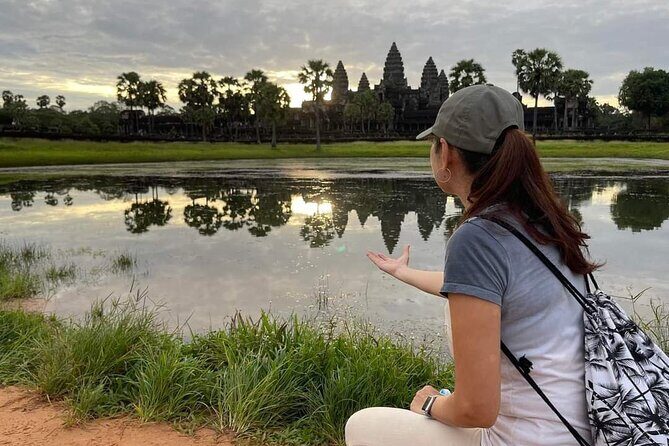
Let’s talk value, because $19 can sound almost too good. The catch is simple: you’re paying for organization. This tour gives you a pre-planned route through the Angkor sites, hotel pickup and drop-off, an air-conditioned vehicle, bottled water, and an English guide. That can save you from the time sink of figuring out transport and meeting points on your own.
You’re also buying a smoother day. The temples are spread out across a massive park, and time evaporates quickly in the heat. In practice, the value shows up most when you avoid backtracking and don’t waste your energy on logistics. One review summed up the experience vibe well: the day feels full and hot, but the guide keeps it interesting and moving.
Small-group format is another hidden benefit. With a maximum of 15 people, you’re more likely to get questions answered and to have room to pause. If you’re traveling solo, this is especially helpful because you still get a guided experience even when group size is small.
A few more Siem Reap tours and experiences worth a look

Door-to-door timing: what the 8 hours usually feels like
The tour starts at 8:30 am and runs about 8 hours. That morning start is a big deal at Angkor. You’ll be walking in daylight, and you’ll be outdoors for long stretches. Going early helps you beat some of the worst heat and crowd pressure, and it gives your guide time to cover the key sights without rushing you into a whip-through.
Transport is part of the comfort equation. Since the park is huge, you’ll spend meaningful time on the road between temples. The fact that it’s an air-conditioned vehicle and includes bottled water means you’re not just grinding through the day on fumes and sweat.
The schedule also suggests a practical mindset: you’ll have set blocks for each major stop rather than wandering all day. That works if your goal is check-the-box Angkor. If your dream is slow, artsy wandering with tons of time for detours, you might find the day a bit structured.
Angkor Wat: the bas-relief-and-spire stop (about 3 hours)
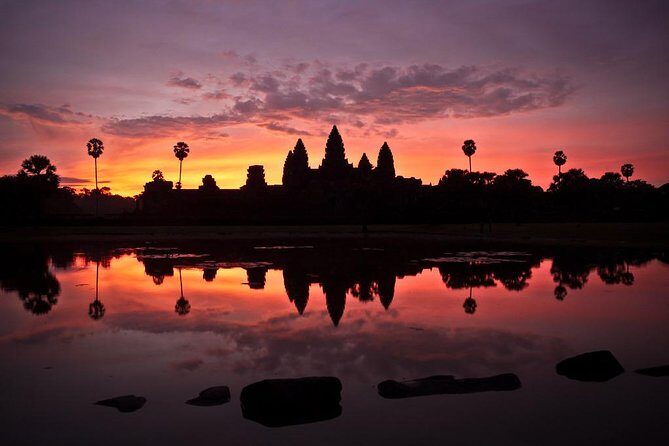
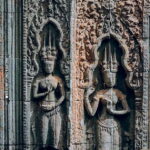
Angkor Wat is the headline. The tour sets aside about 3 hours here, which is enough time to appreciate the monument’s scale and the details without feeling like you’re sprinting. The description you’ll hear from your guide centers on the temple’s intricate bas-reliefs and towering spires, so you’re not just looking at a big building—you’re learning how to spot what makes it stand out.
What I’d watch for during your visit is your ability to slow down enough to see the carvings. When you’re surrounded by bright stone, shadows, and lots of movement, it’s easy to miss details just because you’re moving with the crowd. A good guide helps you get your bearings fast, and at Angkor that matters because the layout can feel immense.
Practical tip: wear shoes that can handle uneven stone and plan to take breaks. One review called out how hot and sweaty it can be. The tour can still be enjoyable, but only if you treat comfort as part of the sightseeing plan, not an afterthought.
Possible drawback: three hours can fly by if you’re the type who wants nonstop photos and long pauses. If you’re prone to getting overwhelmed, arrive with a mental plan: pick a few focal points and give them your best attention.
Angkor Thom and Bayon: walking the gates and finding the faces (about 3 hours)
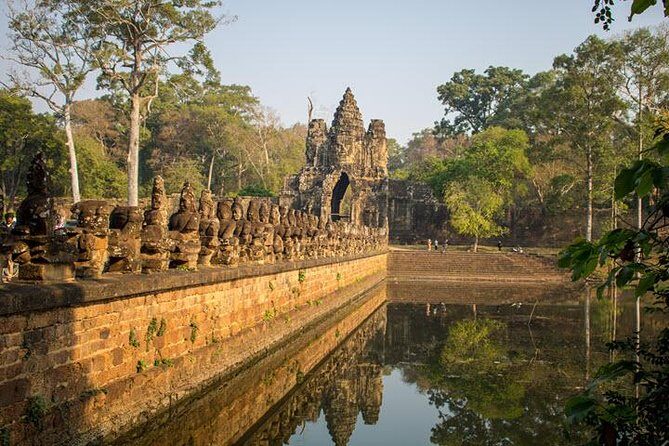
After Angkor Wat, the tour shifts to Angkor Thom, once the capital city. You’ll walk through the ancient gates and see the layout and fortifications. This is a different feel than Angkor Wat: less “single iconic monument” and more “ancient city in stone,” which can help you understand Angkor as a place people lived and moved through—not just a lone landmark.
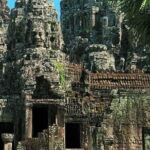
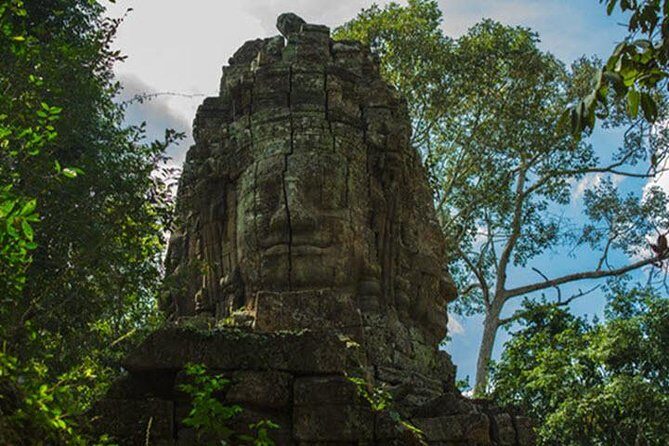
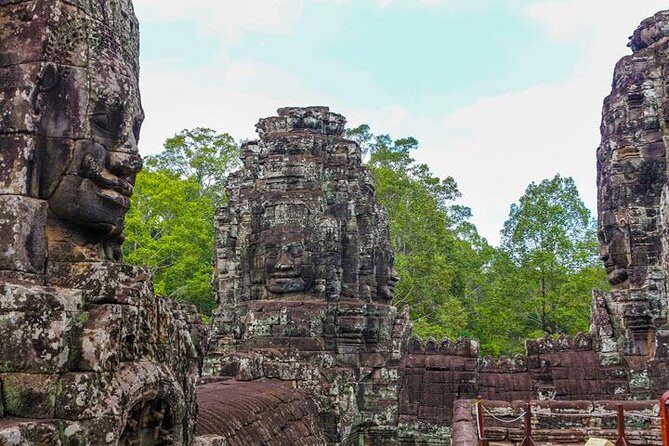
The big star here is Bayon Temple, with its unique architecture and stone faces gazing in multiple directions. This is one of those sights where the guide’s explanations matter because your brain wants to know what you’re looking at. You don’t need a lecture, but you do benefit from someone helping you connect what you’re seeing to the temple’s overall design.
Why this stop is worth the time: Bayon tends to draw you in visually. You can walk around and keep finding new angles of the faces, which makes your time feel more “active” than purely observational. With about three hours assigned, you’ll have breathing room to move at a reasonable pace rather than getting stuck in a constant flow.
Consideration: this section includes outdoor walking around the city layout. If you’re heat-sensitive or managing a physical issue, you’ll be glad the tour is guided and can adjust. That came through in a review about guide Nat letting a guest go at their own pace and rest when needed.
Ta Prohm: Tomb Raider vibes with roots and ruins (about 1.5 hours)

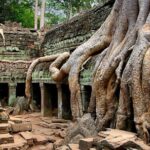
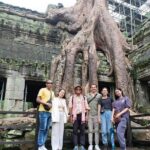
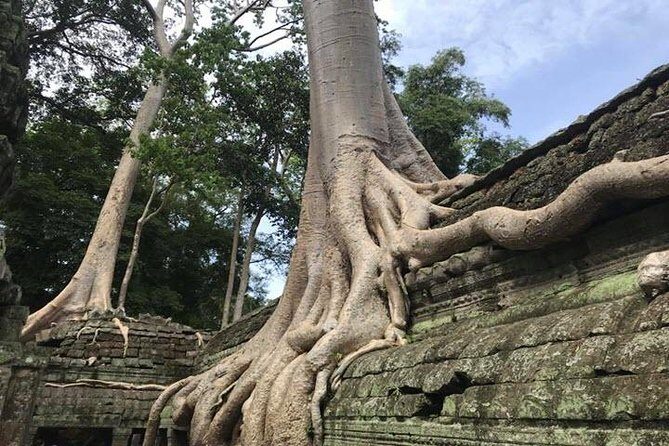
Then comes Ta Prohm, the stop many people recognize as the “Tomb Raider Temple.” The key imagery is the way ancient ruins are intertwined with towering trees and roots. If you like photos, this is typically your best chance of the day—because nature and stone create natural drama.
The allotted time is about 1 hour 30 minutes, which is a reasonable amount for Ta Prohm. You’ll want time to look up, move around, and catch the angles where the trees and roots frame the architecture. Too short and it turns into rushed sightseeing. Too long and you risk getting tired of repeating the same viewpoints as the light and crowd rhythm shift.
What to expect: it’s a visually busy place. Roots grab attention, shadows break up the stone, and the scenery feels layered. A guide helps you avoid getting stuck in one corner. You’ll also likely learn what to focus on so your camera and your eyes don’t chase everything at once.
Small pacing note: if you’re wiped out by this stage, it’s still a good stop to “choose your best views.” Prioritize 2–3 angles where the roots and temple structures intersect in a way you love, then relax and let the scene do the work.




Price and what your all-in budget should look like
The tour price is $19 per person. That covers the core experience components: an English guide, air-conditioned transport, hotel pickup and drop-off, bottled water, and the sights listed in the day plan.
But you should budget separately for the temple entrance fee: $37 per person. Entrance fees being extra is common at Angkor, so I consider it a normal planning item, not a surprise. Still, it’s the biggest number that changes your all-in total.
Meals and drinks are also not included. That matters because the day is long, you’ll be walking, and you’ll likely want something easy rather than hunting food mid-temple. The best strategy is to carry water, but also plan for at least one proper break where you can eat.
Value verdict: for most people, $19 feels like the “how to pay for ease” rate. The moment you add entrance fees, your total is higher, but you’re also paying for organization inside the park. If you’re trying to do Angkor on your own, you may end up paying similar or more once you factor in transport time, local guidance, and the hassle factor.
Guides make the difference: Nat, Tom, and Sothie as examples
One of the most praised parts of this tour is the guide experience. Multiple reviews called out guides who were friendly, organized, and good at explaining what you’re looking at.
- Nat stood out for adapting to a guest’s needs. When someone had an injured knee, Nat helped keep the pace comfortable and allowed rest.
- Theara (Tom) was described as organized, hospitable, and strong on Cambodia’s history and Siem Reap context, which is useful because it turns stones into a story you can follow.
- Sothie was noted for making the day interesting and for helping visitors connect Angkor Wat and the other sites into a meaningful sequence.
You don’t need a guide to physically point at temples—you need one to help you understand why certain spots matter and how to walk through the sites efficiently. Based on the reviews, that’s exactly where this tour earns its high rating.
Who should book this tour (and who might not love it)
This tour is a good match if you want:
- a small-group Angkor day capped at 15
- an English guide to help you interpret Angkor Wat, Angkor Thom, and Ta Prohm
- door-to-door AC transport so you’re not figuring out park logistics
- a structured full day built around major sights
You might think twice if:
- you hate set schedules and prefer wandering slowly with no time blocks
- you’re trying to keep costs extremely low without budgeting for entrance fees and meals
- you want more than just Ta Prohm’s big set pieces and photos (because the time there is about 1.5 hours)
Still, even if you’re picky, the pace sounds manageable because the guides show flexibility. That’s especially comforting if you’re traveling with someone who tires easily or has mobility limits. Just keep your expectations realistic: it’s a walking-heavy temple day.
Should you book the Siem Reap Full Day Angkor Tour?
I’d book this tour if your main goal is to see Angkor Wat, Angkor Thom, and Ta Prohm with less stress. The combination of small-group size, English guide, and air-conditioned door-to-door transport is the real win. You’re buying efficiency, clarity, and comfort during a long outdoor day.
I would also book it if you value a guide who can adapt. Reviews mention Nat adjusting pace for a knee injury, and that kind of flexibility can turn a tough day into an enjoyable one.
Just go in with two budget truths: the $37 entrance fee per person and meals not included. If you plan for those, you’ll feel like the $19 price is doing what it should—making Angkor easier to access, not less meaningful once you’re there.
FAQ
What time does the tour start?
It starts at 8:30 am.
How long is the tour?
The duration is about 8 hours.
Is hotel pickup and drop-off included?
Yes, hotel pickup and drop-off are included.
How big is the group?
The tour has a maximum of 15 travelers.
Are temple entrance fees included?
No. The temple entrance fee is $37 per person and is paid separately.
Is food included?
No. Meal and drink are not included.