REVIEW · SIEM REAP
Siem Reap: Full Day Angkor Wat Temple Tour with Sunset
Book on GetYourGuide →Operated by Angkor Dynasty Travel · Bookable on GetYourGuide
Sunset at Angkor feels unreal. This full-day temple tour from Siem Reap strings together the big names—Angkor Wat, Angkor Thom, Bayon, and Ta Prohm—then tops it off with a Phnom Bakheng climb for sunset. You get a small group pace that keeps the day from turning into a stampede.
Two things I really like here: the chance to walk the sites with a guide instead of just reading plaques, and the way the tour builds a clear story across multiple temples. In particular, Sela’s explanations made the smiling faces at Bayon and the carved details at Angkor Wat click, and his humor keeps the day moving even in the heat. I also like the practical comforts—cold towels and chilled water show up when you’re actually worn out.
The main drawback is also the simplest: you’re paying for two parts. The tour is priced separately from the required Angkor pass, and you’ll need to budget for extra walking in full sun and stairs at Phnom Bakheng.
In This Review
- Key things that make this tour worth your time
- A 9-Hour Plan That Keeps Angkor From Feeling Random
- South Gate and Angkor Wat: Start With Orientation, Not Guesswork
- Angkor Thom and Bayon: The Smiling Faces Make Sense
- Ta Prohm’s Jungle Feel: When Ruins Become Atmosphere
- Phnom Bakheng for Sunset: The Climb Is Part of the Ticket
- Price and Value: What $20 Doesn’t Cover (and What It Does)
- Comfort That Actually Shows Up: Transport, Towels, and a Real Pace
- Who Should Book This Siem Reap Angkor Sunset Tour
- Should You Book It?
- FAQ
- Do I need an Angkor pass for this tour?
- What temples are included in the tour?
- How long is the tour?
- What time is pickup?
- How large is the group?
- What’s included in the price?
- Is the sunset viewpoint included?
- FAQ
- Can I cancel for a refund?
- Is payment flexible?
Key things that make this tour worth your time
- Sela’s on-the-ground temple explanations help you understand what you’re seeing, not just where to stand for photos
- A planned route through Angkor Wat, Angkor Thom, Bayon, and Ta Prohm saves you from guessing how to prioritize
- Ta Prohm includes a jungle-style walk, so it feels different from the clean stone parade at the main temples
- Sunset from Phnom Bakheng gives you a distinct end-of-day viewpoint, not just another temple stop
- Small-group feel with real comfort touches like chilled water and cold towels during the day
A 9-Hour Plan That Keeps Angkor From Feeling Random
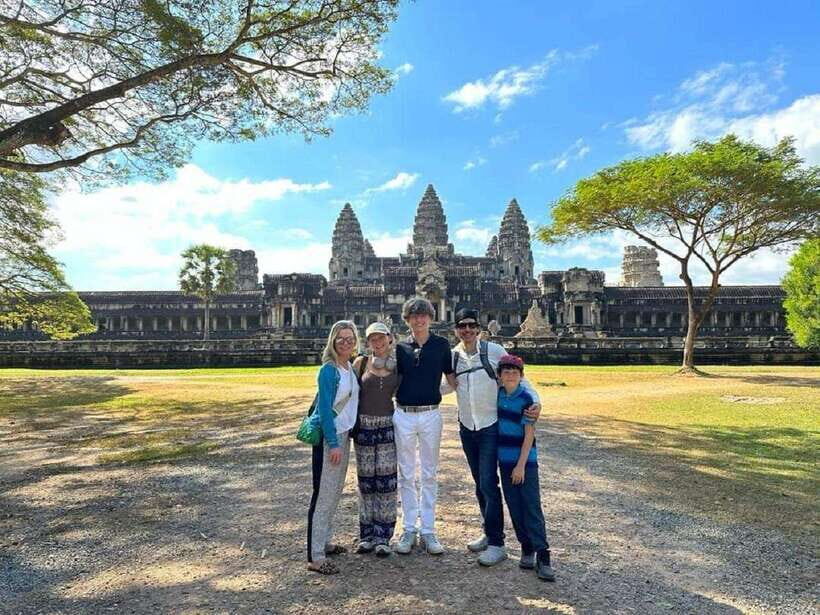
This is a full-day tour built around one solid idea: visit the major Angkor highlights in a logical flow, then finish with sunset from Phnom Bakheng. You’re picked up from your hotel and taken in an air-conditioned vehicle, which matters in Siem Reap heat. The day clocks in at about 9 hours, so it’s long enough to feel like a proper Angkor day, but not so long that you’ll be completely drained before sunset.
Your pickup timing is also important. You’re asked to be ready about 30 minutes before the start, and pickup is listed at 9am. That means you’ll want to be awake, hydrated, and ready to move early. The tour includes occasional food and rest breaks, but the temples themselves are where you’ll spend most of your energy—walking inside, around, and between sites.
The small-group size is capped (it’s listed as limited to 10 participants, with the experience described as never more than 13). That matters because Angkor is crowded, and the difference between 10 people and 25 people is how easy it is to hear explanations and regroup without losing the group.
You can also read our reviews of more evening experiences in Siem Reap

South Gate and Angkor Wat: Start With Orientation, Not Guesswork
You begin at the main entrance of the south gate area, which is the right move. Angkor can feel like a maze if you jump in cold. Starting here helps you get your bearings fast, so when you enter Angkor Wat you’re not just seeing towers and walls—you’re learning how the place is laid out and why it was built the way it was.
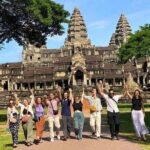
Angkor Wat is the world-famous star of the Angkor complex, and the tour approach fits it well. Your guide walks you through what you’re looking at and provides context as you move from one section to another. Even simple moments—like standing where stone figures greet you or looking toward key structures—become more meaningful when you understand the purpose behind the design.
One practical note: you’ll need an Angkor pass (1-day or 3-day) to enter the sites. The tour doesn’t pretend you can skip this step. You can buy it online, or your guide can take you to the ticket office before you start temple time. If you want less hassle, arrive with your plan ready so you’re not spending precious daylight waiting.
What you’ll feel at this stage is momentum. Angkor Wat is impressive on its own. With a guide in your ear, it becomes more than scenery—it becomes an architecture and art lesson you can walk through.
Angkor Thom and Bayon: The Smiling Faces Make Sense
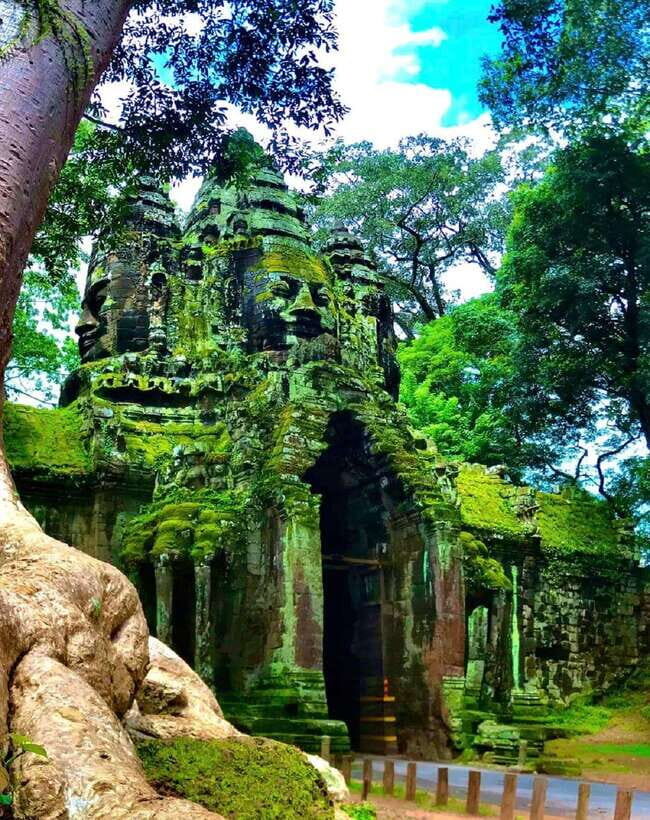
From Angkor Wat, the route moves into Angkor Thom, another core piece of the Angkor story. The southern gates are worth paying attention to because the stone figures here aren’t random decoration. They’re part of the larger visual language of the city.
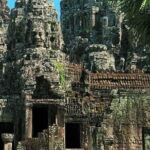
Then you head toward Bayon Temple, famous for the faces carved into the central towers. This is one of those sights where people often take photos first and ask questions later. The tour flips that. You’ll get explanations along the way, so you understand why the Bayon faces look the way they do, and what role the temple played in the broader Khmer world.
A highlight here is how your guide connects details to themes you can actually notice while you’re standing there. Bayon’s central peak and the surrounding etchings are easier to interpret when you know what to look for. And if you’ve never done Khmer temple reading before, you’ll appreciate having someone point out the human work behind the stone.
Two more stops that help you slow down are:
- Terrace of the Leper King
- Terrace of the Elephants
These areas can be easy to rush past if you’re chasing just the biggest photo views. On this tour, they work as a bridge between major temples, so you get more carved storytelling without feeling like you’re only ticking boxes.
Ta Prohm’s Jungle Feel: When Ruins Become Atmosphere
After the big stone complexes, Ta Prohm offers a completely different mood. You don’t just see ruins here—you get the sense of the surrounding jungle pushing back, which is part of why it’s so memorable.
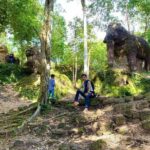
The tour includes a stroll through a lush jungle path to reach Ta Prohm. That small detail matters. It breaks up the day so you’re not stuck moving from one hot stone courtyard to the next with no variation. You’ll also notice the temperature and light shift as you transition under trees, and it changes how the ruins feel in your brain.
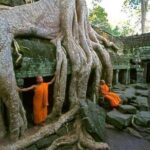
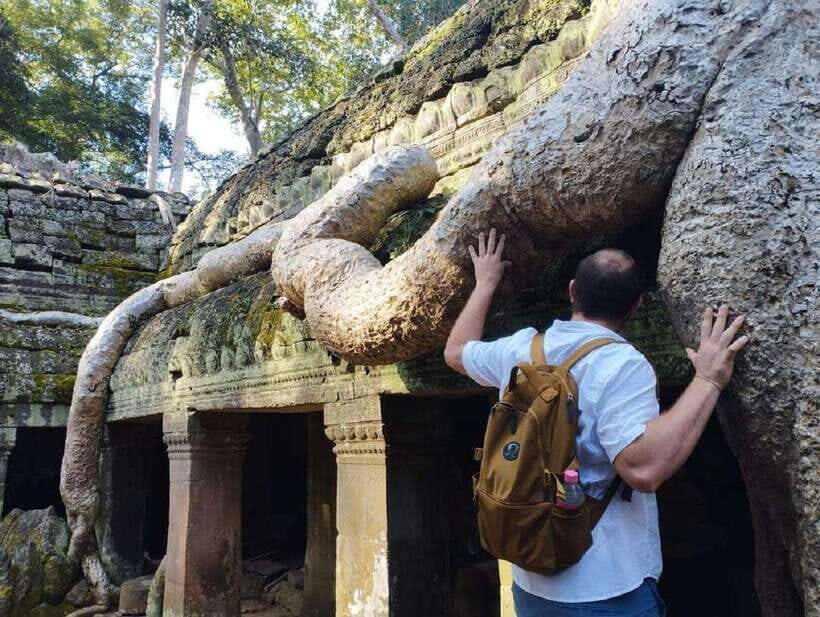
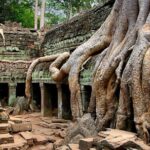
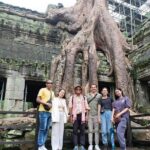
Ta Prohm is famous for trees growing from the structures. You’ll have time to walk around and inside the temple, using your guide’s information to help you make sense of what you’re seeing. The atmosphere isn’t only visual; it also affects your pace. It naturally encourages slower looking, which is great because you can’t absorb Ta Prohm by sprinting from one viewpoint to another.
If you love photography, this is where it pays to take your time. One bonus from the guides here is that Sela uses photography as part of how he shares the sights—helping you frame moments without turning the day into a photo workshop.
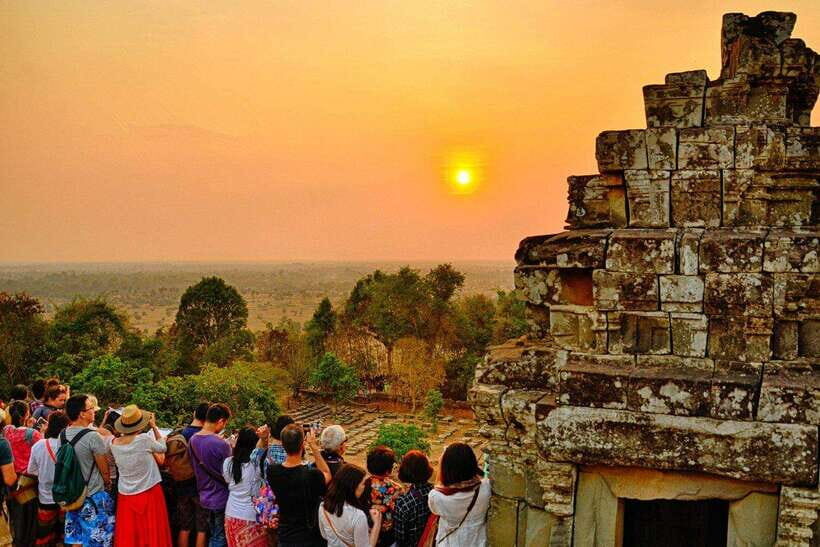
Phnom Bakheng for Sunset: The Climb Is Part of the Ticket
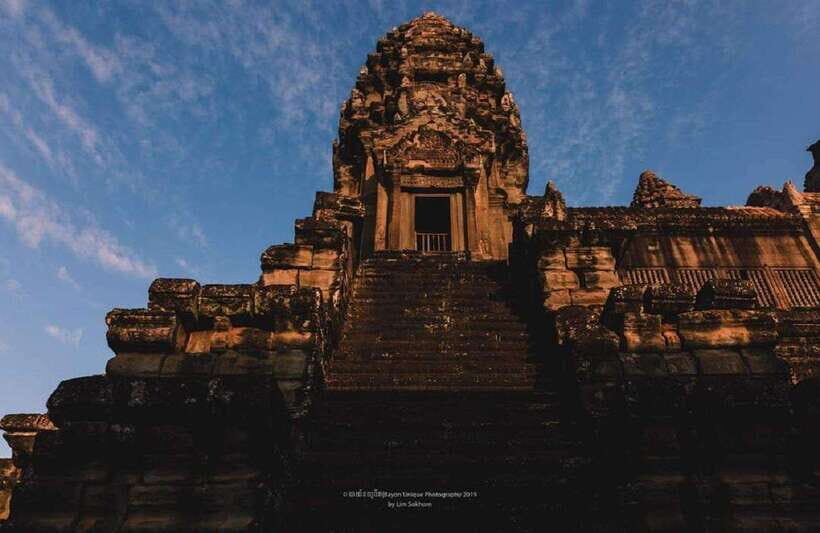
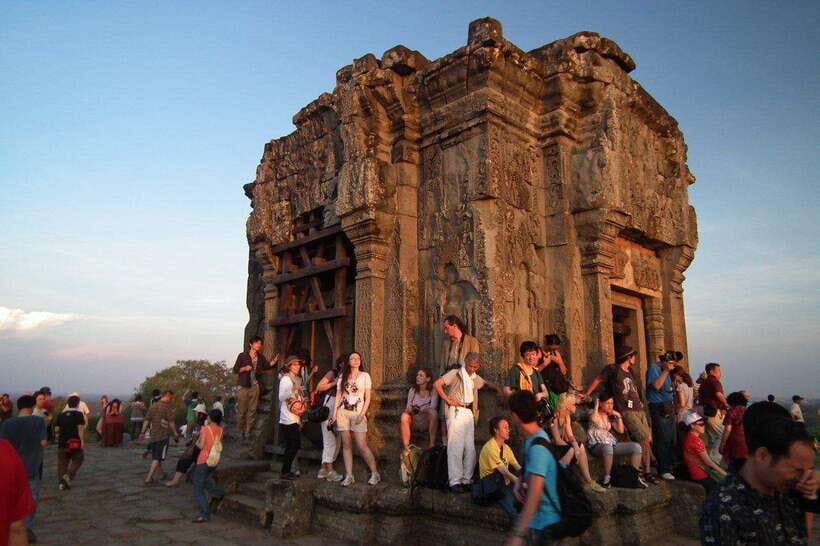
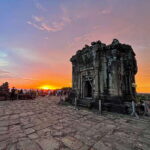
The final act is Phnom Bakheng, the state temple of the first Khmer capital in the region, and your sunset viewpoint for the day. This is where the tour’s timing becomes the whole point. After visiting the temple circuit highlights, you climb the steps to the temple mountain for the golden-hour payoff.
Be ready for stairs. This is not a flat stroll. Sunset is worth it, but you’ll need to plan your energy so you’re still steady-legged when it’s time to climb. The tour structure helps: you reach Phnom Bakheng after a full day of walking, not at the start when you’re fresh.
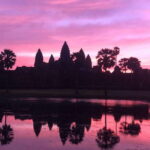
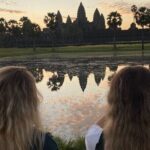
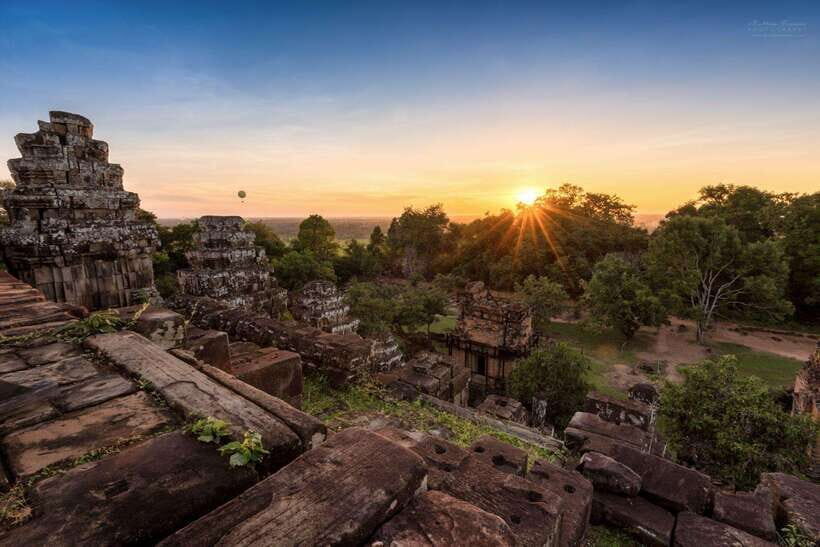
Once you’re at the top, the view is the reward. You’re watching the sky change over the temple area, and the setting gives Angkor a different scale. From Phnom Bakheng, the ruins feel like a living system—stone, trees, and sky working together.
If you’re tempted to race down right after sunset, don’t. Give yourself a minute to take in what you just climbed for. Angkor at dusk is different from Angkor at midday, and that contrast is the reason this tour ends the way it does.
A few more Siem Reap tours and experiences worth a look

Price and Value: What $20 Doesn’t Cover (and What It Does)
The tour price is listed at $20 per person, and that’s the key to understanding value here. At this price, you’re really buying three things: transportation in an air-conditioned vehicle, pickup and drop-off, and a guide who helps you understand what you’re seeing.
Then comes the extra you must plan for: the Angkor pass. The pass is listed as $37 per person (and you’ll choose 1-day or 3-day). So your realistic baseline cost becomes $20 plus the pass. If you already have your pass, the tour fee suddenly looks like even better value, because the guide time and transport are doing the heavy lifting.
Also note what’s not included. Soft drinks aren’t included, so if you’re used to grabbing bottled drinks at every stop, budget for that. Water is included (chilled bottles), and cold towels are included too, which helps your day feel like it’s been planned for heat management rather than survival.
From a practical value standpoint, this tour is best if you want to:
- save time deciding what to see
- get guidance inside the temples
- enjoy sunset without stress
If you’re the type who already knows the temple story and can navigate confidently, you might be able to DIY. But if you want the day to feel understandable from stone to meaning, this guide-led format is what justifies the money.
Comfort That Actually Shows Up: Transport, Towels, and a Real Pace
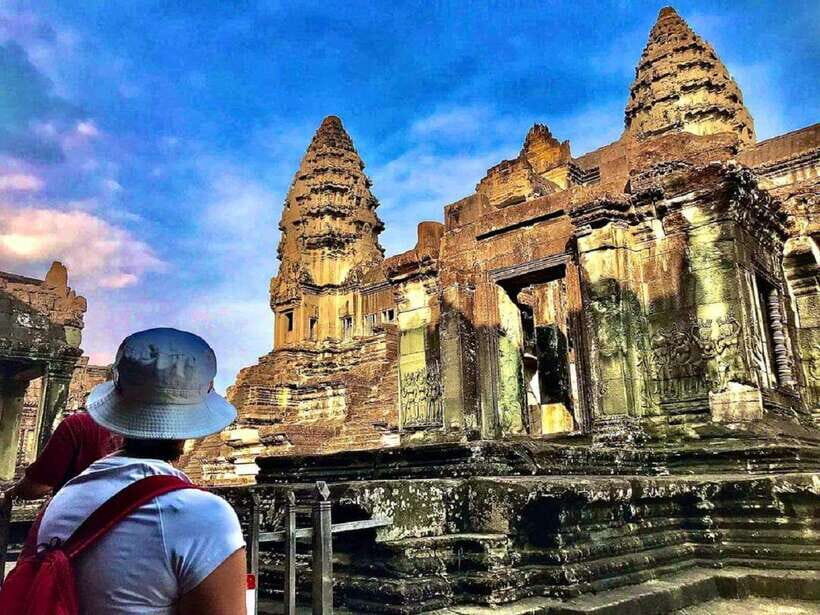
Angkor days can break people in two ways: the walking and the waiting. This tour tries to reduce both.
You travel by air-conditioned minivan/minibus, and there’s hotel pickup and drop-off. That’s not just convenience; it also reduces time spent at the curb in Siem Reap sun. The group size stays small, so you’re not constantly doing stop-and-start regrouping.
The comfort touches are specific and useful. You get chilled water and towels during the day. In the car, the presence of cold towels after temple stops is a big deal when you’ve been in bright heat and need a quick reset before moving again.
The guide matters just as much as the vehicle. Sela is highlighted for knowledge and a good sense of humor, plus strong conversational skills in English. You’ll also get more than temple trivia. The best moments tend to be when questions about Cambodia are answered clearly, not brushed aside.
A smart tip for this kind of tour: treat your breaks as part of the plan. Drink water on schedule, not when you’re already thirsty. The tour’s structure makes it easy to keep a steady rhythm.
Who Should Book This Siem Reap Angkor Sunset Tour
I think this tour is a strong fit if you want a guided Angkor Wat day with a sunset ending, without building a DIY schedule yourself. It’s especially good for:
- first-timers who want the main temples in one go
- people who like learning how art and architecture connect
- anyone who wants a calmer group size while still seeing a lot
- photographers who appreciate help with timing and framing
It might be less ideal if you’re looking for a slow, unhurried day with minimal walking. This is a full circuit with multiple temple interiors and a Phnom Bakheng climb at the end. Also, if you already bought your own Angkor pass and don’t want a guide, you may be happier with a simpler transport-only option.
Should You Book It?
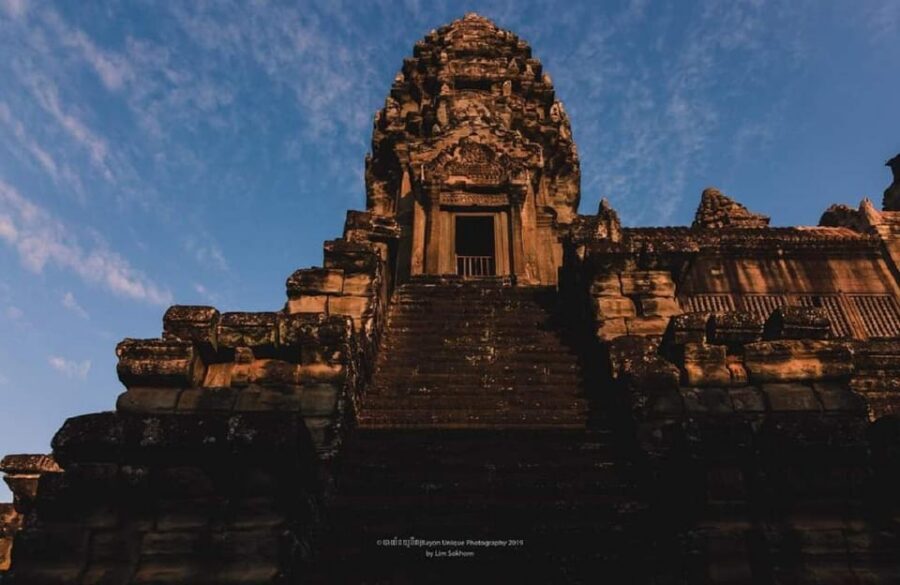
If your goal is Angkor Wat plus the big follow-ups—Bayon, Ta Prohm—and you specifically want sunset from Phnom Bakheng, I’d book this. The combination is the point: a logical temple route earlier in the day, then a climactic sunset finish.
The real reason I’d lean toward this one is the guide-led value. You’re not paying mainly for driving. You’re paying to understand the stonework while you’re standing in front of it. Add in the small group size, chilled water, cold towels, and the fact that the day is already organized around what makes Angkor special, and it becomes a smart way to see the highlights without turning it into a logistical headache.
FAQ
Do I need an Angkor pass for this tour?
Yes. You’ll need an Angkor pass (1-day or 3-day). It’s not included in the tour price, and you can buy it online or have your guide take you to the ticket office before the tour starts.
What temples are included in the tour?
You’ll visit Angkor Wat and the South Gate area, Angkor Thom, Bayon Temple, Ta Prohm, and you’ll also see areas like the Terrace of the Leper King and the Terrace of the Elephants, plus Phnom Bakheng for sunset.
How long is the tour?
The duration is listed as 9 hours.
What time is pickup?
Pickup is listed at 9am, and you should be ready about 30 minutes before pickup at your hotel.
How large is the group?
It’s listed as a small group limited to 10 participants.
What’s included in the price?
Included are air-conditioned transportation, hotel pickup and drop-off, a tour guide and driver, plus chilled bottled water and towels.
Is the sunset viewpoint included?
Yes. The tour includes a climb up to Phnom Bakheng to watch sunset.
FAQ
Can I cancel for a refund?
Yes. Free cancellation is available up to 24 hours in advance for a full refund.
Is payment flexible?
Yes. The listing includes reserve now & pay later, so you can book and pay nothing today.