REVIEW · SIEM REAP
Siem Reap: Floating Village Half-Day Tour
Book on GetYourGuide →Operated by Tara Riverboat · Bookable on GetYourGuide
Tonle Sap makes Siem Reap feel calmer. I like how the tour mixes a guided boat cruise through the floating village with real context from guides such as Mr. Friday, Mr. Mony, and Pon. The other big win for me is lunch on Queen Tara, served on a boat that feels like part of the region’s working history, not a floating restaurant.
The one thing you should keep in mind is that this is a lake tour: it’s dependent on Tonle Sap water levels, so what you see (and how the crocodile/fish farm stop works) can vary with the season.
In This Review
- Key things I’d prioritize on this Tonle Sap half-day
- Why Tonle Sap feels different from most Cambodia day trips
- Getting to the port near Phnom Krom (and why it matters)
- The lotus farm stop: quick, useful, and very seasonal
- Cruise into the floating village: what you’ll actually see
- Crocodile and fish farm stop: interesting trades, real trade-offs
- Lunch on Queen Tara: the best part for staying relaxed
- The value of a guide in a four-hour tour
- Price and logistics: is $55 fair for what you get?
- Best for whom (and when you should skip it)
- Should you book this Floating Village Half-Day Tour?
- FAQ
- How long is the Siem Reap floating village half-day tour?
- What does the tour include for lunch and drinks?
- Do you pick up and drop off from hotels in Siem Reap?
- Does the tour depend on season or water levels?
- What languages will the guide speak?
- Is there a vegetarian option?
- Are there child age rules for this tour?
Key things I’d prioritize on this Tonle Sap half-day
- A small group (up to 11): easier to hear your guide and ask questions.
- English-speaking guide with Khmer: you get local stories, not just random facts.
- Real Tonle Sap context: you learn why the lake’s river system flows in two directions each year.
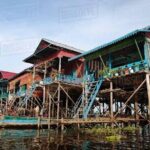
- Floating village life on the water: you cruise past homes and routines without roads.
- Lunch with included drinks on Queen Tara: a relaxing break at the heart of the village.
- A lotus farm stop that explains more than photos: Buddhism, plant uses, and seasonal differences.
Why Tonle Sap feels different from most Cambodia day trips
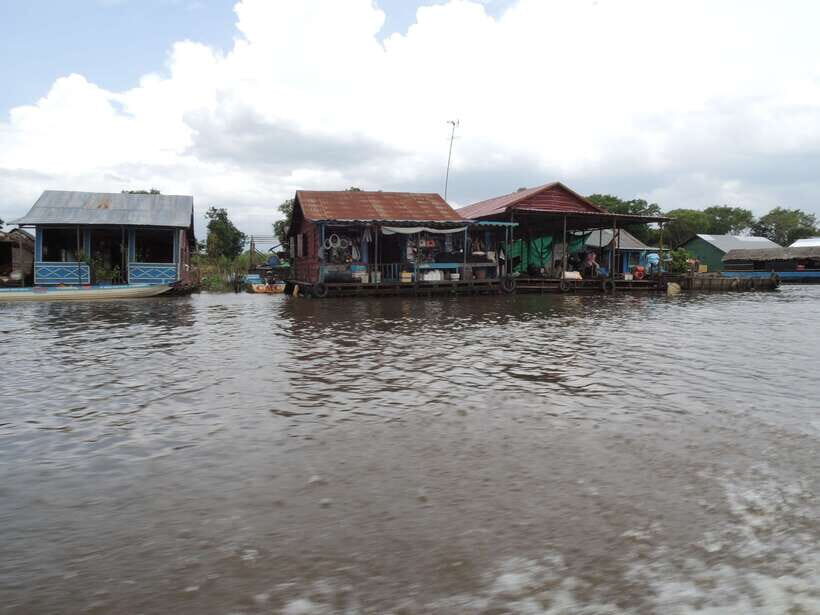
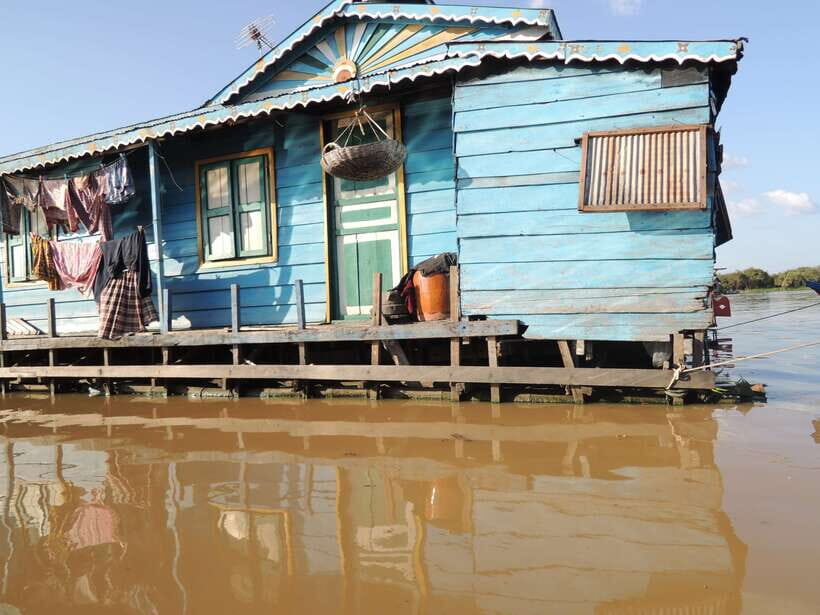
Siem Reap can be temples, dust, and early starts. This half-day tour swaps that pace for a watery Cambodia most people miss: Tonle Sap. The tone here is slower and more everyday. You’re not just sightseeing houses on stilts—you’re getting a guided look at how families live and work where transportation is by boat, not roads.
The tour’s strongest hook is the setting itself. You’ll hear the Tonle Sap system described as the only river system that flows backward. During the wet season, water moves north; in the dry season, it reverses and moves south toward the South China Sea. That flip changes the scale of the lake and the rhythms of life around it, which is exactly what makes the floating villages feel so alive.
Another reason I like this trip for first-timers: it’s short. In about four hours, you get history, culture, and a boat ride that actually does the work. If you only have a day or two in Siem Reap, this is a practical way to see the countryside side of Cambodia without losing half your trip to transit.
A few more Siem Reap tours and experiences worth a look

Getting to the port near Phnom Krom (and why it matters)
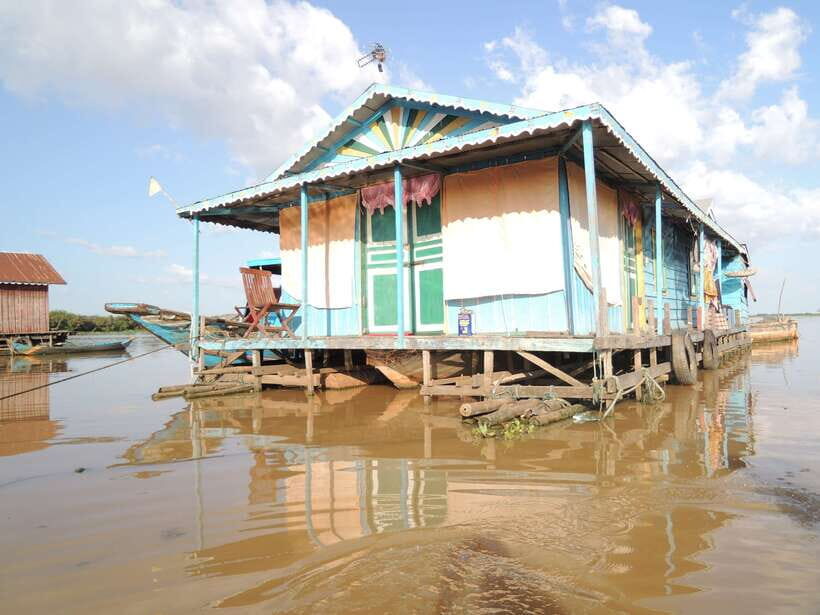
The tour starts with a free pickup from your hotel or guesthouse in Siem Reap. From there, you’ll transfer by air-conditioned vehicle or a tuk-tuk to the port area near Phnom Krom. That matters because the drive time keeps the tour from turning into a long day, and it also gets you out of the Siem Reap traffic bubble.
Along the ride, your English and Khmer-speaking guide points out local interest—rice paddies and lotus fields being the big theme. The guide also explains that lotus is deeply important in Buddhism, not just a pretty flower for postcards. And because the season affects what’s growing and how lush the fields look, the views can differ depending on when you go.
One practical note: the tour runs in all weather conditions, so bring the right stuff for heat or rain. On the water, wind can help, but you’ll still want sun protection if you’re going in the dry season.
The lotus farm stop: quick, useful, and very seasonal
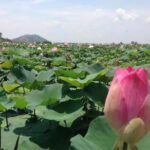
You’ll make a quick stop at a lotus farm. It’s not designed to be a slow, hours-long walk. Instead, the value is in what your guide explains: the different uses of the lotus flower and the plant itself.
This is also where timing shows. The tour info makes it clear that lotus and rice field views vary by season, so you might see a more dramatic lot of bloom in one month and a quieter, more field-focused scene in another. Either way, you’re getting the context to understand why local people care about the plant so much.
If you’re the type who hates rushed stops, you might wish this part lasted longer. But if you like a quick education before you get on the boat, this timing works well. It sets you up to notice details during the cruise.
Cruise into the floating village: what you’ll actually see
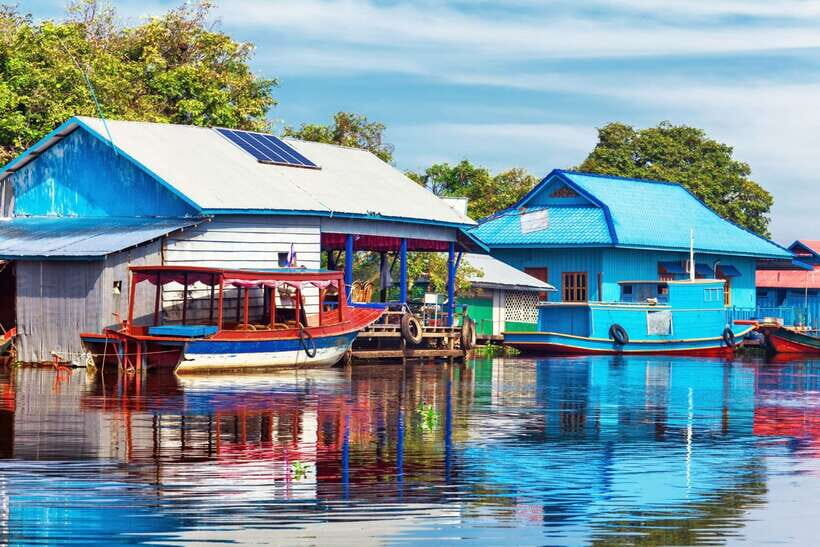
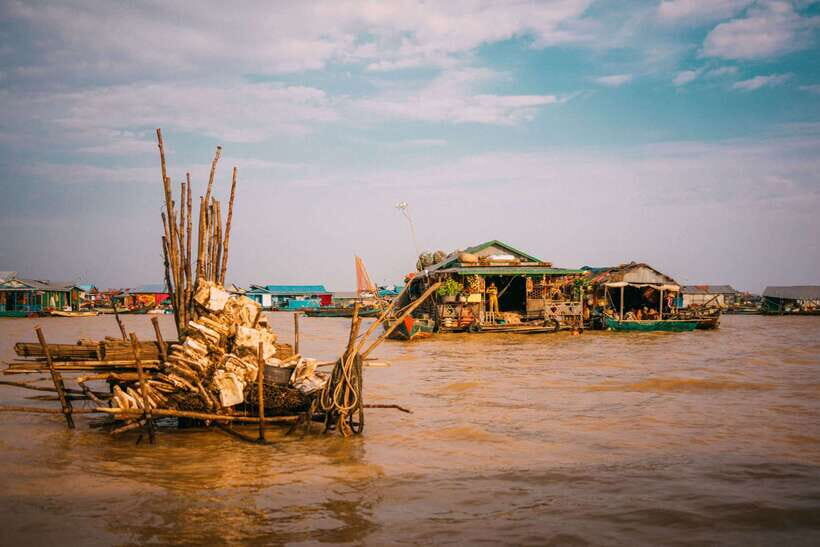
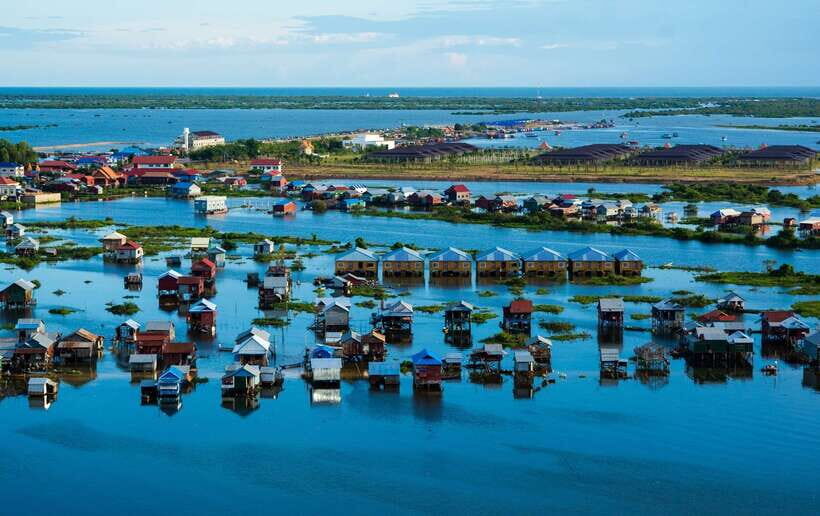
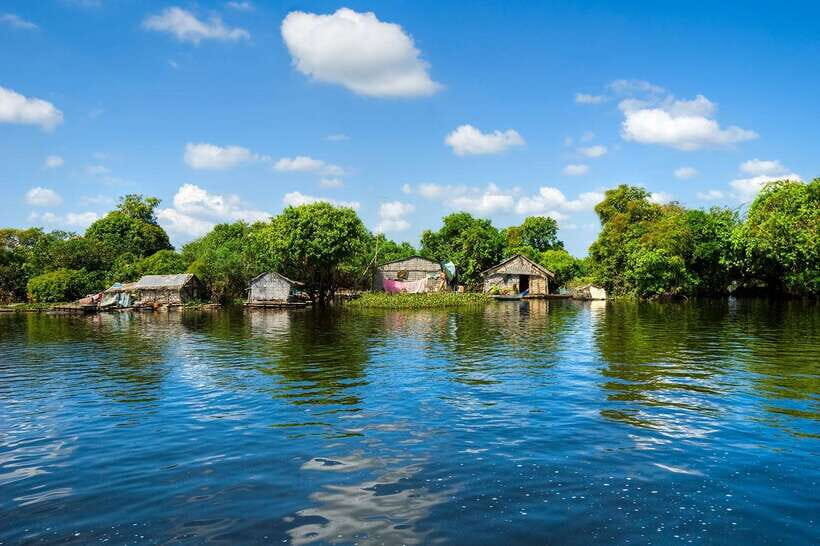
Once you arrive at the port area, boats are waiting to take you into a very different world. You’ll continue by cruise through canals and waterways on the route to the floating village life on Tonle Sap.
This is where the tour earns its value. The floating villages aren’t just a single photo stop. You’re moving through the area, watching how people go about daily life—working, traveling, and living in close relationship with water levels and weather.
You’ll also briefly enter the edge of the Great Lake before docking. That small wording shift matters: it signals that the boat ride is not only about narrow canals. You get at least a taste of the wider scale of Tonle Sap, which helps you understand why so many families rely on the lake for livelihoods.
And because your group is limited to 11 people, you’re not fighting your way to the best side of the boat or shouting over ten other voices. In practice, that means you can hear explanations and look around without feeling crushed by the logistics.
Crocodile and fish farm stop: interesting trades, real trade-offs
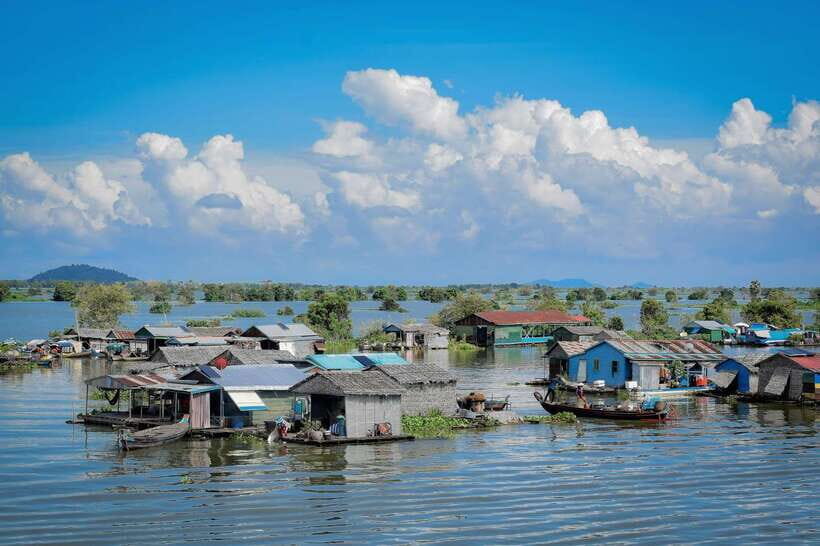
The tour includes a stop at a crocodile and fish farm on the lake, depending on current water levels. This part can be a bit polarizing, and it’s worth approaching with eyes open.
On the positive side, it’s tied directly to local trades. The point isn’t to make crocodiles cute. You’re learning how people use the lake’s ecosystem in ways that support work and income. If you’re curious about how livelihoods shift from land-based farming to lake-based life, this farm stop fits the theme.
On the practical side, water levels can change what’s accessible. If the lake is high or low, the crocodile/fish portion may look different or happen under slightly different conditions. The good news is you’re not locked out of the experience. The tour description also notes a souvenir shop and a viewing deck on board for times when catfish and crocodiles aren’t your main interest.
My advice: treat this stop as a snapshot of a working industry rather than a moral referendum. If animal welfare is your top concern, you’ll want to think about it before booking. You can still enjoy the village cruise and lunch without needing to focus your attention on every holding detail.


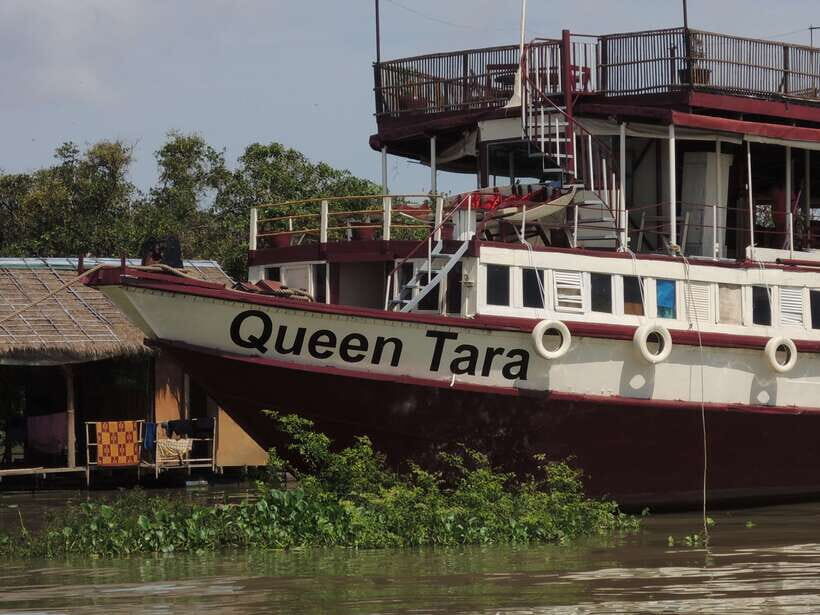
Lunch on Queen Tara: the best part for staying relaxed
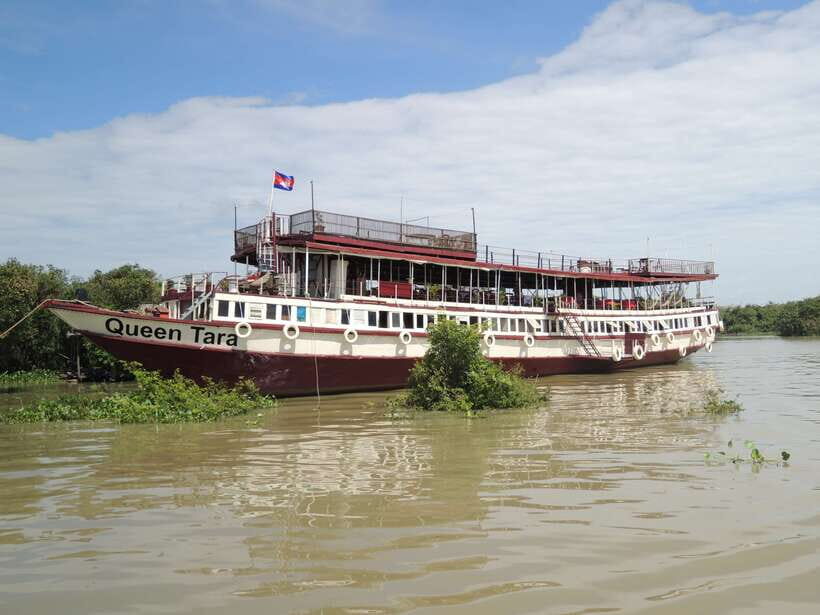
After the cruising and the farm stop, you’ll dock at Queen Tara, described as the biggest boat on the lake and located in the heart of the floating village. This is the tour’s “exhale” moment.
Lunch is served on board with a meal plus 2 free drinks. The style is Khmer boat-lunch: you sit down, eat, and take a short break from the bright heat and the constant movement of sightseeing. Some people specifically note that lunch menus let you choose from dishes, so you’re not stuck with one option if you’re picky.
The boat itself is a highlight. You’ll learn about the Tara Riverboat, described as carrying cargo as far back as the 1920s, moving through Vietnam, the Mekong River route, and into Cambodia. The tour also describes stopping on a vessel that’s about 100 years old and used to be an ex cargo boat. Even if you don’t care about ship history, it adds atmosphere. This is not a generic floating platform. It feels like the region’s past working route turned into a place to eat.
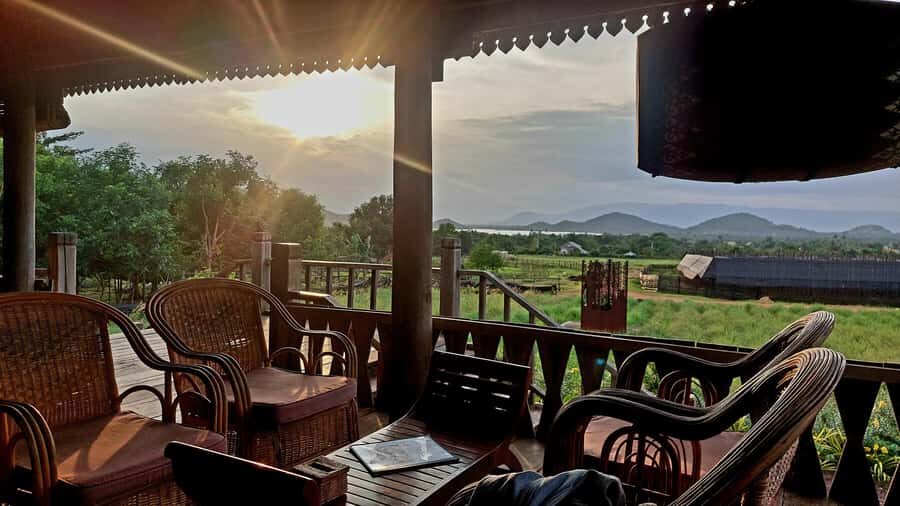
After lunch, you can take a seat on the viewing deck and watch the water life go by. This part is more than waiting around. Watching from the deck helps you make sense of what you saw earlier: the movement of small boats, routines tied to the lake, and the way homes sit right at the edge of land and water.
The value of a guide in a four-hour tour
In a short tour, your guide is the difference between a nice boat ride and a meaningful one. This tour runs with an English-speaking guide, and the guide support includes Khmer as well. That bilingual background can help with explanations that are more than translation.
The tour has a clear “learn while you move” structure. As you travel to the port near Phnom Krom, you get lotus and rice context. Once you’re on the water, you get explanations about the floating village life and the lake system. And during the meal stop, you’re given time to absorb what you’ve just seen.
The reviews associated with guides like Mr. Friday, Mr. Mony, Pon, and Supak paint a consistent picture: guests come away feeling they understood Cambodian lake life better, not just checked a box. Even if your guide isn’t one of those names, the best result comes from choosing a tour where the guide actually talks through the sights.
One more small practical win: this is a small group (limited to 11 participants). That size makes the difference when you’re on a boat. You can hear the guide. You can move to the side for photos without it turning into a crowded free-for-all.
Price and logistics: is $55 fair for what you get?
For a half-day tour, $55 per person sounds reasonable if you look at what’s included, not just the label. You’re paying for a guided boat cruise on Tonle Sap, access to the floating village area, and a tour that also includes lotus farm time and the crocodile/fish farm stop (when water levels allow it).
On top of that, the price covers pickup and drop-off from your hotel or guesthouse in Siem Reap, transfers to the port near Phnom Krom, and checkpoint fees. Lunch on Queen Tara with 2 included drinks is also built in.
When I judge value, I look for two things: does the time feel packed, and do the inclusions remove headaches. Here, you avoid sorting tickets or transportation yourself. You also get an actual meal, not just a snack. For most visitors, that matters more than squeezing in one extra photo stop.
If you’re the kind of traveler who prefers to DIY boats and hire a driver later, you might be able to negotiate a cheaper approach. But if you want a clean, guided experience that condenses a lot of lake culture into four hours, this price makes sense.
Best for whom (and when you should skip it)
I’d recommend this tour if you want:
- A boat-based look at Cambodian life beyond Siem Reap’s temple circuit
- A guided explanation of Tonle Sap’s seasonal water flow and what that means for families
- Lunch included, so you’re not scrambling during the hottest part of the day
- A small group format that keeps things calm
This tour may not be your best match if:
- You’re strongly opposed to crocodile-related attractions in general. The stop is part of the experience, and it depends on water levels but remains included.
- You only want “nature sightseeing” without any farm or trade element. There is a crocodile/fish farm stop, and you should expect that focus.
Timing tip that keeps your comfort high: many visitors prefer going earlier in the day before the heat gets intense. Even when the schedule is set, you can still choose the morning start if it’s offered.
Should you book this Floating Village Half-Day Tour?
Yes, I’d book it if you want a short, guided Tonle Sap experience with real cultural context and an easy lunch on Queen Tara. It’s one of those rare half-days that feels like more than an outing—it helps you understand why the floating villages exist at all, thanks to the backwards-flow explanation and the way your guide ties it to everyday life on the water.
Before you book, double-check your comfort with the crocodile/fish farm stop and plan for seasonal variation. The lake is the boss here. If water levels shift, the experience shifts too, but the core structure—boat cruise, floating village, lotus context, and lunch—stays the same.
If you go in ready to learn and relax, this is a great use of time in Siem Reap.
FAQ
How long is the Siem Reap floating village half-day tour?
The tour lasts about 4 hours.
What does the tour include for lunch and drinks?
You’ll have a meal with 2 free drinks served on the Queen Tara.
Do you pick up and drop off from hotels in Siem Reap?
Yes. The tour includes pick-up and drop-off at your hotel or guesthouse in Siem Reap.
Does the tour depend on season or water levels?
Yes. The tour depends on the water levels of Tonle Sap, so what you see can vary.
What languages will the guide speak?
The guide provides live guiding in English and Khmer.
Is there a vegetarian option?
Yes. A vegetarian option is available if you advise at booking.
Are there child age rules for this tour?
Children aged 10 and under pay half price. Children younger than 5 can join for free, but children must be accompanied by an adult, and unaccompanied minors aren’t allowed.