REVIEW · SIEM REAP
Siem Reap: Bike the Angkor Temples – Full-Day 30km Tour
Book on Viator →Operated by Discova Southeast Asia · Bookable on Viator
Angkor by bike feels like cheating. You trade buses and crowds for back-roads riding and temple time at a human pace. It’s also a great on-ramp for first-timers who want outdoor time without getting lost in a huge park.
Two things I really like: the chance to see Angkor from the road less traveled, and the way guides bring it to life. On past departures, guides like Wich, Moon, Mun, Chen, and Pat have been praised for clear temple stories and keeping everyone moving and safe.
The main drawback to plan for is physical effort. Even with mostly flat roads, you’re looking at about 25–30 km (15–18 miles) over a full day, and some dirt sections are not great for brand-new riders—especially in heat.
In This Review
- Key highlights before you go
- Why biking Angkor Wat works better than buses
- Getting started at ផ្ទះគ្រូ Café and the 7:30 AM rhythm
- Angkor Wat first: morning light and your best attention span
- Angkor Thom by bike: Bayon faces plus the terraces
- Srah Srang: the lunch stop that also makes the ride feel real
- Ta Prohm in the afternoon: roots, shade, and slower looking
- The ride itself: distance, surfaces, and what “mostly flat” really means
- Temple dress rules you can’t skip
- Food, water, and the small comfort stops that save the day
- Cost breakdown: the $35 ride and the Angkor Pass reality check
- Guides and safety: what “small group” means on the road
- Who should book this, and who might not
- Should you book this Angkor bike tour?
- FAQ
- What temples does this tour include?
- How long is the bike ride day?
- About how far will I cycle?
- Where do we meet, and where do we end?
- Is the Angkor Pass included in the price?
- Is lunch included?
- What’s the group size?
- What should I wear for temple entry?
Key highlights before you go
- Back-road routing through villages: fewer main-road moments, more “how people actually live” scenery.
- Small groups up to 10: you get attention during safety stops and temple explanations.
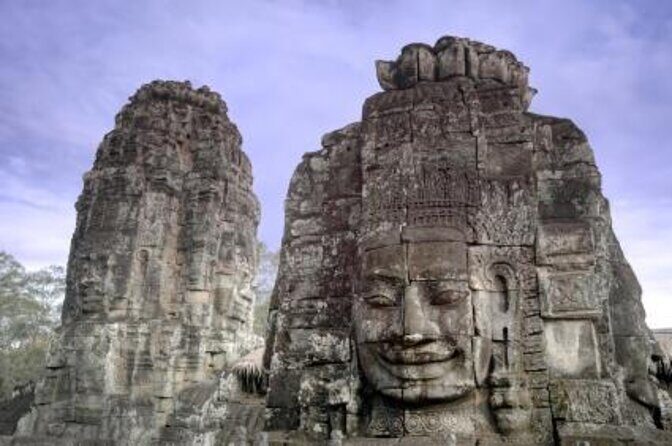
- Real temple hits, not just quick photos: Angkor Wat, Bayon, and Ta Prohm plus Angkor Thom highlights.
- Bikes, helmets, snacks, and water included: you’re not scrambling for basics before the day gets hot.
- Lunch option built into the middle of the ride: plan for a proper Khmer meal rather than a snack-only day.
Why biking Angkor Wat works better than buses
Angkor is big. The Angkor Archaeological Park covers an area about half the size of New York City, so you need transport to make it practical. Cycling gives you that transport, but with more control over when you stop and what you notice.
I also like that you’re not boxed in by a schedule that forces you through everything at once. You can pause for photos, take in carvings slowly, and step away from the busiest crowd channels when your guide chooses the timing.
Most importantly, riding changes how the temples feel. Getting to Angkor Wat, Angkor Thom, and Ta Prohm via surrounding roads and paths adds context: this isn’t just “stones in a field.” It’s part of a living region.
You can also read our reviews of more cycling tours in Siem Reap
Getting started at ផ្ទះគ្រូ Café and the 7:30 AM rhythm
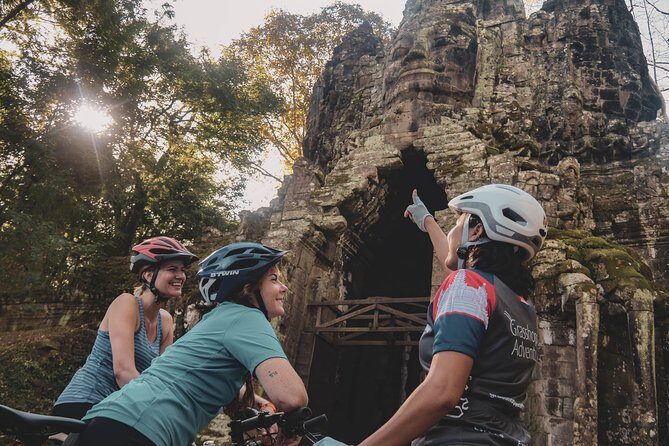
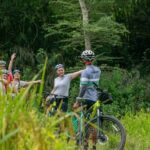
Your day starts at ផ្ទះគ្រូ Café in Siem Reap. The start time is 7:30 am, and you’ll pedal until you’re back at the same meeting point in the mid-to-late afternoon.
The setup is straightforward. You meet your guide, get a safety briefing, and get fitted with a quality mountain bike and a helmet. Past riders also noted the process feels organized—bikes are set out and named, and you don’t waste time hunting for the right gear.
You should also expect an early start because the heat matters. In several reviews, temperatures were very warm, and the ride is long enough that morning usually feels easier on your body.
Angkor Wat first: morning light and your best attention span
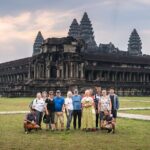
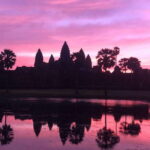
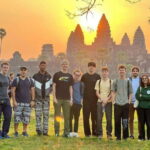
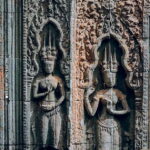
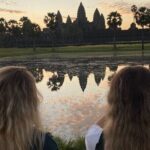
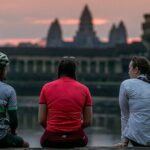
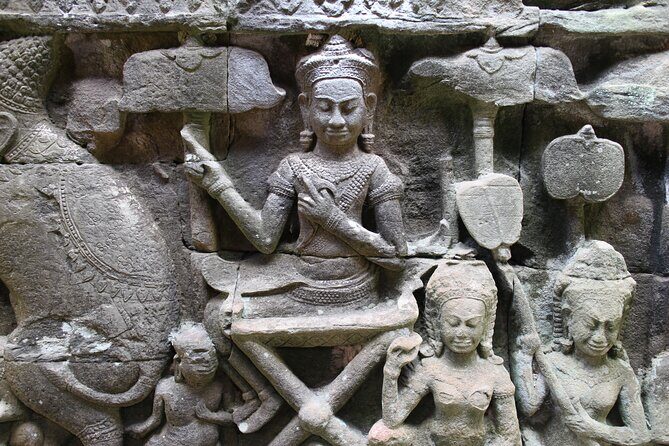
Angkor Wat is the headline—and it’s scheduled first. This famous 12th-century complex has multiple levels, galleries, and bas-reliefs tied to the Ramayana epic. Visiting early helps because you’re more likely to have energy for the details before the day gets steamy.
By bike, you also get a different arrival vibe. You ride in, park the bike, and then switch gears to walking and exploring. That transition is part of the appeal: cycling gets you there, but the temple gets your full attention once you’re inside.
A practical note: the day is built for stops and exploration rather than speed-running. You’ll have enough time to wander, look closely at carvings, and ask questions while your guide keeps the story clear.
Angkor Thom by bike: Bayon faces plus the terraces
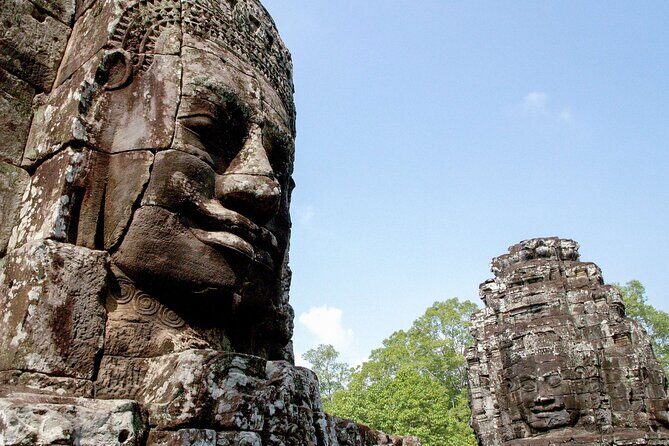
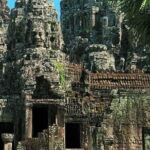
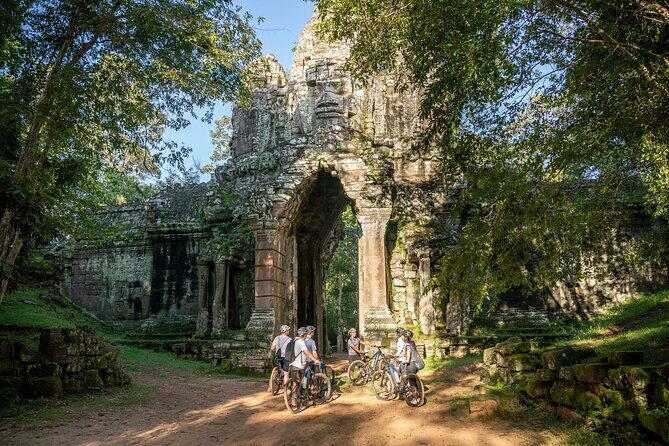
After Angkor Wat, the route moves toward the heart of Angkor Thom. You’ll cycle along a mix of main roads and smaller connections, then reach Bayon—famous for its smiling bodhisattva faces.
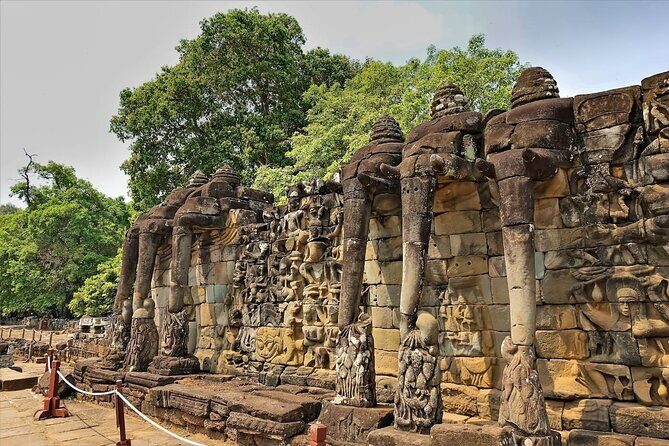
This is where the tour becomes more than “three big temples.” The Angkor Thom area includes key structures such as the Terrace of the Leper King, the Terrace of the Elephant, and the Royal Enclosure. Your guide helps connect what you’re seeing to the meaning and symbolism, and you’re not just snapping pictures from one angle.
Then comes a longer break. The tour places lunch around the middle of the day—linked with the Elephant Terrace area—and the later stop at Srah Srang also includes a scheduled meal and snacks (depending on the lunch option you choose). Translation: plan your day around that midday reset.
Srah Srang: the lunch stop that also makes the ride feel real
Srah Srang is where you get a breather and refuel. The tour description calls it a stop where you enjoy a delicious lunch and snacks, and your guide shares culture and history of the area.
This matters because it turns the day from a temple checklist into a day of travel. You’re cycling through the edges of the Angkor zone and then stopping at a specific place where daily life and history sit side by side.
If you pick the “with lunch” option, you’ll get the Khmer meal arranged in advance. Either way, you should treat the lunch break as part of the plan, not an afterthought—because the afternoon includes more riding plus Ta Prohm.
A few more Siem Reap tours and experiences worth a look
Ta Prohm in the afternoon: roots, shade, and slower looking
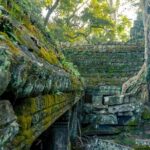
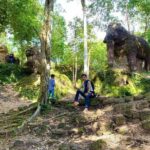
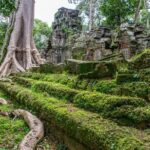
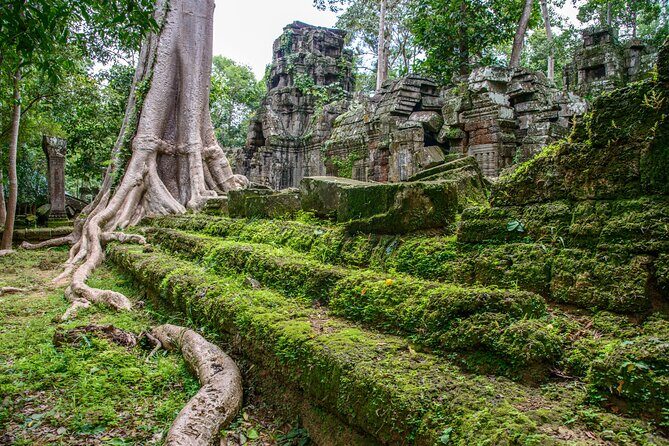
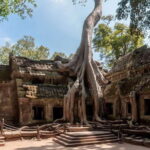
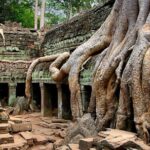
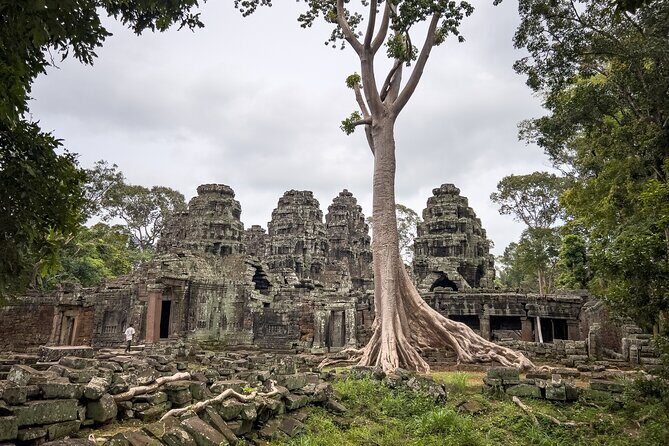
Ta Prohm is the other big visual reason to do this tour. It’s known for tall trees, moss-covered stones, and the sweeping sense of ruins being reclaimed by nature.
Arriving in the afternoon changes the feel. The light and shade can be different, and your body is already warmed up from the earlier temples and the ride between them. That can make the walking feel more “hands-on” and less rushed.
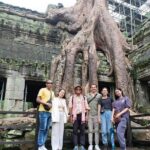
Your guide shares history and symbolism while you explore, and the pacing is designed around multiple short stops. You’ll have time for photos, but you’re also encouraged to look at how the tree roots interact with the structure. That’s where Ta Prohm gets unforgettable.
The ride itself: distance, surfaces, and what “mostly flat” really means
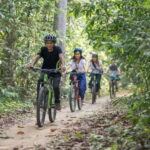
You’ll cover about 25–30 km (15–18 miles) over roughly 8 hours 30 minutes. The tour says it’s mostly flat roads and small paths, but it also warns that some dirt trails are not suitable for beginning riders.
Here’s how I’d interpret that if you’re deciding whether to go:
- If you can ride steadily for an hour or two and handle occasional bumpy ground, you’ll likely be fine.
- If you’re new to cycling or nervous about loose sand or uneven dirt, you might find parts uncomfortable.
Several reviews mention bumpy or sandy sections between areas. One rider even suggested you may feel tired afterward and that knees could complain if you’re not used to the terrain. The good news: mountain bike shocks help, and the guides keep the pace in the safe zone, not a race.
Temple dress rules you can’t skip
Angkor temples are strict about clothing. Sleeveless shirts and see-through shirts are not allowed. Pants and shorts must be at least knee-length for temple entry.
This is not just for compliance—it’s also for comfort. Knee-length bottoms help with sun and minor scrapes from biking and walking on uneven ground. Pack accordingly so you’re not stuck bargaining with fabric at the last second.
Food, water, and the small comfort stops that save the day
This tour includes bottled water, snacks, and fruit during the ride. Past riders consistently praised the lunch as tasty and filling, and they also liked that hydration stays part of the plan instead of you improvising around town.
One nice touch from reviews: at the end of the tour, riders were served a refreshing cold coconut drink and even received a cold towel. It’s a small thing, but it turns the finish from “we’re done” into “I’m actually okay after a hot day.”
So yes, it’s an active day. But the support system is built in.
Cost breakdown: the $35 ride and the Angkor Pass reality check
The price is $35.00 per person. That covers the bike and helmet, an English-speaking cycling guide, and snacks/water (and lunch if you choose the lunch option).
Temple access is the extra piece. The tour data lists entrance fees to the Angkor temple complex at USD $37 for single day entry and says your guide helps you purchase the Angkor Pass at the park entrance.
So budget-wise, think of it like this: you’re paying for the ride and guidance plus you pay for the day pass for temple entry. For the price of a guide plus bike plus food, it’s often strong value—especially if you care about getting off main roads instead of just doing a standard driver-and-wait day.
Guides and safety: what “small group” means on the road
With a maximum of 10 travelers, this doesn’t feel like a factory tour. You’re more likely to be kept together, and the guide can slow down or regroup without losing the whole day.
Safety gets real attention. Some reviews specifically mention a lead guide and another staff member working the edges of the group, plus use of hand signals and a pace geared toward safety rather than speed.
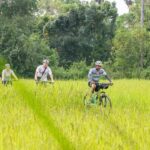
Also, the route is planned to minimize constant heavy road time. You still ride through public roads at points, but the aim is a mix of asphalt and forested or back-road segments. That’s exactly why biking feels different here.
Who should book this, and who might not
This bike tour is ideal if you:
- Want a first-timer-friendly intro to Angkor that still feels adventurous
- Enjoy outdoor activity and can comfortably ride for hours
- Like history stories while you move, not only while you stand still
- Prefer small-group pacing with a guide guiding where to look
It’s also a good fit if you’re traveling solo or as a couple, since you get group energy without losing the chance to ask questions. Reviews included people in their 50s and families with kids around the pre-teen/teen range, which suggests the tour can work across a range of ages—assuming everyone can handle the ride.
You might choose something easier if you:
- Are a brand-new cyclist and not confident on uneven ground
- Have knee or mobility issues that make long riding uncomfortable
- Are traveling with clothing constraints that you can’t meet (the knee-length rule matters)
Should you book this Angkor bike tour?
I’d book it if your priority is movement with meaning: you want to see Angkor Wat, Bayon, and Ta Prohm and also experience the road and village connections around them. The combination of mountain bikes, guide storytelling, snacks and water, and a lunch stop makes it a well-built “full-day plan” rather than a rushed hop-on ride.
Skip it if you’re hoping for an easy, seated tour. Some dirt sections can be bumpy, and the day is long in hot weather. Bring a real hat-and-sunscreen mindset, wear the right pants or shorts, and you’ll be set.
If you want a fast checklist, you’ll probably find better options. If you want a day that feels like Siem Reap and Angkor together—while still hitting the major temples—this one is a strong choice.
FAQ
What temples does this tour include?
You’ll visit Angkor Wat, Bayon, and Ta Prohm, plus you’ll cycle through the Angkor Thom area. The route also includes nearby sites such as the Terrace of the Leper King, the Terrace of the Elephant, and the Royal Enclosure.
How long is the bike ride day?
The experience runs about 8 hours 30 minutes and ends back at the meeting point.
About how far will I cycle?
You should expect to cover roughly 25–30 km (15–18 miles), mostly flat roads and small paths, with some dirt trails that may be challenging for beginners.
Where do we meet, and where do we end?
You meet at ផ្ទះគ្រូ Café in Siem Reap and the tour ends back at the same place.
Is the Angkor Pass included in the price?
The tour price does not include the Angkor temple complex entrance fee. Your guide helps you purchase the Angkor Pass at the park entrance, which is listed as USD $37 for a single day.
Is lunch included?
Lunch is included if you choose the with lunch option. The tour also includes snacks, fruit, and bottled water.
What’s the group size?
The tour has a maximum of 10 travelers. You can also choose a private option as an upgrade.
What should I wear for temple entry?
You’ll need to follow the temple dress rules: no sleeveless or see-through shirts, and shorts or pants must be at least knee-length to be permitted inside the temples.