REVIEW · SIEM REAP
Siem Reap: Guided Countryside Bike Tour
Book on GetYourGuide →Operated by Siem Reaper Travel · Bookable on GetYourGuide
If you only see Angkor, you miss half the country. This guided bike tour takes you off the main roads into farmland, village lanes, and small stops that show how people live day to day. It’s a simple idea: pedal a bit, pause often, and learn what you’d normally pass by at a distance.
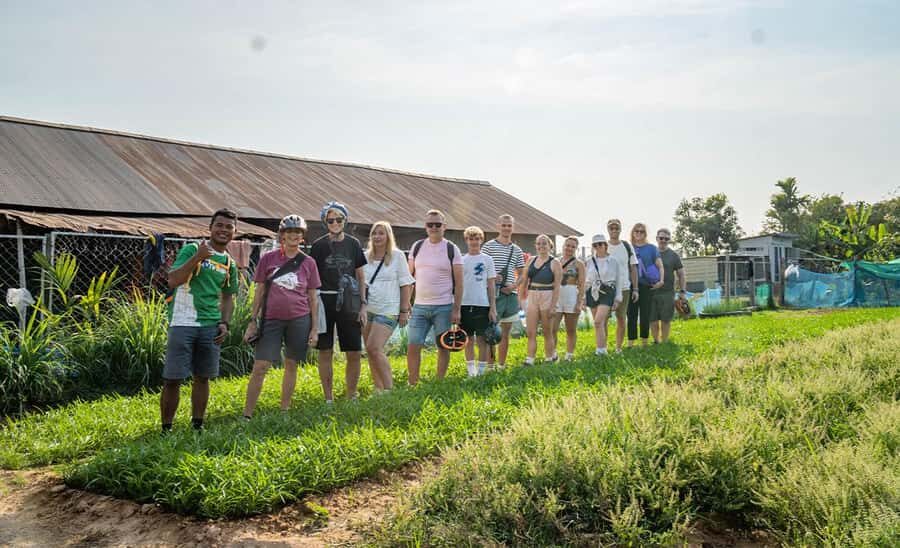
I especially like the small-group vibe (limited to 12) and how smoothly it runs: hotel pickup, helmets on, clear safety rules, and a guide who keeps the group together. I also really appreciate the quality ride setup—Trek bikes are mentioned as high quality in multiple experiences, so you’re not fighting your bicycle the whole time.
One consideration: it’s not for riders who can’t confidently handle a bike, and the route includes unpaved tracks (usually manageable, but you should expect a few rougher patches and keep your comfort in mind).
In This Review
- Key Highlights You’ll Notice Fast
- Siem Reap Countryside by Bike: Why This Morning Ride Feels Different
- Meeting Up, Getting Fitted, and Riding the Back Roads Safely
- The Route: From Rice Fields and Farms to Village Lanes
- Market Time: Snacks, Fruits, and How Daily Trade Works
- Mushroom Farms and the Hidden Side of Cambodian Agriculture
- Rice Wine Distillery Visit: Turning a Drink into a Process
- Temples and Lotus Farms: Calm Culture Stops Between Rides
- What’s Included (and What You’ll Need to Handle Yourself)
- How Hard Is This Ride, Really?
- Price and Value: Is $35 Worth It?
- Who Should Book This (and Who Should Skip It)
- My Decision Guide: Should You Book This Siem Reap Bike Tour?
- FAQ
- How long is the Siem Reap guided countryside bike tour?
- What’s included in the price?
- Is lunch included?
- Do I need to know how to ride a bike?
- What should I bring with me?
- Who isn’t this tour suitable for?
Key Highlights You’ll Notice Fast
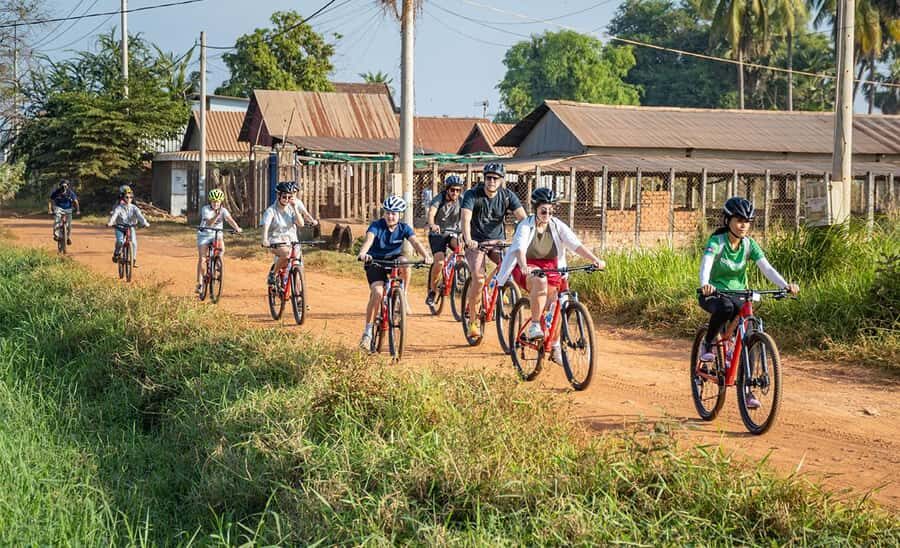
- Back-road cycling beyond the temple area, with views of rural work and daily routines
- Stops that mix agriculture and culture: rice fields, markets, mushroom farms, and lotus farms
- Rice wine distillery visit that turns a quick drink into a real local process
- Village snacks and fruits, with a “try it and move on” pace instead of a sales pitch
- Guides such as Ron, Vandy, Kanika, and Jay are praised for clear explanations and patient riding
Siem Reap Countryside by Bike: Why This Morning Ride Feels Different
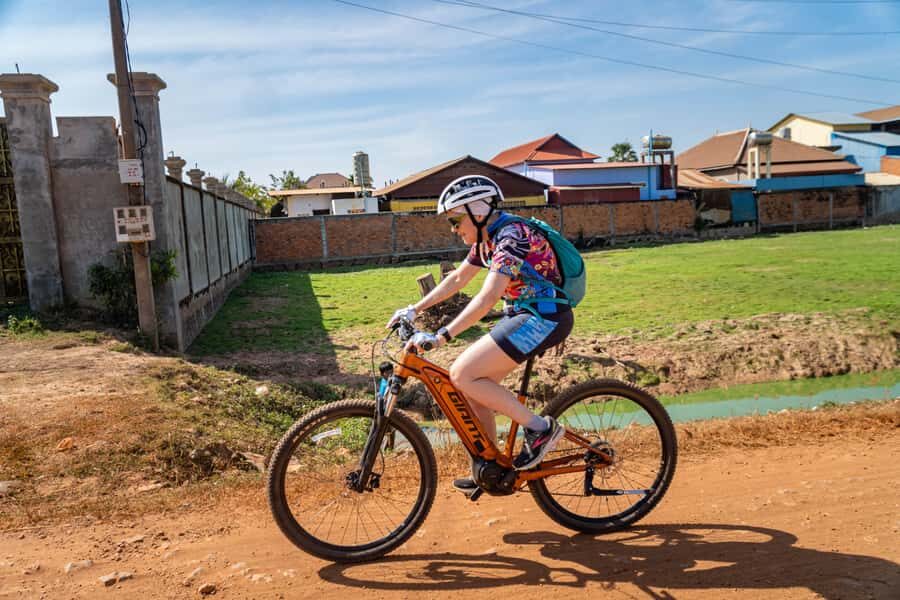
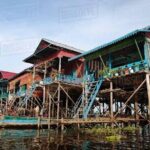
Siem Reap is built for temples, sure. But the countryside around it is where you understand the rhythm of Cambodia—how land shapes jobs, how families plan around seasons, and how food starts long before it lands on a plate. This tour gives you that perspective without asking you to sit in a car all morning.
The bike format matters. When you cycle, you travel at human speed. You notice details: water channels, hand-built paths, how people move goods, and how conversations happen at village stops. It’s not just scenery. It feels like you’re passing through the real working part of the region.
And because it’s morning-focused, you’re usually getting cooler air and a calmer pace before the hottest hours. You’ll still want sunscreen, but the timing helps.
You can also read our reviews of more cycling tours in Siem Reap
Meeting Up, Getting Fitted, and Riding the Back Roads Safely
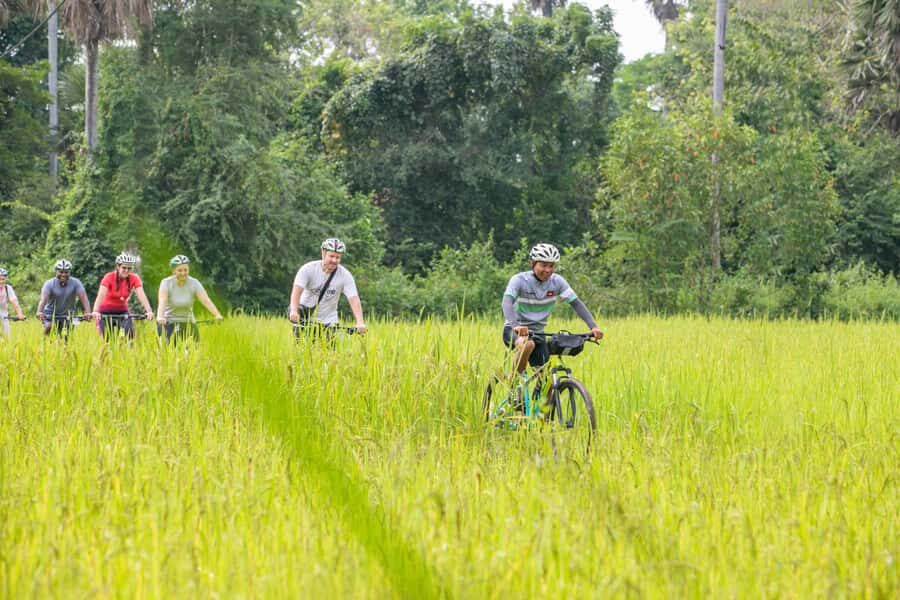
Your day starts with hotel pickup and drop-off, so you don’t waste time figuring out transport. Plan to be ready in the hotel lobby about 15 minutes early. Then you’ll meet your guide, get fitted with a bicycle and helmet, and go over safety rules before you head out.
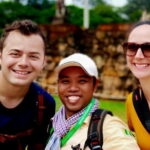
This is where the guide quality shows. Many experiences highlight guides who manage junctions well and keep the group safe while still letting you enjoy the ride. If you meet guides like Ron or Vandy, the common thread is calm confidence and clear explanations, plus frequent check-ins so you don’t feel rushed.
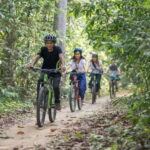
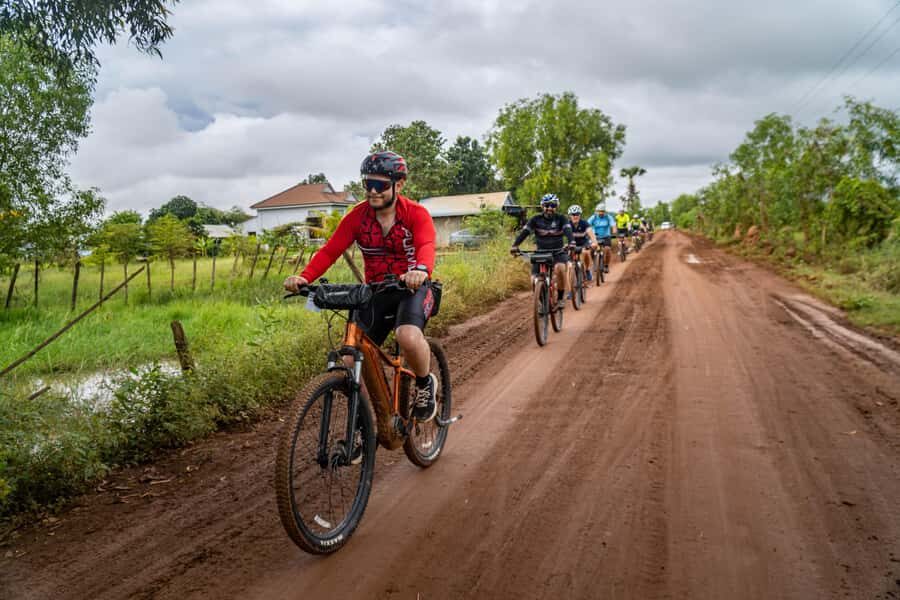
The route is designed to avoid heavy traffic. In plain terms: you’ll be riding where locals ride and where the countryside connects to town. Still, expect some unpaved sections. They’re part of the charm, but they also mean you’ll feel bumps in the road now and then.
The Route: From Rice Fields and Farms to Village Lanes
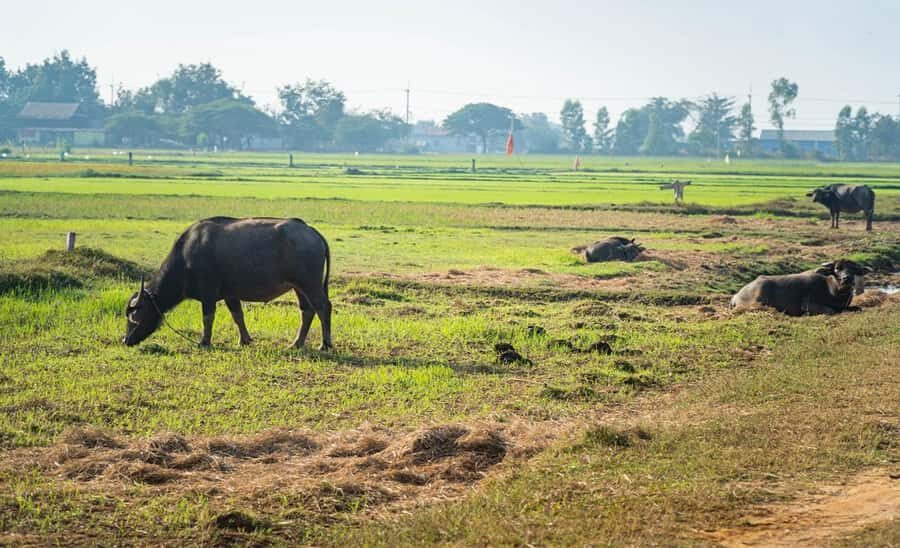
The ride is structured around a sequence of rural stops: you cycle out from Siem Reap toward farmland and village areas, then break up the journey with visits. Over the full tour (about 5 hours), you’ll move through a mix of agriculture and community spaces—rice fields, mushroom farms, markets, Buddhist temples, and lotus farms.
The cycling distance is not presented as a “suffer through it” mission. Multiple experiences describe the ride as mostly flat, with a total distance around 18–19 km for the full loop. The big factor is not hills. It’s staying comfortable on roads that range from paved to compact dirt.
A quick way to think about it: you’re not doing a mountain-bike endurance test. You’re doing a guided rural walk… that happens to use pedals.
You’ll also get small breaks at stops along the way. That matters in the Cambodian heat, and it keeps the tour from feeling like a long ride with random photo pauses. If you like a steady pace—ride, stop, learn, snack, repeat—this fits.
Market Time: Snacks, Fruits, and How Daily Trade Works
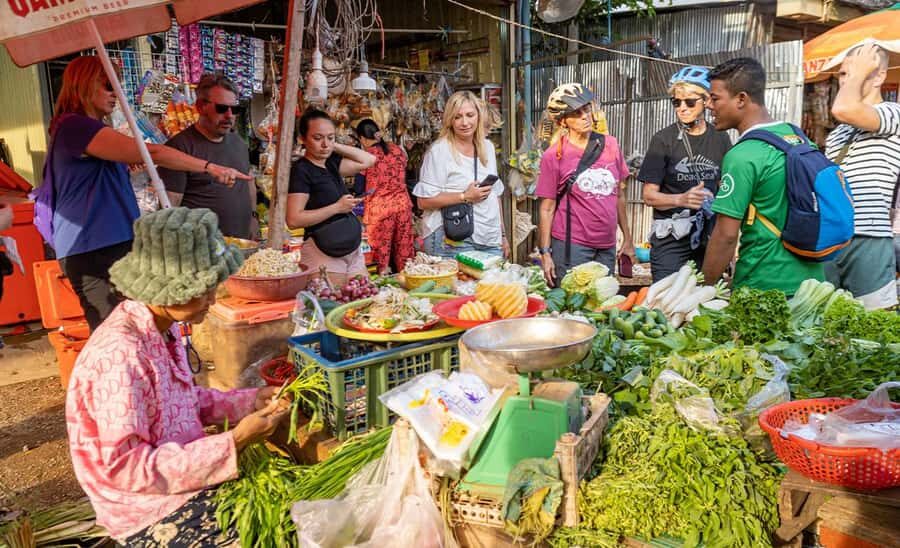
One of my favorite parts of this kind of tour is the market stop. It’s where you see what’s available, what people buy, and what’s seasonal. On this route, you’ll visit an outdoor market as part of the countryside loop, and that stop comes with chances to browse village handicrafts and try local snacks and fruits.
The value here isn’t just taste. It’s context. You learn that food and products aren’t pulled from a supermarket shelf. They come from nearby farms and local supply chains. Even if you don’t buy anything, you’ll understand the “where it comes from” story fast.
You’ll also get a feel for how villagers handle errands and sales at a human scale—short conversations, quick bargaining, and goods that look fresh because they usually are.
One bonus: several experiences mention these stops feeling authentic, with little pressure to purchase. That’s a big deal. It keeps the tour from turning into a hurry-up shopping detour.
Mushroom Farms and the Hidden Side of Cambodian Agriculture
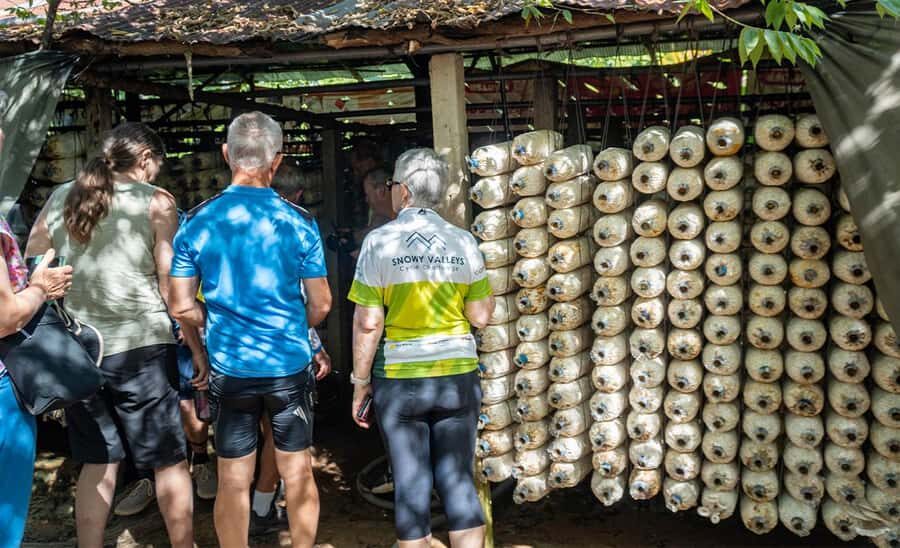
A mushroom farm stop is included, and honestly, it’s a great “wait, really?” moment. Many visitors focus on rice and temples. Mushroom growing shows a different lane of farm life—how rural families diversify what they produce.
This stop adds variety to the agricultural story. Rice fields explain one kind of farming. Mushroom cultivation shows another: controlled growth, careful handling, and a process that’s less obvious from street-level sightseeing.
You’re not just walking through a production area for photos. You’re getting guided context so you can connect what you see to how people earn a living.
If you like practical learning—how a place works, what people do, why they do it—this is the kind of stop you’ll remember later.
You can also read our reviews of more guided tours in Siem Reap
Rice Wine Distillery Visit: Turning a Drink into a Process
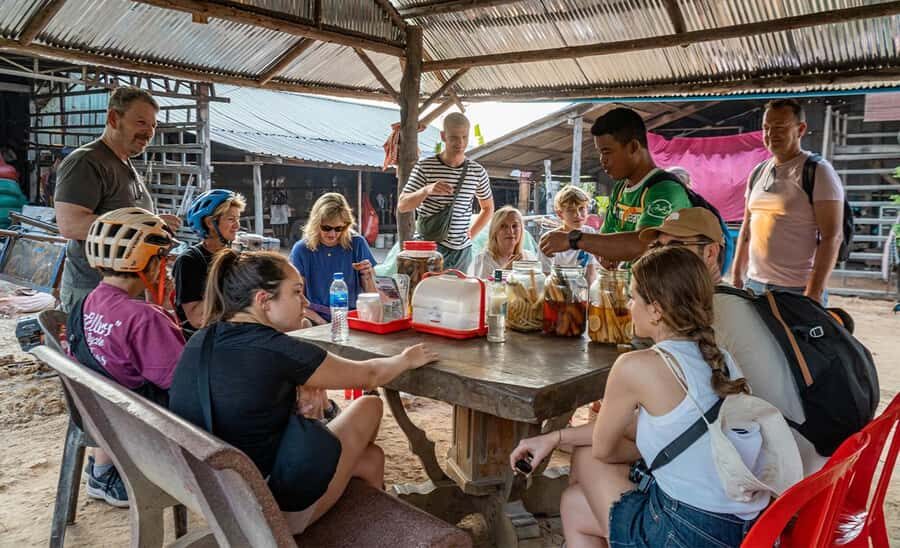
Then you’ll head to a rice wine distillery. That sounds like a quick detour, but it’s actually a cultural snapshot. Rice wine in Cambodia isn’t just a bottle on a shelf; it’s part of local food traditions and household economies.
This stop is valuable because it gives you something tangible to ask about. You can look at production steps, ask why certain stages matter, and understand why the countryside is essential to making regional food and drink.
Even better: you’ll likely get small tastings or at least experience the process in a way that feels respectful. Multiple experiences highlight that stops like this come across as visits rather than sales pitches, and that creates a better atmosphere for learning.
Temples and Lotus Farms: Calm Culture Stops Between Rides
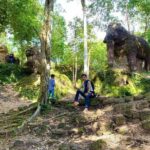
The tour includes Buddhist temple visits. These aren’t just “see the building” moments. They fit the theme of village life—spiritual spaces integrated into everyday community rhythms.
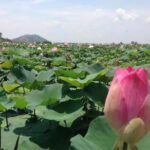
Then there’s the lotus farm area. Lotus farms are a classic countryside image in the region, but the tour frames it as part of local agriculture, not a themed backdrop. You’ll get time to look around and absorb the quiet of the area from a slower pace than a car tour can offer.
In some routes, the light at the lotus farm can be especially pretty, so bring your camera. You’re not guaranteed a specific time of day, but the countryside is usually photogenic enough that you’ll want at least a few photos.
What’s Included (and What You’ll Need to Handle Yourself)
Included in the tour price:
- Hotel pickup and drop-off
- A live English guide
- Bicycle and helmet
- Bottled water
- Village donation
- Snacks and fruits
Not included:
- Lunch
That means you should plan for a post-tour meal. Since you’ll get snacks and fruit along the way, you’ll probably feel fine during the ride, but you’ll still want proper food after you’re back in Siem Reap.
Also, bring cash. Why? You may want to purchase a small craft or snack beyond what’s already included, and the tour encourages browsing village items.
How Hard Is This Ride, Really?
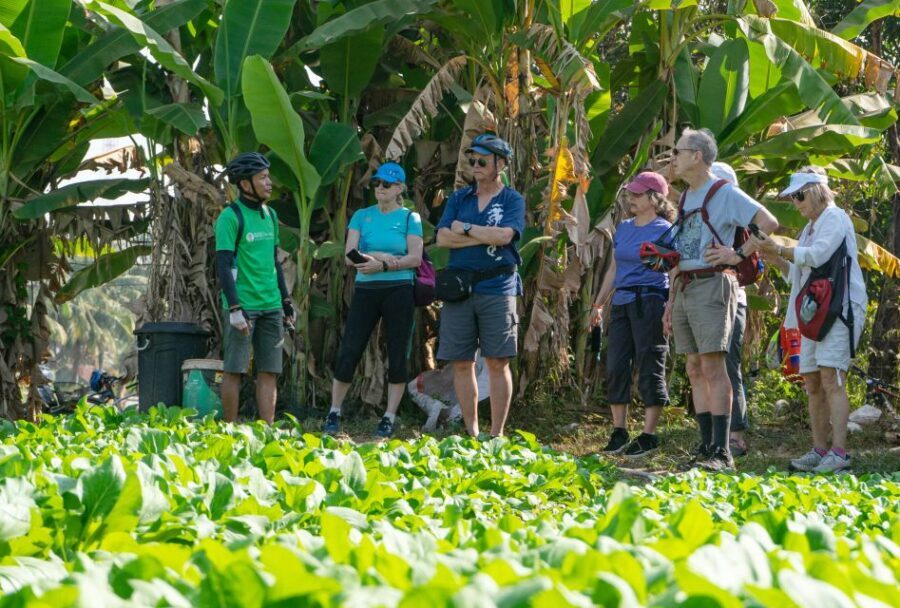
If you can ride a bike comfortably, this tour is a good match. It’s described as mostly flat, and the pacing includes frequent stops. Still, the tour goes beyond smooth pavement into unpaved paths. That’s where comfort planning matters.
What I’d do before you go:
- Wear closed-toe shoes (they help on bumpy, dusty ground)
- Put on cycling clothing or at least something you can pedal in
- Bring sunglasses and sunscreen
- Don’t ignore the helmet fit; it should feel stable, not wobbly
One small note from real-world comfort: a few experiences mention saddle soreness toward the end. If you get that easily, consider wearing padded cycling shorts and taking care of your form. The ride isn’t long, but comfort is still worth protecting.
Price and Value: Is $35 Worth It?
At $35 per person for about 5 hours, this is one of the more practical ways to get outside the Siem Reap center without paying for a private driver for the whole morning. You’re essentially paying for four things: bike and safety equipment, guide time, transport coordination (pickup/drop-off), and curated rural access to markets and farms.
Where it feels like value is in the mix. You get several different types of stops—market, mushroom farm, distillery, temples, lotus areas—rather than one long ride with a couple quick photos. Add in included bottled water plus snacks and fruit, and your out-of-pocket spending stays fairly controlled.
Also, the small-group limit helps. With up to 12 participants, it’s easier to keep things organized and for your guide to manage the road sections.
If you want a countryside experience that’s active, local, and structured, the price makes sense.
Who Should Book This (and Who Should Skip It)
This tour is a strong fit if you:
- want a countryside experience beyond temples
- like bikes and prefer small-group guidance
- enjoy learning how people farm, trade, and live
- want snacks and fruit included while you’re out exploring
It’s not suitable for people who:
- can’t ride a bike
- are pregnant women
- have high blood pressure
If you’re on the fence because you’re worried about heat, the morning timing helps. Still, it’s Cambodia, so hydrate and use sunscreen like you mean it.
My Decision Guide: Should You Book This Siem Reap Bike Tour?
Yes, you should book this if you want a morning that feels like it belongs in Cambodia, not just in a postcard itinerary. The stops make sense together—agriculture, markets, temples, and lotus farms—so you leave with a clearer picture of rural life.
Book it especially if you care about guided context. A good English-speaking guide can turn a quick stop into real understanding, and many guides associated with this tour are known for being attentive and organized on the ride.
Skip it if you don’t like riding on mixed surfaces or you’re likely to feel uncomfortable on a bike for the full 5 hours. Even though the route is mostly flat, unpaved sections are part of the deal.
FAQ
How long is the Siem Reap guided countryside bike tour?
The tour lasts about 5 hours.
What’s included in the price?
You get hotel pickup and drop-off, an English guide, a bicycle and helmet, bottled water, a village donation, and snacks and fruit.
Is lunch included?
No. Lunch is not included.
Do I need to know how to ride a bike?
Yes. The tour is not suitable for people who can’t ride a bike.
What should I bring with me?
Bring sunglasses, a camera, sunscreen, cycling clothing, closed-toe shoes, and cash.
Who isn’t this tour suitable for?
It isn’t suitable for pregnant women or people who can’t ride a bike, and it’s also not suitable for people with high blood pressure.