REVIEW · SIEM REAP
2-Day Discover Angkor Temples, Kulen Mountain & Tonle Sap
Book on Viator →Operated by Sightseeing Cambodia · Bookable on Viator
Two days, one unforgettable Angkor glow. This trip strings together sunrise at Angkor Wat with Cambodia’s quieter side: big waterfalls, a flooded mangrove “fishing village” world, and Tonle Sap’s living water rhythm.
I like the pace and variety here. You are not just doing temples; you are also seeing where Angkor gets its setting, from mountain water to lake life. One thing to keep in mind: the early start on Day 2 means you will want a packable breakfast and no dawdling in the morning.
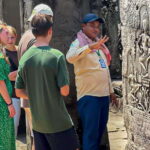
A real win is the English-speaking tour guide and the air-conditioned private car. You ride with a vaccinated experienced driver, and you get free cool water and towels during the day, which matters fast in Cambodia’s heat. I also like that pickup is handled, so you spend more time looking and less time figuring out.
The main drawback is cost creep from ticketed sites. The tour price is $125 per person, but you will still need to budget for passes like Angkor Wat (Angkor pass), Phnom Kulen access, and the Tonle Sap boat part. Plan for that now, and the rest feels smooth.
In This Review
- Key things that make this 2-day combo work so well
- Why this Siem Reap “mountain-to-lake-to-temples” route fits two days
- Day 1 at Phnom Kulen: waterfall power and sacred landmarks
- The big moments you should aim to see
- Practical considerations on this day
- Kampong Phluk floating village: stilt houses, flooded forest, and wildlife vibes
- What you’ll see and why it matters
- Timing note: when to go for the best experience
- How long you have
- Tonle Sap Lake: the “largest freshwater” stage behind Angkor’s water logic
- Day 2 starts in the dark: Angkor Wat sunrise and the Angkor pass reality
- Why sunrise here is worth the effort
- A practical note on tickets
- Angkor Thom essentials: South Gate, Bayon’s faces, and the terraces
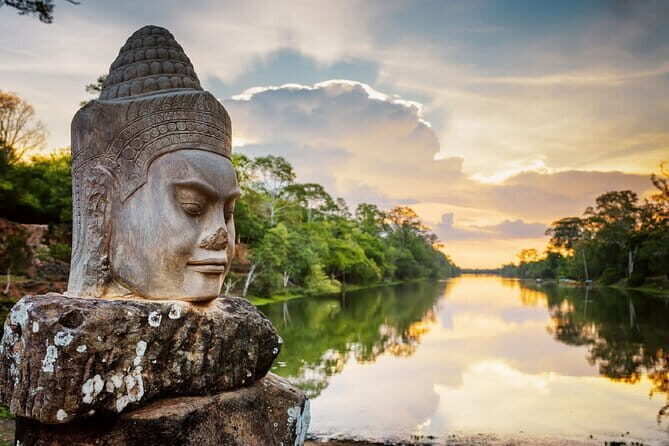
- Angkor Thom South Gate
- Bayon Temple: the smiling faces
- Terrace of the Elephants and Terrace of the Leper King
- Baphuon Temple
- Lunch near Angkor Archaeological Park and why breaks matter
- Ta Prohm: the Tomb Raider temple moment
- The price: what $125 covers, and what you still need to pay for
- Who this tour is best for (and who should pick something else)
- Tour guide quality: names you may meet and why it matters
- My honest recommendation: should you book this 2-day tour?
- FAQ
- How much is the tour?
- What’s included in the price?
- Do I need to buy the Angkor pass?
- Are the Phnom Kulen and Tonle Sap tickets included?
- What time is pickup for the Angkor Wat sunrise?
- When is the best time to visit Kampong Phluk?
Key things that make this 2-day combo work so well
- Angkor Wat sunrise at 4:40 am to beat crowds and catch the temples in soft morning light
- Phnom Kulen National Park stops focused on the biggest highlights: waterfall, reclining Buddha, and the River of 1000 lingas
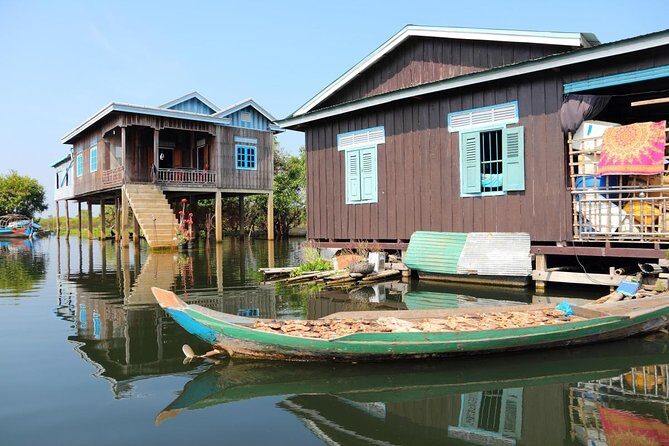
- Kampong Phluk floating village by boat through stilted homes and flooded mangrove forest
- Tonle Sap Lake in the mix so you understand the lake system, not just the Angkor stones
- A private vehicle and guide for a practical, flexible route with less stress
- Real-world cost planning because key passes are clearly listed as not included
Why this Siem Reap “mountain-to-lake-to-temples” route fits two days
Siem Reap is one of those places where it is easy to overbook yourself. You can end up temple-blind by the second day, staring at stone carvings until everything starts to look the same. This two-day plan fights that problem by changing scenery and “mood” every few hours.
You start on the mountain side at Phnom Kulen, where waterfall sounds and religious landmarks give you a different Cambodia than the tourist circuit. Then you shift to the water world at Kampong Phluk and Tonle Sap Lake, where the setting is seasonal and life adapts to flooding. Finally, you hit the Angkor heart early enough to feel the magic of Angkor Wat at sunrise, then keep going through Bayon and Ta Prohm.
If you like variety and hate rushing without context, this format makes sense. You get the major visual hits, plus enough geographic variety to feel like you traveled, not just collected sights.
A few more Siem Reap tours and experiences worth a look

Day 1 at Phnom Kulen: waterfall power and sacred landmarks
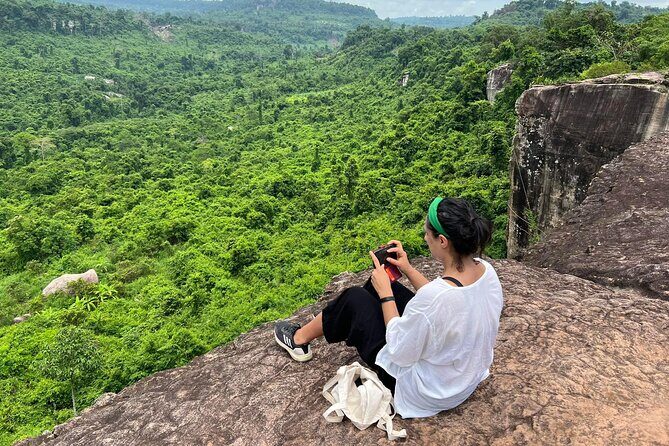
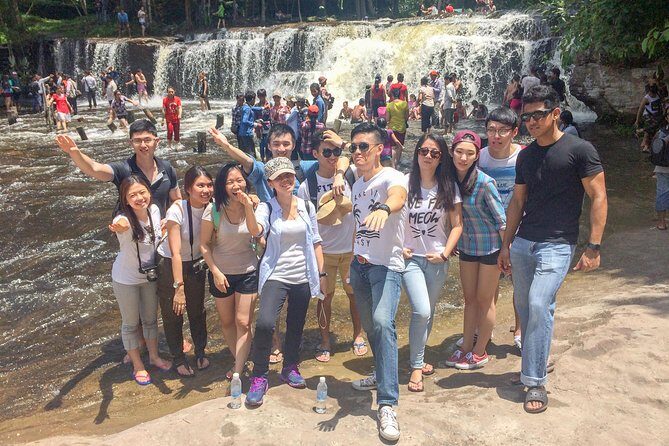
Day 1 begins at Phnom Kulen National Park in the Phnom Kulen mountain massif. The goal isn’t to cram in every viewpoint. It is to see the big spiritual and scenic icons you actually talk about later.
The big moments you should aim to see
- Cambodia’s largest waterfall in the park
- The Reclining Buddha
- The River of 1000 Shiva lingas
Even if you are not a religion-history person, these stops land. The waterfall gives you a sensory break from temple stone. The reclining Buddha gives you an instantly recognizable symbol of Khmer religious art. And the River of 1000 Shiva lingas is the kind of detail that makes you slow down—because you cannot really “skim” it. It is patterned, repeated, and built for people to contemplate.
Practical considerations on this day
Phnom Kulen access requires a pass ($20 per person) that is not included in the tour price. You will want to bring cash or be ready to buy on arrival, depending on how your guide handles it that day.
You also have about 2 hours at this stop. That is enough time to see the main sights without feeling like a race. Still, if you burn energy early, the rest of the day can feel long later—so pace yourself at the waterfall.
Kampong Phluk floating village: stilt houses, flooded forest, and wildlife vibes
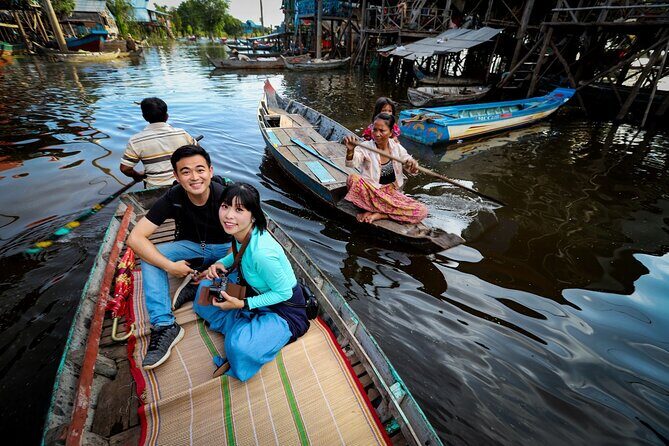
After the mountain park, you head to Kampong Phluk, one of the best-known stilted community areas on the Tonle Sap floodplain. The core experience here is a boat tour through the floating/flooded village landscape.
What makes this stop special is how it shows you a “different Cambodia” from Siem Reap town. Instead of stone monuments, you get a living environment: houses built on posts and land that shifts with the seasons.
What you’ll see and why it matters
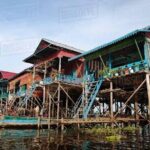
- Cluster of three villages with stilted houses
- A floodplain setting surrounded by mangroves
- A community with about 3,000 people
- Wildlife described around the area, including crab-eating macaques
There is also a Buddhist monastery built on an artificial island, so you are not only watching daily life—you see how spiritual spaces fit into the water world.
Timing note: when to go for the best experience
Your best time for this part of the trip is August through March. That seasonal window matters because the village and mangrove flooding define the feel of Kampong Phluk.
How long you have
You get about 1 hour at Kampong Phluk (including the boat portion). That is a good amount of time. Too short, and you would rush photos. Too long, and it can become repetitive. This strikes a decent balance.
Tonle Sap Lake: the “largest freshwater” stage behind Angkor’s water logic
From Kampong Phluk, the tour includes Tonle Sap Lake itself. The stop is short—about 10 minutes—so treat it as a “pause and absorb” moment, not a full exploration.
What makes Tonle Sap meaningful is that it is seasonally inundated. It is also connected by the Tonlé Sap River to the Mekong system. In plain terms: water levels change, and communities change with them.
Even if you do not get long time here, the learning payoff is real because you just watched stilted life adapt to flooding. Then you see the larger water body that drives it.
Day 2 starts in the dark: Angkor Wat sunrise and the Angkor pass reality
Day 2 begins with the kind of early start that can feel either exciting or brutal, depending on your tolerance for morning alarms. Pickup is at 4:40 am from the lobby, and you are asked to have the hotel pack your breakfast.
Then comes the key logistics: you will buy the Angkor pass ($37 for an adult) before you go to Angkor Wat to watch sunrise.
Why sunrise here is worth the effort
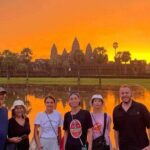
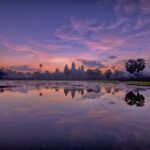
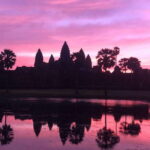
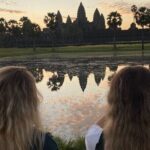
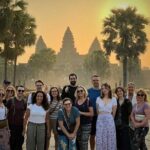
Angkor Wat at sunrise is one of those experiences where the setting does half the job. Morning light softens the stone, and the temple lines look more sculpted than flat. Also, being there early helps you see the place with less chaos.
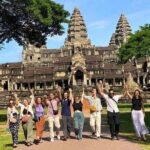
You get about 1 hour 30 minutes at Angkor Wat total (including sunrise and exploring afterward). That is enough time to get your bearings and see the main parts without spending your entire day in one enclosure.
A practical note on tickets
The Angkor pass is not included in the tour price. Budget for it up front so you do not get stuck at the last minute.
If you want smoother mornings, pack a small day bag the night before: sunscreen, a hat, and something for your shoulders if the weather cools early and then warms fast.
Angkor Thom essentials: South Gate, Bayon’s faces, and the terraces
After Angkor Wat, your route moves to Angkor Thom South Gate, then into the central action: Bayon and the major terraces.
This part is all about recognizing the Angkor “mood shift.” Angkor Wat feels grand and composed. Angkor Thom feels more busy—more faces, more story, more stone layers.
Angkor Thom South Gate
You spend about 15 minutes here. It is the entry point tied to the capital of Jayavarman VII’s empire, and the story behind Jayavarman VII is part of why guides bring you here first. The gate sets the tone for what comes next.
Bayon Temple: the smiling faces
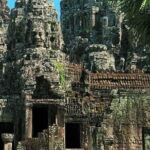
Next is Bayon, with about 45 minutes. Bayon is the center of Jayavarman VII’s capital, and it is known for the richly decorated Khmer temple look with the famous faces. This is one of the temples where your brain starts trying to decode symbolism, not just admire carvings.
Terrace of the Elephants and Terrace of the Leper King
Then you add:
- Terrace of the Elephants (about 15 minutes)
- Terrace of the Leper King (about 10 minutes)
These are shorter stops, but they matter because they connect you to what Angkor was used for—things like viewing returning armies and royal space design. Even if you only spend minutes, you still learn how the temple-city functioned beyond worship.
Baphuon Temple
Finally on the Angkor Thom circuit, there is Baphuon with about 30 minutes. It is a three-tiered temple mountain dedicated to the Hindu God Shiva.
The key value here is rhythm. You are not just walking one long corridor of stone. You are hopping between different structures long enough to notice differences in style and purpose.
Lunch near Angkor Archaeological Park and why breaks matter
You get a lunch break near Angkor Archaeological Park, built into the schedule as about 1 hour. The tour data does not list lunch as included, so plan to buy your own meal there.
This break is not a random pause. It helps you stay functional. Angkor days can sneak up on you: you walk more than you think, and the light keeps changing the whole time. Use the lunch hour for shade, water, and resetting your feet.
Ta Prohm: the Tomb Raider temple moment
The last temple stop is Ta Prohm, commonly called the Tomb Raider temple. You get about 1 hour.
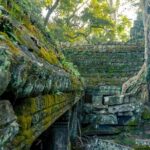
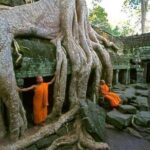
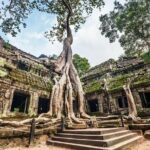
Ta Prohm works because it feels different from many other Angkor buildings. It is the kind of place where your eye naturally looks up and around. You are not just following carvings; you are noticing how the structure and environment interact.
This is also a good final stop of the day because by then, you have already built context with Angkor Wat and Angkor Thom. Ta Prohm hits harder after you understand the broader city layout and styles you’ve just seen.
The price: what $125 covers, and what you still need to pay for
On paper, $125 per person for a two-day private experience sounds straightforward. In practice, you need to add the major passes that are clearly listed as not included.
Here is the ticket math you should plan for:
- Phnom Kulen pass: $20 per person
- Tonle Sap lake pass with boat cruise: $20 per person
- Angkor pass (one day): $37 for an adult
That totals $77 in likely add-ons, putting the realistic budget closer to $202 per person, before travel insurance.
What you get for the base price is the “how” part:
- Vaccinated official English-speaking tour guide
- Vaccinated experienced driver
- Private air-conditioned vehicle
- Free cool water and towels
For many people, that is the difference between a fun day and a stressful one. Passes and walking still exist, but your transportation and timing are handled, and you get guided interpretation while you go.
Who this tour is best for (and who should pick something else)
This tour is a strong fit if you:
- Want big Angkor hits plus at least two non-temple settings (mountain and lake)
- Prefer a private route with an English-speaking guide
- Like having a plan for early pickup and sunrise timing
- Would rather pay for convenience than negotiate transport all day
You might want to consider another format if you:
- Hate early mornings and sunrises in general
- Want a slower pace with longer time at each site
- Are on a tight budget and do not want to add multiple passes
Tour guide quality: names you may meet and why it matters
The experience is powered by guide + driver. The operator lists vaccinated official English-speaking guides and vaccinated experienced drivers, and the feedback for this setup has been strong.
You might be guided by people like Mr Handsome, Mr Sayon, Mr Raksa, or Mr David—names that show up in past experiences. Beyond the name, the pattern is what matters: people are responsive, they explain what you are looking at, and they help make the day feel organized even when it is long.
My honest recommendation: should you book this 2-day tour?
I think this is a smart booking if you want maximum variety in only two days and you care about seeing more than the “standard temple shuffle.” The sunrise timing, the Kulen + Kampong Phluk water-world mix, and the private comfort (car, driver, water, towels) are the reasons it works.
The decision comes down to one thing: budget for the passes. If you plan for the Angkor pass plus Phnom Kulen and Tonle Sap boat access, the rest feels like good value for a full, organized two-day loop.
If you want a simple formula: book it if you can handle 4:40 am and you want both stone temples and Cambodia’s water life.
FAQ
How much is the tour?
The tour costs $125.00 per person for the 2 days (approx.).
What’s included in the price?
It includes an English-speaking vaccinated official tour guide, a vaccinated experienced driver, a private air-conditioned vehicle, and free cool water and towels during the tour.
Do I need to buy the Angkor pass?
Yes. The Angkor pass is not included. It costs $37 for an adult, and you buy it before going in for sunrise at Angkor Wat.
Are the Phnom Kulen and Tonle Sap tickets included?
No. The Phnom Kulen mountain pass is $20 per person, and the Tonle Sap lake pass with the boat cruise is also $20 per person.
What time is pickup for the Angkor Wat sunrise?
Pickup is at 4:40 am from your hotel lobby, and you should have your breakfast packed.
When is the best time to visit Kampong Phluk?
The best time to tour Kampong Phluk is August through March.