REVIEW · SIEM REAP
Angkor Cycling Tour
Book on GetYourGuide →Operated by BULFROG by CAMOUFLAGE ADVENTURES CAMBODIA · Bookable on GetYourGuide
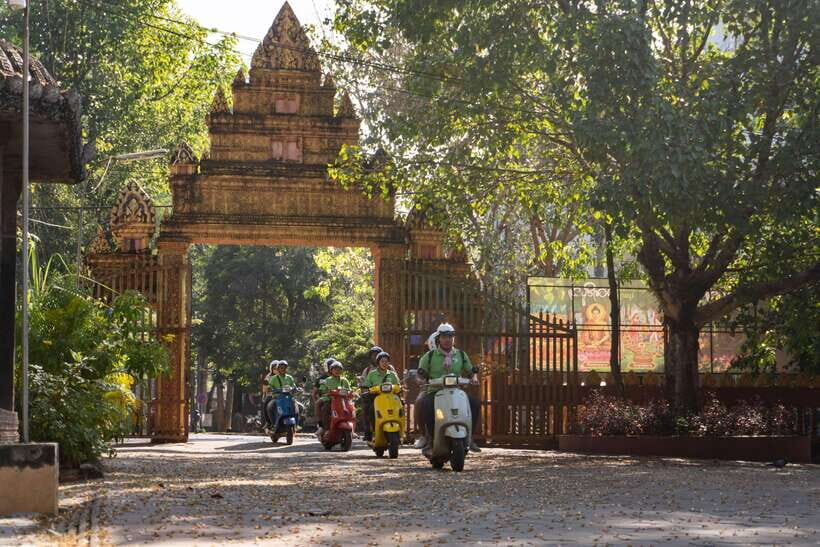
Angkor feels different on two wheels. I love the 70% off-road stretches through jungle-and-countryside tracks, and I love the guided time that makes the stone cities feel understandable instead of just impressive. The one catch: you need a temple pass, and it’s not included in the $65 price.
I also like the wildlife stop at Jayatataka Baray, where you’re in prime “look up and look sideways” territory for birds and other animals. And the whole day keeps a calm rhythm: you cover 35 km, take breaks for cold water and snacks, and still get proper time at the top sights instead of sprinting between them.
In This Review
- Key Things You’ll Actually Notice on This Angkor Cycling Tour
- A Different Side of Angkor: Why Cycling Works Here
- The 35 km Route: Paved Flow Meets Off-Road Adventure
- Angkor Wat Morning: Moats, Momentum, and a Real Temple Guide
- Angkor Thom Wall Ride and Ghost Gate Photos
- Bayon Temple, Elephant Terrace Lunch, and Khmer Food Breaks
- Ta Nie Temple to Jayatataka Baray: Quiet Forest + Animal Spotting
- Ta Prohm and the Tomb Raider Feel (With Real Time to Look)
- The Ride Back: Single Tracks and Smooth Bike Lanes to Town
- Bikes, Helmets, and Support: What Helps You Stay Comfortable
- Temple Clothing Rules: The One Thing That Can Trip You Up
- Price and Value: Is $65 Actually a Good Deal?
- Who Should Book This Angkor Cycling Tour (and Who Should Skip It)
- Should You Book It?
- FAQ
- FAQ
- Do I need a temple pass for this tour?
- How long is the Angkor Cycling Tour?
- How far do I cycle?
- How much of the ride is off-road?
- What level of difficulty should I expect?
- What’s included in the $65 price?
- What language is the guide available in?
- What should I bring for the temples?
- Are there any dress restrictions?
- Is the tour refundable if plans change?
Key Things You’ll Actually Notice on This Angkor Cycling Tour
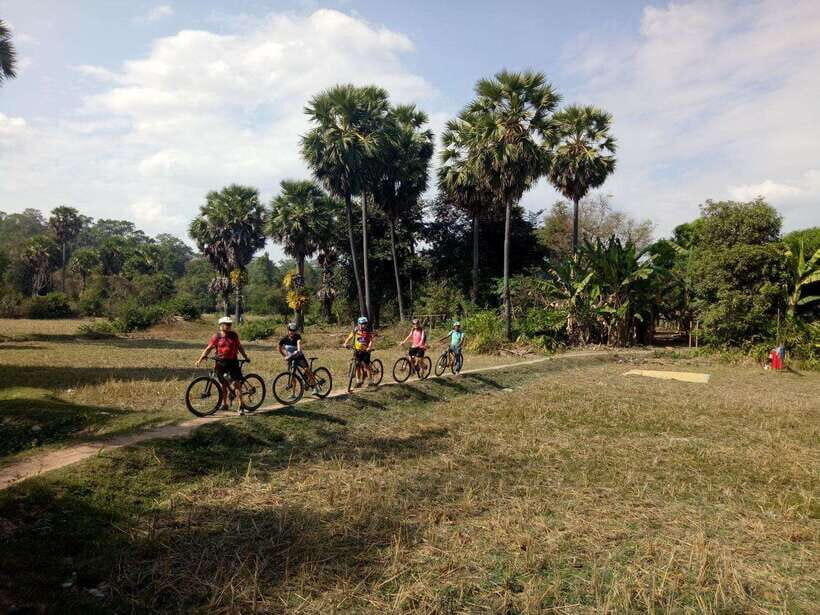
- 70% off-road trails with jungle and countryside riding, not just smooth roads
- Two hours guided at Angkor Wat, plus practical explanations as you move
- Angkor Thom fortifications and the Wall ride, including a stop at Ghost Gate
- Jayatataka Baray wildlife time, with chances for birds, butterflies, monkeys, and freshwater otters
- Lunch at Elephant Terrace area, with water, snacks, seasonal fruit, and local food
- Skip-the-line style access with a separate entrance, plus bike support and helmet included
A Different Side of Angkor: Why Cycling Works Here
Angkor is famous for its temples, sure. But the real surprise is how cycling changes your pace and your perspective. Instead of arriving at ruins as a quick photo stop, you’re moving through the same grounds that once connected the Khmer city—moats, paths, forests, and causeways.
I like that this tour mixes big monuments with the “in-between” places. You’re not just seeing the postcard version of Angkor Wat; you’re also riding canals and forest trails that make the complex feel bigger and more lived-in. That’s where the day starts to feel special.
The best part is that you don’t need to be a hardcore cyclist. The route is rated medium, with mostly manageable effort and only some tougher sections. You still get that off-road payoff, without turning the whole day into a suffering contest.
You can also read our reviews of more cycling tours in Siem Reap
The 35 km Route: Paved Flow Meets Off-Road Adventure
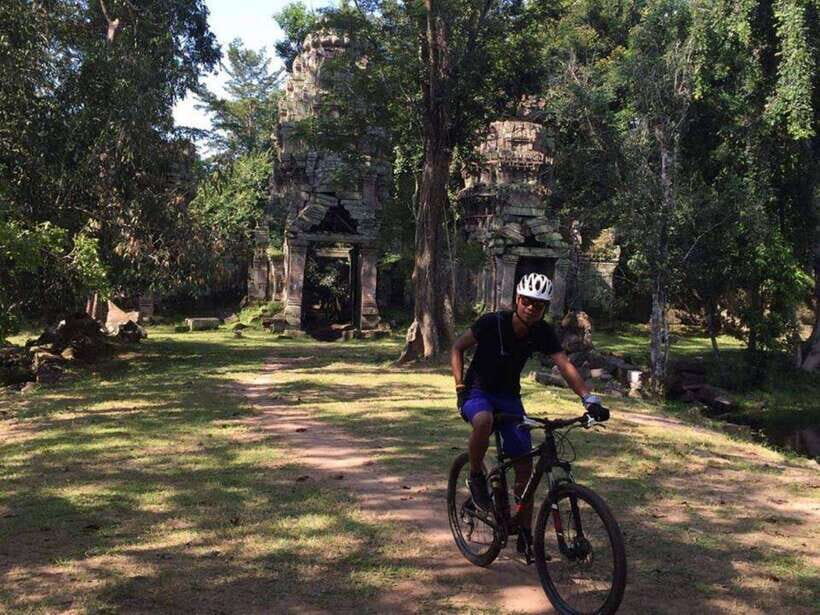
You’ll ride about 35 km over roughly 7 hours. The mix matters: about 30% paved roads for easy momentum, and 70% off-road for the real adventure. That formula gives you chances to rest your legs while still delivering plenty of trail time.
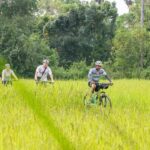
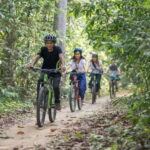
The off-road segments aren’t random dirt shortcuts. They’re the kind of tracks that snake through jungle and countryside, which means your day feels like it’s breathing as you go. You’ll pass through rainforest trails as you approach the temple zone, then switch to single-track riding later when you’re farther from the crowds.
If you’re used to only riding on smooth paths, the “medium” label is a good warning. You’ll likely feel the bumps and occasional moderate climbs, especially around the more historic, higher areas. Bring sturdy shoes and plan on using the brakes often on uneven sections.
Angkor Wat Morning: Moats, Momentum, and a Real Temple Guide
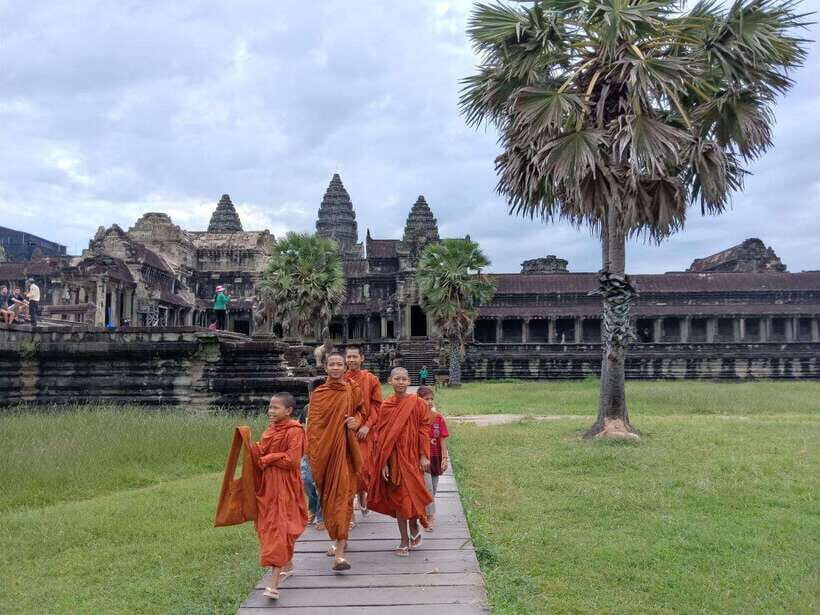
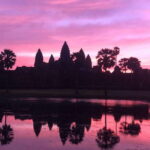
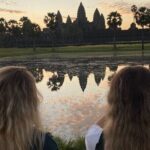
Your day typically starts with pickup around 7:45 AM, and you’ll have time for a quick bike fitting before rolling out. From there, you cycle toward Angkor Wat, going past the Siem Reap River and into the rainforest trails connected to the temple complex.
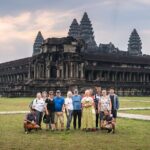
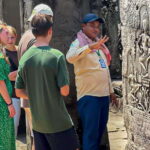
Once you arrive, you spend about two hours exploring Angkor Wat with your guide. This is key. Angkor Wat is massive, and without context it’s easy to feel like you’re staring up at everything and retaining nothing. With a guide, you get stories and practical orientation that help you understand what you’re looking at as you move.
There’s also a convenience factor. The tour includes separate entrance / skip-the-line style access, which can save time during busy periods. That matters because it keeps the day from feeling like a waiting room between photos.
One practical note: Angkor Wat is hot, and the crowds can build. Your best strategy is to let the guide set the pace early, then use breaks to cool down and regroup.
Angkor Thom Wall Ride and Ghost Gate Photos
After Angkor Wat, you move toward the next chunk of the Angkor complex. You ride along the moat area of Angkor Wat, then transition into the forest trails near Bakheng Hill. From there, you enter through the South Gate and work your way toward a standout moment: riding along the ancient wall of Angkor Thom.
Riding on top of that fortification line is one of those experiences that feels both physical and cinematic. You’re elevated above the ground, and you can see how the city’s layout was designed to control movement, views, and access. It’s also an easy way to get the “I get it now” feeling that maps and guidebooks can’t always create.
You’ll stop at Ghost Gate for stories and photos. The name alone grabs attention, but what you’ll remember is how the guide explains the meaning behind the gateway and why this spot is part of the broader Angkor Thom story. For photography, this is a good pause point because your body gets a break and your eyes get a new angle.
Then you head toward Bayon Temple, which is about one kilometer away. The day keeps moving, but not too fast—this tour is built to be active while still letting you absorb what’s in front of you.
Bayon Temple, Elephant Terrace Lunch, and Khmer Food Breaks
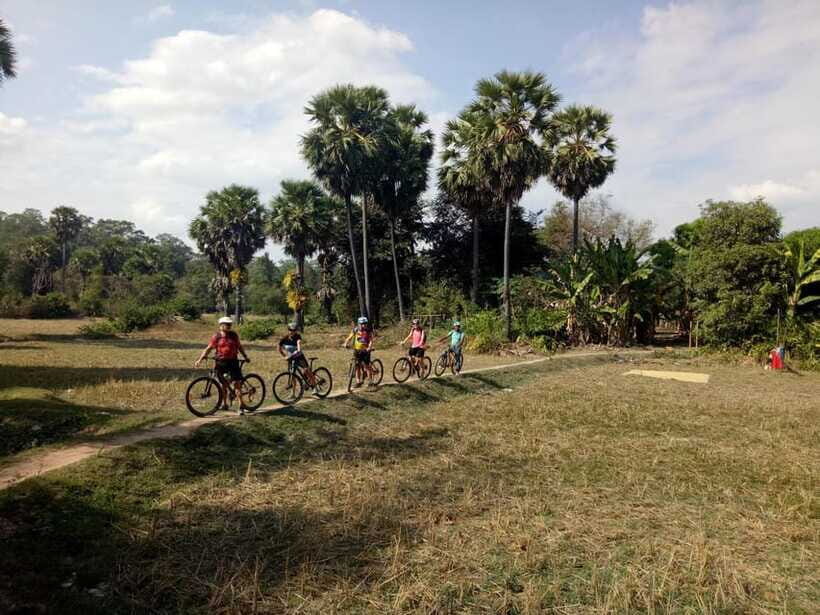
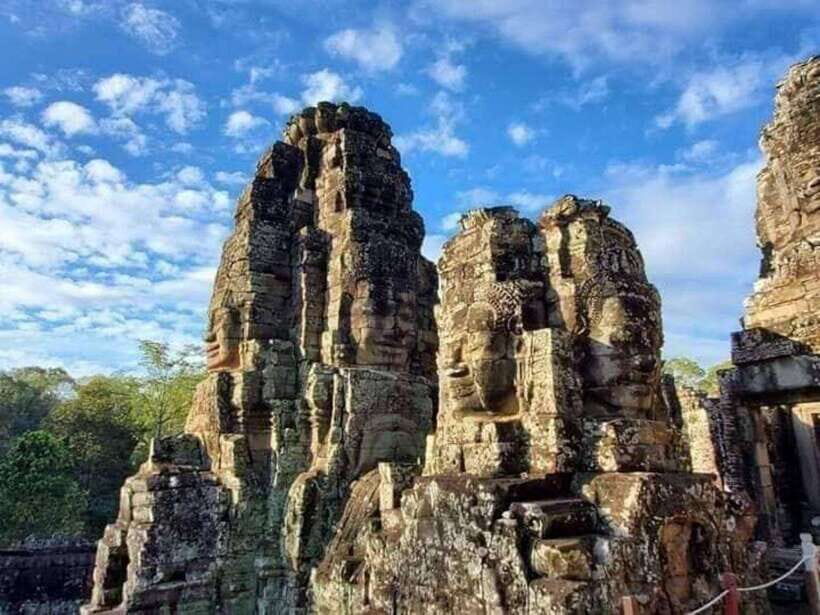
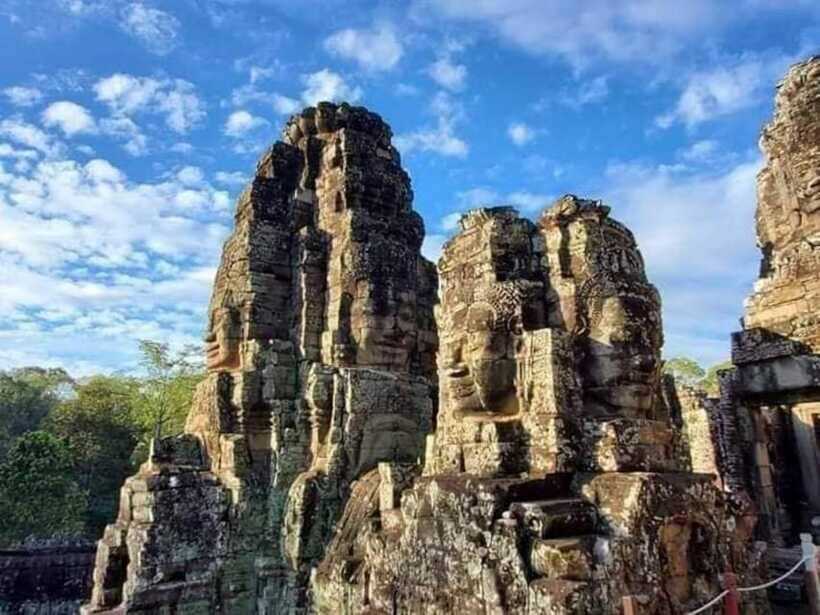
Bayon Temple is known for its stone faces, and you’ll see that iconic look up close. You don’t just pass through; you take time to look around with your guide, including the serene feel of the expressions carved high above.
After Bayon, you cycle a short distance for lunch. The lunch stop is at the Elephant Terrace area, which is a smart pairing. You eat while still in the atmosphere of the monuments, instead of completely escaping the Angkor zone and losing momentum.
The meal setup includes local snacks, seasonal fruits, and water, plus a taste of Khmer specialties at the local restaurant in front of Elephant Terrace. Even if you’re not a big foodie, this matters because it keeps you fueled for the afternoon riding.
Another small thing I appreciate: cold water and snacks are served with warm hospitality at the stops. In Cambodian heat, that kind of mid-day reset is what keeps a medium cycling day feeling doable.
Ta Nie Temple to Jayatataka Baray: Quiet Forest + Animal Spotting
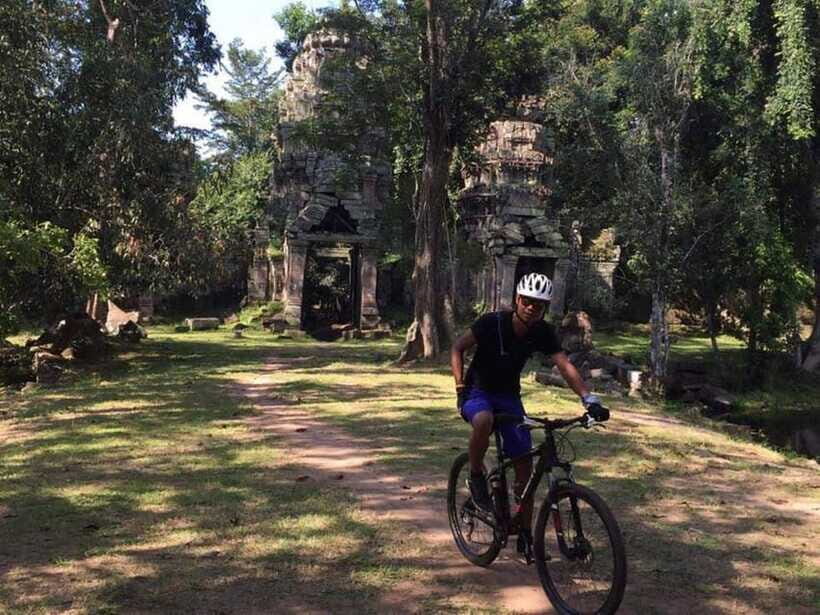
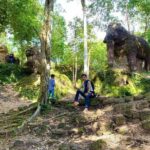
Later in the day, you ride out of the city toward Ta Nie Temple, which sits in the forest. This stop has a different vibe than the big headline sights. It feels more tucked-in, with nature and stone sharing the same frame.
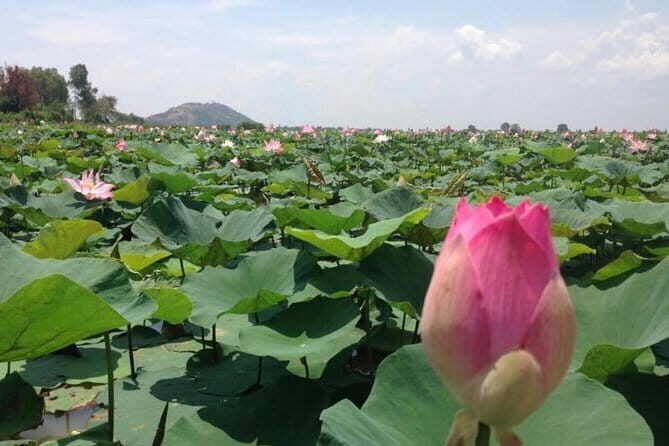
Then comes one of the most fun breaks on the schedule: Jayatataka Baray for wildlife watching. This is where you shift from temple-spotting to “watch and listen” mode. The tour highlights chances to see birds, butterflies, and monkeys, and it also mentions the possibility of freshwater otters in the water area.
What I’d do in practice is give yourself permission to slow down here. Don’t treat it as a checklist stop. Scan the trees and edges of the water. Look for movement rather than waiting for perfect views. If you’re lucky, you’ll catch the kind of quick animal moments that are hard to plan but easy to remember.
Even if you don’t spot everything listed, you’ll still get an enjoyable break from cycling and a chance to see Angkor’s surrounding ecology up close.
Ta Prohm and the Tomb Raider Feel (With Real Time to Look)
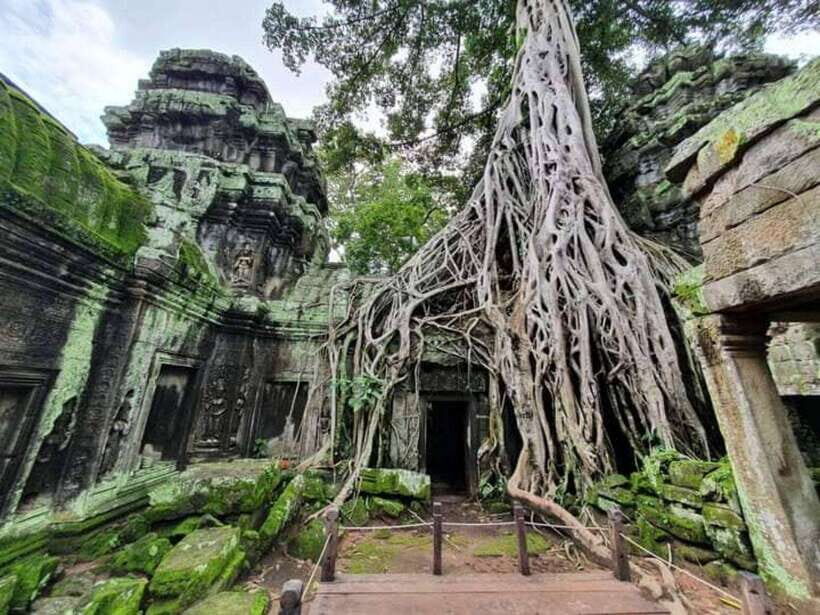
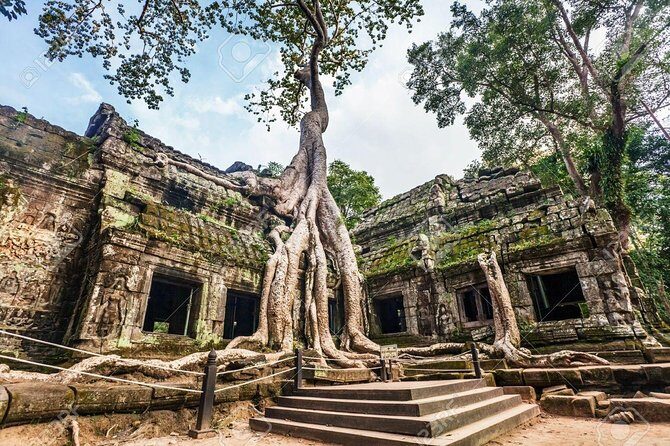
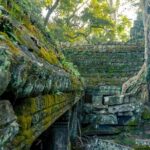
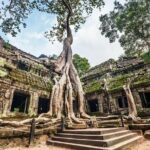
In the afternoon you reach Ta Prohm, the temple famous for the way huge tree roots wrap around stone structures. This is one of those places where the visuals do most of the talking, but time matters.
You arrive after the wildlife and forest segment, which helps keep Ta Prohm from feeling rushed. You’ll have time to experience the blend of jungle and architecture, with a sense of scale created by those roots and columns.
From a rider’s perspective, Ta Prohm also works because you’ve already been cycling through a mix of temple edges and forest tracks. When you finally see the “nature taking over” look, it connects to the environment you’ve been moving through all day.
If you care about photos, this is where you’ll likely want your camera ready. The light can shift under the trees, so give yourself a couple of minutes to find an angle that works before you start moving again.
The Ride Back: Single Tracks and Smooth Bike Lanes to Town
After Ta Prohm, you return to Siem Reap with a 12 km ride. This is not just “the way back.” It’s another chance to enjoy the rhythm of cycling through paths that feel calmer than the main temple roads.
The return includes winding single tracks plus smooth bike lanes. That mix is a nice finish because it lets your legs recover while still keeping the day active. You’ll end with the relief of being back in town, without feeling like you’ve spent the last hour just waiting.
By the time you’re done, you’ll have covered a full circuit: major ruins early, fortifications in the middle, forest temples and wildlife later. That flow is a big part of why this tour feels worth the time.
Bikes, Helmets, and Support: What Helps You Stay Comfortable
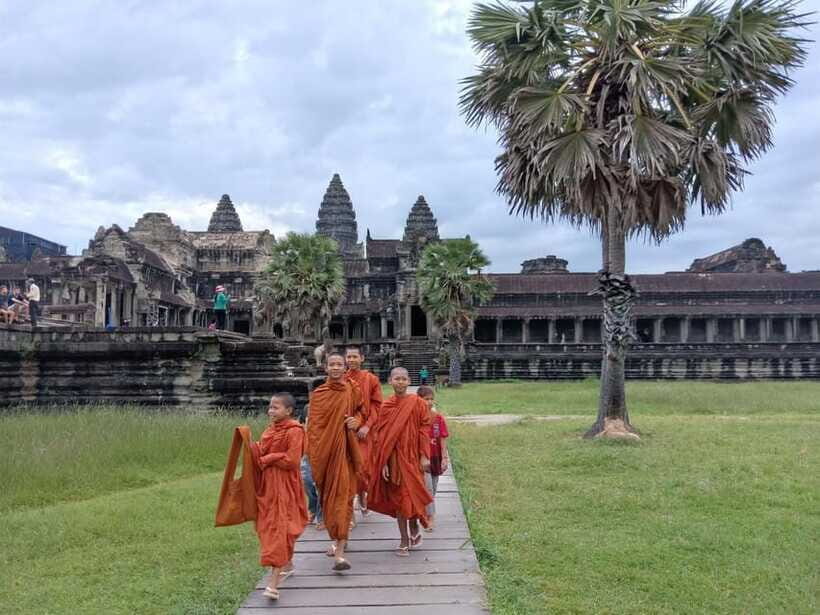
This tour provides mountain bikes in all sizes and includes a helmet. You also get a bike spare part and an on-hand 1st aid kit, which is exactly what you want on a day that mixes pavement and rough tracks.
The company also includes free Tuk Tuk transfers, which reduces the friction of getting to and from the meeting point area. You’ll pick up around 15 minutes before from hotels, apartments, and Airbnb lobbies in Siem Reap city, so you’re not scrambling to find a starting spot.
Guide support is part of the package too. You’ll ride with an English speaking guide, and the tour notes English and Spanish language options. That matters because the temple experience depends on explanations, not just time on your own.
Bring closed-toe shoes. This is non-negotiable on a cycling day with temple stops. If you show up in sandals or loose footwear, you’ll feel it the whole time.
Temple Clothing Rules: The One Thing That Can Trip You Up
Cambodia’s temples aren’t strict for decoration; they’re sacred places. Your tour asks for modest attire and also notes no loose clothing. It also suggests you can wear shorts during biking, but you should bring extra cloth for temple visits.
So I’d pack like this: light breathable clothes for riding, a spare layer for covering up at the temples, plus sunscreen and sunglasses because morning light and afternoon sun can get intense.
This is where I’d be practical. Don’t rely on a shirt that’s too thin or too loose. Bring something you’re comfortable wearing when you stop moving and stand around during guided explanations.
Price and Value: Is $65 Actually a Good Deal?
At $65 per person for a 7-hour guided cycling day, this tour is priced like a value-focused way to see Angkor. The big reason is that several “cost killers” are already included: bike + helmet, English guide, lunch, water, and snacks.
What’s not included is the temple pass, plus travel insurance and personal expenses. That temple pass requirement is the main extra cost you need to plan for, so factor it into your overall budget before you fall in love with the bike idea.
Still, when you look at the full day—35 km, multiple major temple stops (Angkor Wat, Bayon, Ta Prohm), plus fortifications and a wildlife break—the package feels like it earns its price. You’re paying for transportation, guide time, and built-in breaks, not just for bike rental.
The best “value signal” is how the day is structured for flow. You get a guided start at Angkor Wat, then you move through the Angkor Thom complex efficiently, then you slow down for the forest and wildlife segment.
Also, separate entrance / skip-the-line access is a quiet advantage. Anything that reduces waiting time is money you don’t end up paying in fatigue.
Who Should Book This Angkor Cycling Tour (and Who Should Skip It)
This is a great fit for you if you like active sightseeing. If you get bored in long temple lines or you prefer your monuments with some movement in between, this route makes sense.
It also suits travelers who want a calmer feel. The tour’s structure, pacing, and snack-water breaks help keep the day from turning into a frantic hop between sights. People consistently rate it highly for being organized and for having patient, accommodating guidance.
You should think twice if you need fully easy riding all day. Even with medium difficulty, there are off-road segments and some moderate sections. If you have limited balance on uneven ground, you might find the trail portions more tiring than you expect.
And if you’re pregnant, the tour says it’s not suitable. That’s an important restriction to respect.
Should You Book It?
If you want Angkor Wat and the Angkor Thom complex but you also want nature, animals, and off-road riding, I’d book this. The combination of guided temple time plus trail cycling plus Jayatataka Baray wildlife breaks makes it feel like a full day with real variety.
Just plan for the temple pass cost and pack temple-appropriate clothing you can actually wear comfortably. If you do those two things, you’ll spend the day moving through Angkor at a pace that feels both adventurous and human.
FAQ
FAQ
Do I need a temple pass for this tour?
Yes. The temple pass is required but it is not included in the tour price.
How long is the Angkor Cycling Tour?
The tour runs for 7 hours.
How far do I cycle?
The route is about 35 km for the full day.
How much of the ride is off-road?
About 70% of the route is off-road trails, with about 30% paved roads.
What level of difficulty should I expect?
The tour is rated Medium, with a mix of easier riding and a few moderate parts.
What’s included in the $65 price?
Included are the mountain bike and helmet, lunch at a local restaurant, water, snacks, an English speaking guide, a 1st aid kit, a bike spare part, and free Tuk Tuk transfers.
What language is the guide available in?
The tour notes live guiding in English and Spanish.
What should I bring for the temples?
Bring closed-toe shoes and spare cloth for covering up during temple visits. Sunscreen and sunglasses are also recommended.
Are there any dress restrictions?
Loose clothing is not allowed, and you should dress modestly for temple stops.
Is the tour refundable if plans change?
Yes. You can cancel up to 24 hours in advance for a full refund.