REVIEW · PHNOM PENH
Island Community Life in Phnom Penh
Book on Viator →Operated by Tour East Cambodia · Bookable on Viator
Silk Island turns city time into village time. On this private half-day in Phnom Penh, I like the hands-on silk weaving visit and the hotel pickup/drop-off that makes the day feel effortless, not stressful. The pace is fairly brisk though, with about three hours on the island—so if you want to linger everywhere, you’ll need to choose what you slow down for.
You’ll also get a guide who stays focused on your group, like Naroath, who came across as friendly and easy to talk with. That matters here, because Koh Dach (Silk Island) isn’t just a photo stop—it’s a working patch of Mekong River life, plus a bright yellow pagoda that ties the island to Cambodia’s Water Festival traditions.
In This Review
- Key highlights to know before you go
- Koh Dach Silk Island: What Makes It More Than a Sightseeing Stop
- Getting There From Phnom Penh: Private Ride + Ferry Time
- Silk Weaving From Beginning to End at Mekong Silk Island 099
- Stilt Homes and Island Daily Life: What You’re Really Seeing
- Koh Dach Pagoda and Water Festival Boats: A Culture Stop With Meaning
- The Right Kind of Tour for Your Travel Style
- Price and Value: Is $172 Per Person Reasonable?
- What to Expect During the 4 Hours (and How to Prepare)
- Should You Book Island Community Life on Phnom Penh?
Key highlights to know before you go
- Private hotel pickup and drop-off so you don’t waste time figuring out transport
- Silk weaving shown end-to-end by hand, not just a quick demo
- Stilt houses and daily work life under the shade of traditional homes
- Koh Dach Pagoda and Water Festival boats with battle roots
- A practical half-day window starting at 8:00am or 12:00pm
- Comfort-focused extras like English-speaking guidance and bottled water
Koh Dach Silk Island: What Makes It More Than a Sightseeing Stop
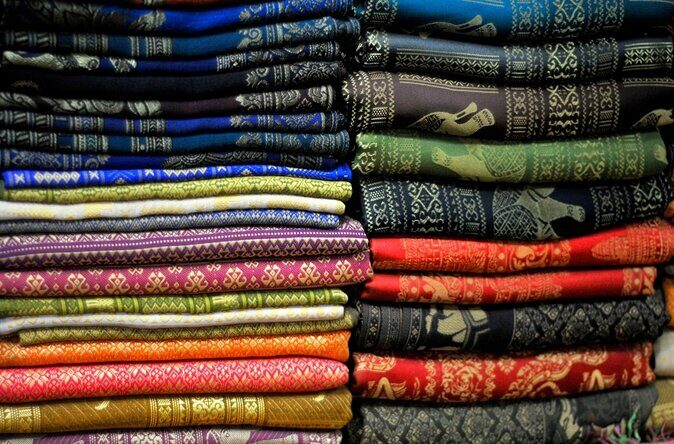
Koh Dach, also known as Silk Island, sits along the Mekong River just north of downtown Phnom Penh. The name isn’t marketing fluff. The whole point of the visit is to see how silk production used to work—and still works—using a traditional craft approach.
What I like most is that this experience is built around real village rhythm. You’re not only walking past buildings. You’re watching people work—locals seated at their looms, turning thread into scarves and skirts. That small shift makes the trip feel grounded.
And then there’s the contrast: traditional stilt homes on the island, followed by a bright yellow pagoda setting that gives you a different lens on local culture. It’s a nice way to move from daily craft to religious and festival symbolism without feeling like you’re rushing through unrelated stops.
The one thing to keep in mind: this is a half-day format. It’s long enough to see the key parts, but short enough that you won’t have the luxury of deep, unhurried wandering.
You can also read our reviews of more tours and experiences in Phnom Penh.

Getting There From Phnom Penh: Private Ride + Ferry Time
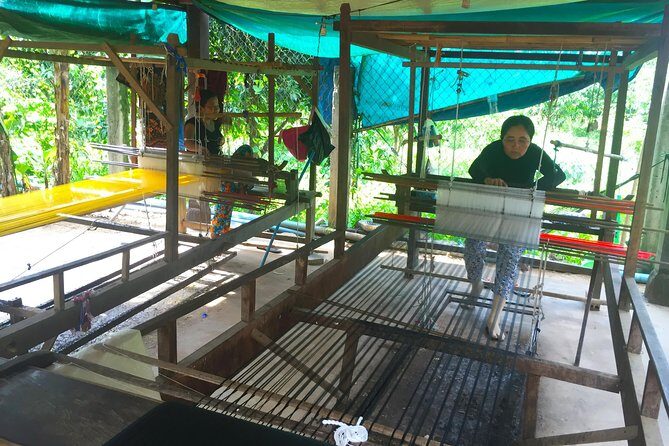
You start with round-trip private air-conditioned transportation from your hotel. That’s a big deal in Phnom Penh. It removes the “how do we get there?” stress and puts you straight into the day’s flow.
Once you’re on the way, the experience typically includes the river crossing by ferry as part of the route. The ferry portion helps you clock the change from city to island quickly, and it gives you that first sense of space you don’t get staying in town.
Departures run at 8:00am or 12pm, so you can match it to your schedule. Morning tends to feel cooler and gives you more of the day left afterward. Afternoon can be convenient if you’re doing other Phnom Penh plans in the morning.
Because the total duration is about 4 hours, timing matters. Plan to be ready at pickup on time—this isn’t a “meet us whenever” situation. If your hotel is on the edge of town, the driver will still handle transport, but you’ll lose flexibility if you’re late getting downstairs.
Silk Weaving From Beginning to End at Mekong Silk Island 099
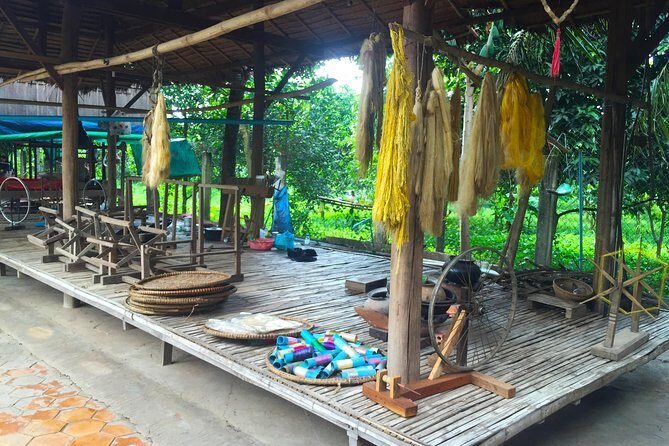
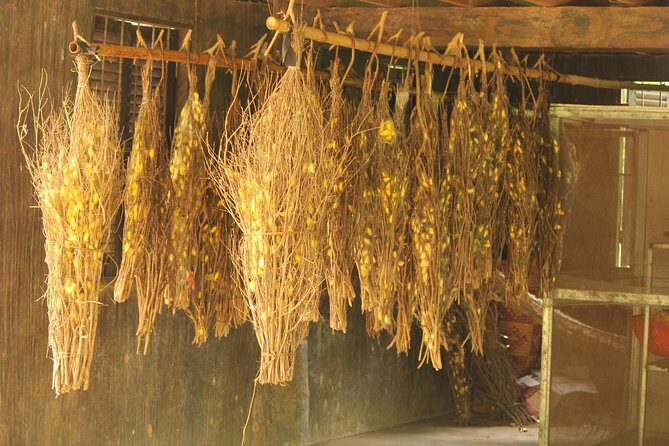
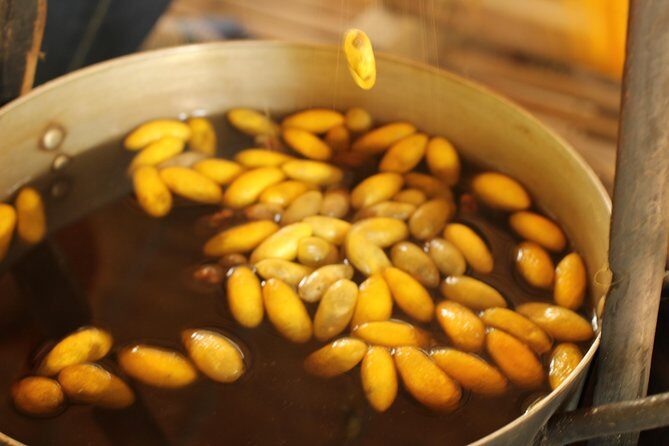
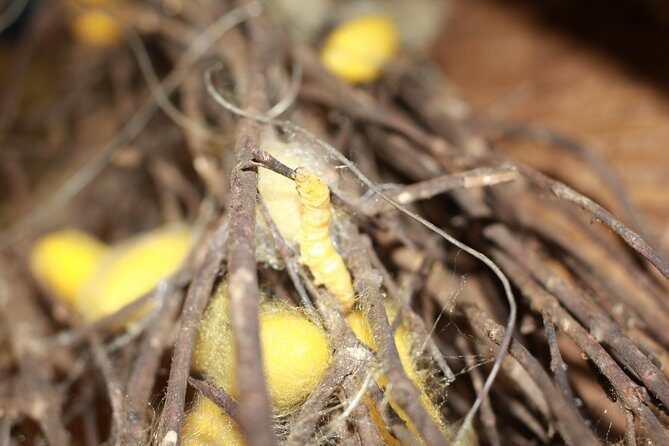
Your first major stop is Mekong Silk Island 099, where the silk process is explained from start to finish. This is not a vague “watch how it’s made” moment. The goal is to show you the full path—how silk weaving works as a continuous craft, using hand methods that locals still carry out.
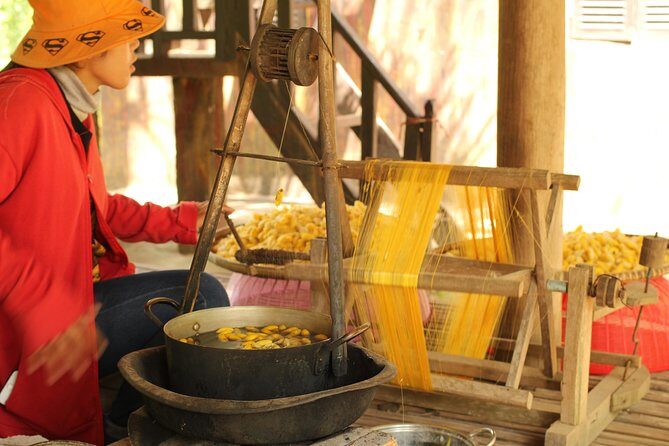
Here’s why that detail is valuable: silk can look uniform in the final product, but the work behind it takes multiple steps. Seeing the sequence helps you understand why scarves and skirts aren’t just “pretty textiles.” They’re careful, time-intensive handiwork.
You’ll also see the looms in action while locals work. It’s one of those experiences where you can actually ask better questions. If you’re the type who likes to know what you’re looking at, this stop rewards it. If you prefer to keep it visual, you can just watch and soak it in.
One practical point: admission fees are included, so you’re not dealing with ticket logistics once you’re there. And since the tour includes an English-speaking guide, you’re not stuck interpreting on your own.
Stilt Homes and Island Daily Life: What You’re Really Seeing
After the silk focus, the tour shifts into village atmosphere: traditional stilt houses and the everyday space where silk workers spend their days. The homes are built up on stilts, which gives the land underneath a cooler, shaded area—handy for working during warmer periods.
You’ll see how the stilt homes support daily life tied to craft production. And because the weaving is still done by hand, the homes don’t feel like museum props. They feel like workplaces and living spaces mixed together.
This is also where the island’s layout becomes part of the story. The stilt homes, the weaving activity, and the open Mekong surroundings make it easier to understand how island life shapes work life. You’ll notice that the design of the homes supports comfort and routine, not just aesthetics.
If you’re hoping for a “quiet nature escape,” this part gives you something different. It’s active, practical, and human-scale. The charm comes from watching real routines, not from pristine silence.
Koh Dach Pagoda and Water Festival Boats: A Culture Stop With Meaning
Then comes the bright yellow centerpiece: Koh Dach Pagoda. It’s a recognizable sight, and the visit adds a cultural layer that goes beyond craft.
At the pagoda, you can see variety in the island’s Water Festival boats. The tour notes that these boats were designed for battle more than 1,000 years ago. That detail matters because it connects the present-day festival image to a much older practical purpose.
I like this stop because it prevents the day from becoming only “factory + village walk.” You get a sense of how island identity links to Cambodian festival traditions and stories.
If you have enough time after the pagoda, there may be a stop at the nearby beach before heading back to Phnom Penh. It’s not guaranteed as a long break, but it’s a nice option if you want one more change of scenery.




The Right Kind of Tour for Your Travel Style
This is a private tour, meaning only your group participates, and you get undivided attention from an English-speaking guide. That helps a lot on a day like this, because you can pace the silk portion, ask questions about weaving, and spend extra time on what you personally care about (stilt houses, the pagoda, or the river views).
It also helps if you’re traveling with friends or family. A private format can feel like a better value when you split the cost across a small group, especially with group discount options listed for the tour.
Who this fits best:
- People who want a local craft experience without complicated planning
- Travelers who like seeing how work actually gets done, not just finished products
- Anyone who wants a half-day that pairs village life with a major cultural site
- Small groups who’d rather have a guide tailored to their questions
Who might find it less ideal:
- If you love long, slow exploration, the time on the island can feel short at about three hours
- If you’re expecting a large standalone market or shopping-focused tour, the day is more about weaving and cultural viewing than extended browsing
Price and Value: Is $172 Per Person Reasonable?
At $172 per person, this isn’t the cheapest option in Phnom Penh. But it is also one of the more convenience-driven choices, because several costs are bundled into the price.
Included items you’re paying for in a good way:
- Round-trip private air-conditioned transport from your hotel
- An English-speaking guide
- Two bottles of water per person
- All entrance fees/tickets
- Service and government tax
When a tour includes transport + guide + ticketed access, you’re not constantly adding expenses on the spot. That can make the overall value feel stronger than the headline price suggests.
The private format is the other reason the price holds up. You’re not sharing your guide with strangers or competing for time at the silk and pagoda stops. If you’re traveling as a couple or small group, that undivided attention can turn the day into something more personal.
If you’re budget-traveling and want the absolute lowest cost, you could look for group alternatives. But if you want a smooth, guided half-day that actually connects the dots between island craft and cultural meaning, this price can feel fair.
What to Expect During the 4 Hours (and How to Prepare)
The flow is built around a compact schedule: you’ll start from Phnom Penh and reach the island area for the main craft and village experience, then finish with the pagoda and any remaining time for a nearby beach before returning.
Since the experience runs about 4 hours total, treat it like an active half-day. Bring a small bag, keep your camera ready, and be prepared for outdoor time—especially around the stilt houses and pagoda area.
A few smart prep tips:
- Wear comfortable shoes for walking on village paths
- If you plan to spend time at the pagoda, bring or wear clothing that’s respectful for temple spaces
- Keep your questions ready for the guide during the silk portion; the process is easier to understand when you ask what you’re seeing
- Don’t over-pack your expectations—this is about seeing the craft and key cultural sights, not spending hours on one single topic
Should You Book Island Community Life on Phnom Penh?
Yes, if you want a guided half-day that feels practical and genuinely local. I’d book it if you care about how silk weaving works—especially seeing it from process to finished fabric—and if you want the cultural payoff of Koh Dach Pagoda and its connection to Water Festival boat traditions.
Hold off if you’re chasing a long, slow countryside day, or if you’re mainly looking for shopping or a big standalone market experience. The time is well used, but it’s still a short window on the island.
In my view, the best reason to book is the balance: silk craft you can watch, village daily life you can see up close, and a bright pagoda stop that gives the island context.