REVIEW · SIEM REAP
Authentic Siem Reap: Tuk Tuk Countryside and Sunset Tour
Book on GetYourGuide →Operated by CWE Travel · Bookable on GetYourGuide
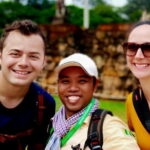
Rice wine, lotus tea, and tuk tuk dust. I love how this Siem Reap countryside tour moves beyond the temple circuit and swaps in real daily life—starting with a local market and ending with a calm sunset moment near Phnom Krom. What makes it especially good is the people: guides such as Sarah, Ben, and Hong Ho are repeatedly praised for being fun, informative, and easy to talk with.
My favorite parts are the rice wine stop (you can learn how rice becomes alcohol, plus see the leftover-rice logic used for pigs) and the lotus farm workshop with lotus tea and a 360-degree view. One consideration: you’ll be on your feet for parts of the day and the countryside evening can mean sun and insects, so comfy shoes and insect repellent matter.
In This Review
- Key Points You’ll Care About
- How This Tour Feels More Local Than a Typical Half-Day
- Picking Up and Getting Oriented in Siem Reap
- The Local Market Stop: Where Food Culture Has Roots
- Wat Athwear Road: A Short Guided Break with a Shopping Window
- Basket Workshop and Lotus-of-the-Home Details
- Rice Wine Distillation in the Countryside: The Circular Life Lesson
- What to watch for
- A Temple Stop with a Wine-Focused Segment (Short but Different)
- Lotus Farm Workshop: Lotus Plant, Work for Women, and Lotus Tea Up Top
- The tea lounge reward
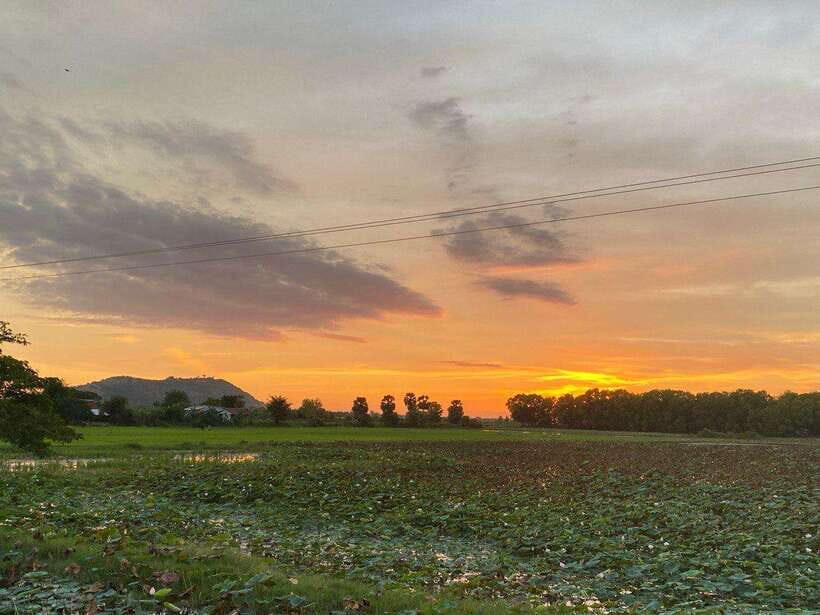
- Phnom Krom Sunset Near the Rice Fields
- Weather reality
- Price and Value: Why $69 Works Here
- Practical Tips to Make the Day Easier
- Who This Tour Suits Best (and Who Might Skip)
- Should You Book This Authentic Siem Reap Tour?
- FAQ
- How long is the tour?
- Is hotel pickup and drop-off included?
- What type of transportation do you use?
- Is the guide available in English?
- What food and drinks are included?
- Where does the tour include a sunset?
- What should I bring for the day?
- Is the tour refundable if plans change?
Key Points You’ll Care About
- Market + habits: you’ll see how markets shape everyday food choices, and how modern shopping affects what locals eat
- Rice wine with a reason: fermentation, distillation, and the circular use of resources for farm life
- Basket craft and spiritual houses: practical tools made from bamboo and other materials, plus the tiny houses at residences
- Lotus farm workshop: lotus plant to textile education, plus lotus cake and freshly brewed lotus tea
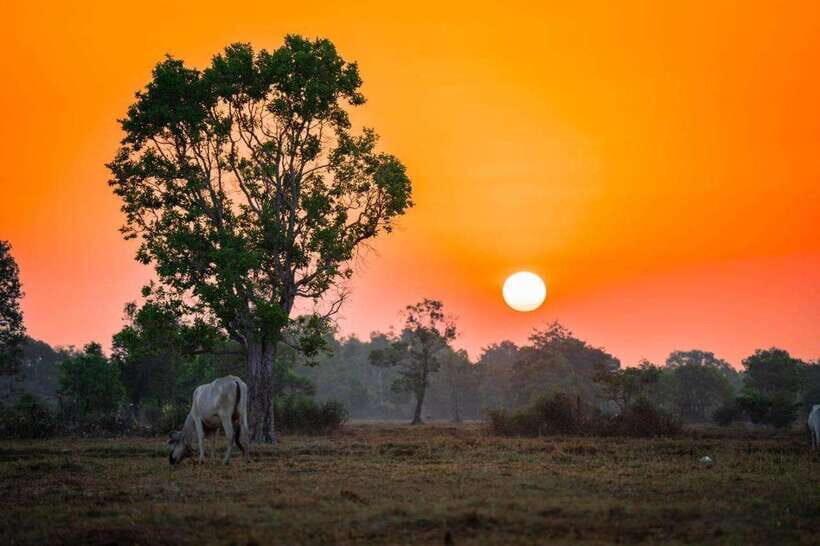
- Phnom Krom sunset: a relaxed end near rice fields with lotus dishes from a nearby local restaurant
How This Tour Feels More Local Than a Typical Half-Day
This is the kind of day trip that makes Siem Reap feel bigger than Angkor. You ride out into the countryside, learn how local food systems actually work, and then finish with a gentle sunset rather than another crowded viewpoint.
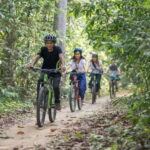
The pacing is a big part of the charm. You’re not rushing temple after temple; you’re moving by tuk tuk between stops that connect to land, work, and daily routines—especially rice.
And if you care about getting good explanations in English, this is a strong choice. Guides like Sarah, Ben, and Hong Ho are specifically noted for high-quality English and warm guidance, so you’re not left guessing what you’re looking at.
You can also read our reviews of more evening experiences in Siem Reap

Picking Up and Getting Oriented in Siem Reap
Your day starts with hotel pickup in Krong Siem Reap. You meet your guide, get a quick tour introduction, and then you’re off—tuk tuk first, countryside second.
From there, the rhythm is easy. You’ll start with a short guided walk and market time, then keep moving through craft and farm stops, finishing at Phnom Krom for sunset.
If you’re the kind of traveler who likes to know why something exists (not just what it is), you’ll probably enjoy this format: each place ties into food, labor, or community life.
The Local Market Stop: Where Food Culture Has Roots
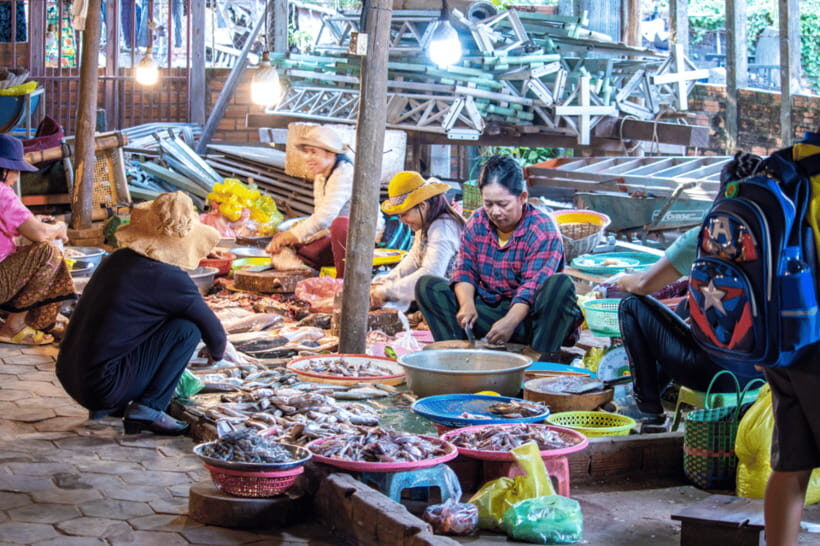
The tour begins with a local market exploration, about 30 minutes. It’s a chance to see how a market functions beyond souvenirs—how people buy produce, how everyday ingredients show up, and why markets still matter even with supermarkets around.
What I like about this stop is that it’s framed around real eating habits. You’ll learn about the origins and methods of cultivating local produce, and you’ll also hear how bigger retail options can shift customs related to healthy diets.
Practical tip: markets are best when you’re curious, not when you’re in shopping mode. Look at what people buy, ask what it’s used for, and keep your cash handy if you want to pick up small picnic-style items later.
Wat Athwear Road: A Short Guided Break with a Shopping Window
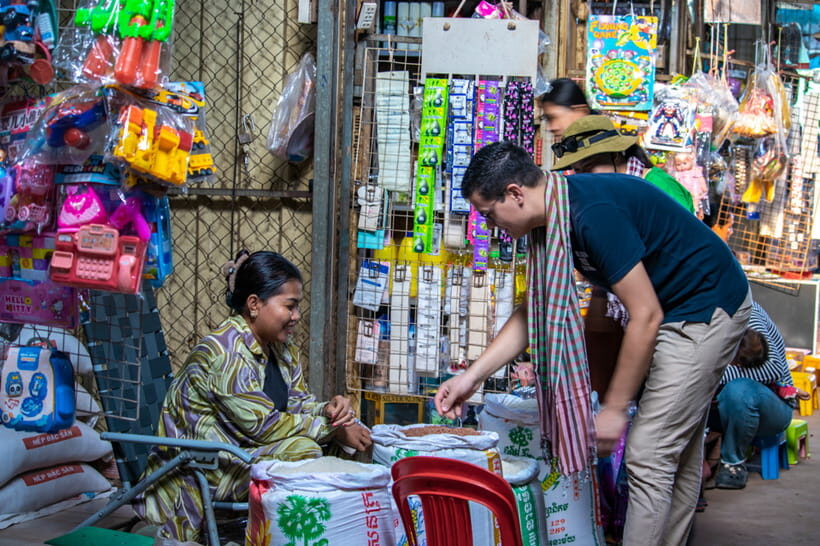
After the market, the route includes a stop at Wat Athwear Road. Expect a guided visit plus a short shopping window (about 20 minutes).
This is a “short and useful” kind of stop. You get a sense of religious and local daily life without losing the day’s main focus on countryside food culture.
Wear comfortable clothes you can move in, because you’ll likely do some walking even if the time here is brief.
Basket Workshop and Lotus-of-the-Home Details
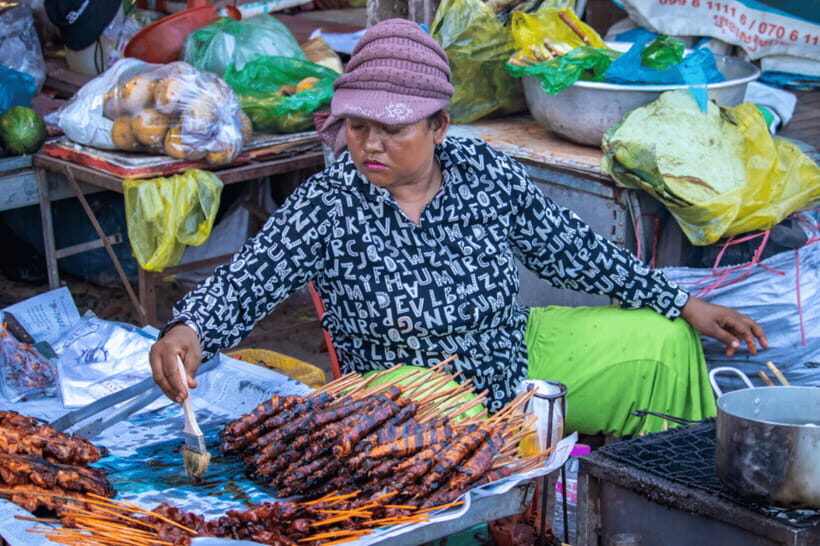
Next comes a basket store stop that’s surprisingly practical. You’ll see how wood, bamboo, and other locally available materials are used for everyday tools, religious objects, décor, and cooking supplies.
The tour also touches on the little spiritual houses you’ll see at the front of residences. That detail matters because it explains how belief shows up in normal, non-performative ways—right where people live and work.
If you like handmade items, this is one of the best places for it. You can often get a clearer sense of what you’re buying and why it’s made the way it is.
Rice Wine Distillation in the Countryside: The Circular Life Lesson
Then you head deeper into the countryside for rice wine distillation, including a visit to a local rice farm. This is where the day turns into something you can’t fully replicate from a brochure.
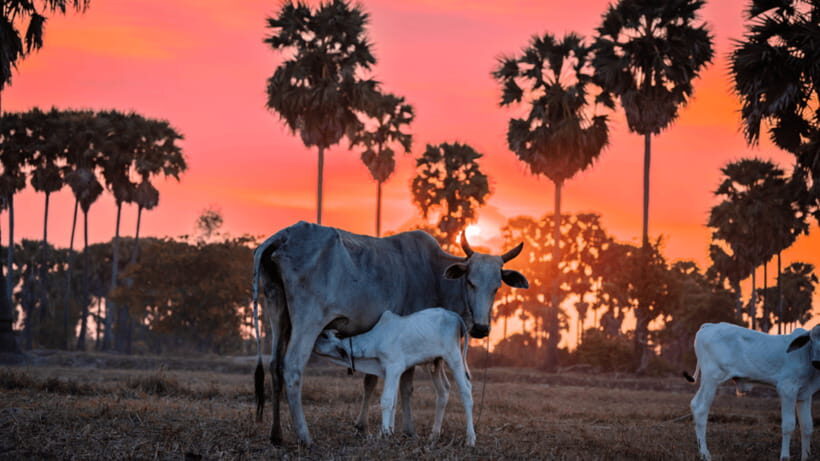
You’ll learn about the fermentation process and how household production connects to farm life. One of the most memorable parts is the circular resource story: leftover rice after fermentation is used to feed pigs, while the family uses farm rice for rice wine production.
You’ll also hear stories about raising cows and buffalos, which adds context to why rice farming and other livestock work together instead of feeling like separate industries.
And yes, you get to taste. Expect local snacks and drinks along the way, plus the chance to try freshly distilled local rice wine.
What to watch for
The farm area is active and outdoors. Plan for sun, dust, and uneven surfaces, even if the tour feels calm. Comfortable shoes are not optional here.
A Temple Stop with a Wine-Focused Segment (Short but Different)
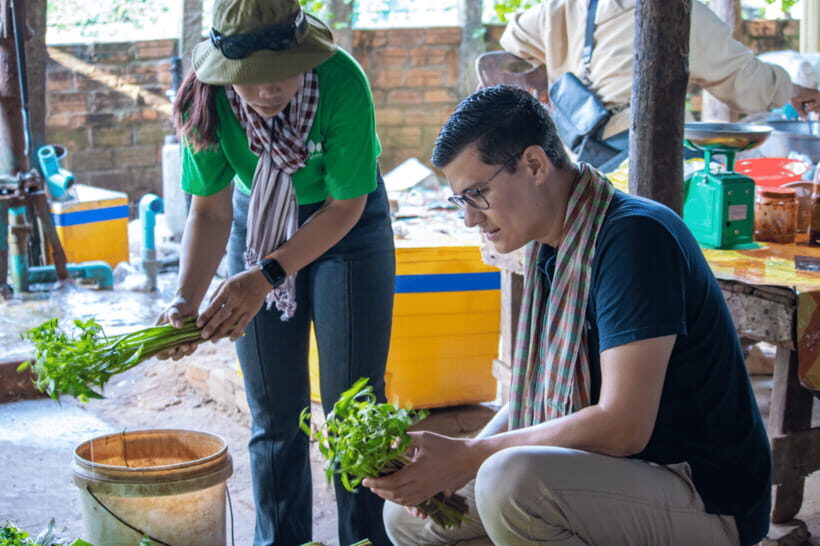
The day includes a guided visit at Wat Po Banteaychey with a wine-related component (about 30 minutes). It’s not treated like a long detour; it’s more like a contextual stop—another place where the guide connects the dots between local life and what you’ve already learned about rice and distillation.
If you enjoy learning through comparisons—how one tradition shows up in another location—this stop can feel like a helpful bridge.
Lotus Farm Workshop: Lotus Plant, Work for Women, and Lotus Tea Up Top
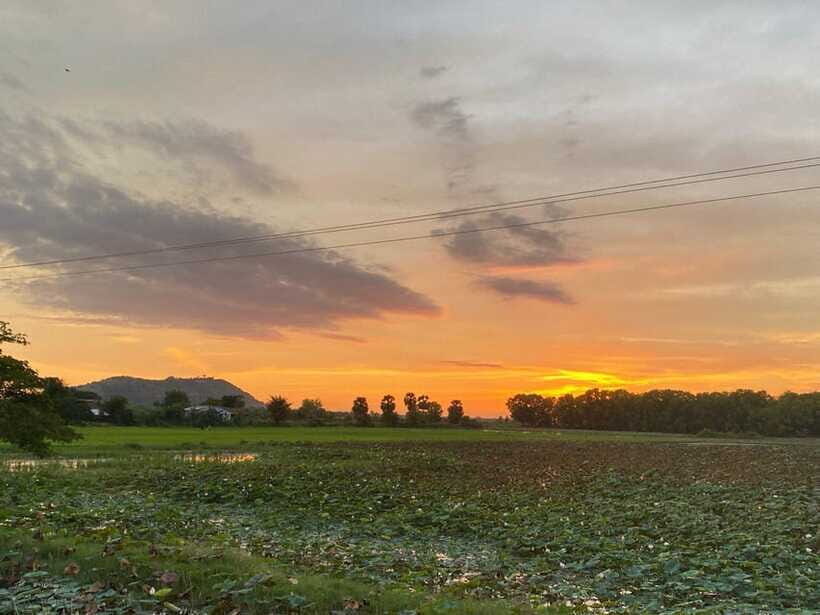
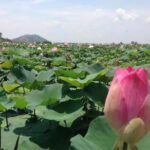
The lotus farm is a major highlight and a big reason this tour feels like more than a quick drive. You’ll get a guided visit and photo stop at the Lotus Silk Farm & Shop area (about 1 hour).
Here’s what makes it meaningful: the lotus plant’s fibers are used to make textile products, and the workshop explains why the lotus is seen as an environmentally friendly resource. It also connects to Buddhism through the lotus flower as a teaching and belief symbol in Cambodia.
The social enterprise angle is also part of what you’re supporting. The lotus farm program is described as promoting good work for local women and encouraging environmentally conscious energy consumption.
The tea lounge reward
After the workshop, you’ll enjoy lotus cake and freshly brewed lotus tea in a tea lounge on the top floor. The best part is the view: you get a 360-degree panorama to slow down and reflect, then you’re ready for the gentle end of the day.
I’d call this your “mental reset” stop. The earlier parts teach you how work feeds life; the lotus tea moment helps you actually feel the countryside before the sunset.
Phnom Krom Sunset Near the Rice Fields
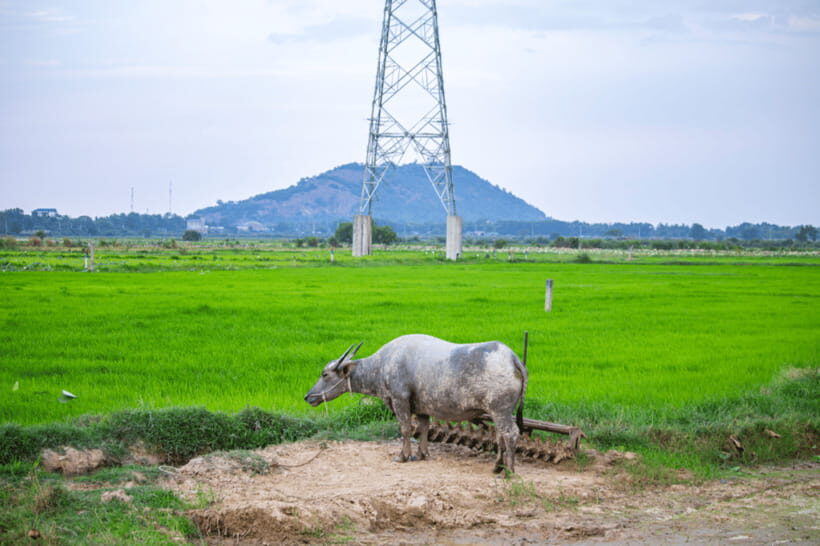
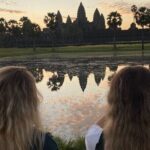
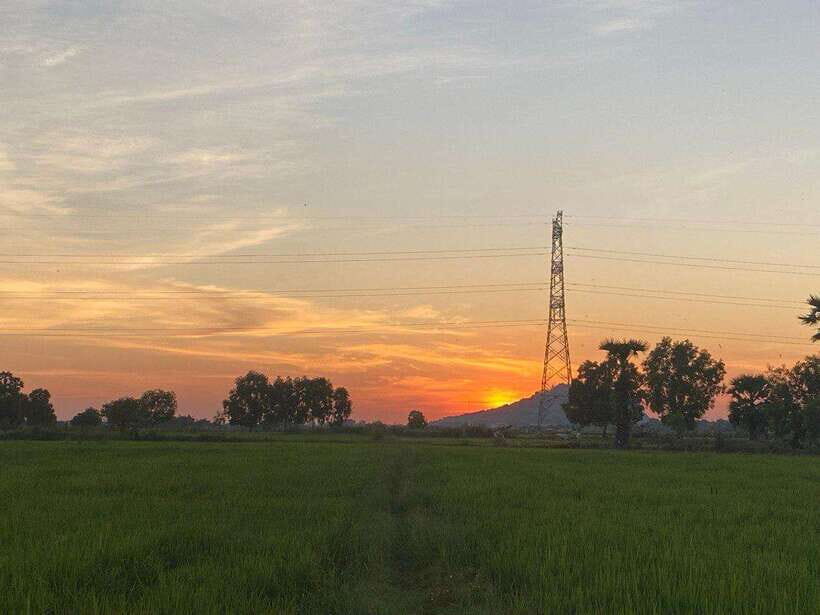
The final segment takes you to Phnom Krom, where the pace turns relaxed and quiet. You’ll have time for photos, some guided context, and then free time—about 1.5 hours total at this stop.
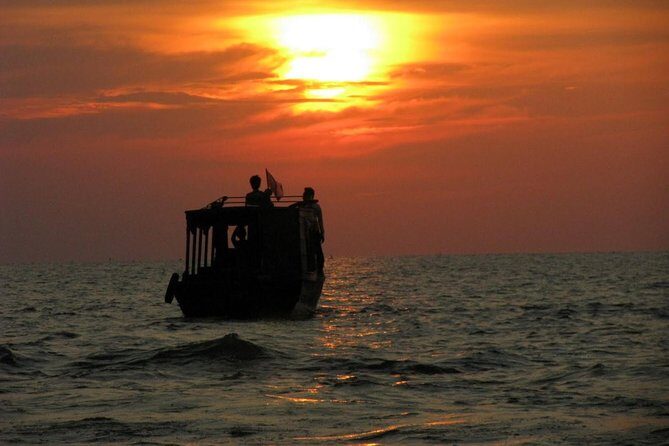
What I like is the structure of the end: you watch the sunset from a traditional mat near the rice fields, and you can take in the light changing over farmland.
It’s also where the food payoff lands. You’ll eat fresh and healthy countryside cuisine and taste delicious lotus dishes from a nearby local restaurant.
Some guides on this route have also included an additional cultural moment related to water blessings, so keep an open mind if your guide mentions it on the day.
Weather reality
Sunset timing can bring fast shifts—clouds, humidity, and sometimes thunderstorms. One review described sunset happening just before a storm, which is a good reminder: keep your camera ready, but don’t stress if the weather changes the vibe.
Price and Value: Why $69 Works Here
At $69 per person for a 4-hour tour, you’re paying for more than a tuk tuk ride. The price includes an English-speaking professional guide, hotel pickup and drop-off, tuk tuk transportation, local snacks and drinks, local foods for tasting, and all fees and taxes.
That matters because the main value isn’t one “big show”—it’s multiple hands-on learning and tasting moments: market time, basket craft context, rice wine distillation with farm logic, lotus workshop and lotus tea/cake, plus the sunset meal with lotus dishes.
If you’re staying in Siem Reap and want one half-day that feels grounded in local life, this price is pretty fair. It’s also one of the easier ways to get out into the countryside without building logistics yourself.
Practical Tips to Make the Day Easier
This tour is straightforward, but it’s still outdoors and rural. Bring what helps you enjoy the stops instead of thinking about discomfort.
Bring:
- comfortable shoes
- sunglasses and sunscreen
- insect repellent
- a camera
- comfortable clothes
- a hat can help with sun protection
- some cash for personal expenses (shop stops happen)
On the ground:
- get ready on time for pickup
- plan to move at a relaxed but steady pace
- treat tasting as part of the learning, not just a bonus
And if you’re sensitive to heat, consider drinking water regularly. The day includes snacks and drinks, but the countryside sun can still push you.
Who This Tour Suits Best (and Who Might Skip)
This is best for you if you want a more authentic side of Siem Reap: rice, markets, small crafts, and a cultural sunset rather than nonstop temple focus.
You’ll likely enjoy it if you like:
- food and farm stories you can actually picture
- workshops and tastings
- learning from a guide who can explain in clear English
It may not be ideal if you have mobility limits. The tour isn’t suitable for wheelchair users, and it also isn’t recommended for people over 95 years. If you’re unsure, ask about your comfort with walking and outdoor seating before booking.
Should You Book This Authentic Siem Reap Tour?
I’d book it if you want one day that connects Cambodia’s everyday life—rice, markets, craft, lotus—into a single half-day story. The combination of rice wine distillation, lotus farm education, and a sunset near rice fields feels like the right balance of hands-on learning and calm payoff.
Skip it only if you’re looking for a strictly temple-focused day or you prefer minimal walking and no rural outdoor time. Otherwise, this is a strong choice for value, authenticity, and a memorable finish that doesn’t feel like just another checklist.
FAQ
How long is the tour?
The tour lasts about 4 hours.
Is hotel pickup and drop-off included?
Yes. You’re picked up from your hotel in Siem Reap and dropped back after the tour.
What type of transportation do you use?
You travel by tuk tuk, with transportation included.
Is the guide available in English?
Yes. The tour includes an English-speaking professional guide.
What food and drinks are included?
You’ll get local snacks and drinks, plus local foods for tasting. The tour also includes freshly brewed lotus tea and lotus cake, rice wine tasting, and lotus dishes for the countryside sunset meal.
Where does the tour include a sunset?
The sunset is at Phnom Krom, near the rice fields, where you’ll relax on a traditional mat.
What should I bring for the day?
Bring comfortable shoes, sunglasses, a camera, comfortable clothes, and insect repellent. Sunscreen and a hat can also help.
Is the tour refundable if plans change?
Yes. Free cancellation is available up to 24 hours in advance for a full refund.