REVIEW · SIEM REAP
Tonle Sap Lake & Kampong Phluk Village Half-Day Tour
Book on Viator →Operated by Green Era Travel · Bookable on Viator
The lake changes how you see Cambodia. This half-day trip takes you to Tonle Sap and the floating village of Kampong Phluk, where you’ll ride a local boat and (seasonally) switch to a canoe to explore forest edges. I also like how the day is guided by people who explain daily life and history clearly, and I’ve seen guides such as Nak and Sophy praised for turning the sights into stories.
I love two parts most: the boat time where you pass floating schools and markets, and the chance to step into village life at water level rather than just watching from the shoreline. The market stop is also a big win, because you get a hands-on view of how fish, produce, and snacks show up in local routines.
One possible drawback: timing matters. In low-water months the route can shift (more driving and walking, with the lake portion still by boat), and the mangrove canoe experience runs only Aug–Jan, with the canoe ride not included in the base price.
In This Review
- Key things that make this tour worth your time
- Why Tonle Sap and Kampong Phluk feel like a living “how it works” lesson
- Getting from Siem Reap to the lake: 45 minutes of road, then boat mode
- Kampong Phluk Floating Village: schools, markets, and the water-level reality check
- The market stop: where fish, fruit, and local routines become visible
- Mangrove canoe time (Aug–Jan): calm forest edges, and a seasonal reality
- Boat riding on Tonle Sap: why the timing of your departure matters
- Price and what you’re really getting for $49
- Who this tour fits best (and who should consider something else)
- Best time to go: rain season, low water, and what to expect
- Practical tips to make the day smoother
- Should you book Tonle Sap & Kampong Phluk?
- FAQ
- How long is the Tonle Sap & Kampong Phluk tour?
- What’s the meeting time for the morning and afternoon departures?
- Is hotel pickup and drop-off included?
- Is a boat ride included?
- Is the canoe ride included?
- Are meals included?
- What’s included with the guide?
- How big is the group?
- What’s the minimum age to join?
- What’s the cancellation policy?
Key things that make this tour worth your time
- Two departure windows so you can match your Siem Reap schedule (morning or afternoon)
- Floating village + walking through local life at the water’s edge
- Market stop before or after the lake to understand what people actually eat and sell
- Mangrove canoe time is seasonal (Aug–Jan) and the canoe ride is not included
- Hotel pickup/drop-off in Siem Reap with an air-conditioned vehicle
- Small group cap (max 15) keeps the experience from feeling like cattle herding
Why Tonle Sap and Kampong Phluk feel like a living “how it works” lesson
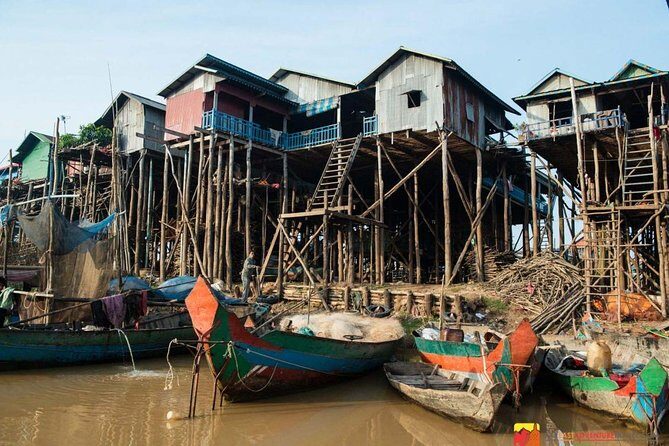
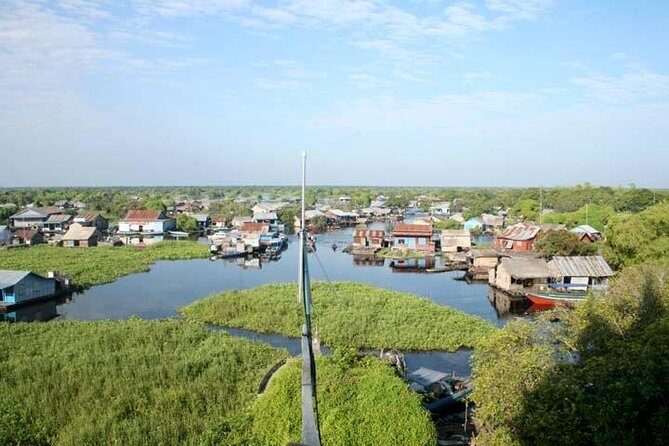
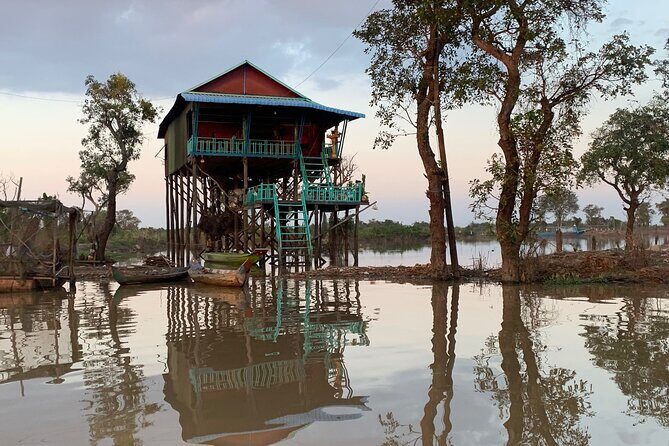
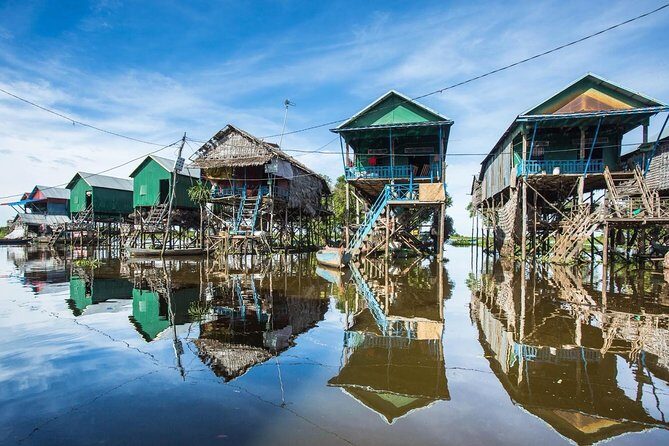
Tonle Sap isn’t a pretty backdrop. It’s the engine. On this tour, you see how communities build their homes, schools, and daily schedules around a lake that changes dramatically with the seasons. The floating village of Kampong Phluk sits at that waterline, so the day feels practical, not just scenic.
What makes it click is the mix of viewpoints. You get the wide perspective from the boat—slow-moving water, birds overhead, and the feeling that the lake goes on forever. Then you get closer: village paths, houses, and everyday routines you can understand in minutes. Guides such as Phat, Voath, and Sotin are repeatedly praised for connecting what you’re seeing to why it matters.
If you want one “wow” moment, the boat portion delivers. But the bigger payoff is learning the rhythm behind it—how people survive, teach, trade, and travel on water, not around it.
A few more Siem Reap tours and experiences worth a look
Getting from Siem Reap to the lake: 45 minutes of road, then boat mode
The tour begins with hotel pickup in Siem Reap. Morning departures typically pick up between 7:30am and 8:30am, while afternoon departures leave around 2pm with pickup between 1pm and 2pm. You’ll be in an air-conditioned van, and the trip to the lake area takes about 45 minutes.
That drive is more than just transport. It sets your expectations for the day: you move out of city pace and into countryside rhythms. When you arrive, you’ll shift from vehicle time to water time—usually starting with a boat ride that puts the floating village in view quickly.
Practical tip: be ready when the guide arrives. The pickup window is broad, and you’ll get the most relaxed experience if you’re waiting in the lobby, phone charged and water-proof layer within reach.
Kampong Phluk Floating Village: schools, markets, and the water-level reality check
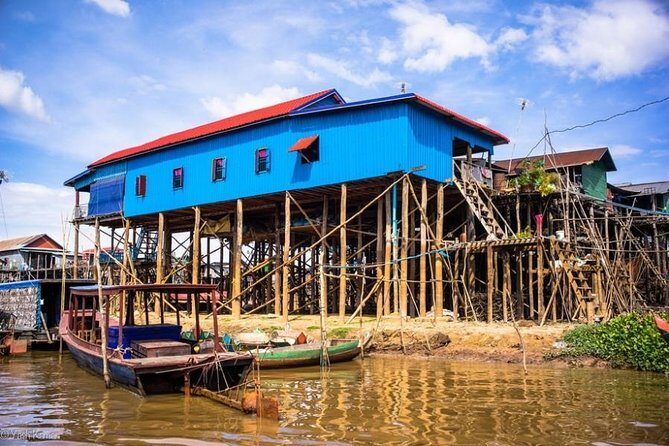
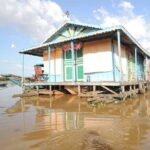
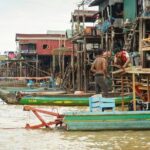
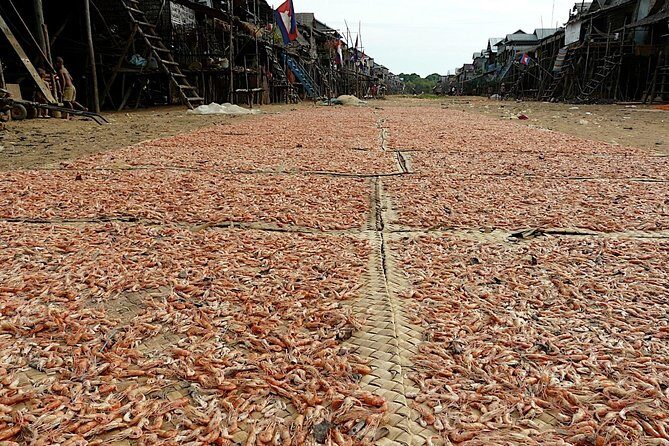
Once you’re at Kampong Phluk, you’re there for a floating village, but the key word is floating as a way of life. From the boat, you’ll see floating schools and markets—places that look light and informal, yet function like community hubs.
Then you’ll transition into exploration. You’ll visit a local home and spend time walking through parts of the village area. This is one of the most praised parts of the tour because it turns the experience from sightseeing into observation. You’re not just taking photos of structures; you’re watching how people move, work, and interact when the water is part of the infrastructure.
A small caution: this can be tourist-friendly simply because it’s a must-see destination. Still, if you come at the right time and keep expectations grounded, you’ll find it more educational than performance-heavy. Several guides are praised for keeping the tone respectful and for answering questions without rushing you.
The market stop: where fish, fruit, and local routines become visible
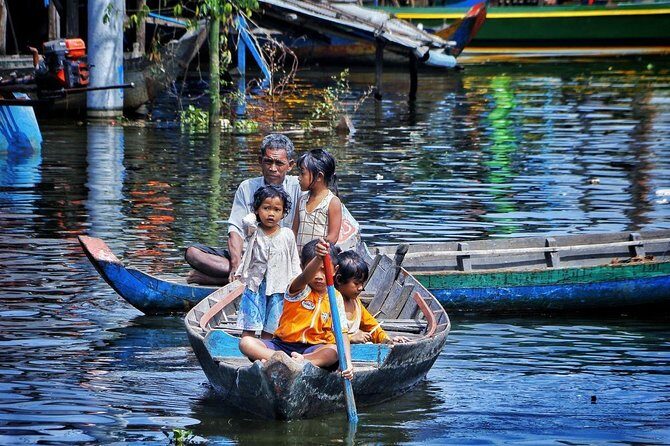
Most tours build in a market moment, and this one does it in a way that feels useful. You’ll stop at a local market en route, giving you a window into what people buy and sell and how food is prepared.
In particular, this stop has been highlighted for showing everything from produce and fruit to fish and other everyday items. It’s also a place where you can ask questions and understand local needs—what’s seasonal, what’s common, and what the market supports day to day.
What to do (and not do):
- Do expect smells and crowds, even if the tour is small.
- Do try fruit or snacks if offered—this is often the easiest way to taste the region.
- Don’t treat it like a museum. People are working. Move politely and keep your pace steady.
Also, if you’re thinking about gifts for children you may meet along the way, keep small cash ready. Several visitors mention having wish lists from school interactions, and having small bills helps you respond if you want to support in a simple way.
Mangrove canoe time (Aug–Jan): calm forest edges, and a seasonal reality
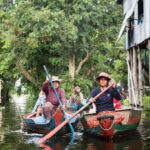
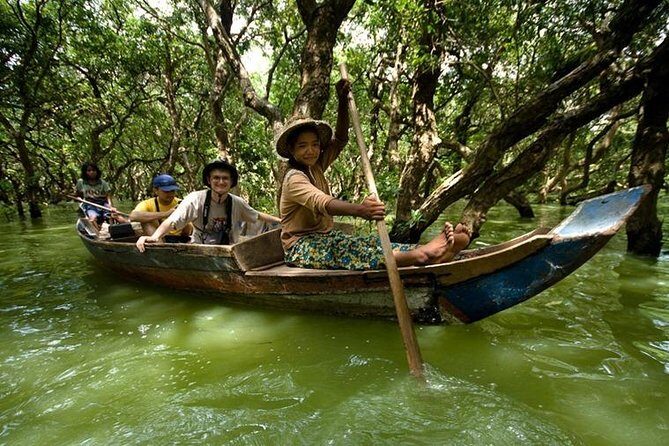
Here’s the big season note: the canoe ride in the mangrove forest runs from August to January. It’s also listed as not included, so you’ll have the option to hire a canoe rather than assuming it’s included in the $49 rate.
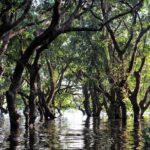
Why this part matters: the canoe portion is quieter and slower than the boat. It changes the pace of the day and gives you a closer look at the watery forest boundary—an ecosystem that feels alive but not loud.
What to consider:
- If you’re traveling outside Aug–Jan, you may still get water views and village exploration, but you shouldn’t plan on mangrove canoe time.
- Even within the season, expect your route to reflect water levels. A few visitors mention that in low-water periods the village access can become more driving and walking, with the lake portion still by boat.
My advice is simple: if mangroves are on your list, aim for the Aug–Jan window and plan the budget for the canoe ride since it’s not included.

Boat riding on Tonle Sap: why the timing of your departure matters
The tour gives you a choice of departure times: a morning option and an afternoon option. That matters because Tonle Sap trips can get busy as the day goes on. The boat ride is often best when crowds are lower, so arriving earlier can mean a calmer feel on the water.
You’ll also get different light and mood. Morning often feels crisp and bright; afternoon can bring softer color over the lake. Either way, the boat portion is where you fully understand Tonle Sap’s scale—the sense that you’re on a moving world, not a fixed pond.
Another reason the boat time is so highly valued: you get a moving “exhibit” of how communities appear from the water. Floating structures, boats, and activity are easier to understand when you’re traveling past them rather than only looking at them from one spot.
Price and what you’re really getting for $49
At $49 per person for a half-day, this is priced like a value tour—not a luxury day out. The reason it’s still a solid deal is what’s included.
Included items that add real value:
- Hotel pickup and drop-off from Siem Reap
- Air-conditioned transport
- Local English-speaking guide
- Cold bottled water
- Sharing local boat ride
- Mobile ticket
What’s not included (and why it matters):
- Canoe ride in mangrove forest (Aug–Jan)
- Food and drinks
- Travel insurance
So the $49 buys you the core experience: transportation, guide, boat, and village access. If you want the mangrove canoe, expect that to cost extra since it’s not included. If you’re the type who snacks lightly and doesn’t need a sit-down meal, the lack of food inclusion usually isn’t a problem—just bring a plan for your meal before or after.
Group size is capped at 15, and the group size varies by day. That cap is one of the reasons the tour earns such high praise. Smaller groups typically mean more time for questions and less waiting around.
Who this tour fits best (and who should consider something else)
This is a strong match if you want a genuine day outside the temples. It works especially well if you like:
- People-watching with context (not just photo stops)
- Water-based life and practical culture
- A short itinerary that doesn’t chew your whole day
It may not be ideal if you’re looking for a long, fully structured “activities all day” tour. One of the less-loved points is that half-day tours can feel tight at the end. If you’re the kind of traveler who needs constant action, you might want a full-day lakeside option instead.
It’s also a good fit for many ages because the minimum age is 3, but kids must be with an adult.
Best time to go: rain season, low water, and what to expect
You’ll see Tonle Sap described as a seasonal place, and that’s exactly right. Low-water conditions can change how the floating village is accessed. One review notes an early-to-mid May visit where the village was accessed by more driving and walking, with the lake portion still by boat—and still described as worth it.
If you want the experience at its most “floating,” aim for the season when water levels support the floating look you came for. If you go during low-water months, keep your mindset flexible: you may see more land-based steps, but the village life lesson remains.
Weather also matters. This tour requires good conditions, and if weather cancels the trip, you’ll be offered a different date or a full refund (so you’re not stuck with travel regret).
Practical tips to make the day smoother
A few small moves make a big difference on this kind of excursion:
- Wear shoes you don’t mind getting damp or muddy. Village edges and paths near water can be slick.
- Bring light rain protection even if skies look fine. Water areas can change quickly.
- Have small bills ready if you want to support school interactions with simple items (some visitors mention children approaching with needs like pencils or coloring books).
- Choose your departure time thoughtfully. Morning can help you enjoy the boat ride with fewer people.
- Ask your guide questions. The best moments often come from what you learn on the ride, not just what you see.
And if the day gets messy with weather, stay calm. Guides sometimes adjust the boat boarding point to keep the day moving, and the goal is to get you on the water safely.
Should you book Tonle Sap & Kampong Phluk?
Book it if you want a half-day that feels different from temple circuits and gives you a real sense of how people live with water. This tour earns top marks for a reason: the boat ride, the village walk, and the market stop combine into an educational, human-scale experience rather than just a checklist sight.
Don’t book it as a must-do if you’re only chasing dramatic set-piece visuals or you’re traveling outside the Aug–Jan window and canoe time is your main goal. Also, if you dislike market stops or prefer strictly private, slow-paced tours, you may want to compare alternatives.
If you can handle a short day, some moving parts, and the seasonal nature of Tonle Sap, this is one of the best value ways to experience Cambodian life beyond the city.
FAQ
How long is the Tonle Sap & Kampong Phluk tour?
The duration is about 5 hours.
What’s the meeting time for the morning and afternoon departures?
Morning pickups are between 7:30am and 8:30am. Afternoon trips depart around 2pm, with pickup between 1pm and 2pm.
Is hotel pickup and drop-off included?
Yes. Hotel pickup and drop-off in Siem Reap are included.
Is a boat ride included?
Yes. You get a sharing local boat ride.
Is the canoe ride included?
No. The canoe ride in the mangrove forest (Aug–Jan) is listed as not included, but you can hire one during that season.
Are meals included?
No. Food and drinks are not included.
What’s included with the guide?
You’ll have a local live English-speaking guide.
How big is the group?
The group size varies by bookings, with a maximum of 15 travelers.
What’s the minimum age to join?
The minimum age is 3 years, and children must be accompanied by an adult.
What’s the cancellation policy?
Cancellation is free up to 24 hours in advance for a full refund. The experience also depends on good weather; if canceled for poor weather, you’ll be offered a different date or a full refund.