REVIEW · SIEM REAP
Siem Reap: Angkor Temples Tour by a Private Tuk Tuk
Book on GetYourGuide →Operated by Private Siem Reap Tour Guide & Transport · Bookable on GetYourGuide
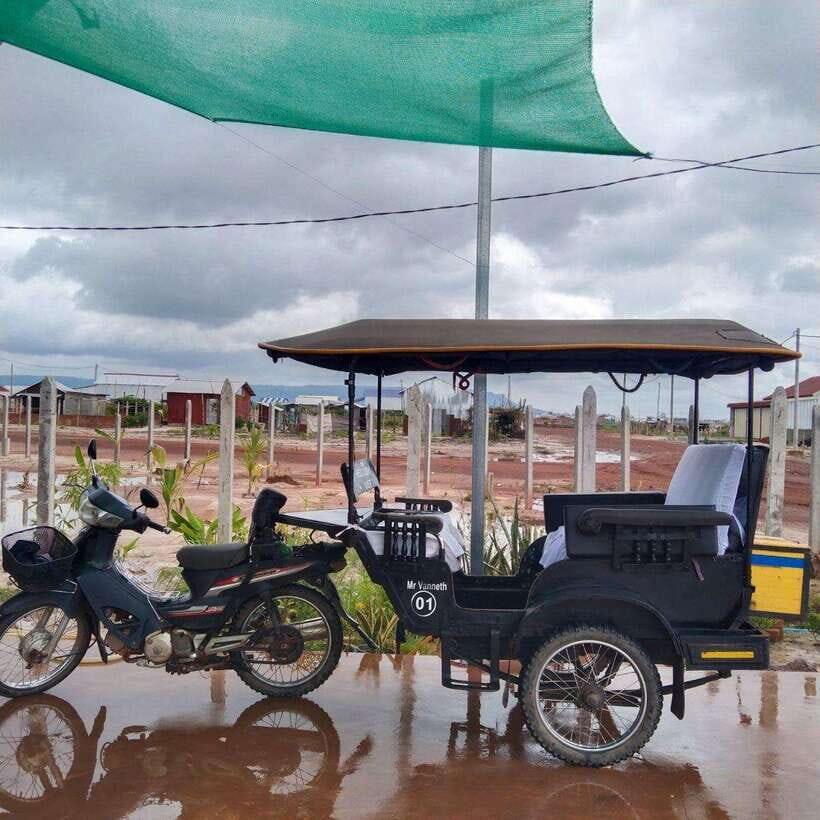
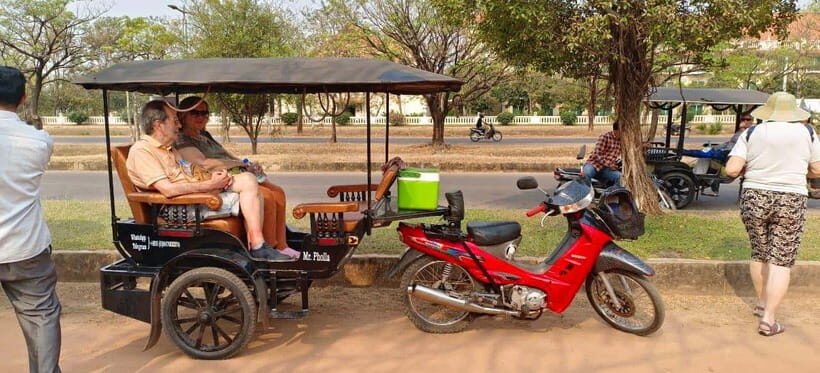
Angkor in a tuk-tuk sounds like a small choice—until you feel the comfort and control of it. I like that this is a private day with an English-speaking driver, so you’re not stuck watching a rigid group schedule while the heat builds. I also like the smart mix of famous stops and the in-between temples, including Angkor Wat, Bayon, and Ta Prohm.
The trade-off is simple: temple entrance fees are not included, and you’ll still be walking a fair amount in sun and shade. Also, lunch is a break you can plan around, but it isn’t listed as included in the price.
If you want the Angkor highlights with a day that actually feels adjustable, this private tuk-tuk tour is a strong way to do it—especially if you appreciate having your own driver like Rachou or Sokha Cam, who are known for staying attentive to comfort and timing.
In This Review
- Key things that make this tuk-tuk Angkor day worth it
- Why a private tuk-tuk feels better than a van at Angkor
- Before you go: what to bring and how to dress for temple rules
- Angkor Wat: the classic start at Cambodia’s biggest temple
- Angkor Thom, South Gate, and Bayon’s stone faces
- Baphuon, the Royal Palace area, and shaded views
- Thommanon and Chau Say Tevoda: where the details start to impress
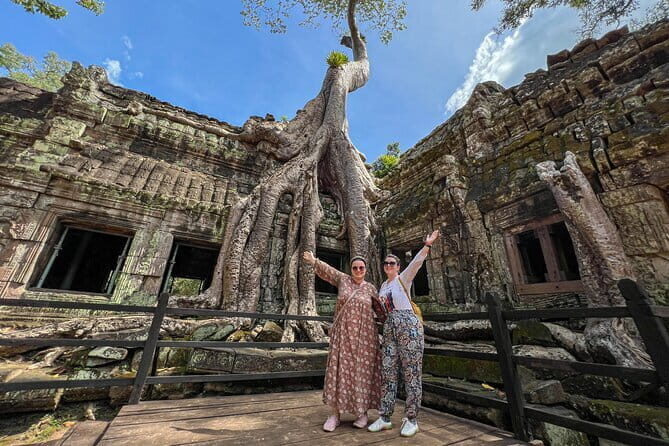
- Ta Prohm: the Tomb Raider temple and the mossy root maze
- Lunch break: plan it as recovery time, not an afterthought
- Skip-the-line entry and entrance fees: how to budget without surprises
- Value and price: is $25 per group good for a full day?
- Who this tour suits best
- Should you book this private tuk-tuk Angkor temples tour?
- FAQ
- What is included in the $25 price?
- How many people can this private tour accommodate?
- Is lunch included?
- Do I need to buy temple entrance fees separately?
- Which major temples do you visit?
- Is there a skip-the-line entrance?
- How long is the tour?
- Where is the pick-up?
- What should I bring for the day?
- What are the cancellation terms?
Key things that make this tuk-tuk Angkor day worth it
- Private pacing: you choose how long you linger at each temple, not the clock
- Skip-the-line entry via a separate entrance
- Comfort perks: cold waters are included, and some drivers even provide fresh towels
- A logical route: Angkor Wat first, then Angkor Thom, then Ta Prohm later
- Big-name temples plus quieter ones like Thommanon and Chau Say Tevoda
- Lunch break built in so you’re not stuck “temple-only” all day
Why a private tuk-tuk feels better than a van at Angkor
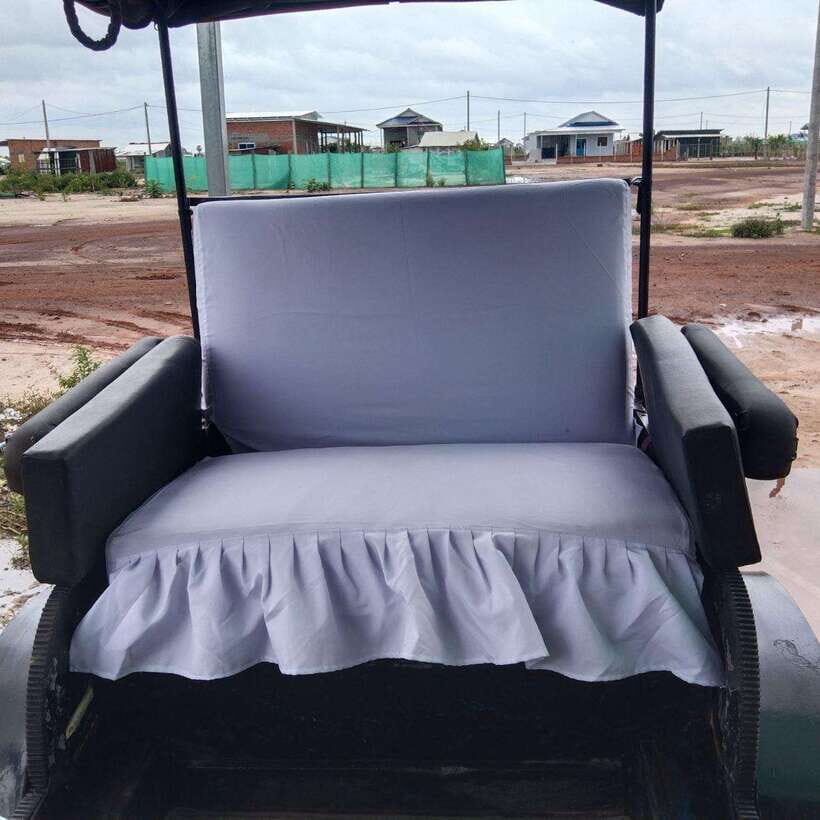
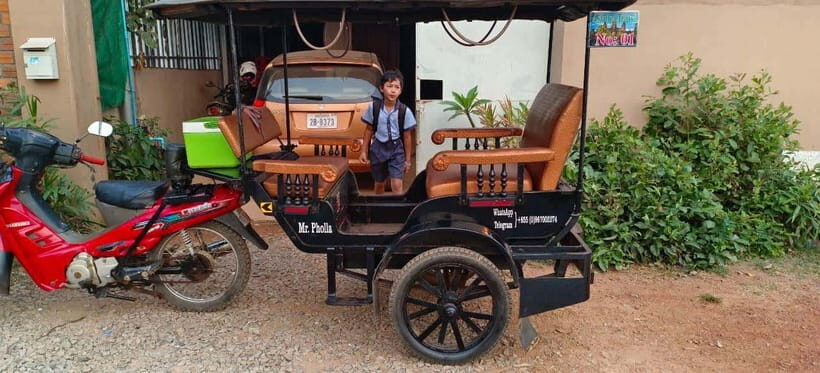
Angkor is spread out, and the park’s layout rewards a driver who can respond to real conditions. A private tuk-tuk lets you keep the day light and efficient: ride when you need it, then get off and walk when it’s worth it. You also get the practical freedom to slow down for photos, steps, or shady detours without asking permission.
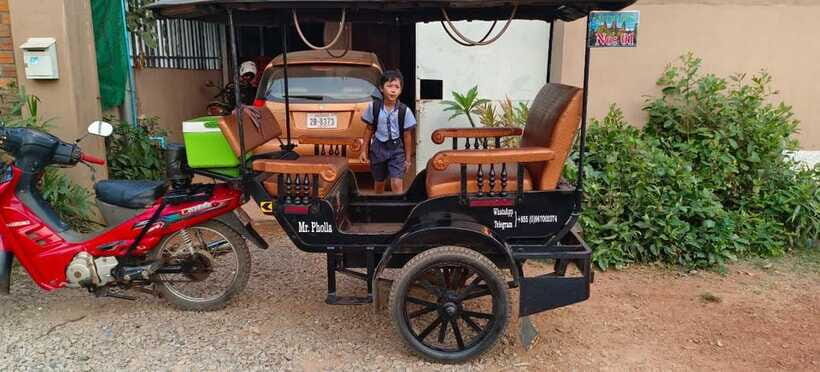
Comfort matters here. Tuk-tuks can be cooler than you expect when the driver keeps things moving and your schedule avoids the worst stretches of exposure. In at least a few real cases, drivers also showed up with cold waters and small comfort touches like fresh towels—exactly what you want when the Cambodian sun starts squeezing the joy out of your camera.
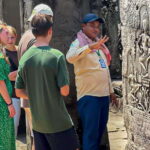
One more underrated win: your driver isn’t just transport. With an English-speaking guide-driver, you can ask quick questions and get context as you go—like why Angkor Wat became the symbol of Cambodia, or what to look for in the carvings around the Bayon area.
You can also read our reviews of more private tours in Siem Reap
Before you go: what to bring and how to dress for temple rules
This is a walking day. Even with tuk-tuk rides between sites, you’ll be climbing stairs and spending time on stone—sometimes with zero shade. Bring comfortable shoes you trust on uneven ground. Add a hat and sunscreen because mornings and afternoons both hit hard. And yes, bring your camera, but also plan your hydration, not just your photos.
For clothing, aim for modest temple-appropriate outfits. It’s not about fashion; it’s about being allowed in and not getting fussed over at entry points. Light clothing helps you handle the heat, and a compact layer can help if you’re moving between sun and shaded ruins.
Angkor Wat: the classic start at Cambodia’s biggest temple
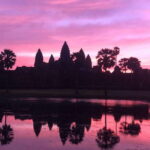
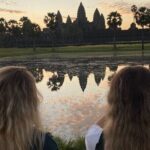
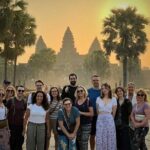
Most people think of Angkor Wat as a single postcard. On a good day, it becomes something bigger: a whole architectural idea you can walk through. Your visit starts with a photo stop and time to explore around the main complex.
Angkor Wat was built by King Suryavarman II in the early 12th century, in Yasodharapura, the Khmer Empire capital. It was designed as his state temple and eventual mausoleum, and it’s also famous for being one of the best-preserved temples at Angkor. It’s even tied to modern identity: Angkor Wat appears on Cambodia’s national flag, which gives the place a little extra weight when you’re standing in the scale of it.
What to watch for:
- The way the temple layout pulls your eye in stages, from approach to central areas
- Stone details that look different depending on where the sun is hitting
- The feeling of symmetry and order, which is part of why Angkor Wat became such a symbol
A practical note: since your tour includes a separate entrance, you should spend less time stuck at the standard bottlenecks and more time moving through the areas you care about.
Angkor Thom, South Gate, and Bayon’s stone faces
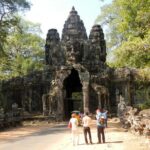
After Angkor Wat, you enter the ancient city of Angkor Thom. You go through the South Gate, and it’s worth arriving ready to notice scale. The wall rises about eight meters high, with a laterite circuit that measures roughly 3 km by 3 km. A moat still surrounds parts of the complex, and that “still-water” feel makes the site feel more enclosed than you’d expect.
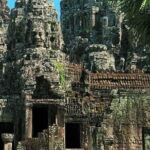
Inside Angkor Thom, the center is Bayon Temple. Bayon is the one that makes people pause and look up, over and over. The temple sits in the heart of the city layout, and the faces carved into stone act like an anchor for your whole experience. You’ll get time for sightseeing and walking here, including photo stops and a guided feel to help you spot what’s important.
Why this stop works so well on a private day:
- Bayon benefits from slower observation, not speed
- You can spend extra time where your eyes keep returning
- You can step back when the crowding or heat becomes annoying
If you’re trying to see Angkor beyond the headline scenes, Bayon is where the place starts to feel like a living city in ruins, not just a museum of famous stones.
Baphuon, the Royal Palace area, and shaded views
Your route continues toward Baphuon and then along the Terrace of the Elephants area. Even if Baphuon isn’t the “main character” in everyone’s photos, it’s an important chapter in the architecture story.
Baphuon has a long causeway and is known for a huge reclining Buddha figure. This is one of those spots where a few minutes of walking gives you a different perspective on the temple’s mass and the way its carvings sit across the stone surfaces.
From there, you head toward the Terrace of the Elephants, part of the larger royal palace esplanade. This area feels busy in a good way. You get a chance to connect the dots between temple religion and the power geography of the Khmer Empire—because the palace and ceremonial spaces are part of how Angkor functioned as a state.
Then there’s the shaded break zone around Preah Palilay. That “pause in the trees” matters. Angkor days can feel endless if you only run from one sun patch to the next. Build in a moment to cool off, and you’ll enjoy the next temples more.
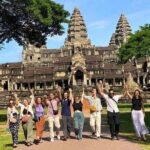
Thommanon and Chau Say Tevoda: where the details start to impress
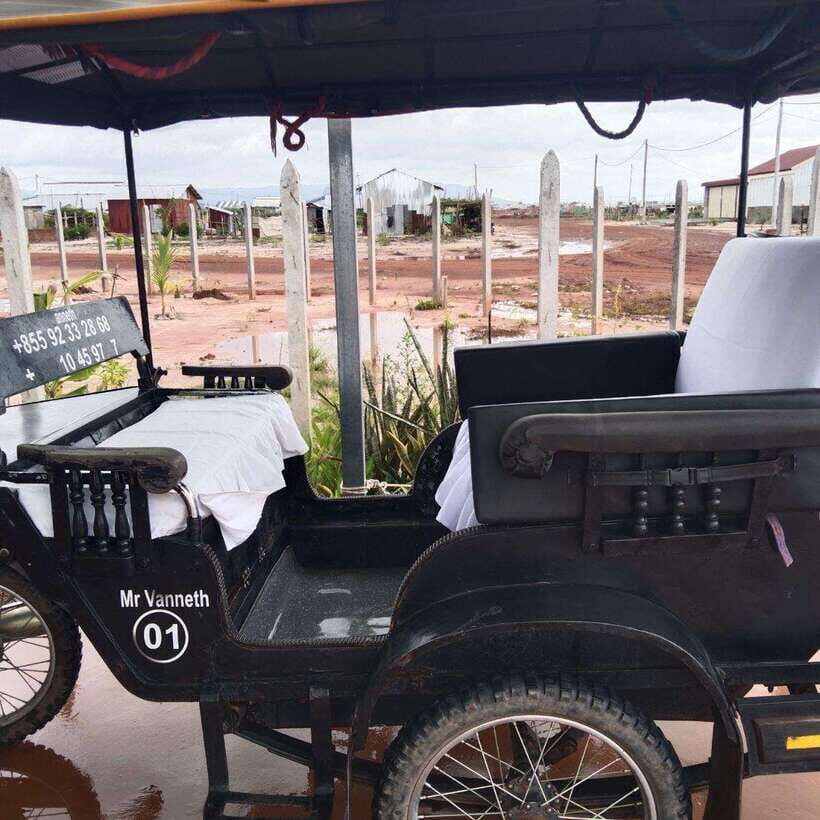
After lunch, you shift into afternoon temples that many people skip when they’re rushing for Ta Prohm alone. Here you visit Thommanon and then Chau Say Tevoda.
Thommanon is one of a pair of Hindu temples built during Suryavarman II’s reign at Angkor. The name connects to Pali meanings: Dhamma (Buddhist Teachings) and Nanda (supreme wisdom). That language detail is a clue. Even though the temple is Hindu, the names hint at the cultural blending that shows up across Khmer-era sites.
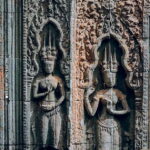
Chau Say Tevoda sits just east of Angkor Thom, across from Thommanon across the Victory Way. It was built in the mid-12th century and is dedicated to Shiva and Vishnu. One of its most distinctive notes is the presence of female sculptures of devatas.
These two temples reward you if you like close looking. If you get satisfaction from carvings, symmetry, and small figures you might otherwise miss, this is where the day starts feeling personal—not just famous.
Ta Prohm: the Tomb Raider temple and the mossy root maze
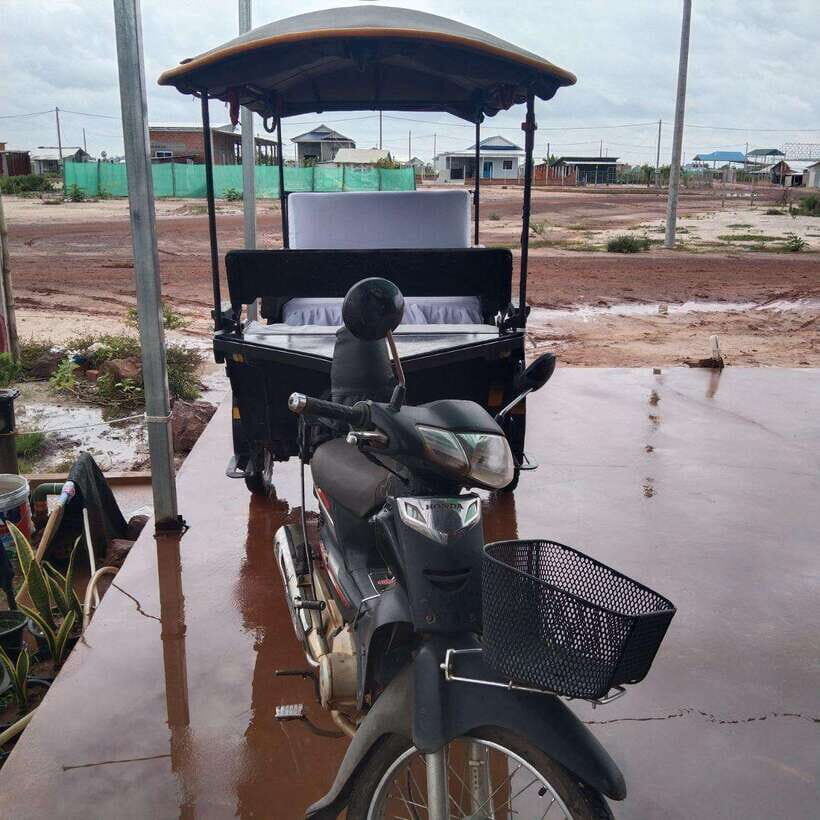
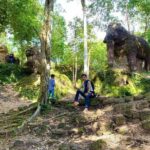
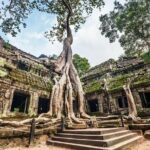
Then comes Ta Prohm, the one that many people come for first in their minds. It’s famous for its connection to Tomb Raider, where Angelina Jolie played Lara Croft. Even if you don’t care about movies, Ta Prohm is still worth it because the ruins feel actively alive.
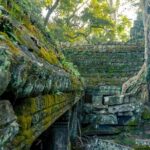
A big part of the appeal is the way tree roots—specifically Spung trees (Tetrameles nudiflora)—grow into ancient stone, with moss and texture turning the walls into a patchwork. It looks like nature and architecture are having an ongoing conversation. If you’ve ever wanted to take photos that feel like you’re walking inside a story, Ta Prohm does that.
Practical reality: it’s a popular stop. A private driver helps because you can adjust your pace—spend longer in the scenes you like, and move on when it starts to get too crowded or too hot.
End of the day is a drive back to your hotel in Siem Reap, dropped off after your tour.
Lunch break: plan it as recovery time, not an afterthought
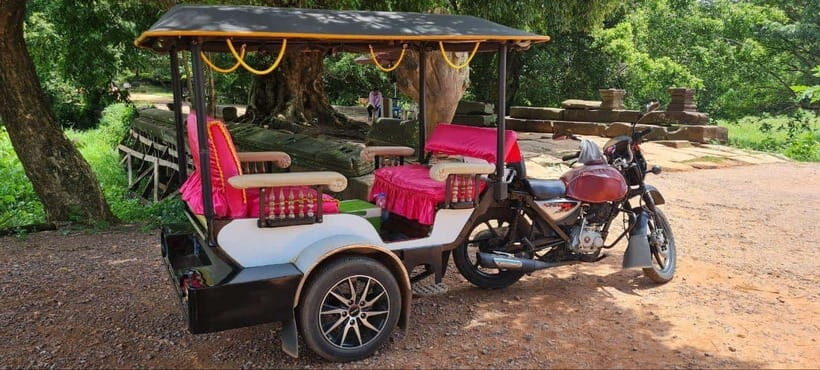
Your day includes a lunch break built into the route, with time to stop at a local restaurant. Just remember: lunch isn’t included in the tour price, so it’s part of your budgeting. I like treating lunch as recovery time anyway. If you eat a little earlier and stay hydrated, the afternoon temples feel less punishing.
This is also a great moment to ask your driver about timing. Because with a private arrangement, your driver can help you decide where you’ll get the best balance of shade, walking, and photo opportunities later.
Skip-the-line entry and entrance fees: how to budget without surprises
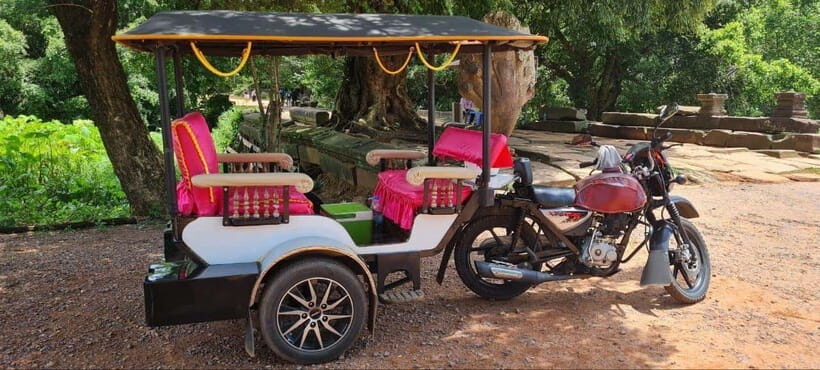
The tour includes skip-the-line access via a separate entrance, plus private transport, licensed driver, and parking. That can save you time when you want to move through temples rather than queue.
But here’s the key budgeting truth: entrance fees are not included. So the day’s total cost will depend on what tickets you purchase at the temples. In other words, the tour price is the transportation and guide service, while the temple entry is an extra line item you need to plan for.
My practical advice: set aside money not only for entrance fees, but also for small day-of needs:
- water beyond what’s provided, if you want it
- lunch
- tips
Value and price: is $25 per group good for a full day?
At $25 per group up to 4 for a 1-day private tuk-tuk circuit, the value comes from how Angkor works. You’re paying for:
- private transport
- hotel pick-up and drop-off
- toll roads and parking
- cold waters
- a licensed English-speaking driver
- skip-the-line entry
If you’re comparing this to larger-group tours or more rigid transport, the private part matters. Being able to shorten or lengthen specific temple visits is how you turn Angkor from a checklist into a real experience. One review experience I’ve taken note of: people felt the tuk-tuk day was more comfortable than a van and felt genuinely customized when they were only two people and wanted certain stops and timing.
One more real-world detail: tipping. In at least one case, a guest described tipping generously and even planned an amount similar to the tour fee. That’s not required information you can treat like a rule, but it’s a good mindset in Cambodia—service is personal, and your driver’s effort shapes the whole day.
Who this tour suits best
This is a strong fit if you:
- want private transport and flexibility more than you want a fixed group schedule
- like a mix of major highlights and smaller temples (Thommanon and Chau Say Tevoda are the differentiators)
- prefer comfort and short rides over long stretches of heat-only walking
- enjoy photo stops but still want guided context while you’re looking
It may feel less ideal if you want a fully structured, lecture-heavy day. This is guided by your driver, but it’s also about pacing and movement.
Should you book this private tuk-tuk Angkor temples tour?
I’d book it if your goal is a full Angkor day that stays comfortable, efficient, and adjustable. The combination of Angkor Wat, Angkor Thom/Bayon, and Ta Prohm, plus extra temples like Thommanon and Chau Say Tevoda, gives you variety without turning the day into a nonstop sprint.
Skip booking only if you already have transport figured out and you’re comfortable managing timing and entry lines on your own. Also, make sure you’re ready for the walking, and budget for entrance fees and lunch since those aren’t included.
FAQ
What is included in the $25 price?
Private tuk-tuk transport, a licensed English-speaking driver, private tour service, toll roads, car parking, cold waters, gasoline, and hotel pick-up and drop-off.
How many people can this private tour accommodate?
It’s priced for a private group up to 4 people.
Is lunch included?
Lunch is not included in the tour price, but there is a lunch break during the tour.
Do I need to buy temple entrance fees separately?
Yes. Entrance fees are not included.
Which major temples do you visit?
Angkor Wat, Angkor Thom (including Bayon Temple), and Ta Prohm are included, plus Baphuon and the Terrace of the Elephants area, and also Thommanon and Chau Say Tevoda.
Is there a skip-the-line entrance?
Yes. You get skip the line access through a separate entrance.
How long is the tour?
The tour runs for one day.
Where is the pick-up?
You’ll be picked up from your hotel in Krong Siem Reap.
What should I bring for the day?
Bring comfortable shoes, a hat, camera, sunscreen, and water.
What are the cancellation terms?
Free cancellation is available up to 24 hours in advance for a full refund.