REVIEW · SIEM REAP
3 Day Angkor Wat Kulen Mountain Beng Mealea and Floating village
Book on Viator →Operated by Asean Angkor Guide · Bookable on Viator
Waking up at 4:40 AM is worth it. This private 3-day circuit strings together the big Angkor hits with Kulen National Park and the floating village lifestyle, so you’re not just bouncing between temple photos. I love that the plan mixes iconic monuments with lesser-seen scenery, and it’s built around timing that helps you see more with less crowd stress.
Two things I especially like: you get a professional English-speaking guide who can explain what you’re looking at, and the days are paced with real breaks and included meals. The other win is that the tour doesn’t stop at Angkor Wat and call it a day; you also hit Ta Prohm, Beng Mealea’s jungle-overgrown mood, and Kampong Phluk on Tonle Sap Lake.
One drawback to plan around: this is a lot of walking, steps, and early starts. If you’re sensitive to stairs or you don’t want cold-water swimming at Kulen, this itinerary may feel intense.
In This Review
- Key moments that make this tour click
- Value that goes beyond tickets: what you’re really paying for
- The 4:40 AM start at Angkor Wat: why sunrise is the whole game
- Srah Srang breakfast and the quiet countryside rhythm
- Ta Prohm’s roots and Angkor Thom’s faces: two different kinds of magic
- Day 2 at Kulen: viewpoints, reclining Buddha, and a swim in cold pools
- Beng Mealea after lunch: when Angkor goes wild
- Kompong Phluk floating village: stilt life on Tonle Sap Lake
- Day 3 temple circuit: Banteay Kdei, Pre Rup, and Banteay Srei
- Neak Pean and Preah Khan: calmer temples before the sunset climb
- Phnom Bakheng sunset: the payoff, but plan for the climb
- Your guide matters more than you think
- When this tour is a great fit
- Things to think through before booking
- Should you book this 3-day Angkor Wat, Kulen, Beng Mealea, and floating village tour?
- FAQ
- Is pickup from my hotel included?
- Are Angkor and other attraction admission tickets included?
- What meals are included?
- Is this tour private or shared with other groups?
- What time do you start on the Angkor Wat sunrise day?
- What’s the duration of the experience?
- Can I cancel and get a full refund?
Key moments that make this tour click
- Angkor Wat sunrise with an early start so you can see the temple before the biggest crush
- Ta Prohm and Angkor Thom South Gate for the dramatic faces, roots, and stone scenes
- Kulen’s “1000 Lingas” riverbed plus reclining Buddha at Preah Ang Thom
- Beng Mealea after lunch when jungle ruins feel even more cinematic
- Kampong Phluk boat cruise for stilt-house life on Tonle Sap Lake
- Phnom Bakheng sunset climb for a classic overlook at the end of Day 3
Value that goes beyond tickets: what you’re really paying for
At $195 per person for about 3 days, this tour is priced like a true guided program, not just a driver and a list of stops. The included stuff matters: pickup, a professional English-speaking guide, transportation with an experienced driver, water and towels during the tour, admission tickets, and breakfast plus two lunches.
That bundle is the value. Cambodia’s temple sites aren’t free, and time is your real currency—especially with sunrise at Angkor Wat and a sunset climb at Phnom Bakheng. When a day starts before dawn, you want a guide who can keep you moving at the right pace and steer you toward the most rewarding angles.
It also helps that this is a private tour (only your group participates). Even if the tour is sold with group discounts, the day-to-day experience is designed for your pace, your questions, and your photo stops.
A few more Siem Reap tours and experiences worth a look
The 4:40 AM start at Angkor Wat: why sunrise is the whole game
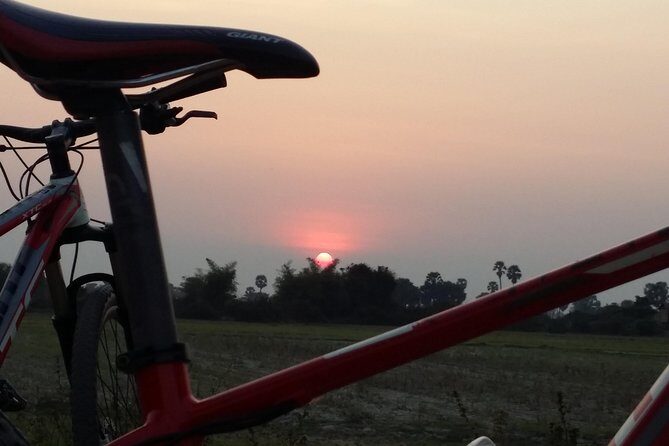
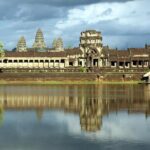
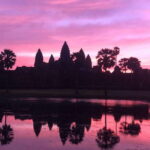
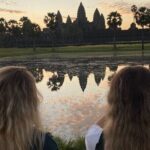
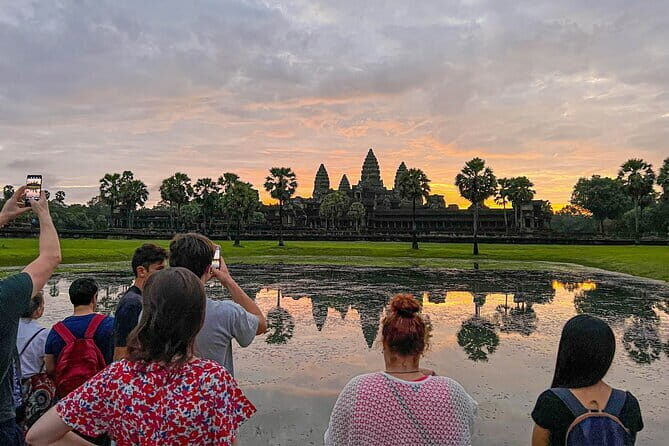
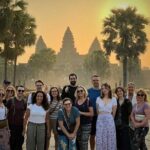
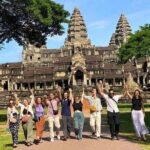
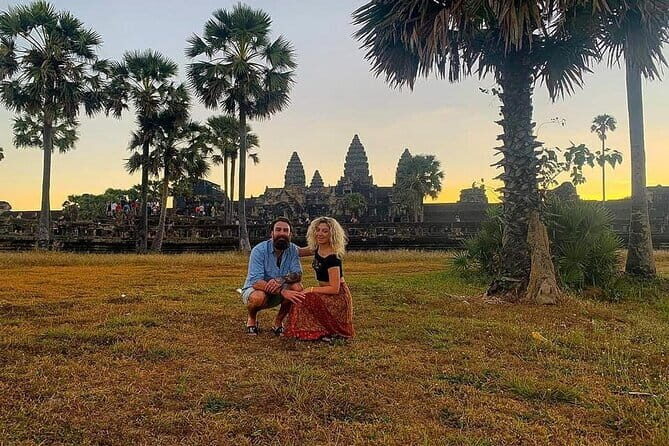
Day 1 begins with hotel pickup around 4:40 AM, long before the sky fully wakes up. You’ll head straight for Angkor Wat to watch sunrise over the world-famous complex, then explore with your guide early enough to dodge the worst of the crowds.
Why this matters: Angkor Wat is an easy place to feel overwhelmed. Going early gives you breathing room, lighter photo conditions, and calmer temple moments. You also get the best mix of atmosphere—misty stone, first light, and that feeling that you’re seeing something sacred in its own time, not on a schedule.
After the sunrise portion, you’ll spend around 2 hours exploring with a guide. The guide time is the practical part: they help you understand what you’re looking at so you’re not just collecting images. And in real-world terms, having someone knowledgeable enough to explain the symbolism saves you from wandering aimlessly when your feet start to burn.
Plan tip: sunrise days feel long even when the official time blocks look neat. If you’re planning on buying snacks later, you’ll want to keep your energy up early—this tour includes breakfast later, but you’re still up at an hour when most people are dreaming.
Srah Srang breakfast and the quiet countryside rhythm
After Angkor Wat, you move into a calmer stretch with a stop at Srah Srang. Before the next temple segment, the tour includes breakfast at a local family restaurant in Siem Reap’s countryside.
This is a small piece of the day, but it does a lot for your trip. A proper Cambodian breakfast break helps you avoid the common mistake on temple tours: under-eat early, then crash later. It also gives you a bit of everyday context, so the day feels like more than a museum route.
Srah Srang itself is also a good reset point—an open area among temple and water features. It’s the kind of stop where you can catch your breath, regroup your camera gear, and let the guide’s next temple story land.
Ta Prohm’s roots and Angkor Thom’s faces: two different kinds of magic
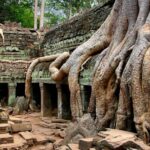
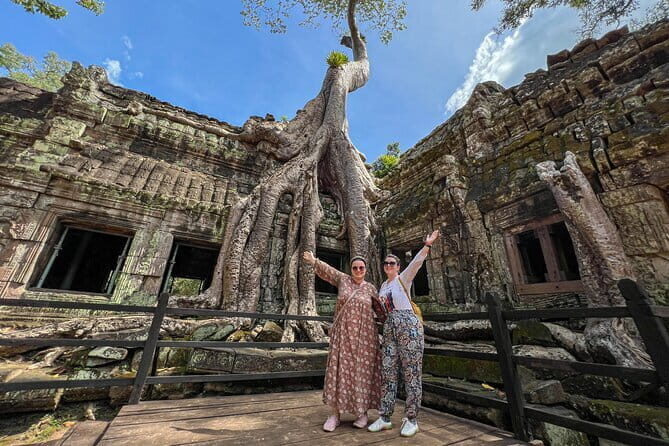
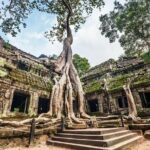
Next on Day 1 you’ll go to Ta Prohm, the jungle-temple most people recognize for the way huge tree roots wrap around stone. The stop includes about 1 hour, which is just enough time to soak in the details without turning it into a hurried sprint.
The draw here isn’t only the scenery. It’s the mood change: Ta Prohm feels like nature and human ambition are sharing the same space. If you like filming slow clips or taking close-up photos of textures, you’ll enjoy having a guide who knows where to stand for the best views.
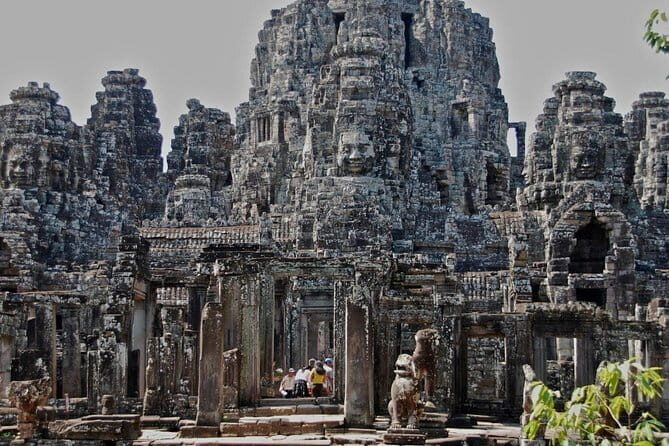
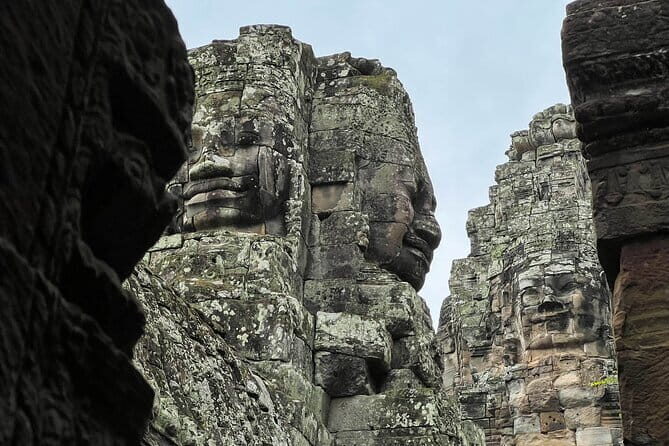
Then you’ll head to Angkor Thom, focusing on the South Gate. Here you’ll see Bayon and Baphoun temples, including the 54 towers and 216 faces of Avalokesvara. You’ll also visit the Terrace of the Elephant and other features in the area.
This is where a guided approach shines. With so many repeating carvings and angles, you can miss what matters if you’re just chasing the most obvious view. A good guide helps you look in the right order, and that makes the walking feel more purposeful.
Practical note: Angkor Thom involves steps and uneven stone. If you’re wearing sandals, use ones you trust. If your trip includes climbing later on Day 3, don’t burn out your ankles early.
Day 2 at Kulen: viewpoints, reclining Buddha, and a swim in cold pools
Day 2 starts with hotel pickup around 8:00 AM and immediately shifts from major Angkor temples into Kulen National Park territory. This is one of the reasons this tour feels fuller than many Angkor-only options.
You’ll first stop at Poeng Ta Kho (amazing cliff) for wide panoramic views across canyons and forest. It’s a shorter visit, but it gives you a mental break from stone carvings. Then you’ll climb to Preah Ang Thom, where an 8-meter reclining Buddha is carved into the mountainside. The point isn’t only the scale; it’s that pilgrims have been climbing this place for centuries, and you’ll see incense and quiet devotion moments as part of the stop.
Next comes 1000 Lingas, where thousands of sacred fertility symbols are carved into the actual riverbed. The tour frames it as a place where water becomes holy water for the Angkor kingdom. Even if you’re not focused on religious doctrine, the visual impact is intense: you’re looking at ancient carvings in the path of flowing water.
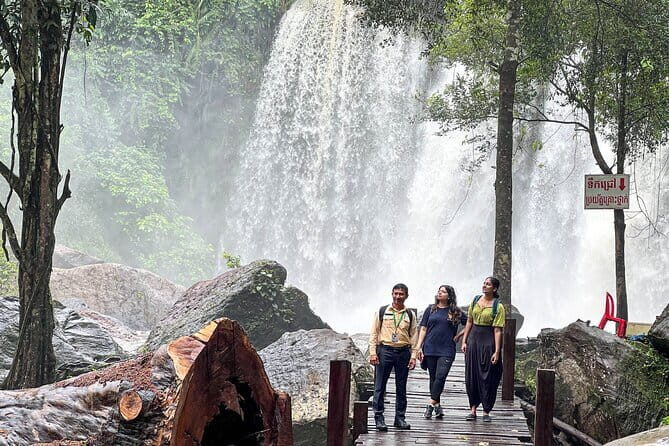
The day’s energy peaks at Phnom Kulen Waterfall. Expect crystal-clear pools with limestone-filtered water, a picnic spread on smooth rocks, and time to cool off. The swim is described as cold, wake-you-up cold—so go in with the right mindset and consider whether it’s your idea of fun.
If you hate getting cold, you can still enjoy the waterfall scenery and picnic without committing to the swim. But the tour does set up time for it, so be prepared for that option.
Beng Mealea after lunch: when Angkor goes wild
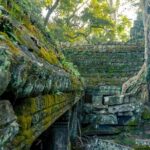
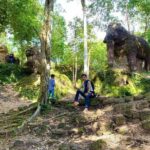
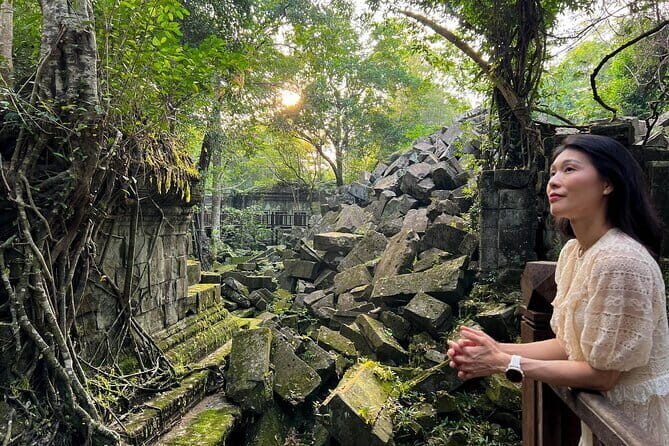
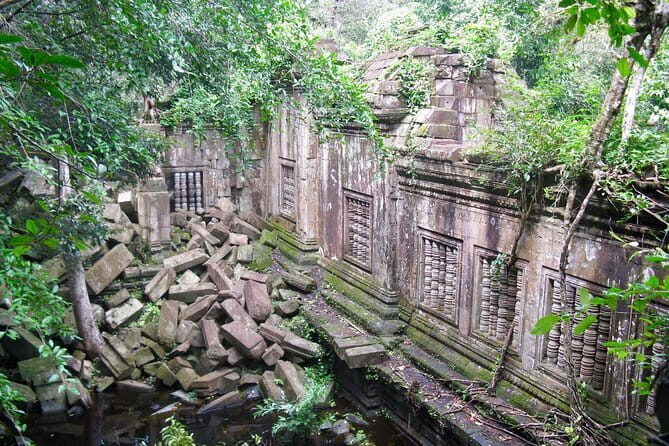
After Phnom Kulen, you’ll continue to Prasat Beng Mealea in the afternoon. This is one of the best “different feel” stops on the whole 3 days: Beng Mealea is temple architecture that looks like nature moved in and never left.
It’s built in the 12th century and wrapped in dense greenery, with ruins that feel messier and more open than the polished Angkor icons. You’ll spend about 1 hour, and it’s the kind of time block that works well: long enough for exploring paths and photo angles, not so long that you’re exhausted before the floating village day.
Beng Mealea is also a great contrast to Ta Prohm. Ta Prohm is iconic for roots but has a more famous, stage-like look. Beng Mealea feels more like wandering through a larger, less-managed landscape—so if you like off-beat angles, you’ll probably enjoy it.
Kompong Phluk floating village: stilt life on Tonle Sap Lake
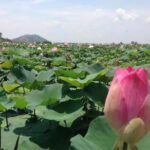
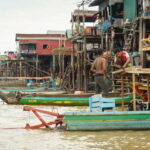
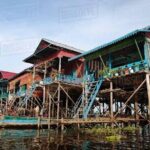
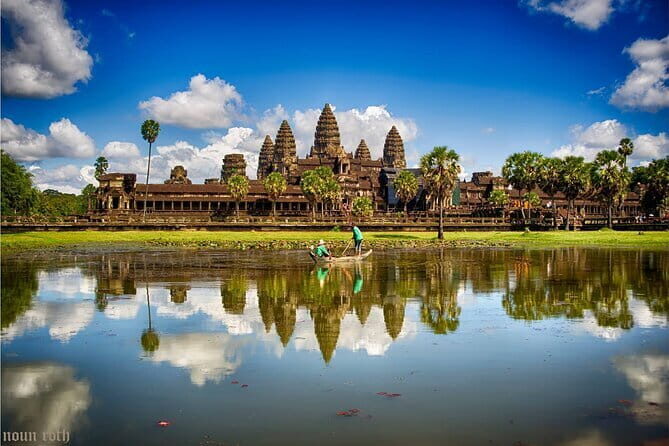
Day 2 finishes with Kompong Phluk, a floating village area on Tonle Sap Lake. You’ll arrive in time to see stilt houses surrounded by mangroves, then take a boat cruise.
The total stop time is about 1 hour 30 minutes, including time for the experience and a Buddhist visit portion. This is a big mood shift from temple stone and mountain waterfalls. Instead of carved symbols, you’re looking at everyday life built around water—how communities organize homes, movement, and work when the lake level shapes the year.
Boat time is usually where photos pay off. If you bring a camera, clean the lens before you board; water mist and humidity can reduce sharpness fast. And if the day is hot, plan on sweating—cooling down is not the point here, the point is atmosphere.
Day 3 temple circuit: Banteay Kdei, Pre Rup, and Banteay Srei
Day 3 is your “many temples, different vibes” day, starting around 8:00 AM. The first stop is Banteay Kdei (about 45 minutes). Then you head to Pre Rup for about 1 hour.
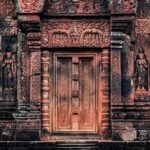
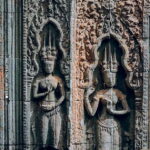
Next is Banteay Srei (about 1 hour). This is a temple stop where details matter: carvings and stonework can be the highlight, so go slow and let the guide point out what to notice. If you sprint through, you’ll miss the best parts.
From there, you’ll visit East Mebon (about 40 minutes) and Ta Som (about 30 minutes). Ta Som tends to be a quick hit, with lots of visual texture and a jungle-temple vibe similar in spirit to Ta Prohm, but on a shorter timeline.
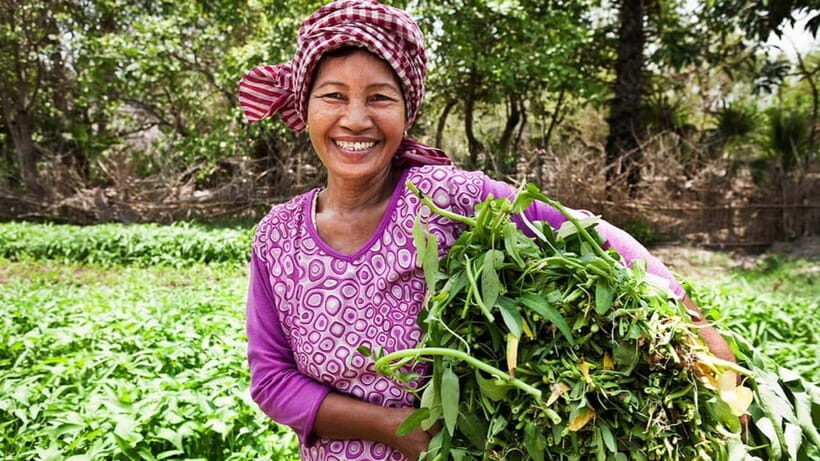
You’ll also have a lunch stop that’s different from the usual tourist routine. Lunch is described as being cooked by a local chief at a local restaurant, followed by a visit to Phum Preah Dak, an authentic community where you can learn how people make palm cake and palm sugar.
That food-and-craft portion is valuable because it anchors your day in daily Khmer life. Temples are the headline in Siem Reap, but this is the kind of experience that makes the trip feel human instead of just historic.
Neak Pean and Preah Khan: calmer temples before the sunset climb
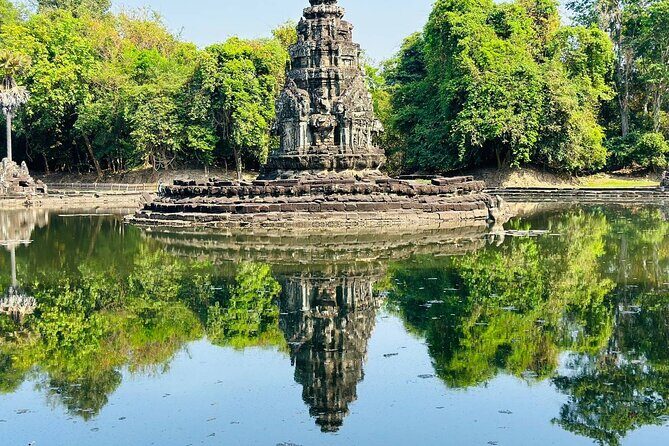
After lunch on Day 3, you’ll visit Neak Pean (about 40 minutes) and Preah Khan (about 1 hour). These are stops that can feel slower than Angkor Wat’s headline moments, which is good. By this point, you’ve already done sunrise and you’ve already seen dramatic faces and roots. Now you’re looking for atmosphere and form.
A strong guide helps here, too. With so many similar temple layouts, the guide’s explanations help you see differences in design and purpose. This is the part of the day where you might realize you’re learning a way to interpret ruins, not just recognize them.
Phnom Bakheng sunset: the payoff, but plan for the climb
The final big moment is Phnom Bakheng for sunset, plus a transfer back to your hotel afterward. You’ll spend about 1 hour 30 minutes for the sunset portion and the climb.
Sunset at Phnom Bakheng is classic for a reason: the view gives you a sense of Angkor Park from above, tying together what you’ve been walking through. It’s also the kind of moment that makes the whole 3-day effort feel like it had direction.
The consideration is physical: the climb can be demanding, especially after two full days. Wear shoes that grip well, and don’t treat it like a casual stroll. Pace yourself and take water breaks as needed.
Your guide matters more than you think
This tour is built around having an expert English-speaking guide. That’s not a small detail when you’re dealing with carved symbolism, temple history, and practical navigation across a big area.
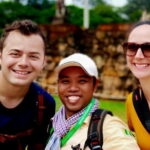
In the guide examples tied to this tour, names like Mr. Sean, Raman, Sotin Kim, Mr. Ho, and Mr. Leap have shown up with strong feedback for clarity, kindness, and even photo help. One of the most useful skills a guide can bring is knowing where to stand so you get the shot and the meaning.
If you care about photography, a guide who can help with timing and angles is a quiet superpower—especially at sunrise and sunset when light changes quickly.
When this tour is a great fit
You’ll likely enjoy this 3-day plan if you want:
- A mix of Angkor icons and more off-center stops like Beng Mealea
- Nature and water scenery (Kulen waterfalls, riverbed lingas, floating village boats)
- A paced day structure with breakfast and lunches included
- A guide-led experience where you’re learning what you see, not just walking to landmarks
It’s also a good choice for couples and friends who want privacy without losing the efficiency of a structured schedule.
Things to think through before booking
- This itinerary includes lots of steps and walking, so it helps to be comfortable with that rhythm.
- There are strong early and late moments: pickup before dawn for Angkor Wat and a sunset climb at Phnom Bakheng.
- Kulen includes time for a swim described as cold—if that’s not your style, you can still enjoy the waterfall and picnic, but plan your expectations.
Should you book this 3-day Angkor Wat, Kulen, Beng Mealea, and floating village tour?
I’d book it if you want a balanced Cambodia sampler: sunrise spectacle, jungle ruins, mountain water, and lake-life all in three days, with tickets and meals handled. The price makes sense when you tally what’s included—guide, transport, admissions, and meals—and when you factor in how early starts make a difference at Angkor.
I wouldn’t book it if you want a relaxed, low-step vacation. This is a “see a lot, walk a lot” plan, and it asks you to get up early and climb in the late part of Day 3.
If you go in prepared—good shoes, water habits, and a flexible attitude about timing—you’ll come away with more than temple photos. You’ll get scenery and culture that feel connected, not just stacked.
FAQ
Is pickup from my hotel included?
Yes. The tour includes pickup from your hotel lobby early on Day 1 and again around 8:00 AM on Days 2 and 3. You’ll also be transferred back to Siem Reap at the end of each day, with drop-off possible at your hotel or the Old Market area.
Are Angkor and other attraction admission tickets included?
Yes. Admission tickets for the stops on all three days are included in the price.
What meals are included?
Breakfast is included (including breakfast at a local family restaurant in the countryside). Lunch is included on two days.
Is this tour private or shared with other groups?
It’s private. Only your group participates.
What time do you start on the Angkor Wat sunrise day?
Pickup is around 4:40 AM for sunrise viewing at Angkor Wat.
What’s the duration of the experience?
It’s listed as approximately 3 days.
Can I cancel and get a full refund?
Yes. Free cancellation is available up to 24 hours in advance of the experience start time for a full refund. If you cancel less than 24 hours before, the amount paid is not refunded.