REVIEW · SIEM REAP
Angkor Wat: Sunrise 2.5 Days with Tonle Sap Lake Tour
Book on GetYourGuide →Operated by Journey Cambodia · Bookable on GetYourGuide
Waking up for Angkor feels unreal. This 2.5-day tour strings together Angkor Wat sunrise and a Bakheng sunset plus a real look at life around Tonle Sap Lake. It’s not just a checklist: the guide helps you make sense of what you’re seeing, and the timing gives the temples that early-morning glow and late-day drama.
Two things I especially like are the way the route mixes big-name sites with smaller, more detailed temples, and the way the guide turns ruins into stories you can actually follow. When guides like Sopheap Rath, Pal Saruon, Sokpee, Chhay, Rom, and Sam explain the temple layouts and eras in clear English, you stop seeing random stones and start seeing design choices. I also love the practical comfort factor: pickup and drop-off in Siem Reap, an air-conditioned vehicle, plus cool water and a towel to reset between stops.
One thing to plan for: the temple entrance tickets and meals cost extra. Entrance covers multiple days (listed as 62 USD per person for all temples over 2–3 days), and you’ll want to budget for breakfast and lunch on your own, including a local breakfast near the temple area after sunrise.
In This Review
- Key highlights worth betting on
- Sunrise timing at Angkor Wat and sunset from Bakheng
- Day 1: Re Rub, Banteay Srei, Neak Pean, Preah Khan, then Bakheng at sunset
- Day 2: Early Angkor Wat sunrise, then a deep walk through the complex
- Ta Prohm’s atmosphere and Ta Nei’s Buddha dedication
- Day 3: Tonle Sap Lake boat trip to Kampong Pluk fishing villages
- Price and logistics: $69 is for the brains, transport, and timed moments
- What the small-group pace and private-style planning means for you
- Practical tips: shoes, insect repellent, and respectful clothing
- Who should book this Angkor and Tonle Sap combo
- Should you book this tour?
- FAQ
- How long is the tour?
- Where does pickup happen?
- Is Angkor Wat sunrise included?
- Is Bakheng sunset included?
- What temples are included besides Angkor Wat?
- Are temple entrance tickets included in the price?
- Are meals included?
- What happens if I visit during March–July and Tonle Sap is affected?
- What should I wear and bring?
Key highlights worth betting on
- Sunrise at Angkor Wat timed outside the main crowds, then you spend time inside the complex
- Sunset at Bakheng Temple on a mountain viewpoint for dramatic late light
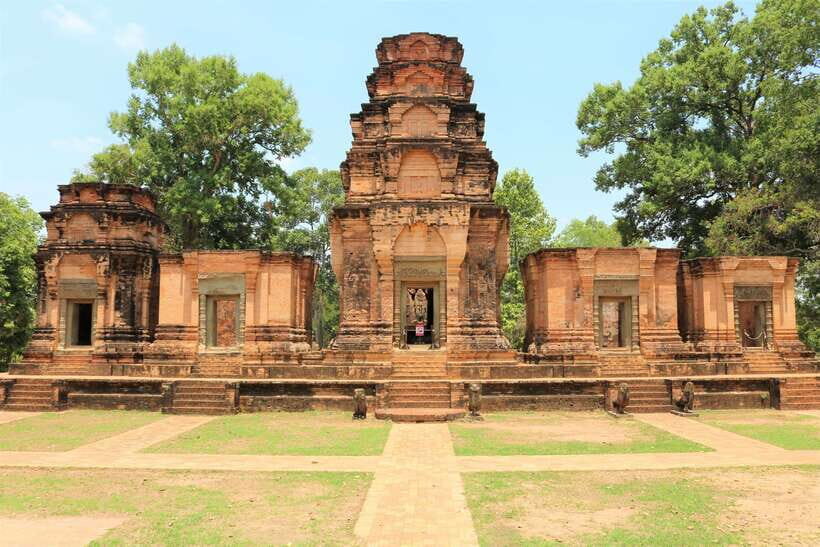
- A temple mix that teaches you from detailed carvings at Banteay Srei to the tree-root chaos at Preah Khan
- Tonle Sap Lake by boat to Kampong Pluk fishing villages in a flooded-forest setting
- English-speaking guides with great photo instincts, including standout photographer skills mentioned by several guides
- Small group energy with private-style pacing, so you can move at a relaxed rhythm
Sunrise timing at Angkor Wat and sunset from Bakheng
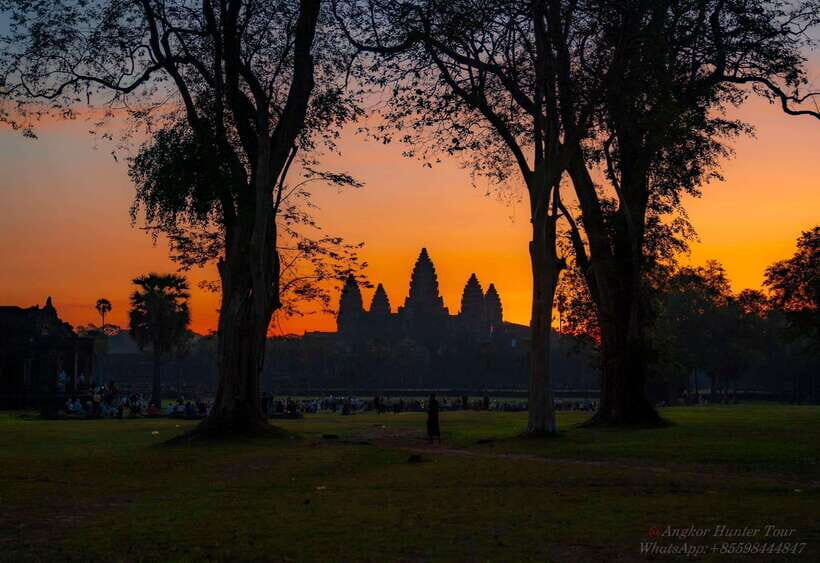
This tour is built around the two moments when Angkor feels most alive: before the sun fully burns in, and after the heat starts to ease.
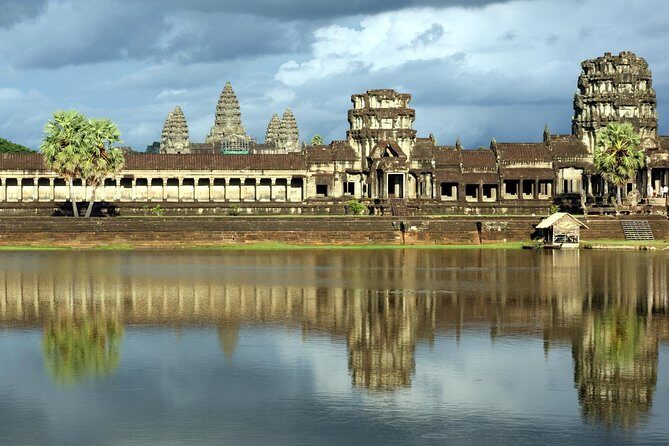
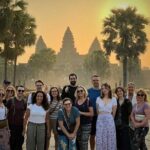
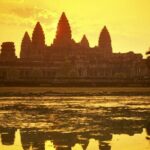
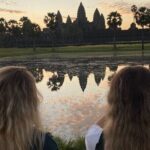
For sunrise, you head out before dawn to watch Angkor Wat from outside the temple area. You’ll get that atmospheric start from the edge of an ancient library pool, where the light shifts slowly and the grounds feel calmer than midday. Then, after that early viewpoint time, you go in and do a thorough temple visit—expect about two hours spent on corridors, central chambers, and upper terraces.
Later, you catch sunset at Bakheng Temple. Bakheng is one of those places where timing matters because the sky does its thing and the stones pick up warm color as the light drops. The tour keeps this part in your Day 1 plan so you’re not doing every big moment on Day 2, which can be exhausting.
Practical note: sunrise days mean an early start. If you don’t love being awake before the sun, this will still be worth it, but set your expectations for tired legs and fast coffee afterward.
A few more Siem Reap tours and experiences worth a look
Day 1: Re Rub, Banteay Srei, Neak Pean, Preah Khan, then Bakheng at sunset
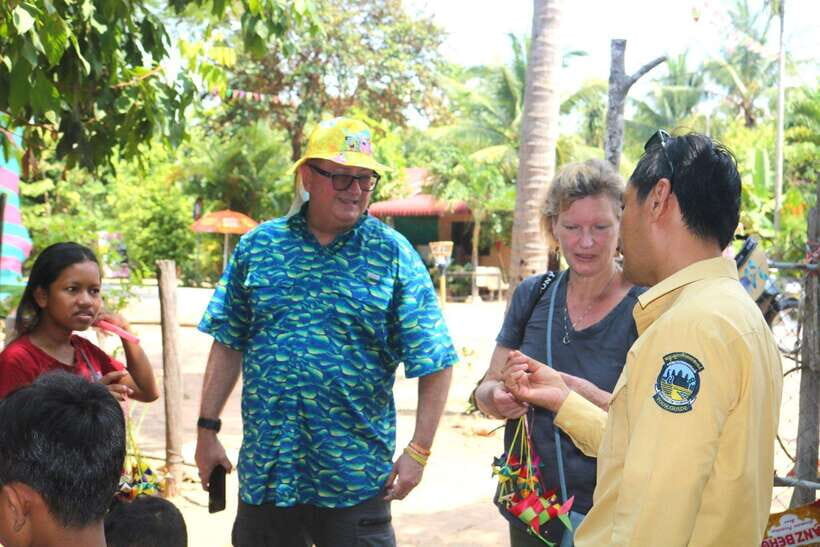
Day 1 is about temples that feel intimate and specific, not just famous. You start with Re Rub, a Hindu temple that functioned as the state temple for Khmer king Rajendravarman, dedicated in 961 or early 962. It’s a temple mountain made using brick, laterite, and sandstone, so even if you’re not a “temple person,” the materials and structure help you notice how Khmer builders thought.
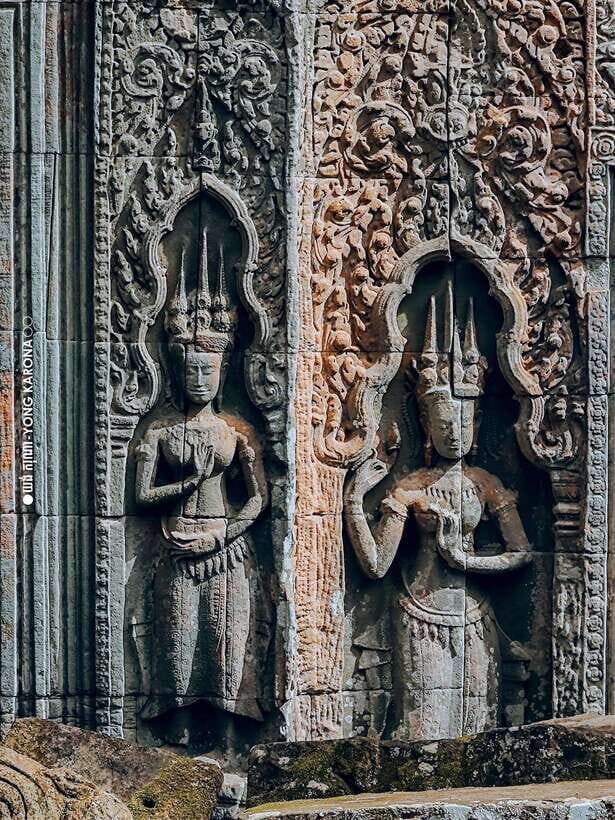
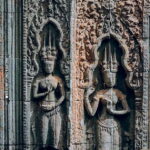
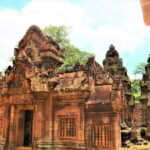
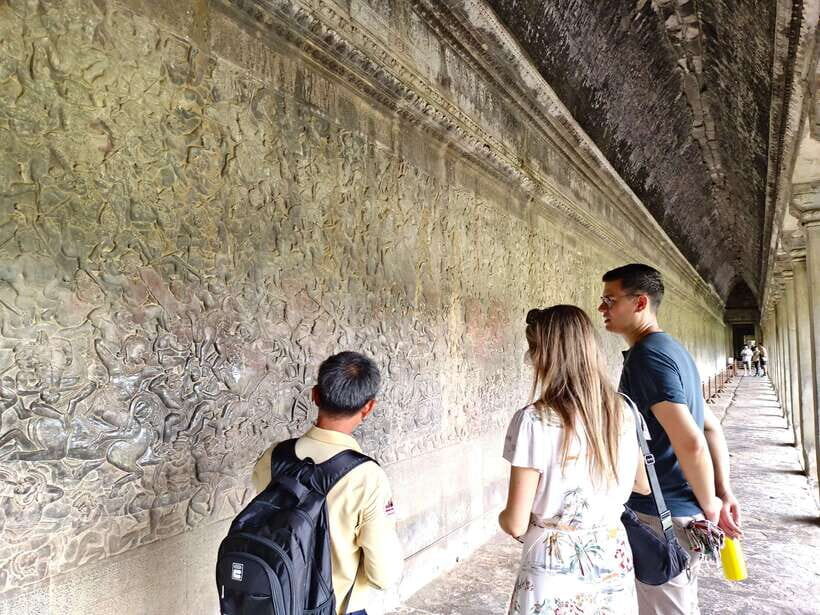
Next comes Banteay Srei. This is a smaller sandstone temple, and it’s famous for detailed relief carvings. The guide’s job here matters a lot, because these carvings can look busy if you’re just walking past them. With the right explanation, you learn what you’re actually looking at—stories, symmetry, and craft.
Then you shift to Neak Pean, an artificial island with a Buddhist temple set on a circular island within Jayatataka Baray. The experience here is more reflective. It’s not just a climb-and-snap place; it’s a “read the layout” stop.
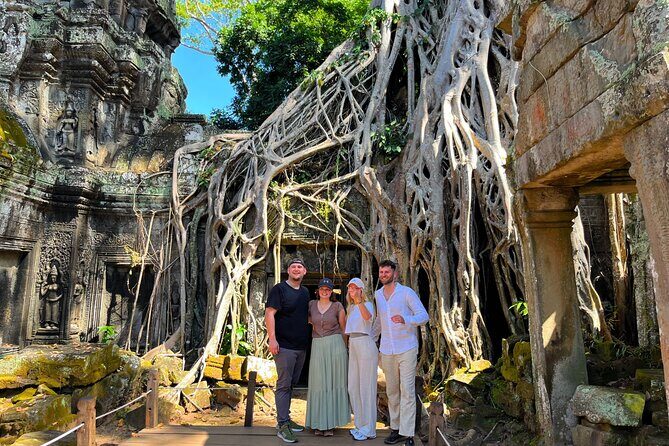
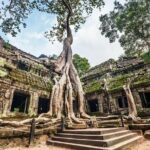
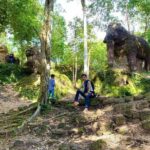
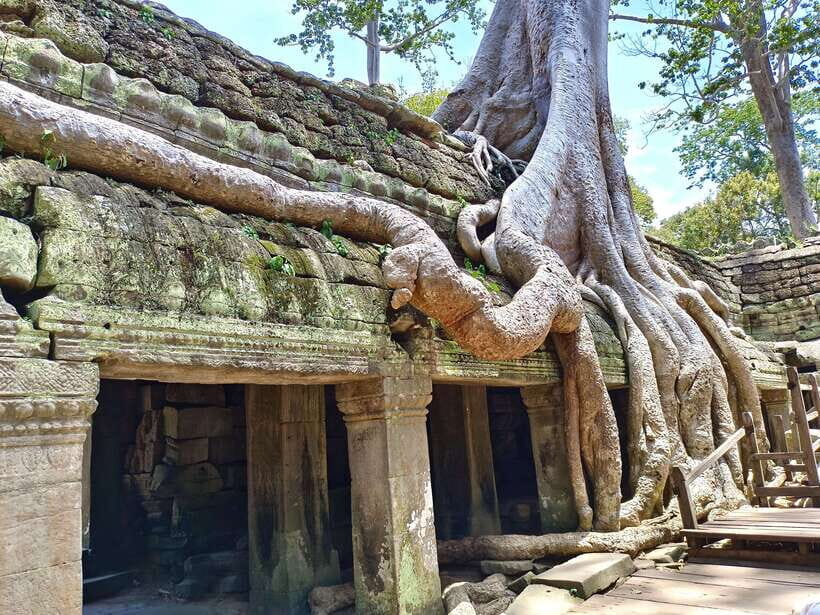
After that, you head to Preah Khan. This one is ruined, but in a way that feels alive—tree roots and crumbling stone create an atmospheric mix that’s hard to forget once you’re there. It’s also a good contrast to the more carefully preserved areas. You understand why Angkor isn’t one single style forever; it changed over time and through different rulers and religious purposes.
You finish Day 1 with sunset at Bakheng Mountain. By then, you’ve seen several different temple moods—carved sandstone detail, water-linked symbolism, and wild nature over stone—so the late-day color and viewpoint feel like the grand finale rather than another random stop.
Day 2: Early Angkor Wat sunrise, then a deep walk through the complex
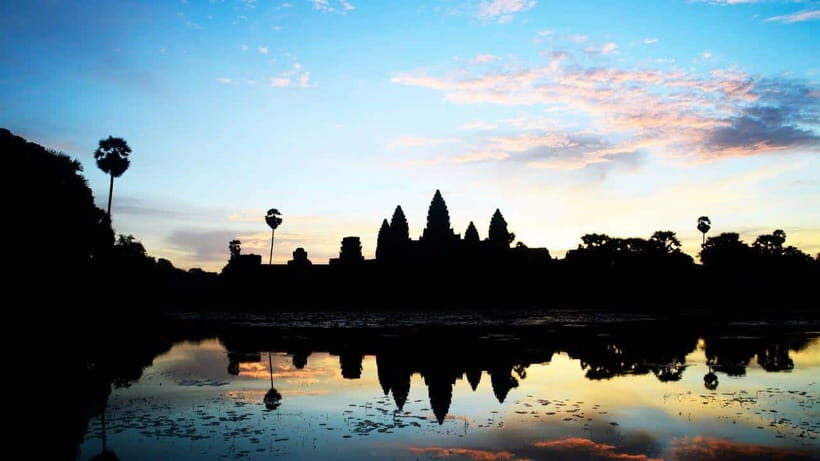
Day 2 starts before dawn again, but in a smoother, targeted way. You’ll be driven to the sunrise area, then spend time soaking up the atmosphere and watching the light come in.
What makes this part satisfying is the sequence: you don’t just do a quick photo and leave. After sunrise, you explore the inside of Angkor Wat with real time on the important parts: corridors, central chambers, and upper terraces. If you’ve ever visited a huge temple complex without guidance, you know how easy it is to feel lost. With an English-speaking guide—several guides on this route are noted for explaining periods and constructions—you can follow the logic of the layout and why certain parts matter.
After the morning’s temple time, you’ll take breakfast at a local restaurant near the temple area. Meals aren’t included, so you pay for breakfast yourself, but the advantage is simple: you don’t waste time hunting food while hungry and jet-lagged.
Then you continue into the rest of the Angkor highlights, where the day’s theme becomes less about architecture and more about mood and presence.
Ta Prohm’s atmosphere and Ta Nei’s Buddha dedication
Mid to late Day 2 is where the “wow” factor often lands hardest, especially at Ta Prohm. It’s the kind of temple people recognize from photos—tree roots, dramatic framing, and stone that feels halfway reclaimed by nature. But what you gain with a guide is context: the temple’s design choices and how it fits into the bigger Angkor story.
After Ta Prohm, the tour continues with Ta Nei. This is a late 12th-century stone temple dedicated to the Buddha. That Buddha focus is helpful because it reminds you Angkor’s religious history isn’t one straight line. You’re seeing how function and iconography shifted over time, not just how the stones look.
By the time you finish this day, you’ll likely feel it in your feet. But that’s also why the tour structure works: the early part is intense and focused, while the later stops keep you moving through different experiences rather than repeating the same architectural patterns.
Day 3: Tonle Sap Lake boat trip to Kampong Pluk fishing villages
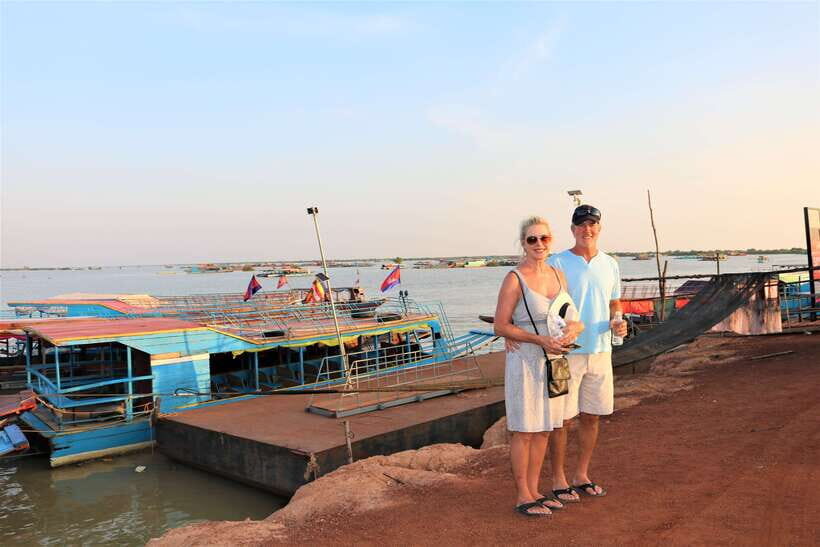
Day 3 is the switch that keeps this tour from feeling like only ruins. You start with pickup around 8:00 AM from your accommodation in Siem Reap, then drive through the countryside toward Tonle Sap Lake.
Tonle Sap is not a static destination. In the wet season it expands to about 12,000 square kilometers, and in the dry season it shrinks to around 2,500 square kilometers as water drains toward the Tonle Sap River. That change shapes everything: the villages, the routines, and the boats you’ll see.
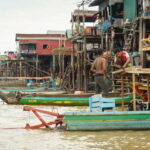
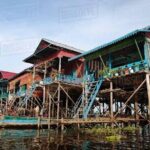
You take a boat trip to Kampong Phluk, described as a collection of three small fishing villages in an atmospheric flooded forest setting. This part is valuable because it’s not just scenery. You get a real sense of how people adapt to seasonal water levels. The emphasis here is on meeting locals and understanding daily life as it’s lived, not staged.
Lunch is for you to arrange at your own expense, and you’ll also have a short rest before continuing.
One seasonal consideration: during the dry season (March–July), the alternative noted for Tonle Sap is Cambodia Phare Circus (Seat C). If your travel dates fall in that window, you’ll trade lake village time for a different kind of cultural performance.
A few more Siem Reap tours and experiences worth a look
Price and logistics: $69 is for the brains, transport, and timed moments
The price listed is 69 USD per person for 2.5 days, but the real value is easier to see when you break it into two buckets:
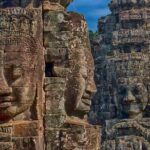
1) What’s included: pickup and drop-off in Siem Reap, an English-speaking guide, an air-conditioned vehicle, bottled water and cool towels, and key timed experiences like sunrise at Angkor Wat and sunset at Bakheng. You also get guidance for major temple stops such as Ta Prohm, and visits that include Angkor Thom City and Bayon Temple, plus Banteay Srei and the Grand Circuit. The tour also notes skip the ticket line, which saves time when you’re dealing with early mornings and large crowds.
2) What costs extra: temple entrance tickets (listed as 62 USD per person for coverage of temples across 2–3 days) and meals.
If you already know Angkor well and can navigate without help, you might question paying for a guide. But if this is your first serious Angkor trip, the guide is the difference between walking through ruins and understanding why they were built the way they were. Multiple guide names associated with this tour route are repeatedly linked to strong English explanations and excellent photo timing—exactly what you want when the sites are big, the details are small, and the best angles are not always obvious.
So I’d treat the 69 USD as paying for time management, interpretation, and transport comfort. Then add entrance tickets and meals as your on-the-ground costs.
What the small-group pace and private-style planning means for you
A tour like this can easily feel rushed. This one aims to avoid that by offering a small group experience and even highlighting private tour pacing at your own rhythm.
In practical terms, that matters because sunrise and sunset aren’t repeatable in the same way. If you’re stuck behind slow walkers during sunrise, your timing suffers. If the guide can adjust your movement through temples, you spend more time seeing and less time reacting.
It also shows up in the little logistics around breaks and photo stops. Several guides associated with this tour route are mentioned for knowing the best spots, and that’s a big deal in Angkor, where the light and angles change fast.
On the driver side, the care is noted too—people described drivers as careful, attentive, and even proactive with small comfort touches like cool water, towels, and attention during rainy moments. That kind of service matters more than it sounds when you’re jumping between wide temple grounds and long drives.
Practical tips: shoes, insect repellent, and respectful clothing
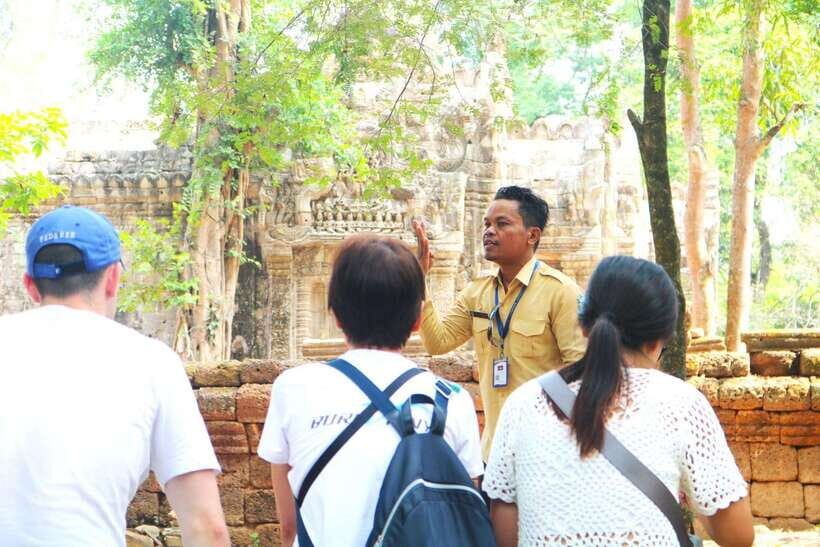
You’ll get the most out of this tour if you pack like it’s a walking day plus early mornings.
Bring:
- Comfortable shoes (you’ll walk a lot on stone and uneven temple surfaces)
- Insect repellent (especially on longer outdoor stretches)
Dress respectfully:
- Cover shoulders and knees
- Shorts aren’t allowed
- Bring layers if early mornings feel chilly
Also, this tour isn’t wheelchair accessible, so if mobility is a concern, you’ll want to choose a different format.
And yes, plan for the heat. Even with an air-conditioned vehicle between sites, you’ll spend long stretches outdoors at Angkor and around Tonle Sap.
Who should book this Angkor and Tonle Sap combo
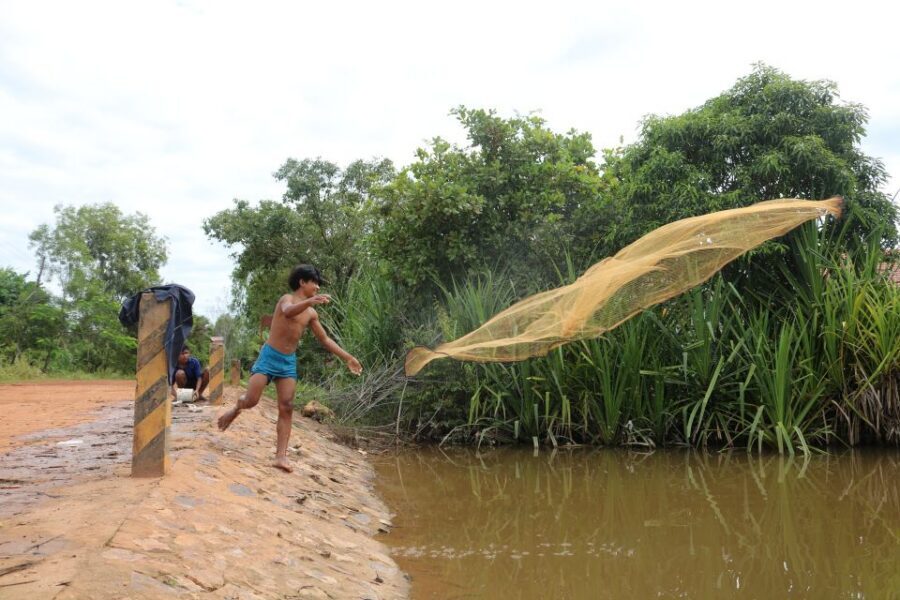
This is a good fit if you want:
- A guided Angkor visit where explanations actually help you understand what you’re seeing
- Both sunrise and sunset moments without cramming them all into one day
- A change of scenery with Tonle Sap Lake boat time instead of only temples
- A pace that’s not slammed, helped by small-group style planning and a guide who can adjust
It’s also a strong choice for solo travelers who like the comfort of a pickup routine and want company, and for couples or friends who want a shared experience without negotiating temple logistics.
If you’re the type who only wants to tick off the biggest names with no interest in context, you might find the guide-driven structure less appealing. But if you’re curious about how Khmer rulers, religious shifts, and temple design connect, this tour format is built for you.
Should you book this tour?
I’d book it if you’re okay paying entrance tickets on top of the 69 USD and you want the timed magic of Angkor Wat sunrise plus the viewpoint payoff at Bakheng sunset. The guide value is real here: clear English, thoughtful pacing, and photo timing show up repeatedly in the tour experience.
I’d hesitate only if you strongly dislike early starts, don’t want to budget for temple entrances and meals separately, or need wheelchair accessibility. For everyone else, this is a practical way to experience Angkor without feeling like you’re wandering in circles—then you get the bonus of Tonle Sap, where the story moves from stone to living water.
FAQ
How long is the tour?
It runs for about 2.5 days.
Where does pickup happen?
Pickup is included from your accommodation in Siem Reap city.
Is Angkor Wat sunrise included?
Yes. Sunrise at Angkor Wat is included.
Is Bakheng sunset included?
Yes. Sunset at Bakheng Temple is included.
What temples are included besides Angkor Wat?
The tour includes stops such as Ta Prohm, Angkor Thom City with Bayon Temple, Banteay Srei, and the Grand Circuit, plus additional temples earlier in the route like Re Rub, Neak Pean, and Preah Khan.
Are temple entrance tickets included in the price?
No. Temple entrance tickets are not included and are listed as 62 USD per person for coverage of temples over 2–3 days.
Are meals included?
No. Meals are not included, though breakfast is planned at a local restaurant near the temple area on Day 2.
What happens if I visit during March–July and Tonle Sap is affected?
During the dry season (March–July), the alternative listed is Cambodia Phare Circus (Seat C).
What should I wear and bring?
Wear comfortable walking shoes, use insect repellent, and dress respectfully by covering shoulders and knees. Shorts are not allowed.