REVIEW · SIEM REAP
Angkor Wat Sunrise Tour: 2.5 Days with Tonle Sap Lake
Book on Viator →Operated by Journey Cambodia · Bookable on Viator
Angkor at dawn feels like a different world. This 2.5-day Siem Reap tour mixes Angkor sunrise and sunset temples with a very real Tonle Sap lake day at Kampong Phluk’s flooded fishing villages. I especially like the way the schedule pairs big sights with calmer countryside moments, and I also like having an English-speaking guide who ties the stonework to what life is like today.
There is one catch to plan for: temple passes and meals aren’t included, so you’ll budget extra on top of the tour price. Also expect early mornings for sunrise, plus a fair amount of walking in hot, humid weather.
In This Review
- Key Highlights You’ll Really Feel
- Tonle Sap Sunrise Day: Kampong Phluk and the Wet Season Reality
- Angkor Thom and Bayon: Stone Faces, Big-City Scale
- Banteay Srei and Pre Rup: The Smaller Temples and a Sunset Payoff
- Pre-Dawn Angkor Wat Sunrise: Calm at the Edge of the Pool
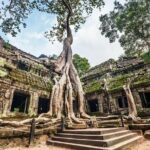
- Preah Khan and Ta Prohm: Tree Roots That Actually Look Alive
- Ta Nei Temple in the Afternoon: Buddha Dedicated and a Slower Finish
- Price and Value: What the $182 Covers (and What It Doesn’t)
- Guides and Drivers: The Difference Between Seeing and Understanding
- What to Pack and How to Survive Early Mornings
- Who Should Book This Tour, and Who Should Skip It
- Should You Book This Angkor Wat Sunrise + Tonle Sap Tour?
- FAQ
- What is the duration of this experience?
- Is pickup from your hotel included?
- Is an English-speaking guide included?
- What activities are included on Tonle Sap Lake?
- Are temple passes included for Angkor sites?
- Are meals included in the tour price?
- What is the dress code for temples?
- Is this tour private?
- Do I need tickets in advance?
Key Highlights You’ll Really Feel
- Pre-dawn Angkor Wat sunrise paired with time inside the temple complex
- Tonle Sap boat cruise at Kampong Phluk in a flooded forest setting
- Angkor Thom stops with Bayon’s face towers and Neak Pean’s circular island temple
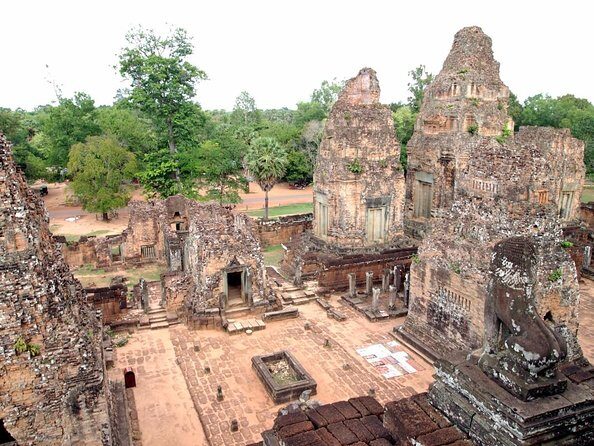
- Banteay Srei’s delicate sandstone carvings plus a Pre Rup sunset finish
- Private-style pace with hotel pickup and an air-conditioned vehicle
Tonle Sap Sunrise Day: Kampong Phluk and the Wet Season Reality
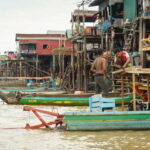
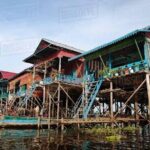
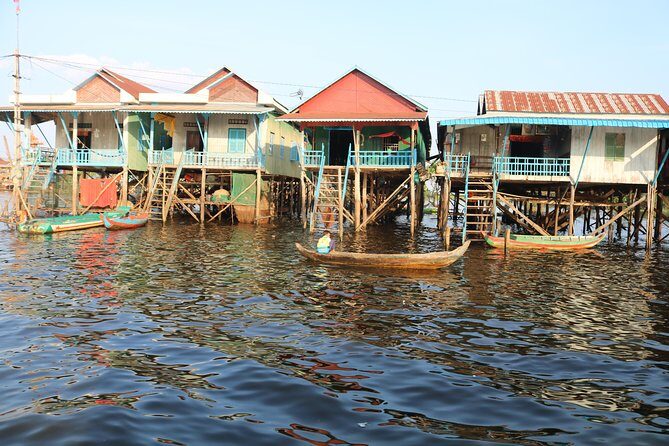
The best part of the Tonle Sap day is that it shows you Cambodia’s seasonal logic, not just a tourist postcard. The lake expands dramatically, from about 2,500 km² in the dry half of the year up to around 12,000 km² when water spreads out, draining back through the Tonle Sap River. That shift matters here, because Kampong Phluk is built for living with the water.
You head out from Siem Reap in the morning (the tour lists an 8:00 am hotel departure). Then you’ll take a boat trip to Kampong Phluk, described as a collection of three small fishing villages in an atmospheric flooded forest. The feel is different from temple crowds: you’re moving slowly over water, and you get a chance to see how people work and travel when the ground is basically seasonal shoreline.
One practical note: lunch at the local restaurant is on your own. The day also leaves room for a rest after the lake. That is smart—Tonle Sap can be intense in heat, and the tour needs you fresh for the temple days that follow.
A few more Siem Reap tours and experiences worth a look

Angkor Thom and Bayon: Stone Faces, Big-City Scale
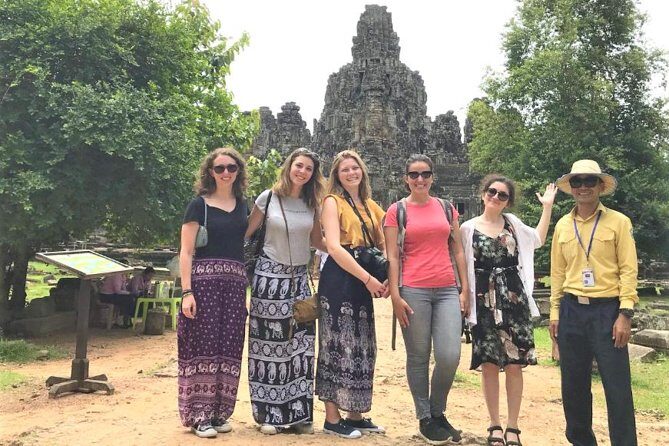
Day two leans back into the Khmer Empire’s power and ceremony. Angkor Thom was once the capital, and the tour sets you up to look at the site as a whole before you go inside. That helps because places like this can feel like random temple stacks if you don’t understand what they used to be.
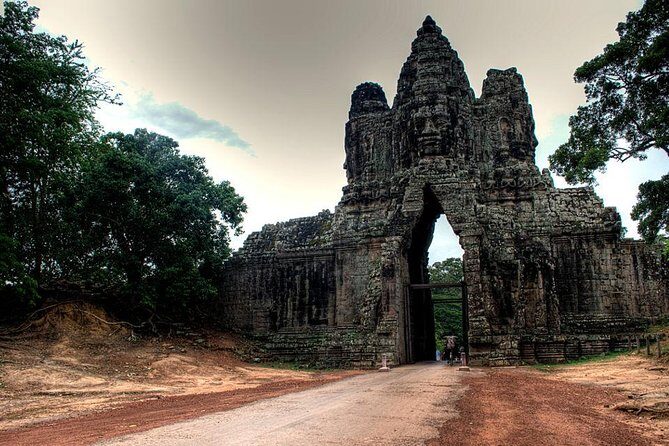
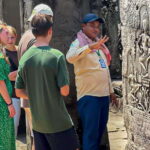
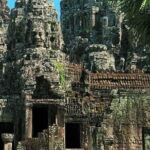
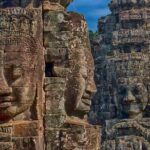
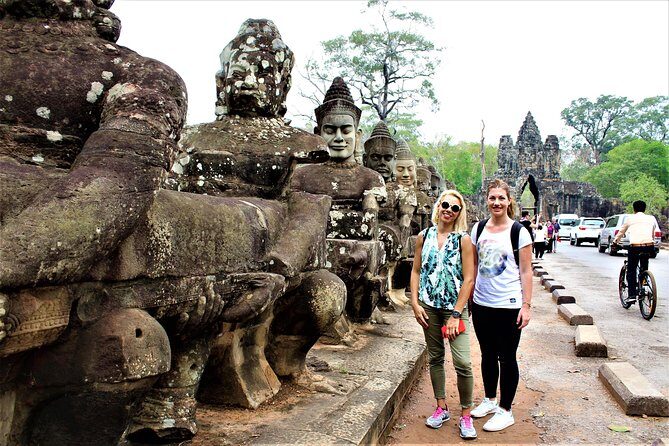
The main stop is Bayon, famous for its central towers covered in more than 200 enormous faces. This is one of those sights where the carvings do something to your sense of scale—up close, you realize you’re not just seeing decoration, you’re seeing a political message turned into stone. Your guide’s job here is to point out the details that make it click, like how the face towers sit within the layout and how the temple’s placement directs movement.
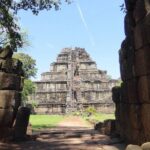
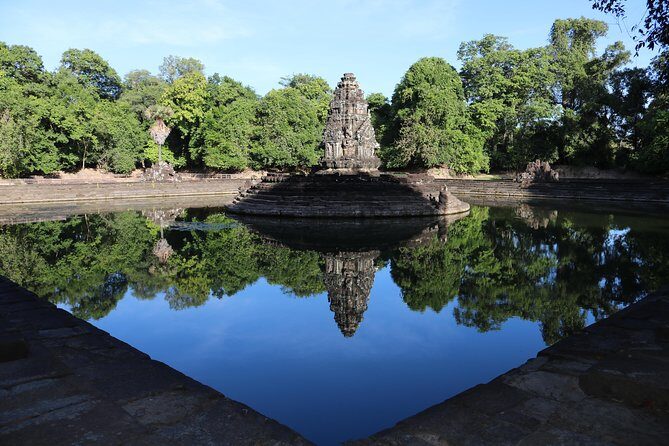
After Bayon, you move to Neak Pean, an artificial island with a Buddhist temple on a circular island in Jayatataka Baray. The design contrast helps: after the busy, face-filled Bayon, Neak Pean feels more centered and contemplative. Even if you’re not a hardcore temple person, it’s a good palate cleanser.
Admission tickets for these stops are not included, so you’ll want to bring cash/card on the day and keep an eye on where you’re supposed to pay at each site.
Banteay Srei and Pre Rup: The Smaller Temples and a Sunset Payoff
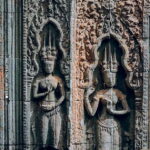
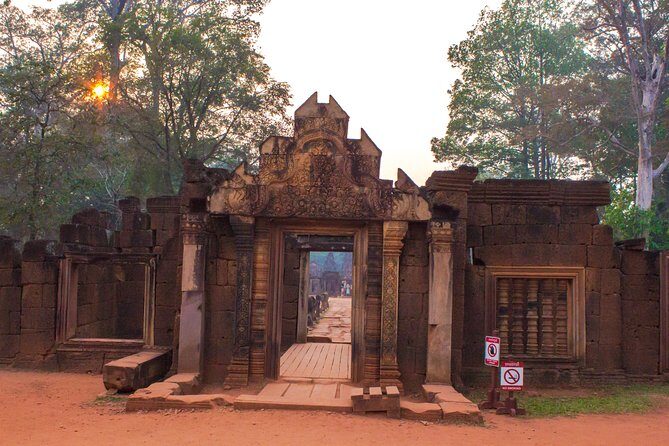
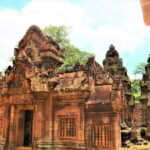
This day balances showy grandeur with careful craftsmanship. Banteay Srei is a smaller sandstone structure, and it’s often praised for its finely cut reliefs. The tour framing is clear: you’re going to focus on the detailing, not just the overall silhouette. If you like seeing how hands carved stone into stories, this stop is a strong one.
On the way back, the tour includes a brief stop at Banteay Samre, a laterite structure that once featured internal moats. That quick stop works well because it adds variety in materials and layout style. You’re also less likely to feel temple fatigue when one stop is quick and one stop has a deep focus.
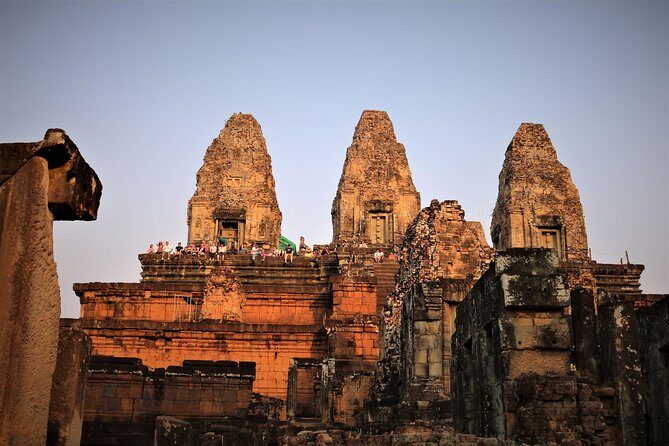
Then you finish with sunset at Pre Rup. The timing here is the big reason Pre Rup is included: the tour gives you a dedicated sunset slot (listed as 1 hour). That means you can watch light change on the stone without rushing to the next thing. If sunrise at Angkor Wat is about arriving at the spectacle, sunset at Pre Rup is about catching the monument when it turns softer and more human.
As before, temple admissions are not included, so plan on paying at the sites.
Pre-Dawn Angkor Wat Sunrise: Calm at the Edge of the Pool
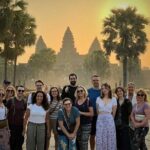
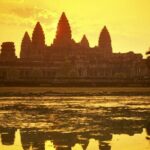
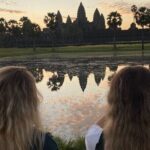
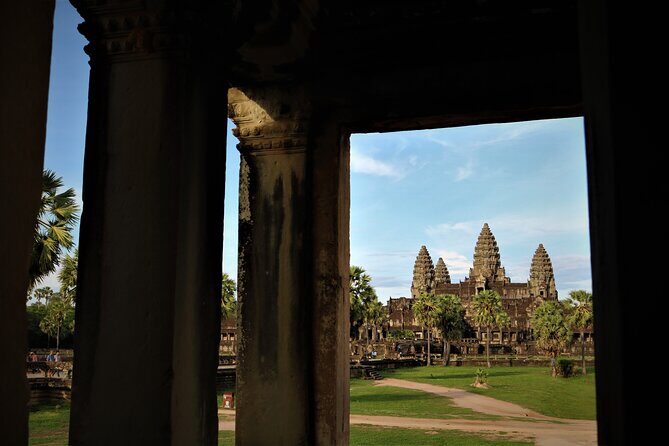
If sunrise is your reason for booking, this tour is structured to deliver it. You get a pre-dawn departure from your hotel and then you’ll take in sunrise at Angkor Wat from outside the main temple area. The tour notes you’ll soak in dawn from the edge of one of the ancient library pools, which matters. That spot gives you a quieter rhythm before the main flow of visitors builds.
After sunrise viewing, you explore inside Angkor Wat and spend about two hours moving through corridors, central chambers, and upper terraces. Two hours is a solid amount of time for a first pass, especially when your guide is there to explain what you’re looking at. This is where the temple stops become more than photos: you start to see how the design guides your movement and attention.
A practical reality: you’ll want a warm layer even if Siem Reap feels hot the rest of the day. Dawn near large stone structures can feel cool, and you’ll be standing longer than you think.
Also budget for the temple pass. Angkor Wat is one of the sites where the separate pass matters, and this tour explicitly says passes are paid directly to the site.
Preah Khan and Ta Prohm: Tree Roots That Actually Look Alive
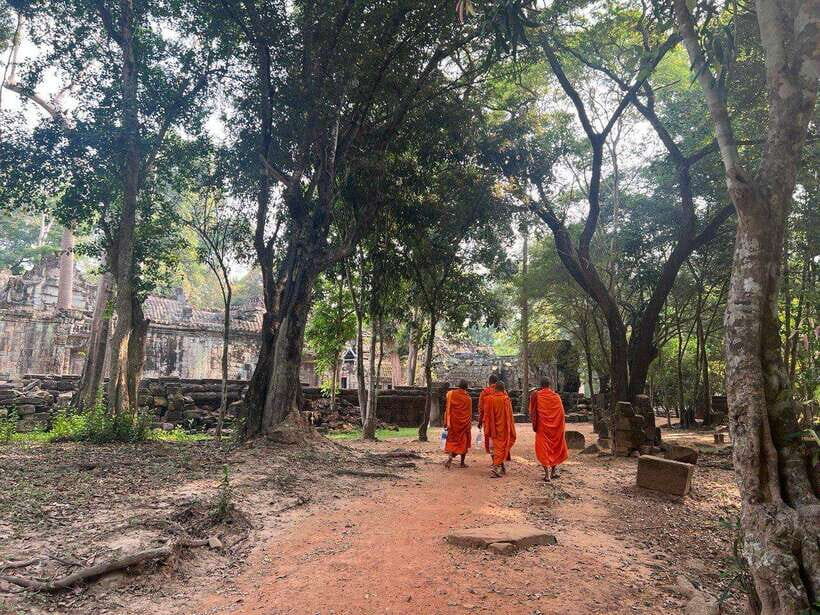
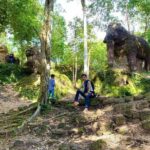
After the big sunrise day, the schedule shifts to temples with more atmospheric texture. Preah Khan is described as ruined but full of atmosphere, with tree roots and crumbling stone structures. This is the kind of place where photos can look messy, but in person you can feel the scale and the tension between nature and human building. A guide helps here by showing you what to notice instead of just following a crowd.
Then comes Ta Prohm, one of the most famous jungle-enveloped temples in Angkor. The tour sets time for it (listed as 1 hour 30 minutes for Ta Prohm in the day described), and that’s enough to move slowly through the main zones without feeling like you’re sprinting. I like that the tour doesn’t try to cram in ten more stops right after. The point is to let the architecture and the trees do their job.
This is also where having a guide who can tell stories pays off. Some guides focus on dates and names; others help you understand the logic of the space. Either way, you’re going to come away with more than just a sense that it looks cool.
A few more Siem Reap tours and experiences worth a look
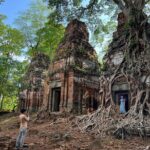
Ta Nei Temple in the Afternoon: Buddha Dedicated and a Slower Finish
Not every day should be all stone and climbing. In the afternoon, the tour drives to Ta Nei, a late 12th-century stone temple dedicated to the Buddha. The setting is calmer than the most famous Angkor temples, and the stop gives you a final taste of how temple purpose can change across sites.
One of the nice touches in this tour’s flow is that it builds in time back at the hotel for lunch and even a swim. That is a real practical win after temple walking and sunrise cold-to-hot swings. It also means you don’t end the day exhausted, which makes the overall trip feel more balanced.
Again, temple admissions aren’t included, so have your pass strategy ready for the day’s stops.
Price and Value: What the $182 Covers (and What It Doesn’t)
At $182 per person, the value hinges on two included pieces: the Tonle Sap boat cruise and entry for Tonle Sap, and the major Angkor days with an English-speaking guide plus transport. You’re also getting air-conditioned vehicle service and mineral water. For many visitors, that combo is what turns a chaotic plan into a doable trip.
What’s not included is the temple pass and meals. Temple passes are a separate budget line, and meals add up fast if you rely on snacks between long stops. If you want the easiest math, plan on paying for temple entry at the sites during the tour days and budgeting for lunch on your own at Kampong Phluk.
If you’re traveling in a small group, this tour can feel like a good deal because private-style routing keeps you from wasting time on constant regrouping. The tour lists group discounts too, which can lower the per-person cost if you’re lucky enough to travel with others.
Guides and Drivers: The Difference Between Seeing and Understanding
The biggest pattern in the reviews you provided is that the guide changes everything. Names show up again and again—Bun, Sak, Dara, Chhay, Monirom, Sam (Samneang Ty)—and the common theme is clear: they explain what you’re seeing and answer questions without making it feel like a lecture.
For example, Bun is repeatedly described as patient and able to share Cambodian culture through stories, with helpful attention to what visitors ask. Sak gets praised for being very knowledgeable and for helping with routing and timing. Chhay is praised for knowing back roads to access Angkor’s beauty without making you feel stuck.
Drivers are also part of the value equation. Dara, Keal, Ousa, and Sombat are mentioned with consistent themes: safe driving, friendliness, and attention that includes cold water and cold towels in at least one experience. You might not notice it every minute, but when you’re out in Cambodia heat and sunrise darkness, those small comforts help you stay focused.
This tour also highlights an English-speaking licensed guide, so you’re not left guessing why Bayon has so many faces or why Neak Pean is designed the way it is.
What to Pack and How to Survive Early Mornings
This tour asks for respectful temple clothing: shoulders and knees covered. The dress code is specific that shoulders must be covered with a scarf, not just bare shoulders under a thin top. Plan for that and you’ll avoid getting stopped at temple entrances.
Here’s what I’d bring based on how the day is structured:
- Comfortable walking shoes with grip for temple paths
- A light scarf for shoulders and a backup one too
- A hat and sunscreen for midday Tonle Sap heat
- A small refillable water bottle (you’ll get mineral water on the tour, but heat is heat)
Timing matters. You’ll have a morning departure for Tonle Sap, and then a pre-dawn departure for Angkor Wat sunrise. That means your best move is to rest at night and keep your evenings low-key so you can actually enjoy the dawn moment.
Who Should Book This Tour, and Who Should Skip It
This is a great fit if you want two things in one trip: Angkor’s temple masterpieces plus Tonle Sap’s real-world lake life. It’s also ideal if you like history explained in plain language, not just a checklist of places to stand for photos.
You might want a different option if you hate early mornings or you don’t like walking between multiple temples in one day. It’s a packed kind of touring, even with a good guide and a private feel. Also, if you strongly prefer meals included in the package, the meal cost will be an extra factor.
Should You Book This Angkor Wat Sunrise + Tonle Sap Tour?
Yes, if your priority is sunrise at Angkor Wat paired with a Tonle Sap day that goes beyond temples. The included Tonle Sap boat cruise and English-speaking guiding make it easier to get the most out of both worlds without sweating the logistics.
I’d book especially if you value context. The tour is designed around guides who explain what you’re seeing, and the names you provided suggest that guides here tend to be patient and responsive. If you’re the type who asks questions, you’ll likely enjoy the pace.
Skip or compare if you budget tightly and don’t want to pay extra temple passes and meals. The price is fair, but the temple pass line is part of the real cost of doing Angkor.
FAQ
What is the duration of this experience?
The tour runs about 3 days on the calendar, with the main experience described as 2.5 days including sunrise and sunset plus the Tonle Sap visit.
Is pickup from your hotel included?
Yes, hotel pickup is offered.
Is an English-speaking guide included?
Yes. The tour includes a licensed English-speaking tour guide.
What activities are included on Tonle Sap Lake?
You get a Tonle Sap boat cruise to Kampong Phluk, and Tonle Sap entrance fee is included.
Are temple passes included for Angkor sites?
No. Temple passes are not included and must be paid directly to the sites.
Are meals included in the tour price?
No. Meals are not included, and lunch is noted as own expense at Kampong Phluk.
What is the dress code for temples?
You need respectful clothing that covers your shoulders and knees. Shoulders must be covered with a scarf, and bare shoulders are not allowed.
Is this tour private?
Yes. It’s described as private, with only your group participating.
Do I need tickets in advance?
The tour notes mobile tickets, but temple pass payments are still required at the sites.