REVIEW · SIHANOUKVILLE
Full day Tour, Countryside, Pepper farm & Kep, crab market…
Book on Viator →Operated by Peppercorn private tour (Kampot & Kep) · Bookable on Viator
That 7–8 hour stretch is packed in the best way. This tour links Kampot and Kep with hands-on stops: salt fields, the Phnom Chhngok cave temple, a pepper farm with tastings, then Kep’s crab market and downtime on the beach. I like how it gives you both practical context (how salt and pepper are made) and big sights (203 steps up to a Shiva temple inside a cave), all with a guide who keeps the pace friendly and understandable.
My favorite part is the balance: you’re not stuck in a single town, and the day doesn’t feel rushed at every stop. One thing to keep in mind: it’s a long day and you’ll do a real climb at Phnom Chhngok, plus pickup is limited to a short radius around the meeting point near Epic Arts Café.
In This Review
- Key highlights you’ll care about
- A countryside loop that actually makes sense
- Salt fields: quick lessons in how Kampot’s salt is made
- Phnom Chhngok cave temple and the 203-step test
- Brateak Krola Lake: remote views with heavy history attached
- The pepper plantation: tastings that feel useful, not salesy
- Kep crab market and beach time: eat well, then decompress
- Guide and driver: why the day feels smooth
- Price and what’s included (and what isn’t)
- Who should book this tour (and who should skip it)
- Should you book the Pepper Farm & Kep crab market countryside day?
- FAQ
- How long is the tour?
- What does the tour cost?
- Where is the meeting point?
- Is pickup available?
- How many people are in the group?
- What’s included in the price?
- What activities happen at the pepper farm?
- Is there walking involved?
- Can I cancel for a full refund?
Key highlights you’ll care about
- Salt fields on Kampot time: learn how ocean water becomes salt in the evaporation pans.
- Phnom Chhngok cave temple steps (203): views, a cave interior, and a brick Shiva temple from the Funan era.
- Brateak Krola Lake with Khmer Rouge-era history: a large man-made lake, quiet and remote.
- Pepper plantation tour with tastings: watch the process and sample what’s grown onsite.
- Kep crab market plus beach time: seafood/lunch options, then a chance to swim or relax before heading back.
- Small group day out: up to 12 travelers, with pickup and guide support throughout.
A countryside loop that actually makes sense
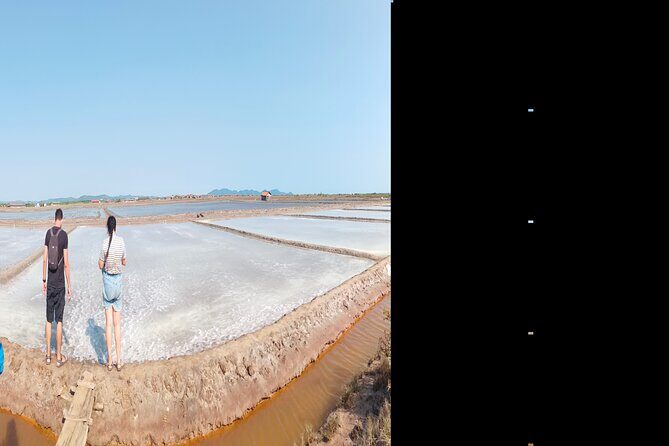
This is the kind of day trip that works when you want more than just a single highlight. You start at Epic Arts Café in Kampot and spend your day moving through the countryside around Kampot and Kep, then return to the same meeting point. The tour runs about 7 to 8 hours, and it’s capped at 12 travelers, so you’re not dealing with a huge crowd.
At $24 per person, the value is in what’s bundled: guided time, entrance fees, and basic refreshment support. You also get a short pickup window—pickup is offered only within about 3 km of the pickup point (so if you’re farther out, you may need to make your own way to the meeting spot).
If you like tours that feel like a “day with a knowledgeable local,” this fits. If you prefer slow travel with zero walking and lots of free time, you might find the pace a bit full.
You can also read our reviews of more shopping tours in Sihanoukville
Salt fields: quick lessons in how Kampot’s salt is made
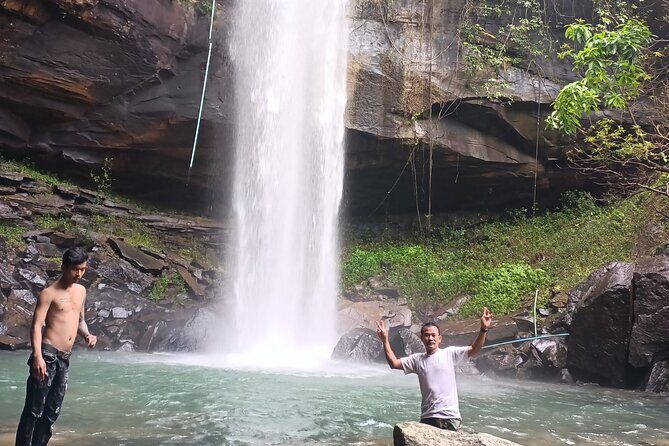
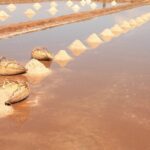
Your day starts with a stop at Kampot salt fields, with a short drive first. This is one of those quietly fascinating places where the basics explain a lot about the region. Ocean water gets pumped into evaporation pans, then the sun does the work—leaving salt coating the ground.
The nice part is the timing. This isn’t a long, museum-style lecture. It’s more of a guided walk where you can connect what you see (the pans and salt layers) to what people do to keep the system running. You’ll likely get just enough explanation to understand the logic without losing the rest of the day.
Practical tip: salt areas can be hot and bright. Wear shoes that handle uneven ground, and bring water (you’ll have bottled water included, but you can still move smarter if you arrive prepared).
Phnom Chhngok cave temple and the 203-step test
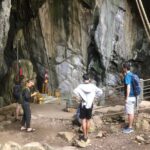
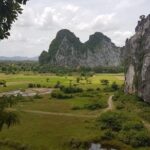
Next comes Phnom Chhngok Cave Temple, one of the most memorable stops in the region. Plan on about 203 steps to reach the entrance, and you’ll spend time looking at both the views from up high and what’s inside the main cave chamber. The centerpiece is a brick temple dedicated to Shiva, linked to the Funan-era—a detail that gives the visit more weight than a casual cave stop.
The cave experience is different from temple-hopping in cities. The air, the echo, and the sheer sense of stepping into another space make it feel more like a place than a photo backdrop. You’re also getting that “Kampot countryside viewpoint” feeling on the way up, even before you reach the interior.
A consideration: this stop asks for moderate physical fitness. If you’re not comfortable with stairs and uneven steps, you’ll feel it here. Also, cave areas can be cooler than the outside—but the climb is the part that counts.
Brateak Krola Lake: remote views with heavy history attached
Then the day shifts into a quieter, more open scene: Brateak Krola Lake. It’s an artificial lake outside town, and you’ll have time to take in the scale. The highlight here is that it’s not just a scenic pause—your guide explains the story behind the lake and the dam, including that it was constructed using forced labor during the Khmer Rouge era.
That blend—calm water and a difficult past—changes how you experience the place. You’re not just taking pictures; you’re learning how places can carry history even when the surroundings look peaceful. And because the area is mostly unpopulated with a dirt road around the lake, it feels removed from the daily pace of town life.
Practical tip: this can be a reflective stop. If you’re traveling with kids or you dislike heavy historical context, ask your guide how they’re handling the story so the day stays comfortable for your group.
The pepper plantation: tastings that feel useful, not salesy
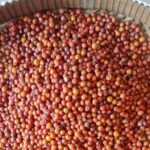
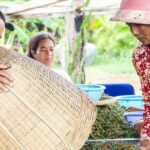
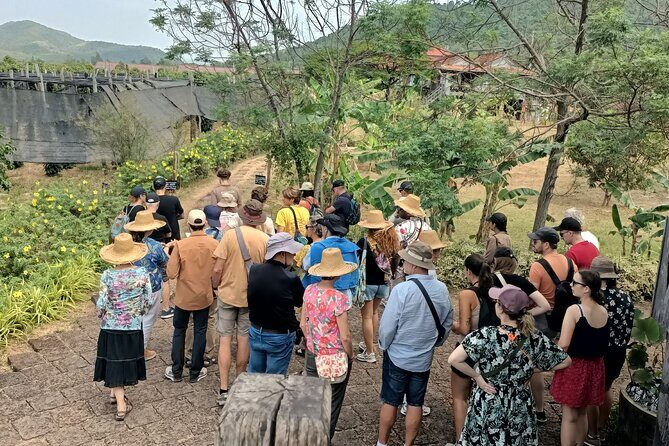
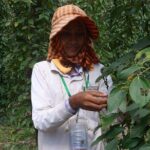
One of the best parts of the whole day is the pepper plantation tour. It’s long enough to be meaningful—around 2 hours—and it’s built around a simple idea: pepper isn’t magic. It’s grown, processed, and harvested with specific steps.
You’ll take a guided look at the plantation and then get tastings of the pepper produced onsite. The tour also includes some free tasting support (and you’ll have the option to purchase real pepper products afterward). That’s the practical angle: you learn what you’re tasting, not just that it’s strong or spicy.
If you like bringing home food souvenirs that don’t feel like junky tourist items, this is a good match. Pepper can be a fun “campfire memory” from Cambodia—especially if you’ve got a clear idea of how it’s made.

Kep crab market and beach time: eat well, then decompress
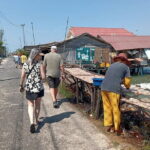
After the countryside, the day heads to Kep Crab Market, where you spend about 40 minutes. This is the place to go when you want seafood energy without turning the whole day into a food marathon.
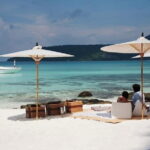
The tour’s plan includes sampling seafood or having lunch at the crab market, and the day doesn’t stop at eating. Afterward, you’ll have time to swim or relax on the beach before you head back to Kampot. That beach break is a smart pairing with the day’s walking and heat. You finish the “active” part of the day and then let your body reset.
Practical tip: decide early what you want to do at the market—sample small, or go for a full meal—because your time window is limited. Also, bring a cover-up or something easy to change into if you plan to swim.
Guide and driver: why the day feels smooth
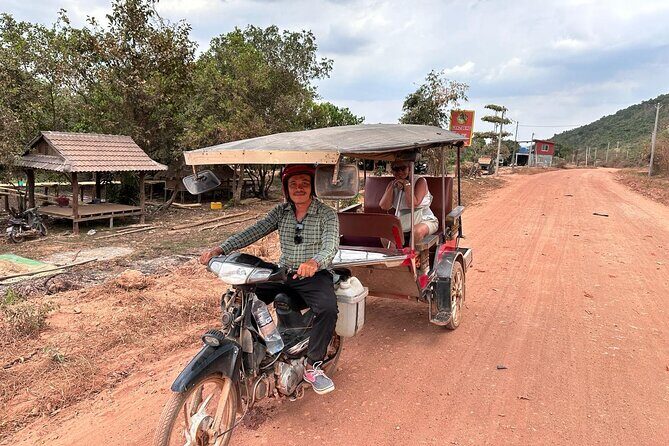
The tour’s success is closely tied to the guide. One guide name that comes up strongly is Phalla, and the pattern in his approach is clear: he’s friendly, local, and good at explaining things in a way that makes the countryside stops feel connected. There are also notes about the day being informative and tailored, which matters most when you have a mixed group—some people want history, some want practical food info.
The pacing also seems to be handled well, including on the logistics side. Pickup has a reputation for being on time, and having a nice driver-guide helps when you’re hopping between remote sites.
One caution: if you want anything extra beyond what’s described—like a specific add-on—make sure it’s confirmed upfront. When plans depend on small details, it’s easy for something to get missed.
Price and what’s included (and what isn’t)
At $24 per person, this tour is priced for value. Here’s what’s included:
- entrance fees
- fresh coconut
- bottled water
- guided tour time
- pickup around the Kampot area meeting point (within about 3 km)
What’s not listed as included:
- your own spending at the crab market if you choose more than sampling
- any pepper purchases you might make at the plantation
- additional snacks or drinks beyond the bottled water and coconut provided
To me, the value calculation is simple: you’re paying for a full day of transportation support, a guide across multiple stops, and entrance fees to structured sites. If you’re trying to build a similar day on your own, you’d likely spend more in transit time and ticket costs.
Who should book this tour (and who should skip it)
This tour is a great fit if you:
- want a high “sight-to-time” day across Kampot and Kep
- enjoy learning how everyday products work (salt and pepper)
- like temples and don’t mind a moderate climb
- want a built-in plan ending with beach downtime
It might not be ideal if you:
- hate stairs and uneven steps (Phnom Chhngok includes the climb)
- need lots of free, unscheduled time
- live beyond the pickup radius and would have to manage transport to the meeting point yourself
Should you book the Pepper Farm & Kep crab market countryside day?
I’d book it if you want one organized day that strings together the best of Kampot and Kep without you building an itinerary from scratch. The standouts are the practical stops—salt fields and pepper tastings—and the “wow” factor of Phnom Chhngok cave temple. Add in Kep’s crab market and then a beach reset, and you’ve got a day that feels complete.
If you do book, plan for sun and stairs, keep an eye on your market timing, and come hungry enough for seafood. Also, if you’re traveling with specific requests, confirm them clearly before you go.
FAQ
How long is the tour?
The tour runs about 7 to 8 hours.
What does the tour cost?
It costs $24.00 per person.
Where is the meeting point?
The start is at Epic Arts Café in Kampot, and the tour ends back at the same meeting point.
Is pickup available?
Pickup is offered around the meeting area, but it’s limited to roughly 3 km from the pickup point. If you’re farther away, you may need to meet at Epic Arts Café.
How many people are in the group?
The tour has a maximum of 12 travelers.
What’s included in the price?
Entrance fees, fresh coconut, bottled water, a guide tour, and pickup around the meeting point are included.
What activities happen at the pepper farm?
You’ll tour the pepper plantation, learn about the production process, and enjoy pepper tastings onsite.
Is there walking involved?
Yes. The tour includes Phnom Chhngok Cave Temple with 203 steps, so it’s best for people with a moderate fitness level.
Can I cancel for a full refund?
Yes. You can cancel up to 24 hours in advance for a full refund.